
10 Must-Visit Greek Cities for Food, History & Stunning Views
Dreaming of a trip where ancient myths, mouthwatering food, and postcard-perfect views come together? Then Greece is calling your name. From its sun-drenched islands to its storied mainland, every corner of this country feels like stepping into a living museum—only with better seafood and stronger coffee.
Picture this: wandering through the timeworn streets of Athens, where the Acropolis rises above the city like a guardian of history. Or losing yourself in Thessaloniki, a cultural hub with layers of Byzantine beauty and more UNESCO sites than you can count on both hands. These are the cities that bring Greece’s soul to life—where history isn’t just studied, it’s felt.
Travel a little further, and you’ll find Delphi, once believed to be the center of the world, and Olympia, the birthplace of the Olympic Games back in 776 B.C. On Crete, the Palace of Knossos tells stories of the Minoans, while Mycenae reveals the secrets of Europe’s first Bronze Age civilization.
Whether you’re tasting meze by the sea, hiking up ancient ruins, or chasing golden sunsets over whitewashed towns, each city invites you to experience Greece in its own unforgettable way.
Ready to uncover the ten must-visit Greek cities for food, history, and jaw-dropping views? Let’s dive in!
Disclaimer: This post may contain affiliate links, meaning I receive commissions for purchases made through those links at no cost to you. Please read my full disclosure for more information.
1. Athens
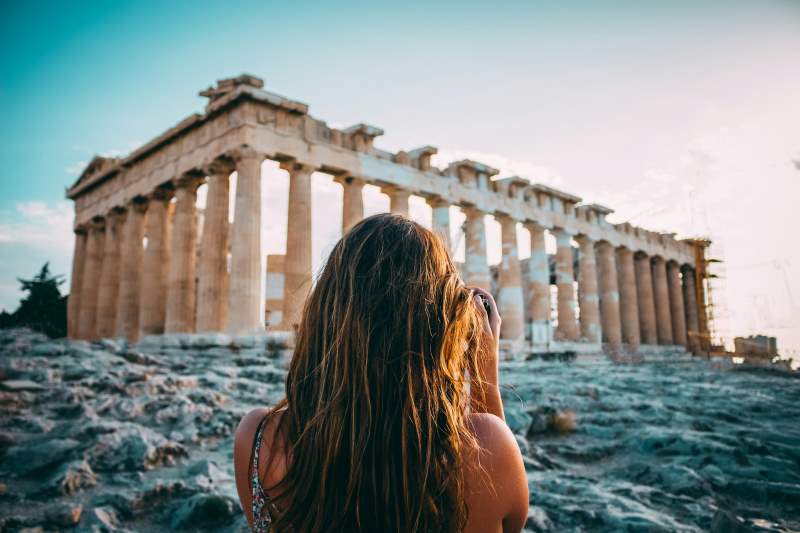
Athens stands tall as the birthplace of Western civilization and shows humanity’s greatest achievements in democracy, philosophy, and art.
Top Attractions in Athens
The Acropolis towers over the city from its 156-meter perch, and standing beneath it feels like stepping into the pages of an ancient story. Many believe it’s still the most complete and breathtaking example of classical Greek architecture anywhere in the world.
At the top, the Parthenon steals the spotlight. Built in the 5th century BC during the ambitious era of Pericles, it’s the kind of landmark that leaves you quietly stunned.
Not far away, the Temple of Olympian Zeus reminds you just how monumental ancient Greece could be. Only a handful of its Corinthian columns survive today, but imagining the original 104 soaring into the sky is enough to give you goosebumps.
As you continue exploring, the Ancient Agora pulls you into the rhythm of daily life in classical Athens—a place where people gathered, debated, traded, and shaped the earliest ideas of democracy.
Then there’s the Panathenaic Stadium, gleaming entirely in marble, proudly hosting the first modern Olympic Games in 1896. It’s impossible not to picture the roaring crowds.
And if you’re craving even more cultural treasures, Athens’ museums will keep you busy for days, offering deep dives into art, archaeology, and stories that shaped the Western world.
Notable museums include:
- The Acropolis Museum, which houses all surviving artifacts from the Acropolis
- The National Archeological Museum, Greece’s largest collection of findings from Neolithic to Roman eras
- The Museum of Cycladic Art, which displays the distinct flat-featured marble figurines
Athens Food Scene
Athens’s food scene delights with flavors that span thousands of years.
Varvakeios Market offers an authentic experience where locals buy fresh ingredients under high ceilings with wrought-iron details.
Nolan serves up Bib Gourmand-recognized fusion of Greek and Japanese flavors. Ergon House brings eating, shopping, and accommodation into one seamless experience.
Best Views in Athens
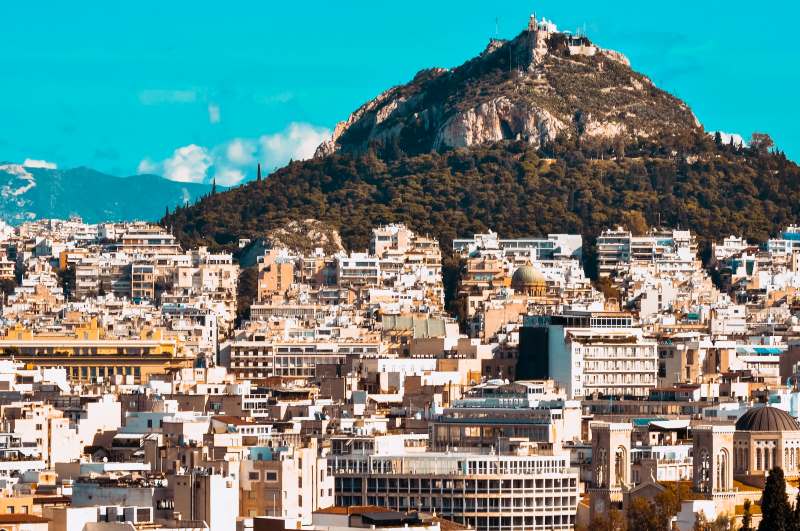
Mount Lycabettus, central Athens’s highest hill, catches everyone’s eye with its giant Greek flag.
Many visitors say Philopappos Hill offers the best Acropolis views, especially at sunset. Areopagus Hill (Mars Hill) combines great views with rich history as the ancient meeting spot for philosophical and legal discussions.
A for Athens rooftop bar lets you relax with a drink while watching Monastiraki Square and the lit-up Acropolis.
Renzo Piano’s Stavros Niarchos Foundation Cultural Center adds another stunning viewpoint with its rooftop park.
Cultural Experiences in Athens
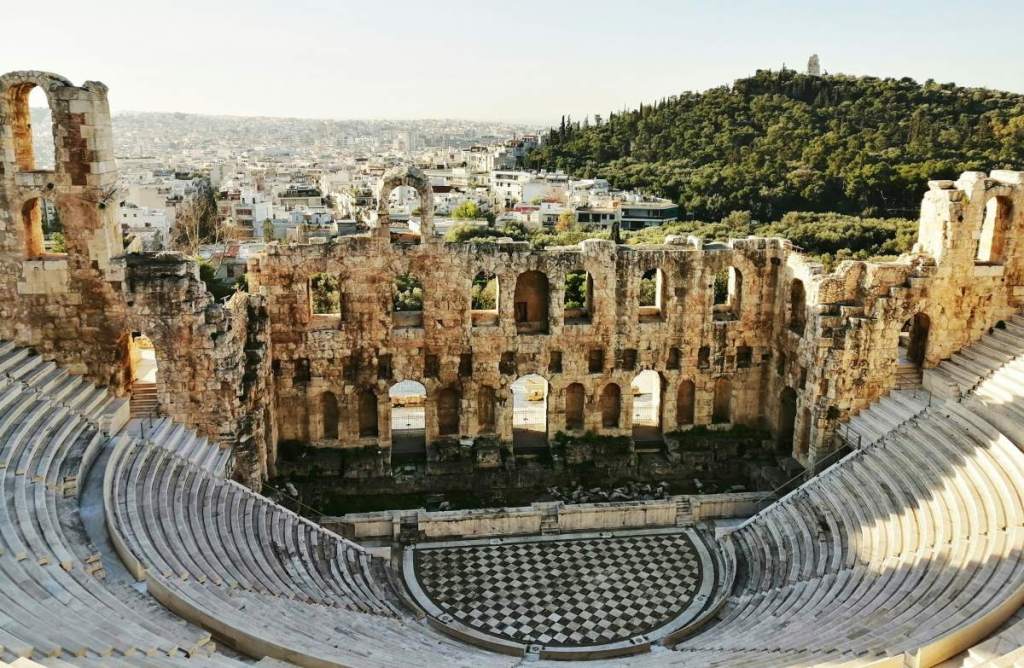
The Odeon of Herodes Atticus, a 2,000-year-old Roman amphitheater, has hosted famous performances like Sting and Frank Sinatra. This venue becomes the heart of the Athens Festival from May to October, showcasing international arts and culture.
You can join a Greek cooking class to master traditional dishes like moussaka and spanakopita.
Theater on the Move offers an English-speaking adventure that mixes sightseeing with live ancient Greek play performances from a comfortable bus.
The massive Stavros Niarchos Foundation Cultural Center shows Athens’s cultural growth. This 170,000 square meter green park houses both the Greek National Opera and National Library of Greece.
RELATED BLOG POSTS:
- Ten Best Things to do in Athens Greece
- Cheapest Time to Travel to Athens Greece
- Athens Greece Travel Tips
2. Thessaloniki

Greece’s second-largest city, Thessaloniki is located on the shores of the Thermaic Gulf.
This vibrant city blends Byzantine, Roman, and Ottoman influences into its unique character. The city proudly showcases 15 UNESCO World Heritage monuments that tell its rich historical tale.
Young energy flows through its streets, with students aged 18-24 making up a third of the population.
Top Attractions in Thessaloniki
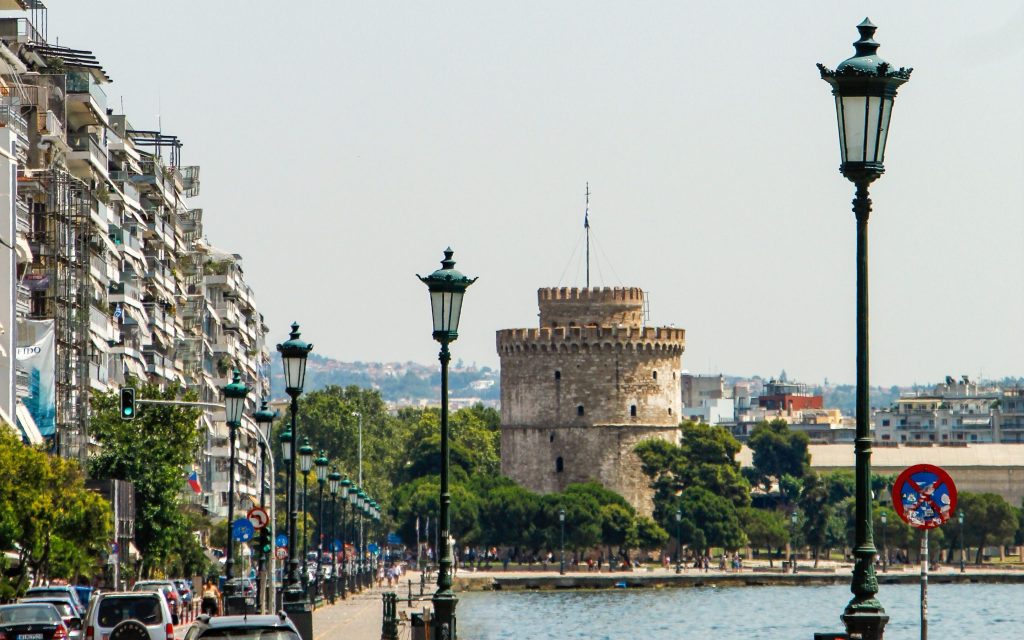
The majestic White Tower stands proudly as the city’s most recognizable landmark along the waterfront boulevard. This former fortress and prison, once known as the “Tower of Blood,” now welcomes visitors to explore a museum showcasing the city’s 23-century history.
The Rotunda, an impressive cylindrical structure from the 4th century, ranks among the city’s most striking ancient monuments near the Arch of Galerius.
Architecture enthusiasts will love the Church of Saint Demetrius, a magnificent 5th-century Byzantine monument. The grand Agia Sofia with its neo-classical design offers fascinating glimpses into the city’s spiritual past.
The Ladadika District charms visitors with its cobbled streets and beautifully restored buildings. This former Jewish quarter now thrives as a hub of restaurants and cultural venues.
Thessaloniki Food Scene
Food lovers consider Thessaloniki a gastronomic heaven. The city’s location and trading history have created a unique culinary identity that blends Mediterranean and Asian flavors.
The bustling Kapani Market and newly renovated Modiano Market showcase stalls filled with fresh produce, including the renowned Florina red peppers and local seafood. The local cuisine uses more spices than other Greek regions, thanks to its diverse cultural heritage.
Seafood lovers should head to Kalamaria, just 10 minutes from downtown, while the lively Bit Bazaar area serves up traditional fare at wallet-friendly prices.
Best Views in Thessaloniki

The Upper Town (Ano Poli) rewards visitors with stunning views of the city against Mount Olympus and the Thermaic Gulf. This historic neighborhood survived the great fire of 1917, keeping its old-world charm and architectural character intact.
Spectacular city views await at the Trigonion Tower. The waterfront promenade offers perfect photo spots, especially near the artistic Umbrellas sculpture by Zongopoulos.
Cultural Experiences in Thessaloniki
The city’s museums tell fascinating stories of its heritage.
The Archeological Museum brings 23 centuries of Macedonian history to life, from prehistoric times through the Early Christian period.
The Museum of Byzantine Culture features 11 galleries filled with authentic artifacts that showcase Byzantine civilization.
Since its recognition as European Capital of Culture in 1997, Thessaloniki has kept its artistic spirit alive through spaces like the MOMus network of contemporary art venues. The yearly Thessaloniki Film Festival draws cinema enthusiasts and filmmakers worldwide.
As night falls, the city transforms into a vibrant entertainment hub that matches famous European destinations. Local wines flow freely at tavernas throughout the center, where you can sample traditional aperitifs like ouzo and tsipouro.
RELATED BLOG POSTS:
- Thessaloniki Travel Tourist Attractions
- Thessaloniki Hidden Gems
- Thessaloniki Bucket List
- Thessaloniki Day Trips
- Thessaloniki Itinerary
- Thessaloniki Hotels
3. Santorini

Santorini sits on the edge of an ancient volcano in the Aegean Sea. Its dramatic caldera, whitewashed buildings, and blue-domed churches tumble down steep cliffs.
This crescent-shaped island came from one of history’s biggest volcanic eruptions and amazes visitors with its natural beauty, archeological treasures, and stunning sunset views.
Top Attractions in Santorini
The Caldera of Santorini is a crescent-shaped volcanic crater gives you breathtaking views in every direction.
You haven’t really seen Santorini until you visit the Akrotiri Archeological Site. This prehistoric Minoan city lies preserved in volcanic ash just like Pompeii. People call it the “Pompeii of Greece” because its ancient buildings, streets, and squares from 3,500 years ago remain intact.
Nature lovers will love walking the active Nea Kameni volcano. Black lava fields and steaming sulfur craters make this a unique experience.
The beaches here are just as amazing. Red Beach shows off dramatic red cliffs against deep blue waters, while Perissa and Perivolos stretch out with their striking black volcanic sand.
Santorini Food Scene
The island’s volcanic soil creates incredibly tasty ingredients despite the lack of water.
You’ll taste this in their famous cherry tomatoes, fava beans, white eggplants, and capers. Wine lovers should try the Assyrtiko grapes. These thrive in the acidic soil and make some of Greece’s best wines.
Ammoudi Bay serves fresh seafood in tavernas right under Oia village.
The Petra Kouzina Cooking Experience lets you work with local chefs. They’ll teach you how to make traditional island dishes in a fun, hands-on setting.
Best Views in Santorini
Oia is famous for its sunsets, and the Castle of Oia (St. Nikolas) gives you front-row seats to watch the sun sink into the caldera.
Looking for quieter spots? Try these:
- Imerovigli village sits at the caldera’s highest point
- Skaros Rock gives clear views without the crowds
- Prophet Elias Monastery reaches the island’s peak at 567 meters
Cultural Experiences in Santorini
The Museum of Prehistoric Thera tells the island’s story through fossils, pottery, and artifacts from ancient Greece.
Summer brings the exciting Ifestia Festival, where fireworks, concerts, and dancers recreate the volcanic eruption.
Today’s artists show their work at places like Art Space, where you’ll see metal sculptures and volcanic sand jewelry.
Wine lovers should head to Santo Wines or Venetsanos Winery. Both places let you taste volcanic wines while taking in amazing caldera views.
4. Naxos

Naxos stands out from its glitzy Cycladic neighbors with genuine charm. The island’s fertile soil makes it the largest agricultural center among the Cyclades.
Dramatic landscapes stretch from limestone peaks to golden beaches, which has made Naxos the natural food source for Greek islands.
Top Attractions in Naxos

The majestic Portara (Temple of Apollo’s gateway) welcomes visitors as they arrive and remains Naxos’ most photographed site.
The 13th-century Venetian Castle (Kastro) sits atop Naxos Town (Chora), surrounded by winding alleys and historic buildings.
Visitors should also see the ancient Temple of Demeter from 530 BC and the incomplete Kouros statues carved from the island’s famous marble.
Best Views in Naxos
Mount Zas towers above other Cycladic peaks and offers sweeping views of the island.
Beach lovers can enjoy Plaka Beach with endless stretches of white sand meeting turquoise waters, or Alyko Beach known for its striking burnt orange cliffs.
Cultural Experiences in Naxos
The marble-paved streets of Apiranthos village tell stories of local mythology through guided tours of ancient sites.
Visitors can learn traditional recipes in cooking classes or explore Halki village’s historic Vallindras Distillery.
5. Rhodes

Rhodes is a Medieval wonderland with remarkable Crusader heritage that engages visitors as a unique crossroads where East meets West. The walled city showcases the Knights Hospitaller’s legacy who guarded the island during the Crusades.
Top Attractions in Rhodes
The Knights’ Quarter, a UNESCO World Heritage Site, is the heart of Rhodes Old Town. Its stone battlements and heraldic shields create an atmosphere few historic towns can match.
The Gothic fortification and Renaissance courtyards of the magnificent Palace of the Grand Master dominate the skyline.
The cobbled Street of Knights leads past eight “tongues” or inns that represent different European regions, each displaying distinctive coats of arms.
Rhodes Food Scene
Centuries of cultural influences shape the island’s dishes, and many recipes carry Italian names from their Venetian origins.
The island’s cuisine is known for its generous use of cumin (locally called “long smell”), which appears more here than anywhere else in Greece.
Local specialties worth trying include lakani (goat with chickpeas), pitaroudia (chickpea fritters), and melekouni (a honey-sesame sweet traditionally served at weddings).
Best Views in Rhodes
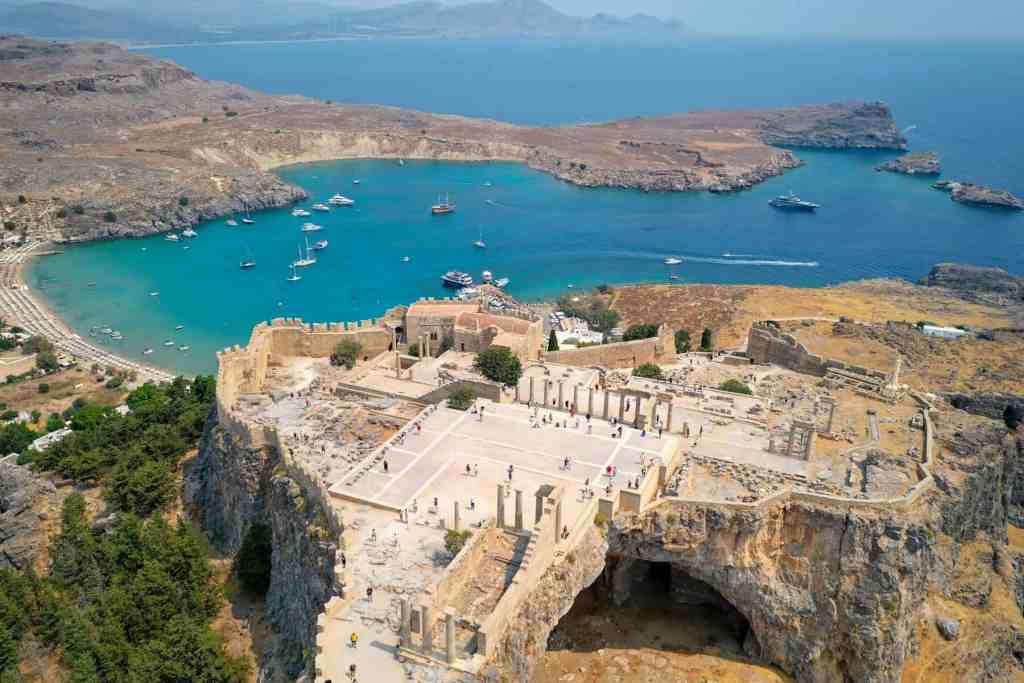
The Roloi Clock Tower provides breathtaking panoramas of ancient ruins, mosques, synagogues, and Byzantine churches.
Visitors can also enjoy majestic Aegean Sea views from the Acropolis of Rhodes on Monte Smith.
Cultural Experiences in Rhodes
The Archeological Museum, housed in the former Knights’ Hospital, displays exquisite artifacts including the Aphrodite Bathing marble statue.
Medieval-themed events echo through the year with armor parades and craft fairs that recreate the quarter’s heyday.
6. Delphi

The ancient Greeks called Delphi the “navel of the world.” This sacred site shows Greece’s deep spiritual heritage.
Two massive rocks of Mt. Parnassus cradle this Pan-Hellenic sanctuary that became the religious heart and unity symbol of the ancient Greek world.
Top Attractions in Delphi
The Temple of Apollo rules the sanctuary. Here, Pythia, the high priestess, gave prophecies that changed ancient history.
Most visitors start at the Sanctuary of Athena Pronaia with its striking Tholos—a circular building. Only three impressive columns still stand here after their restoration in 1938.
The Ancient Theater from the 4th century BCE sits well-preserved and could hold 5,000 spectators.
The Stadium crowns the site’s highest point and was home to the prestigious Pythian Games, which started in 582 BCE and ran every four years.
Delphi Food Scene
Mountain views enhance Delphi’s traditional Greek flavors.
Taverna Vakhos puts creative spins on Greek classics and serves local wine. Its location on Delphi’s central road’s highest point offers stunning views of the Corinthian Sea.
Taverna Dion serves authentic dishes, including Greek salad made with the owner’s father’s feta.
To Patriko Mas brings elegance to rustic cuisine in a 19th-century stone building. The restaurant’s garden terrace spreads out beautifully.
Best Views in Delphi

Mount Parnassus shows off spectacular views of mountainous countryside and olive groves. The Ancient Theater lets you see the entire sanctuary and valley below.
Photographers love how sunrise and sunset light plays on the ancient ruins. The stadium rewards visitors with panoramic views of Delphi’s sanctuary and olive groves that stretch toward the Corinthian Gulf.
Cultural Experiences in Delphi
The Archeological Museum of Delphi holds amazing treasures like the Bronze Charioteer and the Sphinx of Naxos.
The European Cultural Center of Delphi hosts conferences, lectures, and ancient Greek drama performances at the Ancient Theater year-round.
The Museum of Delphic Festivals keeps alive poet Angelos Sikelianos and his American wife Eva’s legacy.
7. Nafplio
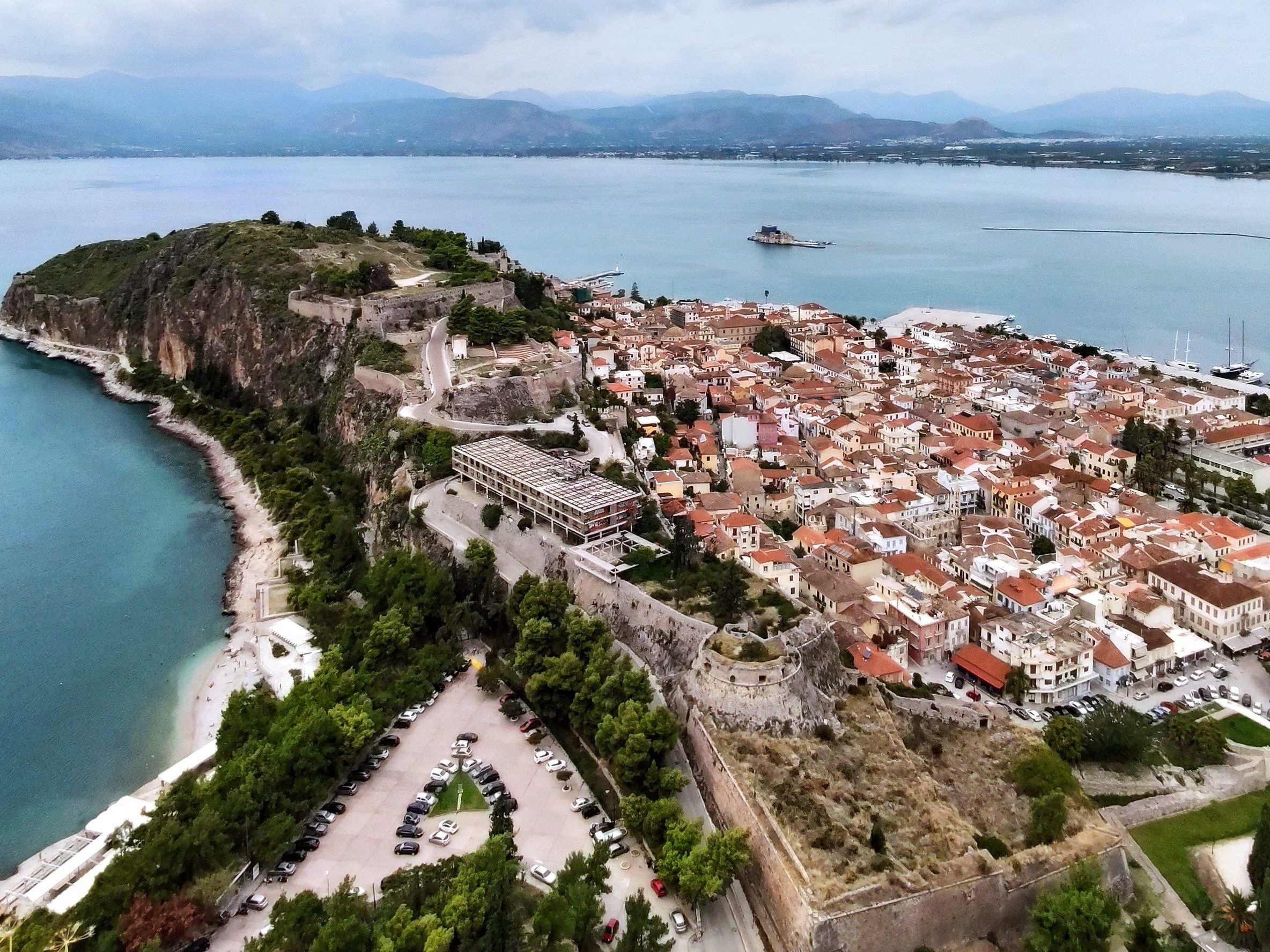
Nafplio, Greece’s first modern capital, captivates visitors with its romantic charm and striking Venetian architecture. This beautiful coastal town sits along the Argolic Gulf and blends historical treasures with Mediterranean beauty.
Top Attractions in Nafplio

The mighty Palamidi Fortress towers 216 meters above sea level. Venetians built this structure between 1711-1714. Adventurous travelers can climb 857 steps to reach this baroque masterpiece.
The fortress houses the prison cell of Greek Revolution hero Theodoros Kolokotronis, which remains one of the most important historical sites.
The stunning Bourtzi Castle stands on a small islet in the harbor. Builders completed it in 1473 to guard the town against pirates and invaders.
Akronafplia Fortress, the town’s oldest castle, has sections dating back to the Bronze Age and shows why Nafplio held such strategic value throughout history.
Best Views in Nafplio
Palamidi Fortress rewards climbers with spectacular views of red-tiled rooftops and the gleaming Argolic Gulf.
The scenic Arvanitia Promenade curves around the rocky Akronafplia peninsula with stunning coastal views.
Nafplio Food Scene
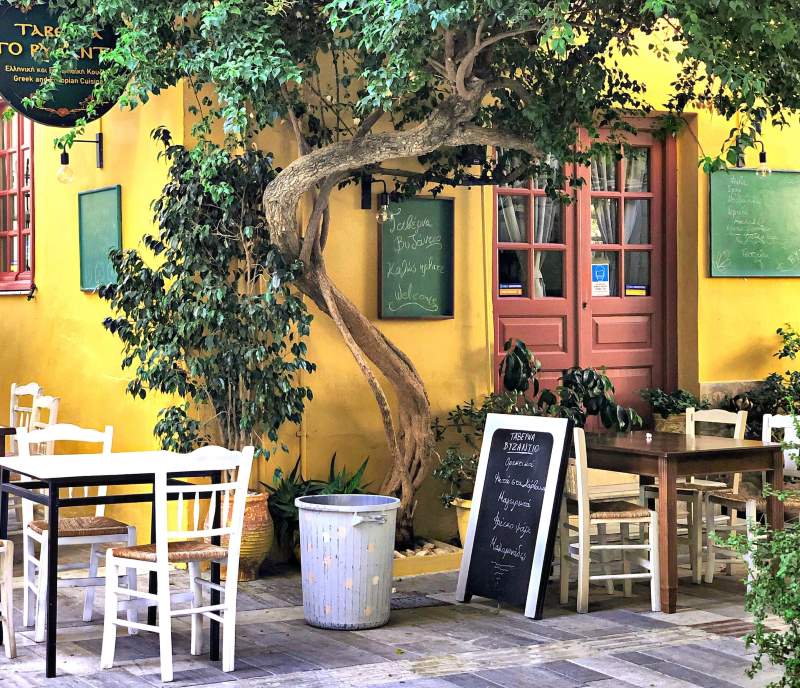
Local ingredients shine in Nafplio’s cuisine, especially the region’s renowned citrus. Orange scents fill the air and add flavor to local specialties like orange pie, marmalade, and liqueur.
Traditional favorites include Gkiosa (elder ewe or goat meat slow-baked in a stone wood stove) and Bogana (tender lamb with potatoes cooked in an earthen pot).
Family-run tavernas like Kastro Karima serve traditional dishes with special touches, while Alaloum offers hearty portions of Greek classics.
Wine lovers should visit nearby Nemea, where exceptional wines come from age-old vineyards.
Cultural Experiences in Nafplio
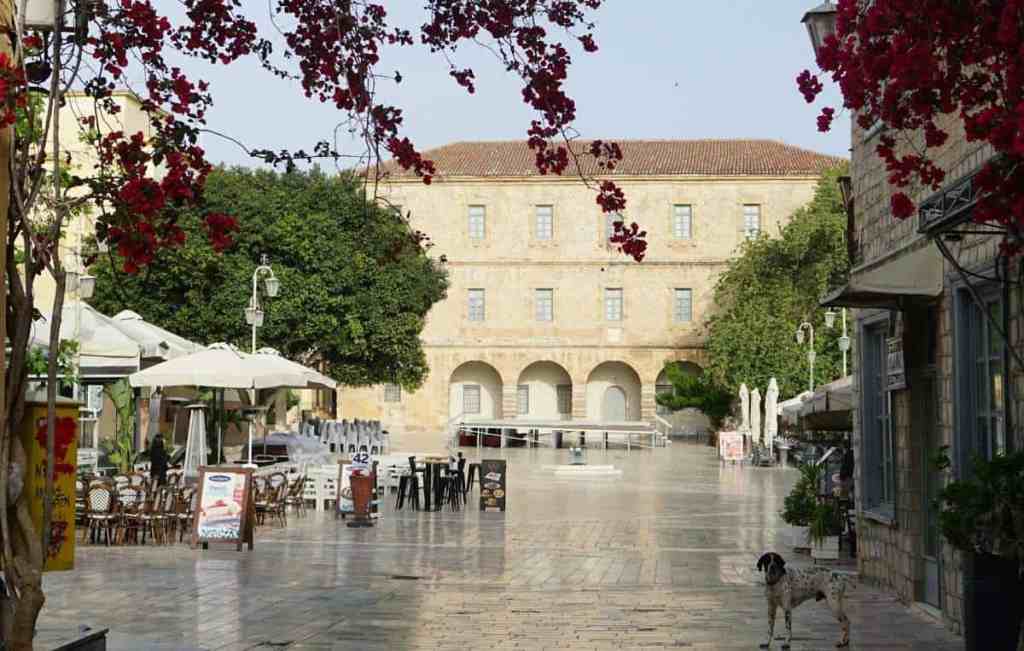
Old Town’s narrow cobblestone streets showcase neoclassical mansions and colorful bougainvillea.
The Archeological Museum, housed in a Venetian building in Syntagma Square, displays Mycenaean artifacts including the renowned Dendra Panoply armor.
The town’s rich culture lives on in venues like the restored Trianon, an Ottoman mosque that now hosts various events year-round.
RELATED BLOG POSTS:
8. Milos
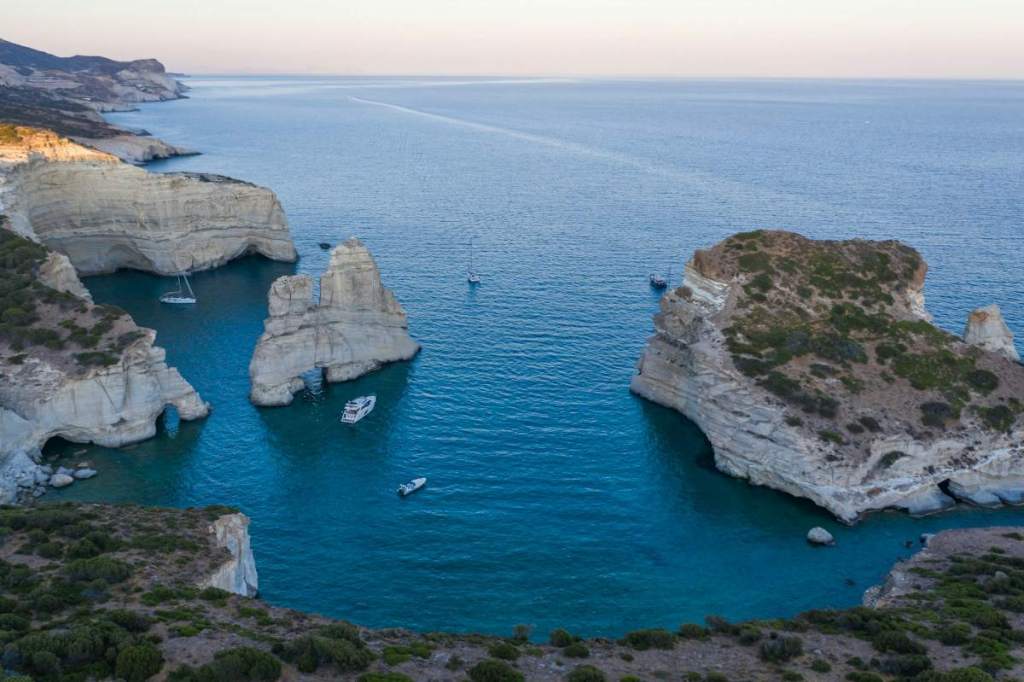
Ancient volcanic eruptions shaped Milos into an island that engages visitors with its otherworldly landscapes, crystal-clear waters, and amazing rock formations. This Cycladic gem stands out from other Greek destinations by blending pristine beaches with historic sites.
Top Attractions in Milos
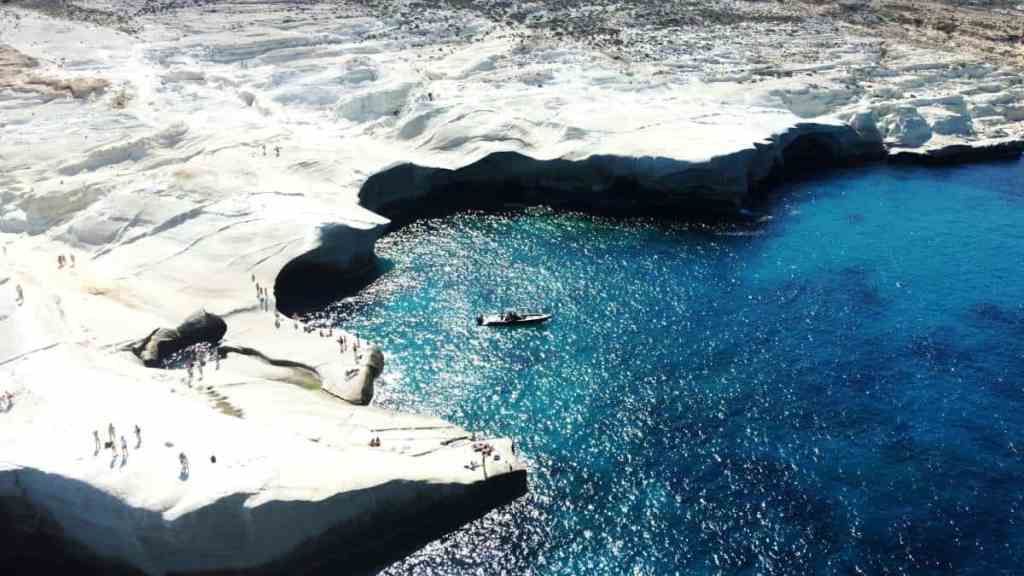
When you get to Milos, it won’t take long before you realize why Sarakiniko Beach is on everyone’s must-see list. The moment you step onto those smooth, bright-white volcanic rocks, you feel like you’ve wandered onto another planet.
Locals even call it the “Lunar” beach—and honestly, you’ll see exactly why. The stark white curves of the coastline against the deep blue Aegean Sea create one of the most dramatic contrasts you’ll find anywhere in Greece.
If you’re craving a little adventure, head out to the legendary Kleftiko Caves. These towering white rock formations and hidden sea caves once sheltered pirates, and exploring them by boat or snorkel feels like discovering a secret world carved by the sea itself.
And after all that excitement, Milos knows how to charm you in the simplest, most authentic way. Just wander down to Klima, a tiny fishing village with brightly painted “syrmata”—traditional boathouses built right at the water’s edge.
Milos Food Scene
The island’s food scene packs quite a punch for its size. Local favorites include koufeto (a sweet made with pumpkin, honey, and almonds) and karpousópitta (melon pie with raisins).
The island’s volcanic caves age unique cheeses perfectly. Melichloro and xiro mileiko mature here, and after 15 months, the latter tastes just as good as Italian parmesan.
You can find great authentic food at Medusa in Mandrakia, known for its amazing seafood mezedes. Oh Hamos! near Adamas port serves farm-fresh meats and vegetables from their own land.
Best Views in Milos
Plaka Castle gives photographers amazing 360-degree views of the island.
Firiplaka Beach draws people in with its orange, white, and pink cliffs against turquoise waters.
All the same, sunset at Sarakiniko might be the most magical experience – the golden light dancing across the white moonscape creates a show you’ll never forget.
Cultural Experiences in Milos
The Catacombs of Milos are one of Greece’s most important early Christian monuments. These underground galleries date back to the 1st-5th century AD.
You’ll find an impressive Ancient Theater from Hellenistic times nearby, with beautiful views over the bay.
The Mining Museum in Adamas tells the story of the island’s geological heritage and mining traditions from Neolithic times. It shows how volcanic activity has shaped not just Milos’s landscape but its cultural identity too.
9. Corfu
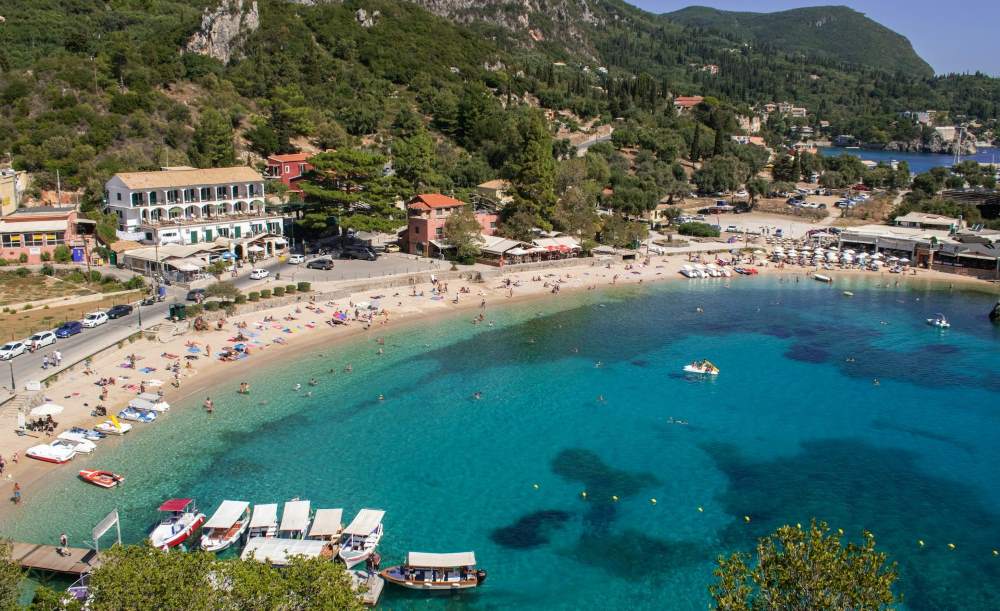
When you make your way to Corfu, you instantly feel like you’ve landed somewhere a little different from the rest of Greece. You’re surrounded by rolling green hills, cypress-lined roads, and coastal views that make you stop mid-stride just to take it all in.
The island’s Venetian flair gives it a personality all its own, and when you look up to see Mount Pantokrator rising nearly a thousand meters above sea level, you realize just how dramatic the landscape really is.
Top Attractions

What makes Corfu so unforgettable is the blend of nature, history, and European influences woven into everyday life.
As you wander through Corfu Old Town—recognized by UNESCO for its beautifully preserved layout—you’ll walk past elegant 17th- to 19th-century buildings that feel straight out of another era.
The island’s three mighty forts still stand guard, reminders of the centuries Venice spent protecting its trade routes from invading empires.
And if you love a good story wrapped in breathtaking design, you’ll want to explore the Achilleion Palace. Built for Empress Elisabeth of Austria, it’s a tribute to Greek mythology, complete with dramatic sculptures like the unforgettable ‘Achilles Dying.’
Corfu Food Scene

Italian influence sets Corfiot cuisine apart from mainland Greek food. Pasta plays a starring role in traditional dishes. Local favorites include:
- Pastitsada – A signature dish of rooster or beef simmered with spices, red wine, and hearty village spaghetti
- Sofrito – Tender beef slices in a white sauce bursting with garlic, parsley, and vinegar
- Bourdeto – Fresh fish cooked with deep-fried onion, light red sauce, and spicy red pepper
The island’s food tells its own story, with modern recipes showing their Italian names and Venetian roots.
Best Views in Corfu
The Pantokrator Monastery sits at the island’s highest point. Its small observation terrace reveals stunning views of Albania and Corfu Town.
Lakones village offers the most beautiful view in the Mediterranean. Small bays and crystal-clear turquoise waters paint an unforgettable picture.
Cape Drastis shows off dramatic cliff formations and deep blue waters at sunset.
Cultural Experiences in Corfu
Corfu’s cultural spirit goes beyond its architecture.
Art lovers should visit the Museum of Asian Art with its rich collections of Chinese ceramics and Japanese prints.
Easter celebrations draw attention from all over Greece. Processions feature Epitaphs while bands play Albinoni’s Adagio and Chopin’s Funeral March.
The Corfu Summer Festival brings historic landmarks to life.
RELATED BLOG POSTS:
- Best Time to Travel to Corfu
- Unique Things to do in Corfu
- Where to Stay in Corfu
- Corfu Solo Travel
- Corfu Bucket List
10. Crete

Crete packs all the wonders of an entire country into its shores. The Mediterranean experience here stands unique among all Greek destinations.
This largest Greek island amazes visitors with 4,000-year-old archeological sites, beautiful beaches, and some of the world’s best cuisine.
Top Attractions in Crete

The Palace of Knossos, Europe’s oldest city from the Bronze Age, shines as Crete’s archeological treasure. You’ll discover labyrinthine rooms, beautiful frescoes, and King Minos’s legendary throne room in this sprawling Minoan settlement.
The Heraklion Archeological Museum is located nearby and showcases an impressive collection of Minoan artifacts that span 5,500 years.
History buffs aren’t the only ones who love Crete. Nature enthusiasts head to Balos Lagoon to see its mesmerizing turquoise waters and scenic landscape.
Elafonissi Beach engages visitors with pink-tinged sand and crystal-clear shallow waters. Tripadvisor named it the world’s best beach.
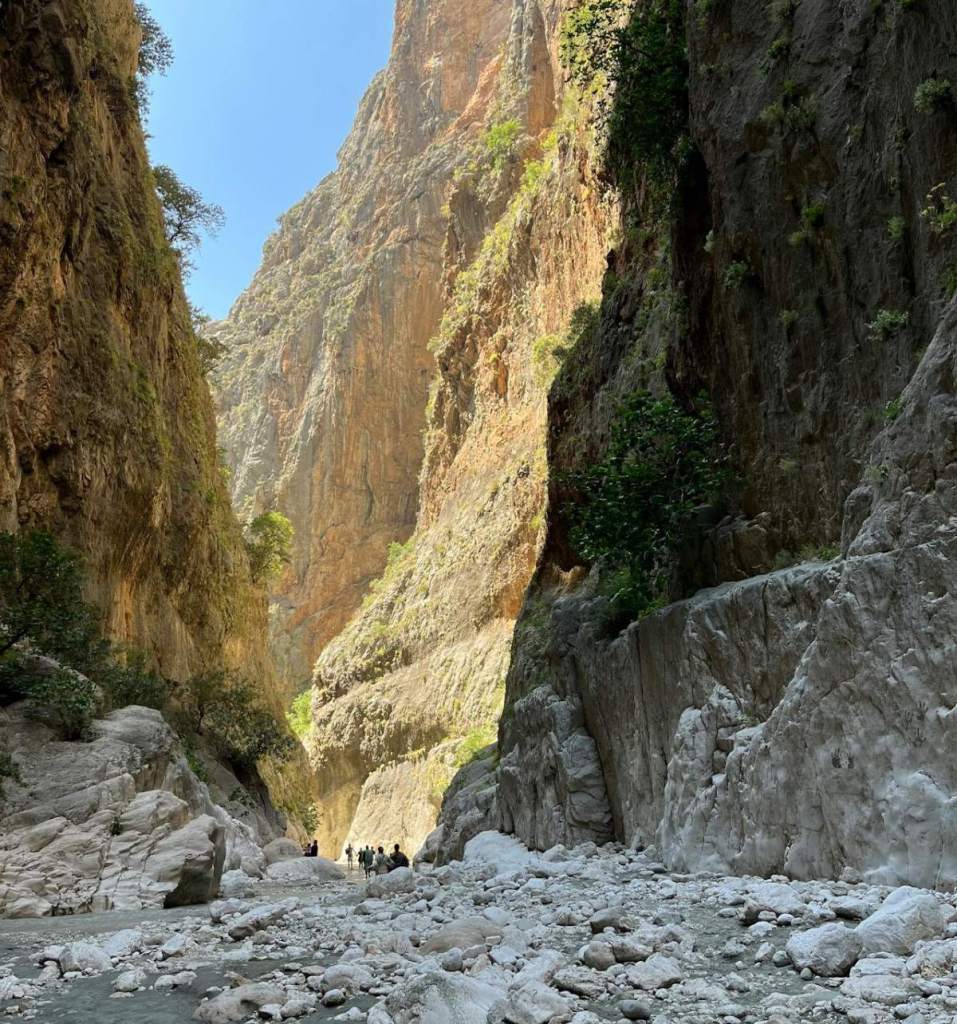
Adventurous travelers can trek through Europe’s longest canyon at Samaria Gorge National Park, surrounded by spectacular rugged terrain.
Crete Food Scene
Cretan cuisine ranks among the healthiest Mediterranean diets. Simple, fresh ingredients and respect for local produce define the island’s food culture.
Olive oil runs through the life-blood of Cretan culinary tradition. The island produces 30% of Greece’s olive oil and its people consume more per person than anywhere else globally.
Must-try signature dishes include:
- Dakos – barley rusks topped with grated tomato, soft cheese, olive oil, and oregano
- Kalitsounia – cheese pies with countless savory or sweet variations
- Gamopilafo – a wedding pilaf slow-cooked in rich meat broth
Each Cretan village takes pride in its unique cheese variety, usually made from sheep or goat’s milk.
Best Views in Crete
The trip to Crete’s western beaches starts with a winding mountain drive down to Hora Sfakion. Spectacular views of the Libyan Sea unfold along the way. Elafonissi’s pink-and-white sands create perfect photo opportunities against turquoise waters, especially during sunset.
Balos Beach looks like it jumped straight out of a travel brochure. White sand, a shallow lagoon, and an isthmus connecting Cape Tigani to mainland Crete paint a perfect picture.
Falasarna Beach faces west, making it the perfect spot to watch Crete’s famous sunsets.
Cultural Experiences in Crete
Three continents meet to shape the island’s cultural identity.
The Monastery of Arkadi is a powerful symbol of Cretan resistance. Here, islanders chose sacrifice over surrender during Ottoman rule.
Traditional Cretan music comes alive through Mantinades – 15-syllable rhyming couplets performed with lyra or laouta string instruments. Musicians often enjoy tsipouro while playing. Local cooking classes teach you authentic Cretan recipes and techniques.
Village residents still wear traditional clothing. Men sport knitted sarikia headwear with small hanging knots that symbolize “tears of Crete”.
These cultural elements tell the story of Crete’s brave and creative spirit that has shaped this amazing island through thousands of years.
RELATED BLOG POST:
Comparison Table
| City | Main Historical Site | Notable Food/Cuisine Feature | Best Viewpoint | Unique Cultural Experience | UNESCO Recognition |
|---|---|---|---|---|---|
| Athens | Acropolis (3,300+ years old) | Gyros (since 1922) | Mount Lycabettus | Odeon of Herodes Atticus concerts | UNESCO World Heritage Site (Acropolis) |
| Thessaloniki | White Tower | Cuisine with more spice than other Greek areas | Upper Town (Ano Poli) | 15 UNESCO World Heritage monuments | 15 UNESCO-listed monuments |
| Santorini | Akrotiri Archeological Site | Volcanic soil-grown Assyrtiko wine | Castle of Oia with sunset views | Ifestia Festival showcasing volcanic displays | Not mentioned |
| Crete | Palace of Knossos | Greece’s highest olive oil consumption | Balos Beach | Mantinades musical tradition | Not mentioned |
| Corfu | Old Town fortifications | Local favorite Pastitsada pasta | Pantokrator Monastery | Easter celebrations with local flair | UNESCO World Heritage Site (Old Town) |
| Milos | Sarakiniko Beach | Sweet local koufeto | Plaka Castle | Ancient Catacombs | Not mentioned |
| Nafplio | Palamidi Fortress with 857 steps | Local citrus delicacies | Palamidi Fortress lookout | Archeological Museum housed in Venetian structure | Not mentioned |
| Naxos | Portara (Apollo Temple gateway) | Renowned Naxian potatoes and cheese | Mount Zas peaks highest in Cyclades | Traditional citron distillery | Not mentioned |
| Delphi | Temple of Apollo | Mountain-style local dishes | Ancient Theater vista | Archeological Museum exhibits | Not mentioned |
| Rhodes | Palace of the Grand Master | Cumin-flavored local dishes | Roloi Clock Tower | Medieval festivals and events | UNESCO World Heritage Site (Knights’ Quarter) |
Final Thoughts on the 10 Must-Visit Greek Cities
Greece holds a rich source of experiences beyond the typical tourist spots. These ten cities each bring their own special charm, from Athens with its awe-inspiring Acropolis to Santorini’s breathtaking caldera views.
The ancient history springs to life as you walk among ruins that have endured for thousands of years. The archeological wonders like Delphi’s Temple of Apollo and Knossos Palace in Crete connect you to Western civilization’s birthplace.
Each city’s culinary landscape shows how geography and culture have created distinct regional specialties. Thessaloniki’s spicier flavors stand out, while Rhodes has cumin-forward dishes you won’t find anywhere else in Greece. The local terroir shapes unforgettable tastes through Naxian cheeses and potatoes, Cretan olive oil, and Santorini’s volcanic wines.
Natural wonders greet you everywhere, from Milos’s moon-like landscapes at Sarakiniko Beach to the sweeping views atop Mount Zas in Naxos. Santorini’s dramatic caldera, Corfu’s verdant landscapes, and the pristine waters of Crete’s Elafonissi Beach create perfect settings for your Greek adventure.
These cities share Greek heritage but tell unique stories through their architecture, traditions, and character. Corfu shows clear Venetian influences, while Nafplio displays its role as Greece’s first modern capital with neoclassical grandeur.
Your Greek experience might begin in famous spots like Athens and Santorini, but places like Milos and Naxos offer equally amazing experiences with fewer tourists. The best Greek vacation combines several destinations to experience this ancient land’s remarkable variety.
These ten Greek cities create lasting memories, whether you want historical insights, food adventures, or stunning views. Greece welcomes you warmly – just pick which magnificent city to explore first.