
The Perfect Amsterdam 3 Day Itinerary: Hidden Gems & Must-Sees
Creating a perfect 3-day Amsterdam itinerary comes naturally since the city’s main attractions are conveniently located within just eight square kilometers. My first trip to Amsterdam taught me that three days gives you the perfect amount of time to experience this charming city.
Beautiful canals, iconic Dutch architecture, and a vibrant bike culture fascinate visitors to this city. The bike culture runs so deep that bicycles actually outnumber the city’s residents!
The city center’s location makes everything convenient – you can reach it from Schiphol Airport by train in less than 20 minutes. Your 3-day stay allows enough time to see both popular attractions and lesser-known spots.
This itinerary helps you experience everything from world-class museums to peaceful canal cruises, and historic neighborhoods to bustling markets without rushing through them. Amsterdam’s rich culture awaits your discovery!
Disclaimer: This post may contain affiliate links, meaning I receive commissions for purchases made through those links at no cost to you. Please read my full disclosure for more information.
Day 1: Jordaan, Canals, and Local Culture
The first day of your 3-day Amsterdam adventure takes you to the charming Jordaan district.
This area has grown from its working-class roots into one of the city’s most loved neighborhoods. The picturesque canals, tree-lined streets, and authentic Dutch atmosphere make Jordaan the perfect place to discover Amsterdam’s unique character.
Start your day in the Jordaan neighborhood
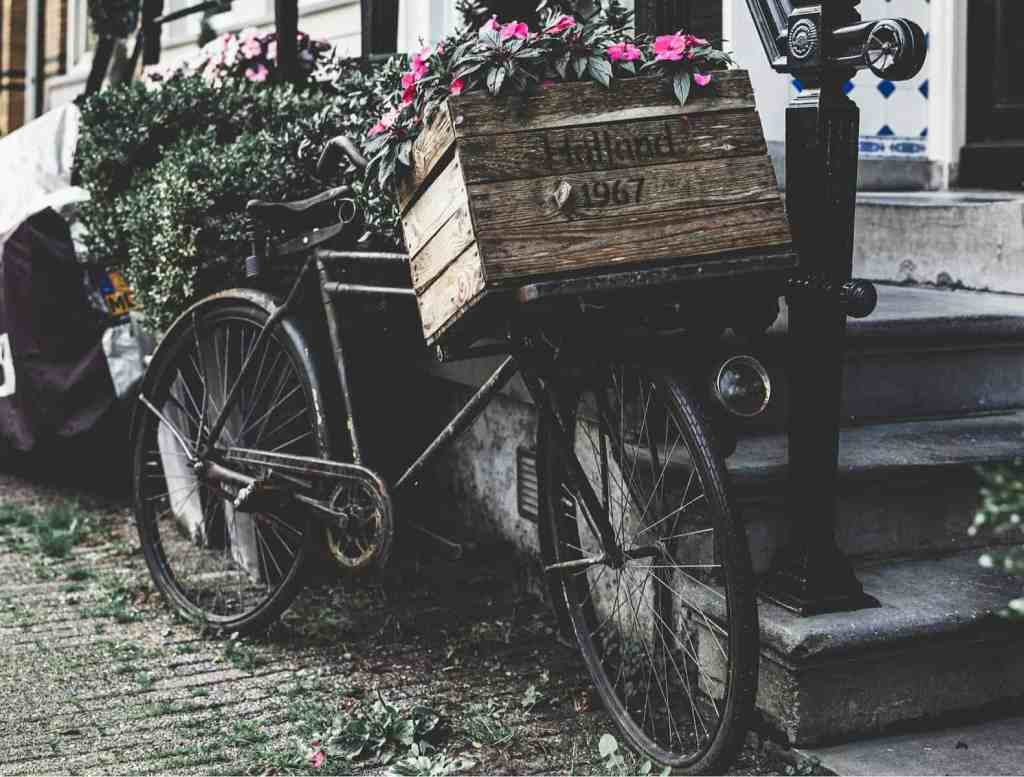
Your morning should be spent walking through Jordaan’s elm-lined canal streets to soak up its community spirit.
The area was built in the early 17th century as a home for working class citizens and immigrants, and now blends old-world charm with modern appeal.
Stone tablets on houses show the profession or family sign of people who lived there long ago – they give you a glimpse into the neighborhood’s history.
Make sure you walk down Prinsengracht, Westerstraat, and Haarlemmerstraat! You can spot the Westertoren (Western Tower) from almost anywhere – it’s the neighborhood’s main landmark.
Saturday visitors should check out the biological food market at Noordermarkt or the Lindengracht market. Local people come here to buy fresh produce, flowers, and handmade goods.
Visit the Anne Frank House (book in advance)
The Anne Frank House sits on Jordaan’s border at Prinsengracht. It’s one of Amsterdam’s most important historical sites.
This historic museum preserves the annex where Anne, her family, and four others hid during the Nazi occupation for two years. She wrote her famous diary here.
You’ll need to plan ahead to get tickets:
- The official Anne Frank House website is the only place you can buy tickets
- You can get 80% of tickets two months before your visit. The other 20% become available at 9am on the day (Amsterdam time)
- Every Tuesday at 10am CET, all tickets go on sale for visits six weeks later
Make sure you arrive 15 minutes before your time slot. An audio guide comes with your visit, so you’ll learn about each room as you walk through.
Explore De 9 Straatjes for boutique shopping
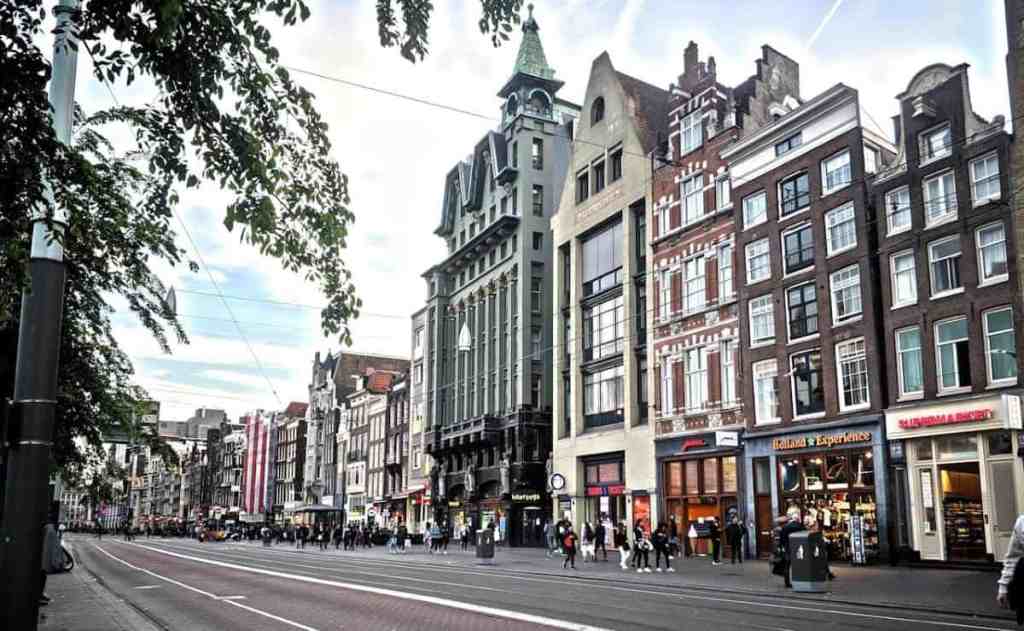
After your morning activities, head to De 9 Straatjes (The 9 Streets). This lovely shopping area sits between four of Amsterdam’s famous canals: Singel, Herengracht, Keizersgracht, and Prinsengracht.
You’ll find charming shopping streets packed with over 250 special shops, places to eat, and galleries. You can find everything from vintage clothes at Episode to unique buttons at De Knopenwinkel.
Take a canal cruise in the evening

A trip to Amsterdam wouldn’t be complete without seeing the city from its waterways. The evening is perfect to start a canal cruise and watch Amsterdam’s historic buildings light up the night sky.
You can choose a basic evening cruise or treat yourself to fancier ones with drinks and snacks. Many boats are heated in winter, so you can enjoy this year-round.
Dinner at a traditional brown café
End your first day at one of Amsterdam’s traditional brown cafés (bruine kroegen). These cozy spots got their name from their brown walls, stained by years of tobacco smoke, creating a warm atmosphere.
Brown cafés are Amsterdam’s version of London pubs. They serve Dutch dishes and local beers. Some are centuries old, like Café Chris in Jordaan, which started serving beer in 1624. Locals and tourists enjoy going there to chat over Dutch snacks, craft beers, and jenever (Dutch gin).
You can also visit Café ‘t Smalle with its beautiful waterside terrace, or Café ‘t Papeneiland, built in 1642 – people say it has a secret tunnel in the basement. If you want a lively night out, Café de Twee Zwaantjes hosts karaoke nights and Dutch sing-alongs.
Day 2: Art, Parks, and Hidden Museums
Your second day in Amsterdam takes you through the city’s cultural treasures. From world-class art to hidden architectural gems, you’ll find a perfect mix of popular attractions and lesser-known spots.
Morning at the Rijksmuseum

The magnificent Rijksmuseum should be your first stop. This national museum houses over a million art objects that span 800 years of Dutch cultural history.
You’ll find Rembrandt’s famous “Night Watch” displayed in a special temperature-controlled structure. The setup lets you see his remarkable control of light and shadow.
These masterpieces also deserve your attention:
- Vermeer’s “The Milkmaid” – an exquisite piece that shows the artist’s skill with light
- Rembrandt’s “Jewish Bride” – one of art history’s most famous embraces
- The intricate Dolls’ House of Petronella Oortman (c. 1686-1710)
- Van Gogh’s “Self-portrait” from around 1887
Book your tickets online before you go. The museum gets packed, especially in summer. An audio guide will help you get more from your visit to the galleries.
Relax in Vondelpark with a picnic or bike ride
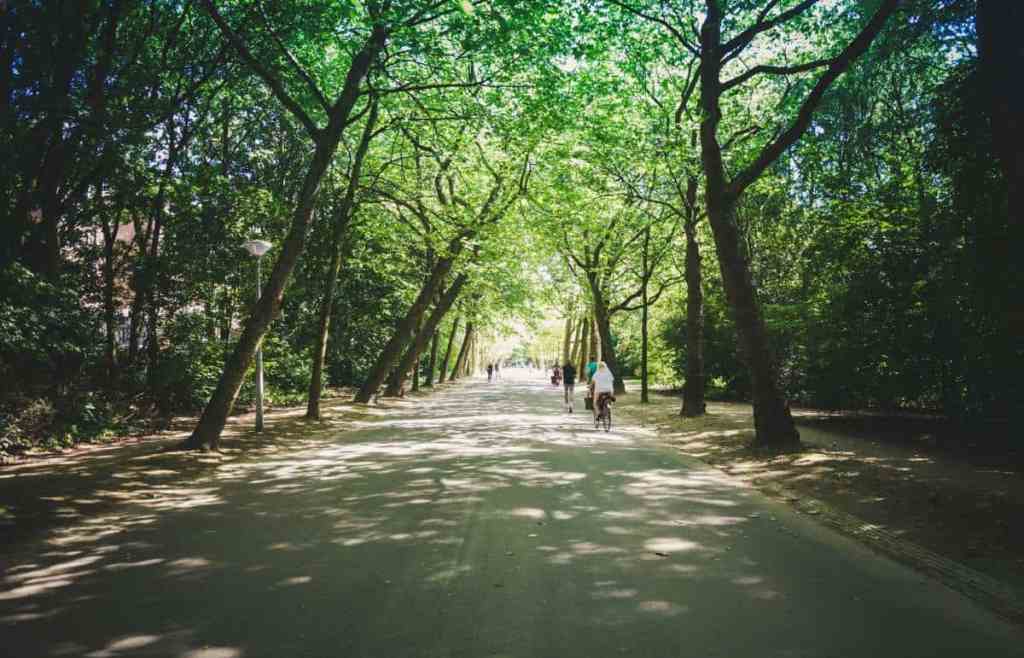
Amsterdam’s largest and most beloved green space is located right next to the museum district. Vondelpark gives you a perfect spot to rest your feet and enjoy the outdoors.
A-Bike near Vondelpark’s main entrance lets you experience the city like locals do. They offer city bikes, tandems, children’s bikes, and e-bikes with electric support.
The I Amsterdam city card will get you a free 24-hour bicycle rental here.
Visit the Van Gogh Museum in the afternoon
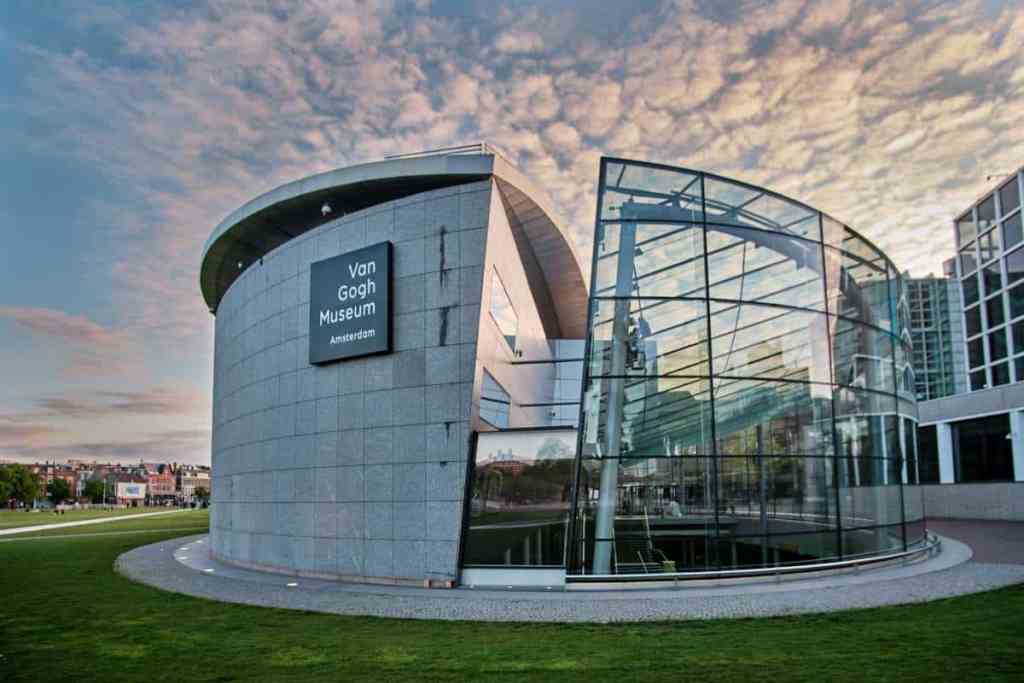
When you’re in Amsterdam, one place you absolutely don’t want to miss is the Van Gogh Museum.
It’s not just an art gallery—it’s like walking alongside Van Gogh through the different chapters of his life. Room by room, you can see how his style transformed, from the darker early works to the bright, emotional pieces that so many people recognize today.
You’ll come across some of his most famous paintings—think the dreamy blossoms, the vibrant sunflowers, and those quiet, intimate scenes that make you stop and really feel what he was trying to express.
What surprised me most was how personal the whole experience feels. Along with the paintings, you can read through his letters and sketches, which give you a glimpse into his restless creativity and the emotions that fueled his work.
If you’re planning a visit, do yourself a favor and grab a ticket online ahead of time. The museum gets busy, and a timed entry pass will make your day a lot smoother.
Find the secret church at Ons’ Lieve Heer op Solder
Right in the heart of Amsterdam hides one of the city’s most surprising treasures: Ons’ Lieve Heer op Solder (“Our Lord in the Attic”). Behind the façade of a 17th-century canal house, winding staircases lead you through old living rooms and kitchens before revealing a full Catholic church tucked away in the attic.
Built in 1663 by wealthy merchant Jan Hartman, this secret sanctuary gave Catholics a place to worship when public services were banned. Up to 150 people once gathered here, making it a powerful symbol of quiet resilience and early religious tolerance.
The museum opened to the public in 1888—just after the Rijksmuseum—making it the second oldest in the city. Climbing those narrow stairs is a bit of a workout, but discovering this hidden church is one of Amsterdam’s most unforgettable experiences.
Try a rijsttafel dinner in De Pijp
End your art-filled day with Dutch-Indonesian rijsttafel (rice table) in the lively De Pijp area. This feast brings dozens of small, shareable dishes from mild to spicy, served with rice.
Dèsa in De Pijp serves a regular rijsttafel. Their spicy ayam rica-rica and chicken in coconut milk and saffron stand out. Tujuh Maret on Utrechtsestraat offers family-style cooking with properly spicy dishes.
Blauw near Vondelpark’s edge brings bold décor and boat-shaped dishes. Their crab and shrimp cakes on lemongrass skewers make the meal special.
Day 3: Markets, Breweries, and Amsterdam Noord
Your final day in Amsterdam reveals the city’s bustling markets, creative districts, and local flavors. This journey takes you beyond historic canals and museums to discover Amsterdam’s modern soul.
Stroll through the Bloemenmarkt

The Bloemenmarkt is the world’s only floating flower market since 1862. This unique market stretches along the Singel canal between Muntplein and Koningsplein.
Fifteen shops built on barges create this distinctive marketplace, a reminder of times when flowers arrived by boat from suburban gardens. Modern stalls now feature flower bulbs, souvenirs, and tulip-themed merchandise rather than just fresh blooms.
Market hours run Monday through Saturday from 9:00 to 17:30, and Sundays from 11:00 to 17:30. Shoppers can find classic Dutch keepsakes like wooden clogs, ceramics, and vibrant wooden tulips that make great souvenirs.
Lunch and shopping at Albert Cuyp Market
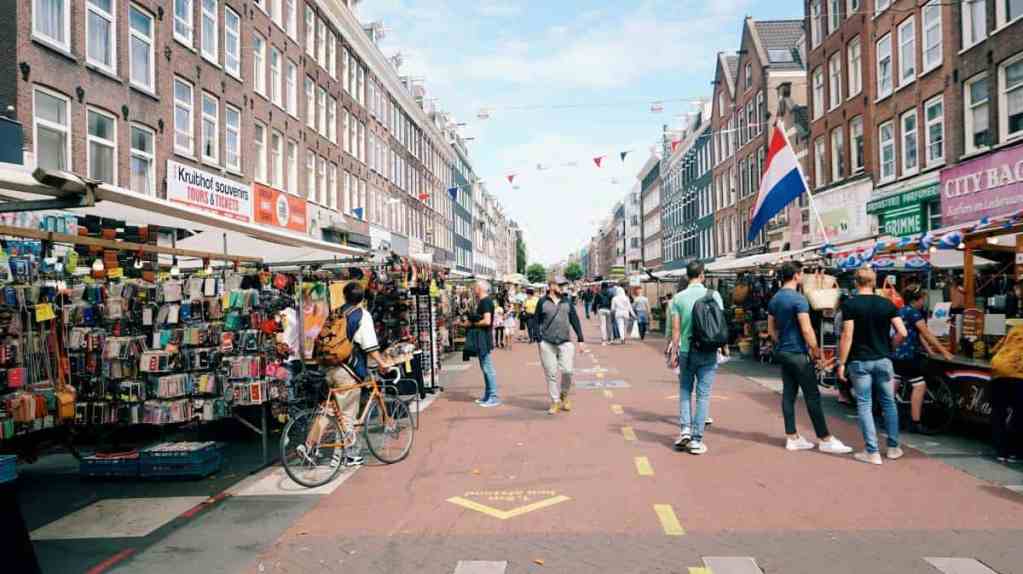
De Pijp district’s Albert Cuyp Market beckons next – Europe’s largest daily street market. This bustling bazaar reflects Amsterdam’s multicultural spirit through its food stalls.
Fresh stroopwafels emerge hot from the griddle, filled with sweet caramel syrup. Traditional herring comes served with onions and pickle spears—locals eat it by holding the tail and dropping it into their mouths.
Dutch cheese vendors showcase everything from mild young Gouda to complex aged varieties.
Take the ferry to NDSM for street art and views

A free ferry ride from Central Station brings you to NDSM-Werf in Amsterdam Noord. This shipyard’s closure in 1984 sparked its rebirth as a creative district.
Street art and graffiti now cover old warehouses, shipping containers, and metal structures throughout the industrial landscape.
STRAAT Museum opened its doors in 2020 in a former shipyard building. The space houses more than 160 artworks by over 150 street artists worldwide. Its industrial character remains intact while showcasing large-scale urban art.
Visit Brouwerij ‘t IJ for local craft beer
One of my favorite spots to grab a drink in Amsterdam is Brouwerij ’t IJ, a local brewery tucked right beside the iconic De Gooyer windmill. It was founded back in 1985 by a former musician who fell in love with Belgian beer—and it’s since become a beloved hangout for both locals and travelers.
If you’re curious about the brewing process, they offer short but fun English tours on Fridays, Saturdays, and Sundays at 3:00 PM. For just €2.50, you’ll get a behind-the-scenes look at how simple ingredients like water, malt, hops, and yeast transform into the beers you’ll be tasting.
The real highlight, though, is the taproom. Open daily from 2:00 PM to 10:00 PM, it’s the perfect place to relax with a flight of their signature brews. Whether you go for the refreshing IJwit (a crisp wheat beer), the strong and complex Zatte tripel, or their bold IPA, there’s something here to suit every taste.
End with dinner at Pllek or Noorderlicht
NDSM offers two stellar dinner options.
Pllek is located in converted shipping containers beside a beach. The menu features 75% vegetarian dishes, with 25% pure vegan options. Local ingredients shine in their eco-friendly creations.
Noorderlicht Café is located 5 minutes from Pllek. This greenhouse-style spot charms with its eclectic furniture and bohemian vibe. The beer garden stretches to the water’s edge, offering stunning city skyline views—best paired with their frozen margaritas.
Both restaurants champion seasonal regional cuisine. They provide a relaxed atmosphere to end your Amsterdam adventure, with spectacular views across the IJ river toward the city center.
Where to Stay in Amsterdam

Your choice of accommodation plays a vital part in any Amsterdam 3-day itinerary. Each neighborhood has its own unique character, and your hotel location will shape your experience in this compact, diverse city.
Best areas for first-timers
The Canal Belt area makes an ideal base for newcomers to Amsterdam with its postcard-perfect views and central location. You’ll find yourself within walking distance of major attractions while being surrounded by the city’s iconic architecture. The prices here run high because of its beautiful setting and convenience.
The Jordaan neighborhood stands out as another great choice for first-time visitors. This former working-class area now sparkles with elegant townhouses, art galleries, and classy restaurants.
Culture enthusiasts will feel right at home in the Museum Quarter, just south of the city center. This area wraps around Vondelpark and sets you up perfectly for day two of your 3-day Amsterdam itinerary.
De Pijp neighborhood strikes an excellent balance between central location and local atmosphere. Students and creative types give this area its beatnik flair, and it’s home to the Albert Cuyp Market you’ll explore on day three.
Amsterdam Noord might be your answer if you want to dodge tourist zones. A quick 5-minute ferry ride from Centraal Station takes you to one of Amsterdam’s coolest and most creative areas. The best part? You can still find affordable accommodation here, unlike other neighborhoods.
Top boutique hotels and budget picks
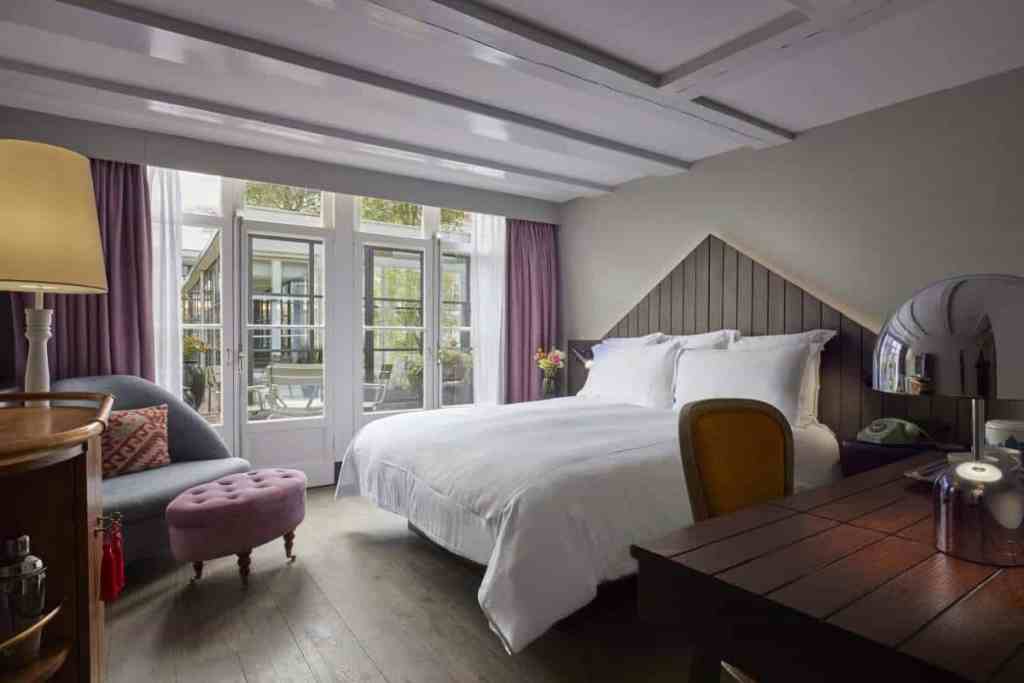
Amsterdam’s accommodation scene runs the gamut from luxury canal houses to budget-friendly hostels, with something for every taste and wallet.
These boutique luxury spots stand out:
- The luxurious Pulitzer Amsterdam in Jordaan occupies converted canal houses
- The Conservatorium Hotel in the Museum Quarter ranks among the city’s best design hotels
- The Dylan Amsterdam offers a centrally-located luxury experience in a former 17th century theater
Mid-range options worth checking out include:
- Hotel de Hallen in Oud-West, housed in a former tram depot
- The Hoxton in Oost is known for its sprawling terrace, Wes-Anderson details and cool vibe
- Park Plaza Victoria located near Centraal Station offers good value with Egyptian linens and walk-in showers
Budget travelers have great choices too.
- The Flying Pig Downtown hostel features cozy beds, a nice courtyard, and a bar with fun events.
- The Weavery, a cozy two-room B&B within walking distance of major museums, stands out as one of the city’s most affordable quality stays.
The perfect accommodation for your 3-day Amsterdam adventure depends on what matters most to you—whether that’s soaking in historic charm, being close to museums, or living like a local. Whatever you pick, Amsterdam’s excellent public transportation system keeps every attraction within easy reach.
How to Get Around the City
Amsterdam’s compact layout makes it easy to explore the city in just 3 days. You’ll find several ways to move around that make your experience better, not more complicated.
Walking and biking tips

Cycling will give you the most authentic Amsterdam experience. The city’s larger roads have dedicated bike paths that make navigation easier than it looks at first glance.
Bike tours are available if you’d like some guidance. The cycle routes will let you begin anywhere in the city and explore Amsterdam’s beautiful surroundings.
You’ll find plenty of rental shops like Mac Bike, Good Bicycle, and Black Bikes across the city.
Using trams and ferries
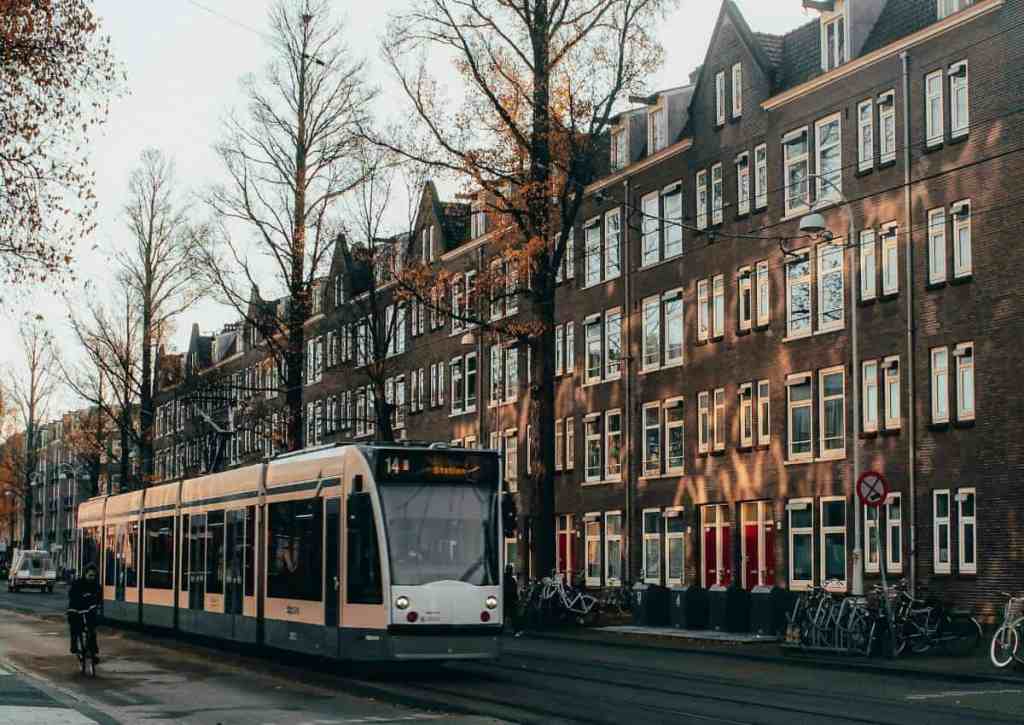
The city’s public transport system runs like clockwork and stays spotless. The GVB (Gemeentelijk Vervoers Bedrijf) runs most services including metros, trams, busses, and ferries.
A GVB day pass will give you unlimited travel on all city transport, day and night – perfect for your 3-day stay. Just remember to bring your card as Amsterdam’s buses and trams no longer take cash.
Ten different GVB ferries connect Amsterdam with Amsterdam-Noord around the clock. These free ferries welcome bikes too, making your third day’s Noord exploration a breeze.
Why you should avoid renting a car
Some visitors think about renting a car despite Amsterdam’s cycling culture. This choice often makes your 3-day Amsterdam trip more difficult than it needs to be.
Narrow roads in the center and countless cyclists make driving quite challenging. Dutch cities’ streets can puzzle drivers with their one-way systems and restricted vehicle zones since they were built long before cars became common.
Central area parking costs between €5 and €7.50 hourly, and Dutch cities have almost no free parking spots. Overnight parking fees add up fast, making cars impractical for city stays.
Amsterdam’s excellent public transport network connects busses, trams, trains, and ferries so well that a car becomes extra baggage during your 3-day visit.
Must-Book Attractions in Advance
You need to book Amsterdam’s popular attractions ahead of time for your 3-day trip. Long queues and disappointment can be avoided if you plan these must-book experiences in advance.
Anne Frank House
The Anne Frank House requires online tickets with specific time slots. This rule applies to everyone, including children and discount card holders.
Tickets sell out faster due to its historical importance and space limitations. The ticket release happens every Tuesday at 10am CET for visits six weeks ahead. You should mark this time in your calendar if the Anne Frank House is on your Amsterdam bucket list.
Last-minute visitors can try their luck with a small batch of tickets on the official website for the following week. Log in a few minutes before the release time since these tickets disappear quickly.
Van Gogh Museum
The Van Gogh Museum needs advance booking with start times for all visitors. This includes people with discount cards like the Museumkaart. You won’t find tickets at the museum entrance. A sold-out date online means exactly that – no point showing up at the door.
To get the most out of your visit:
- Book through the official website or authorized resellers
- Pick early morning slots (ideally 9 AM) to beat the crowds
- Set aside 3-4 hours to explore without rushing
Peak season usually sees tickets sold out 2-3 weeks ahead.
Heineken Experience

Amsterdam’s oldest brewery houses the Heineken Experience, which shows you the brewing process and brand history.
The tour lets you explore on your own with the core team at specific points. While same-day tickets are often available, booking ahead will give a preferred time slot.
Standard tickets come with two free Heineken beers and a chance to learn the brewing journey from hops to bottle.
It’s worth mentioning that visitors must be 18 or older.
Canal Cruises

No trip to Amsterdam feels complete without spending some time on the canals.
Gliding along the waterways gives you a whole new perspective of the city, and honestly—it’s one of the highlights of a short visit. The tricky part is deciding which cruise to take, since there are so many options.
Prices are pretty reasonable, starting around €15.50 for a simple sightseeing cruise. If you’re in the mood to splurge, you can go for one of the premium cruises—think unlimited food, drinks, and a more upscale experience—for €40 or more.
Evening cruises are especially popular, with the city lights reflecting on the water, so those tend to sell out quickly between March and August.
If you’re looking to stretch your budget, combo tickets that bundle a canal cruise with another attraction can be a great deal.
The best part? Unlike museum visits, canal cruises often have same-day tickets available, which gives you plenty of flexibility in planning your 3-day Amsterdam adventure..
Hidden Gems You Shouldn’t Miss
Your Amsterdam 3-day itinerary should go beyond the usual tourist spots to discover the city’s authentic character. You’ll find amazing hidden gems that let you escape the crowds and experience something truly special.
Begijnhof courtyard

Right off lively Spui Square, you’ll find a doorway that feels easy to miss—but stepping through it is like discovering a different world. This hidden entrance leads you into the Begijnhof, one of Amsterdam’s oldest inner courtyards, dating back to the 14th century.
Once home to the Beguines, a Catholic sisterhood who lived simply and devotedly without taking formal vows, the courtyard still carries an air of peace and reflection. It’s the kind of place where the noise of the city fades instantly, replaced by quiet gardens and a sense of history.
One of the highlights here is Amsterdam’s oldest wooden house, built in 1425, which somehow survived centuries of fires. Wandering through the courtyard, it feels almost magical—like you’ve stumbled into a secret the city keeps just for those willing to look closely.
Keep in mind, people still live in the surrounding houses, so a little respect and silence go a long way. It’s not just a historic site—it’s still very much a home.
Westelijke Eilanden
The Westelijke Eilanden (Western Islands) sits just northwest of Central Station and shows you Amsterdam’s maritime history without the tourist crowds.
These three islands—Prinseneiland, Bickerseiland, and Realeneiland—were built in the 17th century to expand the city’s harbors.
Old warehouses now serve as artist studios and beautiful homes, giving the area a relaxed vibe.
You can walk across small bridges between islands, take in the classic Dutch architecture, or grab coffee at Café ‘t Blaauwhooft to watch boats go by.
Photographers will love capturing the mix of historic buildings, quiet canals, and houseboats away from the busy center.
Electric Ladyland (fluorescent art museum)
Electric Ladyland offers a unique twist to your Amsterdam visit as the world’s first and only fluorescent art museum.
This psychedelic space is located below an art gallery in the Jordaan district, where minerals and artwork come alive under special ultraviolet lights.
The museum’s small size lets you become part of the art – you’ll take off your shoes and step right into the exhibits. The owner often gives great tours that explain both the science and art of fluorescence.
Space is limited to small groups, so book ahead for this mind-bending visual experience that adds something totally different to your 3-day Amsterdam adventure.
Best Time to Visit and Travel Tips
The right timing can improve your 3-day Amsterdam experience and help you avoid common hassles. Here are some practical tips to make your trip amazing.
Spring for tulips and mild weather

The Dutch landscape comes alive between late March and mid-May during tulip season. You’ll find tulips at their peak bloom around the second week of April.
Amsterdam’s annual Tulip Festival brightens up 85 locations with more than 880,000 tulips throughout April.
Flower lovers shouldn’t miss Keukenhof Gardens, which opens its doors for eight weeks each spring.
Avoiding crowds and saving money
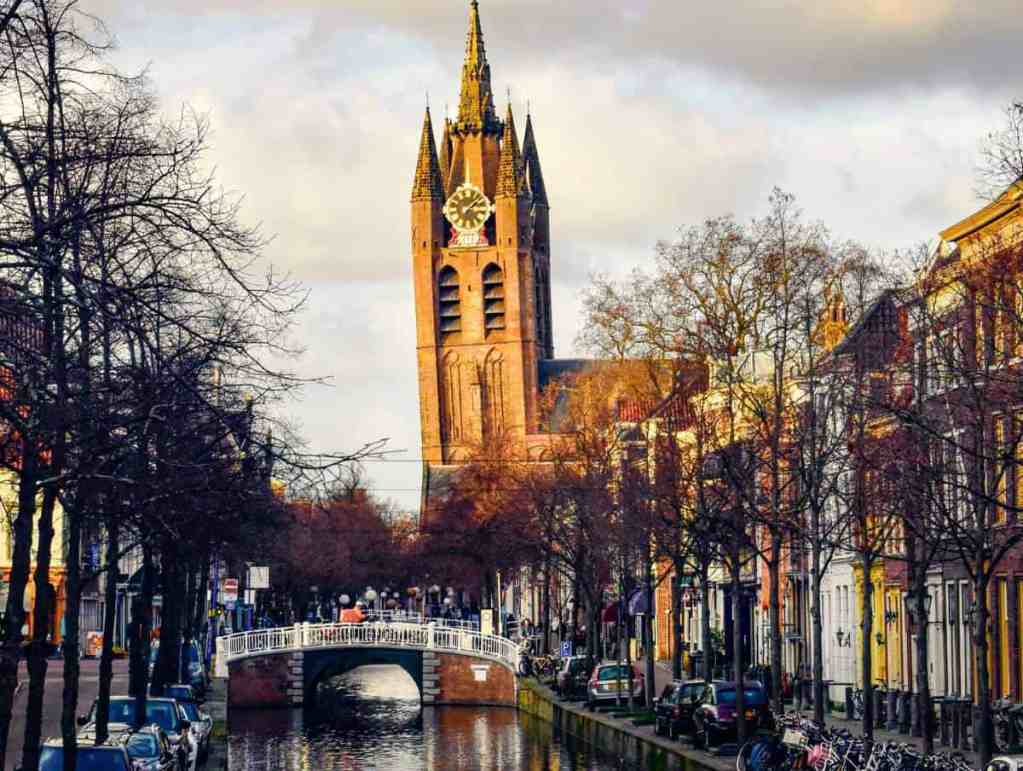
October and November see fewer tourists, and December remains one of the quietest months.
The Rijksmuseum gets busy, but you can skip the 30-minute lines by arriving at opening time (9:00) or after 15:00. Night visits to museums like Anne Frank House work well too – it stays open until 22:00 from April through August.
Hotel prices peak in April, and weekend stays cost more.
For more information, read my “Amsterdam in November” blog article.
Using the I Amsterdam City Card
The I Amsterdam City Card makes perfect sense for a 3-day trip and gives you access to over 70 attractions plus free public transport.
A 3-day card costs €110 and has perks like a canal cruise and bicycle rental. The card activates with your first use.
Note that the card doesn’t cover train rides from Schiphol Airport.
Frequently Asked Questions (FAQs)
Final Thoughts: Amsterdam 3 Day Itinerary
Amsterdam brings together iconic attractions and hidden gems that you can really explore in just three days. Our experience takes us from Jordaan’s charming canals to Museum Quarter’s artistic wonders and ends with Amsterdam Noord’s creative spirit.
The city packs culture, history, and beauty into its eight square kilometers. You can experience Amsterdam fully without feeling rushed because of its walkable streets and great transport options.
Three days give you enough time to visit prominent museums like the Rijksmuseum and Van Gogh Museum while enjoying authentic local experiences. Without doubt, unexpected finds might create your best memories—maybe a quiet moment at Begijnhof courtyard or watching the sunset over IJ from Pllek’s waterfront terrace.
Note that you should book the Anne Frank House and Van Gogh Museum well ahead. Spring visits let you see spectacular tulip displays, while fall brings fewer crowds and better hotel rates.
Amsterdam’s unique character comes from its perfect mix of history and forward-thinking culture. While canals and coffee shops made the city famous, its neighborhoods, local markets, and people’s warmth create its true magic.
You can cycle along canal paths, try stroopwafels at Albert Cuyp Market, or watch boats float by from a brown café. Amsterdam rewards those who go beyond tourist spots.
This itinerary helps you find both landmarks and Amsterdam’s soul during your three days in this amazing Dutch capital.
Amsterdam Blogs
Amsterdam Bucket List

Amsterdam in November
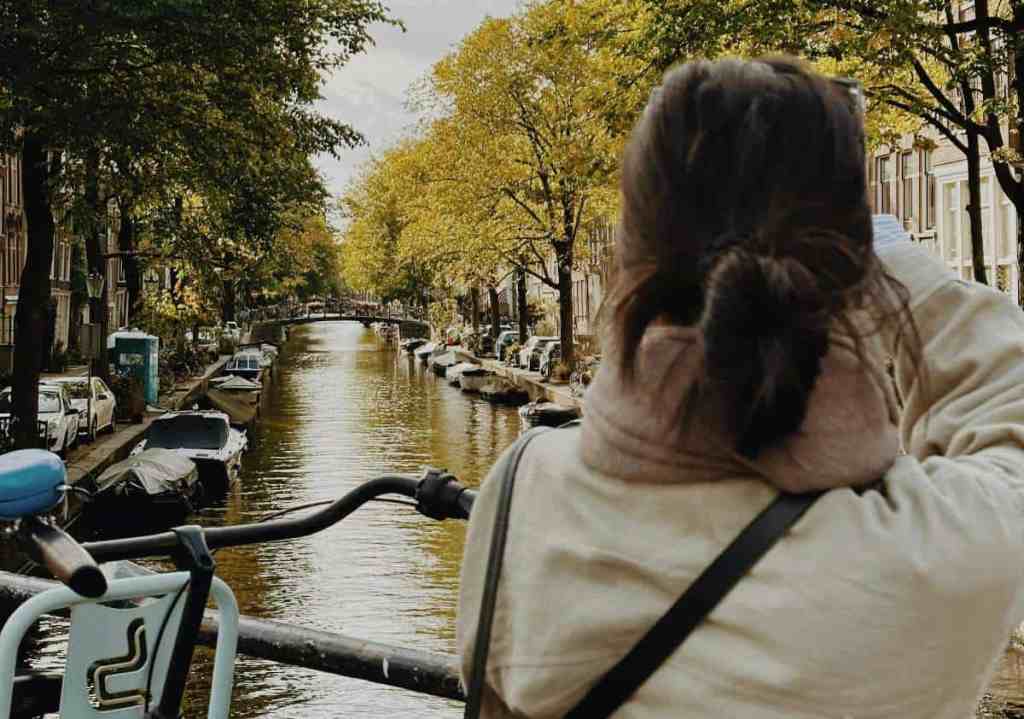
Amsterdam Solo Travel
Amsterdam Day Trips
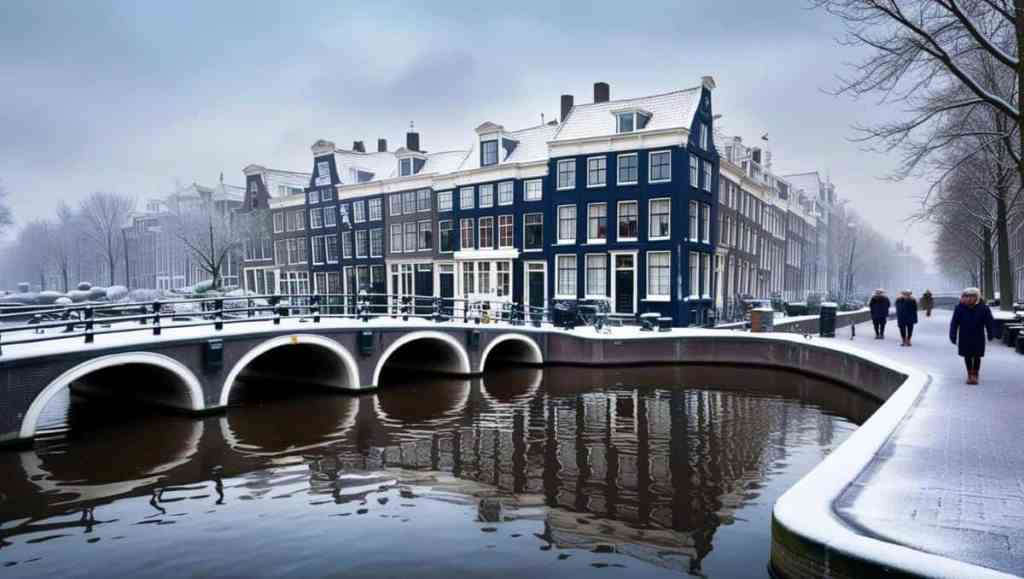
Amsterdam in Winter