25 Must-Do Athens Bucket List Experiences for 2026
Ready to plan your Athens bucket list for 2026? This magnificent city basks in sunshine 300 days each year. Every street corner tells a story from the past.
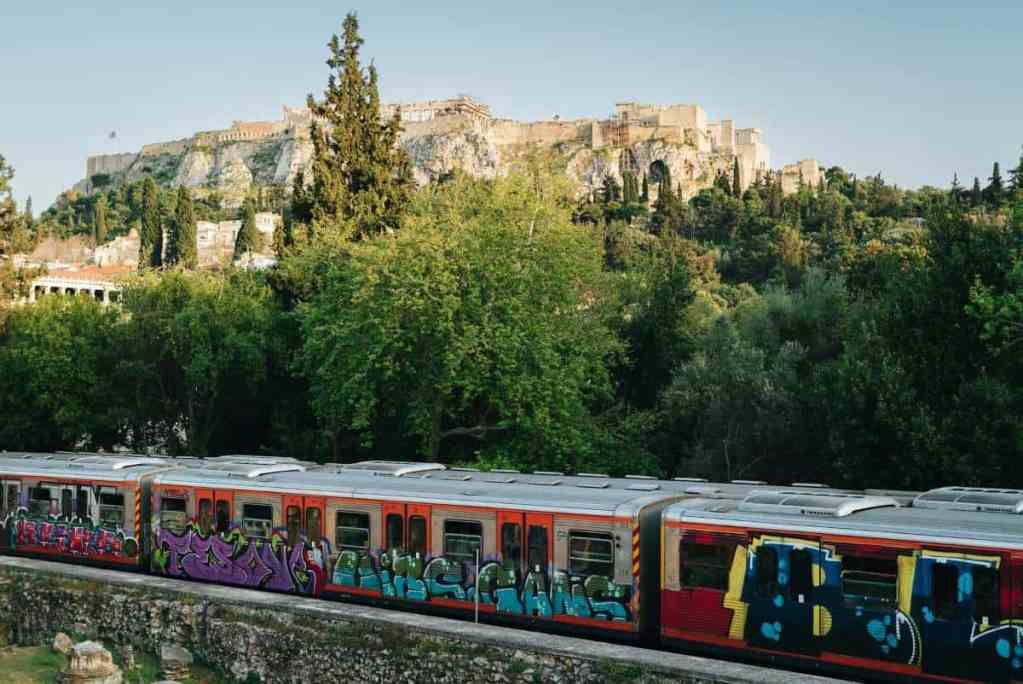
Athens blends ancient wonders with modern energy beautifully. The magnificent Acropolis towers 150 meters above the city. Built in the 5th century BC, it remains Athens’ crown jewel.
Your Athens bucket list should go beyond ancient ruins. The city pulses with fresh creative energy. For example, the Panathenaic Stadium was rebuilt in 1895 for the first modern Olympics – bridging the old world with the new.
I’ve put together an Athens bucket list of 25 must-do experiences just for you.
Disclaimer: This post may contain affiliate links, meaning I receive commissions for purchases made through those links at no cost to you. Please read my full disclosure for more information.
1. Visit the Acropolis and Parthenon
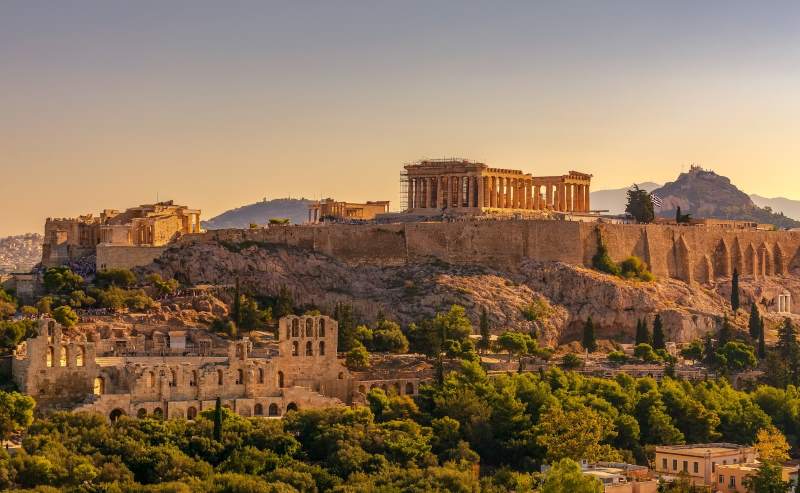
Your Athens experience isn’t complete without a visit to the Acropolis, the ultimate ancient Greek monument on any Athens bucket list.
Acropolis history and significance
The Acropolis is the defining symbol of ancient Greek civilization. Architects like Iktinos and sculptors like Pheidias turned this rocky hill into an architectural wonder featuring the Parthenon, Erechtheion, Propylaea, and Temple of Athena Nike.
Built between 447-438 BCE, the Parthenon showcases the finest example of Doric architecture with elegant simplicity and precise mathematical proportions. It serves as the birthplace of democracy, philosophy, and theater.
Best time to visit the Acropolis
The best times to visit are during the shoulder seasons (April-May and September-October) with milder temperatures and fewer tourists.
The site opens at 8 AM, and this early arrival helps you avoid cruise ship crowds that show up around 9 AM. Late afternoon visits reward you with golden sunset light and smaller crowds.
Weekdays tend to be less busy than weekends.
Tips for skip-the-line tickets
The Acropolis limits daily visitors to 20,000. During peak season (April-October), you might wait 45-120 minutes at the ticket booth. Security checks add another 20-40 minutes.
Here’s some more tips: :
- Book timed-entry tickets online ahead of time
- Enter through the south gate (Theater of Dionysus) where lines are shorter
- Set aside 2-3 hours to explore the site properly
- Wear comfortable shoes and bring water
2. Discover the Acropolis Museum

The award-winning Acropolis Museum opened in 2009. The museum’s collection includes over 4,000 authentic artifacts from the Acropolis.
This architectural marvel has three distinct levels:
- Ground floor: Glass floors let you peek at archeological excavations of an ancient Athenian neighborhood right under your feet
- Middle level: Galleries take you from Greece’s Archaic period through the Roman Empire
- Top floor: The magnificent Parthenon Gallery recreates the exact dimensions and orientation of the Parthenon itself
The museum’s star attractions include the original Caryatids from the Erechtheion, the Parthenon frieze in its original sequence, and the “Sandalizousa Nike.”
Why visit before the Acropolis
The Acropolis Museum gives vital context to maximize your Acropolis experience.
Starting at the museum will help you:
- See the original colours and details of sculptures
- Learn the religious and ceremonial meaning behind the buildings
- Discover architectural features you might miss otherwise
Acropolis Museum café and views
The second-floor restaurant offers stunning Acropolis views across its 700-square-meter dining space. You can enjoy seasonal Greek dishes made from quality local ingredients while taking in the monuments you’re learning about.
The ground floor café has a terrace that overlooks the archeological dig site. You don’t need a museum ticket to visit this café, making it perfect for a break during your Athens bucket list adventures.
3. Explore the Odeon of Herodes Atticus
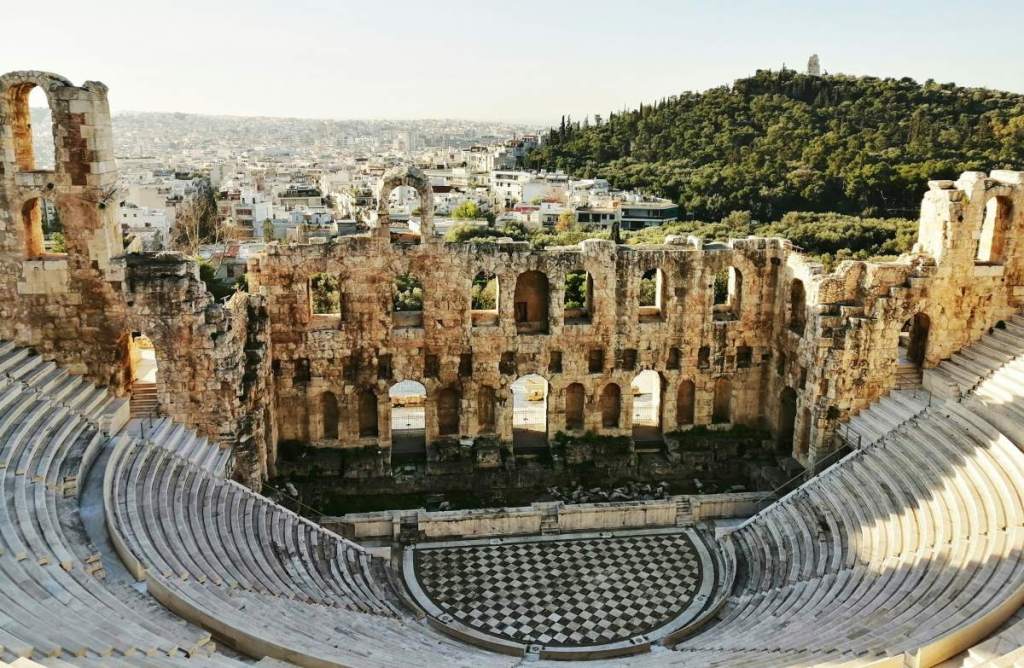
The magnificent Odeon of Herodes Atticus is located right below the Acropolis. This Roman theater should definitely be on your Athens bucket list.
Wealthy benefactor Herodes Atticus built it between 160-174 CE to honor his late wife Aspasia Annia Regilla. Today, this ancient venue continues to engage visitors with its remarkable preservation and cultural significance.
Odeon of Herodes Atticus architecture
The Odeon’s classic Roman design emerges from the rocky southern face of the Acropolis hill. Black and white marble paves its semi-circular orchestra.
The tiered auditorium stretches beyond a semi-circle with an 80-meter diameter. The original structure had a three-story stone front wall that stretched 92 meters and reached 28 meters high. Lebanese cedar formed its wooden roof – a luxury material at the time.
The restored theater now seats between 4,680 and 5,000 people across 35 rows of marble seating. The venue’s semicircular shape creates such perfect acoustics that even whispers from the stage reach the highest rows without any amplification.
Events and performances at the Odeon
Music filled this ancient theater in its early days. The 1950s brought extensive renovation, and the Odeon became the heart of the Athens Festival, which runs from May through October annually.
Some of the world’s greatest artists have graced this stage. Maria Callas performed here in 1957. Luciano Pavarotti, Frank Sinatra, Elton John, and Sting followed in her footsteps. Today’s visitors can enjoy concerts, operas, ballets, and classical performances. However, the venue will pause performances in 2026 for renovations.
How to access the Odeon
You’ll find the Odeon on the southwest slope of the Acropolis. Two metro stations serve the area. The closest is Acropolis station (Line 2, red), just a pleasant 10-minute walk along Dionysiou Areopagitou Street. Your other option is Thissio station (Line 1, green) – take a walk up Apostolou Pavlou Street and enjoy stunning views of the lit-up Acropolis.
Here’s what you need to know before visiting:
- Your shoes matter – no narrow heels allowed on the marble surfaces
- Feel free to take photos before and after shows, but not during performances
- Show up at least an hour before performance time
- Bring a cushion for comfort
4. Wander Through Ancient Agora
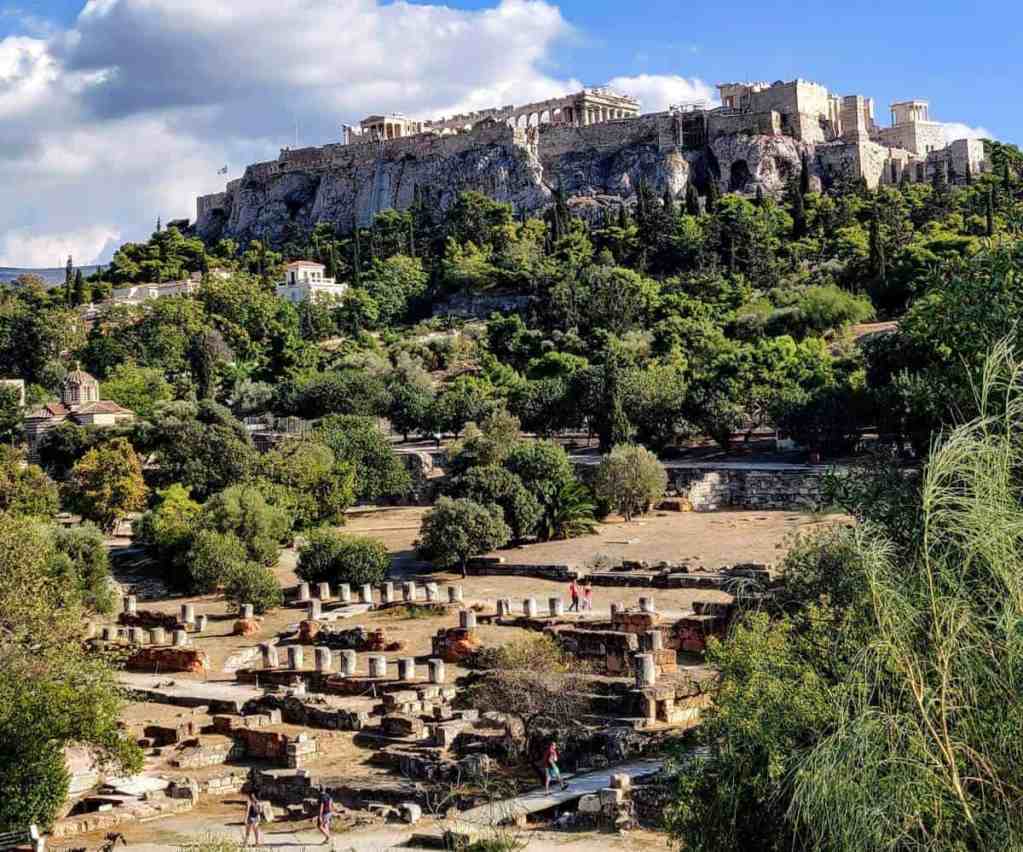
The Ancient Agora was Athens’ political, commercial, and social center where citizens gathered to debate, trade, and socialize. The site became home to city councils, magistrates, and law courts throughout the 5th century BC.
These institutions laid the groundwork for modern democratic ideals. Great philosophers like Socrates, Plato, and Aristotle once participated in deep discussions on these grounds.
The site stands as a testament to Western political thought and civic involvement.
Temple of Hephaestus
The best-preserved ancient Greek temple, the Temple of Hephaestus, sits atop Agoraios Kolonos hill. Built around 450 BC during Pericles’ ambitious rebuilding program, this Doric temple honors Hephaestus, god of metalworking, and Athena, goddess of crafts.
The structure features six columns on its east and west sides and thirteen along the north and south. The temple’s history spans centuries – it served as the Greek Orthodox Church of Saint George from the 7th century until 1834.
Stoa of Attalos and museum
The reconstructed Stoa of Attalos dominates the Agora’s eastern edge. King Attalos II of Pergamon gifted this structure between 159-138 BC. The two-story building functioned like an ancient shopping mall with 42 shop spaces.
John D. Rockefeller Jr.’s funding helped rebuild it between 1953-1956, and it now houses the Museum of the Ancient Agora. The museum’s collection includes over 160,000 artifacts from Neolithic times to the 19th century. Exhibits highlight Athenian democracy and daily life.
5. Step into the Roman Agora
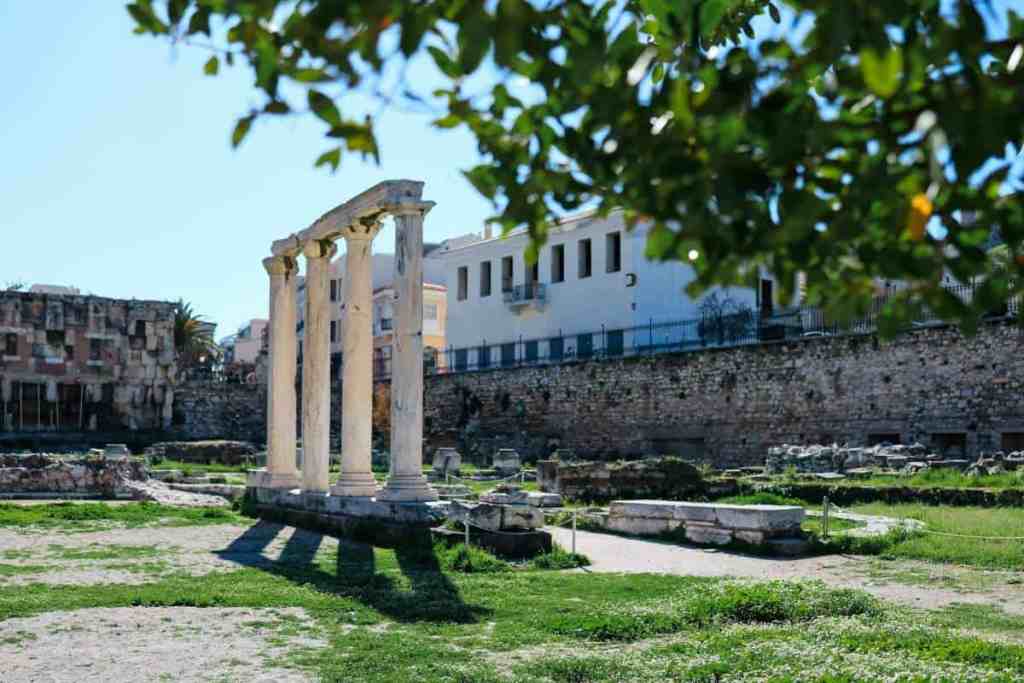
The Roman Agora is located northeast of its well-known counterpart and adds a unique charm to any Athens bucket list with its rich history and architectural wonders.
Julius Caesar and Augustus donated funds to build this commercial marketplace between 27-17 BC, showing Athens’ transformation under Roman rule.
Roman Agora vs Ancient Agora
The Roman Agora served as Athens’ dedicated commercial hub, unlike the Ancient Agora’s political focus. Romans built this new marketplace to move all trading from the Ancient Agora, which stayed the city’s political and cultural center.
The site’s architecture features an open space with a peristyle, shops along its eastern side, and a fountain to the south. A magnificent Gate of Athena Archegetis marks the western entrance, while the eastern side leads to the site’s most remarkable structure.
Tower of the Winds
The Tower of the Winds is the Roman Agora’s crown jewel.
Andronicus of Cyrrhus created this 12-meter tall Pentelic marble masterpiece around 50 BC, making it the world’s first meteorological station. Wind deities appear in relief on each of the tower’s eight sides, with sundials beneath.
The tower’s ingenious water clock worked on cloudy days, powered by water from the Acropolis. This versatile structure has served many roles through time – from a Christian church to an Ottoman tekke for whirling dervishes.
Tips for visiting the Roman Agora
The site may be small, but its historical significance makes it worth spending 30-45 minutes here.
You’ll enjoy your visit more during early morning or late afternoon hours when crowds thin out and the heat subsides.
Monastiraki (Lines 1 & 3) and Acropolis (Line 2) metro stations provide easy access.
A combined ticket gives you entry to multiple archeological sites in Athens.
6. Visit Hadrian’s Library

You’ll find Hadrian’s Library just a short walk from the Roman Agora. This fascinating site doesn’t get as much attention as other Athens attractions, but it should be on your bucket list.
History of Hadrian’s Library
The library was more than just a place to store books – it was a true cultural center. Emperor Hadrian, who loved Greek culture, built this educational complex in 132 AD as part of his grand construction projects across the empire.
The building stored countless papyrus scrolls and had reading rooms, lecture halls, and spaces where people gathered to discuss philosophy.
The structure stood strong for centuries until the Herulian invasions damaged it in 267 AD. The library stayed alive though, and by the 5th century, people had built a Byzantine church among its ruins.
Architectural features
The library’s original design was impressive. A rectangular layout stretched 122 by 82 meters with a central courtyard surrounded by columns. The western side showed off a grand entrance with four Corinthian columns.
Inside, 100 columns created a beautiful peristyle garden. The building’s eastern side had special storage rooms that protected valuable manuscripts from humidity and insects.
What to see at the site
The site still shows off its western façade’s columns and parts of the outer walls. You can spot what’s left of the central pool and the reading rooms’ foundations.
The area also has beautiful pieces of mosaic flooring and architectural fragments that show the amazing craftsmanship of ancient builders.
Athens: Hadrian’s Library Entry Ticket and Audio Guide
7. Stroll through Kerameikos
The archeological site of Kerameikos gives us an amazing look at how ancient Athenians lived and died. The area got its name from Keramos, son of Dionysios and Ariadne, and sits northwest of the Acropolis.
Kerameikos cemetery and pottery
It’s interesting that our modern word “ceramic” comes from this place. Clay deposits from the Eridanos river first attracted potters to set up their workshops here.
The area later became Athens’ main cemetery after flooding made pottery work difficult. People used this burial ground from the Early Bronze Age (2700-2000 BC) until about the sixth century AD. The “Street of Tombs” features remarkable grave markers that honor Athens’ notable citizens.
Unlike other ruins in Athens, you can explore both the inner potters’ quarter and outer cemetery sections quietly. The ancient Themistoclean Wall splits these two areas.
Museum of Kerameikos
The site’s compact but impressive museum holds treasures unearthed right from these grounds. You’ll find funerary statues, beautiful pottery, inscriptions, and personal items like toys and jewelry inside.
A marble bull from the Precinct of Dionysios of Kollytos stands out as one of the most impressive pieces. Gustav Oberlaender, a German-American textile magnate, sponsored the museum’s construction in the 1920s, adding another layer to its story.
Tips for visiting Kerameikos
The winter months let you experience this remarkable site in peace – you might even have it all to yourself!
The archeological area welcomes visitors Tuesday through Sunday from 8am to 3pm. Plan to spend 2-3 hours exploring both the museum and archeological grounds thoroughly.
8. Marvel at the Temple of Olympian Zeus
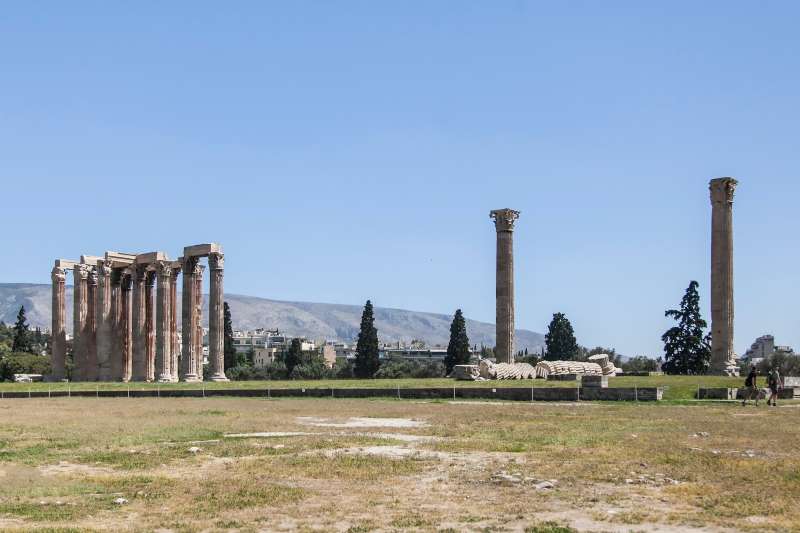
The Temple of Olympian Zeus is a massive ancient structure ranking high on any Athens bucket list. The colossal temple towers above other monuments in the ancient world, and its ruins still inspire awe today.
Temple of Zeus history
The temple’s story began in the 6th century BC when Athenian tyrants wanted to build the greatest temple in the ancient world. The construction took an incredible 638 years until Roman Emperor Hadrian completed it in 131/132 AD.
The temple’s glory featured 104 massive columns, each rising over 17 meters. Sadly, its grandeur didn’t last long. A Germanic invasion in 267 AD led to its pillage and abandonment. Today, 15 columns still stand proud, while a sixteenth lies where it crashed during a storm in 1852.
Hadrian’s Arch nearby
Hadrian’s Arch stands close by, built around 131 AD to welcome the emperor. This grand gateway reaches 18 meters high and showcases beautiful Pentelic marble.
The arch tells two stories through its inscriptions. The Acropolis side reads “This is Athens, the ancient city of Theseus,” while the opposite face declares “This is the city of Hadrian and not of Theseus.”
Pre-Buy Tickets Online
You can pre-purchase Temple of Zeus tickets online individually or in an Archaeological Sites Combo Pass.
9. Watch the Changing of the Guard
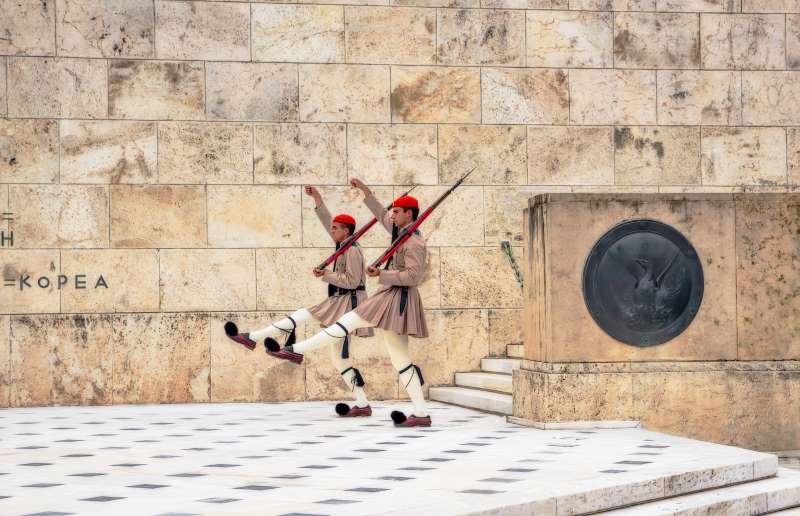
When you’re putting together your Athens bucket list, it’s easy to focus on ancient ruins and panoramic viewpoints. But one of the most powerful experiences in the city doesn’t involve marble columns or hilltop temples — it happens right in the middle of modern Athens.
What is the Changing of the Guard
In front of the Tomb of the Unknown Soldier at Syntagma Square, just below the stately Hellenic Parliament building, you’ll find the Presidential Guard standing still.
These guards, known as Evzones, aren’t just posing for photos. They’re performing a ceremonial duty that happens 24 hours a day. Each guard holds his position for an hour at a time without shifting, speaking, or reacting — even as crowds gather just steps away.
When it’s time for the сменa, the next guard approaches in an exaggerated, almost theatrical march. The movements are slow and precise. Legs lift high. Arms extend sharply. Every step is intentional.
When You Should Go
The Changing of the Guard ceremony takes place every single hour, so you can easily fit it into your schedule.
However, for the full experience, plan to arrive at 11:00 a.m. on Sunday. That’s when the larger ceremonial change happens. More guards participate, formal uniforms are worn, and a military band often accompanies the procession.
Show up at least 15–20 minutes early if you want a clear view — especially in high season. The square fills quickly, and this is one moment you’ll want to see properly.
The Meaning Behind the Uniform
One of the most fascinating parts of the ceremony is the symbolism stitched into what the guards wear.
Their white pleated kilt, known as a foustanella, contains 400 pleats — each one representing a year of Ottoman rule before Greece regained independence.
Their red cap symbolizes sacrifice and national pride. And their traditional shoes, called tsarouchia, are fitted with small pom-poms and metal elements that create a distinct sound as they strike the ground.
Why It Belongs on Your Athens Bucket List
Watching the Changing of the Guard will connect you to a living piece of Greek identity.
This is one of those moments that quietly stays with you — long after the marching stops and you move on to your next adventure.
10. Relax in the National Garden of Athens

The lush National Garden of Athens offers a peaceful escape from the city’s historical sites and deserves a spot on your Athens bucket list.
History of the National Garden
Queen Amalia commissioned this green paradise in 1838. The German-born queen devoted three hours each day to care for the plants and supervised the project herself.
She brought more than 500 species from across the globe. The garden’s name changed to “National Garden” in the 1920s when Greece became a republic, and its gates opened to everyone.
What to see inside the National Garden
Right in the heart of the city, you’ll stumble into a 38-acre escape that feels worlds away from the traffic and tour groups.
Towering above you are thousands of trees and tens of thousands of shrubs from hundreds of plant species, creating cool, shaded walkways that invite you to slow down.
As you wander, you’ll pass peaceful ponds dotted with ducks, a tucked-away café perfect for a mid-afternoon break, and even a small children’s library that adds a charming local touch.
Along the paths, bits of history quietly appear — fragments of Roman mosaics, ancient remnants, and a small botanical museum that deepens your appreciation for the space.
Near the entrance, a striking sundial will catch your eye, while the dramatic 25-meter palm trees — originally planted by Queen Amalia — rise high above the garden canopy. It’s the kind of place where you come for a short stroll and end up lingering far longer than you planned.
11. Tour the Panathenaic Stadium
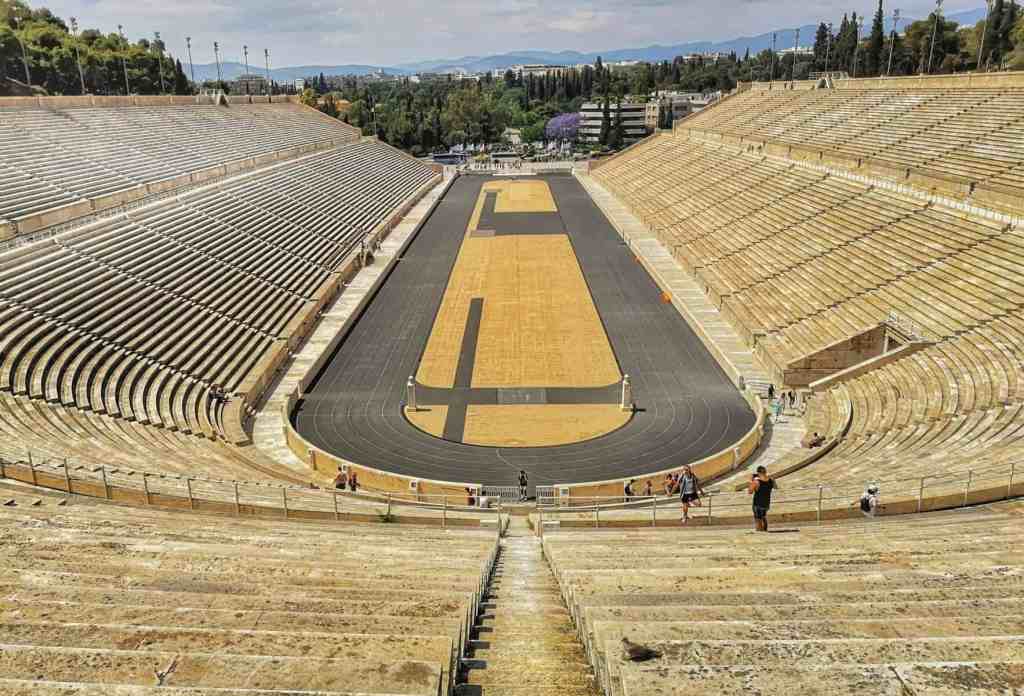
The Panathenaic Stadium stands as a must-see destination on your Athens bucket list. You’ll step right into Olympic history at this remarkable venue.
Panathenaic Stadium history
Athenian statesman Lycurgus built this magnificent structure in 330 BC. The stadium’s first version had stone benches surrounding a 204-meter-long track.
A wealthy Roman benefactor, Herodes Atticus, revolutionized the structure between 140-143 AD. He used stunning Pentelic marble and expanded the stadium’s capacity to 50,000 spectators.
The site lay abandoned for centuries until excavation work began in 1869. Greek philanthropist George Averoff stepped in and funded its complete marble restoration to help revive the Olympic Games.
This architectural wonder remains the only stadium in the world made entirely of marble.
Olympic Games connection
The stadium played a pivotal role in Olympic history by hosting the opening and closing ceremonies of the first modern Olympics in 1896.
Its legacy lived on through the 2004 Athens Games, where athletes competed in archery and finished their marathons.
The venue still serves an important purpose today as the ceremonial site where each new host country receives the Olympic flame.
Audio tour tips
Your Panathenaic Stadium ticket comes with an audio guide that walks you through the stadium’s Olympic heritage.
Make sure to check out the exhibition “Memories from Olympic Games: Posters and Torches from 1896 till today” in the Atrium when you arrive.
The best views await at Section 21’s upper bleachers. From there, you can see the Acropolis, Parthenon, and Lycabettus Hill in all their glory.
12. Visit the National Archeological Museum

The National Archeological Museum is Greece’s largest museum and ranks among the world’s most important institutions devoted to ancient Greek art.
The museum is located in a neoclassical building constructed between 1866 and 1889, designed by L. Lange with modifications by Ernst Ziller.
What to Expect
There are five major permanent collections spanning from the 6th millennium BC to the 4th century AD:
- The Collection of Prehistoric Antiquities showcases Neolithic, Cycladic, and Mycenaean civilizations. It includes finds from the prehistoric settlement of Thira.
- The Collection of Sculpture Works traces the development of ancient Greek sculpture from the 7th century BC to the 5th century AD.
- The Collection of Metalworking Works features original statues and figurines, and a unique collection of Egyptian and Eastern Antiquities dates from 5000 BC to the Roman conquest.
- The Vase and Miniature Collection impresses all museum visitors.
The museum’s “Unseen Museum” initiative rotates artifacts from storage rooms every three months and opens small windows into collections the public rarely sees.
Information is available in both English and Greek throughout the galleries. Photography is generally permitted without flash.
A café in the basement provides a hidden sanctuary from the museum’s hustle.
Ticket Information and Booking
Admission costs 20 euros year-round starting January 1, 2026, eliminating the previous seasonal pricing structure. You can purchase tickets online to bypass queues, particularly during peak periods.
Free admission is available on specific dates throughout the year: March 6th (Melina Mercouri Memorial Day), April 18th (International Monuments Day), May 18th (International Museum Day), the last weekend of September (European Heritage Days), October 28th (National Holiday), and every first and third Sunday from November 1st to March 31st.
Children and young people up to age 25 from EU member states enter free with valid ID. Additional free admission categories include students, teachers, unemployed Greek citizens, persons with disabilities (plus one escort with 67%+ disability), and large families.
EU citizens and residents over 65 qualify for 50% reduced admission from October 1st to May 31st upon showing identification.
Best Time to Visit
Winter season hours (November 16, 2025 to March 31, 2026) run Wednesday through Monday from 08:30 to 15:30, with Tuesday hours from 13:00 to 20:00.
The museum closes on December 25th-26th, January 1st, March 25th, May 1st, and Orthodox Easter Sunday.
Plan to spend at least one to three hours to explore the collections. Weekday mornings offer fewer crowds compared to weekends.
Pro Tips
Focus on specific collections if time is limited rather than rushing through everything.
The basement café offers a quiet spot to take breaks between galleries.
Set your phone to silent mode in exhibition areas and avoid flash photography to protect ancient artifacts.
Store large bags exceeding 30 x 30 x 15 cm in the free cloakroom near the entrance.
The museum provides elevators to access different levels and maintains wheelchair accessibility throughout. A separate entrance exists on Vas. Herakleiou Street that people with disabilities can access by ramp.
13. Enjoy Panoramic Views From Mount Lycabettus
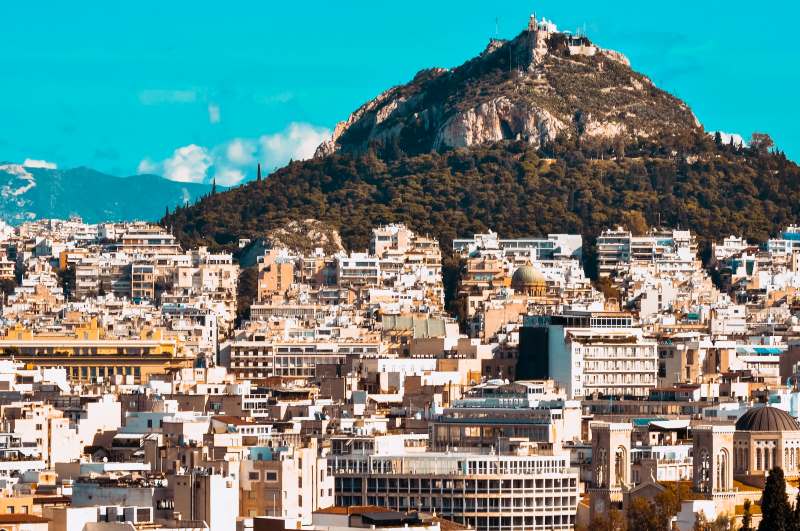
Standing 277 meters above sea level, Mount Lycabettus claims the title of Athens’ highest central point, rising almost twice as high as the Acropolis.
What to Expect
A complete 360-degree panorama unfolds from the narrow terrace at the summit. The view spans the entire metropolitan area of Athens, five surrounding mountains (Parnitha, Hymettus, Penteli, Aigaleo, and Poikilo), and the Saronic Gulf with its scattered islands.
The whitewashed Church of Agios Georgios (St. George) crowns the peak, dating back to 1870 with preserved frescoes inside. All visitors are welcome to enter this 19th-century chapel.
Adjacent to the church is a 3,000-seat amphitheatre constructed in 1964, which hosted concerts by performers ranging from Ray Charles to Radiohead, although it no longer operates on a regular basis.
Dining options at the summit include Orizontes restaurant for upscale meals with superior service at premium prices, the more casual Sky Bar offering cocktails at marked-up rates, and Prasini Tenta, an all-day café. A fast-food booth also operates near the theatre when open.
How Get There
There are three options to reach the summit:
- Furnicular: The funicular (teleferik) departs from the intersection of Ploutarchou and Aristippou Streets in Kolonaki. The cable car trip takes about 3 minutes and operates from 9:30 am to 2:30 am each day.
- Walking: Walking up takes 30 to 90 minutes, depending on your starting point and pace. There are multiple trail access points. The most popular path begins at the end of Plutarchiou Street where vehicle access ends at Spefsippou Street.
- Taxi: Taxis can drive partway up but leave you with about 260 meters to walk via paths and stairs to the top.
Best Time to Visit
Sunset draws the largest crowds, when golden hour bathes the city and monuments light up one by one. Arrive 30 minutes before sunset for optimal positioning. But expect the viewing area to become congested, which might require you to jostle for space at the railings.
Fewer people visit at sunrise or earlier in the day. The site remains available 24 hours as a municipal park. Summer visits work best in early morning or late afternoon to avoid climbing in extreme heat.
Pro Tips
You can purchase a one-way funicular ticket up and walk down to experience both transport methods while saving money. The downhill walk proves easier than ascending and allows you to choose which Athens neighborhood to end up in.
The funicular lacks air conditioning and fills up fast. Consider visiting alternative hills like Strefi or Philopappou for sunset if you prefer avoiding crowds.
Guided Tours
14. Experience the Monastiraki Flea Market

Monastiraki isn’t just a flea market — it’s the biggest and most iconic one in the city. It functions as a shopper’s paradise at the legendary Monastiraki Square.
What to Expect
Most of the week, you’ll find a collection of small shops resembling Istanbul’s Grand Bazaar on a more modest scale. These permanent storefronts line the streets and sell tourist goods, handmade items, and mass-produced merchandise side by side.
The real action centers on Avissinias Square, where the famous Athens Antique market comes alive every Sunday. This open-air gathering creates the authentic flea market atmosphere that draws both Athenians and visitors.
Pandrossou Street offers jewelry, clothing, souvenirs, and art shops past Avissinias Square. Along Ifaistou Street, you’ll find an eclectic blend of used books, old military collectibles, and stacks of vintage vinyl. Hephaestus Street and the adjacent straits form the main bazaar area.
Street performers add entertainment throughout afternoons and evenings, from balloon artists and jugglers to impromptu jazz bands.
What to Buy
You’ll encounter vintage antique furniture, old coins, ancient relics, and rare books, each carrying its own story. Vintage jewelry and various accessories fill neighboring stalls.
Fashion ranges from bohemian dresses and handmade jewelry to leather goods and trendy accessories, often featuring local designer creations.
Greek souvenirs include olive wood carvings, pottery, hand-painted icons, and traditional items alongside tourist trinkets.
Musical instruments, from mass-produced bouzoukia to hand-crafted pieces, attract musicians. The Tzisdarakis Mosque at the market’s edge now functions as a ceramics museum.
Street food vendors and tavernas serve spanakopita, tzatziki, hummus, Greek olives, and gyros sandwiches for eating while browsing. Cafe Avissinias serves delicious traditional dishes for proper sit-down breaks.
Best Time to Visit

Sunday morning is non-negotiable for experiencing the full flea market. The market runs approximately 9 AM to 4 PM on Sundays.
Arrive early, preferably right when vendors start setting up or before, to beat crowds and secure first pick of merchandise. Crowds become impossible and cafe tables fill after 11 AM.
Weekdays offer easier browsing through permanent shops without the Sunday chaos. The market extends into Thission and Psiri on peak days past Monastiraki.
Pro Tips
Haggling is part of the shopping experience, especially for antiques and unique items. Street vendors negotiate prices readily. Carry cash since smaller vendors and food stalls may not accept cards.
Watch your belongings in crowds carefully. Children selling tissues may place items on top of your phone and take it when they leave. Keep bags secure as pickpocketing occurs in busy tourist areas.
Wear comfortable shoes for navigating cobblestone streets. Plan several hours for full exploration rather than rushing. Take breaks at cafes on Andrianou Street between the Stoa of Attalos and Ancient Agora entrance.
15. Shop at the Varvakeios Market
The 136-year-old Varvakeios Market, also known as Athens Central Market, gives visitors a genuine slice of Athenian daily life. Local residents have made this their main food shopping destination for generations.
What to buy at Varvakeios Market
The covered market houses nearly 100 fishmongers who handle up to 10 tons of seafood daily. A bustling meat hall displays everything from lamb to rabbit right next door.
Fresh seasonal fruits and vegetables fill colorful stalls across the street. Spice shops along Evripidou Street make great spots to pick up unique souvenirs with their aromatic mixtures, herbs, and teas.
Local food specialties
The market doubles as a showcase of Greek culinary traditions. Visitors can sample Greek foods from vendors such as pastourma, cheeses, and olives before making a purchase.
The experience gets even better at one of the small eateries inside the market.
Tips for visiting the market
The best time to explore is between 10 am -1 pm when all shops are open.
Make sure to wear closed shoes because the floors can get wet.
You can self-explore the market or join a guided market tour.
16. Stroll the Streets of Plaka
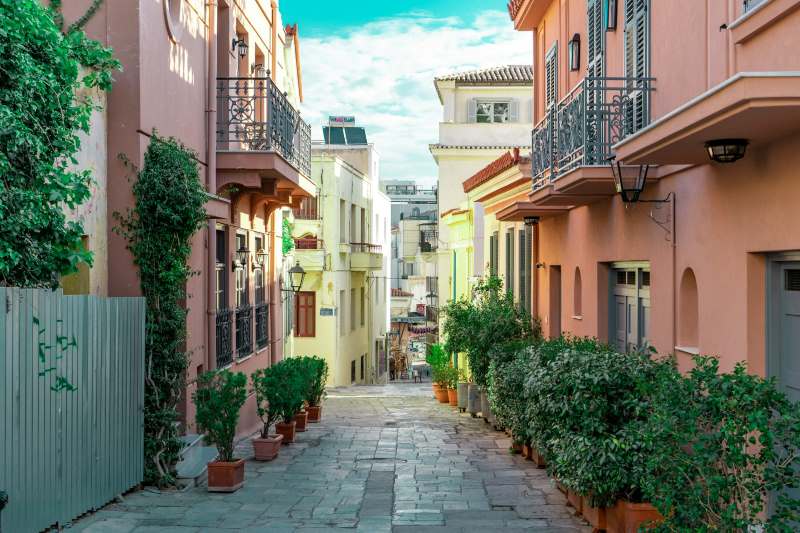
A walk through Plaka feels like stepping into a time capsule. The locals call this historic the “Neighborhood of the Gods.”
Plaka neighborhood charm
The maze of cobblestone streets, neoclassical buildings, and Byzantine churches captures the attention of visitors.
Anafiotika stands out in this vibrant neighborhood with its white Cycladic-style houses that create an island atmosphere right in Athens’ heart.
Best shops and cafes in Plaka
You can find unique treasures beyond typical souvenir stores. Byzantino Jewelry Store sells high-quality pieces inspired by Greek history, while Forget Me Not showcases modern Greek designer creations.
Brettos, Athens’ oldest distillery since 1909, dazzles with its colorful backlit bottles. The Thea Terrace Bar in Central Hotel provides stunning Acropolis views.
Food lovers will appreciate Mono Wine Restaurant with its seasonal menus and impressive collection of over 160 wines.
Start at Adrianou Street where lively cafes line the path, then head upward to Anafiotika. The Theorias path circles the Acropolis and offers spectacular views.
Take breaks at shaded cafes in small squares to soak in the neighborhood’s genuine atmosphere.
Plaka Guided Tours
17. Explore Anafiotika

Nestled beneath the Acropolis, Anafiotika adds an enchanting touch to your Athens bucket list.
Anafiotika architecture and history
In the 1840s, King Otto brought skilled craftsmen from Anafi island to renovate his palace. These resourceful workers built their homes under the cover of darkness.
The neighborhood showcased classic whitewashed houses adorned with blue windows and walls draped in bougainvillea.
The 1970s brought threats of demolition, leaving just 45-50 houses standing today. These homes still belong to the original island families’ descendants.
How to find Anafiotika
To discover this hidden gem, start your journey near Priantiou and Stratonos streets and follow the upward paths toward the Acropolis.
Another route starts beside the Church of Agios Georgios—the steps might seem to lead nowhere, but persistence pays off.
Best photo spots
The neighborhood’s corners reveal breathtaking views of Athens with Mount Lycabettus standing proudly in the distance.
White houses create stunning contrasts against narrow cobblestone alleys and vibrant doors—perfect settings to capture memorable photos.
The Greek flag waves majestically above, while the Acropolis towers overhead, offering unmatched photo opportunities that belong on any Athens bucket list.
18. Discover Psyrri’s Vibrant Scene
The area centers around Iroon (Heroes) Square, which has the slightly unreal feel of a movie set with its part-pedestrianized lanes, marble fountain, and 1930s modernist building constructed at an obtuse angle.
What to Expect
During the day, Psyrri’s atmosphere is sleepy and relaxed. You can watch artisans at work in remaining workshops, browse street art murals, and stop for coffee at sidewalk tables.
The district changes entirely at night. Streets around Iroon Square erupt into a dense mix of tavernas, cocktail bars, late-night souvlaki joints, and live-music haunts that attract mostly local crowds.
Many venues stay open well past midnight even on quieter weeknights, while Friday and Saturday can run into the early hours.
Where to Eat and Drink

Voliotiko Tsipouradiko offers meze lunches in a shady courtyard with live music and takes its name from the custom of drinking tsipouro with small plates.
Atlantikos, a hidden gem tucked in an alley on the Psyrri-Monastiraki border, serves super-fresh, reasonably priced fish and seafood.
Zampano is located on City Circus Hostel‘s ground floor. It features brass bar details and mismatched antiques for Greek bistro fare, with Sunday brunch accompanied by live gypsy jazz.
Karamanlidika, located near the Central Municipal Market on Evripidou (known as the Spice Street), specializes in platters of Greek cheese and charcuterie, including pastourma (air dried veal).
Cinque Wine & Deli Psirri ranks high for wine-focused dining. Nancy’s Sweet Home occupies a corner spot in Plateia Iroon for sweets, while Kokkion produces artisan ice cream with seasonal and local flavors, including vegan sorbets.
The bar scene ranges from traditional to inventive. To Lokali combines a beautifully designed garden with cocktails and Greek wines. Juan Rodriguez Bar features painted wooden walls and Caribbean rum-based drinks.
Dos Gardenias brings Cuban atmosphere with marble bar tops and hand-painted tiles. BOO! welcomes visitors in a warm environment hidden in an alley, while Cantina Social Bar distinguishes itself with indie music.
Best Time to Visit
Greeks dine later than many visitors expect. Dinner in Psyrri often starts around 9 p.m. and can stretch toward midnight, with bar-hopping afterward.
Consider visiting on Tuesday or Wednesday for a more relaxed atmosphere with manageable crowds. Sunday afternoons draw crowds for bouzouki-fueled music sessions that blur the line between lunch and night out.
Pro Tips
Start with an early-evening coffee or aperitif at a sidewalk table and watch the neighborhood gradually fill.
Evripidou Street offers Athens’ version of Istanbul’s spice bazaar, worth exploring during daytime hours.
The area is safe when streets are busy and well lit, though common-sense precautions apply late at night.
You can get to Psyrri via Monastiraki Metro station, making it one of the easiest neighbourhoods to access on foot or by public transport.
19. Have Fun at Little Kook Café

Little Kook Café is a magical place in Athens’ Psirri neighborhood. This fairytale-inspired café brings fantasy to life with decorations that will amaze both children and adults.
Little Kook seasonal themes
The café changes its look completely with three main seasonal themes throughout the year.
The winter season brings Christmas to life with thousands of lights, festive displays, and staff members who dress up as Santa’s elves.
During summer, you’ll see themes like “Alice in Kookland” with giant mushrooms, teacups, and staff dressed as the Mad Hatter.
The café turns into a spooky wonderland during Halloween, featuring hundreds of pumpkins and vampires. They even swap their signature colorful street umbrellas for black ones.
Why it’s great for families
Little Kook isn’t just a kids’ café – it welcomes everyone. Children love the magical characters and fantasy world that surrounds them. The experience goes beyond the café’s walls because the entire street becomes part of the magical setting.
Tips for visiting
The best times to avoid crowds are weekdays before school ends or right when they open at 9am. You might need to wait in line on weekends, especially during the Christmas season.
Note that you can take photos outside, but there are restrictions inside. The prices are higher than regular cafés, but you’re paying for a unique experience.
20. Rooftop Bars With Acropolis Views
Rooftop bars have become one of the top things to do in Athens. Sipping cocktails with the 2,500-year-old Acropolis and Parthenon lit up behind you creates an experience that blends ancient history with modern leisure.
Top Rooftop Bars

A for Athens pioneered this scene. The bar occupies prime real estate above Monastiraki Square with direct Acropolis views from its upper level. The rooftop operates from 9 am to 3 am daily.
GB Roof Garden at Hotel Grande Bretagne on Constitution Square provides such optimal Acropolis positioning that the venue installed a dedicated selfie spot.
360 Cocktail Bar sits in Monastiraki Square’s heart and delivers on its name with unobstructed panoramic views. The venue attracts more locals than some tourist-heavy alternatives. Saturday nights transform it into a full party atmosphere.
Thea Terrace Bar sits near Syntagma Square and opens year-round. The terrace features vertical flower gardens surrounding dining tables and high-top bar stools. You get magnificent city center views with the Acropolis taking center stage.
Couleur Locale operates from a hidden elevator entrance, creating an intimate escape despite its central Syntagma location.
Attic Urban Rooftop near Monastiraki features a bohemian atmosphere with 360-degree vistas spanning the Acropolis, Lycabettus, and most of Attica.
What to Expect
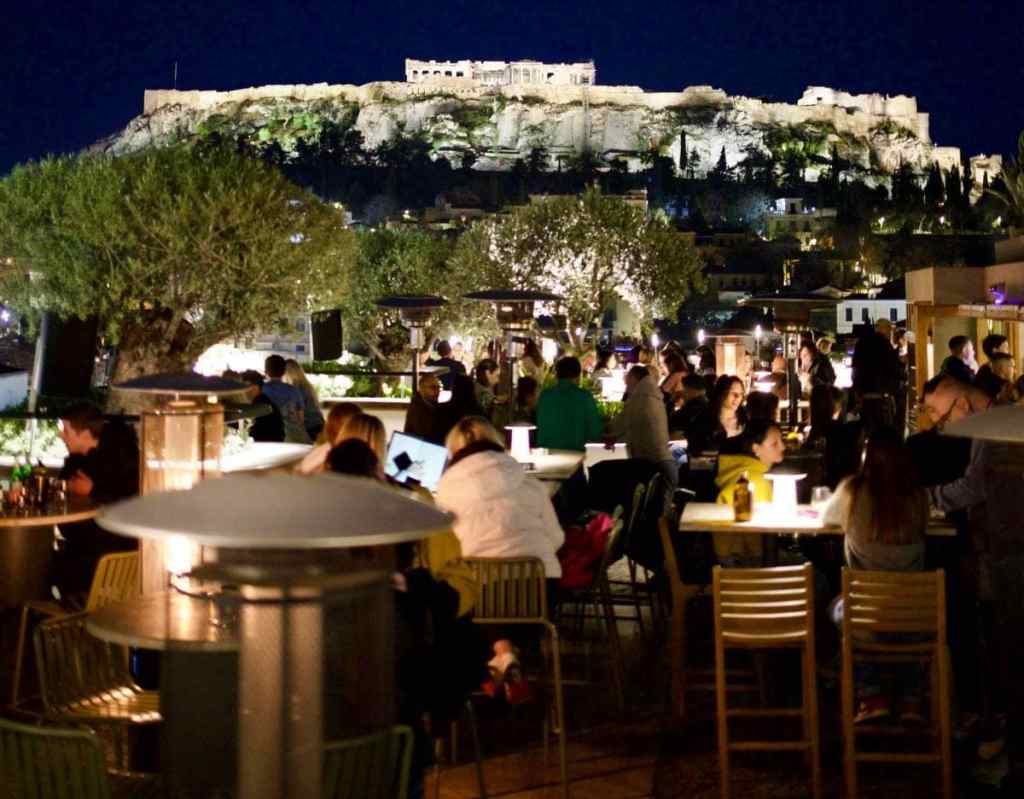
Most rooftop bars serve Greek and Mediterranean cuisine alongside creative cocktails.
Premium locations command higher prices, but the views justify the expense for most visitors.
Many rooftops are connected to hotels, giving guests booking priority.
Pro Tips
Make reservations, especially when you have tourist season and rooftop bars fill faster.
Sunset draws maximum crowds, so expect seats to fill up fast. Arrive at least an hour before sunset to secure an optimal viewing location.
Some rooftops require per-person deposits and minimum spending on busy nights.
21. Day Trip to Cape Sounion and Temple of Poiseidon
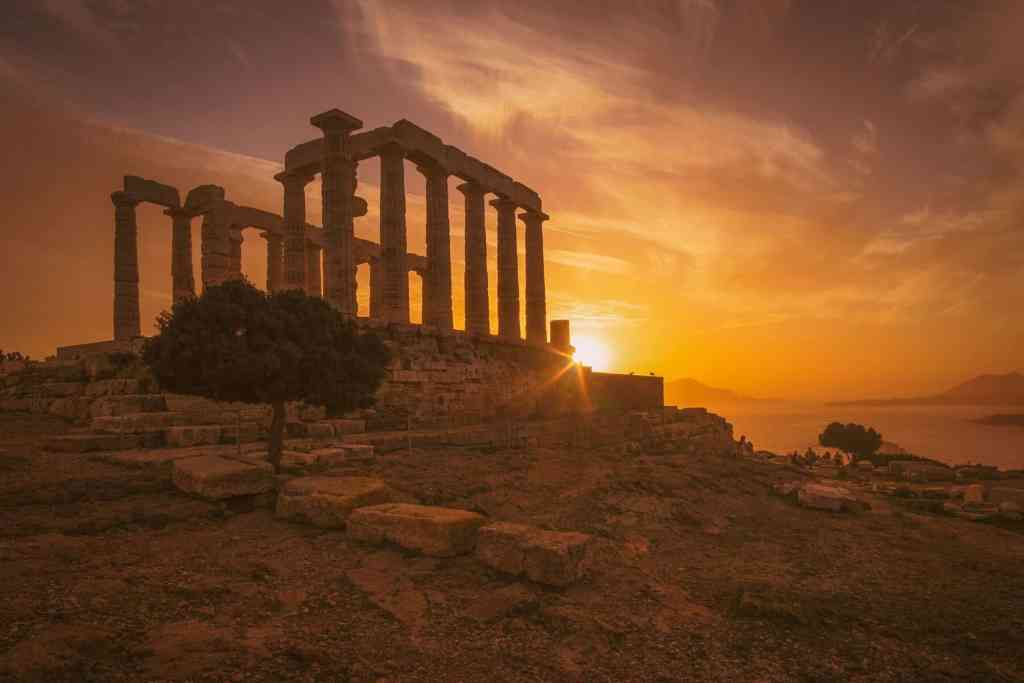
If you want to add dramatic coastal scenery to your Athens bucket list without worrying about logistics, a guided tour to Cape Sounion is one of the easiest — and most rewarding — choices you can make.
Roughly 70 kilometers south of the city, Cape Sounion feels far removed from the buzz of central Athens. And the best part? You don’t have to figure out transportation, parking, or timing. A guided tour handles it all, so you can simply sit back and enjoy the views.
Why a Guided Tour Makes a Difference
The journey along the Athens Riviera is part of the experience. As your guide drives you south, you’ll pass coastal neighborhoods like Glyfada and Vouliagmeni, with the sparkling Saronic Gulf stretching beside you.
Many guided tours include a scenic stop at Lake Vouliagmeni. Instead of just snapping a photo and leaving, your guide can explain how this striking lake was formed and why it’s considered such a geological wonder.
Some tours (especially in late spring through early fall) may also include optional beach breaks or seaside refreshment stops. It turns a simple temple visit into a relaxed coastal escape.
What Happens at the Temple
At the edge of the cliffs stands the breathtaking Temple of Poseidon. Built in the 5th century B.C., its marble columns rise above the Aegean Sea in a setting that feels almost cinematic.
Once you arrive, your guide will typically walk you through the site’s history before giving you free time to explore. You can circle the Doric columns, take photos from different angles, and soak in the sea views that stretch endlessly in front of you.
If you choose a sunset tour — and this is highly recommended for your Athens bucket list — the timing is carefully planned so you arrive just before golden hour. Watching the sun lower behind the temple while hearing stories of ancient sailors and sea gods adds a whole new layer to the experience.
What’s Included in Most Tours
Most half-day guided tours include:
- Round-trip transportation in an air-conditioned vehicle
- Hotel pickup and drop-off (depending on the provider)
- A professional tour escort or licensed guide
When to Book Your Tour
For the best balance of pleasant weather and manageable crowds, consider booking in April, May, September, or October. These months offer sunshine without the intense summer heat.
Arriving early (or booking a well-timed sunset departure) ensures you have time to explore without feeling rushed. And because the temple sits on an exposed cliff, it can be windy — even in warmer months — so bring a light jacket just in case.
Comfortable walking shoes are also a smart choice. The ground is uneven in places, and you’ll want steady footing as you explore.
22. Take an Athens Food Tour

Food tours are a great way to discover Athens’ culinary traditions in ways independent exploration often misses, connecting you with local eateries, markets, and family-run establishments that might otherwise stay hidden from your Athens bucket list.
Booking Tips
Book early in your trip to learn insider knowledge about where locals eat. Guides often share recipes and recommendations you can revisit during your stay.
Most food tours require advance booking, especially during the busy peak season.
Popular Food Tours
23. Visit the Benaki Museum
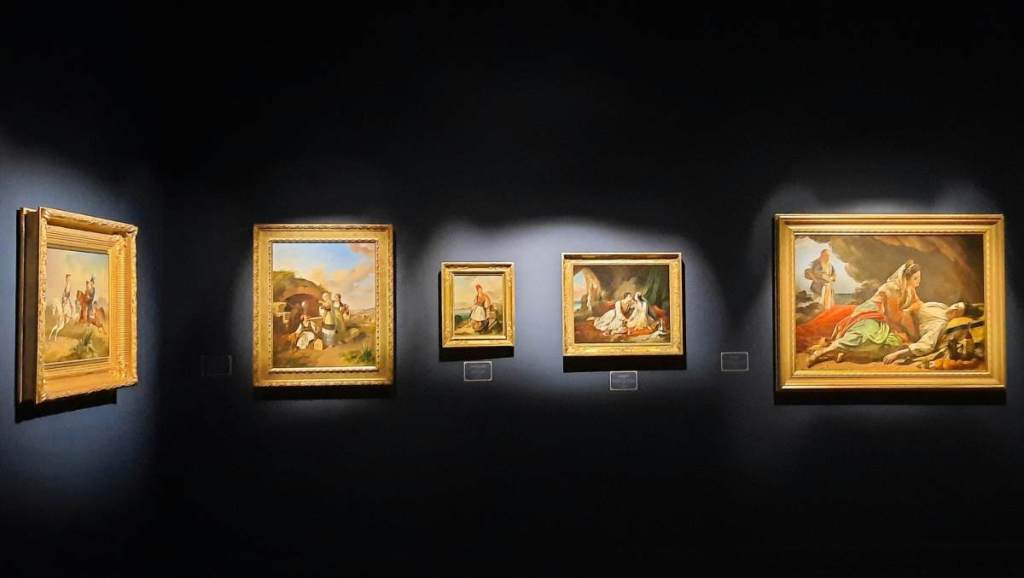
The Benaki Museum is located in a beautifully restored neoclassical building near the National Garden and Hellenic Parliament. Antonis Benakis donated his private collection to Greece, leading to the museum’s official opening in 1931.
What to Expect
The museum showcases the history of Greek civilization through galleries featuring over 100,000 artifacts, including paintings, sketches, Islamic works, East Asian art, Coptic artifacts, and pre-Columbian treasures.
Collections have prehistoric relics, Byzantine art, post-Byzantine works, historic heirlooms, and modern Greek pieces extending into the 20th century. While the third floor galleries tell the story of modern Greece from pre-Revolution years through the Second World War.
Free audio-guided tours operate via QR codes in Greek, English, French, Spanish, Russian, Chinese, and Ukrainian.
The building has a restaurant focusing on Greek cuisine and the longest-established museum shop in Greece. A library opens to the public by appointment.
Ticket Information and Booking
You can purchase tickets at the entrance or advance through the e-ticketing platform.
Free admission to the permanent exhibition every Thursday from 6:00 pm to midnight, excluding organized tours and guided groups. Free entry also covers both permanent and temporary exhibitions on International Museum Day (May 18th).
Combined tickets with The Ghika Gallery receive 20% discount on total admission.
Best Time to Visit
Opening hours run Monday, Wednesday, Friday, and Saturday from 10:00-18:00, Thursday from 10:00-00:00 (midnight), and Sunday from 10:00-16:00. The museum is closed on Tuesday.
Plan for at least half a day to properly explore the collections. Spring and fall provide mild weather that makes combining your museum visit with exploring surrounding cultural attractions ideal.
24. Climb Areopagus Hill for Panoramic Views

Areopagus Hill is located on the northwest side of the Acropolis, just a few hundred yards from the main entrance. It offers the closest view of the ancient citadel available from any public viewpoint.
Climb to the top, and you’ll be rewarded with wide-open panoramas of Athens stretching in every direction. You can see the Ancient Agora and the Acropolis in striking proximity from this elevated position.
Locals call this rocky outcrop “Vrachakia.” The hill ranks as one of Athens’ most famous sunset locations and draws substantial crowds.
How to Access
Stairs carved directly into the rock lead to the summit. A metal staircase installed on the southern side near the Acropolis entrance provides the easiest approach.
Three metro stations serve the area: Akropoli (Red Line), Monastiraki (Green Line and Blue Line), and Thissio (Green Line). Each requires a 10-15 minute walk.
Pay attention, the stones are very slippery. Visitors wearing sensible shoes still find themselves crawling on all fours to avoid falling.
Arrive early to secure a good spot among eager spectators.
25. Experience Modern Greek Market Culture at Ergon House
If you love food experiences that feel immersive rather than touristy, Ergon House deserves a spot on your Athens bucket list.
Located just steps from the Acropolis in the city’s historic center, this space reimagines the idea of the ancient Greek agora for modern travelers.
It’s not just a restaurant. It’s not just a hotel. It’s a full sensory experience where you can eat, shop, and even sleep — all under one beautifully designed roof.
Inside the Food Hall
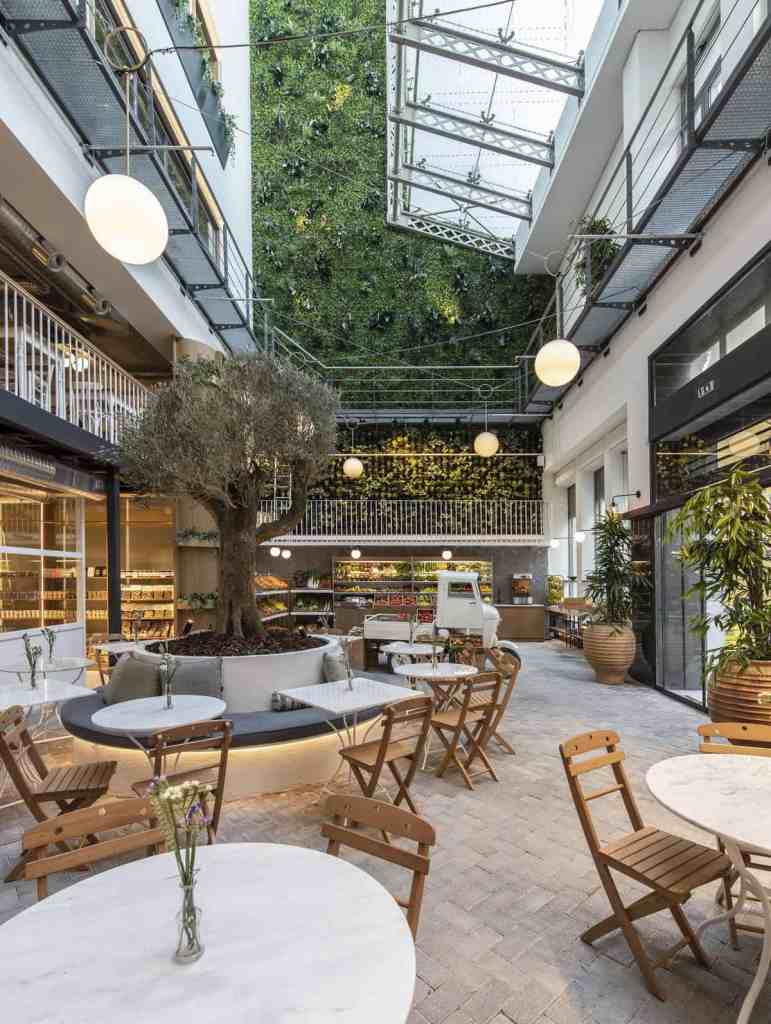
The first thing you’ll notice is the light. A soaring glass atrium stretches overhead, filling the entire space with sunshine and giving the market an airy, open feel.
Below, the energy is contagious. Butchers trim fresh cuts, fishmongers arrange the day’s catch on ice, bakers pull warm bread from ovens, and produce vendors display colorful fruits and vegetables.
You’re not just browsing — you’re participating. You can select ingredients yourself and have them prepared on the spot, or packaged to take away. It feels interactive and refreshingly authentic.
There’s even a vertical indoor orchard where herbs and greens are grown right inside the building. Look around and you’ll also spot striking mural work by Greek street artist INO, adding a contemporary edge to the traditional market atmosphere.
It’s lively, modern, and deeply rooted in Greek food culture all at once.
Staying Above the Market

What makes this place truly unique is that you can actually stay here.
Above the bustling food hall is a modern 38-room boutique hotel designed with natural textures and subtle nods to traditional Greek architecture.
The rooms feel warm and intentional — clean lines, thoughtful details, and modern comforts like espresso machines and Bluetooth speakers. Some rooms even offer views of the Acropolis and Parthenon.
It’s not just about having a place to sleep. The experience feels connected — you wake up above a working marketplace, grab breakfast downstairs, and step straight into the heart of Athens.
Best souvenirs to buy
Before you leave, make time for the Ergon Originals store.
Here, you’ll find hundreds of carefully sourced Greek products — small-batch olive oils, mountain-grown herbs, artisanal spreads, honey, ceramics, and textiles crafted by local makers. Each item clearly notes its origin and producer, so you know exactly where it comes from.
Instead of generic souvenirs, you’re taking home something meaningful — flavors, textures, and craftsmanship that represent modern Greece.
Final Thoughts on the Ultimate Athens Bucket List

Athens isn’t just a city you visit — it’s a place you experience. Every step pulls you between ancient legends and everyday Greek life, making your Athens bucket list feel like a journey through time.
What makes Athens unforgettable is its contrast. You’ll watch centuries-old traditions come alive at the Changing of the Guard, then sip coffee in a playful, modern café that shows off the city’s creative soul. This constant blend of old and new is what gives Athens its energy — and keeps surprising you.
A little planning goes a long way here. Booking tickets in advance, especially for major sites like the Acropolis, helps you avoid long lines and make the most of your time. Multi-site passes are also a smart way to explore more while staying on budget.
Timing matters too. With sunshine most of the year, Athens is always tempting, but spring and fall offer the sweet spot — comfortable temperatures, fewer crowds, and a more relaxed pace at iconic landmarks.
Beyond the must-see sights, Athens reveals its heart in the small moments. You’ll find it in peaceful garden strolls, artisan shops, and local markets filled with fresh flavors and familiar smiles. Whether you’re admiring ancient stonework or tasting your way through the city, Athens leaves you with memories that feel both timeless and alive.
Your Athens bucket list isn’t just a checklist — it’s an invitation. One filled with history, warmth, and sun-soaked moments that stay with you long after you leave.
Frequently Asked Questions (FAQs)
Key Takeaways
Athens offers an extraordinary blend of ancient wonders and modern experiences that create unforgettable memories for every type of traveler.
- Book Acropolis tickets in advance – Daily visitor limits of 20,000 require pre-booking to avoid 45-120 minute wait times during peak season.
- Visit during shoulder seasons (April-May, September-October) for milder weather, smaller crowds, and optimal exploration conditions across all major sites.
- Purchase combination tickets for multiple archeological sites – they’re valid for 3 days and provide excellent value while maximizing your time.
- Explore beyond famous landmarks – Hidden gems like Anafiotika’s Cycladic village and Kerameikos cemetery offer authentic experiences without crowds.
- Experience both ancient and modern Athens – From 2,500 year old marble temples to whimsical Little Kook Café, the city seamlessly bridges past and present.
Athens rewards curious travelers who venture beyond the obvious tourist path. With 300 days of annual sunshine and attractions ranging from world-class museums to vibrant local markets, this living museum offers something magical around every corner.
Athens Travel Blogs
Ten Best Things to do in Athens
Your Stress-Free Athens 3 Day Itinerary
Cheapest Time to Travel to Athens
Where to Stay in Athens Greece

Ultimate Day Trips from Athens Guide