
33 Must-Do Banff Bucket List Experiences (Season by Season)
Ready to start your Banff bucket list?
The best things to do in Banff have kept me coming back time after time. This wilderness wonderland brings magic throughout the year. My Banff National Park bucket list gets bigger every time I visit.
The park boasts nearly 1,600 km of trails and more than 360 km of bike paths. The famous turquoise lakes are just the beginning. You can soak in hot springs or drive the Icefields Parkway – which many consider one of the world’s most scenic routes.
What I love about this Banff bucket list of adventures is how they change with the seasons. Moraine Lake is available only from mid-May to mid-October. While the Banff Gondola takes you up Sulphur Mountain to give you a different view as seasons shift.
That’s why I break down the bucket list activities by season – you’ll know exactly what to do whenever you visit!
Disclaimer: This post may contain affiliate links, meaning I receive commissions for purchases made through those links at no cost to you. Please read my full disclosure for more information.
1. Explore the Town of Banff

Banff, Canada’s oldest national park’s crown jewel, blends culture, nature, and adventure seamlessly. This charming mountain town serves as a perfect launching point to discover the surrounding wilderness.
Town of Banff highlights
Banff Avenue beats at the heart of downtown with its shops, restaurants, and breathtaking mountain views.
I love the Whyte Museum of the Canadian Rockies that showcases local art and history. I also recommend visiting the Buffalo Nations Luxton Museum, which tells rich stories of Alberta’s indigenous peoples.
Don’t miss the Cave and Basin National Historic Site, a special hidden gem just a short walk from downtown that marks the birthplace of Canada’s national park system.
Best time to visit Banff town

One of the things that makes Banff truly special—and absolutely worthy of your Banff bucket list—is how dramatically it changes with the seasons. No matter when you visit, the experience feels completely different, almost like discovering a new destination each time.
If summer adventures are calling your name, July and August are peak season for a reason. You’ll have long daylight hours, ideal weather for hiking, and glassy lakes that are perfect for canoeing. Yes, it’s busy, but the energy in town and the access to classic mountain experiences make it unforgettable.
September is a sweet spot for many travelers checking off their Banff bucket list. The hiking conditions are incredible, the trails are drier, and the crowds start to thin out—giving you more peaceful moments in the mountains without sacrificing great weather.
Winter brings its own magic. February is a dream if you love winter sports, thanks to light, dry powder that’s perfect for skiing and snowboarding. March often delivers the deepest snowfall of the season, turning Banff into a playground for snow lovers.
For a quieter, more laid-back vibe, November offers a calm, uncrowded side of Banff that feels almost like a local secret. Then December rolls in and transforms the town into a festive alpine fairytale, complete with twinkling lights, cozy streets, and daily winter celebrations that feel straight out of a holiday movie.
No matter the month, Banff has a way of meeting you exactly where your travel dreams are—and that’s why it earns a permanent spot on your bucket list.
Local tips for exploring Banff
Start your day early or wait until evening at popular spots to avoid the crowds. You’ll find free parking near the train station that lasts up to 9 hours – perfect for day trips.
Roam Public Transit connects all major attractions, and most hotels give out free transit passes.
Take a short hike beyond the immediate lakeshore areas at popular spots and you’ll leave 60% of other visitors behind.
The Vintage Open Top Tour offers a unique experience in vintage-inspired cars that show you the town’s best spots in 90 minutes.
Don’t miss the Surprise Corner viewpoint – it gives you stunning views of Bow Falls and its rushing waters.
2. Hike Johnston Canyon to the Ink Pots
Johnston Canyon is one of the most beautiful natural wonders in Banff National Park. This spectacular canyon hike delivers something special each season. You’ll find it on every Banff bucket list as a year-round destination.
Johnston Canyon trail overview
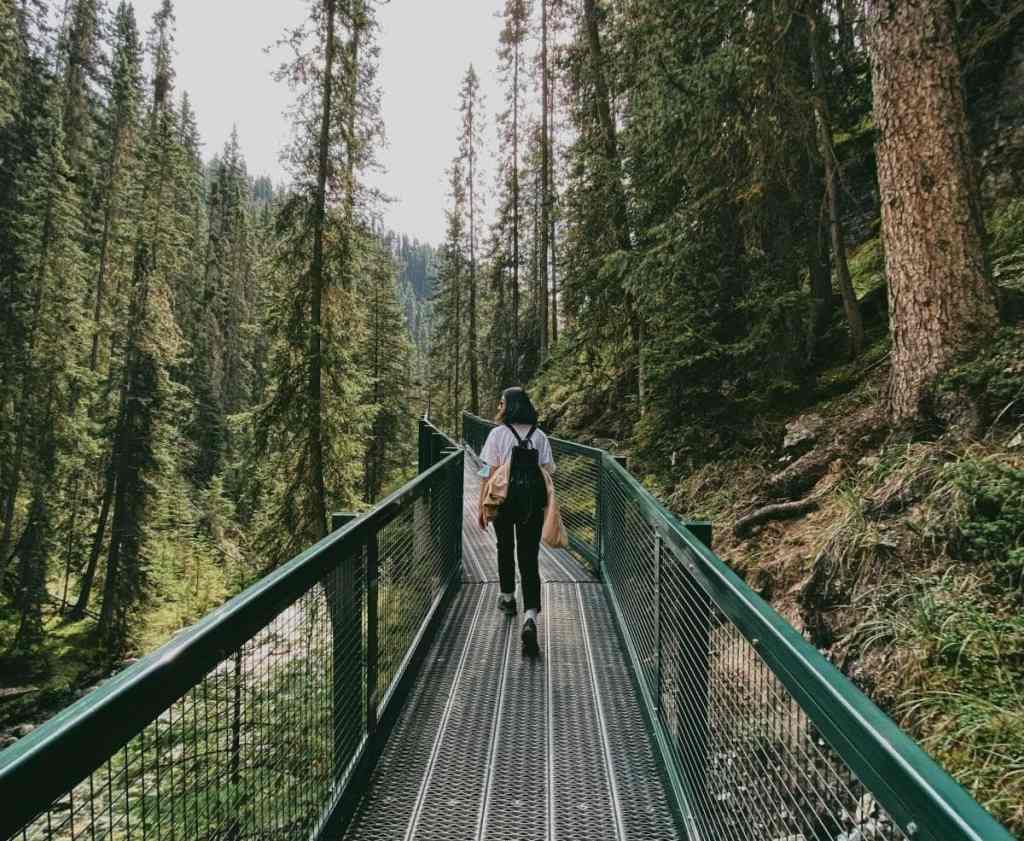
A well-laid-out path leads through lush evergreen forests to Johnston Canyon. Suspended catwalks guide hikers next to rushing waters.
The Lower Falls trail runs 1.2 km one way with a gentle 50-meter climb that takes about an hour round trip. The Upper Falls path stretches 2.5 km one way and climbs 120 meters. Most hikers complete this round trip in about two hours.
Summer months bring large crowds to this available trail. The path begins behind Johnston Canyon Resort and has iron catwalks fixed beneath overhanging canyon walls. Visitors can cross a small bridge at the Lower Falls viewpoint and walk through a tunnel to get close to the waterfall.
Why the Ink Pots are worth the hike
The Ink Pots shine as the hidden gem beyond the Upper Falls. Seven colorful mineral springs bubble up in a peaceful alpine meadow.
The Ink Pots’ varying colors make them special. Each pool fills differently—milky-green pools fill slower with more suspended materials than the clear, deep-blue ones.
These pools stay at 4°C throughout the year and never freeze. Wildflowers often carpet the surrounding meadow, creating perfect photo opportunities.
The full journey takes about four hours round trip.
Best time to hike Johnston Canyon
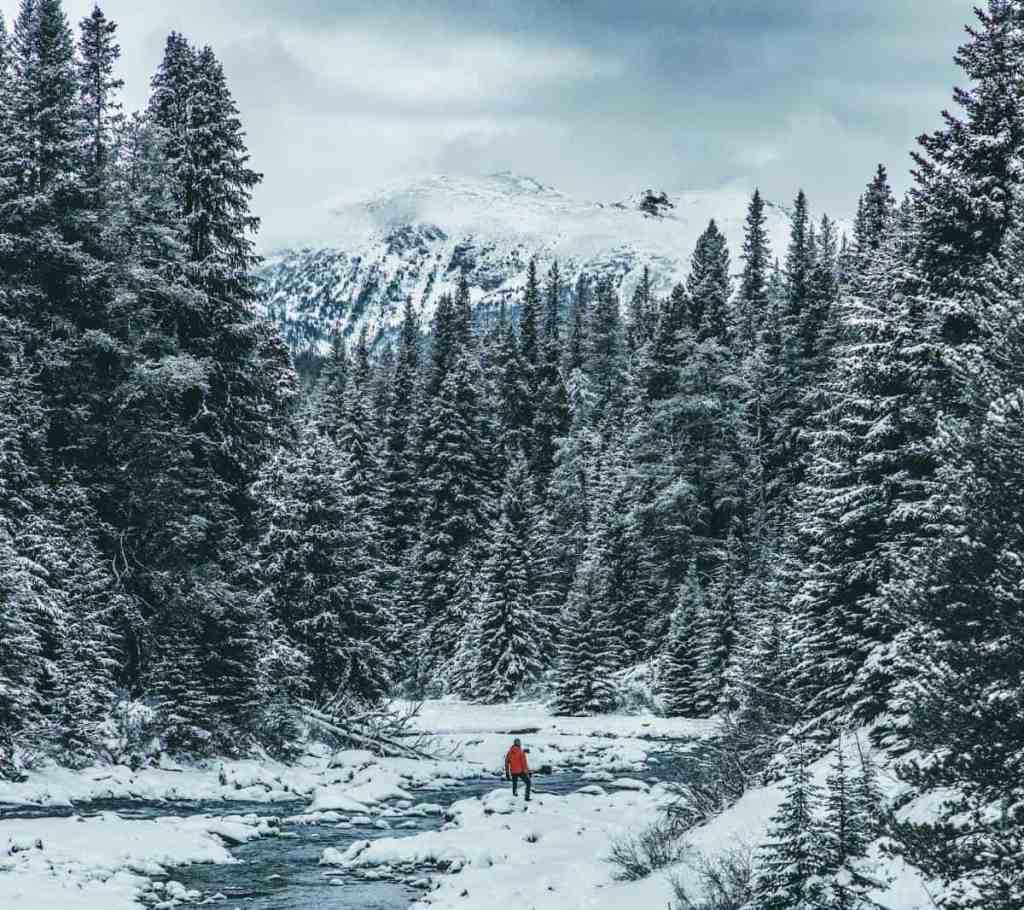
The timing of your visit plays a vital role in your experience.
Powerful waterfalls from snowmelt and smaller crowds mark late spring to early summer (May-June). Fall months (late September-October) reward hikers with stunning autumn colors and pleasant temperatures.
The canyon transforms into an ice palace during winter, with frozen waterfalls and icy walls. Winter hiking demands proper gear—ice cleats or traction devices become necessary.
Early birds who arrive before 9:00 AM or late afternoon visitors can avoid the big crowds that gather during peak hours.
3. Snowshoeing at Sunshine Meadows
A winter wonderland at Sunshine Meadows lifts any Banff bucket list to new heights. This powder paradise sits in the Rocky Mountains of Banff National Park and gives visitors an exceptional snowshoeing experience you won’t find anywhere else in the region.
What Snowshoeing at Sunshine Meadows is
Sunshine Meadows snowshoeing takes you deep into untouched backcountry through Sunshine Village Ski Resort.
The adventure starts with a gondola ride and the Standish Express chairlift brings you up to 2,200 meters (8,000 feet). You’ll strap on snowshoes and step into pristine powder snow where no trails exist—just endless stretches of fluffy white powder ready to hold your footprints.
Most guided tours cover about 3 kilometers (2 miles) through deep snow, which feels like a 6-kilometer summer hike. The tours usually run for three hours, giving you plenty of time to take photos, learn about the area, and enjoy a warming hot chocolate break.
Why Snowshoeing at Sunshine Meadows is special
This experience stands out as a must-visit place in Banff because of its unique spot on the Continental Divide. Your tour crosses from Alberta into British Columbia, letting you experience two provinces in one adventure.
The area gets an incredible 10 meters of snow each year, which means perfect conditions all winter long. The views will take your breath away—you’ll walk across the frozen, snow-covered Rock Isle Lake while gazing at some of the Canadian Rockies’ highest peaks.
Your guide will show you tracks left by pine martens, snowshoe hares, and coyotes that make this winter landscape their home.
The experience feels like true exploration as you make your own path through knee-deep powder, something that’s hard to find in popular tourist spots.
Best time to visit Snowshoeing at Sunshine Meadows
Sunshine Meadows’ snowshoeing season runs for seven impressive months through winter. The prime time to check this off your Banff bucket list falls between December and April.
The high elevation means temperatures drop about 10 degrees lower than the valley bottom, so proper winter gear is essential. Clear days work best for your visit since the panoramic mountain views make this one of Banff’s top attractions.
4. Ski or Snowboard at Lake Louise

Lake Louise Ski Resort is located in Banff National Park and combines amazing terrain with stunning Rocky Mountain views. It spans an impressive 4,400 acres across four mountain faces, making it one of North America’s biggest ski spots.
Lake Louise Ski Resort features 145 marked runs. Skiers will find everything they need – gentle slopes, long cruising runs, glades, chutes and wide open bowls. The longest run stretches 8 km, giving you plenty of time to soak in the magnificent surroundings.
Why Skiing at Lake Louise is a must
Lake Louise stands out on your Banff National Park bucket list because groups with different skill levels can ski together easily. The smart layout lets everyone from beginners to experts ski from almost every chair.
The terrain split is 25% beginner, 45% intermediate and 30% advanced runs. Beginners can explore most of the mountain with their more experienced friends since green runs start from all but one lift – Summit Chair and Top of the World.
Best time to ski at Lake Louise
The ski season runs from early November through early May. January and February bring the most reliable snow conditions. March and April give you great powder with milder temperatures. March typically sees the heaviest snowfall.
5. Ice Skating on Lake Louise
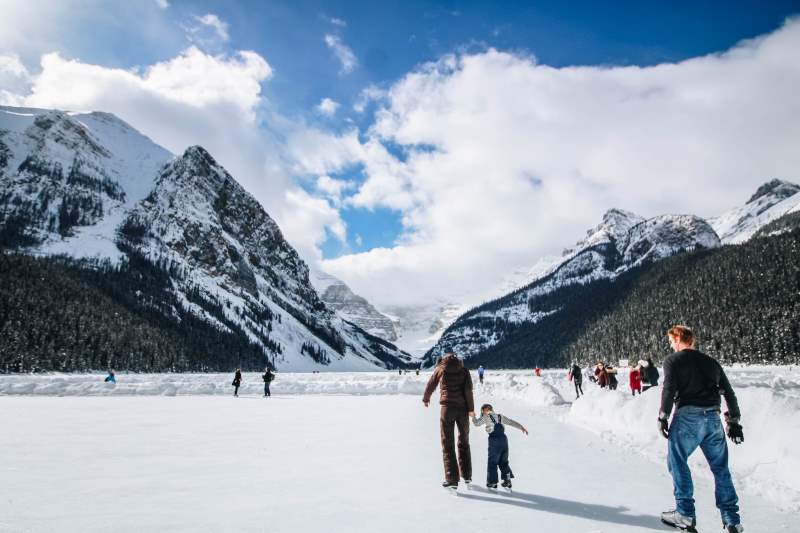
Stepping onto the frozen surface of Lake Louise for the first time is one of those moments that instantly earns a place on my Banff bucket list.
The lake stretches out beneath your skates like a sheet of glass, framed by snow-covered peaks and the massive Victoria Glacier. It’s quiet, crisp, and unbelievably beautiful—one of those experiences that makes you pause to take it all in!
What Ice Skating on Lake Louise Is Really Like
Ice skating on Lake Louise isn’t about skating laps in a typical rink. You’re gliding across a naturally frozen alpine lake that’s been carefully cleared and maintained for skaters. The ice feels smooth and solid, but the setting is completely wild—no walls, no barriers, just open space and mountain views in every direction.
I loved that it felt welcoming whether you’re confident on skates or just getting started. You can move at your own pace, take breaks for photos, or simply stand still and soak in the scenery.
If you don’t have skates with you, rentals are available right at the lake, which makes the experience incredibly easy to add to your winter plans.
When to Go Ice Skating on Lake Louise
If ice skating is high on your Banff bucket list, timing is key. Lake Louise usually freezes enough for skating between mid-December and early spring, depending on temperatures and snowfall. The most reliable conditions are typically found from January through March.
I found mornings to be especially magical. The colder temperatures keep the ice in great shape, and the lake feels calmer before the day really gets going. As always in the mountains, checking current ice conditions before heading out is essential.
Ice skating on Lake Louise isn’t just a winter activity—it’s a moment that stays with you long after you leave the ice. If you’re dreaming of classic Banff winter experiences, this one belongs at the very top of your bucket list.
6. Soak in Banff Upper Hot Springs
A relaxing soak in the steaming waters of Banff Upper Hot Springs perfectly completes your Banff bucket list after a day of winter activities.
These historic springs are located on Sulfur Mountain and provide the perfect remedy for tired muscles and winter chills. The mineral-rich therapeutic waters contain a unique mineral blend of sulphate, calcium, and bicarbonate you won’t find anywhere else.
A large outdoor pool filled with pure natural mineral-rich water flows from 3 kilometers beneath the earth’s crust. The water stays between 37°C and 40°C (98-104°F), making it perfect for soaking.
The facility has changing rooms, showers, lockers, a café, and swimsuit rentals if you forget yours.
Please note that the springs will remain closed until early 2026 due to maintenance and facility upgrades.
Best time to visit Banff Hot Springs
You’ll find the most peaceful atmosphere during weekday mornings, with Tuesdays being the quietest.
Winter evenings at sunset create a magical experience as snow falls around you while you soak in the warm waters.
A 1-2 hour stay works best to avoid overheating.
7. Dog Sledding in Canmore
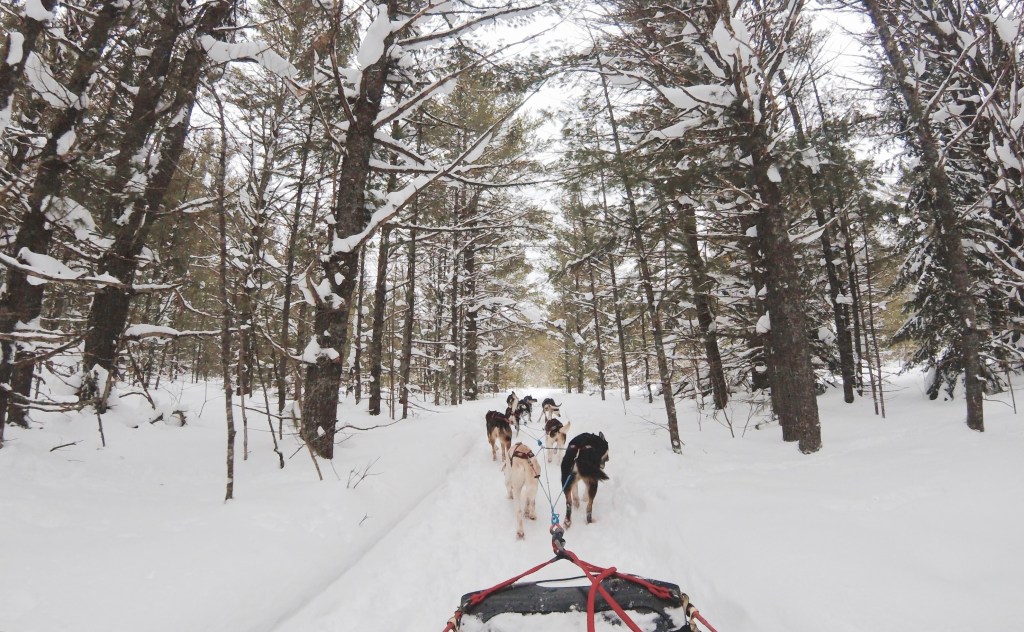
Picture yourself gliding through snowy trails as a team of energetic huskies leads the way. Dog sledding in Canmore delivers a true Canadian adventure that belongs on your Banff bucket list.
What Dog Sledding in Canmore is
You’ll find dog sledding adventures in the beautiful Spray Lakes Provincial Park, just 30 minutes from Canmore. These tours allow you to meet the dogs, assist with harnessing, and enjoy an hour or more of winter wonderland exploration.
You can choose between sitting back while an instructor drives or try mushing yourself. The custom-built sleds come with cozy wool blankets, waterproof covers, and comfortable seating.
Dog Sledding Tours
Best Time for Dog Sledding
Dog sledding runs from December through April, snow conditions permitting. The best snow falls in January and February, though these months bring the coldest weather. March strikes a sweet spot with good snow coverage and warmer temperatures.
8. Hike Tunnel Mountain in Spring

The melting winter snow makes Tunnel Mountain the perfect spot for hikers looking to get their first taste of spring in the Canadian Rockies. This easily reachable peak is a great addition to any Banff bucket list hike collection.
The Tunnel Mountain Summit Trail is 2.4 km one way with a 260-meter climb. Hikers usually spend 1 – 2 hours completing the full 4 – 4.5 kilometer round trip.
While it’s the smallest official mountain in Banff National Park, it packs more excitement than its size suggests. You’ll find the trail just 1 km from downtown Banff, so you won’t need any transportation to reach it if you’re staying there.
Why Tunnel Mountain is a spring favorite
Tunnel Mountain stands out among the best things to do in Banff during spring.
I loved its southwest-facing slopes that soak up plenty of sunshine. The mountain’s sunny side means you’ll often find snow-free trails by early May while other paths stay covered.
This makes it a perfect pick to start your spring hiking season. The trail rewards you with amazing Bow Valley views through tree gaps as you climb higher.
Best time to hike Tunnel Mountain
While weather can vary year to year, early May usually offers the best spring conditions.
The trail gets busy, but you can find some quiet time if you plan your visit during sunrise or sunset on weekdays.
9. Visit the Cave and Basin Historic Site
Stepping into the Cave and Basin National Historic Site feels like opening the very first chapter of Banff’s story. You’re not only exploring a unique natural site, but walking through the birthplace of Canada’s national parks.
What You’ll Experience at Cave and Basin
At Cave and Basin, warm mineral-rich water still flows from the side of Sulphur Mountain, just as it has for thousands of years.
You’ll enter a natural cave through a man-made tunnel that leads to a steamy grotto illuminated by a skylight above. Outside, you’ll see where early visitors once soaked in the thermal waters.
As you explore, you’ll come across a recreated 1880s bathhouse, a beautifully restored early 20th-century swimming pool, and modern interactive exhibits that bring the site’s story to life.
Short films, hands-on displays, and scenic boardwalks make it easy to imagine what Banff was like long before it became the iconic mountain destination you know today.
The marshlands and surrounding views add an unexpectedly peaceful touch to the visit.
Why Cave and Basin Matters So Much
This place holds deep meaning far beyond tourism. Indigenous Peoples have respected and visited these hot springs for more than 10,000 years.
In the late 1800s, the site gained national attention after railway workers stumbled upon the springs, eventually leading the government to protect the area. That single decision sparked the creation of Canada’s first national park—and ultimately the entire national parks system.
Today, Cave and Basin also protects the rare Banff Springs Snail, an endangered species found nowhere else on Earth. Visiting here gives you a deeper appreciation for conservation, history, and why Banff is so special.
Admission and Pass Information
Cave and Basin pricing is affordable, with standard adult and senior pricing, and free admission for youth under 18.
If you’re visiting during select dates, the Canada Strong Pass offers complimentary access, making this Banff bucket list experience even easier to include in your itinerary.
Best Time to Visit Cave and Basin
You can visit Cave and Basin year-round, but hours vary by season. During the warmer months, it’s open daily, while winter brings reduced days and shorter hours. Plan to spend about two to three hours exploring everything at a relaxed pace.
If you prefer a quieter experience, visiting outside peak summer months lets you enjoy the exhibits and boardwalks without crowds.
No matter when you go, Cave and Basin adds depth and meaning to your Banff bucket list—and helps you understand how this world-famous destination came to be.
Banff Cave & Hot Springs Audio Walking Tour (Not a Ticket)
10. See the Frozen Bubbles at Abraham Lake

The mesmerizing frozen bubbles of Abraham Lake sit just outside Banff National Park’s boundaries. This magical winter spectacle deserves a spot on every Banff bucket list.
You can join an Abraham Lake Ice Bubble Tour with a Local Guide.
What Causes the Frozen Bubbles?
Abraham Lake creates more bubbles than most lakes because it used to be a forest. The old tree roots at the bottom produce extra methane as they decompose.
Abraham Lake’s frozen bubbles are actually trapped methane gas suspended in crystal-clear ice. The lake bottom’s decomposing plants and tree limbs release methane gas.
Winter’s freezing temperatures trap these rising gas bubbles in layers of ice. Thousands of white orbs stack beneath the crystal-clear ice surface. The bubbles float above stunning turquoise water, while Rocky Mountain peaks create perfect frames for photos.
Best time to see the bubbles
Mid-December to late January provides the perfect time to visit Abraham Lake to see the ice bubbles. Photographers looking for the best conditions should plan their visits during this six-week period.
The deepest bubble stacks appear over turquoise water from January 10-25. Visibility starts to drop in February as snowstorms roll in and ice clouds over, though these conditions create their own unique beauty.
11. Canoe on Lake Louise in Summer

Gliding across the bright turquoise waters of Lake Louise is one of those experiences that instantly earns its place on your Banff bucket list.
What Canoeing on Lake Louise Feels Like
Once you’re out on the lake, the color of the water is even more striking than it looks from shore. The surface is often glassy, reflecting rugged mountains, dense evergreen forests, and lingering snow high above.
A relaxed paddle lets you explore the length of the lake and take in the views from every angle. You’ll have plenty of time to soak it all in, snap photos, and simply enjoy the feeling of floating in the heart of Banff National Park.
Why Canoeing Lake Louise Is So Iconic
There’s a reason canoeing on Lake Louise shows up in so many Banff bucket list guides.
The classic red canoes drifting across vibrant blue water have become one of the most recognizable images of the Rockies. With the massive Victoria Glacier anchoring the end of the lake, every paddle stroke feels cinematic.
Being on the water also gives you a whole new perspective. Away from the busy shoreline, the lake feels quieter and more personal—almost like you’ve discovered your own private viewpoint of one of Banff’s most famous places.
Best Time to Canoe on Lake Louise
Canoeing on Lake Louise is typically available from late spring through early fall, depending on ice and weather conditions.
If you’re planning your Banff bucket list carefully, aim for a morning paddle when the lake is still and the mountains reflect perfectly on the water. As the day progresses, breezes tend to pick up, making paddling more challenging.
Canoe Rentals
Canoes are available for rent right at the lakeshore, making it easy to add this experience to your day without extra planning.
Whether you’re paddling with a partner, friends, or family, it’s an experience that feels both adventurous and calming. It’s one of those moments that stays with you long after you leave Banff!
12. Ride the Mt. Norquay Chairlift
The Mount Norquay Sightseeing Chairlift is a historic open-air chairlift is located 7 km from downtown Banff.
Visitors ride up to an impressive elevation of 2,085 meters (6,840 feet). The 10-minute trip lifts you high above the valley floor. The lift, built in the 1950s, takes you to the historic Cliffhouse Bistro.
The open-air experience creates a closer connection to the mountain landscape than enclosed gondolas. The summit rewards you with breathtaking views of Mount Rundle, the turquoise Bow River, and the entire Banff town.
Best time to ride the chairlift
The Mt. Norquay Chairlift runs from June through early October. Mountain views are clearest and crowds are thinner early in the morning.
Summer hours are 9 am to 7 pm (June 11-September 7), while fall hours run from 10 am to 6 pm (September 8-October 12).
13. Try the Via Ferrata at Mt. Norquay
Adventure seekers looking to check off their Banff bucket list will find the Via Ferrata at Mt. Norquay is one of the most thrilling experiences in the Canadian Rockies.
What is the Via Ferrata?
“Via Ferrata,” which means “iron road” in Italian, is a protected climbing route that uses steel steps, handles, ladder rungs, and cables secured to the mountain.
The route at Mt. Norquay begins at the sightseeing chairlift’s top. You stay secured to the rock face through a harness that connects to steel cables.
Why it’s a unique climbing experience
Mt. Norquay’s Via Ferrata has five different routes that suit various adventure levels. You’ll cross suspension bridges, climb sheer rock walls, and see stunning views of the Bow Valley.
The detailed safety system helps people feel secure, even those afraid of heights. The best part is you don’t need technical skills or past experience to enjoy mountain climbing here.
Via Ferrata tours and safety tips
You can book your Via Ferrata tour from mid-June through early October.
Each tour comes with ACMG-certified guides, equipment, and safety training.
You must be at least 12 years old for shorter routes and 14 for advanced ones. The weight limits are 40-120kg.
14. Take a Wildlife Safari Tour
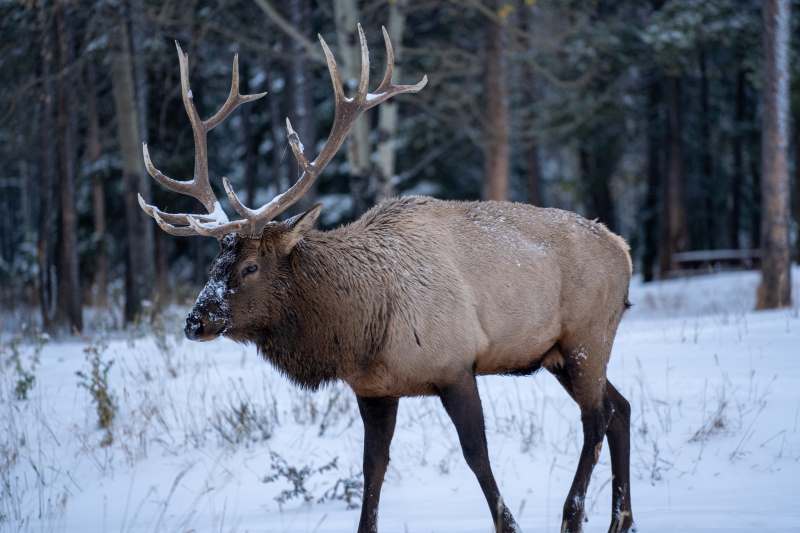
A Banff bucket list isn’t complete without seeing its magnificent wildlife in their natural habitat. Safari tours give you the perfect chance to watch these majestic creatures safely.
What to expect on a wildlife safari
A typical wildlife safari runs for about 2 – 3 hours on a comfortable bus that travels paved roads to known animal hotspots. These wildlife tours have an amazing 95% success rate of spotting wildlife.
These tours will pick you up from your hotel, give you binoculars, and let you learn from guides who know their stuff. You’ll stay on the bus when animals are around to keep everyone safe – both you and the wildlife.
Why it’s a must-do in Banff
Banff’s wild residents create memories that last a lifetime, along with its spectacular mountain views.
The professional guides know all about animal patterns, hidden viewing spots, and can spot tiny clues like tracks or scat. Their expertise helps you learn about the local ecosystem and efforts to protect wildlife.
Best time for wildlife sightings
Summer is your best bet to spot wildlife. Animals are most active during the cool hours before darkness.
Bears are most active during two periods: immediately after hibernation in the spring and during their major food hunt in late summer/early fall.
Some lucky visitors might catch a glimpse of wolves or coyotes.
Banff Wildlife Guided Tours
15. Take the Banff Gondola to Sulphur Mountain

The Banff Gondola provides a view of the Canadian Rockies that few experiences can match—making it essential to any Banff bucket list.
The Banff Gondola provides an exhilarating 8-minute ride up Sulfur Mountain to an elevation of 2,281 meters (7,486 feet). Each gondola cabin fits four passengers comfortably during the 698-meter ascent.
Why Sulfur Mountain views are breathtaking
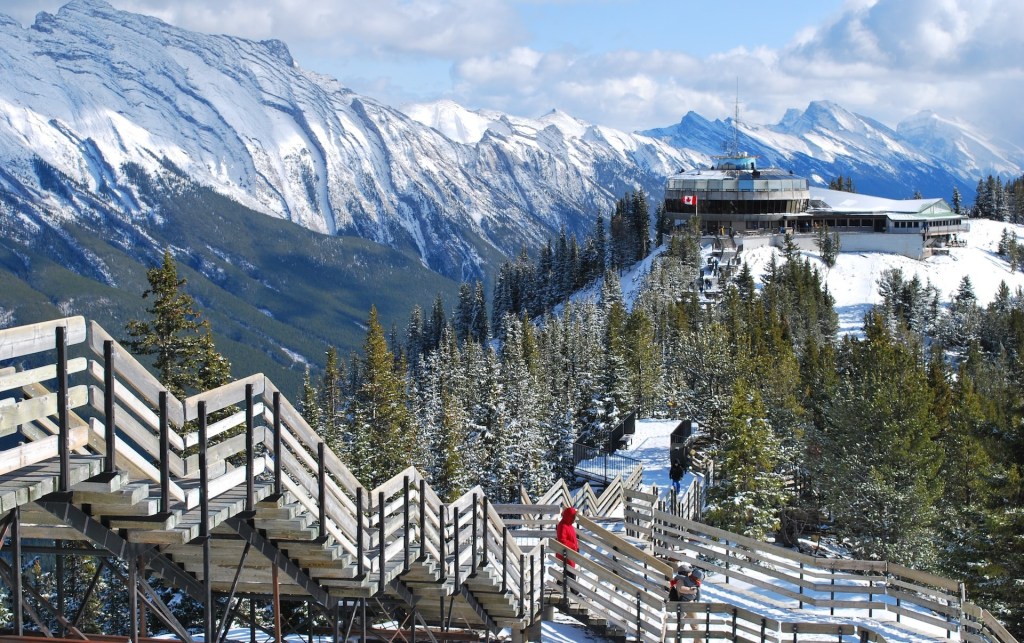
The summit offers stunning 360-degree panoramic views that span six mountain ranges. Banff’s town center, the winding Bow River, and iconic peaks like Mount Rundle and Cascade Mountain are clearly visible.
The 1-kilometer Sulfur Mountain Boardwalk to Sanson’s Peak completes this amazing experience.
That being said, the summit offers much more than scenic views. You’ll also find an interactive interpretive center, multi-sensory theater, rooftop observation deck, and three dining options to explore.
Best time to ride the Gondola
Quiet trails await early morning visitors, while late afternoon brings golden hour views. Sunday visits typically have smaller crowds than Saturdays.
Please note, the gondola runs year-round but closes for maintenance in November.
Banff Gondola Tickets
You can pre-buy your Banff Gondola Admission Tickets online, with seasonal and daily price variations. Children 5 and under ride free whatever time you visit.
16. Explore Moraine Lake in the Fall

The crown jewel of Banff National Park, Moraine Lake is located 14 km from Lake Louise.
The Valley of the Ten Peaks cradles Moraine Lake, which fascinates visitors with its brilliant turquoise glacier-fed waters. Many visitors call it more beautiful than Lake Louise.
The lake welcomes visitors only a few months each year, from June 1 until mid-October.
Why Fall is the best time to visit Moraine Lake
Golden larch trees surround the lake by late September and change the entire scene. This “larch madness” creates double the magic with turquoise water against golden foliage.
The autumn crowds are smaller compared to summer’s peak season. Mid to late September, specifically September 20th-October 7th, offers the best larch viewing experience.
How to access Moraine Lake
Personal vehicles can no longer access Moraine Lake Road throughout the year. Visitors must choose from these options:
- Parks Canada shuttles that require reservations from June 1 – October 13
- Moraine Lake Sunrise Shuttle for sunrise visits at 4 am and 5 am that requires advance booking
- Roam Transit Wide Day Pass from Banff with Lake Louise connection
- Guided Tours
The reservation system opens on April 15th. The initial release includes 40% of seats, while 60% become available two days before departure.
Moraine Lake Guided Tours
17. Drive the Icefields Parkway
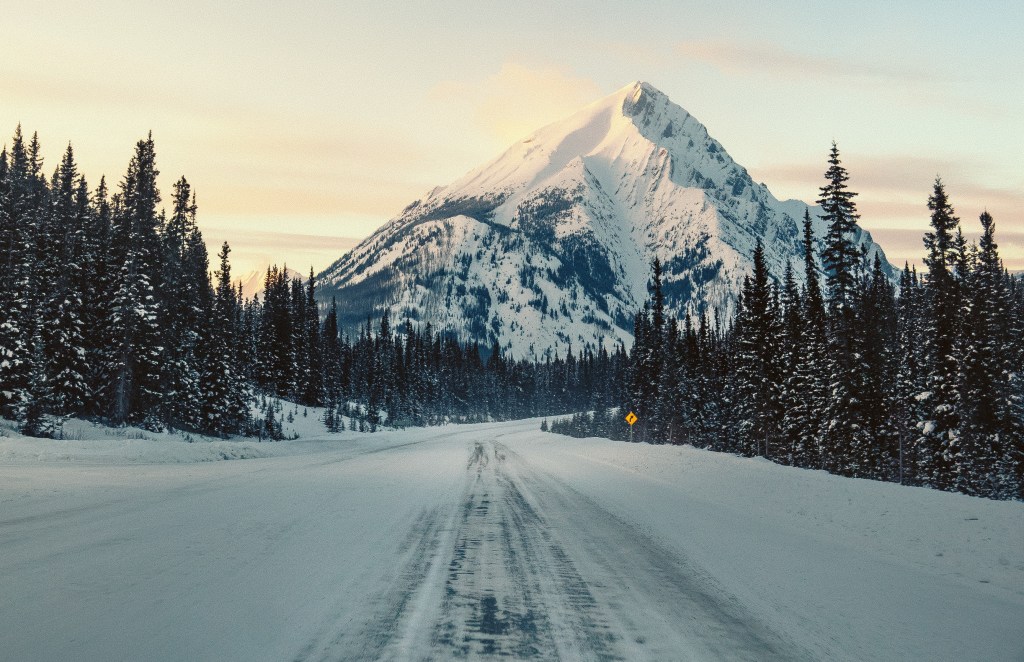
The Icefields Parkway stands out as a must-see highlight on any Banff bucket list for travelers dreaming of the ultimate mountain road trip. This legendary route always amazes visitors with stunning views around every corner.
A spectacular 232-kilometer (144-mile) highway connects Lake Louise in Banff National Park to Jasper in Jasper National Park. The road, officially known as Highway 93, winds along the Continental Divide through protected parklands.
Drivers can complete the journey in about three hours without stops, but that would miss the whole point of this incredible experience.
Why it’s one of the most scenic drives
The route showcases towering rocky peaks, ancient glaciers, turquoise lakes, and wildlife.
The parkway’s unique feature includes more than 100 majestic glaciers and numerous stunningly beautiful waterfalls that tumble down mountain slopes.
Best stops along the Parkway
Peyto Lake’s viewpoint ranks as the most photographed spot, which you can reach by a short walk to Bow Summit.
The Columbia Icefield is the largest ice mass south of the Arctic Circle at 325 km², letting visitors get close to the Athabasca Glacier.
Bow Lake, Sunwapta Falls, and Athabasca Falls round out the must-see locations along the way.
Best time to drive the Parkway
Summer visitors should plan their trips between June and September when all services stay open.
Winter transforms the parkway into a snow-covered wonderland from December through March, though drivers need snow tires, extra preparation, and careful driving.
18. Visit the Fairmont Banff Springs Hotel
What the Fairmont Banff Springs offers
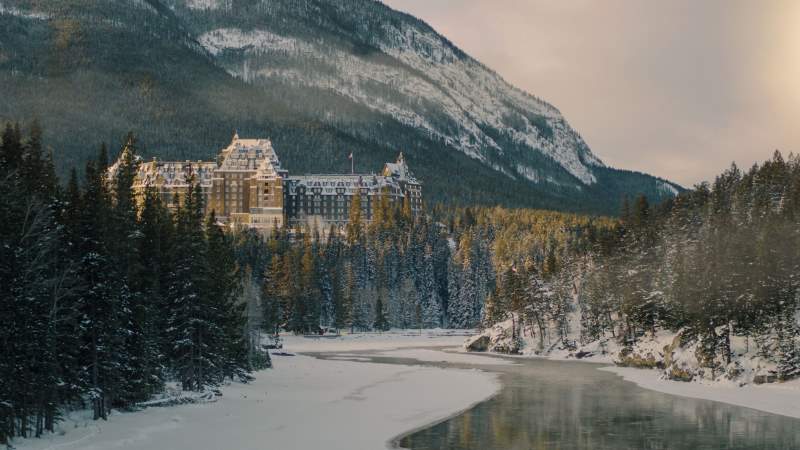
Known as the “Castle in the Rockies,” this iconic landmark has welcomed guests in style since 1888.
The world-famous Fairmont Banff Springs Hotel boasts 724 luxury guest rooms and suites among 12 acclaimed restaurants, pubs, and bars.
This complete resort destination features golf courses, swimming pools, a renowned spa, and amazing dining experiences. Guests can enjoy indoor activities like bowling or take part in free guided tours about local history.
Regular events fill the calendar, from walking tours to stargazing sessions.
Castle Food Experience at Banff Springs Hotel
Why it’s a must-visit place in Banff
The hotel’s status as a National Historic Site of Canada speaks volumes about its significance.
Its Chateau-style architecture showcases a symmetrical design, stunning roofline, and local Rundle Stone cladding. Beautiful ornamental metal grillwork, decorative ceilings, and carved Tyndall stone adorn the interior spaces.
The hotel sits where the Bow and Spray rivers join, offering spectacular views of Mount Rundle and the distant Fairholme range.
Best time to visit the hotel
Fairmont Banff Springs welcomes guests throughout the year.
“Christmas at the Castle” from late November through January changes the property into a winter wonderland with festive decorations.
Budget-conscious travelers should look for room deals between late March through May or October through November.
19. Go White Water Rafting on the Kananaskis River
The Kananaskis River’s whitewater rafting experience makes a perfect addition to your Banff bucket list. Adventure enthusiasts can find this exciting activity just 45 minutes from Banff and Calgary.
A typical rafting tour runs for four hours with about 1.5-2 hours on the water. You’ll join a group of up to nine people in each raft.
A professional guide leads the way and gives you complete safety instructions. The tour provides all the gear you need – wetsuits, life jackets, helmets, and wetsuit booties.
The river is safe enough that even people who can’t swim can join in, which makes it great for groups with different skill levels.
Why the Kananaskis River is ideal
The Kananaskis River stands out as a great place to try whitewater rafting for the first time.
A dam controls the river, so water levels stay steady all season long. This means you’ll get a reliable experience no matter when you visit.
The first half of the journey features Class II-III rapids. Then things calm down with Class I-II sections. This mix creates just the right balance of excitement.
The best thrills come in May and June when mountain snow melts into the river.
Rafting tour pricing
Adult tickets start at CAD 130, while children (5-15) pay CAD 85. Most companies throw in free professional photos.
You can pre-book your whitewater rafting tour online.
20. Take a Day Trip to Emerald Lake
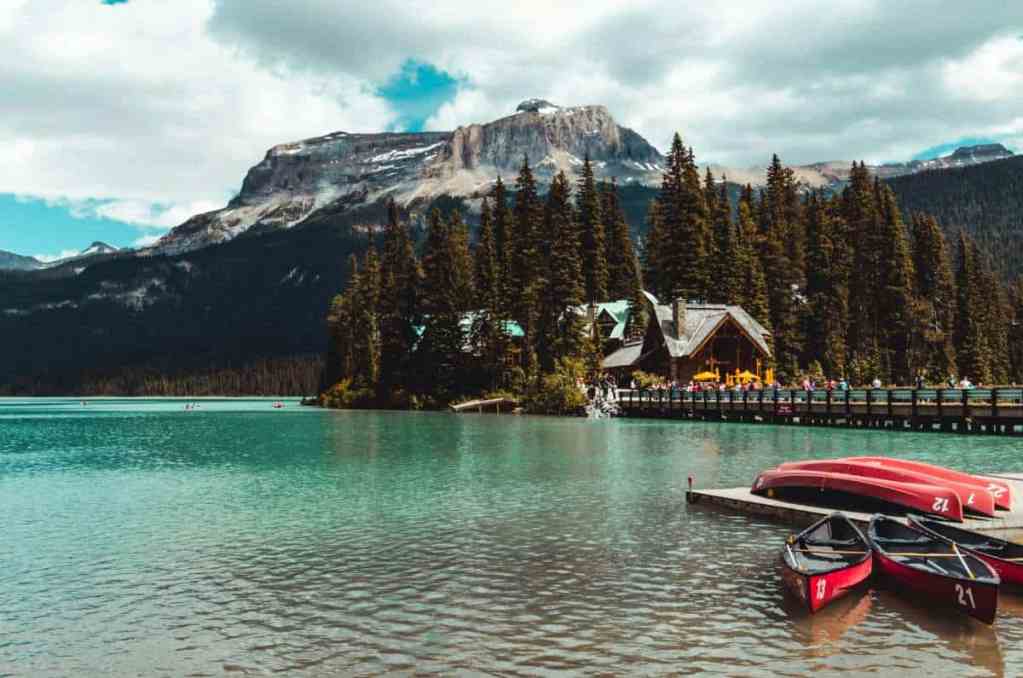
A stunning jewel awaits exploration on your Banff bucket list just beyond Banff’s boundaries—Emerald Lake engages visitors with its brilliant colour and pristine alpine setting.
What Emerald Lake offers
It’s the largest lake in Yoho National Park, surrounded by the magnificent President Mountain Range.
The lake’s name reflects its essence—a vivid emerald display created when sunlight hits glacial rock flour.
Visitors can explore the lake by walking an easy 5.2 km (3.2 mi) shoreline trail or paddling across its surface in a rental canoe.
Wildlife sightings are common here, with bald eagles, moose, and loons making regular appearances.
Why it’s worth a day trip from Banff
Emerald Lake is located 93 km (58 miles) from Banff, making it a quick 1 hour and 17-minute drive.
The area’s unique microclimate resembles coastal rainforests, creating a Rocky Mountain ecosystem that stands apart from others.
The peaceful atmosphere here provides a welcome break from Banff’s busier tourist attractions.
Best time to visit Emerald Lake
The lake’s signature color shows best during July or August when the sun shines bright.
Winter transforms the frozen lake into a magnificent playground for snowshoeing and cross-country skiing.
21. Visit the Tamnuska Wolfdog Sanctuary
Yamnuska Wolfdog Sanctuary is a non-profit rescue and education centre located near Cochrane, Alberta, that gives wolfdogs the safe space they need to thrive.
Dozens of rescued wolfdogs live here, each in large natural habitats designed to mimic the environments they’d choose in the wild. These spacious enclosures are filled with trees, terrain, and enrichment that support both physical and mental well-being.
The team’s mission focuses on educating visitors about wolfdogs—animals that are often misunderstood—and promoting conservation efforts for wolves in their natural ecosystems. Every visit directly supports that work.
Why This Experience Is So Unique
Guided tours give you the opportunity to observe the wolfdogs up close while learning how their behavior differs from that of domestic dogs.
Knowledgeable guides share stories, answer questions, and help you understand why wolfdogs require specialized care.
During certain tours, you may have the chance to feed them approved treats or even take part in a group howl—an unforgettable moment that sends chills down your spine.
Standing just a short distance from these incredible animals is both humbling and inspiring, and it often becomes one of the most memorable experiences of a Banff-area trip.
Best Time to Visit Yamnuska Wolfdog Sanctuary
The sanctuary welcomes visitors most days of the week year-round, making it easy to fit into your itinerary.
Winter visits feel especially peaceful, with fewer crowds and wolfdogs showing off their thick winter coats. Summer is busier, so booking interactive experiences well in advance is strongly recommended.
No matter the season, visiting the Yamnuska Wolfdog Sanctuary adds depth and meaning to your Banff bucket list—reminding you that travel isn’t just about scenery, but about connection, learning, and respect for the wild places we love.
22. Explore Canmore and the Three Sisters Viewpoint

What You’ll Discover in Canmore
Canmore’s roots trace back to its days as a coal-mining town, and that history still shapes its character today. Over the years, it has grown into a vibrant mountain community that feels authentic rather than touristy.
Just outside Banff National Park, Canmore is the kind of mountain town that will quietly steals your heart. It will give you a more relaxed, local-feeling experience—without sacrificing jaw-dropping scenery.
In the warmer months, the downtown core comes alive as sections of Main Street close to traffic, creating a walkable space filled with cafés, shops, and patios.
Where Canmore really shines is its setting. You’re surrounded by dramatic peaks in every direction, with rugged mountains rising right from town. Outdoor experiences are everywhere—from scenic lakes and popular hiking trails to world-class cross-country skiing facilities.
Whether you’re in the mood for an easy stroll or a full-day adventure, Canmore makes it effortless to get outside.
Why the Three Sisters Viewpoint Is a Must-See
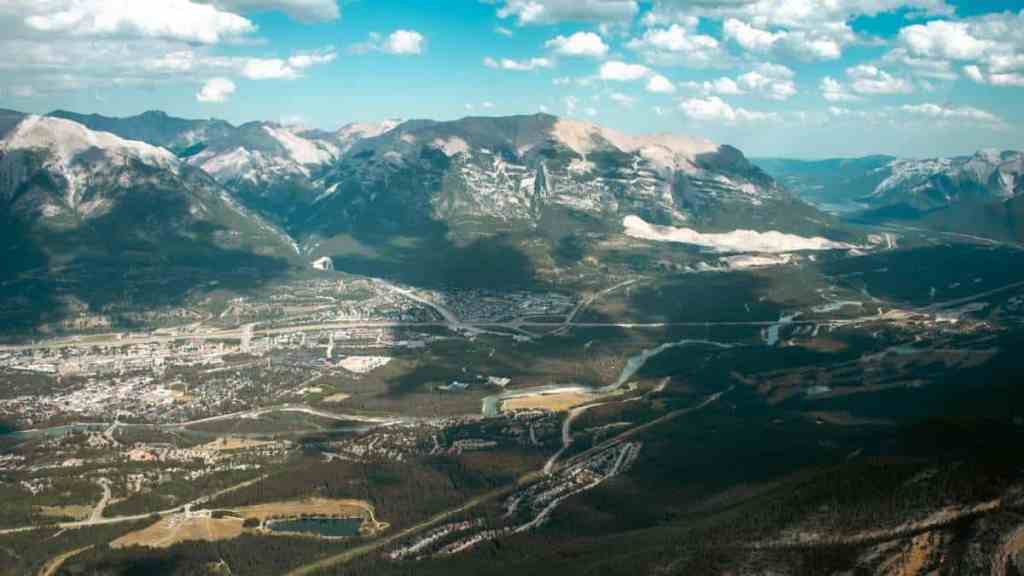
The Three Sisters are Canmore’s most recognizable landmark and an essential stop on any Banff bucket list.
These three towering peaks dominate the landscape and create one of the most photographed views in the Bow Valley. Each summit has its own identity, and together they form a striking mountain trio that’s impossible to miss.
One of the best places to admire them is along Policeman’s Creek, where calm water often mirrors the peaks perfectly. The viewpoint is easy to reach and rewards you with postcard-worthy reflections—especially in the early morning or evening light.
Canmore: 25-Minute Three Sisters Helicopter Tour
Best Time to Visit Canmore
Canmore is beautiful year-round, but many locals consider fall the hidden gem season. Autumn brings golden larch and aspen colors, cooler temperatures, and fewer visitors.
Summer is ideal if hiking and outdoor adventures are high on your Banff bucket list, with warm days and long daylight hours making it easy to explore from sunrise to sunset.
No matter when you visit, Canmore adds depth and balance to your Banff bucket list—offering stunning scenery, fewer crowds, and a genuine mountain-town feel that keeps travelers coming back.
Canmore Guided Tours
23. Attend the Ice Magic Festival

The Banff bucket list for winter travelers must include a visit to the Ice Magic Festival. This striking display turns Lake Louise’s shoreline into an outdoor gallery of frozen art.
The Ice Magic Festival is part of Banff’s SnowDays celebration. Visitors can watch artists at work as they shape their ice sculpture masterpieces.
Why it’s a magical winter event
The festival showcases remarkable talent through its sculptures. The magic comes alive at night when lights light up these frozen artworks against the dark sky. A frozen lake creates a stunning backdrop for this sparkling gallery.
Each sculpture reveals its own winter story through detailed craftsmanship. The artistic display shows frozen artistry at its finest. Visitors will find creative interpretations of Banff National Park’s wildlife and landscapes.
Best time to attend the festival
The 2026 Ice Magic Festival runs from February 5-8, with viewing times between 4:00-8:00 PM daily.
Keep in mind this is an exclusive event – you’ll need complimentary tickets available only through participating hotels.
24. Paddle on the Bow River
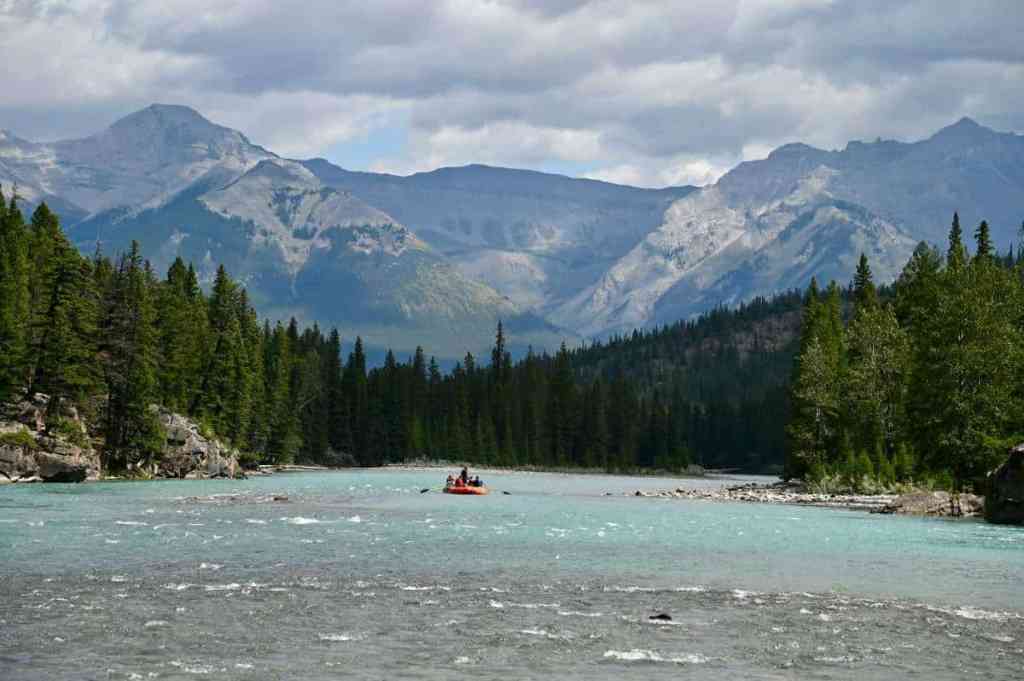
The glacier-fed waters of the Bow River offer a quintessential Canadian experience that belongs on every Banff bucket list.
This aquamarine waterway flows through the heart of Banff National Park. You’ll get an unmatched view of the surrounding mountains that land-based activities simply can’t deliver.
What paddling on the Bow River is like
Your Bow River experience starts at the canoe docks on the north end of Bow Avenue in downtown Banff.
Paddlers can explore a gentle section of the river from this point or follow Forty Mile Creek into the serene Vermillion Lakes. The river flows from glaciers high in the Rockies, yet this section remains surprisingly approachable.
Most paddlers find it easy to navigate, though you should watch for occasional rocks and sweepers, especially in the latter half of your paddle.
Experienced canoeists looking for longer adventures can consider one of three popular advanced routes: Lake Louise to Castle Junction (22 km, four hours), Castle Junction to Banff (32 km, six hours), or Bow Falls to Canmore (23 km, four hours).
Why it’s a peaceful summer activity
The Bow River gives you great opportunities to spot wildlife. You might see beavers, osprey, elk, and maybe even bears along the shoreline. Floating quietly lets you observe nature undisturbed while taking in the breathtaking mountain vistas around you.
The peaceful current carries you away from downtown Banff’s bustle as you launch from the canoe docks. Crystal-clear water reflects the towering peaks, creating a meditative experience that connects you with the natural environment.
Bow River rentals
The Banff Canoe Club offers canoe, kayak, and stand-up paddleboard rentals. Your rental includes simple dry land canoe tips, safety equipment, and paddles.
The season typically runs from mid-May to October, depending on weather conditions. Rentals work on a first-come, first-served basis without reservations.
Bow River Guided Tours
25. Ice Climb with Alpine Air Adventures
If you’re looking to add a true adrenaline moment to your Banff bucket list, ice climbing with Alpine Air Adventures is an experience you’ll never forget!
Standing at the base of a frozen waterfall, surrounded by towering rock walls and snow-covered peaks, you’ll feel equal parts nervous and exhilarated—and that’s exactly what makes it so memorable.
What Ice Climbing with Alpine Air Adventures Is Like
Ice climbing is all about ascending frozen waterfalls and icy cliff faces using crampons, ice axes, and ropes—all under the guidance of certified professionals.
Alpine Air Adventures specializes in beginner-friendly ice climbing experiences, so you don’t need any prior climbing experience to take part. Your guide selects a climb that matches your comfort level, allowing you to progress at your own pace.
Your day begins with a safety briefing and hands-on instruction, where you’ll learn how to use the equipment and move confidently on the ice. All technical gear is provided, so you can focus entirely on the experience rather than the logistics.
Ice Climbing Tour Options and Pricing
Alpine Air Adventures offers beginner ice climbing experiences designed to introduce you to the sport in a fun and supportive environment.
Pricing varies depending on whether you choose a group adventure or a private experience, with full-day and half-day options available. Private tours are ideal if you want a more personalized experience, while group climbs offer a social and encouraging atmosphere.
Intermediate climbers can also upgrade to more technical routes for an even bigger challenge. No matter which option you choose, expert guidance and high-quality equipment are included.
Ice climbing with Alpine Air Adventures isn’t just about trying something new—it’s about discovering what you’re capable of in one of the most stunning winter settings on Earth. If your Banff bucket list includes unforgettable adventures, this one deserves a top spot.
26. Camp at Two Jack Lake

Camping at Two Jack Lake is one of those experiences that instantly earns its place on your Banff bucket list.
Two Jack Lake offers two distinct camping areas, each with its own vibe. The lakeside campground places you right along the water, while the main campground sits nearby with easy access to Lake Minnewanka. No matter which one you choose, the atmosphere is laid-back and surrounded by nature.
You’ll find the essentials you need for a comfortable stay, including drinking water, clean washrooms with hot showers, picnic areas, cooking shelters, and fire pits for cozy evenings under the stars.
The campsites are spacious and feel private, making them ideal for tent camping or smaller RVs. It’s the kind of place where you can truly unwind and slow down.
Why Two Jack Lake Belongs on Your Banff Bucket List
One of the biggest draws of Two Jack Lake is its location. You’re only a short drive from Banff town, yet it feels worlds away from the bustle.
The lake itself invites you to spend the day outdoors, whether that means paddling, relaxing by the shoreline, or simply soaking in the views.
If you want a little extra comfort without booking a hotel, the oTENTik accommodations offer a unique middle ground between camping and cabin life—perfect if you’re new to camping or traveling light.
Best Time to Camp at Two Jack Lake
The campground is typically open from late spring through early fall, with summer being the most popular time to visit. Warm days and long evenings make June through September ideal for classic camping experiences.
If you prefer fewer crowds and changing scenery, spring and fall bring cooler temperatures and beautiful seasonal colors.
Camping at Two Jack Lake lets you experience Banff at a slower, more personal pace. If your Banff bucket list includes sleeping under the stars, mountain reflections at sunrise, and easy access to both nature and town, this spot checks all the boxes.
27. Visit the Buffalo Nations Luxton Museum
History lovers will want to add the Buffalo Nations Luxton Museum to their Banff bucket list.
This museum is located in a log fort-like structure that looks like a Hudson’s Bay Trading Post. Norman Luxton founded this historic landmark in 1953, making it one of Alberta’s oldest museums.
The museum holds a rich collection that highlights the heritage of First Nations People from the Northern Plains and Canadian Rockies.
Visitors will find beautiful beadwork, traditional hunting equipment, and ornate regalia. Life-sized dioramas show various cultural activities. The authentic artifacts tell stories of native people who moved their camps with the buffalo herds through different seasons.
Why it’s culturally significant
The museum started as a home to Norman Luxton’s vast collection of Indigenous artifacts and has grown into a vital cultural bridge.
It celebrates the traditions of several First Nations groups, with special focus on the Blackfoot Confederacy, Īyãhé Nakoda, and Tsuut’ina Nations.
The museum brings Indigenous culture to life through interpretive tours, smudge ceremonies, dancing classes, and beading workshops.
Best time to visit the museum
The museum welcomes visitors all year. Summer hours run from May through September, 10 am – 7 pm, while winter hours are from October through April, 11 am – 5 pm.
28. Take a Guided Distillery Tour at Park Distillery
Finding local spirits through a guided tour at Park Distillery will add a flavorful dimension to your Banff bucket list.
This downtown Banff establishment is one of just two distilleries in a Canadian National Park and gives visitors a behind-the-scenes look at craft spirit production.
The free distillery tour
The free 30-minute distillery tour shows you their working production facility.
Their guides know how to explain the distillation process from “glacier to glass” and demonstrate how pure mountain water becomes award-winning spirits.
The team handles everything in-house to maintain quality control throughout the process. Each small group can ask questions and gets 10% off at their liquor store.
Why it’s a unique Banff experience
Park Distillery’s downtown location makes it special, and its small-batch method keeps ingredients pure. Their spirits capture mountain life’s essence – pure, timeless, and untamed.
The signature gin and experimental chocolate rye whisky stand out. The distillery creates products that bring the Banff experience to life in liquid form.
Tour pricing and schedule
Free tours run daily, with Saturday tours at 5:30 pm, though hours may change.
You can also add these experiences:
- Park Distillery Tour with Craft Spirits Tasting
- Park Distillery Tour with Whisky Tasting
- Blend Your Own Gin Experience
- Private Distillery Tours
29. Visit the Cascade Gardens
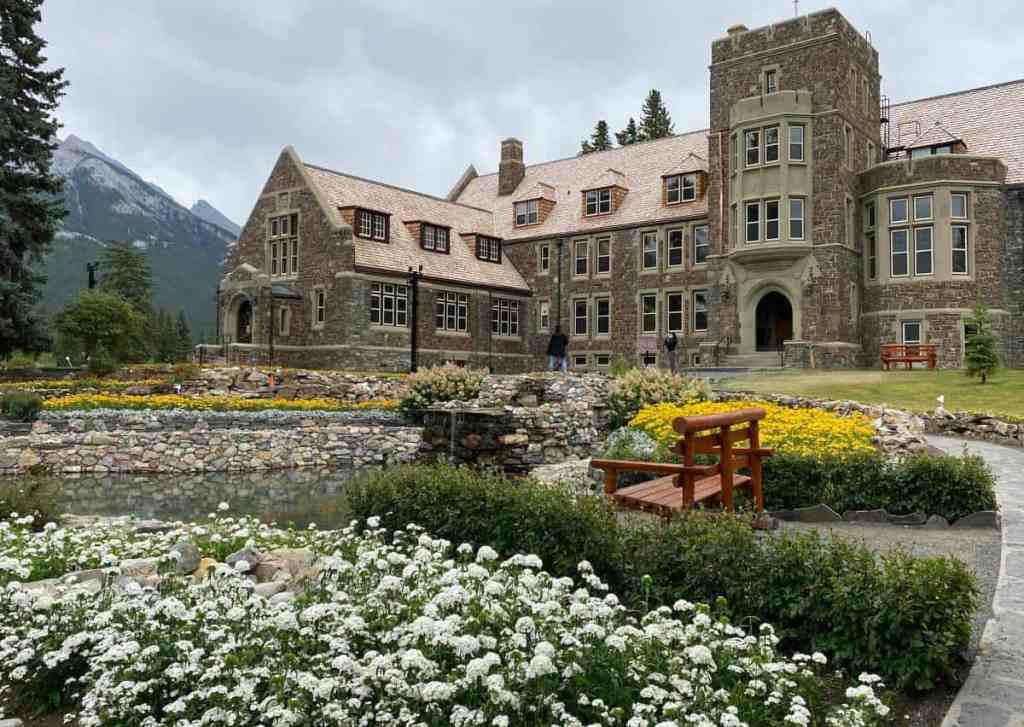
Cascade Gardens is a peaceful retreat behind the Parks Canada administration building that deserves a spot on your Banff bucket list.
The “Cascades of Time Garden” has been a cultural landmark since 1934 at the foot of Sulfur Mountain. Stone pathways wind through four acres of terraced landscapes.
Architect Harold Beckett designed these gardens to reflect his love for geology and education. The historic Parks Administration Building, built in 1937, creates a stunning backdrop for this thoughtfully designed space.
Why Cascade Gardens is a hidden gem
Most visitors miss this beautiful oasis because it sits behind the Parks Canada Administration Office.
The grounds feature beautiful cascading ponds, a waterfall, wooden gazebos, and a large reflecting pool. Each year, about 50,000 flowers create stunning displays against the mountain backdrop.
Photographers can capture perfect shots of Cascade Mountain from this spot.
Best time to see the gardens in bloom
The gardens show their full beauty between July and the September long weekend.
Visitors can also enjoy warm fall colours, while winter brings magical Christmas displays with lit-up animal figures.
30. Hike to Lake Agnes Teahouse
If you’re building the ultimate Banff bucket list, hiking to the Lake Agnes Teahouse deserves a top spot.
What to expect on the Lake Agnes Teahouse hike
The Lake Agnes Tea House Trail begins near the shoreline of Lake Louise and climbs steadily for 3.5 kilometres (2.2 miles) one way.
You’ll gain about 400 metres (1,300 feet) in elevation as the path weaves through shaded forest and opens up to stunning viewpoints overlooking Lake Louise below.
Roughly halfway up, you’ll pass the calm waters of Mirror Lake before reaching Lake Agnes itself. Most hikers complete the round trip in about 2.5 to 3 hours at a relaxed pace.
Why Lake Agnes belongs on your Banff bucket list
The teahouse at Lake Agnes isn’t just scenic — it’s steeped in history. Built in 1901 by the Canadian Pacific Railway as a shelter for hikers, it began serving tea just a few years later.
Named after Lady Agnes Macdonald, the wife of Canada’s first Prime Minister, this cozy spot now offers an impressive selection of loose-leaf teas alongside fresh, homemade snacks.
Surrounded by towering peaks like Mount Saint Piran, Mount Niblock, and Mount Whyte, the setting feels nothing short of magical.
Best time to hike to Lake Agnes
For the best experience, plan your hike between June and September when trail conditions are generally clear.
The teahouse typically opens in early June and stays open until early October, closing around Canadian Thanksgiving.
During shoulder months like May and October, snow and ice can linger on the trail, so proper footwear and extra caution are essential.
31. Cycle the Bow Valley Parkway

The Bow Valley Parkway is a must-add to any Banff bucket list if you love cycling. This scenic route lets you get closer to nature than most other paths.
The Bow Valley Parkway
The parkway connects Banff to Lake Louise with a 58 km stretch that winds through Banff National Park’s heart. You’ll ride on smooth pavement past meadows, marshes, creeks, and dense forests.
The trip from Banff to Johnston Canyon covers 24 km with 771 meters of elevation gain. While most climbs are gentle, some long hills can catch unprepared riders off guard.
Why it’s a scenic activity
Many consider this road one of Western Canada’s most beautiful drives. The parkway runs parallel to the Trans-Canada Highway but gives you a more relaxed way to take in the views.
Wildlife sightings are common since the route cuts through montane habitat. You might spot elk, wolves, bears, and bighorn sheep along the way.
The road has many pull-offs where you can stop to enjoy stunning mountain views.
Best time to cycle the Parkway
You’ll find the best riding conditions from May 1-June 25 and August 28-October 2. During these times, the eastern 17 km stays free of public vehicles.
April and early May are also great times to ride, even with vehicles around. Note that from March 1 to June 25, nobody can access the parkway between 8 pm and 8 am.
The route is less crowded on weekday mornings, making it safer to ride.
32. Take a Historical Walking Tour with Mahikan Trails
A deep connection with Indigenous heritage should be on everyone’s Banff bucket list.
The Mahikan Trails Tour
Mahikan Trails provides authentic cultural walks that show the boreal forest from a fresh perspective.
The Medicine Walk starts with a tobacco offering to honor the land and ancestors. A skilled Cree guide then takes visitors through Cascade Ponds in Banff National Park and shares traditional plant knowledge.
Participants discover how to spot plants and create basic medicines based on Indigenous wisdom that has passed through generations.
Why it’s an enriching Indigenous experience
Brenda Holder, a Cree/Iroquois Metis guide from the Kwarakwante lineage of Jasper, guides these walks. Her connection to the land and lineage creates a spiritual experience that helps visitors pause and connect with the landscape.
These walks showcase how all living things interconnect while keeping Indigenous traditions alive.
Tour schedule and pricing
The Banff Medicine Walk ($70/person) and the Sundre Medicine Walk ($65/person) both run for approximately 1.5 – 2 hours (1.5 km).
You can join these tours throughout the year – just bring proper clothing, water, and a camera.
33. Visit Vermillion Lakes
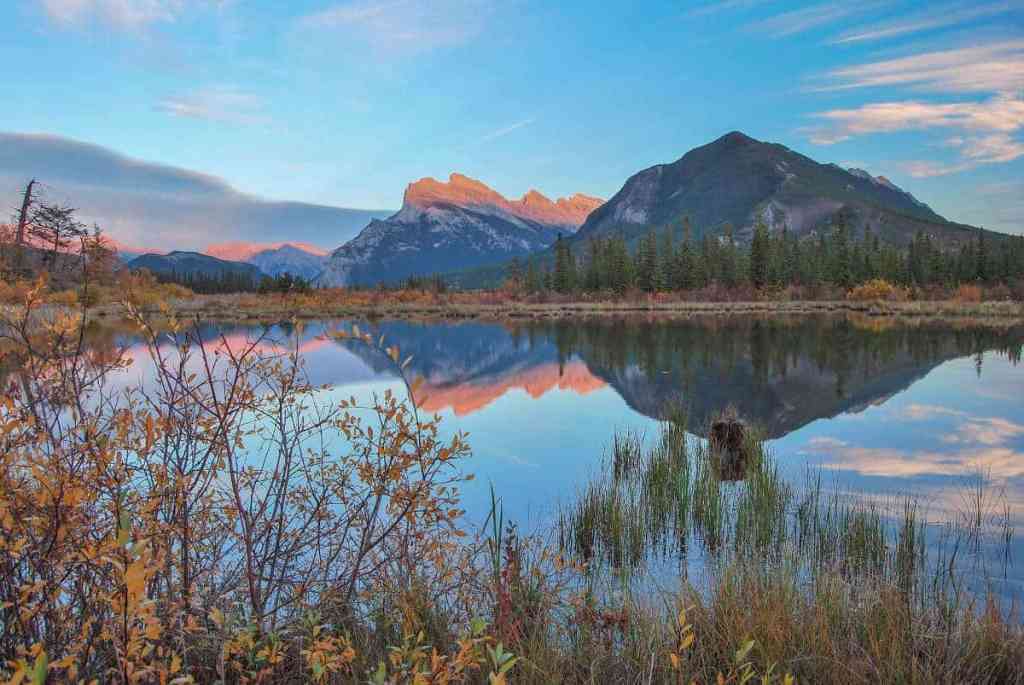
Vermilion Lakes is made up of three interconnected bodies of water within a protected wetland area. Despite being close to town, the setting feels calm and natural, with open skies, mountain silhouettes, and winding shoreline paths.
Small docks and viewing areas invite you to stop, sit, and take in the surroundings, whether you’re watching wildlife or enjoying a slow morning coffee.
Interpretive signage throughout the area adds depth to your visit, sharing insights into the region’s ecosystems, natural springs, and long history of human connection to the land. It’s an easy place to explore at your own pace—no hiking boots required.
Things to Do at Vermilion Lakes
Vermilion Lakes offers things to do in every season. You can cycle or drive the scenic road that runs alongside the water, paddle during warmer months, or simply relax along the shoreline with uninterrupted mountain views.
In winter, the lakes take on an entirely different character. Some sections remain open due to naturally warm water flowing beneath the surface, while other areas freeze over, creating striking ice patterns that change throughout the season.
Why Vermilion Lakes Is a Photographer’s Dream
This spot is especially loved by photographers for one simple reason: reflections.
On still days, the water becomes mirror-smooth, perfectly reflecting Mount Rundle and the surrounding peaks. Soft light at sunrise and sunset adds layers of color to the scene, turning the lakes into one of Banff’s most visually striking locations.
Because conditions shift constantly, no two visits ever look the same. Light, clouds, wildlife, and seasonal changes all play a role, making Vermilion Lakes a place you can photograph again and again without repetition.
Best Time to Visit Vermilion Lakes
Early morning and early evening are the most peaceful times to visit, when winds are lighter and the area is less busy. Sunrise, in particular, offers a quiet atmosphere and the best chance for glass-like reflections on the water.
Vermilion Lakes is open and accessible year-round, with each season offering a different experience—from summer’s clear reflections to autumn’s subtle color changes and winter’s frozen textures.
Visiting outside peak daytime hours allows you to enjoy this Banff bucket list location at a slower, more meaningful pace.
Frequently Asked Questions (FAQs)
Banff Bucket List Final Thoughts

Banff National Park is a year-round paradise that beckons adventurers, nature lovers, and culture seekers. This blog highlights 33 unforgettable experiences that showcase the park’s remarkable diversity through every season.
The magic of Banff comes alive whatever time you visit – from snowshoeing across Sunshine Meadows in winter to paddling Lake Louise’s turquoise waters in summer. You might find yourself hiking among golden larches at Moraine Lake in fall or spotting the first wildflowers along Tunnel Mountain in spring.
Smart planning helps you make the most of each season’s unique charm. Winter blankets the landscape in snow, creating a playground perfect for skiing, dog sledding, and spotting frozen bubbles at Abraham Lake.
The trails become available in spring, with excellent wildlife viewing as nature stirs from its slumber. Summer opens up countless lakes for canoeing and hiking adventures to teahouses. The valleys burst into golden hues during fall, offering spectacular photo opportunities with smaller crowds.
My time in Banff taught me something significant – the park rewards those who embrace its seasonal changes rather than resist them. Each visit reveals new points of view and hidden spots I hadn’t noticed before.
Without doubt, your Banff bucket list should include experiences that appeal to your interests while you think over practical aspects like availability, pricing, and timing.
This magnificent wilderness has something extraordinary for everyone. Just come prepared for the season and pack your sense of wonder with your hiking boots or ski gear.
Banff Travel Blogs
Where to Stay in Banff
Banff Winter Itinerary
Banff on a Budget