
The Truth About Visiting Banff on a Budget (It’s Easier Than You Think)

A budget trip to Banff might seem like a far-fetched idea the first time you think about this breathtaking Canadian destination. Banff National Park is Canada’s not-so-secret gem, and its price tags can shock visitors.
The good news is that you don’t need to empty your bank account to experience this magnificent wilderness. The best deals appear during April-May or mid-October-November. These months offer smaller crowds and the same stunning natural beauty.
Smart planning lets you explore the majestic mountains and tranquil forests without breaking the bank. I found many ways to slash expenses while keeping the authentic Banff experience.
In this blog, I will show you exactly how to make your Banff dreams come true on a budget. I’ll cover wallet-friendly places to stay, free activities, budget-friendly meals, and money-saving transportation tips that will make your adventure both amazing and affordable.
Disclaimer: This post may contain affiliate links, meaning I receive commissions for purchases made through those links at no cost to you. Please read my full disclosure for more information.
Cheapest time to visit Banff
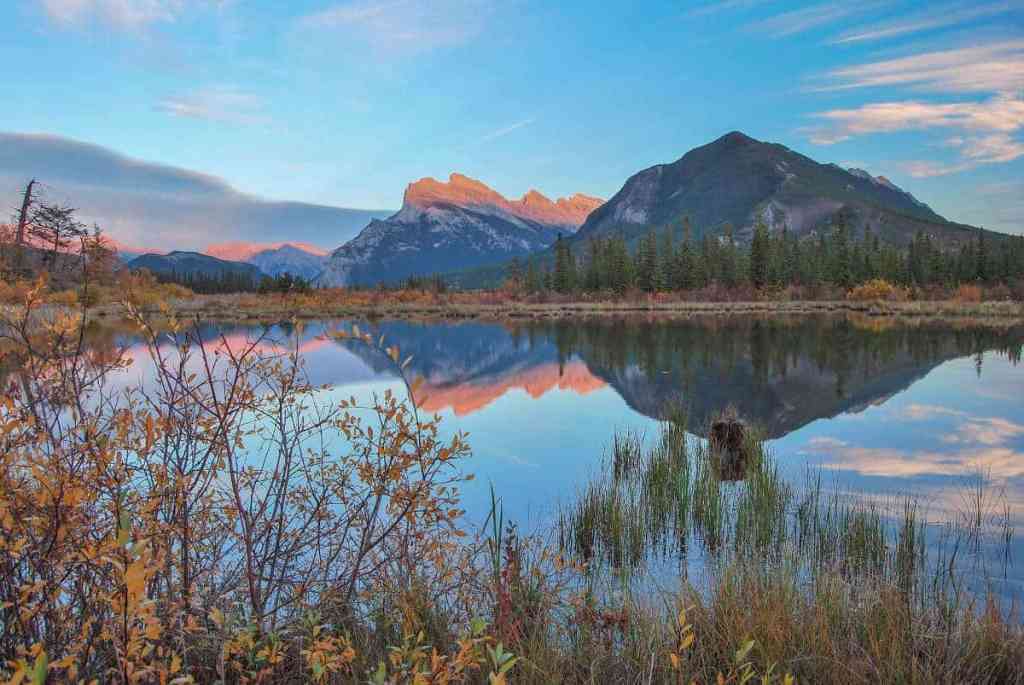
Smart timing can save you a lot of money on your Banff vacation. You’ll see a huge difference in your total costs when you know how prices change with seasons.
High season vs. shoulder season
The price difference between high and shoulder seasons in Banff will shock you – both for your wallet and experience.
Banff has two peak periods each year: summer (June through late September) and winter (December through February). These high seasons bring sky-high accommodation rates, premium restaurant prices, and tourist-packed attractions.
Summer offers perfect hiking conditions and beautiful turquoise lakes, but hotel prices can exceed CAD 557 per night. The winter holiday season, especially around Christmas and New Year’s, also sees similar price jumps as visitors rush to enjoy Banff’s winter wonderland and world-class skiing.
The shoulder seasons though, are quieter periods – April to mid-June and late September through November—see fewer visitors and prices drop.
You’ll pay 30-50% less for accommodations than during peak season. Popular spots become less crowded, restaurants roll out special deals, and tour companies slash their prices to attract customers.
Best months for budget travelers

These specific periods offer the best deals in Banff:
Late Fall (Mid-October to November): Hotel prices hit rock bottom after the golden larch trees shed their needles. Room rates can be 40-60% cheaper than summer peaks. Local restaurants sweeten the deal with special meal offers.
Early Spring (Mid-April to late May): Prices take another dip as ski season ends and before summer activities kick off. Lodging costs drop substantially, and many activities come with promotional rates.
January (excluding holidays): The post-holiday period brings rates 40-60% below summer prices while still offering great winter activities.
Midweek stays can save you an extra 10-20%, even in busy seasons. Tuesday through Thursday visits offer the biggest bargains.
Weather trade-offs to consider
These great savings come with some trade-offs. Weather becomes less predictable during shoulder seasons. Spring and fall often bring clouds, cooler temperatures, and more rain.
Spring visitors might see wildflowers at lower elevations while snow still covers higher trails. Late September rewards you with spectacular golden larch displays, but October daylight shrinks to about 10 hours.
Shuttle services often stop running in shoulder seasons, so you might need to rent a car. Some attractions and trails might have limited access during these times.
These trade-offs can make your Banff trip better. Fewer tourists mean genuine local interactions, easy restaurant bookings, and peaceful photo sessions at famous spots. The northern lights show up more often in fall – something summer visitors rarely see.
A shoulder season visit turns Banff from a pricey bucket-list spot into an affordable adventure. Just pack for changing weather and embrace each season’s unique charm.
How to travel to Banff on a budget
You don’t need to empty your wallet to reach Banff. Transportation costs eat up much of your travel budget. Smart planning helps you cut these costs substantially.
Flying into Calgary and alternatives

Your trip to Banff starts with getting to Calgary since Banff has no airport. Calgary International Airport (YYC) is the main entry point, about 108 km away from Banff.
The best part? You’ll find competitive deals to Calgary these days. Round-trip flights start from as little as CAD 206.22 if you can be flexible with dates.
Smart travelers can save money on flights by:
- Booking Calgary flights midweek during off-peak times
- Choosing connecting flights that cost less than direct ones
- Flying to Red Deer (YQF) if you’re coming from within Canada – it’s 160 km from Banff
The drive from Calgary to Banff takes about 1.5 hours. The views are spectacular and give you your first taste of the Canadian Rockies.
Affordable airport shuttles and rideshares
If you’re planning Banff on a budget, how you get there matters more than you might expect. The good news? You have several affordable ways to travel from Calgary Airport to Banff without blowing your travel funds.
For the lowest-cost option, budget bus services are hard to beat. Some routes offer fares that cost less than a meal in Banff, and many include handy perks like onboard Wi-Fi and space for your luggage. It’s a simple, no-frills way to reach the mountains while keeping more money for experiences once you arrive.
During the warmer months, seasonal transit services can be a hidden gem for saving money. Weekend and holiday routes operate at very low prices, making them perfect if your travel dates line up. A few shuttle companies also offer discounted early-morning departures in summer — ideal if you don’t mind an early start and want to stretch your budget further.
If you prefer convenience, full-service airport shuttles are another option. These typically cost more but offer frequent schedules and direct drop-offs at Banff hotels, which can be worth it if you’re traveling with lots of luggage or arriving late in the day.
One last money-saving tip: before booking anything, check with your hotel. Many accommodations in Banff include complimentary shuttle transfers for guests, and taking advantage of this perk can instantly reduce your transportation costs.
Driving vs. public transport

Your choice between a rental car and public transit depends on your plans and group size.
A rental car lets you explore Banff National Park freely. Daily rates in Calgary start at CAD 41.80 in off-season but jump above CAD 139.34 during peak times. Here’s a money-saving tip: skip airport rentals and head downtown for better rates.
Public transportation is a great alternative. Roam Transit connects major spots in Banff for just CAD 2.79 one-way. Their buses go to Lake Louise and Johnston Canyon. This saves you from parking hassles, which become a real headache after 10 am in peak season.
Some attractions are easier to reach by bus. The Banff Gondola, for example, has limited parking. Parks Canada runs affordable shuttles to Johnston Canyon, Lake Louise, and Moraine Lake for CAD 6.97-13.93 round trip.
Solo travelers and couples who plan to stay near downtown Banff can save money with public transport. Groups and families exploring remote areas might find splitting rental car costs works better.
Where to stay in Banff on a budget
Where to Stay in Banff: Perfect Locations for Every Budget in 2026
Finding affordable lodging is the biggest problem when you visit Banff on a budget. You need to plan ahead to find economical places to stay.
Budget hotels and hostels in Banff
Hotels
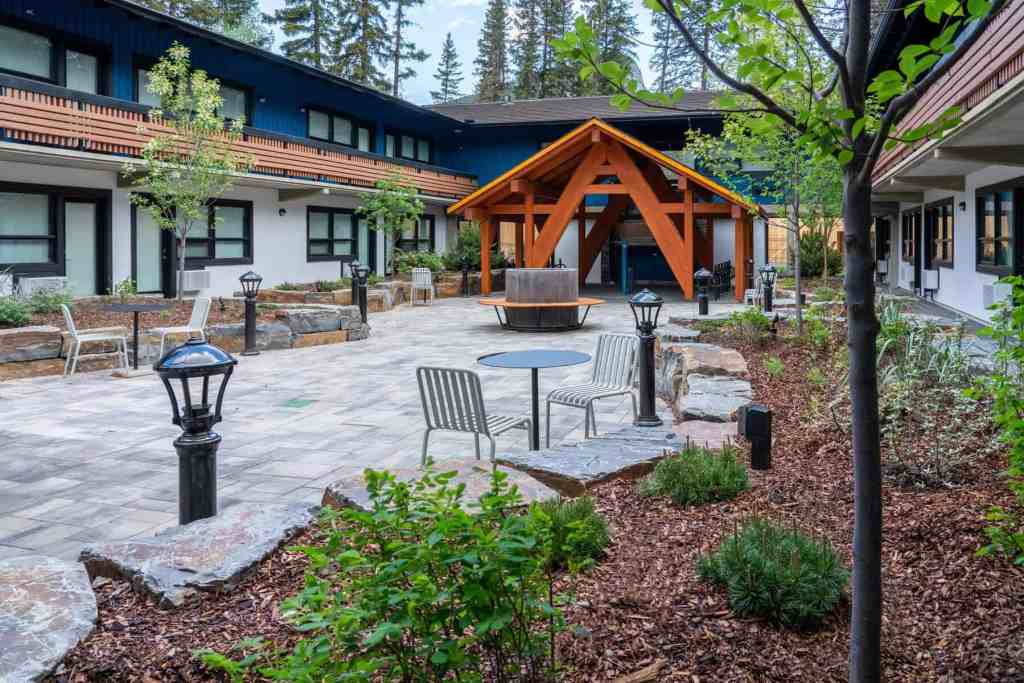
Hotel rates in Banff are high across the board, but some places give you better value for money.
The Dorothy Motel stands out as the best affordable option in the town of Banff. The recently renovated rooms feature mini-fridges and microwaves. You’ll find this quiet property just east of downtown in a pleasant garden setting.
Hostels
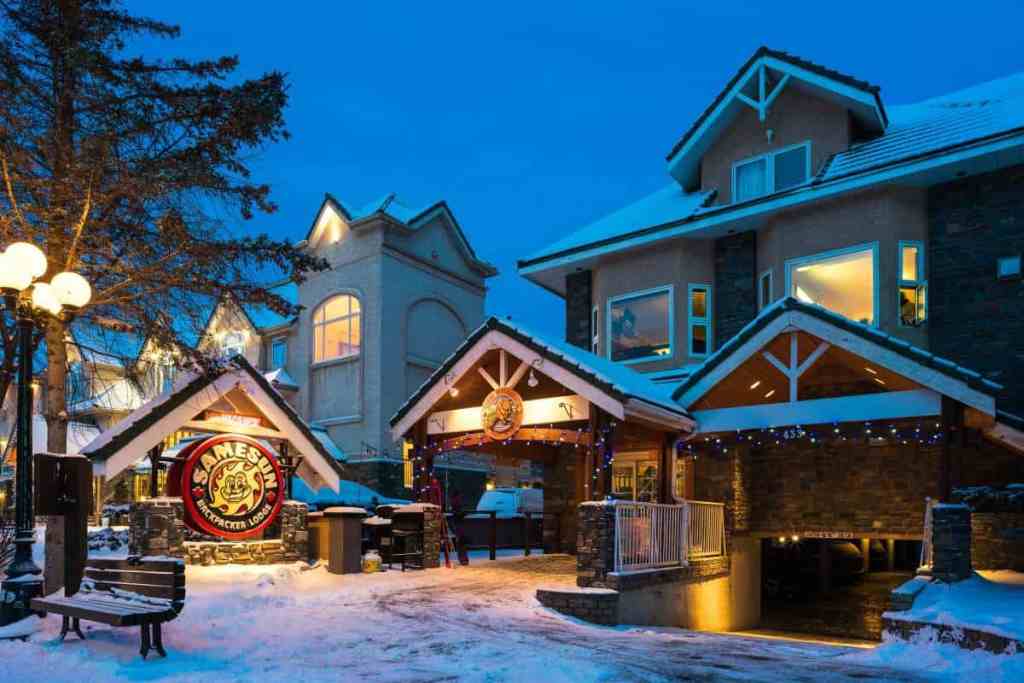
Hostels are a more affordable option, although they may be slightly more expensive than those in other locations.
HI Samesun Banff Hostel is conveniently located right in the center of downtown Banff. With its own bar and restaurant, budget travelers love this place!
The HI Banff Alpine Center has both dorm beds and private rooms. You also get free transit passes, shared kitchens, and bike rentals at no cost.
Camping options and reservation tips
Camping is the most budget-friendly way to stay. Groups can save a lot since each site fits up to six people.
Parks Canada’s reservation system opens in January for summer camping. Most sites become available on January 24th. Popular spots like Two Jack Lakeside and Tunnel Mountain Village fill up within hours of opening.
Tunnel Mountain Village is a favorite spot with easy access to Banff Avenue. Village I has 618 simple campsites with fire pits, and Village II offers 209 sites with electrical hookups for RVs.
Two Jack campgrounds put you closer to nature. Two Jack Lakeside has 74 beautiful sites right by the water.
Banff also has oTENTiks – a mix between tents and A-frame cabins that come with beds, electricity and raised platforms. They cost more than basic camping but work well for people who don’t have gear and still want to save money.
Last-minute travelers can try first-come-first-served campgrounds. These spots might have fewer amenities but offer a more intimate experience. Mosquito Creek, Protection Mountain, and Silverhorn Creek work this way. They’re good options when advance bookings aren’t possible.
Staying in Canmore or nearby towns

Smart travelers often choose to stay in nearby communities.
Canmore, just 25 km from Banff, has more affordable places to stay. This charming town gives you more restaurant and shop options, plus a real local feel.
Harvie Heights sits just 5 minutes from Canmore and about 20 minutes from Banff National Park’s entrance. If you go a bit further east to Dead Man’s Flats, you’ll find even better rates than Canmore while staying within reach of the park.
Golden works well if you plan to explore Yoho and western Banff National Park. The hamlet of Field has small inns and local B&Bs that put you close to both Yoho and western Banff attractions.
Staying outside Banff means more driving time to major attractions. Most budget travelers think the 15-20 minute drive from Canmore is worth it because of the big price difference, especially during peak season when Banff’s accommodation prices shoot through the roof.
How to get around Banff affordably
You don’t need to break the bank to get around Banff National Park. The park offers several budget-friendly ways to explore its stunning landscape after you arrive.
Using Roam Transit
Roam Transit is the quickest way to explore Banff and nearby areas.
This detailed public transit system has several local routes in town and connects to Lake Louise and Canmore. Summer visitors can take advantage of extra routes to Johnston Canyon, Lake Minnewanka, and the Cave and Basin National Historic Site.
Smart travelers should consider Roam’s multi-day passes to save money. Day passes let you use local transit as much as you want, so you can visit attractions without worrying about transport. If you’re staying longer, monthly, three-month, or six-month passes give you even better value.
The Transit mobile app shows you live bus locations and schedules, so you won’t waste time waiting. Better yet, some hotels give their guests free transit passes for local routes. The Fairmont Banff Springs, Banff Caribou Lodge, and many more offer this perk.
Banff locals can ride local routes free with a special SmartCard. If you’re camping at Tunnel Mountain or Two Jack Lake, you can hop on the bus to downtown Banff free during summer.
Bike rentals and walking routes

Banff’s small size—just 3.94 square kilometers—makes walking or cycling the most practical choice, and you’ll avoid traffic too. The town’s pedestrian-friendly layout has plenty of bike racks everywhere.
You’ll find several good bike rental shops. Bike Banff at the Banff Train Station has e-bikes, mountain bikes, hybrids, and kids’ gear. They include helmets and locks with all rentals.
Snowtips-Bactrax provides comfortable town bikes with gel seats and 21-speed gear systems that work great on paved trails. Banff Adventures and Banff Cycle have similar options and provide trail maps.
Cyclists can access two amazing car-free routes right from downtown. The Legacy Trail links Banff and Canmore on a dedicated bike path along the Bow River. The Bow Valley Parkway (Highway 1A) closes to cars at specific times, giving cyclists 25 km of scenic road to themselves (Parks Canada pilot project).
Remember that bikes count as vehicles. Riders must follow traffic rules, signal turns, and stay off sidewalks unless they’re 12 or younger.
When renting a car makes sense …
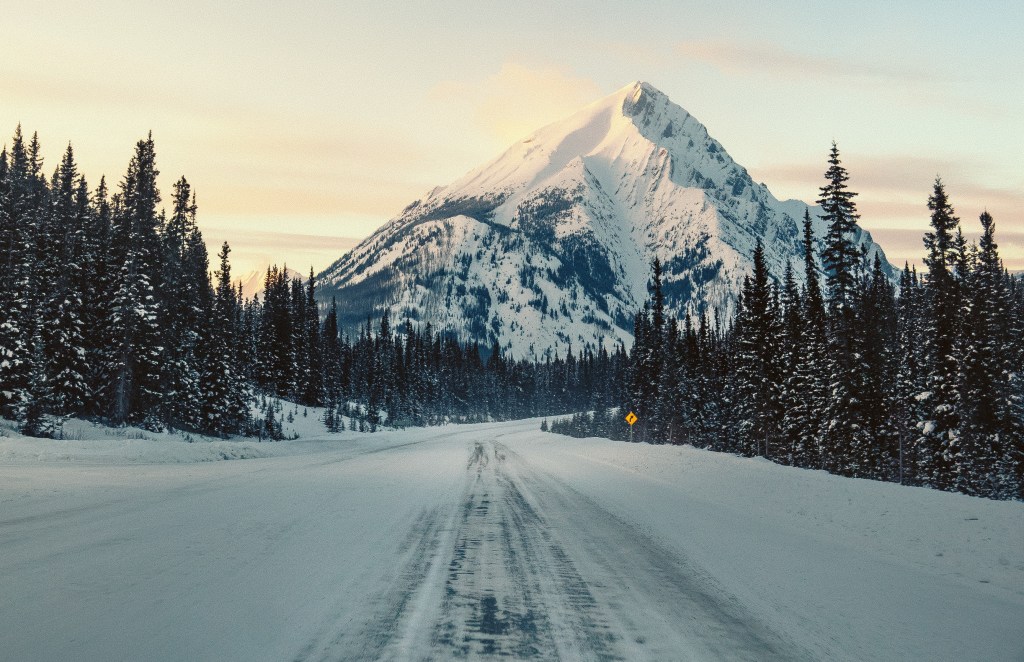
Even with great public transit, sometimes renting a car is worth it. A vehicle gives you freedom to reach remote trails or spots beyond regular transit routes.
Groups of 4-5 people might spend less on one car than multiple transit passes. A car also lets you visit popular sites early or late to avoid crowds.
But you might not need a rental car, especially in summer. Downtown Banff’s walkable core has plenty of available activities, restaurants, and trails.
Public transit and tour companies can take you to major spots like Lake Louise, Moraine Lake, and Johnston Canyon.
A smart approach combines transit for most days with car rental for specific trips. If you’re exploring the Canadian Rockies extensively, a vehicle rental might make financial sense spread across multiple stops.
Budget travelers can save by renting a vehicle to sleep in (RV or van), combining transport and lodging costs. The most economical option pairs a small rental car with tent camping, keeping costs low while letting you explore freely.
Cheap things to do in Banff
You won’t believe the best secret about visiting Banff on a budget – the most spectacular experiences are free. This magnificent national park lets you fill your days with breathtaking activities without spending a dime.
Top free hikes and scenic spots
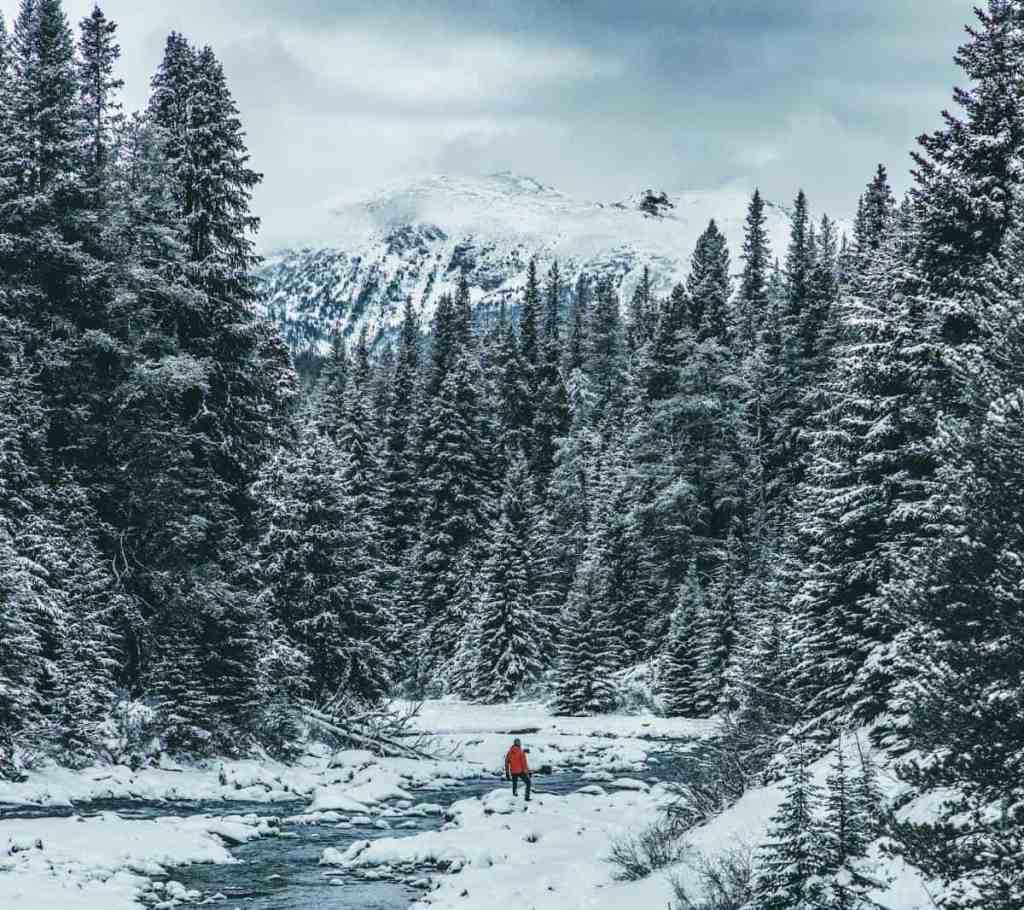
One of the biggest advantages of visiting Banff on a budget is how easy it is to access nature without spending a dollar. Many of the park’s walking paths and hiking routes begin right near town, so you can lace up your shoes and head straight into the scenery without needing a car or tour.
If you’re traveling with kids, new to hiking, or just want something relaxed, Banff has gentle forest walks that stay mostly level from start to finish. These peaceful loops are perfect for slowing down, enjoying the trees, and soaking in the mountain atmosphere without tackling steep climbs.
For a short hike that still delivers big views, nearby lookout trails offer a rewarding option. In a relatively short amount of time, you can gain enough elevation to see Banff town spread out below you, framed by surrounding peaks — a great reminder that you don’t need a long trek to earn an incredible view.
When it comes to lakes, Banff has quieter options that budget travelers often love. Some easy loop trails circle calm, clear water with very little elevation, making them ideal if you want classic Rocky Mountain scenery without heavy foot traffic. Even famous turquoise lakes can be enjoyed on wide, easy paths that let you take in the color without a challenging hike.
A short walk from the town center also brings you to scenic wetlands where mountain reflections steal the spotlight, especially in the early morning. Riverside paths lead to powerful waterfalls that are especially popular with first-time visitors and are easy to reach on foot — no shuttle or parking fees required.
For the best trail conditions, plan your hiking between mid-summer and early fall. Earlier in the season, you may spot colorful blooms at lower elevations, while spring and fall often reward you with quieter paths and a more peaceful experience — perfect if you’re exploring Banff on a budget and prefer fewer crowds.
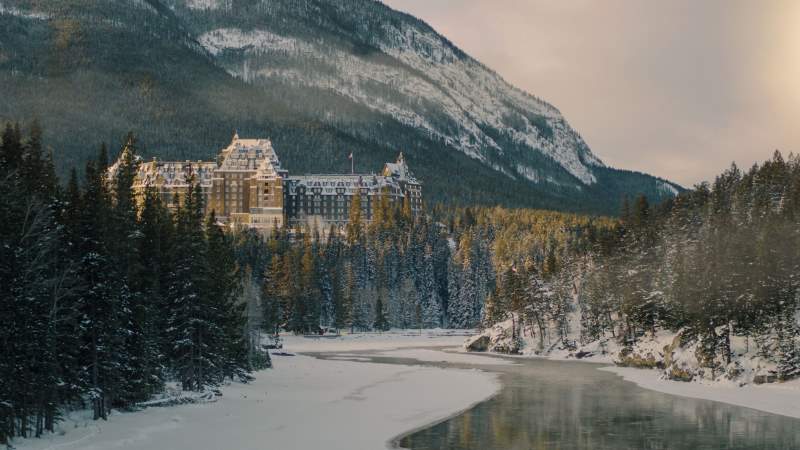
Photographers will love Vermilion Lakes at sunrise or sunset for perfect shots of Mount Rundle. Storm Mountain Lookout on Bow Valley Parkway offers sweeping views, and you might catch a train passing through the valley. Surprise Corner shows off the iconic Fairmont Banff Springs Hotel against mountain backdrops beautifully.
Guided Hiking and Walking Tours
Wildlife watching and photography
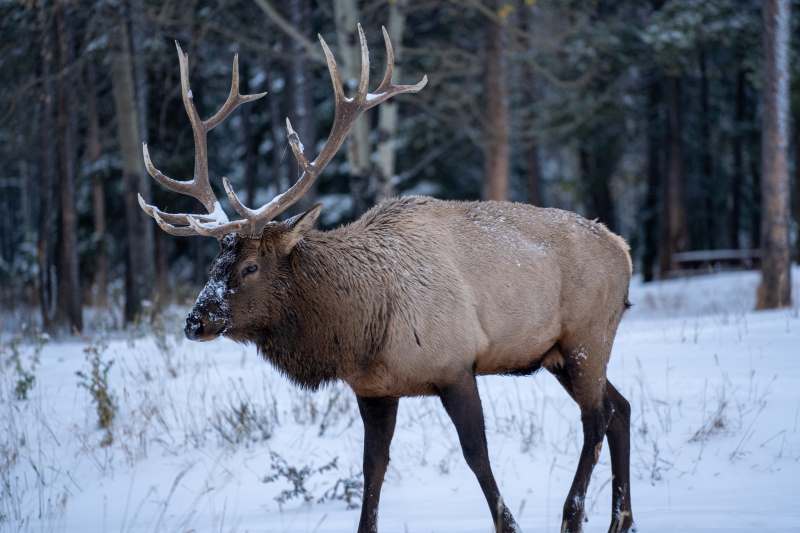
The Fairmont Golf Course loop, Tunnel Mountain trail, and Bow River trail all offer great opportunities to spot elk and deer safely.
Safe wildlife watching needs some basic knowledge. Parks Canada wants people to stay 100 meters from bears and 30 meters from other large wildlife.
Bear spray is essential – keep it handy and learn how to use it before hitting the trails.
Guided Wildlife Tours
Museums and Cultural Sites
Traveling Banff on a budget doesn’t mean missing out on culture or history. In fact, some of the most interesting stories in Banff can be discovered for very little cost — or even for free.
One of the most meaningful places to start is where Banff’s protected lands first took shape. This historic site introduces you to the origins of Canada’s national parks and is included with your park pass, making it an easy and affordable stop that adds depth to your visit.
If you enjoy old-world charm, you’ll love stepping into one of Banff’s oldest preserved buildings. Inside, you’ll find historic collections that reflect how early researchers documented the region’s wildlife, geology, and plant life. Admission is inexpensive, making it a great indoor activity when you want something educational without a high price tag.
To truly understand the Rockies, it’s worth learning about the people and culture connected to this land. Local museums highlight Indigenous history, mountain traditions, and artistic expression through exhibits, photography, and artifacts. These spaces offer a deeper perspective on Banff beyond the scenery — and they remain accessible for budget-conscious travelers.
You can also experience Banff’s most famous landmark without spending anything at all. Visitors are welcome to explore the public areas of the iconic Banff Springs Hotel, where historic photos, architectural details, and curated displays share the story of this legendary mountain retreat. Wandering through feels like stepping back in time — and it costs you nothing.
Banff: Castle Food Experience at Banff Springs Hotel
Where to eat in Banff on a budget
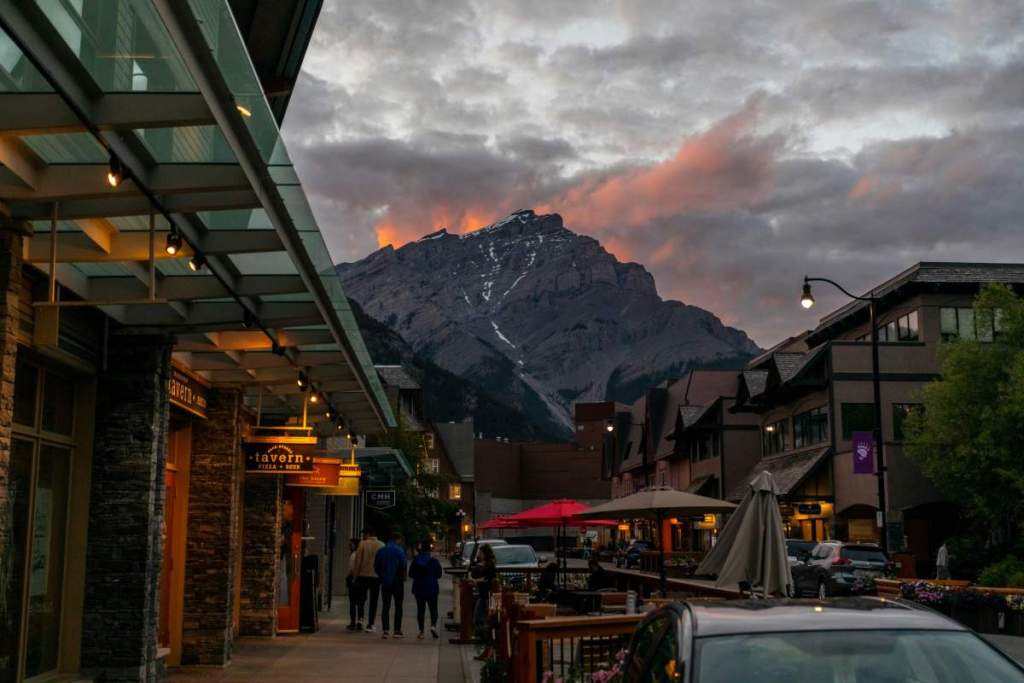
Food costs can quickly pile up during your Banff trip. The good news? These expenses are easier to control than most other travel costs. Smart dining choices help budget travelers save money.
Best cheap eats in Banff
Banff has some great budget-friendly spots to eat.
Ramen Arashi gets lots of praise from locals who call it “the best ramen in the province.”
Hankki offers great value with main Korean dishes priced around $13 CAD and smaller bites starting at just $7 CAD. Their seasoned fries have quite a following among locals.
You’ll find more wallet-friendly places like Sushi House Banff, Zyka (Indian cuisine), and Banff Shawarma.
Breakfast lovers should try Coyote’s Deli & Grill. Their French toast and huevos rancheros are popular and reasonably priced.
The Rose and Crown has a rooftop patio and regular food specials. Tommy’s Neighborhood Pub serves reasonably priced pub food all day long.
Your dining budget stretches further with good timing. Many places run happy hour deals that cut prices on food and drinks.
Grocery shopping and cooking your own meals
Making your own meals saves the most money. Restaurant meals average CAD 41.80+ with tip. Home cooking cuts these costs way down.
Two grocery stores serve Banff: IGA (318 Marten Street) and Nesters (122 Bear Street). IGA usually has lower prices, while Nesters runs good produce sales. Lake Louise visitors can shop at The Village Market, which has a decent selection despite higher prices.
Money-saving tips:
- Head to Safeway or Save-On-Foods in Canmore for better prices than Banff stores
- Stock up at Walmart or Superstore in Calgary before coming to Banff
- Costco members should shop in Calgary – this works great for families
Book a place with kitchen facilities to make this work. Even a mini-fridge helps – you can store breakfast basics like yogurt, milk and cereal. Trail sandwiches save money and keep you from heading back to town for lunch.
Affordable restaurants in Canmore
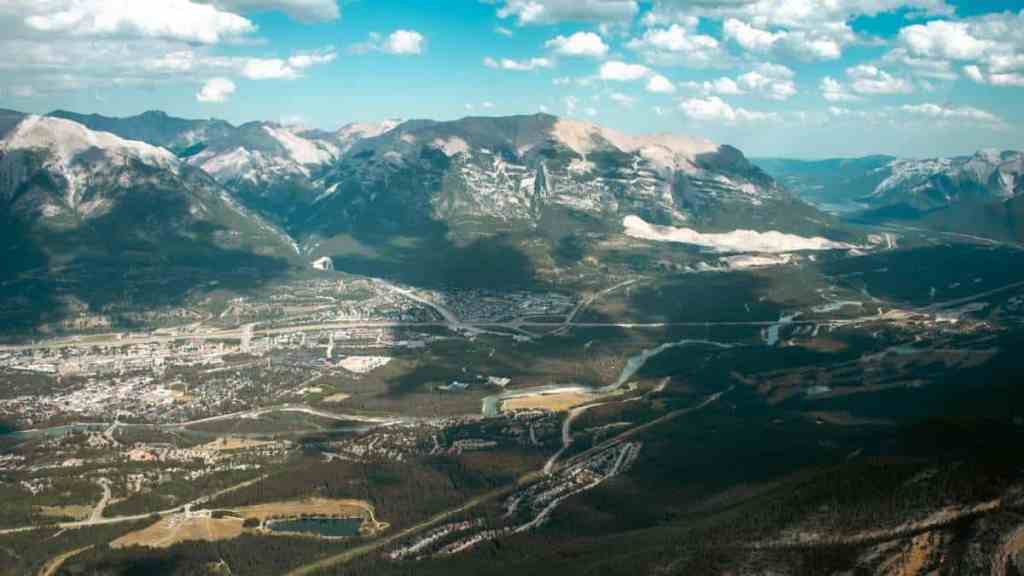
Canmore is located only 20 minutes from Banff and offers plenty of budget-friendly places to eat. The town’s restaurants blend quality and value nicely.
Marra’s Way surprises visitors with affordable sushi – basic rolls start under $7 CAD for six pieces and specialty rolls under $10 CAD.
Indian Authentic Cuisine serves genuine Indian dishes, with appetizers under $14 CAD.
More budget-friendly Canmore spots include Quatro Asian Bistro with its large portions that often make two meals. Rocky Mountain Flatbread Co., The Market Bistro, and Graze also offer good value.
The Rose & Crown in Canmore runs daily specials under $21 CAD. Communitea Cafe serves healthy options like their signature Buddha Bowl – a filling mix of organic brown rice, marinated tofu, and fresh toppings.
Local tips lead to hidden gems. A Banff local named Taxi Mike puts out an updated list of meal deals and restaurant specials. His guide helps visitors find current dining bargains.
Smart ways to save on activities
You can save money on paid attractions in Banff with these smart strategies that work well.
Skip the tours: DIY alternatives

Banff’s paid attractions have great free options that give you the same amazing experience.
To cite an instance, you can hike up Sulfur Mountain for free instead of paying for the Banff Gondola. You can also skip expensive glacier bus tours and hike Wilcox Pass or Toe of the Glacier to see stunning views of Athabasca Glacier.
Here are some money-saving options:
- Drive up Mount Norquay instead of taking the Sulfur Mountain Gondola
- Walk around Lake Minnewanka instead of taking the cruise
- Hike at Lake Louise rather than rent a canoe (which costs over $100 CAD per hour)
These self-guided options give you a more genuine experience and tend to be less crowded than commercial options.
Using Parks Canada Discovery Pass
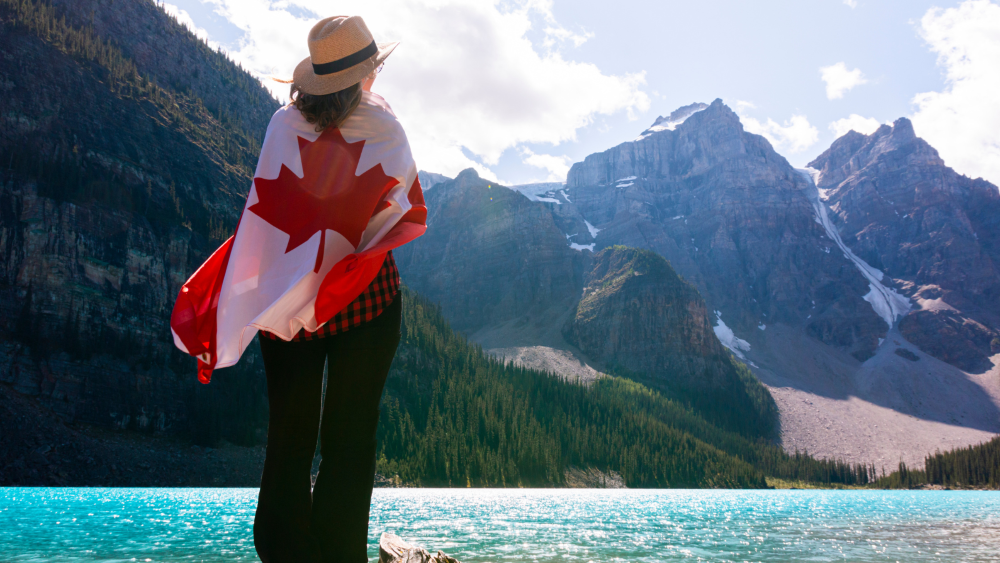
The Parks Canada Discovery Pass offers great value if you plan to spend more than a week at national parks. This pass lets you visit over 80 Parks Canada locations across the country for 12 months.
Kids 17 and under get free entry to all Parks Canada destinations. The pass also gives free entry to newcomers to Canada, new Canadian citizens, and members/veterans of the Canadian Armed Forces and their families.
Support persons who accompany visitors with disabilities get free entry and access to programs. A Discovery Pass (CAD 210.75) saves money after just two days for a group of four, since daily passes cost CAD 15.33 per person.
Bundle deals and local discounts
Buying bundled experiences helps you save money. Tours sometimes offer discounts for advanced bookings, and combining attractions can save you up to 15%.
The Pursuit Pass helps you save up to 40% when you bundle single-visit tickets to attractions in Banff, Jasper, and Golden. Pass holders get an extra 10% off at select retail locations.
Bow Valley residents save more – Banff Sunshine gives locals 50% off sightseeing tickets if they show proof of residency. Alberta residents get special discounts by showing their Alberta ID at guest services counters.
Visiting during spring and fall lets you find better deals on activities and special offers at local businesses.
Packing and planning tips to cut costs
You can cut your Banff expenses with smart preparation before arrival. A well-thought-out packing list and good planning will save you money during your trip.
What to bring to avoid extra expenses
The right outdoor gear will help you avoid rental costs – thermal layers, waterproof jacket, and proper hiking footwear are must-haves.
Summer visitors need sunscreen and insect repellent to avoid tourist shop markups. Packing cubes help fit more in your luggage and might save you from extra baggage fees.
New visitors should check out Banff’s Rundle Thrift shop for basics like mugs, thermoses, and towels.
The Banff Public Library’s ‘Library of Things’ lets you borrow everything from tools to slow cookers.
Apps and tools to help you save
AllTrails provides offline hiking maps (AllTrails+ is great for downloadable maps).
The Token Transit App makes buying Roam bus tickets easy right from your phone.
Blinkay handles parking payments in Banff and Canmore with remote top-up options.
Winter visitors can use the SkiBig3 App to check shuttle schedules and conditions at all three ski resorts.
Booking early vs. last-minute deals
Accommodation bookings work best 6-12 months ahead. Tour companies often give 20% off for early birds.
You might find big discounts during shoulder seasons (mid-October to early December) when operators switch between summer and winter activities.
For more information, read Where to Stay in Banff: Perfect Locations For Every Budget
Conclusion
You can visit Banff National Park on a budget—it’s easier than you might think with smart planning.
You can cut accommodation costs by 30-50% by timing your visit during shoulder seasons (April-May or mid-October-November) while enjoying the park’s magnificent beauty.
The costs drop even more when you stay in nearby Canmore, go camping, or book hostels instead of downtown Banff’s hotels.
Groups might find sharing rental car costs makes more sense, but using Roam Transit cuts transportation expenses by a lot.
The park’s most spectacular offerings don’t cost anything beyond your park pass—you can hike breathtaking trails, spot wildlife, and photograph stunning landscapes.
Your food costs are completely up to you. Smart grocery shopping and simple meal prep will save you money, though you’ll find budget-friendly eateries in Banff and nearby towns to treat yourself without emptying your wallet.
Banff’s real magic doesn’t come from luxury resorts or expensive tours—it comes from its available natural wonders. Smart planning and research let anyone experience this iconic destination without draining their savings.
The most memorable experiences in Banff are the ones that cost nothing at all. Standing on a mountain summit, spotting a majestic elk, or watching sunrise paint alpenglow on towering peaks won’t cost you a dime. Your dream Canadian Rockies adventure is waiting, whatever your budget might be.
Frequently Asked Questions (FAQs)
Key Takeaways
Visiting Banff on a budget is absolutely achievable with smart planning and strategic timing, allowing you to experience Canada’s most iconic national park without breaking the bank.
- Time your visit during shoulder seasons (April-May or mid-October-November) to save 30-50% on accommodation while avoiding crowds and still enjoying spectacular scenery.
- Stay outside Banff town in Canmore or camp to dramatically reduce lodging costs—camping starts at just $11.50 CAD per night versus $500+ for peak season hotels.
- Use Roam Transit instead of rental cars for affordable transportation at $2.79 CAD per ride, with free passes often included at many accommodations.
- Focus on free activities like hiking and wildlife watching since Banff’s most spectacular experiences—mountain trails, lake views, and wildlife spotting—cost nothing beyond your park pass.
- Cook your own meals and shop at grocery stores in Canmore or Calgary to avoid restaurant prices averaging $55+ CAD for two people, cutting food costs by 60-70%.
The most memorable Banff experiences—summit views, wildlife encounters, and alpine sunrises—remain completely free, proving that budget travel doesn’t mean compromising on the magic of the Canadian Rockies.
Banff Travel Blogs

Where to Stay in Banff Canada
The Ultimate Banff Winter Itinerary
Banff Things to do in the Winter