
Unlock the Secrets: Essential Greece Travel Tips for Your Dream Adventure
Greece has a way of pulling you in—and once you arrive, it’s hard not to fall completely in love. From lively cities like Athens to laid-back island villages where time slows down, every corner of Greece has its own rhythm.
But traveling to Greece isn’t just about booking flights and choosing an island. Knowing how the country actually works—how to get around, when to go, what to pack, and how to blend into daily Greek life—can turn a good trip into an unforgettable one.
This guide is here to help you feel confident, prepared, and excited as you plan your adventure. You’ll find practical Greece travel tips mixed with local insights, cultural know-how, and smart planning advice—everything you need to travel smoother, eat better, and soak up more of the magic.
Understanding those little details helps you experience the country the way it’s meant to be enjoyed. Keep an open mind, slow your pace, and let Greece surprise you. Your dream trip starts right here!
Disclaimer: This post may contain affiliate links, meaning I receive commissions for purchases made through those links at no cost to you. Please read my full disclosure for more information.
Best Times to Visit Greece

Timing your trip to Greece can shape the entire feel of your adventure. While this is a destination that shines in every season, each time of year offers a different experience—so the best time to go really depends on how you like to travel.
If you love high energy, long beach days, and buzzing nightlife, summer is when Greece is at its most animated. From late June through August, the sun is strong, the sea is warm, and the islands are alive with festivals, late dinners, and lively evenings that stretch well past midnight. It’s busy, yes—but it’s also when Greece feels most electric!
For a calmer pace and better value, spring and early fall are hard to beat. Visiting between April and early June or again from September into October means comfortable temperatures, fewer crowds, and more breathing room at popular sights.
Spring and early fall are ideal times to wander ancient ruins, hike coastal trails, and enjoy outdoor cafés without the peak-season rush. You’ll also find that flights and accommodations are often easier on your budget.
Winter brings a quieter, more local side of Greece. From November through March, many islands slow down, but mainland cities continue to thrive. If you enjoy traveling without crowds and don’t mind cooler weather, winter offers a more intimate way to experience the country.
Athens and Thessaloniki, in particular, are wonderful during the winter season, with cultural events, museums, and welcoming tavernas where you can warm up over hearty Greek meals.
No matter when you choose to go, Greece has a way of meeting you exactly where you are—whether you’re craving adventure, relaxation, or something in between.
Must-Visit Places in Greece You’ll Fall in Love With

Greece is one of those destinations where every stop feels like it has its own personality. Wherever you go, you’re stepping into layers of history, culture, and scenery that somehow feel both ancient and alive.
Your journey often begins in Athens, where the past isn’t locked away in museums—it’s part of everyday life. As you explore hilltop ruins and walk through lively neighborhoods filled with cafés and music, you’ll quickly see how old and new Greece blend seamlessly.
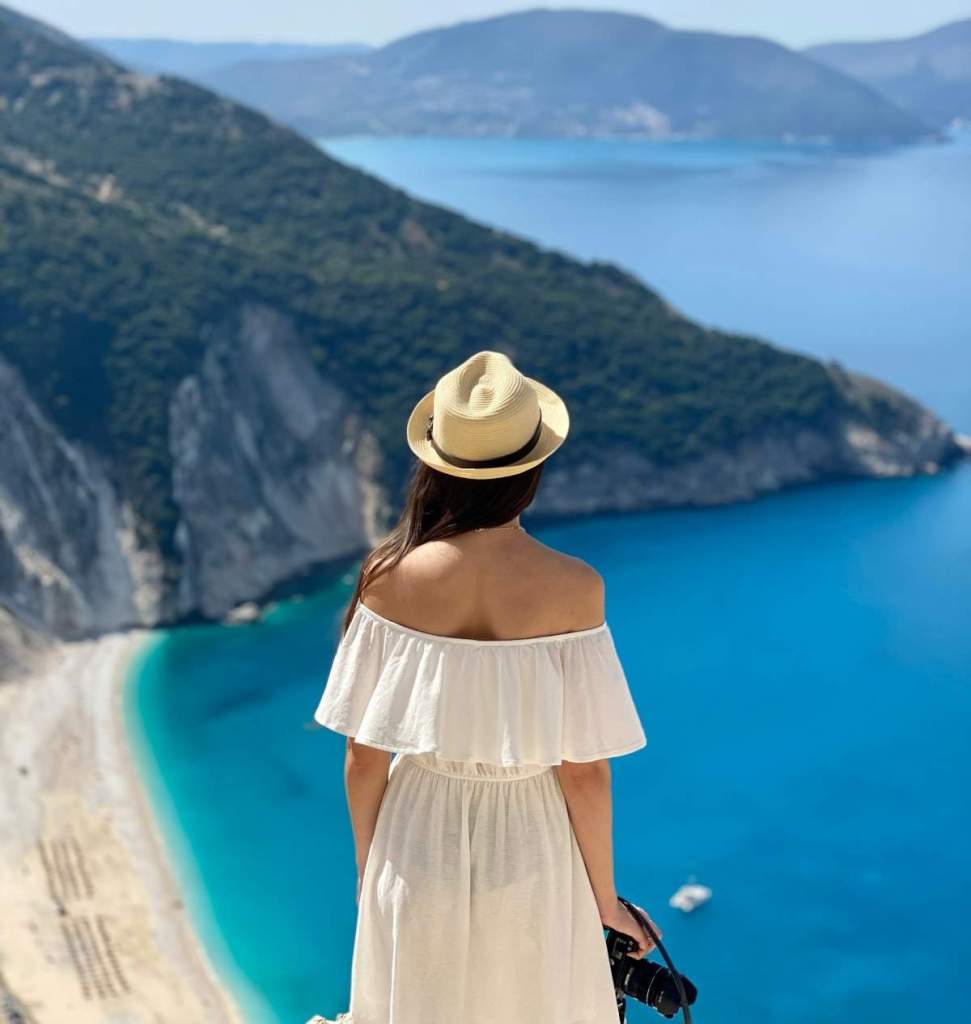
If your idea of travel includes ocean views and slow, sun-soaked days, the islands deliver in unforgettable ways. Santorini captures attention instantly with its dramatic cliffs, bright white villages, and evenings that glow as the sun dips into the sea.
Wandering through cliffside towns or relaxing by the water feels almost surreal. Mykonos offers a different energy altogether, balancing postcard-perfect scenery with a social buzz that carries well into the night.
Beyond the well-known highlights, Greece rewards those who look a little deeper. Places like Delphi invite you into the spiritual heart of the ancient world, where mountains and myth intertwine.
Meanwhile, Meteora feels almost otherworldly, with centuries-old monasteries rising from massive stone pillars and offering views that quiet even the busiest mind. These destinations remind you that Greece isn’t just a place you visit—it’s a place you feel.

Greece Transportation Tips: How to Get Around with Ease

How you move through Greece will shape your trip more than you might expect. Some days, getting around feels effortless; other days, it’s slower and more relaxed—and that’s part of the charm.
In big cities, you won’t need a car to get where you’re going. Athens, in particular, is set up for travelers, with easy ways to move between neighborhoods, historic areas, and everyday local spots without much planning.
Once you leave the mainland, transportation takes on a whole new rhythm. Travel between islands often follows the pace of the sea, turning transit days into experiences of their own.
Because schedules can change and popular routes fill quickly, planning these connections ahead of time helps everything run more smoothly. When time matters, short flights across the country offer a faster alternative and can save you hours of travel.
If your idea of travel includes spontaneity and detours, having access to a car gives you the freedom to explore places most visitors never see. Small villages, quiet beaches, and scenic inland routes are much easier to reach when you’re not relying on fixed timetables.
That said, driving in Greece can feel different—roads are often narrow, and local habits may surprise you at first. If you’d rather leave the driving to someone else, hired rides are easy to find in populated areas.
No matter how you choose to get around, having directions saved offline makes navigating Greece far less stressful and far more enjoyable.
Local Greek Food You’ll Want to Try

Eating in Greece is more than just satisfying your hunger—it’s one of the easiest ways to connect with the country. Meals are meant to be shared, enjoyed slowly, and remembered long after the plate is empty. You’ll quickly notice how simple ingredients come together in ways that feel fresh, comforting, and deeply rooted in tradition.
A great place to start is with dishes built around local produce. Crisp vegetables, briny olives, creamy cheese, and generous pours of olive oil appear on tables everywhere, especially during warm months. These flavors set the tone for Greek cooking: unfussy, seasonal, and incredibly satisfying.
When it comes to heartier meals, Greece delivers comfort food at its finest. Oven-baked dishes layered with vegetables and savory sauces are staples, while grilled meats wrapped in warm bread make for an easy, flavorful meal on the go. Along the coast, seafood takes center stage—often prepared simply and served fresh from the sea, best enjoyed with a leisurely lunch and a local drink.
Save room for dessert, because Greece has a sweet side worth exploring. Syrup-soaked pastries, nut-filled treats, and bite-sized fried sweets are common finishes to a meal. Pair them with a strong cup of Greek coffee, and you’ll understand why lingering at the table is practically a national pastime.
What to Know About Greek Culture Before You Arrive

Traveling in Greece feels more personal than transactional. You’ll notice early on that conversations linger, strangers are curious, and kindness often comes without expectation.
This sense of openness shapes everyday interactions, whether you’re stepping into a small café or asking for directions on a quiet street. First meetings are usually relaxed and friendly, and greetings tend to match the level of familiarity rather than follow strict rules.
Daily life also reflects a deep appreciation for experience over efficiency. Age is respected, advice is freely offered, and schedules aren’t always treated as firm commitments. Things happen when they happen—and learning to lean into that rhythm can make your time in Greece far more enjoyable. A quick message or apology if plans shift is enough to keep things easygoing.
Meals are where culture really comes alive. Food is rarely ordered just for one person, and tables often fill with shared plates meant for tasting, talking, and lingering. There’s no pressure to calculate exact tips, but small gestures of appreciation are welcomed.
When you visit places of worship or historical religious sites, dressing with a bit more coverage shows awareness and respect for traditions that still matter deeply to locals.
Once you stop trying to rush Greece and start moving at its pace, everything clicks. Understanding these unspoken habits helps you feel less like a visitor—and more like someone who belongs, even if just for a little while.
Essential Packing List for Greece

Packing for Greece is all about staying comfortable while being ready for a little bit of everything.
Sun protection is non-negotiable, so make room for a hat and good sunglasses.
Days tend to be warm and sun-filled, so you’ll want clothes that feel light, airy, and easy to move in. Breathable fabrics like linen or soft cotton are your best friends—perfect for wandering through ancient sites, strolling seaside towns, or settling in for a long lunch by the water.
You’ll also want footwear that can handle uneven stone paths and plenty of walking. Greece is made for exploring on foot, whether you’re climbing up to historic viewpoints or wandering cobblestone streets.
A swimsuit is essential, even if beach time isn’t your main plan—those clear blue waters are hard to resist. For evenings, especially in spring or fall, a lightweight layer will keep you comfortable once the sun dips.
A compact day bag makes exploring much easier. It’s the perfect place to stash water, sunscreen, snacks, and anything else you’ll want close at hand.
If churches or monasteries are on your itinerary, be sure to pack outfits that offer a bit more coverage for shoulders and knees.
Finally, bring along a travel adapter and a portable charger so your phone or camera is always ready to capture the moments you’ll want to remember long after the trip ends.
With the right essentials in your suitcase, you’ll be free to focus on what really matters—soaking up the beauty, history, and laid-back rhythm that make Greece unforgettable.
Safety Tips for Travelers in Greece
Greece is generally a safe destination for travelers, but like any place, it’s wise to take precautions. Keep an eye on your belongings, especially in crowded areas or public transport, to avoid pickpocketing. Use ATMs located in secure, well-lit areas and inform your bank of your travel plans to prevent card issues.
When swimming, pay attention to local beach flags and adhere to safety warnings, as some areas may have strong currents. If you plan to hike, carry sufficient water, wear appropriate footwear, and stay on marked paths to avoid getting lost or injured.
For medical emergencies, dial 166 for an ambulance. It’s advisable to have travel insurance that covers health care and unexpected incidents. Familiarize yourself with local emergency numbers and the location of your country’s embassy or consulate for added peace of mind during your travels.
Budgeting for Your Greece Adventure

Creating a budget for your Greek adventure ensures a stress-free experience.
Accommodation costs vary widely, with options ranging from luxury resorts to affordable hostels and charming guesthouses. Booking in advance can secure better rates, especially during peak seasons.
Dining out in Greece can be as economical or extravagant as you like. Enjoy inexpensive street food like gyros or opt for a sit-down meal at a traditional taverna. Look for restaurants frequented by locals for authentic and reasonably priced dishes.
Consider setting aside a budget for unique experiences such as guided tours, cooking classes, or wine tastings.
Transportation is another key aspect of your budget. Public transport is affordable, while renting a car provides flexibility at a higher cost. Ferry tickets and domestic flights can add up, so plan your itinerary to minimize travel expenses.
Always keep a little extra for souvenirs or spontaneous adventures that capture your heart.
Conclusion: Essential Greece Travel Tips
Your time in Greece isn’t meant to be rushed or reduced to a checklist of sights. It’s about slowing down, staying curious, and letting each moment surprise you.
As you wander through historic ruins, linger over long meals, and take in landscapes shaped by centuries of stories, you’ll realize that the most meaningful memories aren’t planned—they’re felt.
With these Greece travel tips in your pocket, you’re ready to travel with confidence, intention, and an open heart, creating experiences that stay with you long after the journey ends. So go ahead—start mapping out your Greek adventure!
Frequently Asked Questions (FAQs)
Greece Travel

Places to Visit in Greece on a Budget