
Your Complete Newfoundland Itinerary: From Icebergs to Puffins
Planning a trip to Newfoundland could be your most rewarding travel experience yet. Canada’s easternmost province remains a hidden gem that offers spectacular sights with substantially fewer crowds than other destinations.
You won’t find another place where you can chase massive icebergs, befriend whales and puffins, hike inland fjords, and feast on the freshest seafood—all in one road trip.
The ideal Newfoundland road trip needs at least 7 days. A 10-day trip gives you plenty of time to see amazing places like Gros Morne National Park and Twillingate, which ranks among the best spots to view icebergs from May to June.
Your Newfoundland itinerary should definitely include whale watching between May and September. The summer months of July, August, and early September provide the most reliable weather to experience this Atlantic paradise.
Disclaimer: This post may contain affiliate links, meaning I receive commissions for purchases made through those links at no cost to you. Please read my full disclosure for more information.
Start in St. John’s: Newfoundland’s Colorful Capital

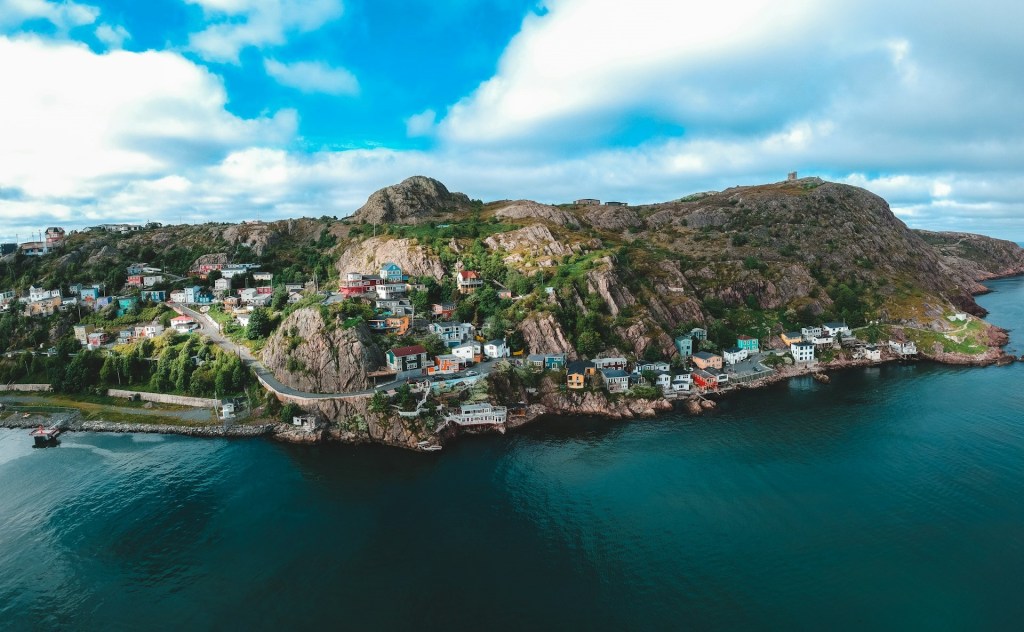
This vibrant capital city is the perfect starting point for any Newfoundland itinerary. The rainbow-colored houses (known as “jellybean row”) cascade down steep hills toward the harbour.
As North America’s oldest English-founded city, St. John’s combines historical significance with maritime charm, making you feel transported back in time while being warmly welcomed.
Explore Signal Hill and The Battery
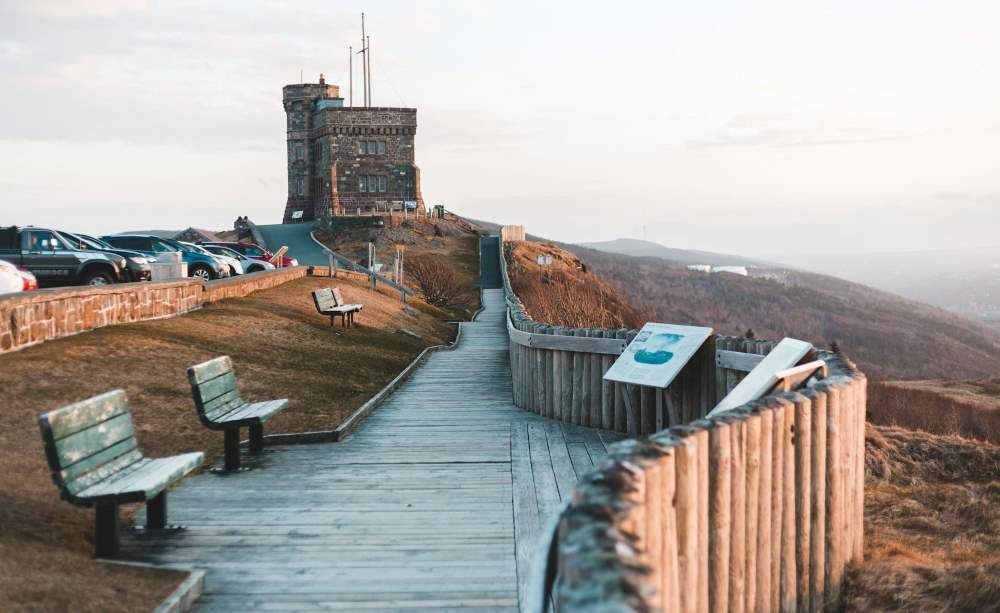
My Newfoundland road trip really kicked off at Signal Hill, where Marconi received the first transatlantic wireless signal in 1901.
The views from this historic site took my breath away. The entire city spreads out below, with the rugged coastline and the big Atlantic Ocean stretching to the horizon.
The North Head Trail winds down from Signal Hill through The Battery neighborhood. It shows exactly why this easternmost province should be on every traveler’s bucket list.
The Battery’s colorful homes cling to the cliffside and show the resilient spirit of Newfoundlanders. These narrow streets have houses that seem to defy gravity. They sit precariously yet firmly against the rock face.
Visit The Rooms and Quidi Vidi Village
The Rooms
The Rooms gave me great context about Newfoundland’s rich history and culture.
This premier cultural facility houses the provincial museum, art gallery, and archives. Its modern architecture stands out against the historic buildings nearby, yet it fits perfectly with the city’s character.
Inside, exhibits cover everything from indigenous peoples to maritime disasters. They helped me understand the many influences that shaped this unique corner of Canada.
Quidi Vidi
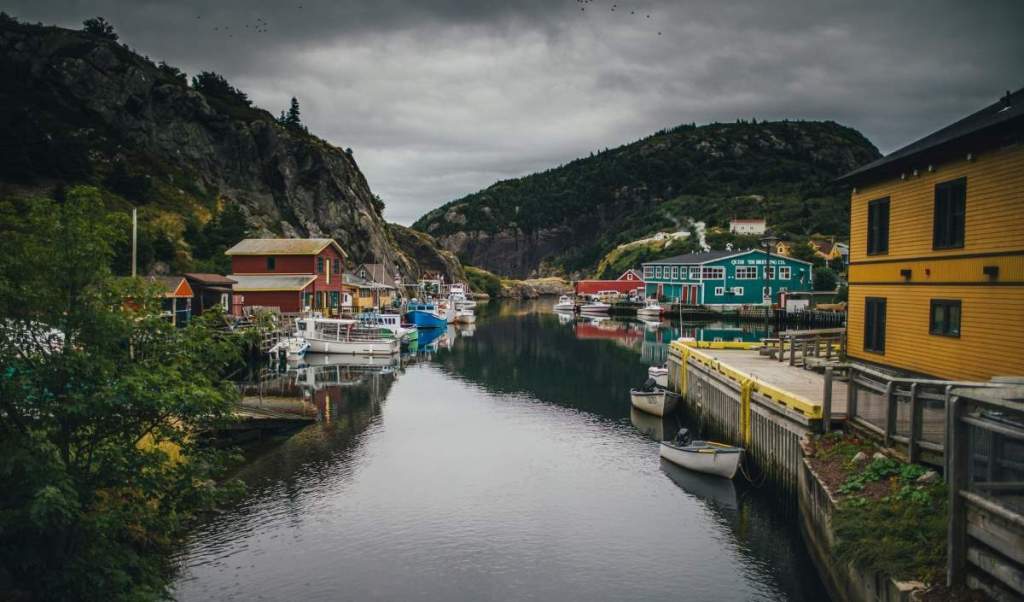
Next stop was Quidi Vidi (pronounced “Kiddy Viddy”), a charming fishing village within the city limits. This picture-perfect spot wraps around a protected harbor called the “Gut.”
Quidi Vidi Brewery was the highlight of my visit. It operates from an old fish processing plant where I tried their famous “Iceberg Beer” – made with 25,000-year-old water from actual icebergs.
I loved wandering through Quidi Vidi Village Artisan Studios, where you can chat with local artisans and find handmade items that feel uniquely Newfoundland.
Get Screeched In on George Street
You haven’t really done Newfoundland until you become an honorary local through the “Screech-In” ceremony. I joined this tradition on George Street, which has more pubs and bars per square foot than anywhere else in North America.
The ceremony requires you to kiss a cod (yes, a real fish), down a shot of Screech rum, and say some words in the local dialect. It’s a fun cultural experience rather than a tourist trap.
George Street comes alive at night. Live music pours from almost every doorway. You can hear the Irish influence in Newfoundland’s culture through foot-stomping fiddle tunes and heartfelt ballads that create an amazing party atmosphere.
Cape Spear: Easternmost Point in North America

Cape Spear is located close to downtown St. John’s. It’s North America’s easternmost point and the first place to see sunrise on the continent.
Standing on this windswept headland, I felt the Atlantic’s raw power and learned about the courage of early settlers who braved these shores. The historic lighthouse from 1836 tells fascinating stories about 19th-century lighthouse keepers’ lives.
Whale watching season runs from May to September. Cape Spear gives you great chances to spot humpbacks and minke whales from shore. The East Coast Trail passes through here too. It’s perfect for a good hike before you continue your Newfoundland adventures.

Trinity and Bonavista: History Meets Coastal Beauty
The Discovery Trail leads northwest from St. John’s to the Bonavista Peninsula, where historic settlements blend perfectly with stunning coastal views.
Your Newfoundland road trip reaches its peak in this region, especially when you have the Trinity Bight and Bonavista areas to explore.
Hike the Skerwink Trail
The Skerwink Trail quickly earned a top spot in my Newfoundland itinerary, and it’s easy to see why.
This coastal loop near Trinity East delivers nonstop scenery from start to finish, the kind that makes you slow your pace just to take it all in. It’s often praised as one of the most scenic walks on the continent, and after hiking it myself, that reputation feels well deserved.
The loop is just over five kilometres and took me around an hour and a half, including plenty of stops for photos and ocean watching. The trail flows naturally along the coastline, revealing towering rock formations, dramatic cliffs, and wide-open views across Trinity Bay that change with every turn.
The trail is thoughtfully maintained, with stairways where the terrain gets steep, benches in all the right places, and carefully cleared viewpoints that make it easy to soak in the scenery without venturing anywhere unsafe.
Depending on the time of year, you might spot whales surfacing offshore, seabirds riding the wind, or icebergs drifting silently past the cliffs.
Visit Elliston’s Puffin Viewing Site
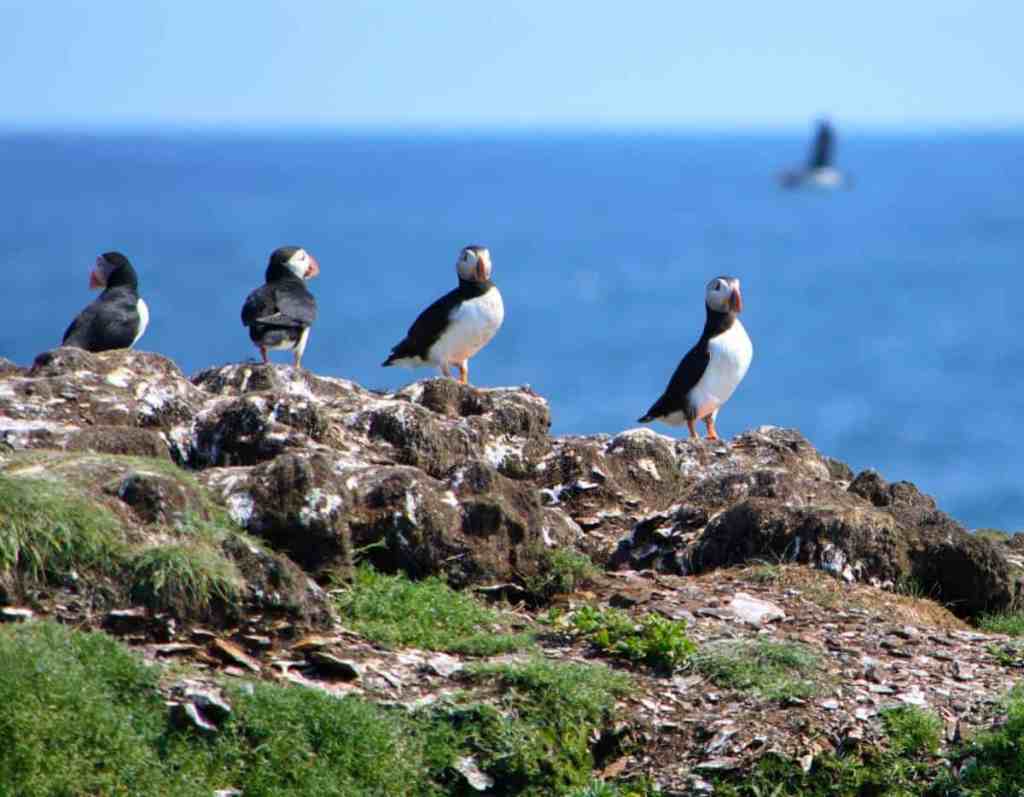
Elliston gives you North America’s closest land-based view of Atlantic puffins, according to tourism officials. This charming community once called Bird Island Cove, welcomes thousands of nesting pairs from mid-May through September.
A quick five-minute walk from Maberly Road takes you to the viewing site. Unlike other spots where you’d need binoculars or boat tours, these charming seabirds often land just feet away.
Their bright orange beaks and feet create a striking contrast against their black-and-white feathers as they waddle along grassy cliffs or plunge up to 70 meters below the waves hunting for fish.
The site offers free admission, though donations help maintain this unique wildlife experience. These remarkable creatures deserve respect – stay quiet, behind viewing areas, and never try to touch them.
Explore Cape Bonavista Lighthouse
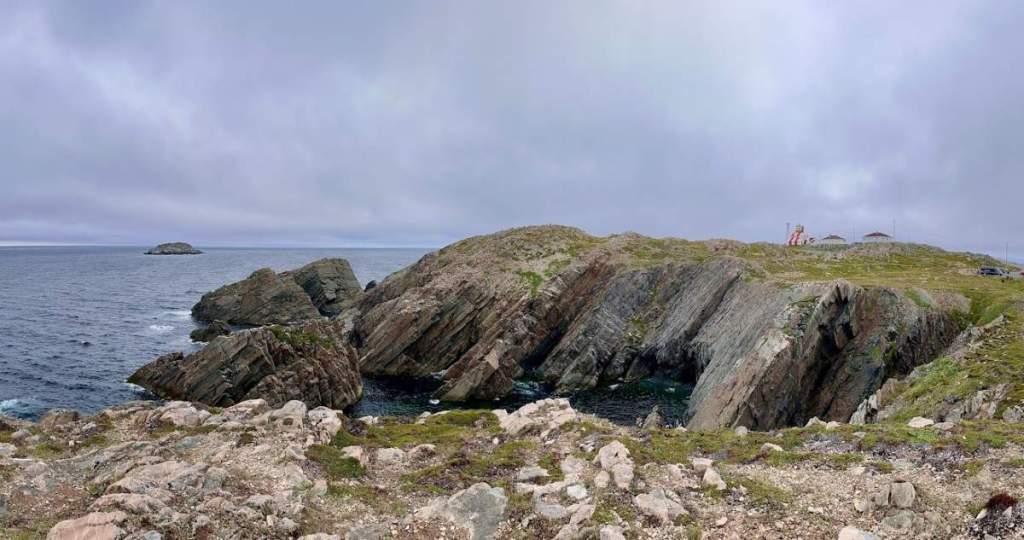
Cape Bonavista Lighthouse has stood watch since 1843 and ranks among Newfoundland’s most photographed sites. This historic beacon offers something rare – you can climb the stone tower and see the original seal oil-fueled catoptric light apparatus from the 1800s.
The lighthouse tells stories of dedicated keepers who polished glass, filled oil lamps, and tracked weather patterns from this windswept headland. Staff members bring these tales to life, sharing stories about families like the Whites, who kept this light burning for 75 years.
The lighthouse doubles as a prime spot for watching Newfoundland’s natural wonders – whales, icebergs, and puffins often appear from this vantage point.
Stop at Dungeon Provincial Park
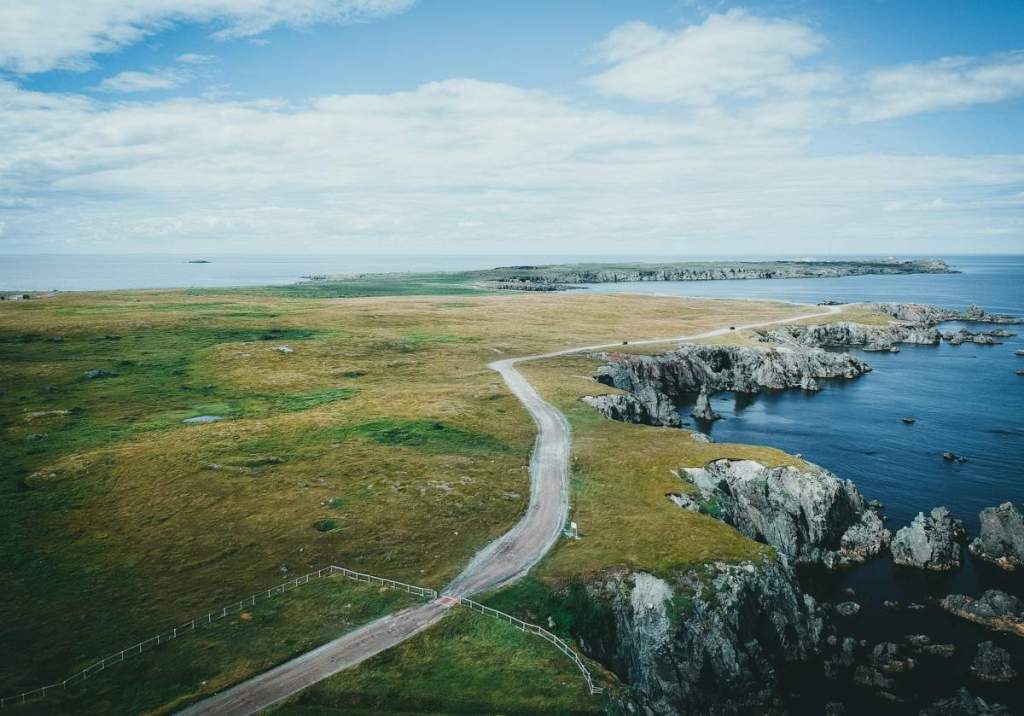
The Bonavista Peninsula’s tip holds an incredible sight. Dungeon Provincial Park features a massive heart-shaped crater with two sea openings, carved by ocean waves over thousands of years.
This natural archway, formed from a collapsed sea cave, emerges from a grassy bluff overlooking the Atlantic. UNESCO recognizes its importance as a Global Geopark geosite. Viewing platforms and boardwalks let you admire this powerful display of coastal erosion.
A gentle dirt path leads to the Dungeon, crossing green fields where livestock sometimes graze. This free attraction ranks high on many travelers’ lists of memorable Newfoundland experiences.
Twillingate: Iceberg Alley and Coastal Charm
My journey north along Newfoundland’s coastline helped me find out why Twillingate is called the “Iceberg Capital of the World.” This charming island community in Notre Dame Bay became a highlight of my best Newfoundland trip.
Best time for iceberg spotting
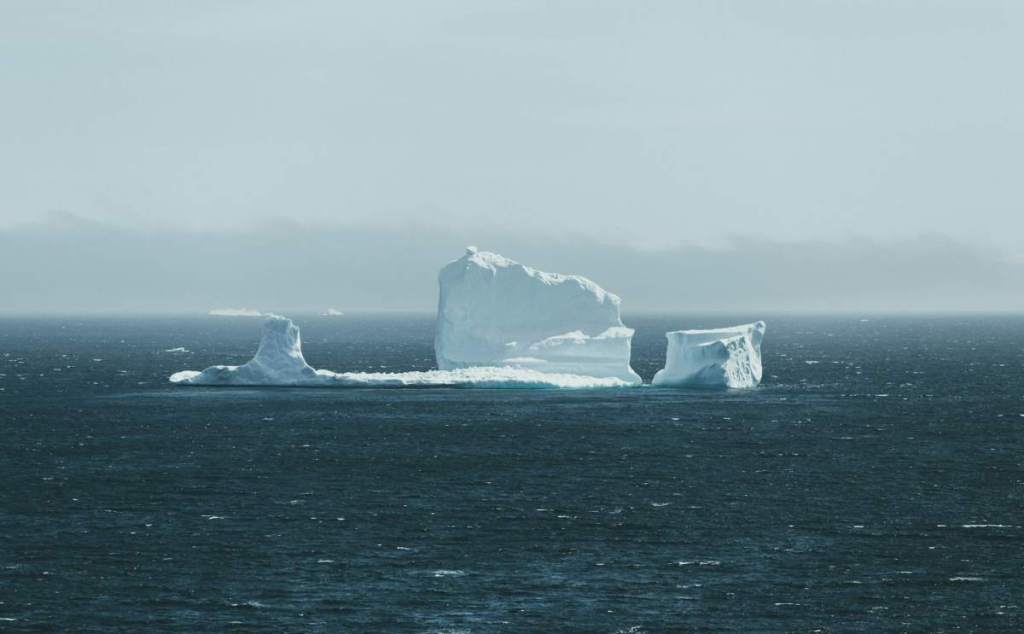
These massive 10,000-year-old ice giants drift south from Greenland through what locals call “Iceberg Alley.”
The right timing makes all the difference if you want to see icebergs in Newfoundland. The best season runs from mid-May to mid-July. You’ll see the most icebergs in late May through early June.
Some stragglers might stick around until November, but most melt away by August. The icebergs might still be stuck in sea ice before late May, which means no boat tours.
Visit Long Point Lighthouse

Long Point Lighthouse was one of those places on my Newfoundland itinerary that completely stopped me in my tracks.
Perched high above the Atlantic near Twillingate, this lighthouse has been watching over the coastline for well over a century, first guiding fishing vessels and later supporting the communities built around the sea.
Today, it’s still an active light, but it’s also a place where visitors can slow down and really soak in the setting. There’s an interpretive space to learn about the area’s maritime past, along with a cozy café, lookout areas, a boardwalk, and nearby trails that invite you to linger longer than planned.
I ended up spending far more time here than I expected, scanning the horizon for whales and icebergs drifting by in the distance. It’s clearly a favorite for a reason—locals and travelers alike seem drawn to this windswept point, not just for the views, but for the feeling of being connected to Newfoundland’s rugged coastal story.
Try local wines at Great Auk Winery
Great Auk Winery (formerly Auk Island Winery) in Twillingate was a wonderful surprise on my trip.
They make unique wines from Newfoundland berries and fruits, plus special wines using iceberg water.
Most berries they use grow wild without pesticides or fertilizers. I tried several wines, including their prize-winning Outport Raspberry Screech.
Hike Spillers Cove Trail
Spillers Cove Trail offers amazing coastal views for active travelers. This moderate 3-mile loop takes about 1–1.5 hours. The scenery here blew me away!
Starting at the Spillers Cove and French Beach Trailhead, you’ll see stunning rock formations, sea stacks, coastal headlands, and rocky beaches. I hiked counterclockwise and ended at French Beach, where I took a refreshing swim after the workout.
Remember to pack water and sun protection since there’s little shade.
My time in Twillingate mixed natural wonders, history, and local flavors perfectly. This stop belongs on every Newfoundland adventure.
Gros Morne National Park: A UNESCO Wonder

My westward Newfoundland road trip led me to Gros Morne National Park, the crown jewel of my trip.
This UNESCO World Heritage Site tells a story of Earth’s history that spans half a billion years. Its spectacular landscapes show how ancient ocean floor and mantle rock were pushed skyward by colliding continents, creating an extraordinary natural museum.
Gros Morne amazed me with its perfect balance of rugged wilderness and accessibility. This park should be on everyone’s Newfoundland road trip list.
Tablelands Trail and Lookout Hills
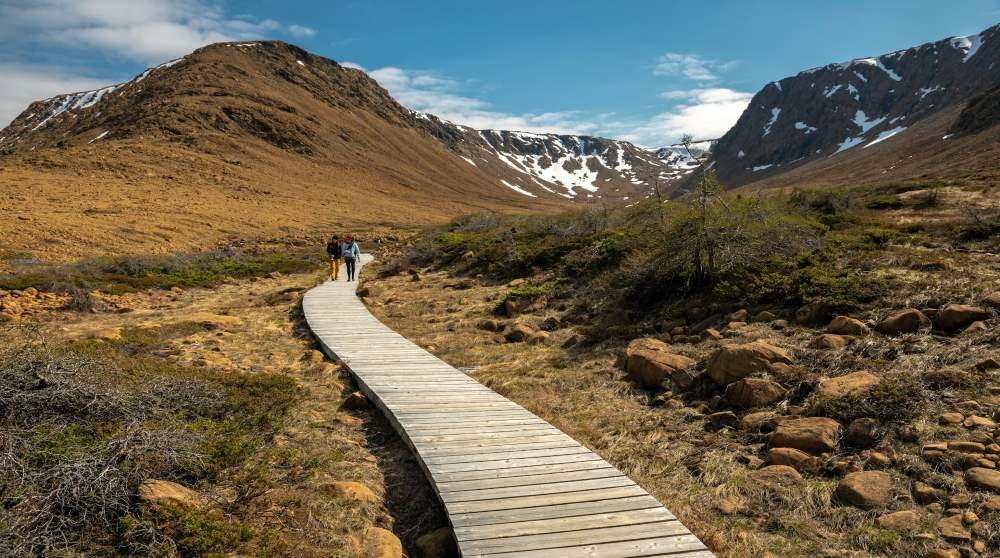
The otherworldly Tablelands stands out as the most unique geological feature I saw in Newfoundland. This barren, rust-colored landscape lets you walk on Earth’s mantle—something usually buried deep beneath the crust.
These ultramafic rocks came from deep within our planet. They were forced up during a plate collision hundreds of millions of years ago, making this spot unlike anywhere else in North America.
You can experience this geological marvel in three ways:
- Join the “Walk Upon the Earth’s Mantle” guided walk with Parks Canada guides
- Take the self-guided 4-kilometer (return) Tablelands Trail along an old roadbed
- See the striking contrast between the amber Tablelands and surrounding green hills from Lookout Trail
The trail is rated easy. It follows a flat path along the mountain’s base with panoramic views and ends at the glacially carved Winter House Brook Canyon.
The most fascinating part was seeing how this toxic, nutrient-deficient rock creates a Martian-like terrain where barely anything grows.
Western Brook Pond Boat Tour
The Western Brook Pond boat tour was one of those moments on my Newfoundland itinerary where I genuinely had to pause and take it all in.
This place feels ancient in the best possible way—a deep, glassy fjord shaped by glaciers long before humans ever set foot here. As the boat glides forward, massive cliff walls rise straight up from the water, and thin waterfalls tumble down from heights that seem almost unreal.
Getting there is part of the experience. A well-marked trail leads from the parking area out to the dock, and I found the walk relaxed and scenic, taking just under an hour at an easy pace.
Once on the water, the guided boat tour lasts around two hours and adds so much context, pointing out geological features, hidden waterfalls, and the sheer scale of the landscape around you.
Wildlife sightings aren’t guaranteed, but they’re common enough to keep everyone scanning the shoreline. This tour is incredibly popular—and for good reason—so booking ahead is a must, especially if you’re visiting during the busy summer season.
Green Gardens Trail
Hiking the Green Gardens Trail felt like stepping into a completely unexpected version of Newfoundland.
This stretch of my Newfoundland itinerary began in the stark, rust-coloured landscape of the Tablelands, where the terrain feels almost otherworldly. From there, the trail slowly shifts, leading through quiet forest paths before opening up to a dramatic coastal world that took my breath away.
By the time I reached the shoreline, the scenery had completely transformed. Rolling green meadows sit high above the ocean, with rugged sea stacks, hidden coves, and small beaches scattered below.
Knowing that families from nearby Trout River once brought their animals here for summer grazing adds an extra layer of history to the experience—and if you’re lucky, you might even spot sheep still wandering the cliffs, as if time never really moved on.
Catch a show at Anchor Pub
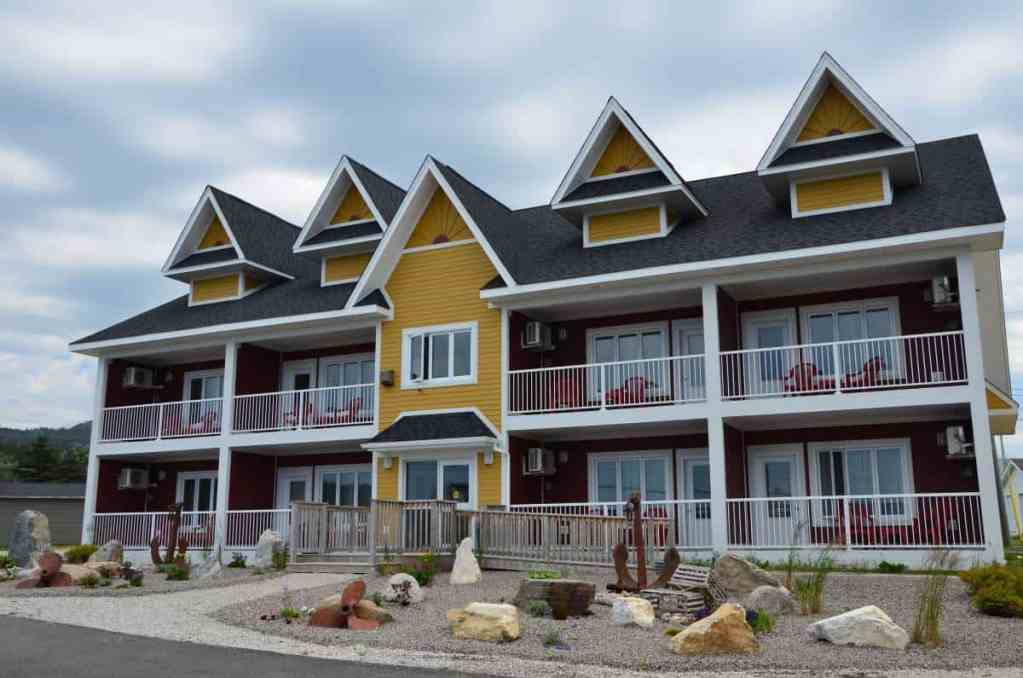
After exploring geological wonders for days, I spent my evenings at the Anchor Pub in Rocky Harbor.
The Anchors Aweigh Band plays here every Monday, Wednesday and Friday at 8 PM during summer. Five local musicians perform popular Newfoundland songs with witty one-liners that showcase local culture perfectly.
The pub is located inside the Ocean View Hotel. Great food and drinks are served on a waterfront deck that’s perfect for outdoor dining. Book ahead because peak season gets quite busy!
Northern Peninsula: Vikings and Wild Landscapes
I drove to Newfoundland’s northernmost tip revealed a place where ancient history meets wild natural beauty. This remarkable stretch of the Northern Peninsula tells the story of the first Europeans in North America, who arrived long before Columbus.
L’Anse aux Meadows National Historic Site
L’Anse aux Meadows, a UNESCO World Heritage Site, stood out as the highlight of my Newfoundland trip. This 1000-year-old exploration base, known as Leifsbuoir/Straumfjord, stands as North America’s only confirmed Norse site.
The archeological site features eight timber-framed turf structures spread across three building complexes. These ruins paint a picture of Viking life, from iron-making to boat repairs. Parks Canada’s staff, dressed in period costumes, bring these ancient stories to life with their engaging presentations.
Norstead Village
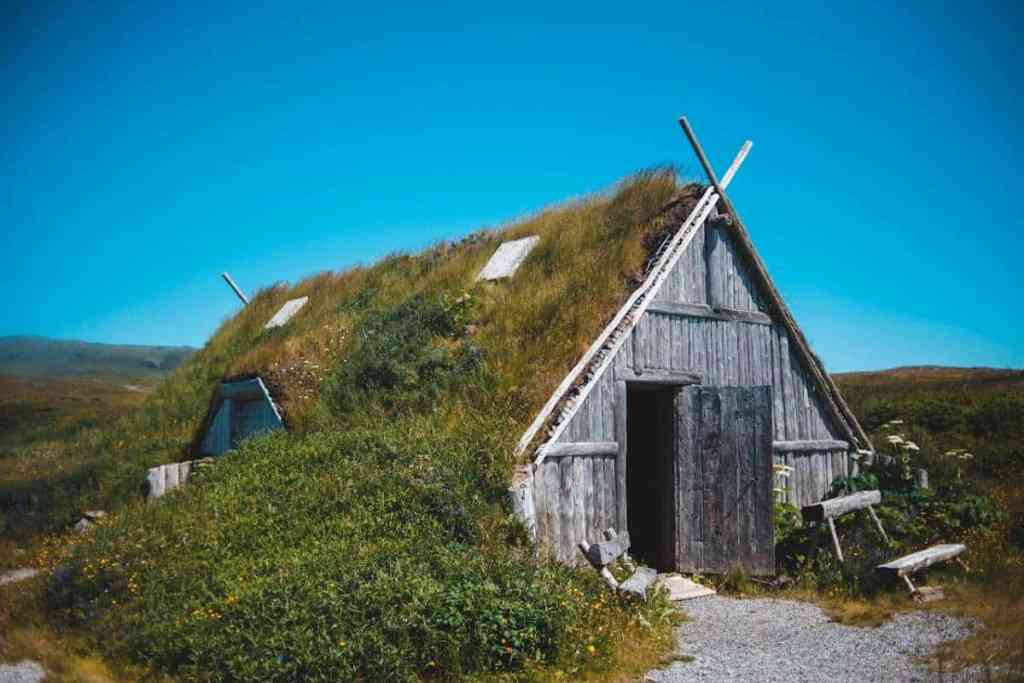
Just two kilometers away, I found Norstead, a carefully rebuilt Viking port that captures Norse culture in amazing detail. This four-hectare living history site shows what life looked like between 790-1066 AD.
The full-scale Viking ship “Snorri” caught my attention immediately. This impressive vessel sailed from Greenland to L’Anse aux Meadows in 1998 with just nine crew members.
Around the village, people in period dress showed off traditional skills like blacksmithing, weaving, and pottery-making. The village wise woman read my “Runes,” adding a personal touch to my history lesson.
Hike Iceberg Alley Trail
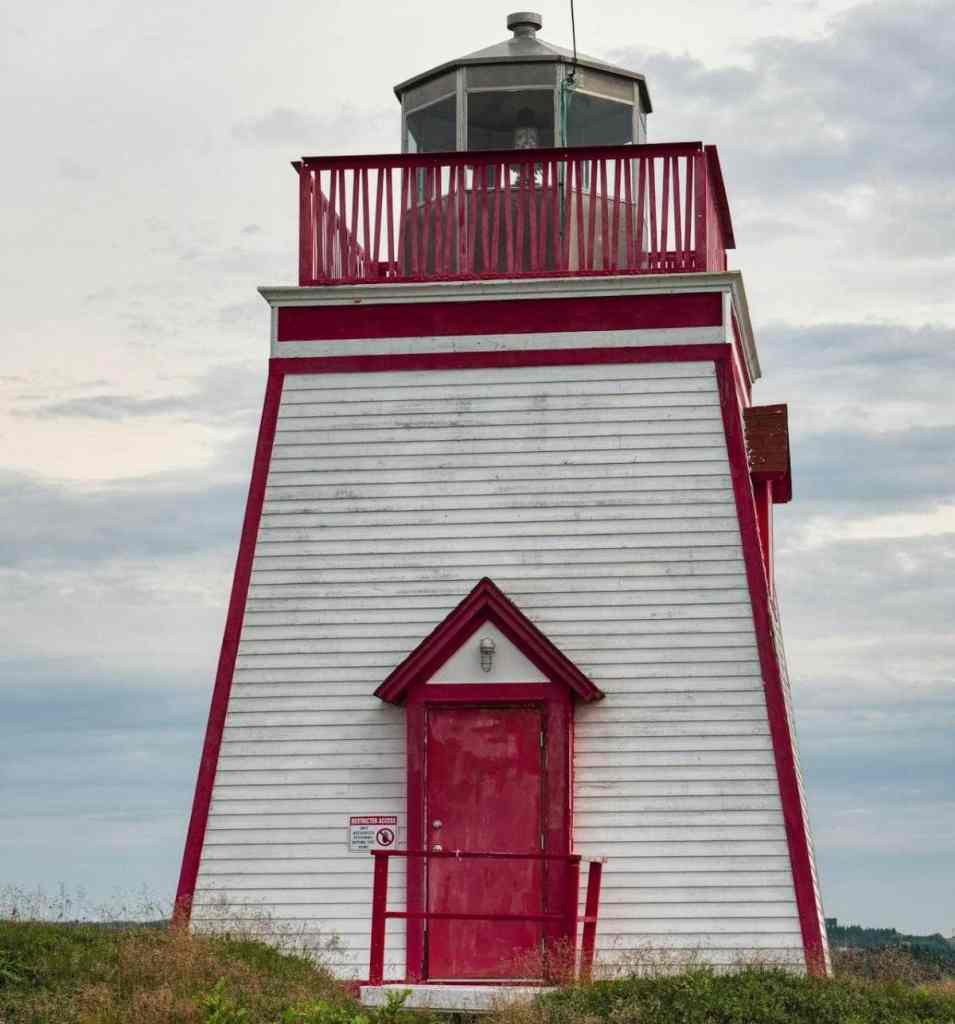
The Iceberg Alley Trail at Fishing Point in St. Anthony offers amazing views of these frozen giants. This easy 0.4 km boardwalk takes about 30 minutes to walk and gives you perfect spots to watch massive icebergs that float down from Greenland’s east coast.
The red and white Fox Point Lighthouse marks the trail’s starting point, and the path follows the Atlantic coastline on a sturdy boardwalk. The Northern Peninsula lets you see icebergs longer than anywhere else in Newfoundland.
Whale watching in St. Anthony

I wrapped up my Newfoundland itinerary with an unforgettable whale watching experience out of St. Anthony. On the Northland Discovery Tour, I watched massive whales surface nearby, along with playful dolphins riding the waves alongside the boat.
What makes this experience so special is the sheer diversity of marine life that passes through the area each year. From late spring through early fall, dozens of whale and dolphin species move through these waters, and the local guides seem to have an instinct for finding them.
No two trips are ever the same, which makes the experience feel truly wild and unscripted—just the way Newfoundland does best.
Practical Tips for Your Newfoundland Road Trip Itinerary
Best time to visit for puffins and icebergs
The perfect timing of your Newfoundland itinerary depends on natural events you want to see. Mid-May to early June gives you the best chance to experience everything.
Puffins make their nests across the province from mid-May through early September. This matches the time countless icebergs float down “Iceberg Alley” along the eastern and northern coasts.
The prime whale-watching season runs from June through August. You might catch all three natural wonders at once.
How to get around the island
Newfoundland’s size will surprise you – it matches Cuba in size. A drive from St. John’s to Corner Brook takes about 7.5 hours without breaks. The trip to L’Anse aux Meadows needs 12.5 hours.
These long distances make early rental car bookings crucial. A mid-to-large sized vehicle works best on the occasional rough roads.
You can also reach the island by two ferry routes from Nova Scotia. Take either the 7-hour crossing to Port aux Basques or sail 16 hours to Argentia, located just 130 km from St. John’s.
Where to stay in each region
Peak season fills accommodations quickly across Newfoundland.
Leaside Manor in St. John’s welcomes guests with a hearty breakfast.
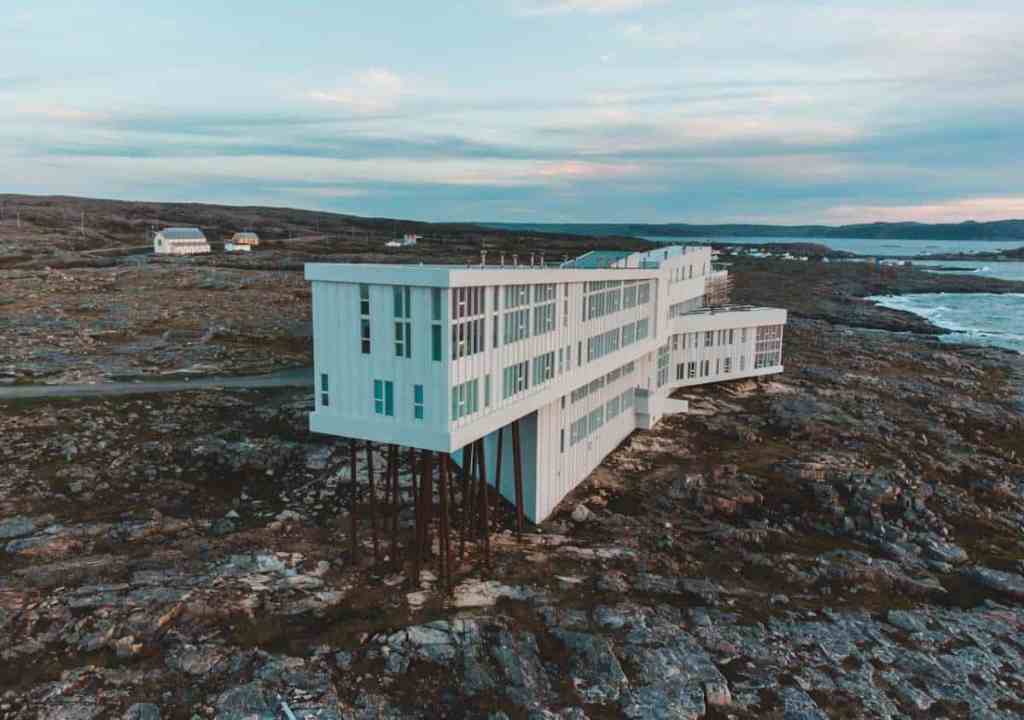
Near Gros Morne, Neddies Harbor Inn sits in Norris Point with beautiful Bonne Bay views.
The Northern Peninsula gives you more options. You can stay at the Crows Nest Inn in St. Anthony or the Tuckamore Lodge in Main Brook.
Gertie’s Place – The Old Salt Box Co offers a cozy oceanfront stay in Twillingate.
For more information, read my blog: Best Places to Stay in Newfoundland
Final Thoughts on Planning a Newfoundland Itinerary
Newfoundland is definitely is one of Canada’s most remarkable yet underappreciated destinations.
St. John’s colorful row houses, Trinity’s dramatic coastal trails, Twillingate’s majestic floating icebergs, Gros Morne’s geological wonders, and the Northern Peninsula’s ancient Viking settlements created an unforgettable trip.
This island becomes truly special when these attractions naturally arrange with seasonal phenomena throughout summer. You’ll have the best chance to see Newfoundland’s wildlife trinity – icebergs, whales, and puffins – by visiting between mid-May and early July. The weather conditions remain favorable during this time too.
Each mile of this road trip proved worthwhile despite the long distances. Raw, unspoiled landscapes surprised me with their beauty and diversity. The warm Newfoundlanders shared stories and traditions that added rich cultural dimensions to my experience.
This mix of breathtaking scenery, abundant wildlife, and authentic cultural encounters makes Newfoundland perfect for travelers who want something beyond ordinary. You can follow this itinerary exactly or adapt it to your priorities. Either way, Newfoundland promises adventure, tranquility, and countless moments of wonder.
The island’s size and seasonal nature just need extra planning. These efforts are nowhere near the rewards waiting for those who make the trip. Newfoundland has carved itself into my heart as a place that deserves unhurried exploration and repeated visits.
Frequently Asked Questions (FAQs)
Key Takeaways
Planning a Newfoundland adventure requires strategic timing and route planning to maximize your experience with this Atlantic paradise’s unique natural phenomena and cultural treasures.
- Time your visit for mid-May to early July to witness the perfect trifecta of icebergs, puffins, and whales all in one spectacular trip.
- Plan at least 7-10 days for your road trip as Newfoundland is massive – driving from St. John’s to the northern tip takes 12.5 hours without stops.
- Book accommodations and rental cars well in advance during peak season, as this hidden gem is gaining popularity and options fill up quickly.
- Don’t miss the “Big Four” experiences: St. John’s colorful capital charm, Gros Morne’s UNESCO geological wonders, Twillingate’s iceberg viewing, and L’Anse aux Meadows’ Viking history.
- Embrace the cultural immersion by getting “Screeched In” on George Street, sampling iceberg beer, and experiencing genuine Newfoundland hospitality throughout your journey.
This comprehensive itinerary balances must-see natural wonders with authentic cultural experiences, ensuring you capture the essence of what makes Newfoundland one of Canada’s most rewarding yet underexplored destinations.
Newfoundland Travel Blogs
Why Travel To Newfoundland?
Fun Things to do in Newfoundland
Best Places to Stay in Newfoundland
Best Time to Travel to Newfoundland

Travel Newfoundland on a Budget