
Essential Sintra Things To Do That Most Guides Won’t Tell You
Sintra is a UNESCO World Heritage Site located just 30 km from Lisbon and draws thousands of visitors each day.
Most people stick to the famous Pena Palace and its Instagram-worthy views. Sintra’s charm though goes far beyond its most famous landmarks.
The historic center makes a perfect base to start your adventure. You can hike through the magnificent Sintra-Cascais Natural Park and uncover this Portuguese gem’s true character.
The 1000-year-old Castle of the Moors stands proud alongside the intriguing Initiation Well at Quinta da Regaleira that winds nine stories below ground.
Local trails lead to hidden spots and delicious treats like Travesseiros. Cabo da Roca, mainland Europe’s westernmost point, rewards visitors with stunning coastal views.
This blog reveals the best Sintra things to do that many travelers skip, but really shouldn’t miss!
Disclaimer: This post may contain affiliate links, meaning I receive commissions for purchases made through those links at no cost to you. Please read my full disclosure for more information.
Explore Sintra’s Old Town Beyond the Main Streets

The colorful palaces of Sintra pull in most tourists, but they’re missing out on something special that should be your first stop.
Just a few steps from the busy tourist spots sits a charming old town that begs to be explored. The real magic of Sintra shows up once you look past those postcard views and into its authentic heart.
This quaint area gives you an authentic glimpse into local life, making it the perfect place to begin your Sintra adventure, away from the tourist-heavy landmarks.
What to see beyond the main square
Praça da República (the main square) looks picturesque with its traditional Portuguese pavement and National Palace views.
The real magic happens as you wander down the cobblestone side streets. Local artisans display their hand-painted ceramics and traditional cork products along Rua das Padarias, working in tiny family-run workshops.
São Martinho Church shouldn’t be missed, with its beautiful 18th-century azulejo tiles showing Biblical scenes. You’ll find this small church peaceful and quiet, yet it has some of the finest Portuguese tile work in the region.
Sintra Museum of Modern Art is located in the beautifully restored Berrio House, showcasing an impressive collection of 20th-century Portuguese artwork. Its garden provides a peaceful escape with stunning mountain views, perfect for avoiding the crowds.
The News Museum (Museu das Notícias) stands out as another hidden gem. You can discover the fascinating history of Portuguese media here. Live exhibits show the country’s complex political history.
Hidden alleys and artisan shops
The real adventure starts when you leave the busy Praça da República and head into tiny cobblestone lanes that snake up the hillsides. These quiet paths tell stories of Sintra’s past and present.
Rua das Padarias sits right in the middle of town, yet tourists rush past it on their way to the big attractions.
The quiet alleys hide small workshops where local artists keep old traditions alive. You’ll spot shops full of beautiful handmade ceramics showing off traditional Portuguese designs and colors.
The boutiques here stock items you won’t see in the tourist shops near the National Palace.
Best cafes and bakeries to start your day

Your Sintra exploration needs proper fuel, starting with breakfast at one of the historical center’s beloved spots.
Café Saudade on Av. Dr. Miguel Bombarda combines vintage charm with delicious pastries. Their homemade scones and local jam create a perfect morning treat.
Casa Piriquita offers an authentic Portuguese breakfast experience. This family-run bakery dates back to 1862. Their signature travesseiros (puff pastries filled with almond cream) and queijadas (sweet cheese tarts) taste just like they did generations ago.
Other notable stops include:
- Café a Piriquita II – The newer branch of the famous bakery with more seating
- Pastelaria Gregório – Known for exceptional Portuguese coffee and less tourist traffic
- Café Paris – A historic spot with outdoor seating overlooking the National Palace
These establishments open at 7:30 am, giving you a chance to enjoy Sintra before tour buses arrive around 10 am.
Morning walking route to avoid crowds

Starting your day by 8 am lets you experience Sintra’s historical center peacefully. This strategic route helps you dodge the mid-morning tourist rush, beginning at the train station.
Walk west along Av. Dr. Miguel Bombarda, passing charming souvenir shops as they prepare for the day. You’ll reach Praça da República, where the National Palace distinctive cone-shaped chimneys stand out against the sky – perfect timing before the lines form.
Rua Gil Vicente beckons next, a narrow lane climbing gently uphill. Colorful residential buildings with wrought-iron balconies line your path to the lesser-known São Pedro de Penaferrim neighborhood. Here, São Pedro Church and its peaceful cemetery await your discovery.
Make your way back toward the center on Rua Conselheiro Segurado. Lawrence’s Hotel, Portugal’s oldest, welcomes you to explore its historic interior. This 90-minute circular route lets you return to the main square just as tour groups head to Pena Palace.
Your morning walk reveals Sintra’s local rhythm. Shopkeepers arrange their displays, residents sip coffee quietly, and delivery trucks stock local cafes. This authentic morning experience adds depth to your later palace visits.
Sintra’s historical center deserves your time. It’s not just a stop between famous attractions but a destination that rewards careful exploration.
Where locals eat and drink
The best way to see the real Sintra is to eat where the locals eat. Tourist crowds line up at famous pastry shops, but residents know better spots hidden on quiet side streets.
Looking for real Portuguese food without tourist prices? Family spots like Tasca do Xico or Adega das Caves serve huge portions of local favorites.
The old town’s coffee scene runs on neighborhood spots rather than expensive tourist cafés. A bica (espresso) and pastel de nata costs half as much at local hangouts. Casa Piriquita II serves the same treats as its famous sister shop but with much shorter lines.
Nights bring locals to neighborhood tabernas to share wine, petiscos (Portuguese tapas), and good conversation. These places rarely show up in tourist guides but give you a real taste of Sintra life.
Best time to explore without crowds
Smart timing makes all the difference in Sintra’s old town. The number of visitors changes a lot throughout the day and year.
The streets belong to locals before 9:00 AM. These quiet morning hours let you take perfect photos without crowds and browse shops in peace. You’ll only see residents heading to work and delivery folks stocking up stores.
The town gets its charm back after 4:00 PM when day-trippers catch their trains back to Lisbon. Between 5:00 PM and dinner, peace returns to the old town. The warm evening light makes this time perfect for photos of historic buildings.
The months from November through March show you a more genuine Sintra. Rain might fall, but the smaller crowds make up for it. Winter brings a special mood as mist wraps around the historic center, creating the mysterious atmosphere that matches Sintra’s romantic spirit.
E-Bike or Hike Through Sintra-Cascais Park
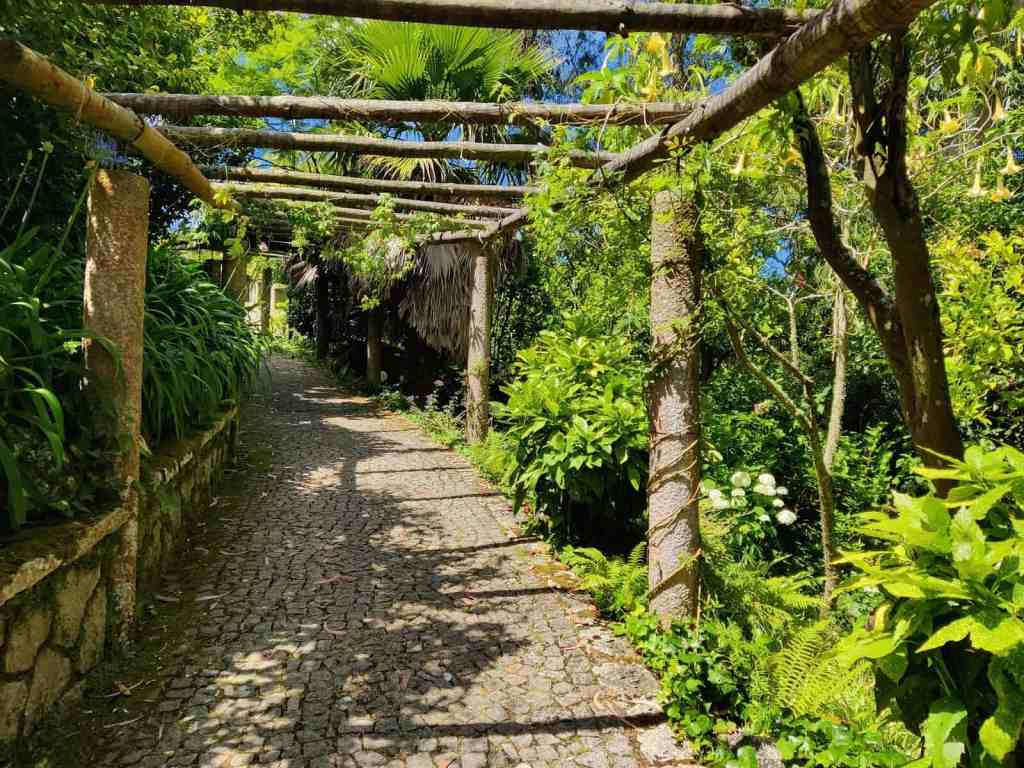
A natural wonderland awaits beyond Sintra’s ornate palaces and cobblestone streets. The Sintra-Cascais Natural Park stretches from lush mountains to dramatic coastlines and gives outdoor enthusiasts a perfect escape from tourist crowds.
Top trails and viewpoints
As soon as you enter the park, you’ll feel like you’ve stepped into another world—dense forests, rolling dunes, freshwater lakes, and a coastline dotted with dramatic cliffs and golden beaches.
At the center of the park is the Serra de Sintra, a lush mountain ridge filled with quiet pathways and sea-facing viewpoints.
One of the most iconic routes is the GR-11 walking trail, a 35-kilometer path that cuts through the heart of the park. Along the stretch from Praia da Adraga to Azenhas do Mar, where the views are so spectacular you’ll forget all about the uphill climb.
If you want a route that’s both accessible and incredibly rewarding, try the PR10 SNT trail—a 5.9-kilometer circular walk starting from Largo da Peninha. You’ll enjoy breathtaking views that stretch from Cabo Espichel all the way to the Berlengas Islands on a clear day.
And if you’re chasing panoramic views, head to Cruz Alta, the highest point in the Sintra Mountains at 529 meters.
Nearby, the Sanctuary of Peninha, perched at 488 meters above sea level, rewards you with a lookout that feels like you’re standing on the edge of the world.
E-bike tours vs. hiking: what to choose
E-bikes have changed how visitors tackle the park’s steep terrain. These bikes make Sintra’s hills surprisingly easy to conquer, and you can cover more ground without getting tired.
E-bikes are also great for reaching spots like Peninha Sanctuary and Cabo da Roca with little effort – perfect if you have average fitness levels.
Hiking creates a deeper connection with the landscape. The PR6 SNT (Rio da Mula) trail leads you through the mountain’s southern slope among exotic vegetation. You’ll spot small details while walking – juniper trees, native wildflowers, and even dinosaur footprints on the rockface near Praia Grande.
Here’s what to think about when deciding:
- Time constraints: E-biking covers more ground in less time
- Physical condition: Hiking needs good fitness for some trails
- Experience desired: Walking lets you immerse yourself; e-biking gives you the thrill of seeing varied landscapes quickly
- Weather: Coastal trails have almost no shade, making e-bikes better on hot days
Hidden spots along the way
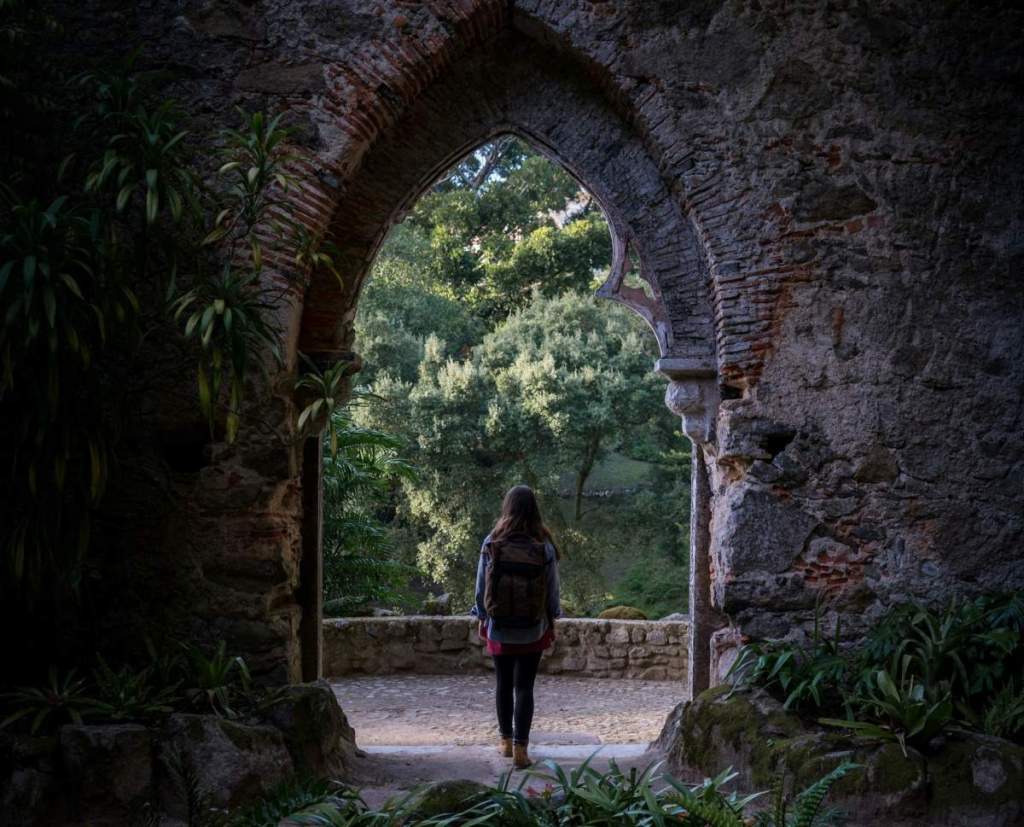
Magic fills the Peninha Forest where giant boulders peek through trees, soft moss blankets the ground, and winding trails beckon you deeper.
The Convento dos Capuchos trail leads to a simple 16th-century monastery nestled in the woods, far from Sintra’s grand palaces.
Water lovers should check out the hidden aquifers. Tall pines surround the Barragem do Rio da Mula reservoir, which mirrors the forest in its still waters. The peaceful Lagoa Azul serves as a hidden oasis that locals love.
The small but charming Mourão Waterfall (also known as Fervença Waterfall) sits in the town of Fervença. Another gem is the small waterfall near Quinta da Regaleira that flows between high roadside walls.
Coastal explorers should head to Praia da Ursa—you’ll need proper hiking shoes and some experience—where one of the region’s best sunsets awaits.
Nearby Cabo da Roca marks Europe’s westernmost point and without a doubt, one of Portugal’s most striking landscapes.
The natural park offers a fresh contrast to Sintra’s architectural wonders, whether you zoom through on an e-bike or take your time on foot.
Good footwear, plenty of water, and respect for trail markers will help you enjoy this magnificent landscape fully.
Visit Monserrate Palace for Peace and Beauty
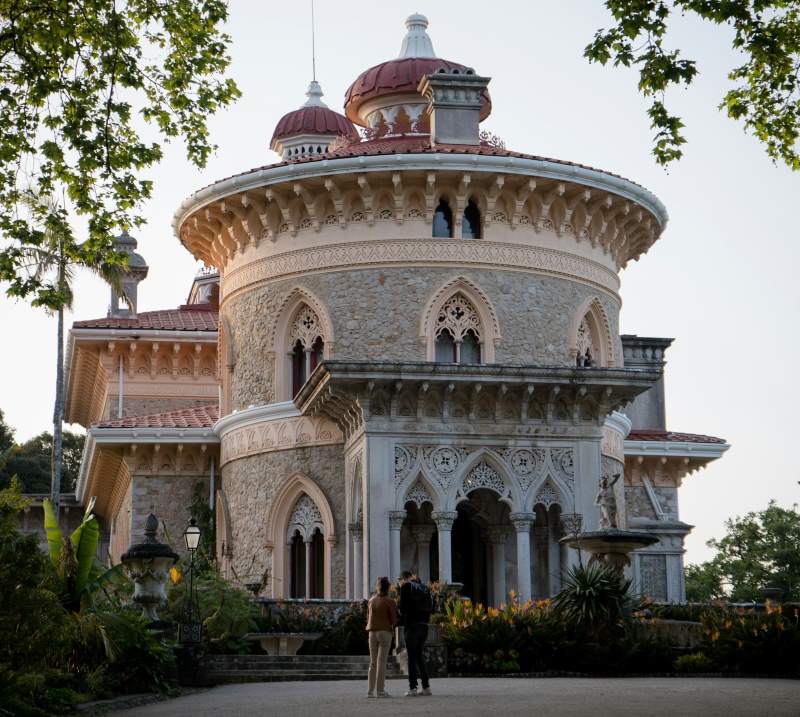
Monserrate Palace is nestled in Sintra’s green hills, away from the bustling tourist spots. This stunning palace gives visitors a magical mix of romantic architecture and natural wonders that most people miss.
Why it’s less crowded than Pena
While Monserrate Palace is certainly one of Sintra’s best attractions, it has the fewest visitors.
The palace is located 3.5km from the historic center, which makes many day-trippers skip it for closer landmarks. This makes it a wonderful hidden gem, perfect for anyone who wants to enjoy Sintra’s beauty in peace.
Highlights of the palace and gardens
This exceptional mansion blends Gothic, Arabic, and Indian designs. It ranks among Portugal’s finest examples of Romantic architecture.
The Oriental-style interior has a library, chapel, music room, and billiard room. Each space shows off intricate wall and ceiling work. The rooms showcase detailed craftsmanship everywhere you look.
The 81-acre palace grounds are an exotic landscaping masterpiece. The gardens feature:
- Species from five continents, including Mexican agave plants, Australian ferns, and Japanese bamboo
- Various themed sections like the rose garden and Mexican garden
- Waterfalls, lakes, and springs amid lush greenery
The palace may be smaller than Pena, but you’ll want one to two hours to explore without rushing.
How to get there easily
You’ll need to plan your trip to Monserrate Palace from Sintra’s center, but you have several good options.
A hop-on hop-off bus tour in Sintra is one of the easiest ways to explore the city’s storybook palaces and dramatic hilltop castles without worrying about navigating on your own. You can ride the bus between landmarks like Pena Palace, the Moorish Castle, Quinta da Regaleira, and the stunning Monserrate Palace, hopping off wherever the scenery inspires you.
The palace is 3.5 km from Sintra’s center if you like walking. This scenic 45-minute walk passes Quinta da Regaleira and Palácio de Seteais. The path climbs steep hills, so it’s a good option if you enjoy hiking.
Taxis and tuk-tuks give you more freedom but can get pricey. Uber or Bolt might save you money, though peak hours mean longer waits.
Drivers will love the ample parking at Monserrate – rare among Sintra’s attractions.
Your trip to this beautiful palace will be worth it, whatever way you choose to get there. It’s one of Sintra’s best-kept secrets and deserves a spot on your itinerary.
Visit the Chalet and Garden of the Countess of Edla

A charming treasure lies tucked away in Sintra’s massive Pena Park.
The Chalet and Garden of the Countess of Edla lets visitors escape the palace crowds and discover a royal love story that shocked 19th century Portugal.
Romantic history of the Countess and King Ferdinand
King Ferdinand II attended a performance of Verdi’s “A Masked Ball” at Lisbon’s São Carlos National Theater in 1860. Among the performers, Elise Hensler caught his attention – a Swiss-born opera singer with American ties.
Portuguese society strongly disapproved of their relationship. Ferdinand was 20 years older than the singer, and she had a daughter, Alice, from a previous relationship.
The couple found peace at Sintra’s Pena Palace, away from critical eyes. Their shared love of literature, music, and botany flourished in these lush gardens.
Ferdinand showed his ultimate devotion after nine years together by making Elise the Countess of Edla. This title allowed their marriage despite her common birth.
Portuguese society and the royal family never fully accepted them, yet their bond lasted until Ferdinand died in 1885. His decision to leave his properties to Elise, including Pena Palace and Moorish Castle, sparked legal battles with the Portuguese state.
What makes this spot unique from Pena Palace
Built between 1864 and 1869, this two-story building stands as proof of the couple’s artistic vision.
Alpine architecture popular in Europe during that era inspired the chalet’s design, honoring Elise’s Swiss roots.
Portuguese elements blend in through creative cork use as insulation and decoration. Visitors love the exterior walls’ plaster, painted to look like wooden planks in a clever optical illusion.
Ferdinand and Elise also created a lovely romantic garden around the chalet with over 200 botanical species.
Tips for visiting with your Pena Palace ticket
Your Pena Palace and Park ticket includes access to this romantic hideaway.
The chalet welcomes visitors daily from 9:00 AM to 5:30 PM, with final entry at 5:00 PM. The entrance gate closes between noon and 2:00 PM, but other park entrances stay open.
These tips will help you plan better:
- Walk at least 30 minutes from Pena Palace to reach the chalet
- Pick early morning or late afternoon to enjoy quiet garden moments
- Pack water and comfortable walking shoes for your park walk
- Wheelchair users can access the first floor only. Book wheelchairs ahead if needed.
Few tourists venture this far into the park, so you’ll find peace away from the main attractions.
Hike the Villa Sassetti Trail to the Castles
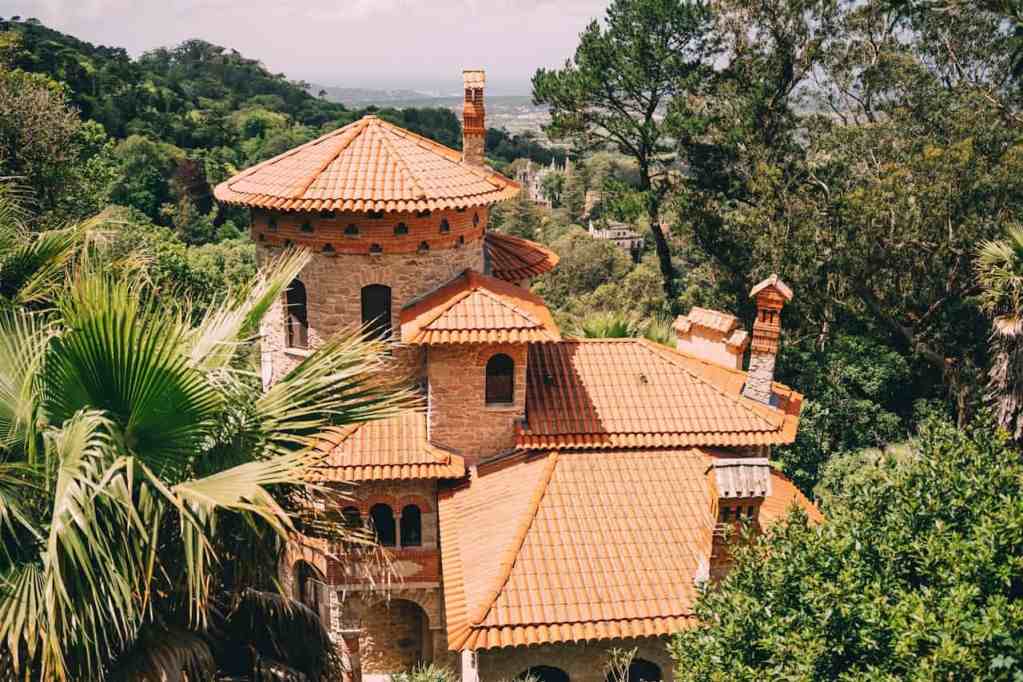
Most tourists hop on the crowded 434 bus to tackle Sintra’s steep hills, missing out on one of the town’s best experiences.
The Villa Sassetti Trail is a scenic path that links the historic center to hilltop castles. This route combines physical challenge with natural beauty.
Why this trail is better than the tourist bus
The 434 tourist bus gets packed with crowds, especially during peak season. Narrow roads filled with vehicles create a stressful beginning to castle explorations.
The Villa Sassetti Trail gives you a peaceful escape through Sintra’s lush forests. This path ranks as one of Sintra’s most scenic and least crowded walks. You can experience the natural beauty that made Sintra famous. The trail leads you to the castles from unique angles, away from shuttle lines and entrance chaos.
The path costs nothing to access, making it a great alternative to paid transport options. The satisfaction of reaching the castles on foot adds something special to your Sintra experience.
What to expect along the way
The Villa Sassetti Trail is 2.3 km with a 115 metre elevation. The official completion time ranges from 30-60 minutes, but you should add extra time to take photos and rest.
The trail starts near Sintra’s historic center, marked by a “Vila Sassetti” sign. Inside, you’ll find beautiful gardens featuring:
- Babbling brooks and hidden benches
- Camellias, rhododendrons, and tropical plants
- Serpentine paths that zigzag uphill to make climbing easier
The main Villa Sassetti building comes next – an architectural gem that draws inspiration from Lombardy castles. You can’t go inside, but the grounds make the stop worthwhile.
A door in the garden wall leads to the forest section. The terrain changes here with cobblestone paths, regular trail surfaces, and rock-carved stairs.
You’ll pass the Penedo da Amizade, a remarkable cliff where rock climbers tackle 72 different routes.
Steeper steps mark the final stretch. Good footwear matters here. Your effort pays off with amazing views of Sintra and the Atlantic Ocean on clear days.
Connecting to Pena Palace and Moorish Castle

The trail opens daily from 10:00 am to 6:00 pm. Plan your hike within these hours. At the trail’s end, you can choose between the Moorish Castle or Pena Palace.
The trail takes you right to the Moorish Castle entrance. Here you can explore 10th-century ruins with stunning views from strategic positions.
To reach Pena Palace, turn right at the trail’s end, cross a car park, then left on the main road. The palace sits about 15 minutes away.
Remember to buy tickets for these attractions beforehand since they’re not included with trail access. This helps you avoid long queues upon arrival.
The hiking route turns your trip between Sintra’s attractions into an adventure. People with decent fitness who love nature will find the Villa Sassetti Trail one of Sintra Portugal’s most memorable experiences!

Discover the Peninha Sanctuary
Away from the busy tourist spots of central Sintra, there’s a hidden gem waiting for adventurous travelers.
The Peninha Sanctuary sits high up in the Sintra Mountains at 488 meters. This special place lets you escape the packed palaces and step into a world where history, nature, and stunning views meet.
How to get there
The best way to reach Peninha Sanctuary is by car on the N247 road. Start from Sintra and drive toward Colares. The last part takes you up a twisty mountain road that adds some excitement.
If you prefer to walk, you have several options:
- The Trilha do Viúva trail is an easy 1.8-mile loop that works for hiking and biking
- The Fort do Guincho-Peninha Sanctuary Trail gives you a tougher 6.6-mile route from Cascais
- A moderate 4.6-mile out-and-back trail starts at Malveira da Serra, climbing 866 ft and takes about 2-2.5 hours
You’ll find parking right next to the sanctuary, but spots fill up early during busy times—so it’s best to start your day early. The grounds welcome visitors daily from sunrise to sunset at no cost.
What to Expect
The chapel’s story began when a poor shepherd said he saw Our Lady appear, and since then, people have made pilgrimages here for centuries.
The sanctuary has three main parts: a 17th-century chapel (built where a 16th-century structure once stood), a secular hermitage dedicated to Saint Saturnin, and a small palace.
The high location and tough climb turned visits into acts of faith, and it became a prayer spot for families watching for ships coming home from sea.
Today, you can’t go inside the palace or chapel, but the outside architecture and amazing surroundings are worth the trip. The sanctuary stays off most tourist maps, making it special for anyone looking to see the real Sintra beyond the usual spots.
The views and photo opportunities
Peninha stands out among other Sintra sights for its exceptional views. From this high spot, you can see all the way from Cabo da Roca to the Berlengas Islands when the skies are clear.
Photos look amazing during the golden hour before sunset. The sanctuary’s unique weather patterns create another photo chance—fog often covers the mountains, making mysterious, dreamlike scenes.
Each step on the stone path from the parking area shows better and better views. The terraces give you a complete 360-degree view that changes with the weather, from bright sun to dramatic fog.
Remember to bring good shoes, water, and the right clothes for the weather. The mountain location means it’s usually windier and cooler than central Sintra, and conditions change quickly.
Visit the Convent of the Capuchos for a Different Perspective
The dense forest of Sintra hides the Convent of the Capuchos, a modest monastery that stands in sharp contrast to the area’s grand palaces.
Visitors can experience a rare look at a simple life of spiritual dedication that once flourished in Sintra’s natural setting.
History of the minimalist monastery
Álvaro de Castro built the Convent of the Capuchos, officially named the Convent of the Holy Cross of the Sintra Hills, in 1560.
Eight Franciscan friars called this modest sanctuary home for almost 250 years. They lived lives of deep thought and simplicity.
The monastery stayed active until 1834 when Portugal banned religious orders, and then it sat empty.
Why it contrasts with Sintra’s palaces
The Convent of the Capuchos represents the exact opposite of Sintra’s decorated palaces. Pena Palace shows off wealth, but this monastery makes poverty its core value.
Small doorways that force people to bow, tiny rooms, and basic living conditions show the Franciscan belief in giving up life’s pleasures.
Cork covers the doors, windows, and inside walls because it was easy to find nearby. It helped keep out cold and moisture. People started calling it the “Cork Convent”.
Tips for visiting this remote site
You need to plan your trip to the Convent of the Capuchos since public transport won’t get you there.
Here are your best options:
- Drive there (about 20 minutes from Sintra’s center)
- Book a tuk-tuk from central Sintra (25-30 minute trip)
- Use Uber or Bolt
The convent welcomes visitors daily from 9:00 AM to 5:30 PM, with final entry at 5:00 PM. Early morning visits let you soak in the monastery’s quiet atmosphere without crowds—showing you a different side of Sintra’s rich culture.
Adults pay €11 to enter, while youth (6-17) and seniors get in for €9. Book tickets online at least three days ahead and save 15%.
Try Sintra’s Local Pastries Like a Local
The magic of Sintra goes beyond its stunning palaces and scenic trails. The local pastries tell a story of Portuguese culinary heritage that you simply can’t miss!
Travesseiros vs. Queijadas: what’s the difference?
These beloved Sintra confections each bring their own unique flavors to the table.
Travesseiros (Portuguese for “pillows”) are rectangular puff pastries filled with almond cream and egg custard, dusted with sugar. The flaky, buttery exterior reveals a sweet, creamy center with hints of cinnamon. Their pillow-like shape and softness inspire the name.
Queijadas take a different approach. These small, cup-shaped tarts feature crisp outer shells and soft, cheese-based fillings. The traditional Sintra recipe blends fresh cheese with sugar, eggs, flour, and cinnamon. This creates a texture that’s both creamy and slightly chewy. A caramelized top adds a delightful contrast to the moist center.
Where to find the best
Casa Piriquita is the best place to get authentic travesseiros. This family’s bakery has operated in Sintra’s historic center since 1862. Their recipe remains almost unchanged through generations and with good reason too.
Queijadas da Sapa crafts exceptional queijadas using time-honored methods. Their small shop on Volta do Duche street still follows the original recipe from 1756.
Café Paris near the National Palace is a great spot to sample both treats at once. They serve quality versions of both specialties alongside excellent coffee in a charming setting.
When to go to avoid the lines
Timing is vital to enjoy these delicacies without long waits. Early morning visits before 9:00 AM let you beat the day-trippers. The quickest way to skip crowds is to stop by after 4:00 PM when tour groups have left.
Casa Piriquita II is located just around the corner from the main store. This second location usually has shorter lines during peak hours and serves similar pastries.
Tuesdays and Wednesdays see fewer tourists than weekends. Grabbing extra pastries makes sense – they taste great the next day and pair perfectly with morning coffee.
Catch a Fado Show in a Local Tavern
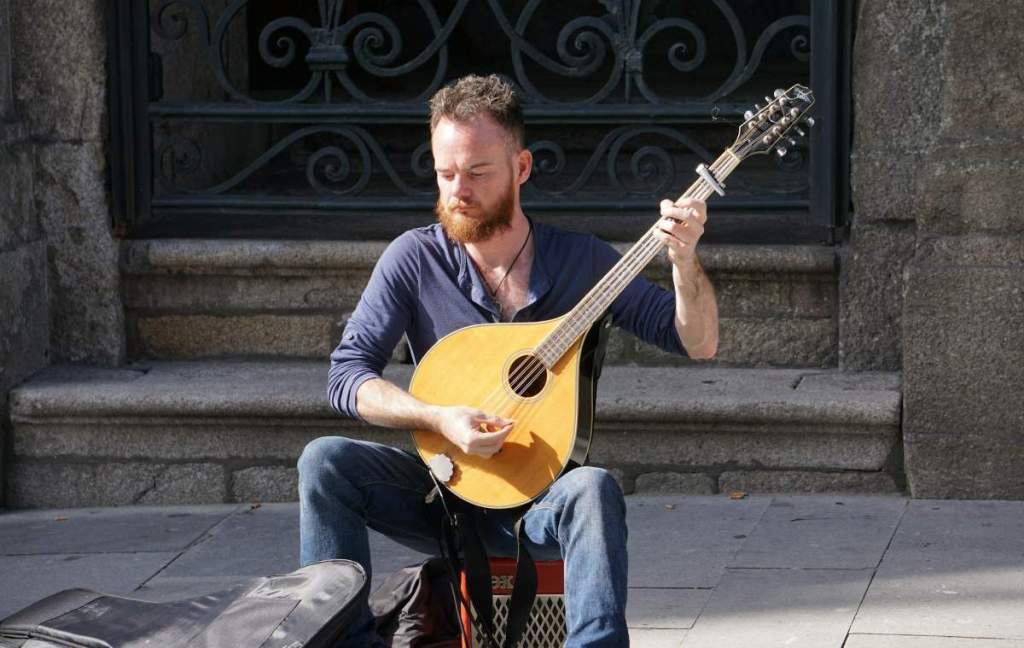
Beyond the fairytale palaces and verdant gardens, the soulful sounds of Fado music complete your perfect Sintra getaway. This distinctly Portuguese art form reveals the nation’s emotional depth in ways that monuments alone cannot express.
What is Fado and why it matters
Fado embodies Portugal’s soul through haunting melodies and heartfelt lyrics that express saudade—that uniquely Portuguese feeling of longing and nostalgia.
This musical tradition earned UNESCO recognition as Intangible Cultural Heritage of Humanity, which speaks to its deep cultural significance.
The art form emerged from sailors’ tavern songs in Lisbon’s old neighborhoods during the 19th century and evolved into refined performances in intimate venues.
Best places to experience it in Sintra
While Lisbon remains Fado’s heartland, Sintra provides authentic experiences away from tourist crowds.
Local residents highly recommend Sabores de Sintra as the top venue. You might also want to visit Quinta dos Lobos for special Fado concerts.
The adventurous souls can head to nearby Tasca do Chico, an intimate setting where performances typically start at 9 PM.
Explore Cabo da Roca and Praia da Ursa
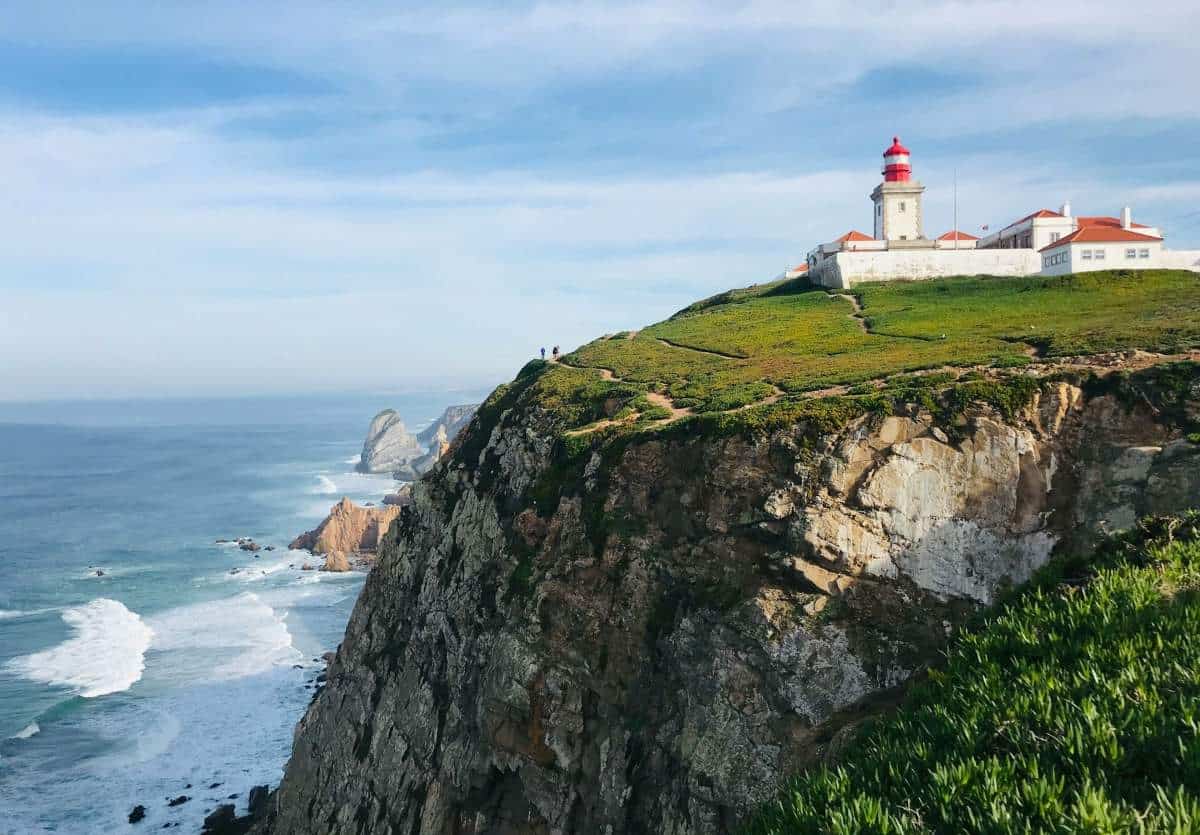
Sintra’s rugged coastal edge showcases some of Portugal’s most dramatic landscapes.
Cabo da Roca has a small visitors center with restrooms (remember your coins), a lighthouse from 1772, and a monument showing Europe’s westernmost coordinates: latitude 38° 47´ north and longitude 9° 30´ west.
This windswept headland and the nearby Praia da Ursa beach give visitors an exceptional experience that’s nowhere near the town’s ornate palaces.
How to reach the westernmost point of Europe
Cabo da Roca is located 18 km west of Sintra and 15 km north of Cascais. The trip takes about 20-30 minutes by car from Sintra along route N247, and you’ll find free parking at the site.
You also have two bus options if you’re using public transport:
- Bus 1624: Connects Sintra and Cascais via Cabo da Roca, costs €2.60 each way
- Bus 403/1253: Leaves from Sintra’s main train station and takes about 40-45 minutes
Your best route from Lisbon starts with a train to either Sintra or Cascais, then catching a connecting bus. The whole trip usually takes about an hour and a half.
The panoramic views of Serra de Sintra and the dramatic coastline make the trip worth every minute.
Hiking tips for Praia da Ursa
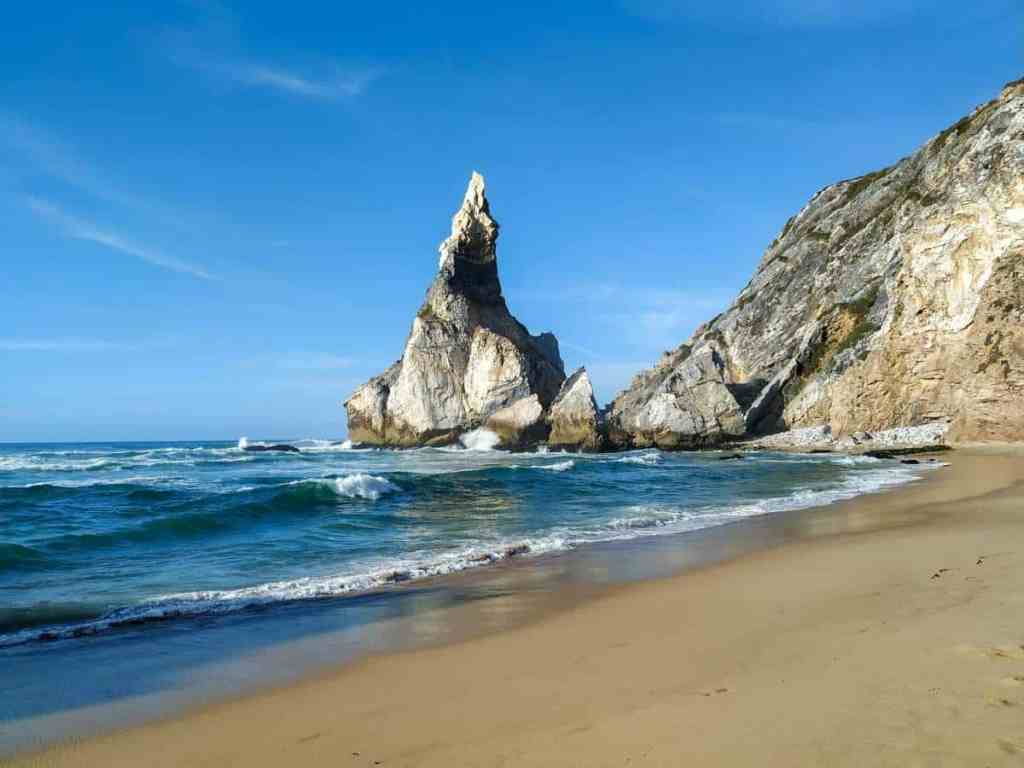
The spectacular Praia da Ursa beach is just 1 km north of Cabo da Roca. People know it for rock formations that look like Hershey’s kisses or, as its name suggests, a bear and her cub.
A moderately challenging 30-45 minute hike each way leads you to this hidden gem. The 1.6 km trail has multiple splits – you’ll want to take paths going left to reach viewpoints and Praia da Ursa.
Essential hiking considerations:
- Difficulty: The path has steep sections with loose sand and rocks, plus one part with a rope for support
- Footwear: You need proper hiking shoes – don’t be one of those visitors who regret wearing sandals
- Timing: Head out before 8:30am for solitude, or catch spectacular sunset views in late afternoon
- What to bring: Pack water, sunscreen, swimwear if you plan to swim, and snacks (you might find vendors selling refreshments on the trail)
The beach rewards you with striking rock formations, golden sands, and powerful waves. Its remote location keeps crowds small, even during peak season.
Combining with a coastal day trip
Cabo da Roca works great as a starting point to learn about Sintra’s magnificent coastline. These nearby spots will help create a memorable coastal day:
Praia da Adraga lies just 2km north of Praia da Ursa and offers easier beach access. The prominent seafood restaurant (Restaurante da Adraga) right on site makes a perfect lunch stop after your morning hike.
The Sintra Coastal Trail stretches 11.5km from Cabo da Roca to Azenhas do Mar for ambitious hikers. The trail follows dramatic cliffs with ocean views throughout. Even short sections of this trail offer breathtaking vistas.
A great circular route starts at Praia da Adraga, continues to Praia da Ursa, and ends at Cabo da Roca. On this path, you’ll see a variety of coastal scenery in one trip.
Cabo da Roca looks its best at sunset. The lighthouse beam comes alive and golden light bathes the cliffs. After sunset, you can head back to Sintra or visit the seaside town of Cascais to complete your day exploring Sintra’s less-visited coastal treasures.
Wine Tasting Near Sintra
Colares, one of Portugal’s oldest wine regions, is located right next to Sintra. This area produces special wines from the native Ramisco grape, creating rare and highly-valued bottles.
The Adega Regional de Colares (Colares Regional Winery) is Portugal’s oldest cooperative winery, located just 20 minutes from Sintra. Visitors can taste regional wines and tour the winery and bottling facilities. The winery’s interior amazes guests with its striking size and rows of aging casks.
Tour operators combine Sintra’s attractions with wine tastings. You can visit beaches and clay soil vineyards that make Colares wines unique. Wine Tours let you taste green, white, red, and rosé wines paired with Portuguese cheeses, sausages, and other local treats.
Sintra Food & Wine Experience – Tapas, Tastings & Culture
Frequently Asked Questions (FAQs)
Final Thoughts on Essential Sintra Things to Do That Most Guides Won’t Tell You
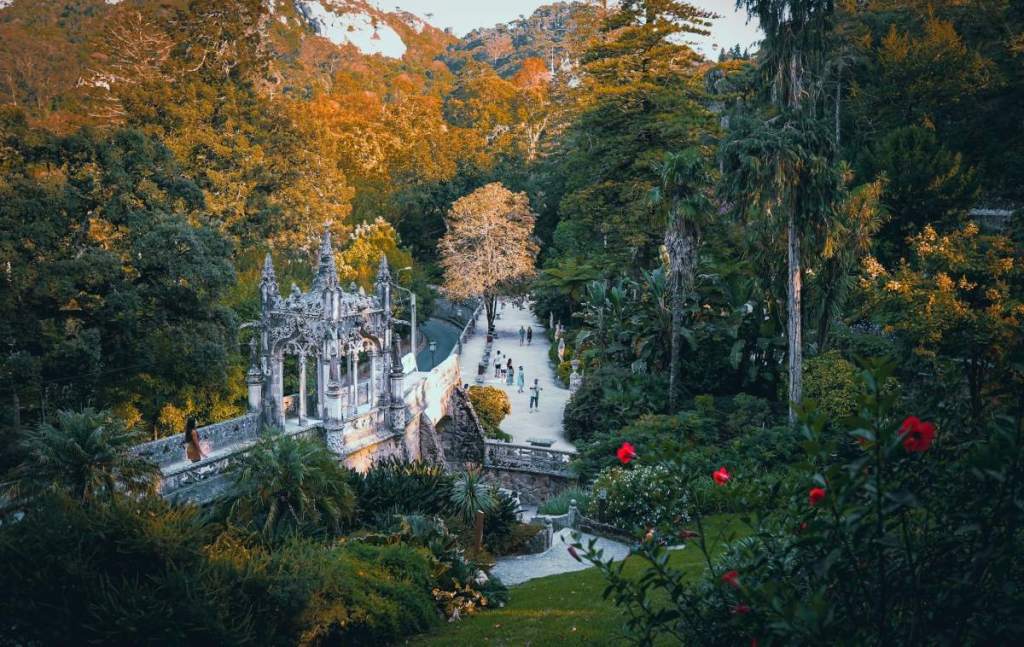
Sintra is nowhere near just a day trip if you’re ready to step away from the tourist crowds. Pena Palace deserves all its fame, but this UNESCO site has hidden gems that reward travelers who take their time to explore.
The historic center feels most authentic early in the morning before tour buses roll in. Nature lovers will find Sintra-Cascais Park’s wonders a perfect match to the architectural beauty, whether they explore it on foot or e-bike.
Monserrate Palace is Sintra’s hidden treasure, with peaceful gardens and stunning architecture that doesn’t draw massive crowds. The simple Convent of the Capuchos stands in stark contrast to the area’s fancy palaces, showing that Sintra’s heritage covers both luxury and simplicity.
The coastal views at Cabo da Roca and the tough climb to Praia da Ursa create lasting memories for nature enthusiasts at Europe’s westernmost point.
Most visitors rush between major landmarks, but Sintra’s food scene needs your attention. Local food tours and wine tastings nearby show you another side of Portuguese culture that connects you with age-old traditions through amazing flavors.
You need at least two full days to see Sintra’s attractions properly. Your time here will give you memories that go way beyond the usual tourist experience.
This Portuguese gem holds countless secrets for travellers who look past the obvious spots. The real magic isn’t just in the famous landmarks – it’s in those unexpected moments and hidden spots that most visitors never find.