
Thessaloniki Bucket List: Ancient Treasures & Modern Delights
Thessaloniki deserves a spot on your bucket list. This Greek gem ranks as the country’s second-largest city after Athens, yet it stays under the radar compared to the capital and Greek islands. The lack of spotlight might actually be a blessing for travelers who want to experience authentic Greek life.
The city rests on the stunning Thermaic Gulf, 190 miles north of Athens, and never fails to amaze its visitors. You’ll find a seamless mix of ancient wonders and modern life packed into a walkable area where the main sights are just steps away. The activities in Thessaloniki are not only varied but also come with shorter lines and better prices than other Greek hotspots.
The city packs everything from Roman and Byzantine monuments to a lively food scene that will make your visit unforgettable. Many travelers regret not spending more time in this dynamic port and university hub with its laid-back atmosphere and Mediterranean spirit. This detailed guide will help you find the best spots in Thessaloniki and build the perfect to-do list for your trip.
Disclaimer: This post may contain affiliate links, meaning I receive commissions for purchases made through those links at no cost to you. Please read my full disclosure for more information.
Ancient Treasures: Roman and Byzantine Landmarks
The remarkable Roman and Byzantine monuments bring Thessaloniki’s ancient past to life. The city center showcases impressive structures that tell the story of this historic port city. These magnificent sites should be at the top of your Thessaloniki bucket list!
White Tower and its transformation
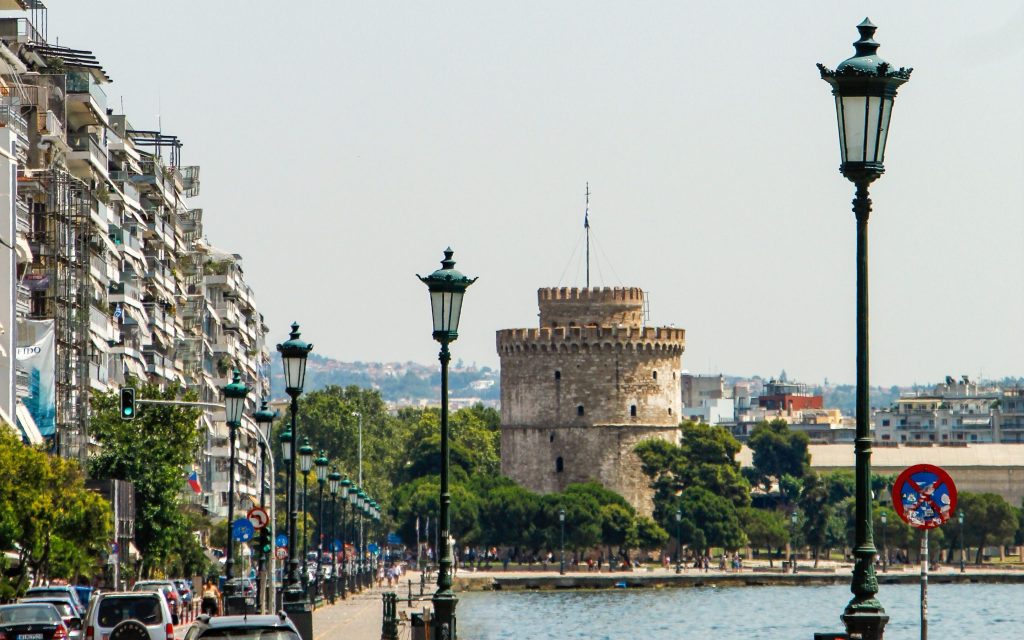
Standing tall along Thessaloniki’s waterfront, the White Tower is one sight you simply can’t miss. It’s the city’s most famous landmark — a peaceful-looking stone tower with a history far more dramatic than it appears.
Built by the Ottomans in the 15th century after they took Thessaloniki in 1430, the tower replaced an older Byzantine fort. Over the years, it served many roles — from a garrison to a prison — and its dark past once earned it the chilling nickname “Tower of Blood.”
Things changed in 1890 when a prisoner earned his freedom by painting the tower white, symbolizing a new beginning. When Greece regained control of the city in 1912, the White Tower took on a new life as a proud symbol of Thessaloniki’s resilience.
Today, you can step inside and explore six floors filled with fascinating exhibits that tell the city’s story. Climb the spiral staircase to the top, and you’ll be rewarded with sweeping views of the skyline and the sparkling Thermaic Gulf — a view that absolutely deserves a spot on your Thessaloniki bucket list.
Rotunda and Arch of Galerius

The Rotunda, one of Thessaloniki’s oldest and most impressive monuments, sits just a short walk from the city center. Roman general Galerius built this massive circular structure around 306 AD. The enormous dome and thick walls have helped the Rotunda survive earthquakes and time.
Experts still debate whether it was meant to be Galerius’ tomb or a temple to Zeus, but its architectural importance is clear. The building’s story spans 1,600 years – from a pagan monument to an Orthodox church with beautiful mosaics, and later a mosque under Ottoman rule.
Next to the Rotunda stands the Arch of Galerius, known locally as “Kamara”. Built between 298-305 AD, this arch celebrated Galerius’ Persian victory. Three of the eight piers remain today, showing detailed relief sculptures of Roman victories over Persia.
UNESCO recognizes both monuments on its World Heritage List as outstanding examples of early Byzantine art and architecture.

Roman Agora and Galerian Complex
a short walk from Aristotelous Square, you’ll step into the heart of ancient Thessaloniki at the Roman Agora — once the bustling center of social, political, and spiritual life for more than 300 years, from the late 2nd century AD to the early Byzantine era.
As you wander through the site, you’ll see the remains of an Odeon, public square, and covered stoa, along with traces of old Hellenistic baths that hint at what daily life once looked like here.
But what really grabs attention are the Cryptoporticus corridors — semi-underground passageways built cleverly into the natural slope of the land. Today, the Museum of Ancient Agora is tucked beneath the ruins brings this ancient world to life with artifacts and stories that connect you to Thessaloniki’s layered past.
Not far from here, the Galerian Complex offers another window into the city’s Roman and Byzantine eras. When Emperor Galerius made Thessaloniki his imperial seat around the 3rd and 4th centuries AD, he built an enormous complex that included his palace, the Arch of Galerius, the Rotunda, and even a hippodrome.
You can still explore parts of the palace and the impressive Apsidal Hall around Navarinou Square, beautifully preserved thanks to award-winning restoration efforts recognized by the European Union and Europa Nostra in 2008.
Together, these ancient landmarks tell the story of a city that has always been at the crossroads of empires — and they definitely deserve a spot on your Thessaloniki bucket list.
Sacred Spaces: Churches and Religious Heritage
Thessaloniki’s religious heritage stands among Europe’s finest treasures. Byzantine churches here showcase extraordinary artistic achievements that span more than a millennium.
These sacred spaces should be on your Thessaloniki bucket list as they offer glimpses into the city’s spiritual development.
Agios Dimitrios Basilica and crypt
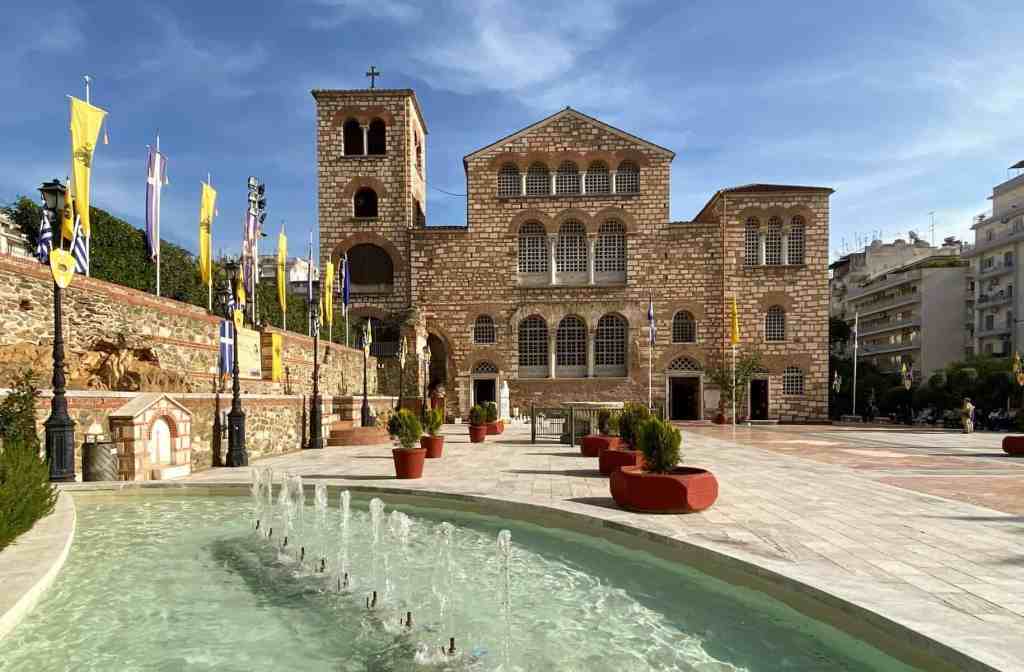
Agios Dimitrios holds a special place in local residents’ hearts. Thessalonikians share a deep bond with their patron saint.
His relics returned home triumphantly in 1978 from Italy’s Abbey of San Lorenzo in Campo after centuries away. The saint met his martyrdom on this very spot in 306 AD during Emperor Galerius’ persecution of Christians.
The atmospheric crypt lies beneath the main church—the exact spot where Saint Demetrius was imprisoned and martyred. This space, originally part of an ancient Roman bathhouse, became part of the 5th-century church. Its fountain turned into a source of holy water. Byzantine pilgrims collected myron, a sweet-smelling oil they believed flowed from the saint’s relic.
The restored crypt now houses a permanent exhibition. Seven themed rooms display sculptures, column capitals, parapets, and other church artifacts. Visitors can see remains of the original ciborium built to house the saint’s icon and later his sarcophagus.
Hagia Sophia and its mosaics
Agia Sophia (“Holy Wisdom”) ranks among Thessaloniki’s oldest churches. The church’s story spans centuries of change.
The late 7th century saw its construction on ruins of a larger five-aisled basilica destroyed by the massive earthquake of 620. This church exemplifies Middle Byzantine architecture with its domed Greek cross plan.
Breathtaking mosaics from the 9th to 11th centuries make this monument truly special. The dome showcases a spectacular Ascension of Christ mosaic against gold. Christ appears seated on a rainbow within a mandorla supported by angels. Twelve apostles stand in awe around him, joined by the Virgin Mary and angels.
Ottoman sultan Murad II captured Thessaloniki in 1430 and turned it into a mosque. It served this purpose for nearly 500 years until the city’s liberation in 1912 restored it as a church.
Panagia Chalkeon and other hidden churches
The Church of Panagia Chalkeon earned its nickname “Red Church” from its distinctive brick construction. Protospatharios Christopher, a Byzantine official, built this masterpiece in 1028. The church follows classic Byzantine style with four main columns and three cupolas.
The founder’s inscription above the west entrance reveals its construction on a “profane” site—likely a former pagan worship place. The exterior shows remarkable artistry. Arches and pilasters create flowing grace, while marble carvings have lasted nearly a millennium.
St. David’s Church (Latomos Monastery) hides among Thessaloniki’s religious treasures. Built in the 5th century, it served as the katholikon of Christ the Savior Monastery. A rare Early Christian mosaic shows Christ as a young, beardless man—an invaluable artistic treasure. Local tradition says this mosaic appeared miraculously in the 9th century.
These sacred monuments shaped Byzantine art and architecture worldwide. UNESCO recognized their artistic and historical value by designating them World Heritage Sites along with other Paleochristian and Byzantine monuments in Thessaloniki. The mosaics of Rotunda, Saint Demetrius, and Hosios David rank among early Christian art’s greatest masterpieces.
Anyone planning a Thessaloniki itinerary should visit these sacred spaces. They offer more than architectural beauty—they provide spiritual connections to centuries of devotion, artistic excellence, and historical significance.
The Upper Town Experience: Views and History
Ano Poli (Upper Town) sits above the modern city and gives visitors a chance to step back in time while enjoying some of the best views you’ll find on any thessaloniki bucket list. This old neighborhood stands in stark contrast to the busy city below and has kept Thessaloniki’s spirit alive through centuries of dramatic changes.
Ano Poli’s cobbled streets
The great fire of 1917 destroyed much of Thessaloniki, but Ano Poli survived. This makes it the city’s oldest and most authentic area.
Walking through the narrow, winding streets you’ll see a mixture of traditional houses with unique architecture. Small squares buzz with local life, and charming cobblestone paths sometimes lead nowhere at all.
Tsinari area gives you a relaxed spot to try authentic food from Macedonia and Asia Minor in its cozy tavernas. The neighborhood’s lovely cafes are a great way to get a taste of Greek coffee while soaking in the unique atmosphere.
You can still see the original Byzantine and Ottoman-era layout of the city here. Stone-paved alleys lined with colorful houses create scenes that feel more like a village than part of Greece’s second-biggest city.
Travel tip: You’ll need good walking shoes to handle the hills and uneven ground.
Trigonion Tower and Heptapyrgion
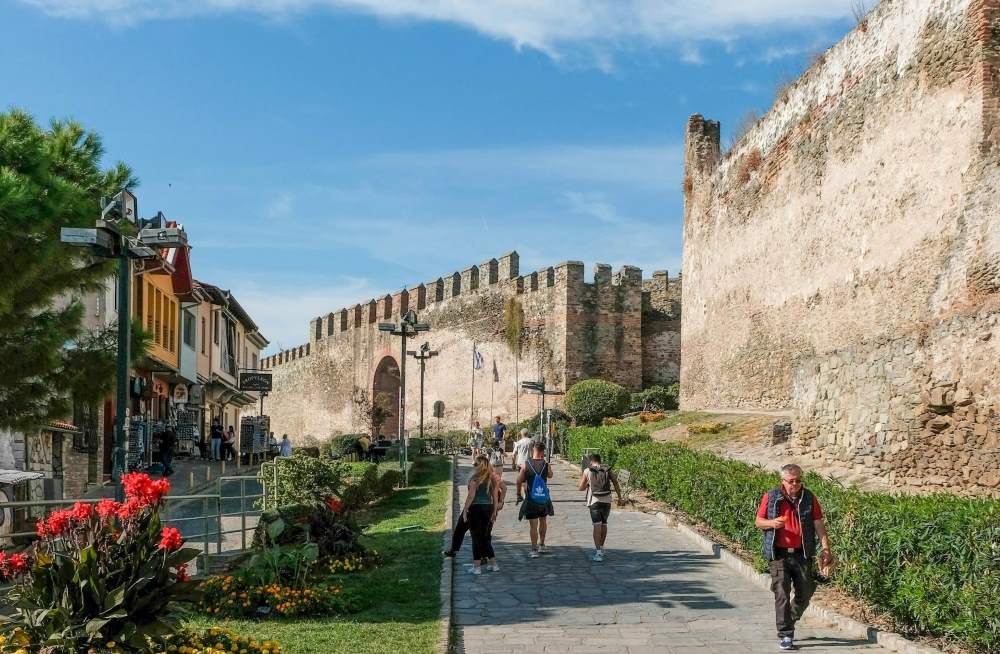
Late 15th century builders created the impressive Trigonion Tower to protect what they saw as the city’s weakest defensive point. People call it “the balcony of Thessaloniki” because it lets you see the whole city wrapped around the Thermaic Gulf.
The massive Heptapyrgion fortress stands nearby. Though its name means Seven Towers, it actually has ten. This Byzantine and Ottoman building sits at the northeastern corner of Thessaloniki’s acropolis.
The fortress changed roles throughout history. It started as a defensive stronghold and became home to the military governor with 300 soldiers. From the 1890s until 1989, it served as a prison that underground rebetiko music often mentioned.
Extensive restoration work began in the 1990s, and now it stands proud as a symbol of the city’s rich history.
Vlatadon Monastery and Prophet Elijah Church
Vlatadon Monastery dates back to the 14th century and gives visitors both spiritual meaning and amazing views of Mount Olympus. Brothers Dorotheos and Markos Vlattis, who followed Saint Gregory Palamas, built it.
The Ottomans turned the monastery into a mosque but later let it work as a monastery again. This monastery remains unique as Thessaloniki’s only working Byzantine monastery.
The Church of Prophet Elijah (Profitis Elias) is close by, showing off its unique 14th-century architecture. Built around 1360, it shows the “Athonite type” church design with a cross-in-square layout and side choruses.
The church’s builders used alternating white stone and brick layers, showing Constantinople’s influence rather than local Macedonian style.
The wall paintings inside from 1360-1370 still show amazing detail and realism. These include scenes from Christ’s life and many saints. These artistic treasures helped shape later Serbian church paintings.
Anyone planning a Thessaloniki itinerary will find that these Upper Town historic sites are without doubt some of the best things to see in Thessaloniki.
Modern Culture: Museums and Art Installations
Thessaloniki beautifully blends its ancient ruins and sacred spaces with modern cultural experiences. The city’s mix of historical legacy and contemporary arts creates must-see attractions that belong on every Thessaloniki bucket list.
Museum of Byzantine Culture
The Museum of Byzantine Culture takes you through time with its 11 permanent galleries that tell the Byzantine world’s story. Each space reveals a different chapter of this remarkable civilization, from Early Christian churches to the empire’s final days.
History comes alive through authentic exhibits from Thessaloniki and Macedonia. Room 11 adds another layer to the experience by showing how artifacts make their way from excavation sites to museum displays.
The museum’s excellence earned it the Council of Europe Museum Prize in 2005. This recognition highlighted its role in helping people learn about European cultural heritage.
Jewish Museum of Thessaloniki
The Jewish Museum of Thessaloniki opened in 2001 in a beautifully restored 1904 building and tells the story of Jewish life that spans more than 2,000 years.
The museum’s collection holds precious pieces of history – tombstones from the destroyed Jewish cemetery, materials from synagogues torn down during German occupation, rare Hebrew books, family treasures, and pre-war photographs.
The museum grew twice its size in 2019. Also digital apps now help visitors explore Jewish heritage sites throughout the city.
Thessaloniki Jewish Heritage: Private Guided Tour
The Umbrellas by Zongolopoulos
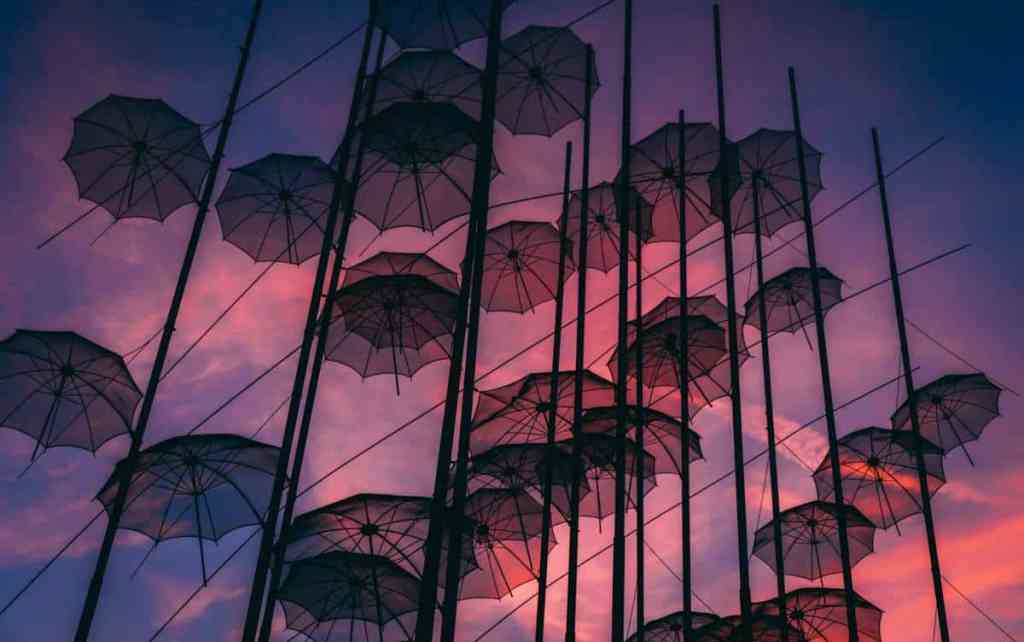
“The Umbrellas” has become one of Thessaloniki’s most photographed spots and should be on every Thessaloniki itinerary.
George Zongolopoulos created this eye-catching installation in 1997 when the city served as European Capital of Culture. These striking umbrella structures reach 13 meters into the sky.
The waterfront location (Nea Paralia) lets these umbrellas stand boldly against the Thermaic Gulf’s backdrop. The artwork changes throughout the day and glows with different lights at night, creating a magical atmosphere.
These cultural spots rank among the best things to see in Thessaloniki. Art and history blend here to create memories that last long after you leave.
Thessaloniki for Food Lovers
Thessaloniki’s food scene deserves a special place in every visitor’s plans. Greece’s food capital offers tastes that showcase centuries of cultural exchange and delicious innovation. These culinary experiences should top your list of things to do in Thessaloniki.
Bougatsa, koulouri, and local sweets
Your Thessaloniki bucket list must include bougatsa—a heavenly pie made with handmade thin, crispy phyllo. Nearly 1,000 shops now serve this iconic pastry. You can enjoy sweet versions with cream, icing sugar and cinnamon, or savory ones filled with cheese, spinach, or minced meat.
Koulouri Thessalonikis is the city’s most photographed snack. These sesame-crusted bread rings date back to the Byzantine Empire. You’ll find koulouri vendors at every corner and bakery. Most locals enjoy these treats for breakfast with their coffee.
Trigona Panoramatos are crispy pastry triangles soaked in syrup with velvety custard cream inside. Confectioner Yannis Elenidis created them in 1956, and they’ve become so iconic that they’re seeking Protected Geographical Indication certification.
Best places for souvlaki and meze
In Aristotelous Square you’ll find Souvlakia, where amazing aromas draw people in. The Ladadika district features Mpoukia, known for its exceptional souvlaki, gyros, and grilled specialties.
Thessaloniki celebrates meze culture with small shareable plates that complement drinks and spark conversation. These tasty bites often include seafood—steamed mussels, fried anchovies, grilled sardines—plus classics like tzatziki, feta, and olives.
Modiano Market’s taverns and Ful Tou Meze restaurant offer authentic meze experiences.
Rooftop dining and ouzeri culture
Ouzeri establishments capture Thessaloniki’s spirit by pairing drinks with small plates. These spots spread across the city and shaped Thessaloniki’s unique food culture.
This tradition started near Kapani and Modiano food markets, where simple shops served meze with ouzo, tsipouro, and retsina. Prominent ouzeri like Iordanis and Kosmas maintain this tradition with fresh seafood specialties. Mezen stands out with 118 different spirit labels, including 19 types of aged tsipouro.
The meze-ouzo combination follows simple rules. Briny seafood, salty feta, tangy olives, and light meats work best with ouzo. Rich, fatty meats and tomato-based dishes pair well with tsipouro.
These flavor-packed experiences belong on your Thessaloniki to do list. They showcase the city’s rich cultural heritage through unforgettable tastes.
Markets, Shopping, and Local Finds
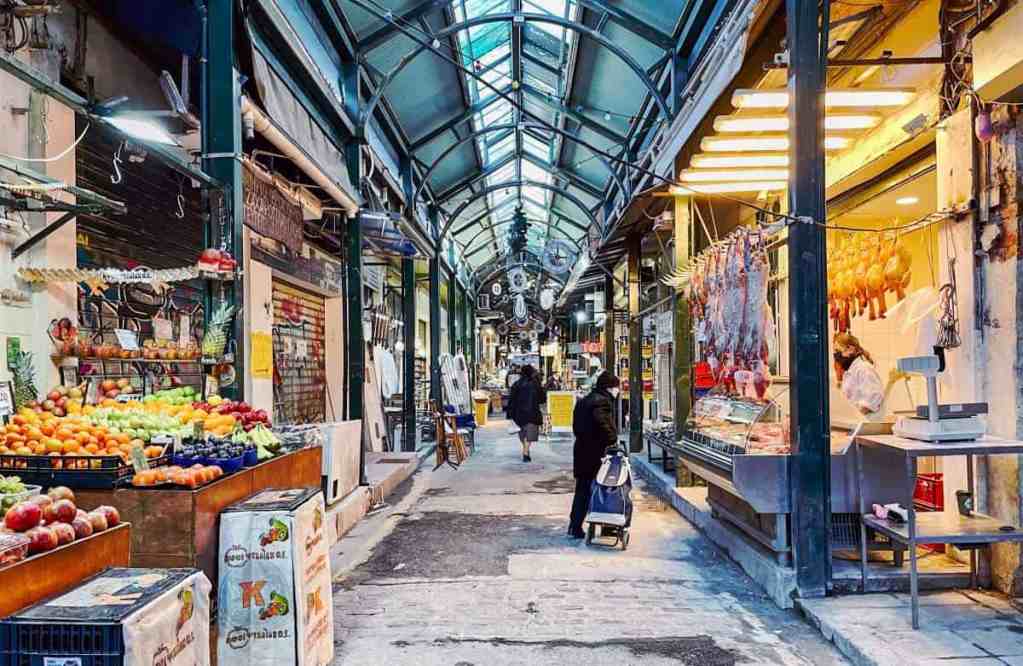
The bustling markets and shopping streets of Thessaloniki are a chance to experience local life that exceeds typical tourism. Shopping in these historic markets isn’t just a transaction—it’s a cultural experience worth adding to your Thessaloniki bucket list.
Modiano and Kapani Markets
Kapani Market, Thessaloniki’s oldest marketplace, buzzes with colorful shops that sell everything from fish and meat to vegetables, olives, spices, and clothing.
The newly renovated Modiano Market is another must-visit Thessaloniki attraction. The market features 75 stalls in distinct “neighborhoods” that sell fresh products and craft foods.
Visitors can find unique treats like olive oil ice cream, artisanal breads, and microbrewery beers. Parisian markets inspired the market’s basilica shape and partial glass roof, yet it keeps its Thessalonian character.
Tsimiski Street and boutique shops
Tsimiski Avenue stretches 1.2 kilometers from Aggelaki Street to Ionos Dragoumi and serves as a shopping paradise.
This lively boulevard features international brands, department stores, and the “Plateia” shopping mall with multiplex cinemas. Street musicians add charm to shopping trips, particularly during Christmas season.
Luxury shoppers should visit Mitropoleos Avenue, Proxenou Koromila Street (once called The First Parallel), and Ermou Street. These streets offer luxury boutiques and global fashion brands.
Budget-conscious shoppers will find great options along Egnatia Avenue.
Craft stores and local souvenirs
Thessaloniki’s unique shops go beyond tourist trinkets. The side streets off main shopping areas hide charming cafes and unique boutiques that create a more intimate shopping experience.
“From Thessaloniki” specializes in Greek-made gifts at various price points. “En Karpo” brings local flavors through nuts, dried fruits, artisan chocolates, and traditional snacks.
Design lovers will appreciate “Onarion The Greek Concept Store” with its refined products by young Greek designers. “Hellofrom Thessaloniki” showcases high-quality gifts with clean lines and local character.
Seaside Leisure: Promenade, Cruises, and Cafes
The Mediterranean charm of Thessaloniki’s shimmering coastline creates a refreshing contrast to its historical landmarks. This seaside playground has grown into one of the most beloved Thessaloniki attractions where visitors can relax with locals.
Walk the Nea Paralia promenade

Thessaloniki’s New Waterfront, which opened in 2013, quickly became a local favorite. The impressive regeneration project features 1,100 trees in its green spaces.
The 3.5-kilometer pedestrian zone features cycle paths, sports facilities, and children’s play areas. Visitors can enjoy water gardens, modern sculptures, and stunning Aegean views.
Thirteen “green rooms” scattered throughout the promenade serve as peaceful reading spots and host free yoga classes.
Nea Paralia’s design by Prodromos Nikiforidis and Bernard Cuomo has earned recognition as one of the world’s best promenades.
Take a sunset boat cruise
If you’re looking for a truly unforgettable experience in Thessaloniki, a sunset cruise from Nea Michaniona port deserves a top spot on your bucket list.
Most cruises last around two to three hours, giving you plenty of time to relax and soak in the views. You’ll usually get a chilled bottle of wine to share with your small group, along with fresh seasonal fruit — the perfect combo for a dreamy evening at sea.
If the weather’s right, you can even dive in for a refreshing swim in the Aegean’s crystal-clear waters. On a clear day, look toward the horizon and you might just spot the silhouette of Mount Olympus rising in the distance.
It’s peaceful, romantic, and utterly magical — the kind of experience that reminds you why travel is worth every moment!
Coffee culture on Nikis Avenue
Coffee means more than just a beverage in Thessaloniki—it’s a ritual. The city has more cafes per capita than any European metropolis.
Locals prefer the waterfront, particularly Nikis Avenue, to enjoy their daily caffeine fix. Visitors can people-watch or join the Thessalonian tradition of animated conversations over slowly sipped coffee.
Thermaikos Café at 21 Nikis Avenue and Café Nikis 35 showcase this unique culture by the sea. These venues combine excellent service with prime waterfront locations.
Beyond the City: Day Trips and Nature Escapes
Thessaloniki’s charm extends beyond its city limits. The surrounding region boasts natural wonders and cultural treasures that will make your Northern Greece visit even more memorable.
Lake Kerkini and birdwatching
Around a two-hour drive northeast of Thessaloniki, Lake Kerkini National Park feels like stepping into another world. Surrounded by farmlands and the dramatic slopes of Mount Kerkini, this peaceful lake is one of Greece’s most breathtaking natural treasures.
The area is a paradise for birdwatchers, home to hundreds of species that migrate through or live here year-round.
One of the best ways to experience the park is by joining a traditional Varkada boat tour. The small wooden boats glide quietly across the calm water, bringing you up close to colonies of rare birds and untouched stretches of shoreline.
Lake Kerkini isn’t just a stop on a map — it’s a place to pause, breathe deeply, and feel connected to the wild side of northern Greece. If you love nature, peace, and a touch of adventure, this magical lake absolutely belongs on your Thessaloniki bucket list.
Pozar Thermal Baths and Edessa waterfalls
About two hours northwest of Thessaloniki, the Pozar Thermal Baths offer the kind of natural escape that makes you forget time exists.
Tucked away in the green foothills of Mount Voras, these warm, mineral-rich springs bubble up at a steady 37°C, creating the perfect outdoor spa experience. Entry costs only a few euros, and the setting feels wonderfully peaceful — no flashy resorts, just pure nature and rejuvenation.
After your dip, wander over to the nearby village of Orma, where family-run tavernas serve hearty Greek meals made with local ingredients. It’s the kind of simple joy that defines slow travel in northern Greece.
From there, continue your adventure to Edessa, a charming town famous for its dramatic waterfalls that tumble right through the city. Take your time exploring the Varosi district, an old neighborhood filled with stone houses, wooden balconies, and narrow cobblestone paths that tell stories of another era.
Mount Olympus and Meteora monasteries

Greek mythology fans should head to Mount Olympus, the legendary home of Greek gods. Trains run from Thessaloniki’s New Railway Station to Litochoro Station.
The breathtaking Meteora monasteries perch atop dramatic sandstone pillars showcase Byzantine spirituality. Day tours from Thessaloniki usually visit two of the six active monasteries. You’ll see amazing frescoes and valley views that stretch forever.
Frequently Asked Questions (FAQs)
Final Thoughts: Thessaloniki Bucket List
Thessaloniki definitely deserves a spot on your Greek travel itinerary. This charming city gives you an experience that few destinations can match. Ancient Roman ruins, Byzantine churches, Ottoman influences, and vibrant modern culture sit within walking distance of each other. The city lacks overwhelming tourist crowds, which lets you discover it at your own pace and connect better with local life.
The city’s amazing food scene makes it worth the visit alone. Your taste buds will dance from morning bougatsa to evening meze with ouzo at a waterfront ouzeri. These flavors tell stories of the city’s multicultural past. The newly renovated waterfront promenade offers stunning sunset views among locals who enjoy their daily rituals.
The most remarkable thing about Thessaloniki is how it mixes its rich history with a modern outlook. Ancient treasures fill the museums while modern art pieces like “The Umbrellas” add contemporary charm. Without doubt, you’ll find unexpected delights around every corner of this ever-changing city.
Your days here could include visits to UNESCO-listed Byzantine churches, food tasting at Modiano Market, or trips to natural wonders like Lake Kerkini. Thessaloniki rewards travelers who step away from Greece’s popular tourist spots. Many visitors make one big mistake – they don’t give themselves enough time to experience this Mediterranean gem where old meets new in an unforgettable Greek adventure.
Thessaloniki Blogs
Thessaloniki Tourist Attractions

Thessaloniki Day Trips

Thessaloniki Hotels
Thessaloniki Hidden Gems
Thessaloniki Itinerary