
Beyond the Acropolis: Your Ultimate Day Trips from Athens Guide
Athens fascinates visitors with ancient wonders, yet some of Greece’s most spectacular treasures lie just beyond the city limits. Travelers can easily reach awe-inspiring historical sites through day trips.
The best day trips from Athens create unforgettable memories, regardless of your interest in history or coastal beauty. Famous landmarks and hidden gems await your discovery—all within a day’s journey from Athens.
Mycenae stands out with its peak population of 30,000 people in 1350 BC, while Delphi serves as ancient Greece’s religious sanctuary dedicated to Apollo. Delphi ranks among tourists’ favorite day trips, featuring a stunning UNESCO World Heritage site that sits majestically atop a mountainside.
The world’s best-preserved ancient amphitheater welcomes visitors in Epidaurus. The magnificent Temple of Poseidon, built between 444 and 440 BCE, draws tourists to Cape Sounion.
This blog will guide you through perfect excursions beyond the capital, from historical wonders to seaside escapes. You’ll find the right trips based on your interests and learn about transportation options.
Disclaimer: This post may contain affiliate links, meaning I receive commissions for purchases made through those links at no cost to you. Please read my full disclosure for more information.
Historical Day Trips from Athens
Greece’s ancient heritage reaches way beyond its capital. Some of the country’s most important archeological treasures sit just a few hours away by car. Each historical site tells its own story about Greece’s rich past.
Delphi: Oracle and mountain views

Delphi is located on Mount Parnassus. This UNESCO World Heritage site was the religious and spiritual heart of the ancient Greek world. The Greeks called it the “center of the world”.
The oracle made Delphi special – a high priestess named Pythia who spoke for Apollo. Leaders from all over Greece would come here to ask about wars, new colonies, or other big decisions. Her prophecies often came in riddles, like the famous “wooden wall” advice she gave to Athenians facing a Persian attack.
You can walk the Sacred Way path just like ancient pilgrims did. The Temple of Apollo, where Pythia gave prophecies, is the main attraction. An ancient theater offers stunning mountain views, and a stadium hosted the Pythian Games every four years – second only to the Olympics.
The Delphi Archeological Museum also holds amazing treasures like the bronze Charioteer and Naxian Sphinx.
A 2.5-hour drive from Athens takes you to Delphi. Day trips leave Athens between 7-8:30 am. Guided tours usually cover transportation and entry fees.
Mycenae: Bronze Age citadel
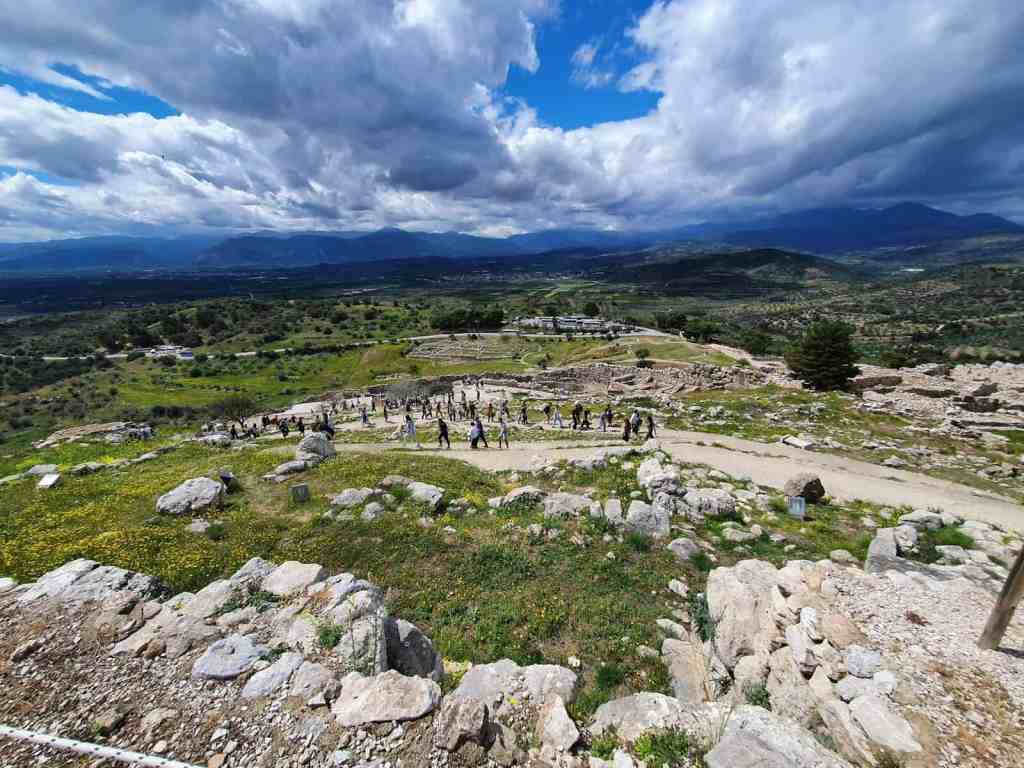
Mycenae takes you back to the Bronze Age – where Europe’s first advanced civilization began.
This mighty site led the Mycenaean civilization that ruled the eastern Mediterranean from about 1600 to 1100 BC. At its peak in the 14th century BC, nearly 30,000 people lived here.
Homer’s epic works, the Iliad and Odyssey, are tied to this city. Legend says King Agamemnon lived here before leading Greeks in the Trojan War. The city’s hilltop let ancient residents see across the Argolid to the Saronic Gulf.
Key spots to see:
- The Lion Gate – the only Mycenaean sculpture still standing
- The Royal Graves (Grave Circle A) where gold death masks came to light
- The Treasury of Atreus (or Tomb of Agamemnon) – the biggest Bronze Age tomb of its type
The Mycenae Archeological Museum shows artifacts that help explain Mycenaean life and its links to Homer’s stories.
Mycenae is located 120 km (75 miles) from Athens. A bus from KTEL Kifissos gets you there in about 1.5 hours.
Epidaurus: Ancient theater with perfect acoustics
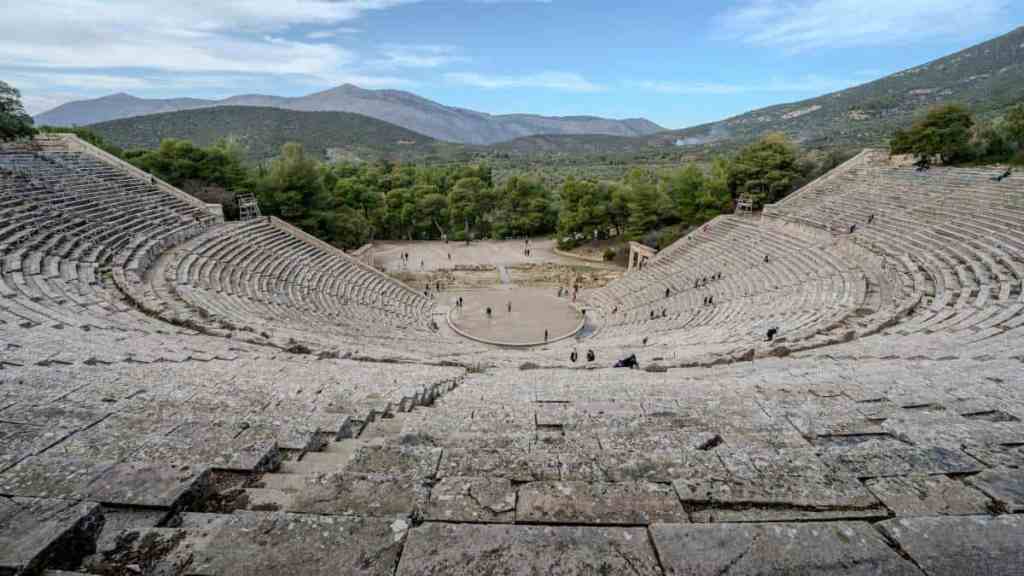
Epidaurus holds Greece’s most amazing acoustic wonder.
Polykleitos the Younger built this theater in the 4th century BCE as part of Asclepius’s sanctuary, the healing god. The theater stands out for its excellent condition and amazing acoustics. Someone speaking on the orchestra floor can be heard clearly in the highest seats.
The site also has ruins of Asclepius’s Sanctuary. Ancient Greeks came here to heal through sleep therapy, baths, and entertainment.
The theater fits 13,000-14,000 people and still hosts shows today during the annual Epidaurus Festival. Plan your visit during the Athens and Epidaurus Festival between June and August to see a show under the stars in this ancient venue.
A two-hour bus ride from KTEL Kifissos takes you to Epidaurus. Many tour companies offer day trips that combine Mycenae, Epidaurus, and the lovely town of Nafplio. This lets you see several historical treasures in one day if you’re short on time.
Coastal and Island Day Trips
The Greek capital hides more than ancient ruins. A beautiful coastline and island chain in the Aegean Sea are waiting to be discovered. These waters shine bright blue against the city’s historical sites, and you can visit several coastal treasures and islands in a single day from Athens.
Cape Sounion: Temple of Poseidon and sunset views
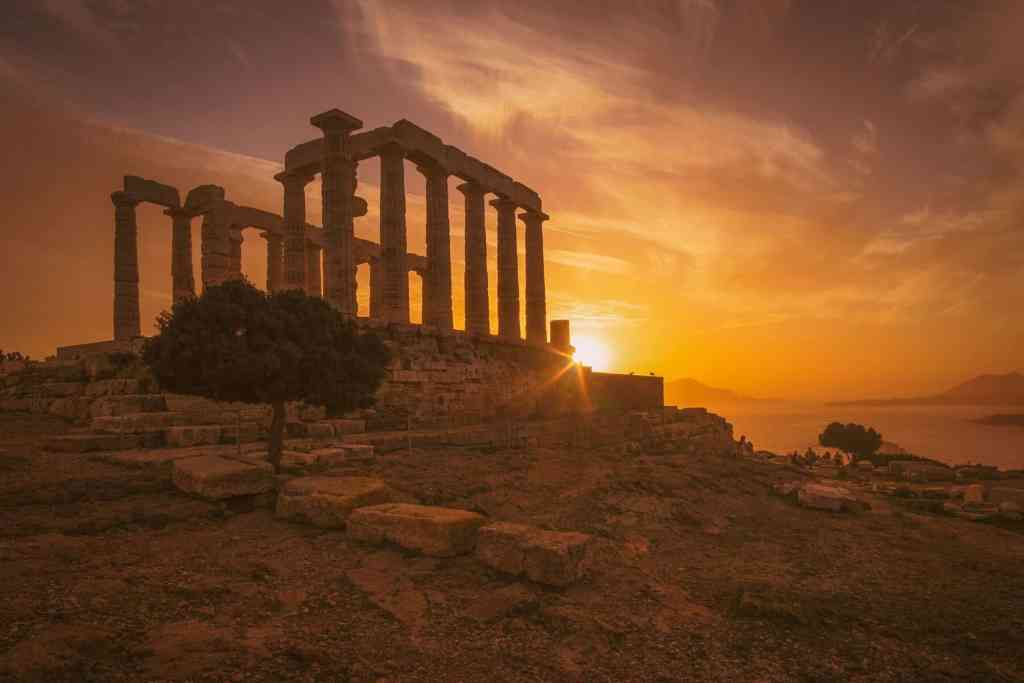
The Temple of Poseidon sits high on a cliff above the Aegean Sea at Cape Sounion, giving visitors one of Greece’s most magical sunset views.
The Temple of Poseidon is located 70 km from Athens. This makes it perfect for a half-day trip that takes about 1.5 to 2 hours each way. The drive follows the beautiful Athens Riviera, with great views of the Saronic Gulf and Athens’ prettiest suburbs like Glyfada, Vouliagmeni, and Varkiza.
History buffs will love seeing Lord Byron’s graffiti on one of the columns from the early 1800s. Greek mythology tells us Homer mentioned Cape Sounion in the Odyssey. It was the last safe harbor before Poseidon scattered the Greek navy.
Most people come in the afternoon and stay past 5:30 PM to watch the sunset. A small beach with crystal-clear water lies below the temple. You can swim there while looking up at this ancient wonder.
Aegina: Beaches and ancient temples

Aegina is a lovely island with many attractions located only 30 miles from Athens by ferry.
The trip from Piraeus port takes 40 to 85 minutes, depending on your boat choice. Ferries run every 30-60 minutes, from early morning until night. You can also join a guided tour.
The Temple of Aphaia, built around 480 BC, remains in great shape. It creates a “Sacred Triangle” with the Parthenon and Sounion’s Temple of Poseidon. Time has been kind to this temple – 25 of its 32 original pillars still stand.
Saint Nektarios Monastery is the island’s biggest religious building. Built in 1904, it has two churches and includes Bishop Nektarios’ original cell, where he lived for 13 years.
Aegina Town’s charming 19th-century center also deserves your time. Walk along the waterfront, stop by St. Nicholas Chapel, and browse the local market. Don’t forget to try the island’s pistachios – many say they’re the world’s best!
Beach fans should head to Marathonas, Aegina’s best beach. It has two parts (A and B), and B offers more space and better views. You might also like Souvala in the north or Agia Marina in the east.
Hydra: No cars, just donkeys and charm
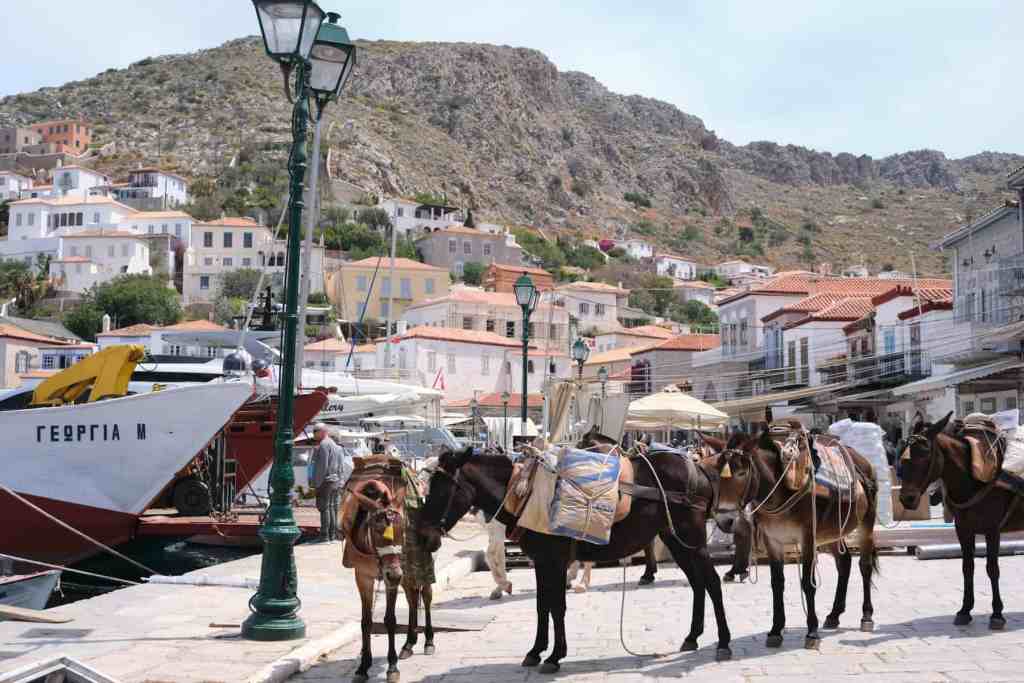
Hydra gives visitors something different. This small fishing town has grown into a sophisticated island filled with mansions, yachts, trees, and beaches. Instead of cars, you’ll see donkeys everywhere!
Boats from Piraeus take 80 to 120 minutes to reach the island. Once there, you’ll get around like locals do – on horseback.
The island draws artists and celebrities. Today, Hydra continues as a cultural center with new exhibitions and events that bring famous visitors from everywhere. The island’s narrow streets hide artists’ workshops and stylish shops.
Water taxis can take you to the best beaches. Plakes Beach has everything you need – sun loungers, umbrellas, and a seafront taverna serving delicious lunch.
Before you leave, stop at a family bakery. Try the local almond sweet called amygdalota and their rich homemade ice cream.
Hidden Gems and Lesser-Known Spots
Athens serves as a great starting point to visit Greece’s hidden treasures. You’ll find authentic experiences away from tourist crowds and get to know Greek culture, nature, and history in a more intimate way.
Meteora: A Soul-Stirring Landscape That’s Worth The Distance

If there’s one day trip from Athens that stays with you forever, it’s Meteora.
Imagine standing beneath enormous stone pillars — taller than skyscrapers — each topped with monasteries that seem to float above the clouds. Meteora is one of the most mystical places in Greece, and seeing it in person almost doesn’t feel real.
You’ll travel through rural Greece as you make your way to the town of Kalambaka. Once you arrive, you’ll visit several centuries-old monasteries (usually two or three, depending on your guided tour). Each monastery has its own story, its own priceless frescoes, and balconies with views that stretch across the valley.
The monasteries you’re most likely to visit on a guided tour are:
- Great Meteoron Monastery – the largest and most historic
- Varlaam Monastery – known for its beautiful architecture
- St. Stephen’s Monastery – one of the easiest to access
Walking paths and scenic viewpoints make it easy to take photos and soak in the atmosphere.
Even if you’re not typically a “guided tour person,” Meteora is one of those destinations where having a guide adds so much depth — the history, the engineering, the stories… you’ll appreciate every moment more.
Travel time:
- By train: ~4 hours each way
- By bus/van (guided): ~4–5 hours each way
If you’re only going to splurge on one full-day excursion from Athens, make it Meteora.
Nemea: Wine country and ancient stadium

Nemea is located 90 minutes from Athens, making it another great day trip option.
This region has produced wine for nearly 3,500 years and is home to the famous Agiorgitiko grape variety. Local winemakers call it the “Blood of Hercules” because of its deep ruby color.
The ancient stadium here dates back to the 4th century BC. Athletes competed in vital events honoring Zeus in this arena. It stretched 178 meters and held up to 40,000 spectators.
Today, you can walk through the well-preserved tunnel where ancient athletes entered the stadium. Look closely, and you’ll see old graffiti where competitors carved their names while waiting for their turn.
Greek mythology tells us this is where Hercules completed his first labor by defeating the Nemean Lion – a beast no weapon could harm.
The area is now home to several award-winning wineries. You can learn about their wine-making process and taste various Agiorgitiko wines, from light fruity varieties to complex aged reds.
Chalkida: Evia’s capital with unique sea currents
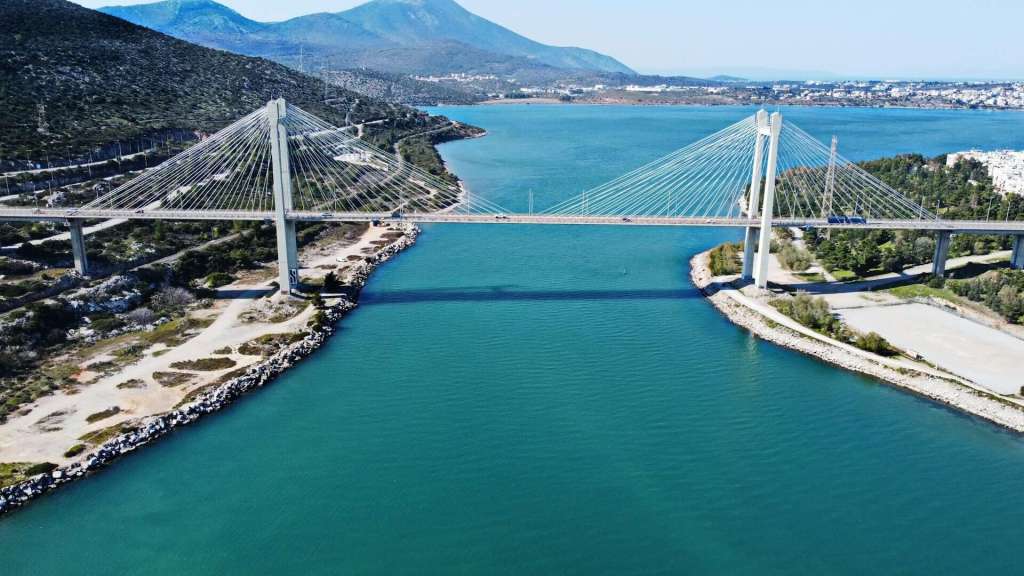
Chalkida is located 80 km from Athens and welcomes visitors to Evia, Greece’s second-largest island after Crete.
The city’s pedestrian street comes alive with stylish cafés and restaurants that stay busy throughout the day and night.
The Evripos Channel makes Chalkida special. The sea currents here switch direction every six hours. Water stays completely still for about eight minutes during each directional change. This happens four times daily, except during certain moon phases when it can occur up to 14 times per day. The sliding Negroponte Bridge gives you the best view of this natural wonder.
A modern cable bridge has made Chalkida more accessible. Many Athenians come here to escape the city’s busy atmosphere.
You can take a Thebes & Chalkida Island Private Tour from Athens.
Vouliagmeni: Thermal lake and beach escape
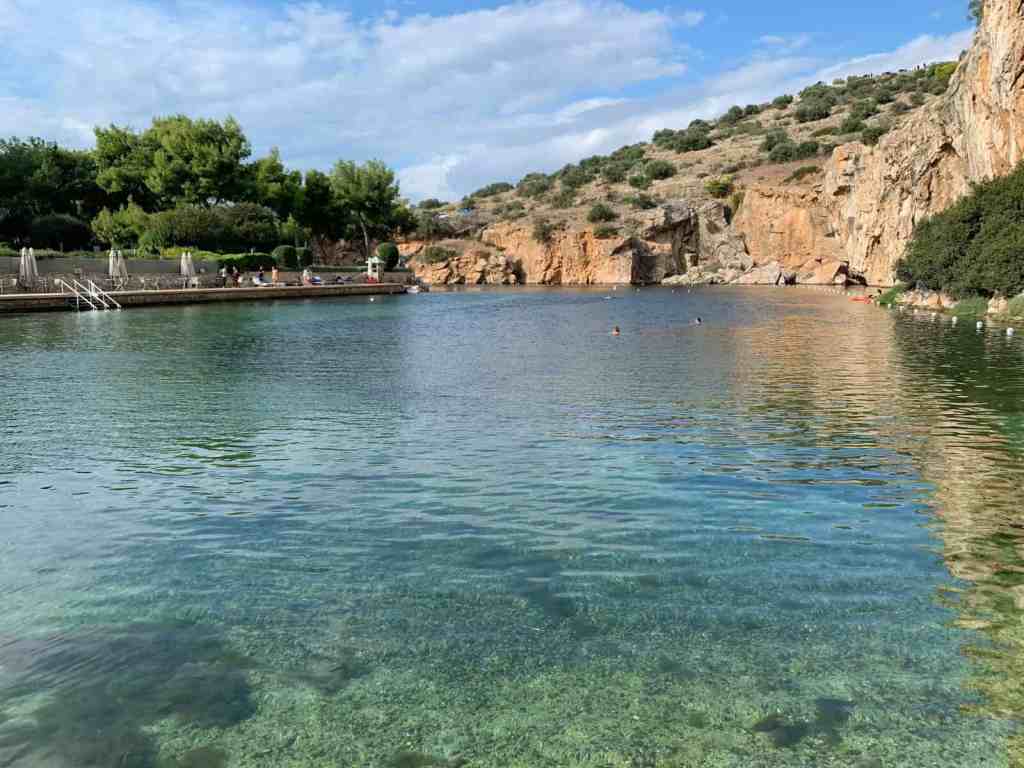
Lake Vouliagmeni sits along the beautiful Athens Riviera. This natural spa formed when a cave collapsed, creating an oval lagoon surrounded by tall cliffs and green vegetation.
The lake’s special features include:
- Warm year-round, the lake stays comfortably between 70–85°F (21–29°C) thanks to the natural thermal springs flowing beneath it.
- The mineral-rich water — with calcium, iron, potassium, and traces of lithium — is believed to soothe sore joints, arthritis, and overall muscle tension.
- In the shallow edges, tiny Garra Rufa fish gently nibble away dry skin, giving you a natural, spa-like foot treatment.
Hikers can take trails around the lake through Faskomila Hill (Sage Hill). The paths offer great spots for photography and bird watching. The lake area provides many amenities: lifeguards, free parking, Wi-Fi, lockers, changing rooms, and showers.
After your swim, try AbraOvata, a trendy lakeside restaurant that serves everything from breakfast to cocktails.
The Greek Ministry of Culture recognizes Lake Vouliagmeni as a Site of Special Natural Beauty. It’s also part of Greece’s NATURA 2000 list.
Thermal SPA – Wellness & Leisure Experience At Lake Vouliagmeni in Athens
Multi-Stop Day Trips from Athens
Good news for busy travelers! You can see the best of Greece in a single day by combining multiple destinations. These well-planned multi-stop trips let you explore more without getting overwhelmed.
Mycenae + Epidaurus + Nafplio combo

History buffs will love this classic combination. It ranks among the best day trips from Athens Greece.
A scenic coastal drive takes you to the Peloponnese peninsula. At Mycenae, you’ll discover King Agamemnon’s legendary home with its famous Lion Gate. The impressive beehive tomb, known as the Treasury of Atreus, awaits your exploration.
The next stop is Epidaurus, home to an amazing ancient theater with flawless acoustics that held 40,000 people. Many visitors like to test the acoustics by speaking from the center stage. Even people in the highest seats can hear every word clearly.
Nafplio makes a perfect lunch break. This charming coastal town was Greece’s first modern capital. It boasts impressive Venetian fortresses including Palamidi and Bourtzi – a fortress that seems to float in the harbor.
Most tours give you about two hours to wander the pretty streets, grab lunch at a local taverna, and try some regional dishes.
These tours usually leave Athens early (7-8:30 AM) and come back in the evening. The whole trip takes 8-10 hours. Many tours include an archaeologist guide who shares historical insights throughout the day.
Aegina + Poros + Hydra island cruise
This popular cruise lets you experience three unique islands in one day.
The 12-hour adventure typically has:
- Modern ships with dining, music, and live folklore shows
- Breakfast and lunch buffets in most packages
- Expert guides at each stop
Each island has its own charm. Aegina showcases pistachio farms and ancient temples. Poros offers a relaxing break with stunning views from its historic bell tower. Hydra wins hearts with its car-free streets where donkeys are the main way to get around.
This three-island cruise has delighted over 10 million visitors in its 60-year history. Many visitors to Athens see it as a must-do experience.
Corinth Canal stopovers en route
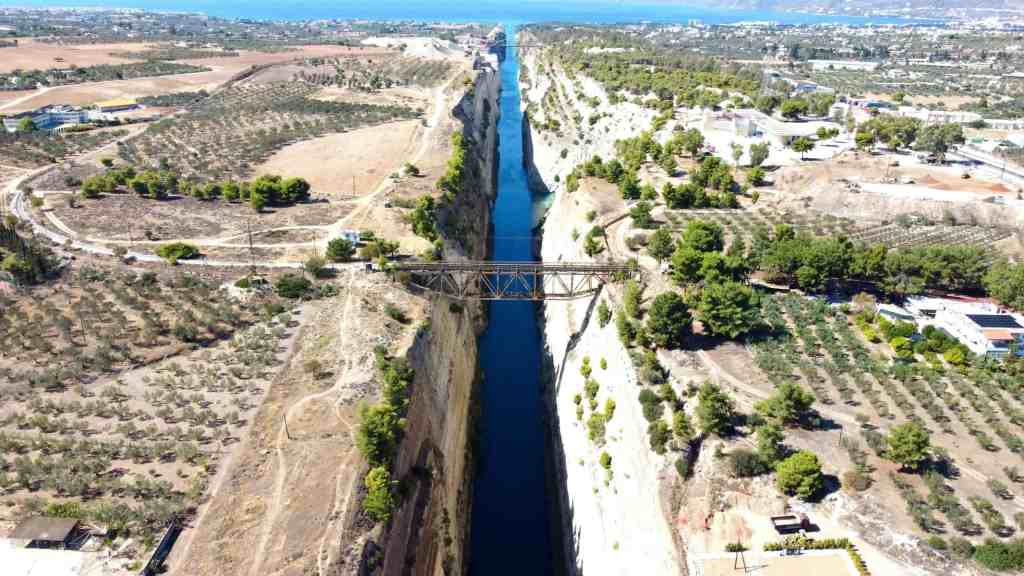
The remarkable Corinth Canal serves as an interesting stop on many day trips heading west from Athens. This engineering marvel links the Aegean with the Ionian Sea, turning the Peloponnese into an island.
The canal stretches 6.3 kilometers with 170-foot-high walls. Ships save an amazing 185 nautical miles by using it. People first tried to build a canal here in 602 BCE, but the current waterway opened in 1893 after 11 years of work.
Stops here usually last 15 minutes – enough time to snap photos, visit the cafe, and use the facilities. The canal works well as a rest stop on longer trips to Ancient Corinth, Olympia, Mycenae, or Nafplio.
The sort of thing I love about this spot is learning how ships crossed before the canal existed. Crews would pull their vessels across land using logs – a tough job that still beat sailing around the Peloponnese peninsula.
Travel Tips for Day Trips From Athens
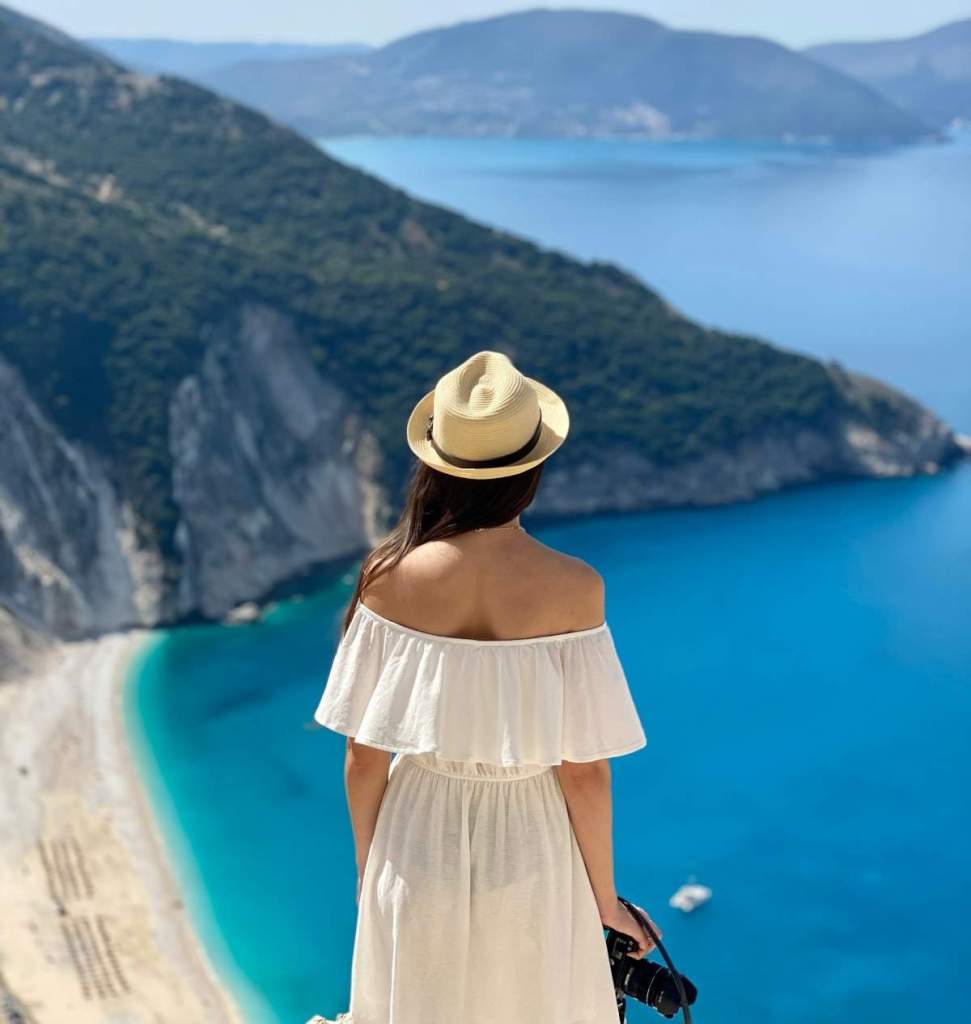
A well-planned trip makes all the difference to your experience. These practical tips will help you direct the logistics of day trips from Athens smoothly.
Timing is significant to any day trip. Summer temperatures in Athens often reach 40°C, which makes outdoor exploration uncomfortable and dangerous. You should start early, especially at archeological sites, and plan these visits during morning or late afternoon hours. Island destinations need careful attention to ferry schedules—missing the last boat forces an unplanned overnight stay.
Transportation savvy makes your experience better. Athens has some of Europe’s worst traffic, and drivers often run red lights and text while driving. Smaller vehicles work best to direct through narrow streets if you rent a car (a budget-friendly choice in Greece).
Pack strategically with must-haves like sunscreen, comfortable walking shoes for uneven ancient surfaces, snacks, water, and motion sickness medication for sea trips. A foldable day pack is a great way to get these items around.
Safety awareness matters everywhere. Pickpockets target distracted tourists at popular sites like the Acropolis. Small islands like Kasos need cash preparation since card acceptance might be limited and ATMs are hard to find.
You’ll need to choose between guided tours and independent exploration based on your comfort level. Tours make logistics easier but limit flexibility, while solo trips need more planning but give you freedom.
Tips for booking tours or going solo

Your comfort level, interests, and time limits should guide your choice between guided tours and exploring on your own. Tours help you make the most of limited time, handle transportation, get into sites faster, and learn the history.
Guided tours are great for historical sites because they stop you from seeing “just rubble” by sharing vital stories and context. Tours often mix complementary destinations—to cite an instance, Mycenae with Epidaurus and Nafplio—so you can see more in one day.
Solo travelers get more flexibility but handle everything themselves. If you choose this path, look into transportation options and maybe rent a car for early starts to avoid tour groups. One traveler said, “By the time the bus gets you there you don’t have a whole lot of time before you have to return”.
Smart preparation helps whatever approach you choose. Pack sunscreen (“Greek sun does not play”), comfortable walking shoes for uneven ancient surfaces, and plenty of water and snacks. Early morning starts mean fewer crowds and better photos.
Money matters should shape your final choice. Entrance fees at historical sites add up fast, so pick what matters most. Group tours often save money through combined tickets and shared transportation, especially if you’re traveling alone.
Key Takeaways

Athens serves as the perfect gateway to Greece’s most spectacular treasures, offering diverse day trip options that cater to history buffs, beach lovers, and adventure seekers alike.
- Match destinations to your interests: Choose historical sites like Delphi and Mycenae for ancient wonders, coastal spots like Cape Sounion for sunset views, or hidden gems like Nemea for authentic wine experiences.
- Plan transportation strategically: Start early (7-8 AM) to beat crowds, consider travel times (Cape Sounion 1 hour vs Meteora 4-5 hours), and check ferry schedules for island trips to avoid missing return boats.
- Maximize your time with combo trips: Popular multi-stop itineraries like Mycenae + Epidaurus + Nafplio or three-island cruises (Aegina + Poros + Hydra) let you experience multiple destinations efficiently.
- Pack essentials for Greek conditions: Bring strong sunscreen, comfortable walking shoes for uneven ancient surfaces, plenty of water, and cash for smaller islands with limited card acceptance.
- Choose between guided tours or solo exploration: Guided Day Trip Tours provide historical context and handle logistics, while independent travel offers flexibility—decide based on your comfort level and time constraints.
Frequently Asked Questions (FAQs)
Whether you’re seeking the mystical Oracle at Delphi, the perfect acoustics of Epidaurus theater, or the car-free charm of Hydra island, these day trips transform your Athens visit into a comprehensive Greek odyssey.
RELATED BLOG POSTS:
- Your Stress-Free Athens 3 Day Itinerary: Every Stop Mapped Out
- Cheapest Time to Travel to Athens Greece
- Ten Best Things To Do In Athens Greece
- Where to Stay in Athens Greece
- Athens Greece Travel Tips
Athens Travel Blogs

Where to Stay in Athens?
Ten Best Things to do in Athens
Ultimate Athens Bucket List
Athens 3 Day Itinerary
Cheapest Time to Travel to Athens