
Is Banff in September Worth It? Everything You Need to Know Before You Go
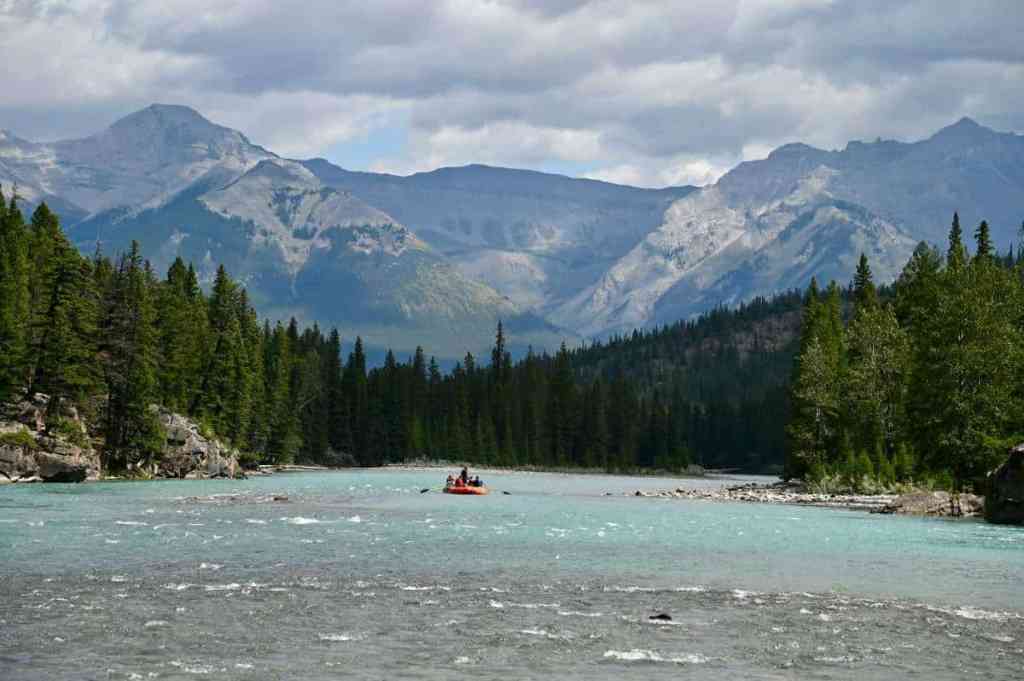
September truly delivers the “secret season” experience that locals treasure.
With accessible trails, reasonable prices, and natural phenomena like golden larches and elk rutting season, this month is uniquely rewarding for visitors willing to pack layers and embrace mountain weather’s unpredictability.
Is Banff in September worth the trip? The answer is a soaring yes. This month offers something special with daytime temperatures around 17°C to 18°C and cooler nights dropping to about 2°C.
The highlight is larch season, which peaks between September 20th and October 5th. These unique trees turn brilliant golden yellow during this time.
This blog covers everything you need to know about visiting Banff in September. You’ll learn what to pack, the best things to do, and practical tips to help you plan your trip.
Disclaimer: This post may contain affiliate links, meaning I receive commissions for purchases made through those links at no cost to you. Please read my full disclosure for more information.
Banff Weather in September: What to Expect
The climate in Banff during September is a transition point between summer warmth and autumn chill, which means you’ll need to pack for both seasons.
Average Temperature in Banff in September

The Town of Banff sits at an elevation of 1397 meters. Daily highs average 16.1°C and lows drop to 2.7°C. That’s quite a swing between day and night, and it catches many visitors off guard.
Head up to Lake Louise and experience even more extreme temperatures. The village records average daily highs of 14.3°C and lows of -0.8°C at an elevation of 1524 meters. Yes, you read that right. Nighttime temperatures at Lake Louise can dip below freezing, even when daytime feels pleasant.
The month doesn’t stay consistent either. Early September still has summer vibes with warmer conditions. While late September leans heavily into fall weather. You’ll notice the difference by the time you reach the final week of September. Early mornings require layers you wouldn’t have needed at the start of the month.
Elevation plays a massive role here. The 127-meter difference between Banff town and Lake Louise means roughly 2°C cooler temperatures at the higher elevation. This matters when you’re planning hikes to popular spots. A comfortable day in town might mean chilly conditions on the trail.
Day Length and Sunshine Hours
In September, you’ll have 12.7 hours of daylight. This provides plenty of time for activities without the rushed feeling of shorter winter days.
The sun rises around 7:15 a.m. at the start of September and sets between 7:45 p.m. and 8:30 p.m., depending on which part of the month you visit.
But daylight hours don’t equal sunshine hours. You can expect about 5 hours of actual sunshine per day on average. Cloud cover blocks direct sunlight for portions of the day, and this is common in the Rockies. This affects photography conditions and how warm it feels outside.
The decreasing day length becomes noticeable as the month progresses. Each week brings earlier sunsets and reminds you that winter approaches. There’s still ample time for full-day hikes and multiple activities without feeling pressed by darkness.
Possibility of Snow and Rain

Banff receives an average of 37.7 mm of rainfall and 7.0 cm of snowfall during September. Lake Louise often has a bit more precipitation, with 41.1mm of rain and 3.4cm of snow.
Snow in September isn’t guaranteed, but it does sometimes happen. The weather could deliver cold and snowy conditions, chilly and rainy days, or even sunny and warm stretches. This unpredictability defines September weather in Banff. You might even experience all three conditions during a single trip!
Morning frost becomes more common as September progresses, especially at higher elevations. Lake Louise often wakes up white with frost or a dusting of snow because of its below-freezing overnight temperatures. The snow melts by midday, but it changes trail conditions and creates slippery spots.
Rain gear isn’t optional for September travel to Banff. Pack a waterproof jacket and think about waterproof hiking pants if you’re tackling longer trails. The mountains create their own weather patterns and conditions move fast. A sunny morning can turn into an afternoon downpour without much warning.
Weather forecasts help, but mountain weather remains notoriously difficult to predict more than a day or two out. Check conditions the night before and again in the morning before heading out for activities.
Why September is Special: Larch Season
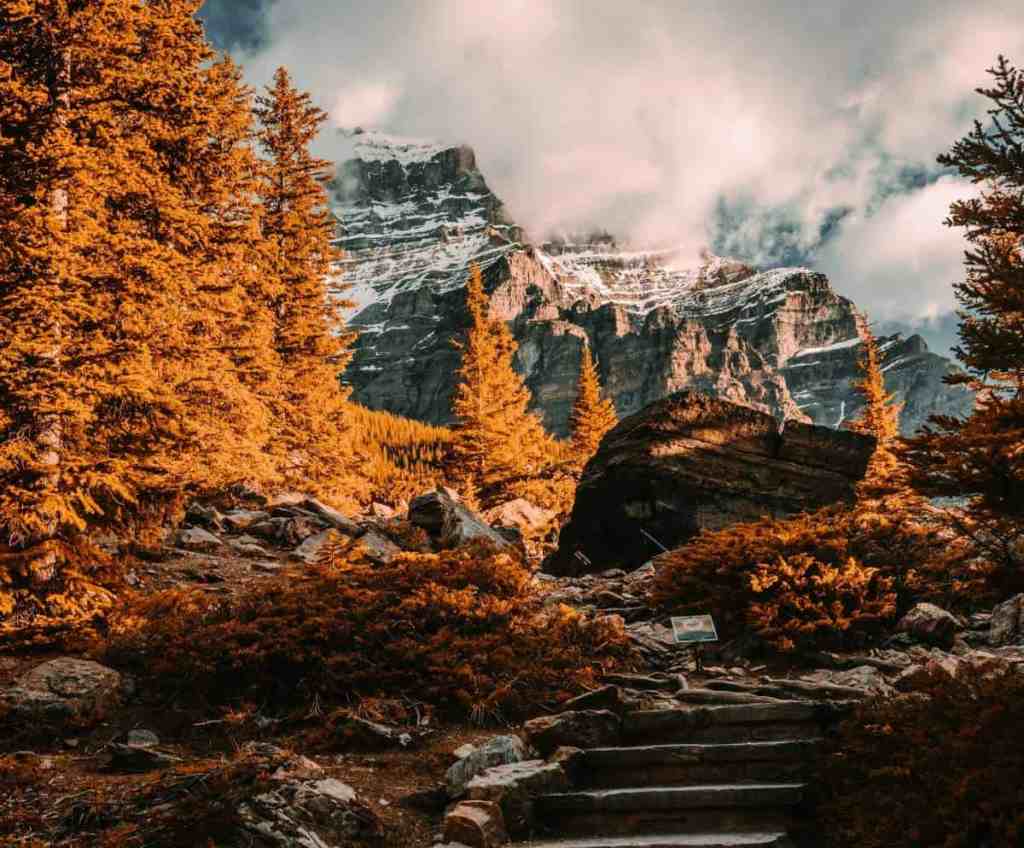
Larch season is the single biggest draw for visiting Banff in September.
The landscape transforms into something photographers dream about, with golden trees standing out against evergreen forests and rocky peaks. This natural phenomenon happens nowhere else in quite the same way!
What Makes Larch Trees Unique
Larches are different than every other conifer tree you’ll encounter in the Rockies. Typical evergreens such as fir and spruce stay green year-round, but larches are deciduous. They lose their foliage come winter and are the only conifer in Canada with this feature.
The specific species here is Lyall’s Larch, or Larix lyallii, also called alpine larch. These trees have soft needles thatare green in spring and summer. You’d walk right past them without a second glance during those months.
When cooler weather arrives in the Canadian Rockies, the larch needles change from green to gold, just like aspen and birch leaves. The transformation creates a striking shade of gold.
The trees shed their needles, leaving bare branches through winter. New growth then returns with spring.
Best Time to See Golden Larches
Your best chance to catch larches in full glory falls between mid-September and early October, though this timeline fluctuates year to year due to weather conditions. Some years the needles turn earlier, others later.
Weather patterns drive everything. Rain or strong wind quickens the needle-loss process. An early snowfall can end the season abrupt.
Larch season lasts only 2-3 weeks from late September into early October. The peak hits between September 20th and October 5th. The color change happens quickly in the Rockies and departs just as quick!
The fleeting nature makes timing your trip tricky. You’re making an educated guess based on historical patterns and current weather forecasts.
Top Larch Hiking Trails
Larch Valley
Larch Valley is the quintessential larch hike in Banff. The trail starts at Moraine Lake and follows the Sentinel Pass route, 4.5 km with a 553-meter elevation gain.
Most of the trail is forest switchbacks until you emerge into the valley. You hike uphill through larches to a flat valley with two small lakes. The hike offers panoramic views of the Ten Peaks and golden meadows.
Healy Pass
Healy Pass rivals Larch Valley in beauty while drawing fewer crowds.
This trail begins at Sunshine Village Ski Area behind the lodge and spans 18 kilometers with a gradual 890-meter elevation gain.
The trail length challenges many hikers, though it’s not steep. Much of the route is forest until you reach striking golden larches.
Sunshine Meadows
Sunshine Meadows provides easier access with gentle terrain, perfect for hikers of all levels.
The 6 km loop offers stunning views of larches surrounding alpine meadows without requiring a strenuous climb.
This area celebrates vibrant wildflowers in summer, and the golden transformation in September creates an entirely different spectacle.
Taylor Lake
Taylor Lake is located 6.3 km from the trailhead with 585 meters of elevation gain.
Thick forest gives way to subalpine meadows as you climb steady to this classic glacial lake. Please note, the hike will feel boring until you reach the lake, where golden larches surround you.
Things to Do in Banff in September
September activities in Banff National Park blend outdoor adventure with wildlife spectacle.
Your preparation pays off when you’re standing in front of turquoise lakes or watching elk battles unfold in mountain meadows.
Visit Moraine Lake and Lake Louise

Moraine Lake requires your attention in September, especially since the access road closes in early October every year. This makes September your last window to see this famous lake until the following summer!
The turquoise water reaches peak colour while surrounded by mountains and golden larches. Parking remains very limited, but shuttles solve this problem if you book ahead.

Lake Louise has equally stunning views with plenty of larch hikes in the surrounding area.
Trails like Big Beehive followed by Devil’s Thumb give you glimpses of golden trees. The best larch hikes around both lakes include Saddleback Pass and Sheol Valley, along with Saddle Mountain and Paradise Valley Trail.
Hike to Healy Pass and Larch Valley
These two trails represent the finest larch viewing in Banff. I covered the trail specifications earlier, but the experience deserves emphasis.
Larch Valley draws massive crowds during peak colour, creating congestion on the path. Healy Pass offers similar larch displays with fewer hikers.
The hike to Healy Pass takes 5-7 hours on average, and if you keep hiking past the pass, you’ll reach Egypt Lake.
Take the Banff Gondola

The Banff Gondola whisks you 700 meters up Sulfur Mountain in just eight minutes.
Six different mountain ranges spread out before you from the summit, along with winding rivers and the town of Banff below.
A 500-meter boardwalk takes you to Sanson Peak, where you’ll find the Sulfur Mountain Cosmic Ray Station National Historic Site and the 1903 weather observatory. Sky Bistro at the summit serves meals with panoramic views.
Parking fills quickly, so use Roam Transit Route 1 from downtown Banff instead of driving. Book your gondola ticket ahead of time to secure your preferred time slot.
Wildlife Watching During Rutting Season
September is rutting season for elk, running from late August through mid-October. Male elk become aggressive during this period and need extra caution from visitors. Stay at least 30 meters away for safety.
Bears forage at lower elevations and focus entirely on eating before winter hibernation. Black Swifts leave Johnston Canyon in September and October and migrate to the Brazilian Amazon.
Golden Eagles pass through the Rocky Mountains during their fall migration, with numbers peaking around mid-September.
Explore Johnston Canyon
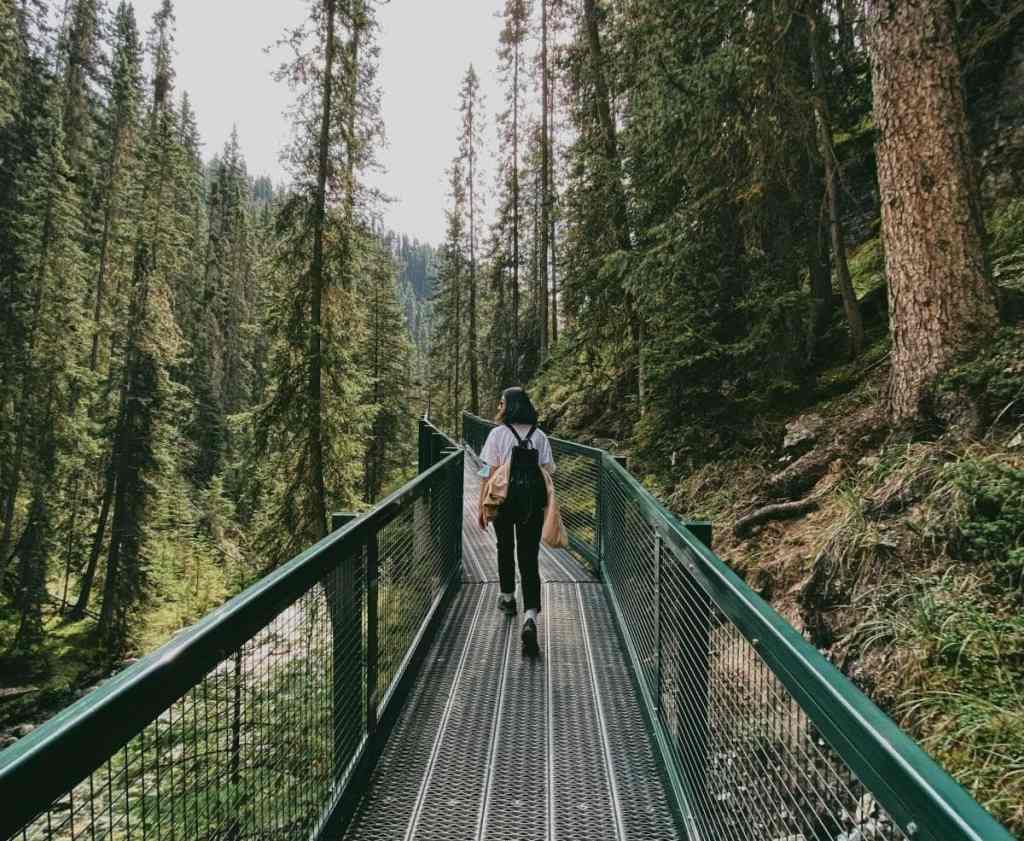
Johnston Canyon provides an easy family-friendly hike to waterfalls along a maintained trail. In September, you’ll notice how refreshing it feels to explore without the height-of-summer chaos.
The paved path and suspended walkways guide you through a narrow limestone gorge where waterfalls tumble into deep blue pools below.
Cooler temperatures make the steady incline comfortable, and the forest begins to hint at fall with touches of yellow and gold.
If you’re visiting Banff National Park in September, this is the kind of low-effort, high-reward hike that fits perfectly into your itinerary.
Go Horseback Riding
If you’ve ever dreamed of seeing the Rockies on horseback, September is your final window of the season to do it.
Whether you choose a relaxed one-hour loop or commit to a deeper backcountry 3-hour horseback riding adventure, the experience is designed to be beginner-friendly.
Before heading out, you’ll receive a full safety orientation and be fitted with a helmet, so even first-time riders can feel confident.
It’s a peaceful, memorable way to experience Banff in September — slow, scenic, and a little bit cinematic.
Practical Considerations for Visiting Banff in September
Plan your logistics ahead. The difference between a smooth trip and a frustrating one depends on it.
September brings specific challenges around timing, transportation and safety that require attention before you arrive.
Crowd Levels and Peak Times

September ranks as the third busiest month for tourism in the Canadian Rockies, following July and August.
The summer crowds ease after Labor Day, which falls on the first Monday in September. You can expect quiet conditions right after this holiday as kids return to school.
This lull is short-lived. Visitor numbers surge again once golden larch photos start appearing on social media around the third week of September.
The park experiences another wave of tourists seeking those golden trees. Late September becomes nearly as busy as peak summer during weekends.
Transportation Options and Getting Around

Roam Public Transit operates multiple bus routes throughout Banff and Lake Louise. It connects to Johnston Canyon, Banff Gondola, and other popular locations. Core routes run year-round with additional seasonal routes added during summer months.
Parking remains limited at most attractions, especially during peak seasons. Free visitor parking exists at the Train Station Public Parking Lot, though spaces fill by mid-morning. Leave your car behind and use transit. This reduces stress substantially.
Banff Explorer provides a fast, reliable shuttle bus service between Calgary Airport and Banff. You can also book shuttles to Lake Louise and Moraine Lake within the park.
Accommodation Costs and Where to Stay
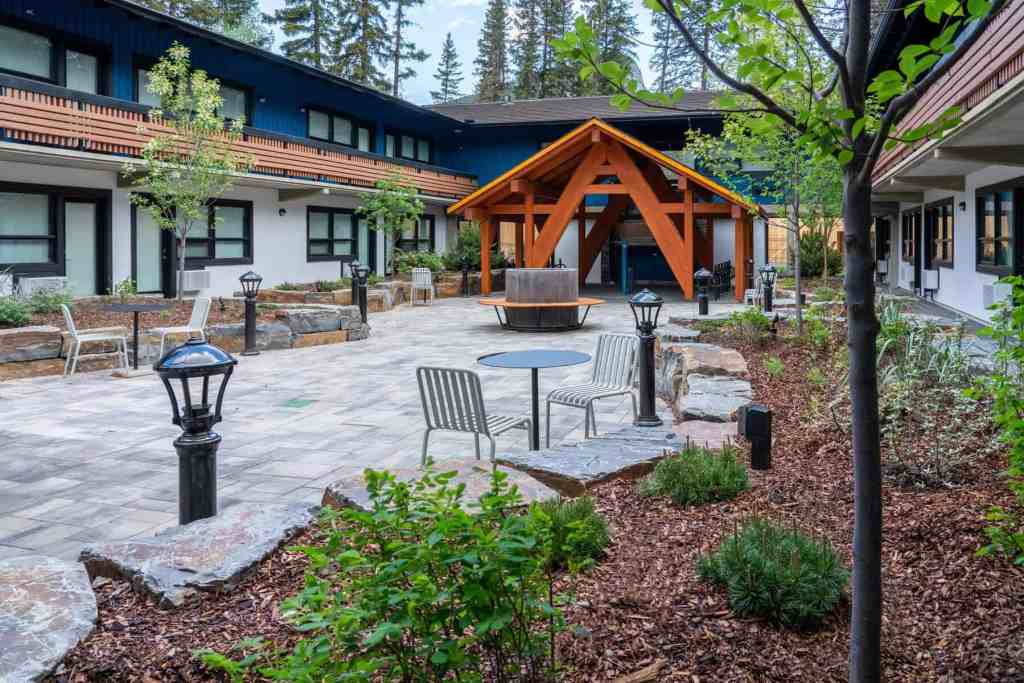
If you’re planning a trip to Banff National Park in September, don’t expect major off-season bargains just yet.
Early fall is still incredibly popular — especially on weekends — so hotel prices tend to remain elevated. If you’re travelling on specific dates, it’s smart to reserve your accommodation as early as possible.
You might notice rates start to dip after Canadian Thanksgiving, sometimes falling into the $150–$180 CAD range per night. But there’s a trade-off.
By that point, several seasonal attractions begin shutting down, and access to places like Moraine Lake becomes limited as the road closes for the season. You’ll save money, but you’ll have fewer experiences to choose from.
If you’re looking to stretch your budget during peak September travel, consider staying slightly outside the town centre.
Accommodations like The Dorothy Motel, Banff Rocky Mountain Resort, or Pocaterra Inn & Waterslide in nearby Canmore can offer better value while still keeping you close to the action.
During high season, average nightly rates in Banff and Canmore often hover around $400 CAD or more, so building accommodation costs into your budget early will help you plan with fewer surprises.
Where to Stay in Banff: Perfect Locations for Every Budget
Trail Closures and Safety Warnings

Bear activity triggers trail closures or restrictions. Check Parks Canada Important Bulletins before heading out, as closures change based on wildlife movements. Travel in tight groups of at least four, stay alert, make noise and carry bear spray.
Please note that some summer activities shut down in September, including certain outdoor experiences and ski hill gondolas. Specific trails close because of wildlife activity and snowfall.
What to Pack for Banff in September
Packing for September requires a different strategy than other months. The weather variability means you’ll need both summer and winter gear in your luggage, which I know doesn’t help if you’re trying to pack light. But this mix is what you need.
Everything in Clothing Layers
Layering is your best defense against unpredictable mountain weather. Think of it as building blocks you can add or remove throughout the day.
Start with a base layer that fits snugly and uses noncotton material like nylon or wool. Cotton stays wet and pulls heat from your body. This becomes dangerous at higher elevations.
You have several options for mid-layers. A fleece jacket works well for most conditions. Down vests provide warmth without bulk. I always pack both because temperatures at sunrise might hover around 5°C while afternoons can hit 30°C.
Your outer layer needs to handle wind, rain, and potentially snow. A Gore-tex or similar rain jacket is non-negotiable. Pair it with waterproof pants if you’re planning longer hikes.
Pack both quick-dry pants and shorts. Early September might feel like summer and allow shorts and t-shirts. Late September leans toward long pants and layers. Hiking pants made from synthetic material dry fast and protect from branches and debris.
Don’t skip the accessories. Wool socks prevent blisters better than cotton. Gloves matter more than you’d think, especially when you have early morning hikes. A sun hat protects during sunny stretches, while a warm hat handles cold mornings.
Bring a packable down jacket even if it seems excessive. Standing still at viewpoints or waiting for sunrise photography sessions gets cold fast. This jacket becomes your comfort blanket when temperatures drop unexpectedly.
Hiking Gear and Footwear
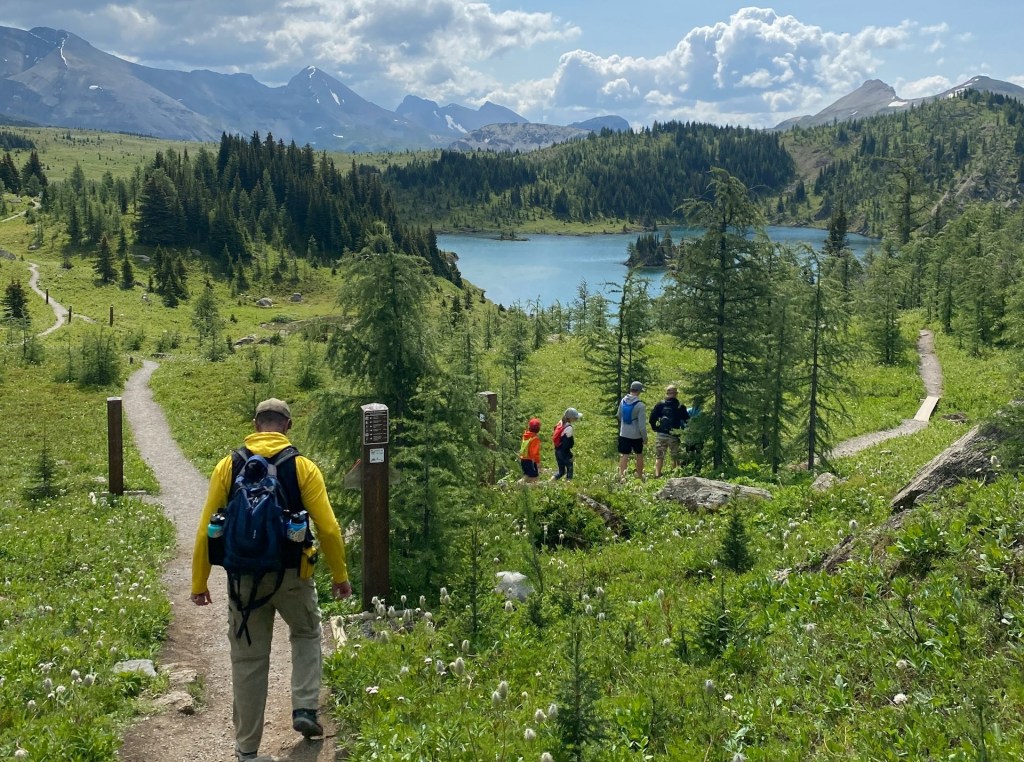
Sneakers won’t cut it here. The terrain demands proper hiking boots or shoes with good tread for mountain conditions. Waterproof membranes like Gore-tex keep feet dry when walking through grass and around rivers.
Hiking poles provide an extra point of contact with the ground, which helps on steep trail sections. They’re useful if you encounter wet or icy conditions in late September especially.
A daypack needs to hold all your layers, water, snacks, and emergency gear. Most people don’t need anything fancy for day hikes. You’re set as long as it fits and has enough space for a shell jacket, down jacket, gloves, and food.
You can also keep bear spray in a belt holster rather than buried in your pack, so you can grab it quickly when needed.
Pros and Cons of Visiting Banff in September
You need to weigh your options to decide if September matches your travel style and expectations. Every visitor values different aspects of a trip, so understanding both sides gives you a clearer picture.
Advantages of September Travel
Locals love Banff in September and call it one of the “secret months.” Fewer crowds will make a noticeable difference in your Banff experience.
Hiking trails have less traffic than July and August, though larch season brings another surge in late September. Parking at Lake Louise and Moraine Lake becomes easier to find. You get more space to yourself at viewpoints and on popular trails.
September weather conditions are usually suitable for outdoor activities. Temperatures average 18°C, which feels comfortable for hiking without overheating.
Wildlife viewing peaks as animals prepare for winter. Elk rutting season delivers spectacular displays with bulls that bugle across meadows.
Everything remains available through September. Trails, roads and businesses stay open, giving you the full Canadian Rockies experience! Biking season continues, and you avoid the wildfire smoke that plagues the summer months.
Hotels, restaurants and tour operators offer excellent rates during this period since demand drops compared to peak summer. You might save hundreds of dollars!
Potential Drawbacks to Think About
Late September brings larch madness crowds that rival busy summer weekends.
Prices remain high, despite being lower than peak summer levels.
Weather unpredictability requires flexibility in your plans. Reduced daylight hours also limits your activity window.
Some trails will close because of bear activity and early snowfall. Higher elevation hikes become inaccessible.
Conclusion
September is easily one of the most rewarding times to experience Banff National Park — and once you see it for yourself, you’ll understand why.
In that short window from late September into early October, the alpine larches turn a glowing shade of gold that feels almost unreal against the rugged peaks of the Rockies. It’s a fleeting show, and being there while it lasts feels special.
Yes, the weather can surprise you. Plans might shift. But that’s part of the magic of Banff in September — the landscape feels alive and ever-changing.
You’ll want to pack smart for shifting mountain temperatures, reserve your accommodations well in advance, and double-check trail conditions before heading out. A little preparation goes a long way here.
You’ll hear elk bugling across the valleys during rutting season. You’ll hike iconic trails without the height-of-summer intensity. You’ll capture photos framed by golden trees that many summer visitors never get to see.
Some locals quietly call September the “secret season,” and once you’ve experienced the crisp air, softer crowds, and rich autumn colours, you might start calling it that too.
Frequently Asked Questions (FAQs)
Key Takeaways
September offers the perfect balance of comfortable weather and spectacular scenery in Banff, making it one of the best times to visit the Canadian Rockies.
- Pack for temperature swings: Days average 17-18°C while nights drop to 2°C, requiring both summer and winter gear for comfort.
- Time your visit for larch season: Golden larches peak between September 20th-October 5th, creating stunning photography opportunities unavailable any other time.
- Expect variable weather conditions: Bring waterproof gear as September averages 13 rainy days with possible snow at higher elevations.
- Book accommodations and shuttles early: While crowds are lighter than summer, larch season brings surge tourism requiring advance planning.
- Wildlife viewing peaks during rutting season: Elk become active and vocal from late August through mid-October, offering spectacular viewing opportunities.
Banff Travel Blogs
Banff Winter Things To Do
Where to Stay in Banff
Banff Bucket List Experiences
Banff Winter Itinerary
Visit Banff on a Budget

Things to do in Western Canada