
The Perfect Madeira 5 Day Itinerary for First-Time Visitors
Madeira Island’s compact size makes it perfect for a base-and-explore strategy, while year-round mild temperatures ensure excellent conditions regardless of when you visit.
Planning a Madeira 5-day itinerary becomes appealing when you learn the island enjoys average daily temperatures ranging from 64 degrees Fahrenheit in winter to 82 degrees Fahrenheit in summer.
Nature lovers and adventure seekers will find Madeira a dream destination. The island is small enough to base yourself in one location, yet offers weeks of entertainment.
I’ll walk you through a complete Madeira 5-day itinerary covering hiking trails, natural pools, forests, and coastal villages. This will help maximize your time, balancing must-see attractions with practical travel advice for first-time visitors.
Disclaimer: This post may contain affiliate links, meaning I receive commissions for purchases made through those links at no cost to you. Please read my full disclosure for more information.
Day 1: Arrival in Funchal and Monte
Settle Into Your Accommodation
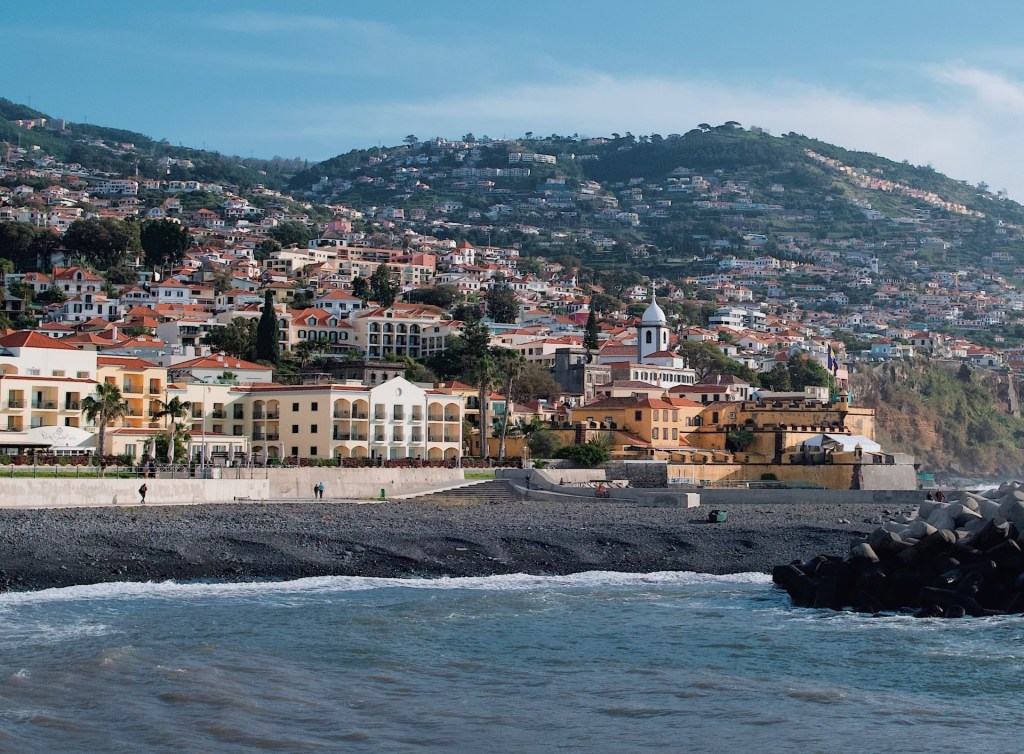
You’ll want to maximize daylight hours after landing and reaching your hotel, especially when you have a morning or early afternoon flight.
Resist the urge to unpack everything. Drop your bags, freshen up, and grab a quick snack if needed.
Most hotels in Funchal allow early check-in when rooms are available, but don’t stress if yours isn’t ready yet. Store your luggage at the reception and head out.
Afternoon: Monte Palace Tropical Garden

The Monte Palace Tropical Garden occupies 70,000 square meters on a hillside overlooking Funchal Bay. This should be your first major stop.
The garden opens at 9:00 AM and closes at 6:00 PM, with the last entry at 5:00 PM. Entry costs 15€ per person, payable by cash or card at the entrance. The garden closes only on Christmas Day.
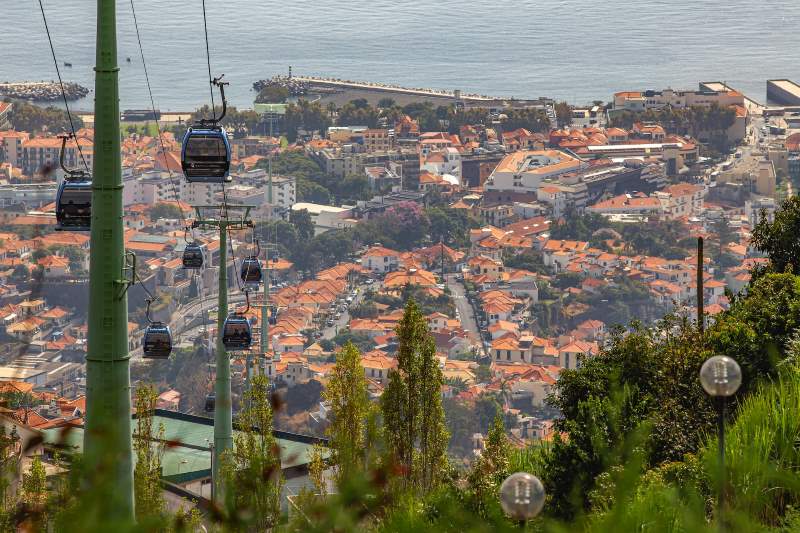
You have several options to get to Monte:
- The cable car provides the most scenic route and departs from Funchal’s old town near the waterfront. The cable car ride takes you high above the city with sweeping Atlantic views.
- Busses numbered 20, 21, 22, and 48 also serve Monte if you prefer a budget option.
- Bolt rides cost around 5-7€ from Funchal center and take roughly 15 minutes.
You’ll find enormous ponds filled with koi fish once inside the garden. Water transparency and the fish’s vibrant colors provide remarkable viewing.
The lush vegetation surrounds walking paths that lead to water features and sculptures. Flamingos and peacocks roam freely throughout the grounds. The garden showcases exotic plants from multiple continents, including African cycads and American sequoias.
The garden features a collection of 17th to 20th century tiles enriched along the paths. You’ll spot coat of arms and sculptures as you wander. Niches, pagodas, buddhas, and lanterns appear throughout.
The site houses two permanent museum collections: ‘African Passion’ and ‘Secrets of Mother Nature’. The museum section closes earlier than the garden, with last entry at 5:00 PM.
Plan to spend 2-3 hours here. The garden spreads across steep slopes, so be prepared for some uphill walking. The design helps spread visitors throughout the space and prevents crowded conditions even during peak times.
You can also stop at the Monte Church (Our Lady of Monte) near the cable car station before heading back down. The grand staircase and painted ceiling merit the climb. This church holds the burial site of exiled Austrian Emperor Charles I.
Evening: Explore Funchal’s Old Town
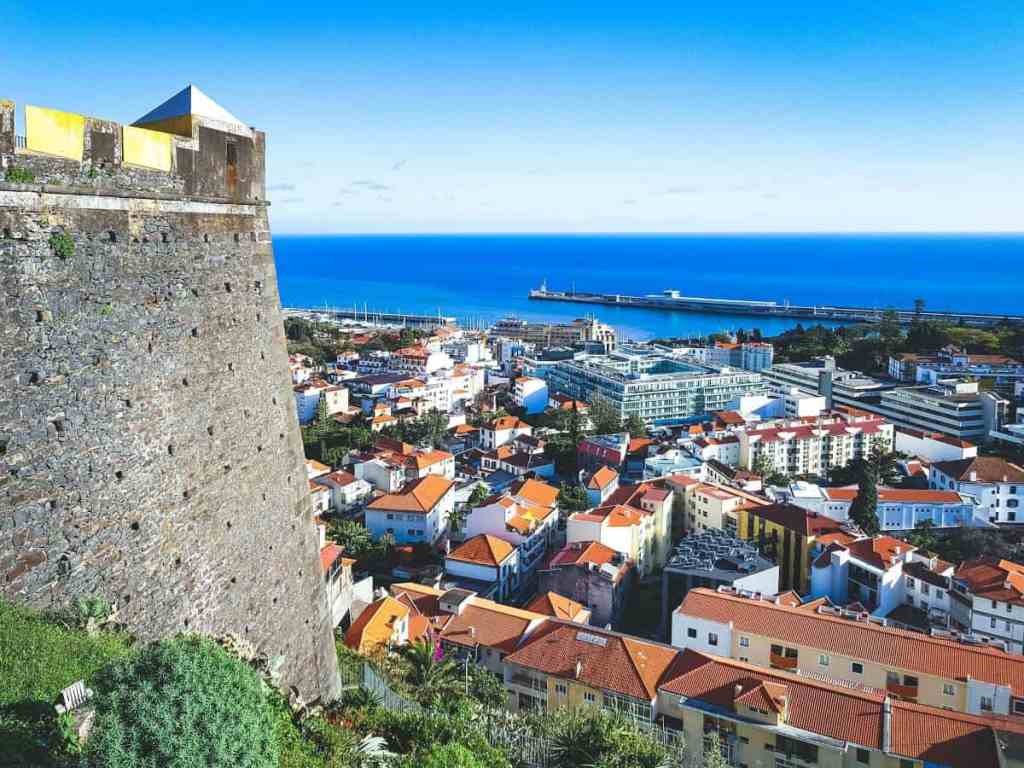
Descend from Monte in the late afternoon to explore Funchal’s historic center. The old town, known as Zone Velha, sits just minutes from the waterfront. Narrow cobbled streets wind between buildings embellished with typical façades of old houses.
The area became an alfresco gallery. Walking these streets with a strong coffee, as Madeirans prefer it, provides an excellent introduction to the island’s character.
Rua de Santa Maria stands out as the street art epicenter and features over 200 painted pieces across local doorways. The ‘Portas Pintadas’ (Painted Doors) project invited the artistic community to transform building doors and façades.
Search out the Corpo Santo Chapel, one of the few 15th-century buildings surviving to present day. Traditional local businesses like ‘Fábrica de Chapéus’ (hat factory) and ‘Fábrica de Botas de Vilão’ still operate on Santa Maria Street, one of Funchal’s oldest.
Explore Rua do Aljude and Rua da Carreira beyond Santa Maria. Rua De Fernao offers atmospheric and brightly colored historical buildings. The square around the cathedral deserves time, as does Avenida Arriaga and Rua dos Capelistas. The Palácio de São Lourenço and the waterfront with its yellow fort add architectural interest.
The old town transforms after dark. Funchal’s prominent nightlife ranks among the island’s major attractions. Restaurants and bars fill with locals and visitors. Entertainment is guaranteed whether you visit during day or night.

Where to Eat on Your First Night
Funchal offers remarkable dining options at prices more affordable than many European cities. Fresh, local ingredients dominate menus, and service impresses.
Zarcos operates as a Funchal institution worth the trip outside the city center. Arrive hungry because portions run large. The restaurant fills with locals and creates an authentic atmosphere.
Rustikus occupies a tucked-away spot off one of the busiest squares. Expect to queue at lunch given its popularity with residents, but the wait pays off. The menu focuses on quality over quantity.
Taberna Madeira serves Madeiran classics including grilled limpets and milho frito (fried maize cubes). This spot gives you a solid introduction to traditional island flavors.
Snack Bar Bela 5 provides cheap, cheerful meals of grilled fish or meat with potatoes or rice and vegetables. Everything cooks fresh to order and tastes exactly as it should. Their burger in bolo do caco bread draws repeat customers.
MadCuba delivers excellent flavour at affordable prices with colourful veggie and vegan choices for vegetarian options. Prima Caju offers a beautifully designed space perfect for healthier lunch options.
Sabor da India rates high among visitors if you prefer something beyond Portuguese fare. The meat-heavy nature of Madeiran cuisine means vegetarian and vegan travellers need to research options, but several restaurants cater to these priorities.
Day 2: Hiking and Natural Wonders
Wake early on your second day because Madeira’s hiking trails reward those who start before crowds arrive. Your morning choice depends on current trail conditions and your fitness level.
Morning: Pico do Arieiro or Levada Trail

The famous PR1 Vereda do Areeiro connecting Pico do Arieiro to Pico Ruivo remains restricted due to wildfire damage from 2024. You can still access the first 1.2km to Miradouro da Pedra Rija. This takes about 40 minutes round-trip.
This section delivers views at the “Stairway to Heaven” ledge and Ninho da Manta viewpoint. Pico Arieiro is Madeira’s third-highest peak and the only one you can reach by car.
Mandatory reservations apply to all classified trails through the SIMplifica portal starting January 1, 2026. Entry fees run €4.50 for general visitors or €3 when accompanied by protocol operators. Visitors must select 30-minute entry slots when booking.
PR9 Levada do Caldeirão Verde offers a fairytale experience starting at Parque Florestal das Queimadas. This 13 km out-and-back trail follows an 18th-century levada through Laurissilva forest.
You pass through four dark tunnels that need a headlamp. The path remains quite flat. This makes the longer trek suitable for active families despite taking around 4.5 hours total with breaks.
You reach Caldeirão Verde waterfall, where water drops approximately 100m into a clear pool surrounded by steep green walls.
Verify your chosen trail remains open on the IFCN website before setting off. The site maintains the most current status information. The full PR1 route stays closed until approximately April 2026.
Afternoon: Ribeiro Frio and Laurissilva Forest

Head to Ribeiro Frio for lunch and an easier afternoon walk after your morning hike. The area features a small fish farm and several cafés selling refreshments and souvenirs.
Vereda dos Balcões (PR11) provides the perfect 3-kilometre recovery walk on flat terrain. The signposted track starts near Ribeiro Frio. It leads you along a levada through Laurisilva forest to a viewing platform.
The platform opens onto a breathtaking panorama over Ribeiro Frio valley and Madeira’s highest peaks. You get views toward the ocean and Santana in the distance. This short trail delivers maximum scenery for minimal effort! Most hikers complete the round-trip in around 40-60 minutes.
The Laurissilva forest is a UNESCO World Heritage ecosystem that plays a significant role beyond esthetics. This humid environment functions as a ‘water-producing forest’ feeding Madeira’s levada system.
Day 3: Northwest Coast Adventure
Day three shifts your Madeira 5-day itinerary toward the dramatic northwest coast, where volcanic landscapes meet Atlantic waves.
Pack swimwear, hiking shoes, and layers because weather changes quickly at higher elevations.
Morning: Porto Moniz Natural Pools
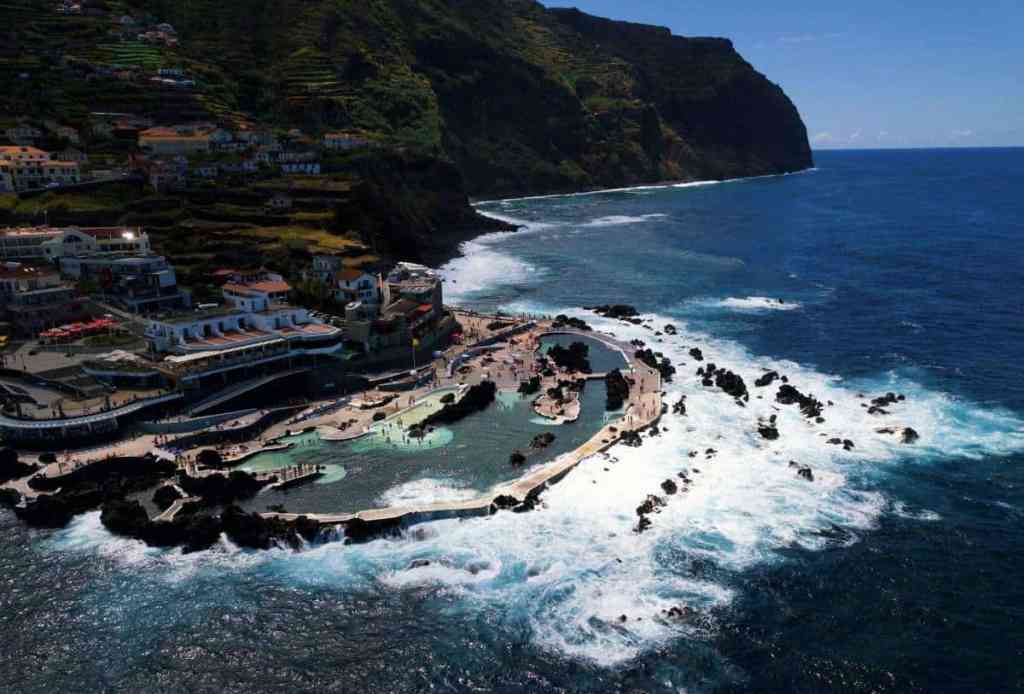
Drive northwest from Funchal toward Porto Moniz, a trip that takes about an hour through spectacular coastal scenery. The route winds past dramatic cliff faces and offers stunning ocean views whenever you emerge from tunnels.
Porto Moniz draws visitors for its natural swimming pools formed by volcanic rocks over millennia. Lava cooled, creating deep basins along the island’s edge. Crystal clear seawater fills these natural formations as the tide moves in and out. Average annual water temperature hovers between 20 and 21°C.
The main Natural Swimming Pools charge €3 per person and operate from 9 am to 5 pm during winter. Summer hours are 9 am to 7 pm. The facilities include changing rooms, lockers, bathrooms, a bar, a first-aid station, a playground, and lifeguards on duty. Sun loungers and parasols are available too.
Piscinas Naturais do Aquário (natural pools) are located on the eastern end of the bay and costs nothing to visit. These pools remain open 24/7 with no amenities or lifeguards. They present a wilder swimming experience among towering black lava formations.
Bring snorkeling gear because tidal pools contain colorful fish, jellyfish, and crabs. Pools close for safety when seas turn rough as waves can splash into the swimming areas.
Lunch in a Coastal Village
Porto Moniz restaurants serve fresh seafood with big portions that reflect the area’s relaxed fishing village character.
Restaurante Orca is located next to the natural pools and offers traditional dishes like tuna steak, spicy prawns, steak sandwiches in bolo do caco bread, grilled limpets, and octopus salad. Tables on the terrace provide the best lunchtime view in Porto Moniz!
Restaurante Cachalote overlooks the natural pools and delivers fresh seafood alongside traditional Madeiran fare.
Polo Norte ranks as a local favourite for well-prepared home-style cooking. Their beef espetada comes with excellent Portuguese wines and friendly service.
Sea View Restaurante presents local seafood done differently, with fish soup and tuna served with interesting grilled vegetables like avocado and sweet potato.
Afternoon: Fanal Forest

Fanal Forest is located 50 km from Funchal, approximately an hour and a half drive. Once you arrive, park at the designated Faial Parking area and then walk a few hundred meters straight into the forest.
Fanal feels like stepping into a fairy tale. This serene area showcases centuries-old laurel trees with gnarled trunks and moss-covered branches. The forest forms part of the Laurisilva ecosystem and holds UNESCO World Heritage status.
Fanal Forest is 1,150 meters above sea level and stays almost constantly shrouded in fog. This creates ethereal scenes. Light filters through the canopy and casts ever-changing shadows.
Each visit becomes unique. The interplay of mist, ancient trees, and filtered sunlight provides endless photography opportunities. The forest floor supports various ferns. Bird calls fill the air as endemic species thrive in this biodiverse hotspot.
You don’t need extensive hiking to experience Fanal’s magic. Walk among the crooked trees on hilly meadows, though conditions can turn muddy and cows graze freely in the area. Morning visits increase your chances of encountering the mystical fog that defines this location.
Cabo Girão Skywalk
Complete your northwest coast adventure at Cabo Girão, a viewpoint atop a 550m sea cliff.
The Cabo Girão Skywalk features a glass platform that lets you look directly down the cliff face for €2 entry.
This attraction holds the distinction of being the highest cliff skywalk in Europe. The panoramic views stretch across the maritime coast and its rocks.
Day 4: East Madeira and Wildlife
Eastern Madeira reveals a completely different island personality. It trades lush forests for stark volcanic peninsulas and traditional villages that feel frozen in time.
Morning: Ponta de São Lourenço Hike
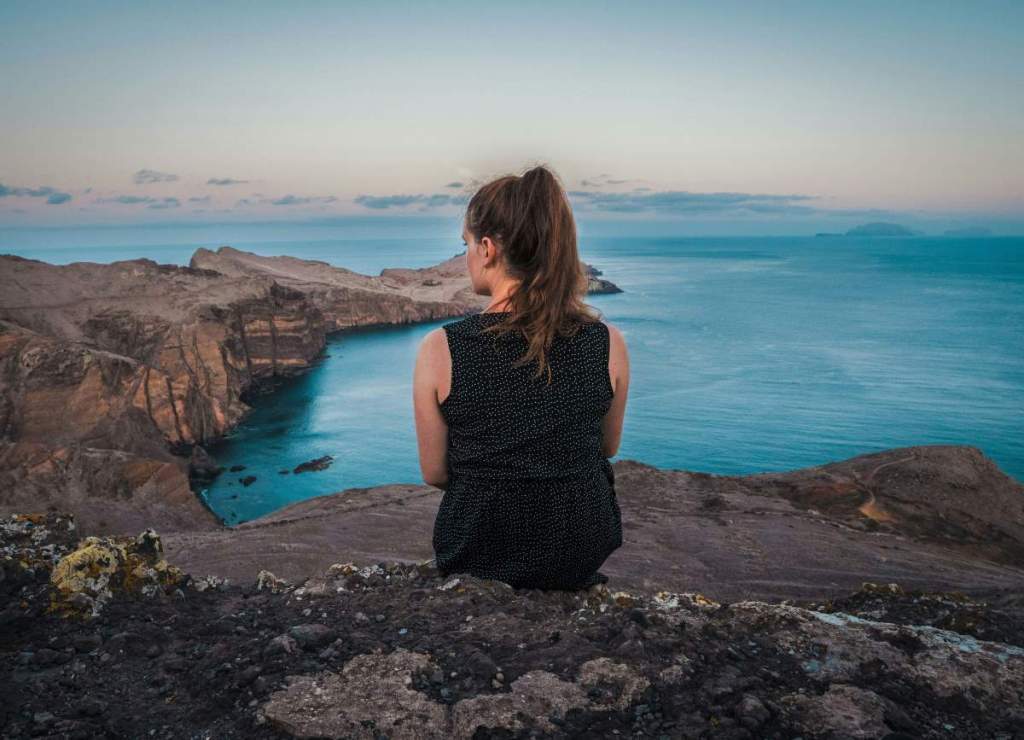
The Ponta de São Lourenço peninsula juts into the Atlantic at Madeira’s easternmost point.
This dramatic landscape contrasts sharply with the island’s green interior. Red and ochre volcanic rock formations stand against deep blue ocean.
The trail extends roughly 7 km round-trip with moderate difficulty and takes about 3 hours. Bring sun protection because shade disappears on this exposed route.
Traditional Houses in Santana
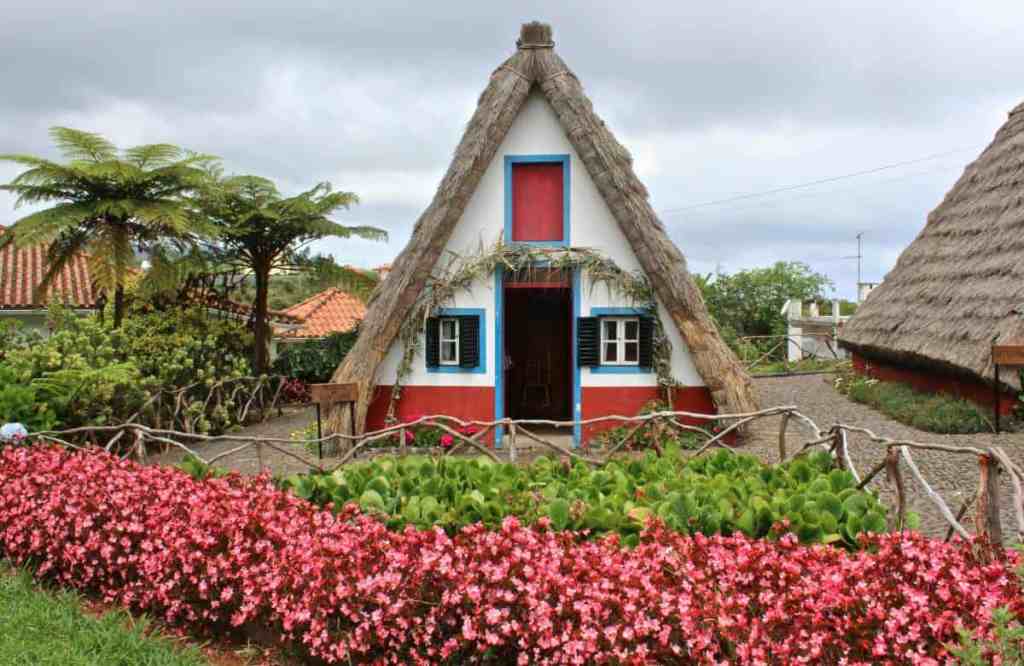
Drive north after your hike to reach Santana. You’ll encounter one of Madeira’s most iconic sights there. The traditional triangular houses with steep thatched roofs and colorful façades represent unique architectural heritage dating back to at least the 16th century.
These structures, known as palheiros, were built using materials that were accessible in the region. Wood from native trees like laurel or chestnut formed the triangular framework. Builders prized it for durability and moisture resistance.
Thick bundles of straw, often rye or wheat, were tightly bound and layered in overlapping rows to create the pitched roofs. The steep angle allows rainwater to run off while the thatching provides natural insulation. Interiors stay cool in summer and warm during winter.
Walls were constructed from local stone or wood and painted white. Brightly colored trims around windows and doors in hues of red or blue accented them. These vibrant touches reflect regional esthetics passed down through generations.
Most palheiros had just two rooms: one for living and another for storage or sleeping. The compact size made heating easier during cooler months, and construction required minimal tools.
Visit the Casas Típicas de Santana in the village heart. Restored houses showcase period furnishings, handmade textiles and agricultural tools. Local guides provide tours detailing construction techniques and daily life through generations.
Several souvenir shops operate out of converted thatched houses. You can browse local embroidery and regional delicacies while admiring the architecture.
Afternoon: Dolphin and Whale Watching
Return to Funchal for an afternoon on the water. Madeira’s deep oceanic waters positioned close to the coastline create exceptional conditions for marine wildlife viewing. Over 28 species of whales and dolphins are spotted throughout the year.
Madeira provides year-round dolphin and whale watching. Species like sperm whales, pilot whales and bottlenose dolphins are resident. Fin whales, sei whales and orcas pass through during migration. Tours last 3 hours and depart from Funchal Marina.
Bonita da Madeira operates a traditional wooden schooner. Spacious, stable boats with onboard amenities suit families.
Blue Safari Madeira carries only 18 passengers on their high-speed vessel and ensures intimate experiences. Marine biologists who participate in research and data collection guide their tours.
VipDolphins provides luxury catamaran experiences with open bar and snorkeling equipment included. Prices run around €40 per adult.
Evening in Câmara de Lobos
Cap off your day at Câmara de Lobos, a charming fishing village 9 km west of Funchal.
This colorful town provides a more traditional, relaxed atmosphere with scenic views and ample photo opportunities.
Restaurants like Espadeiro and Vila do Peixe serve fresh catches. Bars like Taberna dos Lobos provide relaxed evening settings.
Day 5: Final Day Activities and Departure
Morning: 25 Fontes Waterfall Hike
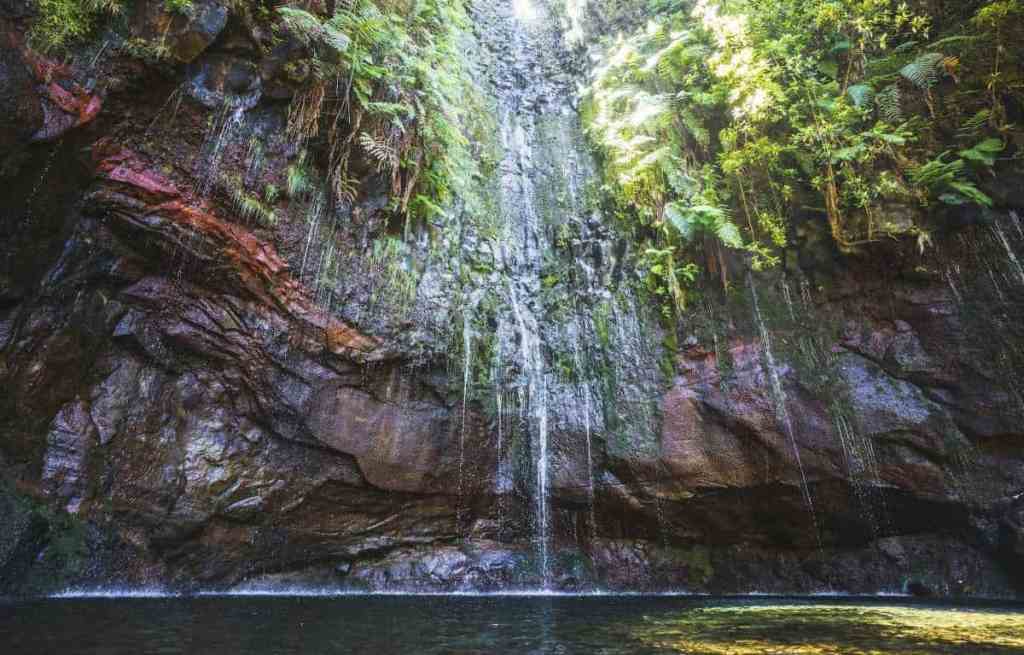
Your final morning deserves one last encounter with Madeira’s natural beauty. The Levada das 25 Fontes trail begins at Rabaçal on regional road ER 105 and spans 4.3 km one-way through Laurissilva forest.
This moderate difficulty hike takes 3 hours round-trip and leads you to a lagoon fed by 25 water springs cascading from Paul da Serra plateau. You’ll need to pay €4.50 for visitors over 12 years through the SIMplifica portal.
The trail shares its starting point with Levada do Risco, and views over Ribeira da Janela valley showcase the forest’s characteristic green vitality.
The parking lot fills quickly during peak season, so you should arrive before 9 am. A paved road winds down the mountainside for about 20 minutes before reaching the official trailhead at the Forest House.
The waterfall area can get crowded. An early start maximizes your chance for photos without masses of people.
Last-Minute Shopping at Mercado dos Lavradores
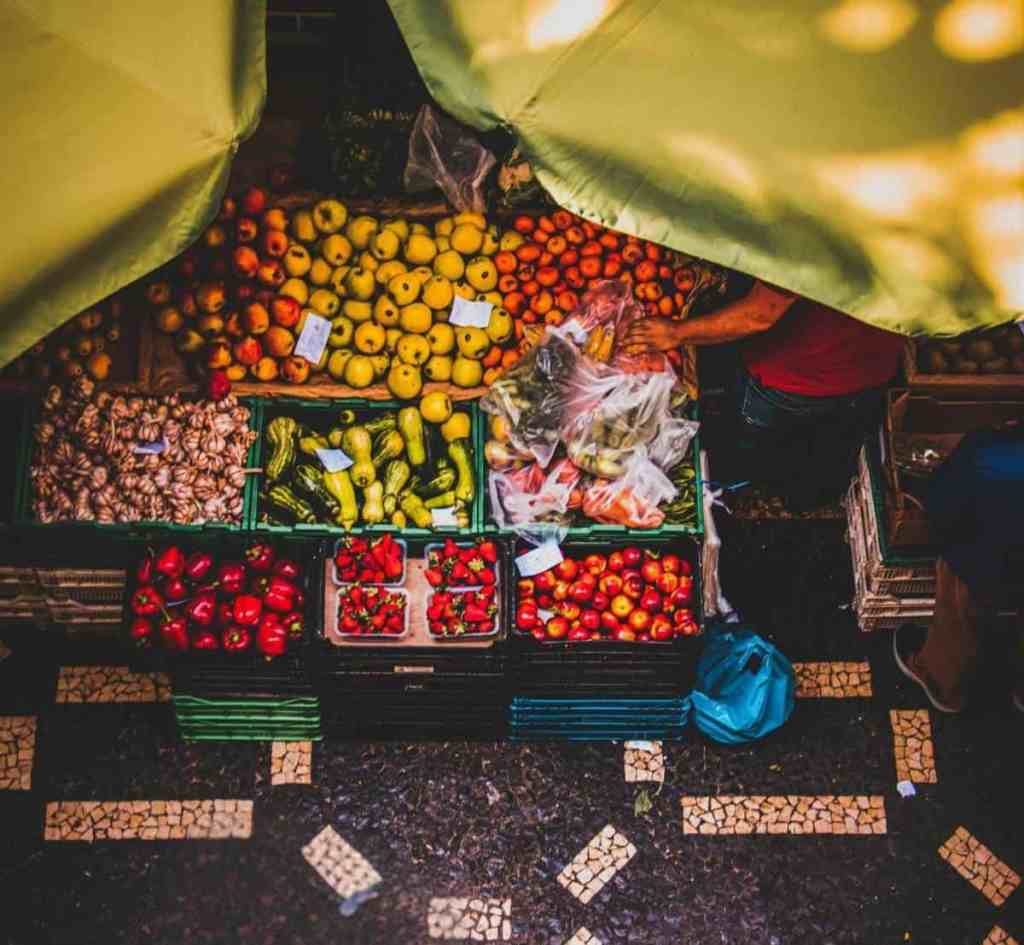
Head to Mercado dos Lavradores in central Funchal for final souvenirs. The upper floor sells handmade embroidery, wickerwork and artisan products.
This farmers’ market opened on November 24, 1940, and remains a cultural hub where locals shop alongside tourists. The building features typical Estado Novo architecture with tile panels from 1940 depicting regional themes.
Florists wear traditional Madeira costumes at the entrance, while the interior patio displays exotic fruits like passion fruit, custard apple and banana-pineapple, carefully stacked.
Experience the liveliest atmosphere by going early and bring cash since some vendors don’t accept cards. The market operates Monday through Saturday and closes Saturday afternoons.
Planning Your Madeira Portugal 5 Day Itinerary
Best Time to Visit Madeira

Madeira earns its nickname as the “Island of Eternal Spring” and with good reason too. You can visit any month and find pleasant conditions. Each season brings distinct advantages though.
Madeira Island in Spring
Spring runs from March through June. It offers ideal hiking weather. Temperatures climb from 68 degrees Fahrenheit to 70 degrees Fahrenheit during daytime. April and May stand out as prime months because the island explodes with colorful blooms.
Funchal hosts its annual Flower Festival in May. Streets transform into vibrant floral displays with parades that celebrate natural beauty. Rainfall decreases as spring progresses. May receives just 0.8 inches.
Madeira Island in Summer
Summer months attract the highest visitor numbers. July and August bring warm conditions averaging 77 degrees Fahrenheit. Temperatures can exceed 91 degrees Fahrenheit when the Leste wind blows from the Sahara.
August sees peak tourist arrivals at 1,153,000 visitors. Summer provides the best window to watch whales and dolphins between April and October.
June experiences an unusual weather pattern locals call “June gloom.” The month delivers only 5.5 hours of daily sunshine despite high temperatures.
Madeira Island in Fall/Autumn
Fall offers a sweet spot for your Madeira island 5 day itinerary. September and October maintain warm sea temperatures at 74 degrees Fahrenheit. Crowds thin out.
The Madeira Wine Festival takes place in October. You get the chance to pick grapes and taste world-renowned Madeira wine.
November marks the transition to wetter weather with 3.4 inches of rainfall. Temperatures remain comfortable at 68 degrees Fahrenheit though.
Madeira Island in Winter
Winter provides mild escape from northern climates. December through February temperatures hover between 61 and 68 degrees Fahrenheit.
This period receives the most rainfall, around 3.9 inches monthly. Rain concentrates on mountains and the northwest coast.
Funchal dazzles with Christmas lights. The city hosts one of the world’s most spectacular New Year’s Eve firework displays.
How to Get to Madeira Island
Cristiano Ronaldo Madeira International Airport in Santa Cruz serves as the main gateway. The airport sits just 20 minutes from Funchal. The airport earned its name from the island’s soccer legend. You can snap photos with Ronaldo’s famous bust at the entrance.
Flight connections from mainland Portugal run often. You’ll find over 10 daily flights from Lisbon. Porto also offers regular service with flights taking about 1 hour 45 minutes. Low-cost carriers like Ryanair and EasyJet price these routes between €50 and €100 often.
European cities maintain strong connections to Madeira. Direct flights operate from London, Paris, Frankfurt, Amsterdam and Madrid. A flight from London takes about 3 hours and 45 minutes. Budget carriers offer fares under £100 during off-peak months.
Paris provides the best French connections with competitive pricing from Ryanair and EasyJet. Germany serves routes from Berlin, Frankfurt, Munich and Düsseldorf. Fares start around €200. Poland maintains six weekly direct flights from Warsaw, Gdansk and Katowice via Wizzair. These often cost under €100.
North American travelers need connections. SATA Azores operates direct flights from New York City and Boston with 6-hour flight times. TAP Portugal provides service through Lisbon. Some East Coast travelers connect via Ponta Delgada in the Azores.
No passenger ferry service runs between mainland Portugal and Madeira. Shipping a vehicle via container from Lisbon costs about €500. You must fly separately and the car travels empty.
The Aerobus departs every 30 minutes once you land. It connects the airport with major Funchal hotels and landmarks, ending at Formosa Beach. Tickets cost around €5 per person and require no reservation.
Taxis charge between €25 and €35 for the airport to central Funchal trip. The Bolt app offers another option. It’s cheaper than traditional taxis though availability during peak arrival times can be limited.
Getting Around: Renting a Car vs. Tours
Renting a car gives you the most freedom for your Madeira Portugal 5-day itinerary. I found this the most convenient way to explore remote hiking trails and coastal villages.
Rates start around $348 for a week through comparison sites. Skip the mini cars and choose something with strong engine power for steep hills. The island’s roads wind through mountains. Parking spaces in towns are limited. Full insurance makes sense if you’re not used to narrow mountain roads.
Hiring a taxi driver for excursions costs around 100-120 EUR per full day or 60 EUR for half-day trips. This covers up to four people. Larger groups of eight can arrange service for additional fees. This option works well if you want independence without driving stress.
Public buses serve the island through two systems: Horários do Funchal for the capital and suburbs, while SIGA covers the entire island. Bus fares is the cheapest option. You’ll spend considerable time waiting and figuring out schedules though. Routes skip many breathtaking viewpoints and trailheads that make Madeira special. I don’t recommend buses unless budget requires it.
Tours hosted through platforms like Get Your Guide provide structured experiences if you prefer everything arranged. Tours handle logistics and transportation. You sacrifice flexibility in timing and location choices though.
Where to Stay in Madeira for 5 Days

Most first-time visitors should plan a minimum of four full days in Madeira. 5-7 days being ideal. This timeframe lets you explore Funchal, complete levada walks and see island highlights without rushing.
Funchal makes the easiest base for first-timers. The capital offers the most restaurants, hotels and public transport connections. You can walk to attractions in the old town and access day trips with ease. The city center provides the most rewarding experience to stay in or near.
Machico appeals to those wanting beach access and proximity to the airport. This sheltered bay has a manmade sandy beach perfect for swimming. It has enough restaurants to enjoy a week-long stay. The town provides convenient access to eastern hiking trails.
Alternative bases include:
- Calheta: Features one of Madeira’s few sandy beaches with resort-style accommodations and calmer atmosphere
- Ponta do Sol: One of the sunniest spots, perfect to catch rays between island explorations
- Porto da Cruz: Ideal for surf enthusiasts near crashing waves
- Santana: Northern location with traditional thatched houses, cooler temperatures and dramatic scenery for hikers
The south receives more sunshine and less rain than the north due to the mountain rain shadow effect. Northern areas offer wild, untouched landscapes with moody weather but incredible hiking opportunities. Split your accommodation between south and north if staying longer than a week. You’ll experience both atmospheres.
Book accommodations months ahead whenever possible. Madeira attracts visitors year-round. Popular properties fill up even during supposed low seasons.
Where to Stay in Madeira: Perfect Areas for Every Budget
Frequently Asked Questions (FAQs)
Key Takeaways

This comprehensive 5-day Madeira itinerary maximizes your time on Portugal’s “Island of Eternal Spring,” balancing must-see attractions with practical travel advice for first-time visitors.
- Plan around weather and seasons: Visit April-May for blooms and ideal hiking, or September-October for warm seas and fewer crowds while avoiding peak summer tourist numbers.
- Base yourself in Funchal for convenience: The capital offers the best restaurant selection, hotel options, and easy access to day trips across the island.
- Book hiking permits in advance: Starting January 2026, classified trails require €4.50 reservations through the SIMplifica portal with mandatory 30-minute entry slots.
- Rent a car for maximum flexibility: Public transport skips scenic viewpoints and trailheads, while car rental lets you explore remote locations independently.
- Experience diverse landscapes daily: From volcanic natural pools in Porto Moniz to mystical Fanal Forest and dramatic Ponta de São Lourenço peninsula, each day reveals different island personalities.
- Start hikes early to avoid crowds: Popular trails like 25 Fontes fill parking lots by 9 AM, and early starts provide better photo opportunities without tourist masses.
Madeira Travel Blogs
Best Things to do in Madeira Portugal
Where to Stay in Madeira
Cheapest Time to Travel to Madeira