The Ultimate Bordeaux Itinerary: From World-Class Wines to Stunning Architecture
There’s something about Bordeaux that just gets under your skin—in the best way possible.
Maybe it’s the golden glow of the limestone buildings at sunset, or the way a simple glass of wine somehow tastes better here than anywhere else in the world. Or maybe it’s the rhythm of the city itself—elegant, a little indulgent, but never rushed.
If you’re planning a trip and want that perfect mix of culture, wine, and wander-worthy streets, this Bordeaux itinerary will help you experience the city in a way that feels both curated and effortless.
Disclaimer: This post may contain affiliate links, meaning I receive commissions for purchases made through those links at no cost to you. Please read my full disclosure for more information.
How many days do you need in Bordeaux?

Most travelers ask me first how long to spend in Bordeaux. Your answer depends on whether you want to explore just the city or venture into wine country.
Three days gives you enough time to cover Bordeaux’s main attractions, visit world-famous vineyards and taste local wines without rushing. You can explore the historic center, take a day trip to Saint-Émilion and experience the city’s food scene.
A five-day itinerary opens up more possibilities. Wine lovers and architecture enthusiasts benefit from the extra time. You can visit both Left Bank and Right Bank wine regions. Full days can be dedicated to Médoc, Saint-Émilion and Sauternes while still having time for city exploration at a leisurely pace.
A week in Bordeaux delivers the perfect balance. You get time to explore both Left and Right Banks, plus Sauternes, with a flexible day for Arcachon Bay or a Cognac distillery visit. This pace lets you taste the region’s full spectrum without feeling rushed.
Longer stays work well when you split your accommodation between the city and wine country. Two to three nights in Bordeaux proper, combined with three to four nights among the vineyards makes sense.
Day 1: Exploring Bordeaux’s Historic Architecture
Morning walk through Place de la Bourse and Miroir d’Eau

Your first morning in Bordeaux begins at Place de la Bourse, where 18th-century elegance meets modern urban design.
Europe’s first open square, formerly known as Place Royale, was constructed between 1730 and 1755. The Fountain of the Three Graces stands at the square’s center and depicts Aglaia, Euphrosyne, and Thalia in bronze on a white marble pedestal.
Symmetrical buildings flank the square and house the Palais de la Bourse and Hôtel des Douanes. Their facades feature mascarons and wrought iron details.
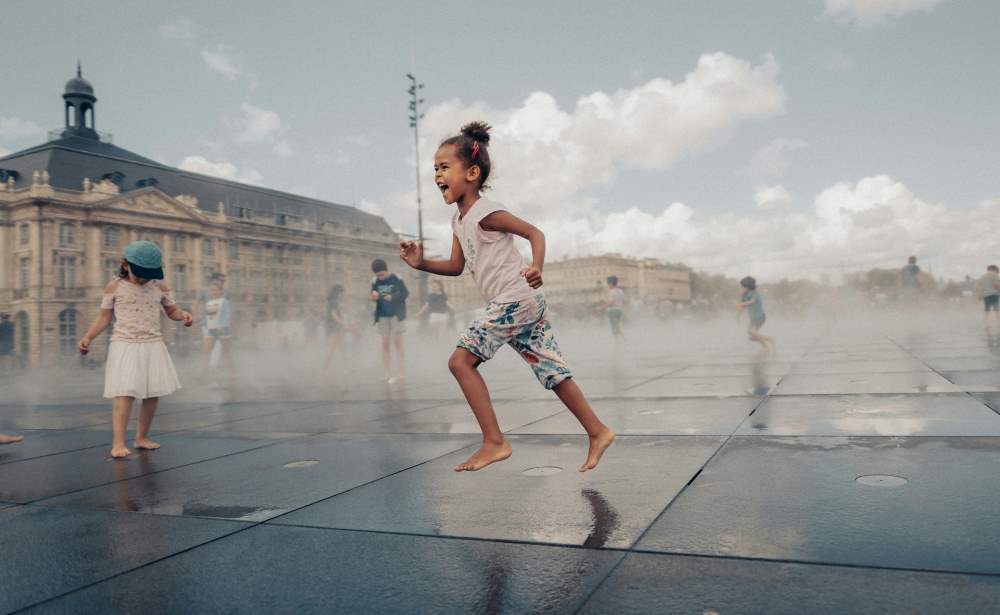
The Miroir d’Eau is directly opposite the historic buildings and holds the title of world’s largest water mirror. Watch as 2 cm of water floods the granite surface and creates perfect reflections of the surrounding architecture.
The cycle runs between 10 am and 10 pm continuously, alternating 15 minutes of mirror effect with 5 minutes of fog. 900 injectors embedded in the granite slabs generate the fog.
You can walk barefoot across the shallow water while the fountain transitions between mirror and mist phases. Children splash through the cycles while photographers capture the 18th-century facades reflected in the still water.
Saint-André Cathedral and Pey Berland Tower
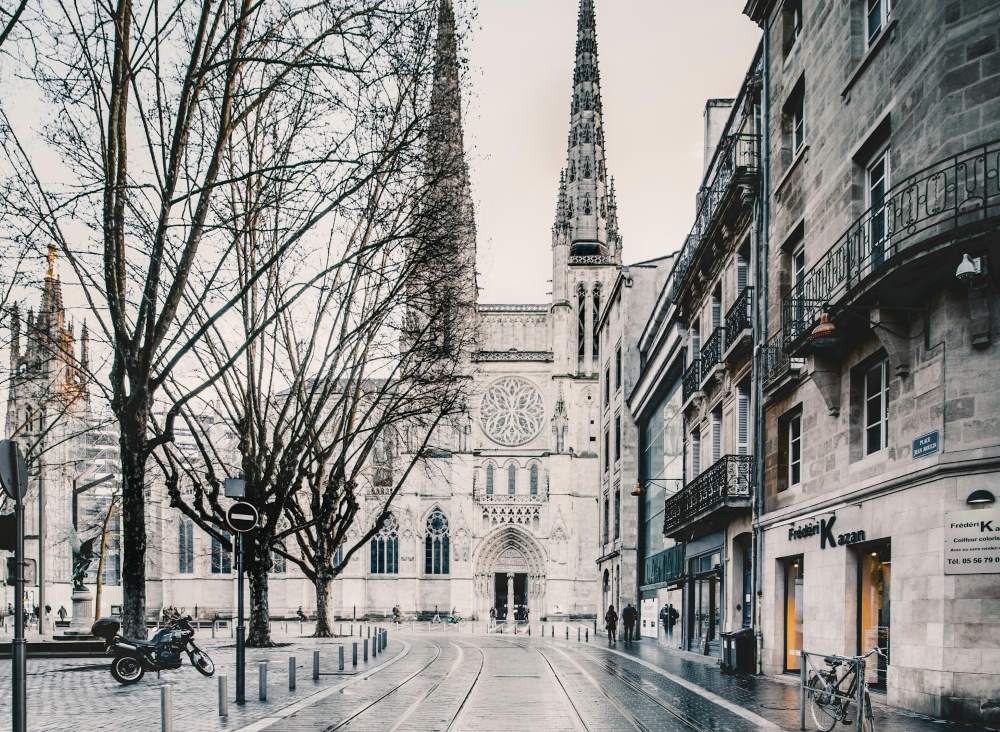
Saint-André Cathedral is a short walk inland from the river. Construction spanned from the 11th to 16th centuries and evolved from Romanesque to Gothic architecture. Two royal weddings took place here: Eleanor of Aquitaine married Louis VII in 1137, and Louis XIII wed Anne of Austria in 1615.
The Pey-Berland Tower is separate from the cathedral. It was built this way because marshy subsoil couldn’t support bell vibrations within the main structure. Construction ran from 1440 to 1500 under Archbishop Pey Berland’s direction.
You can climb the 230 spiral steps dating to the Middle Ages and reach two terraces at 40 and 50 meters. The gilded Virgin and Child statue, Notre-Dame d’Aquitaine, crowns the tower. It has been watching over Bordeaux since 1863.
Four bells occupy the tower’s two chambers. Ferdinand-André, the drone, weighs over 8 tons. Marie, Clémence, and Marguerite still ring for cathedral services. You should book your timed e-ticket in advance since the narrow staircase restricts visitor numbers.
The Grand Théâtre and Triangle d’Or
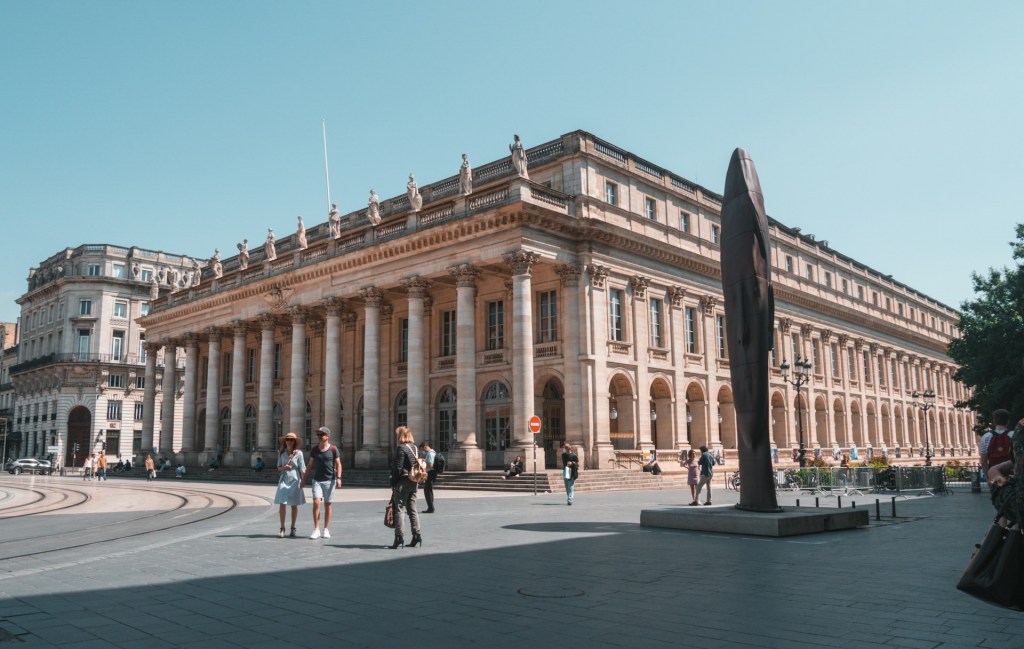
Victor Louis designed the Grand Théâtre, which opened on April 7, 1780. Twelve Corinthian columns support the portico and are topped by statues of nine muses and three goddesses. Pierre-François Berruer created these statues.
The interior grand staircase later inspired Charles Garnier’s design for the Opéra de Paris. Jean-Baptiste Robin painted the ceiling fresco depicting Apollo and the muses, paying tribute to the arts and the city.
The surrounding Triangle d’Or district showcases Bordeaux’s neoclassical architecture. Private mansions and upscale boutiques line wide avenues.
Grosse Cloche and medieval Bordeaux
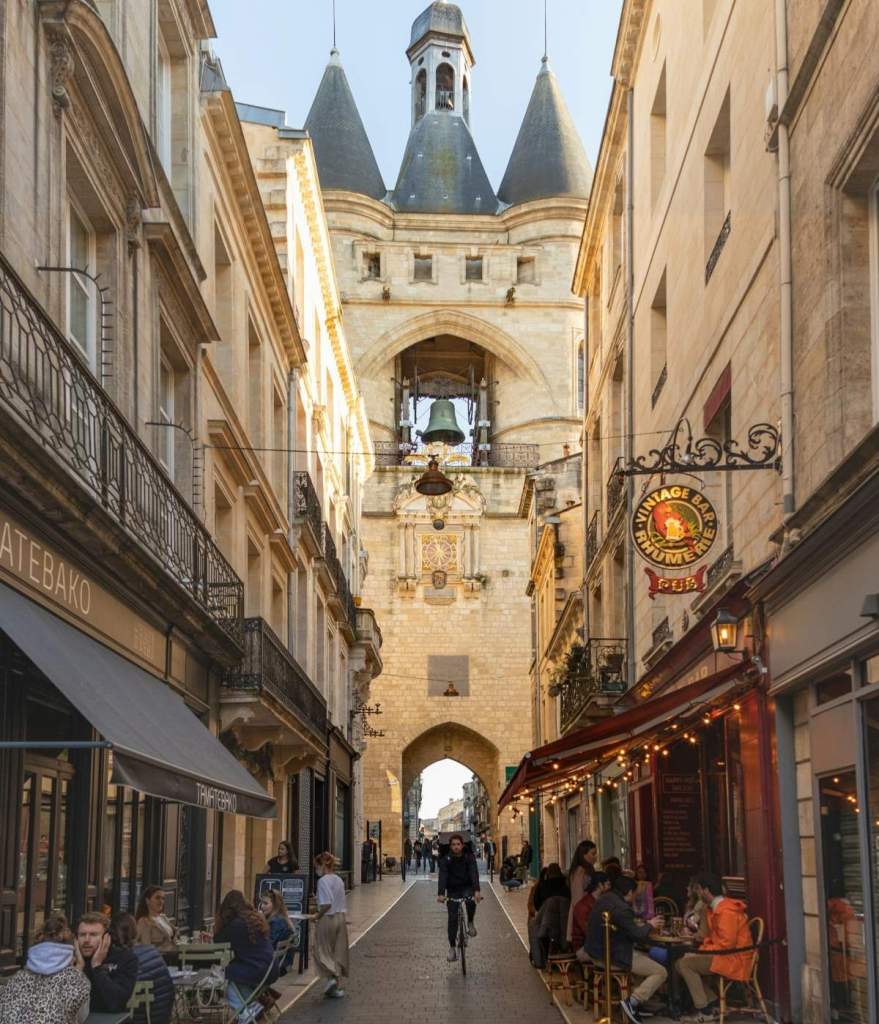
The Grosse Cloche served as both a defensive gateway and a belfry for the medieval town hall. The structure was built in the 15th century on 13th-century foundations and features two 40-meter circular towers connected by a central building.
The current bell was cast in 1775 by foundryman Turmeau. The bell rings only on specific dates: May 1st, May 8th, July 14th, August 28th, November 11th, and the first Sunday of each month at noon.
Guided tours will take you through former prison cells and up to the astronomical clock built in 1759.
Evening along the Garonne River

Walk the riverbank quays as golden light spreads across the water. The Garonne reflects historic facades while locals jog and cyclists pass along the dedicated paths. Explore on your own or join a guided night tour.
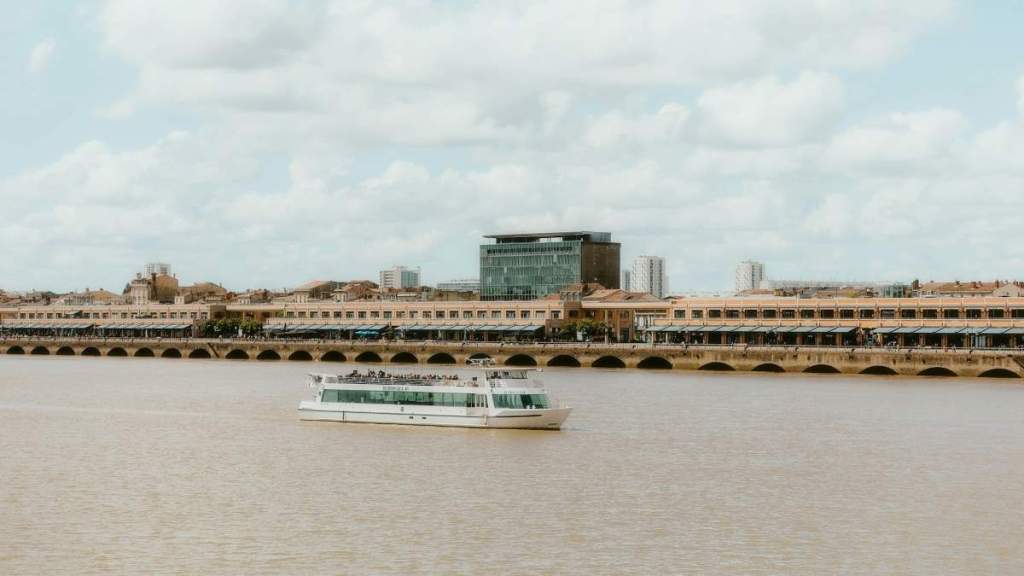
River cruises depart in the evening and offer views of illuminated monuments. You can see Pont de Pierre and Place de la Bourse from the water.
After your cruise, explore the Basilique Saint-Michel district for dinner. Restaurants there serve seasonal ingredients and local seafood.
Day 2: Bordeaux Food Culture and Local Markets
Marché des Capucins for breakfast and oysters
Bordeaux’s food scene comes alive at Marché des Capucins, one of France’s oldest markets and the beating heart of the city’s culinary culture. Locals call it “The Belly of Bordeaux,” and with good reason too.
The market operates 81 stalls selling everything from seasonal produce to Southwest French delicacies. Arrive between 8:30 and 9:00 AM when the market buzzes with energy. Vendors set up fresh flowers, charcuterie, cheese and seafood.
Head straight to Chez Jean-Mi for fresh oysters from Arcachon Bay. Order six oysters opened in front of you and served with lemon, bread and butter. Oysters at breakfast might seem unusual, but locals swear by this combination, especially on weekends when the stand draws crowds.
Bistro Poulette is another option if you prefer a sit-down breakfast. This chic spot serves food early in the day so that you can start with their breakfast or brunch menu. Order a plate of charcuterie with wine if you want to push beyond traditional breakfast fare.
The market runs Tuesday through Friday from 6 am to 2 pm, with extended hours on weekends from 5:30am to 2:30pm. Skip Mondays when the market stays closed.
Guided Tour: Walk to the Market Wine Brunch
Walking through Chartrons district
Walk north along the Garonne River to reach Chartrons, the former wine merchants’ quarter that now runs as a neighbourhood of antique shops and wine bars. This district feels like a village within Bordeaux. It offers a calmer pace than the tourist-packed historic center.
The riverside transforms into an open-air market from 7 am to 2:30 pm every Sunday. The Quai des Chartrons market stretches along the water with stands selling organic vegetables, cooked meats, pastries and wine. The setting matches the products, with Garonne River views and historic buildings as your backdrop.
Lunch at a traditional bistro
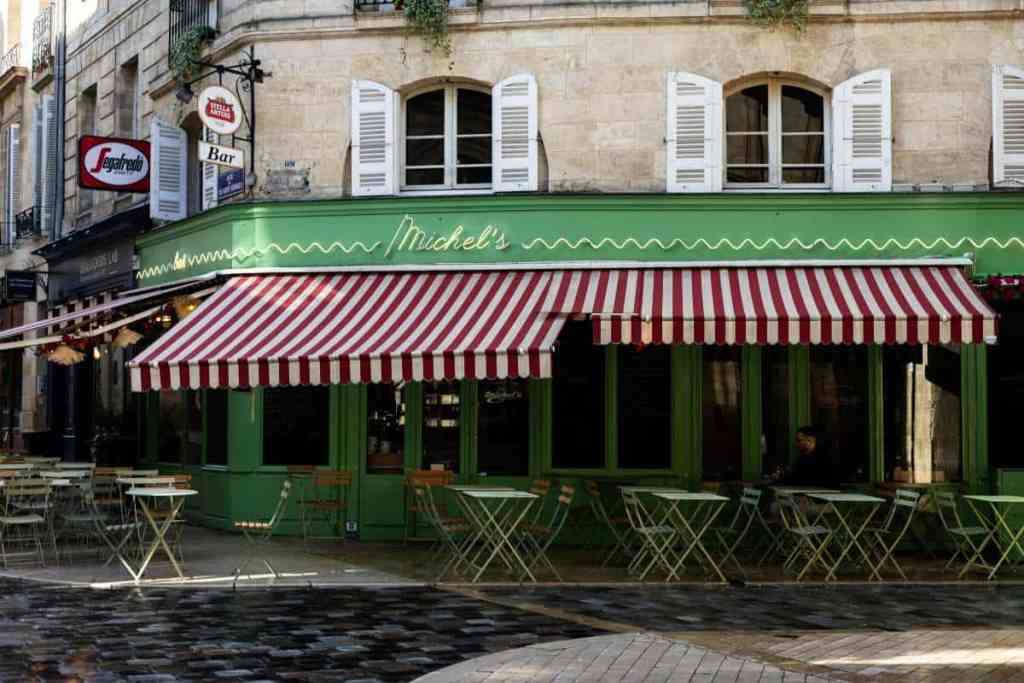
La Brasserie Bordelaise draws locals who push through crowds on Rue Saint-Remi for a table. The menu changes with the seasons. Their wine list has over 700 bottles. Make reservations to secure your spot.
Le Cochon Volant is located near Marché des Capucins. With red and white tiled walls, it feels like stepping into a classic French butcher shop. The cozy bistro serves traditional French cuisine in a lively atmosphere. Book ahead since this is a locals’ favourite.
Au Bistro delivers unpretentious, home-style cooking with generous portions near the market. Regional classics come with friendly service in a cozy setting. This makes it perfect for a relaxed lunch after market shopping.
Wine bar hopping in Saint-Pierre
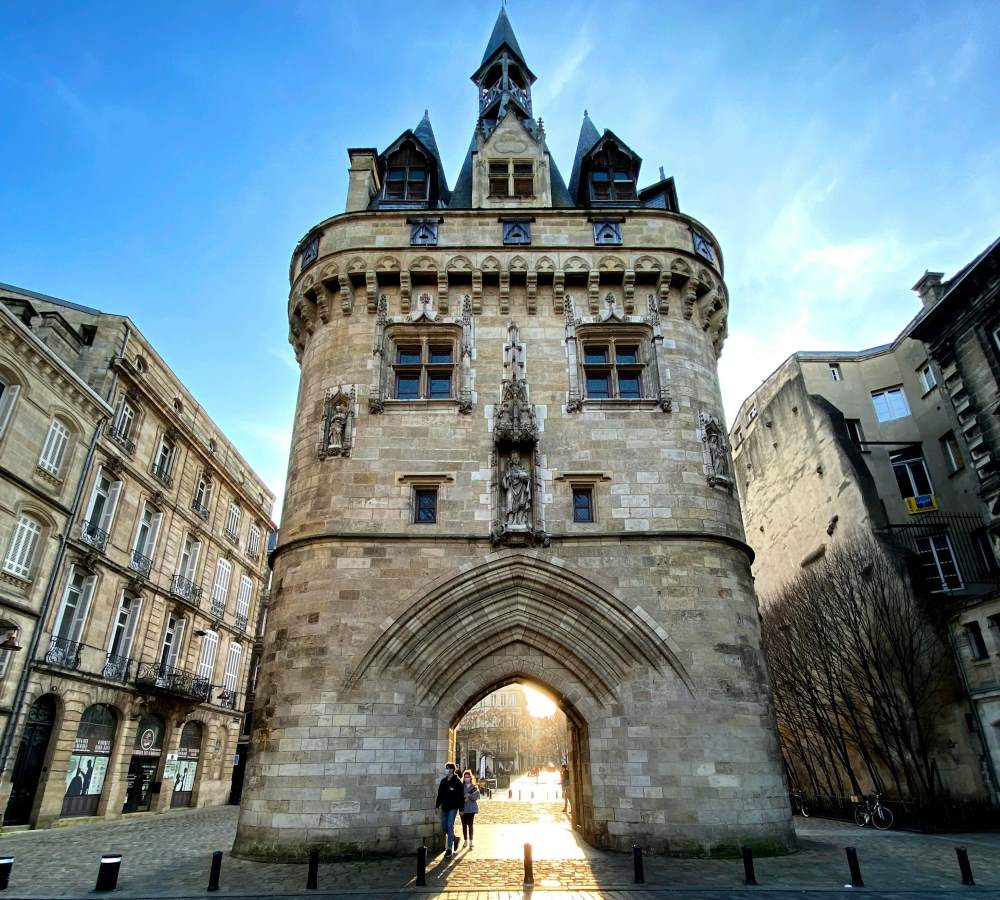
Saint-Pierre’s medieval streets house wine bars where you can taste Bordeaux wines by the glass.
Soif is a dining room with a large bottle selection and plenty of glass options. Their yellow pollack with hazelnuts balances light flavors, while the fried pig’s foot with oysters delivers that surf-and-turf combination locals love.
Avant Comptoir de Palais brings Parisian bistro culture to Place du Palais. The blood sausage macaron stands out as a favourite, matched by their tuna and raspberry tartare. They don’t take reservations except for large groups, so arrive early.
Echos overlooks the medieval Saint-Pierre church with indoor and outdoor seating. The open kitchen features counter seating decorated with microgreens for that day’s plates. Book in advance for dinner or weekend lunch service.
Day 3: Wine Tasting in the Médoc
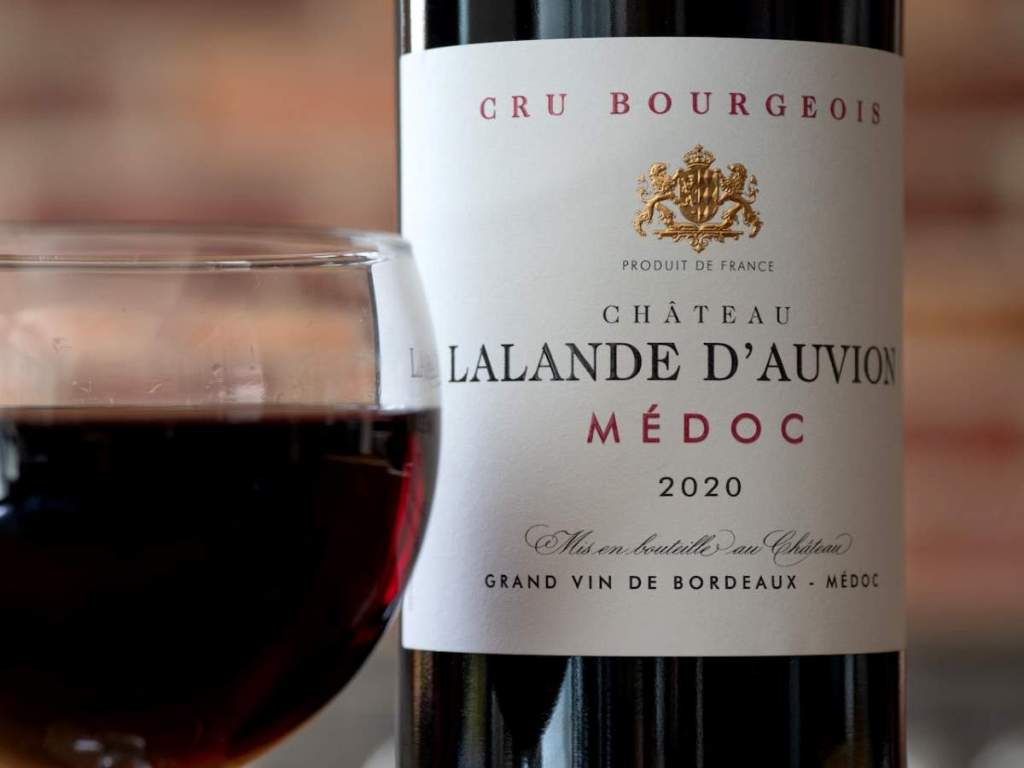
The Médoc region stretches north from Bordeaux along the Left Bank of the Gironde estuary. Gravel-rich soils produce some of the world’s most celebrated wines here.
Your drive follows the Route des Châteaux and passes iconic estates like Château Palmer and Château Margaux. Orderly vineyards extend toward the horizon.
Morning visit to a Pauillac château
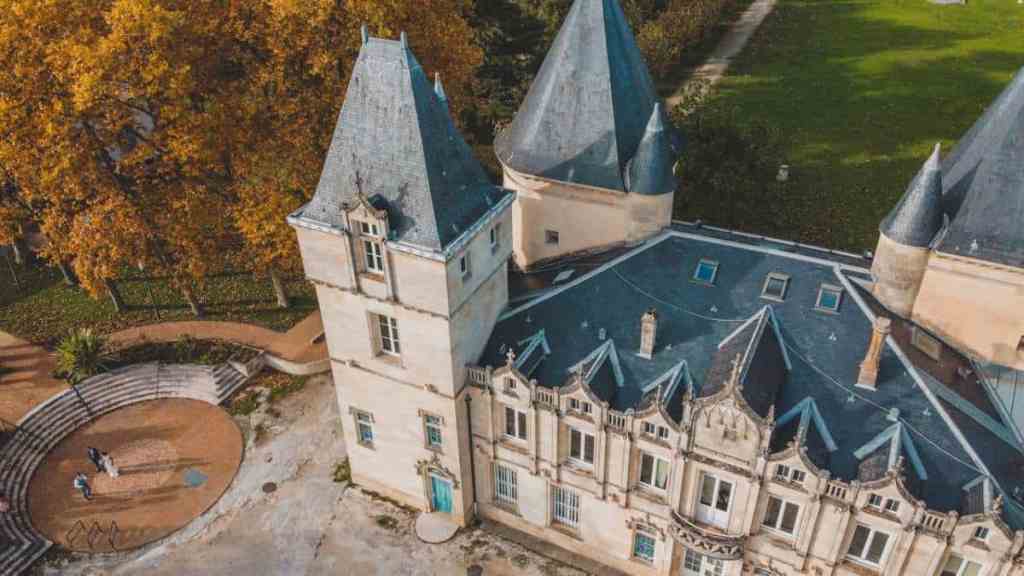
Pauillac claims three of Bordeaux’s five First Growths from the 1855 classification. This makes it essential to your Bordeaux itinerary. This region is located about 40 kilometres north of Bordeaux. These well-drained gravel slopes pair with a maritime climate to create ideal conditions for Cabernet Sauvignon.
Château Pichon Baron ranks among the greatest historic vineyards in Bordeaux and holds position 60 on the World’s Best Vineyards 2025 list. The estate stretches across 75 hectares. Cabernet Sauvignon vines cover 60% of this area, and some age 60 to 70 years.
Your guided tour takes you through the cellars where 180,000 bottles of their Grand Vin age for 6 months in oak barrels. The wine then undergoes blending before returning to the vats for 10 months.
Château Lynch Bages operates one of the largest and most modern facilities in Pauillac. The estate produces approximately 450,000 bottles each year. The Grand Cru Classé accounts for two-thirds of production.
Lunch at a wine estate
Lunch at a château transforms your wine tour into a next level experience.
Château Maucaillou serves a 4-course menu in the Dourthe family’s private dining room. Prices start from €65 per person. Their chef prepares seasonal dishes paired with estate wines after you complete the full cellar tour.
Château Balac customizes menus based on season and priorities. You need to make reservations 48 hours in advance.
Afternoon tasting in Margaux
Margaux lies just south of Pauillac and is celebrated for refined, aromatic Cabernet Sauvignon wines known for aging beautifully over time.
Family-run estates give you opportunities to speak with winemakers about grape varieties and techniques used in Margaux blends.
Many wine tours in the region include visits to two separate châteaux, often beginning at a prestigious Grand Cru Classé estate. During the experience, you’ll sample several Margaux wines and learn what makes this appellation unique.
Photo stops at Château Margaux provide that iconic memento before you continue to your second tasting at an impressive Grand Cru Classé property. Here you’ll attempt to detect aromas and flavours from three carefully crafted Médoc blends and put your sensory skills to work.
Day 4: Saint-Émilion and Right Bank Wines
Cross the Dordogne River and you’ll enter a different wine world. The Right Bank produces Merlot-dominant blends on clay soils, as opposed to the Cabernet-focused Left Bank gravels you learned about yesterday.
Saint-Émilion anchors this region with medieval charm and some of Bordeaux’s most sought-after bottles.
Exploring the UNESCO village of Saint-Émilion

Saint-Émilion became the first vineyard inscribed on the World Heritage List by UNESCO in 1999 as a Cultural Landscape. The village sits in the heart of Bordeaux wine country, where world-famous wineries match beautiful architecture and monuments.
John, King of England, created the Jurade wine brotherhood in 1199 and delegated economic, political and legal powers to regional noblemen. The French Revolution contested this authority in 1789.
Winemakers resurrected the brotherhood in 1948. The Jurade now promotes Saint-Émilion wine around the world and organizes the Spring Feast and Ban des Vendanges each year.
Soil diversity creates the exceptional wines here. A complex of sands, clay and limestone combines with an ideal microclimate for winemaking.
Merlot dominates the blends with Cabernet Franc and Cabernet Sauvignon providing support. These varietals allow Saint-Émilion wines a wide range of aromas and flavours.
Monolithic Church Tour
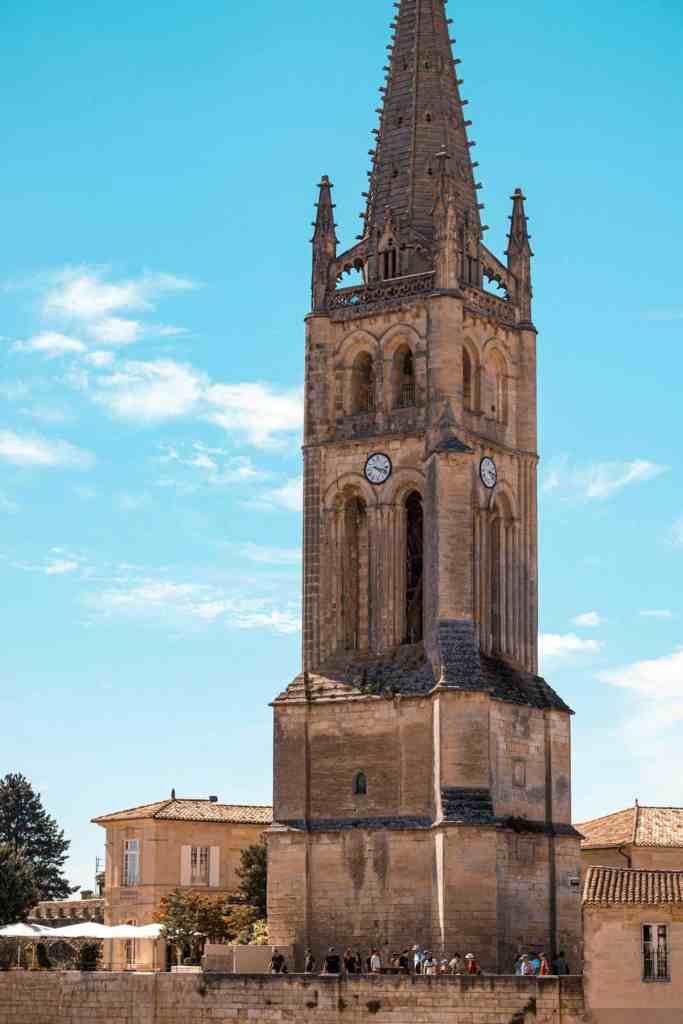
The underground monolithic church was carved in the early 12th century. The name derives from ancient Greek “mono” meaning single and “lithos” meaning stone, referring to a building dug into the limestone plateau that forms a single block.
A 68-meter-high bell tower marks the church’s position above ground. Climb its 196 steps for amazing views of the city and Jurisdiction. Bell tower access costs €2 per person beyond your underground tour ticket.
Guided tours last 45 minutes and reveal the Hermitage carved from a natural cavern, Trinity Chapel, Catacombs and the Monolithic Church carved entirely from solid limestone. Full price runs €9 with reduced rates at €6.50.
Pomerol wine estate visit

Pomerol is adjacent to Saint-Émilion, with clay-rich soils that favour Merlot’s ripening and depth.
These smaller family-run estates produce rare, powerful wines with opulent, silky textures.
Château Clinet invites visitors to find their history and secrets through vineyard and cellar tours. The Classic Tour has a tasting of four wines to appreciate the complexity of their range.
Day 5: Graves, Pessac-Léognan and Sauternes
Head south from Bordeaux city and you reach the oldest continuously cultivated wine-producing area in the region. The Romans planted it nearly 2,000 years ago.
The Graves region stretches over 30 miles along the left bank of the Garonne River. Its name comes from the deep gravelly and stony soils that define the terroir here.
Morning at a Graves estate
Graves stands out as the only Bordeaux region producing all three main wine types: reds, dry whites, and sweet wines.
Red production dominates though. Ancient rivers deposited the gravelly soils during the quaternary and tertiary periods. These soils provide excellent drainage and let vines develop deep root systems.
Estates like Château Carbonnieux and Château Haut-Bailly open their doors for cellar tours. You can taste Cabernet Sauvignon-based reds and crisp dry whites after the tour.
Your morning visit takes you to a Grand Cru Château where guided vineyard walks reveal how these gravel beds create wines with remarkable intensity and structure. The Garonne River moderates temperatures and creates ideal conditions for ripening.
Finding Bordeaux white wines
Pessac-Léognan became its own AOC in 1987, nearly 40 years old now. It has all 16 Crus Classés de Graves. Château Haut-Brion holds a unique position as the only property classified as 1er Grand Cru Classé outside the Médoc in the famous 1855 classification.
White wines here blend Sauvignon Blanc and Sémillon. Winemakers ferment them in barrels at low temperatures. They mature over 7 to 15 years into notes of nuts, honey, and custard. These age-worthy whites rival burgundy in complexity. Top estates produce wines that evolve for 50 or more years.
Afternoon in Sauternes
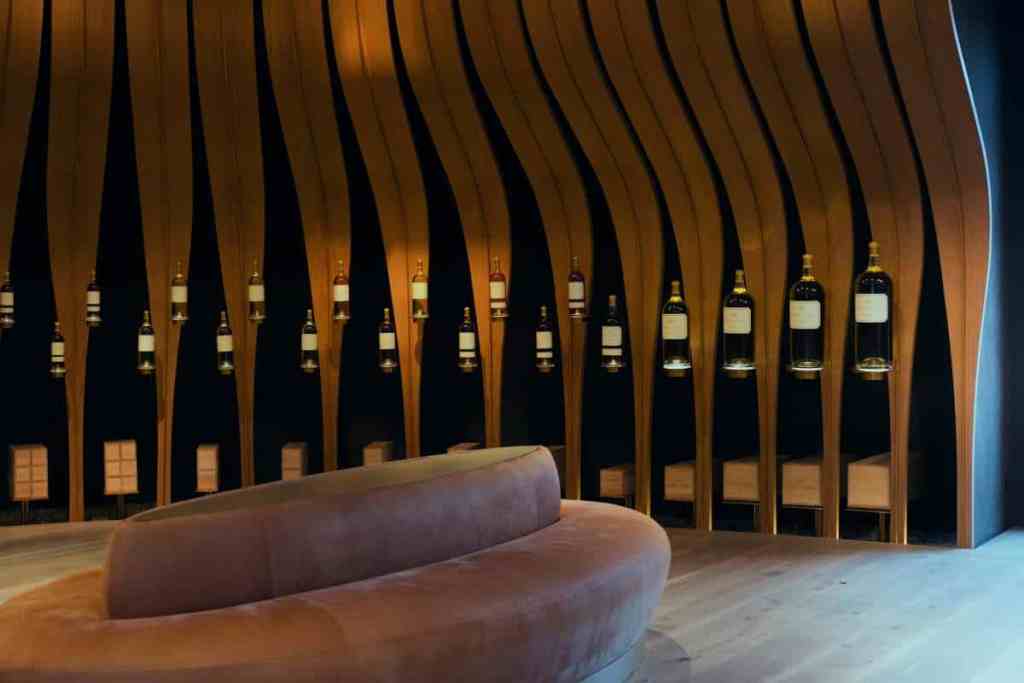
The Sauternes appellation sits where the Garonne and Ciron rivers meet. Morning mists form here and encourage Botrytis Cinerea fungus to grow on grapes.
Château d’Yquem was classified as the sole Premier Grand Cru Classé Supérieur in the 1855 Sauternes classification to honour its unrivalled quality. Private guided visits start at €100 per person for the Initiation tasting with one vintage.
Optional Day Trips from Bordeaux
Extending your Bordeaux, France itinerary opens possibilities beyond wine estates. These optional excursions deliver experiences from coastal adventures to spirit tastings. Each is reachable within two hours.
Arcachon Bay and oyster tasting
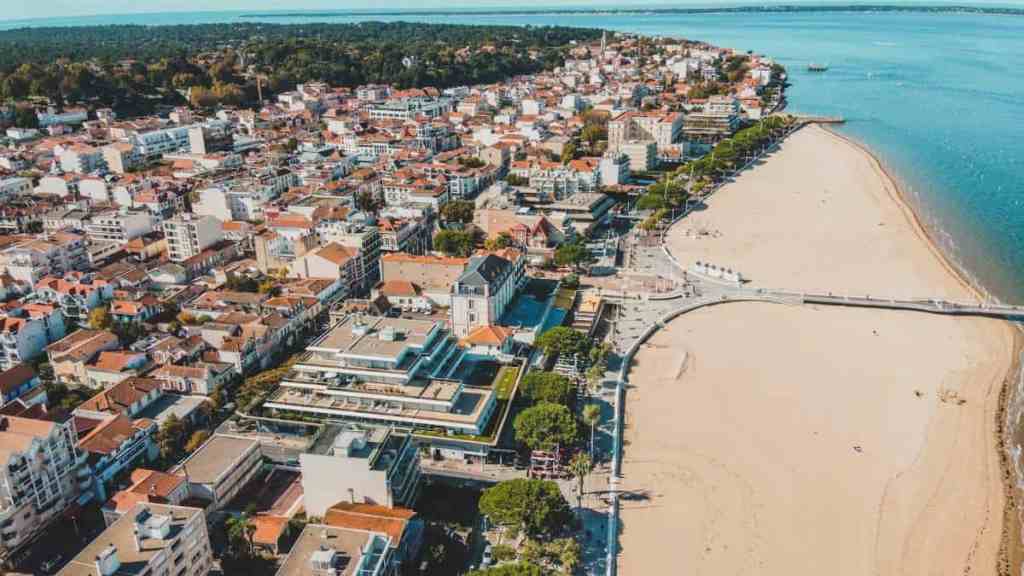
Arcachon Bay is 55 minutes from Bordeaux by train.
Oyster tastings come directly from farmers’ wooden cabins scattered around the basin. These “farmers of the sea” open their workspaces for in-house tastings or take-away service.
Arcachon Bay oysters are raised 100% naturally with iodized flavours of sea spray. Pair fresh oysters with rye bread, salted butter and white wine.
Traditional pinasse boat tours glide across the bay. You’ll find hidden islands and oyster villages that reveal the basin’s authentic charm. The town itself showcases 19th-century villas in the Ville d’Hiver district alongside upscale seaside boutiques.
Dune du Pilat
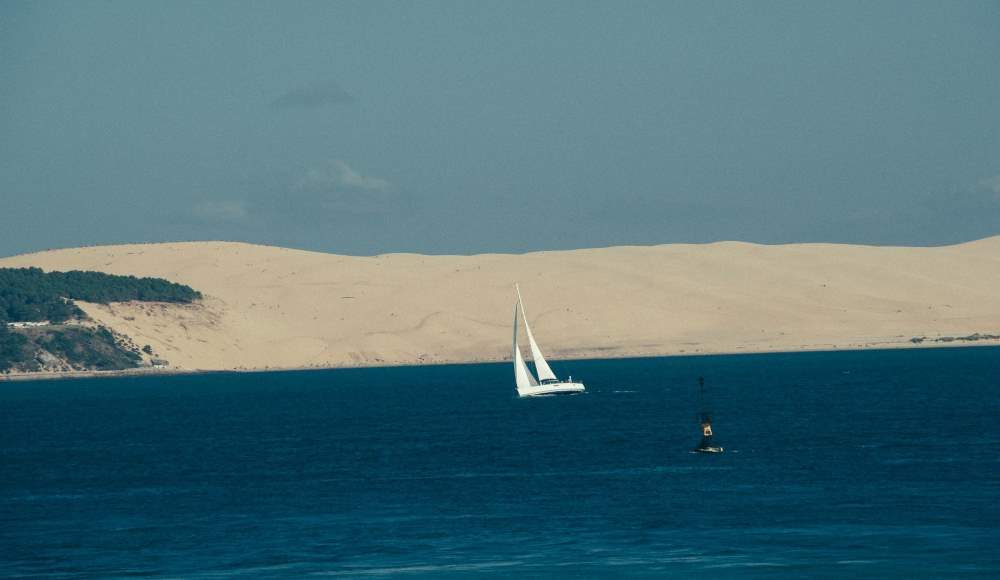
Europe’s tallest sand dune rises 110 meters high with 60 million cubic meters of sand. The formation stretches 500 meters wide and 2.7 kilometers long.
Stairs installed from late May to early November ease the climb. Adventurous visitors tackle the sandy slopes directly.
Views from the summit reveal the Atlantic coast, Arcachon Bay and surrounding forests. The dune moves inland up to 5.5 meters annually and covers the forest where half-buried trees emerge from the base.
Cognac distillery visit
The region has produced celebrated brandy for over 300 years.
Private 9-hour tours from Bordeaux include visits to two Cognac distilleries. Tours cover grape harvesting, fermentation, double distillation in copper pot stills and aging in Limousin oak barrels.
Visits feature renowned houses like Hennessy or Martell alongside smaller family-run producers.
Bergerac medieval town

Bergerac’s half-timbered houses line cobblestone streets along the Dordogne River. The medieval town boasts seven wine appellations that date to Roman times.
Walk Rue de la Mirope and Place Pélissière to admire restored architecture. Visit the 12th-century Eglise Saint-Jacques or explore the Cloître des Récollets that houses the Maison des Vins.
Bergerac: Guided Tour of the Historic Center
Practical Tips for Visiting Bordeaux
Best time to visit Bordeaux
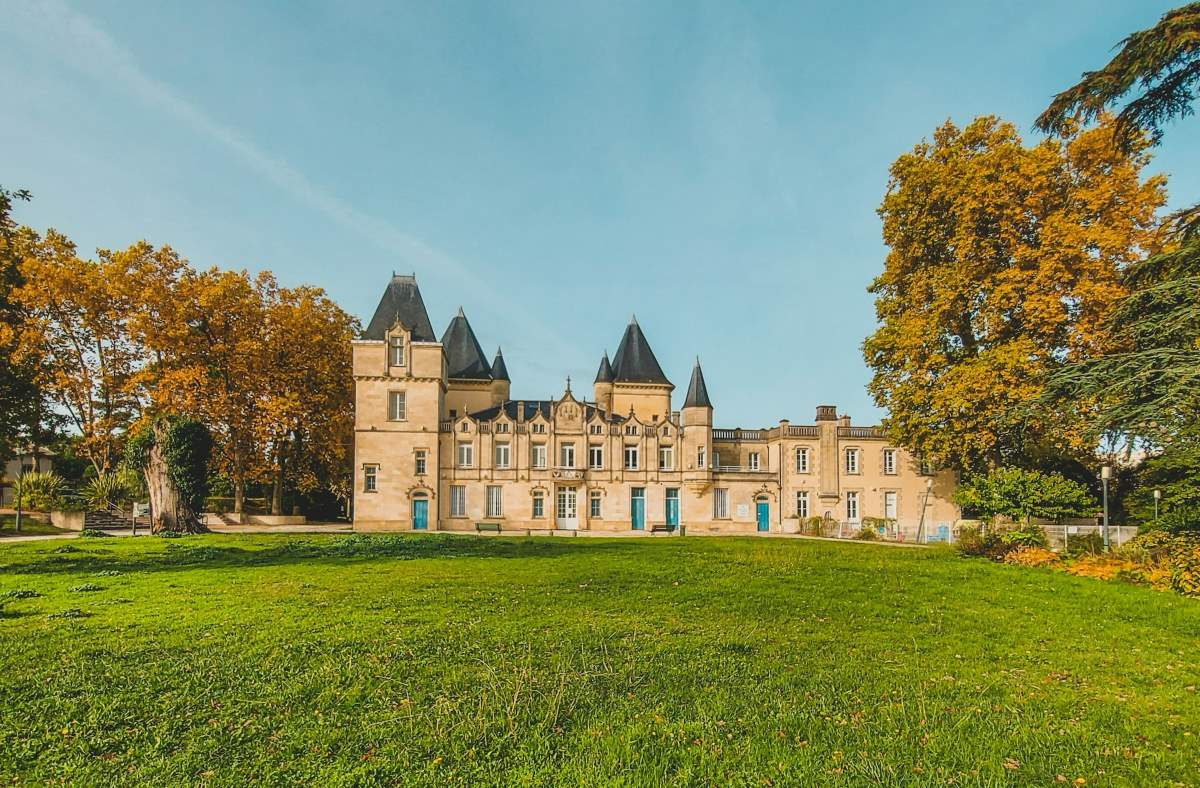
Spring and early fall offer the best conditions for your Bordeaux itinerary. April to June and September to October bring vineyard-lush landscapes, lighter crowds and comfortable weather. Temperatures range from 50°F to 75°F during these months.
Late September to early October stands out as the prime window for wine enthusiasts. Harvest season brings energy to the vineyards as Merlot ripens first, followed by Cabernet Sauvignon. You can walk through vineyards, taste ripe berries and sample fermenting juice directly from vats.
Wineries let you compare young wines with their aged counterparts during cellar tours. The French government now allows tourists to participate in grape picking as part of their visit.
Summer brings warmth and festivals, but expect larger crowds. Temperatures climb from 65°F to 85°F between June and August. The Bordeaux Wine Festival transforms the riverside in late June with tastings, live music and tall ships. Many locals head to beaches during July and August, which means less traffic in the city.
Winter offers a different experience. Temperatures hover between 40°F and 50°F. Visiting in January or February offers a quieter, more intimate wine country experience, with peaceful cellars and welcoming winemakers who often have extra time to share older vintages and personal stories behind the wines.
Some wineries that stay closed otherwise open their doors during the winter months, though many shut down between Christmas and New Year’s Day. Plan weekday visits from November through March since some estates close on weekends.
Where to Stay: choosing your base
Your neighborhood choice to stay will shape your entire Bordeaux experience.
Saint-Pierre and Saint-Paul form the historic center where first-time visitors should base themselves. You’re steps from Place de la Bourse, the Grosse Cloche and countless restaurants. Be aware that weekend nights can get noisy on certain streets.
Chartrons offers a more local atmosphere with great wine bars and riverside walks. This former wine merchants’ district now feels like a village within the city, perfect for couples and food lovers who want calmer evenings. The area is about 15 minutes from downtown.
Triangle d’Or and Quinconces showcase Bordeaux’s elegant side with 18th-century mansions and upscale boutiques. This district costs more but provides easy access throughout the city.
Families and travelers seeking calm should consider Jardin Public or Saint-Seurin. These residential neighbourhoods revolve around the central park with playgrounds and walking paths.
Budget-conscious travelers can look at Bastide across the river or near Gare Saint-Jean. Prices run lower than in the city center, though these areas lack the historic charm. Quick tram access keeps you connected to things to do in Bordeaux.
Getting around Bordeaux
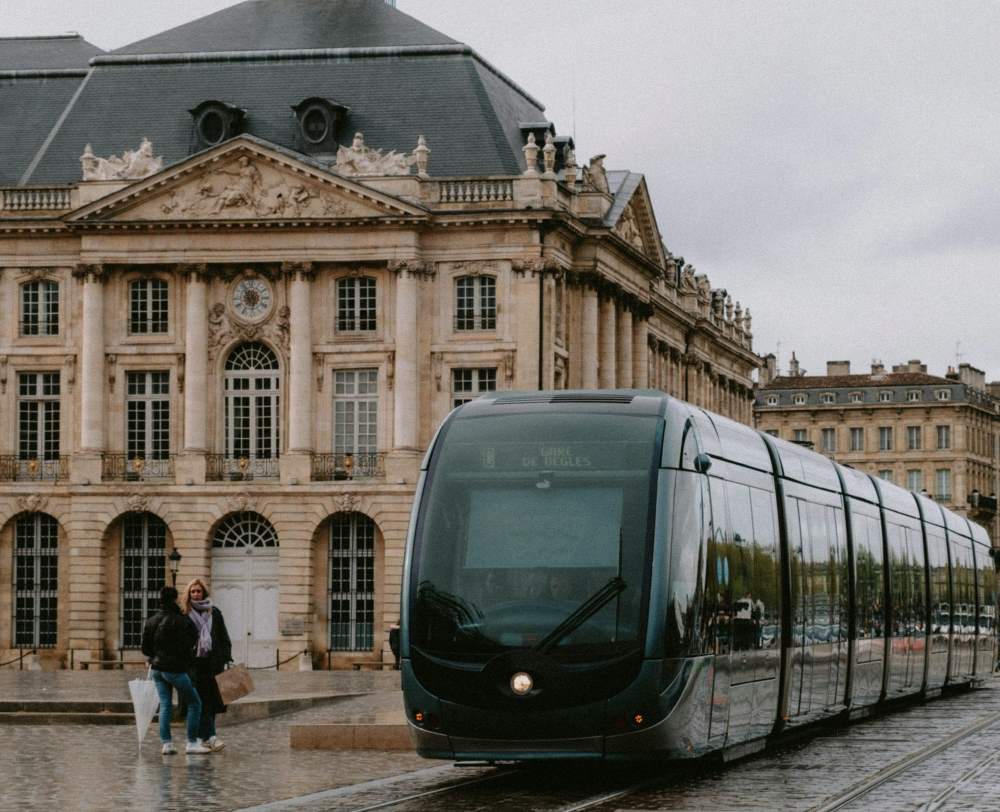
Bordeaux operates the largest tram network in France outside Paris, with 4 lines covering 82 km.
You can purchase tickets at station machines for €1.90 or use the TBM app. Each ticket provides one hour of unlimited transfers on trams and busses.
Tram Line A connects the airport to downtown in 40 minutes.
The historic center works well for walking due to France’s largest pedestrian zone.
Booking château visits
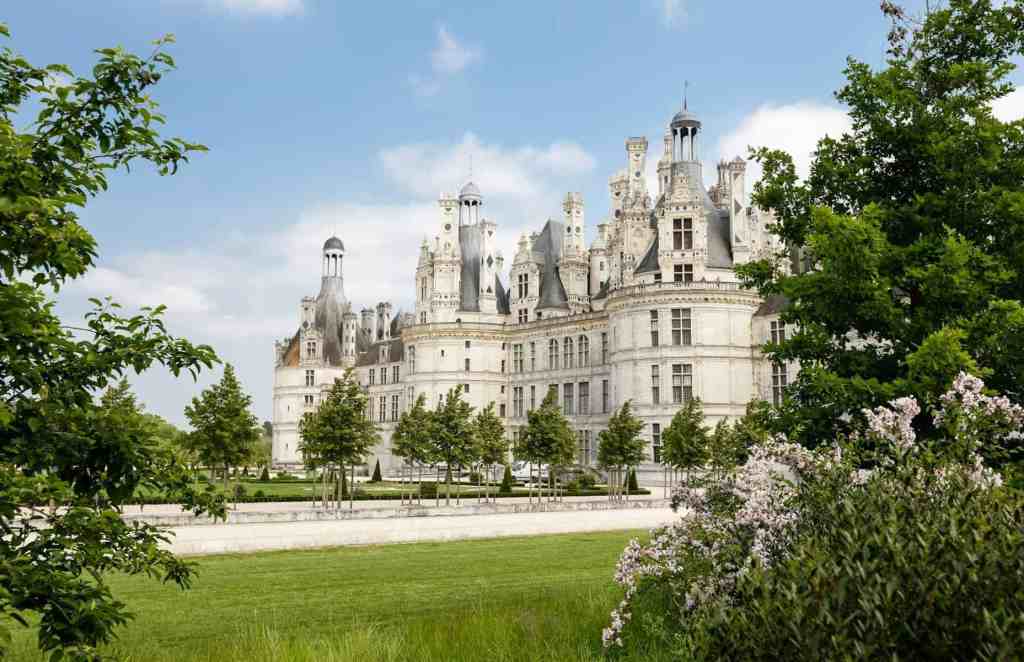
You should book château tours weeks or months ahead since most estates require reservations. Reach out to properties via email and state your preferred date, time and why you want to visit.
Wine merchants or tour companies can arrange visits on your behalf. Tours last 60 to 90 minutes, so avoid overbooking your schedule. Punctuality matters since estates reserve specific time slots for you.
What to wear for wine tours
Smart-casual attire works best for château visits.
Closed-toe shoes with stable soles are essential since you’ll walk through vineyards and cellar stairs. Flip-flops and high heels should be avoided.
Bring a cardigan or jacket for cool cellars. Neutral colors hide wine stains better than white.
Dining etiquette and reservations
Every restaurant interaction should begin with “Bonjour” before requesting anything.
Dinner service runs 7 pm to 10 pm, with 6 pm arrivals marking you as a tourist. Reservations are recommended, especially on weekends.
Service charges are included in menu prices, though leaving a few euros for excellent service is appreciated.
Say “L’addition, s’il vous plaît” to request the check.
Final Thoughts on the Ultimate Bordeaux Itinerary

Your Bordeaux France itinerary delivers the perfect balance between cultural exploration and wine education. Whether you spend three days or a full week, you’ll find why this UNESCO-listed city engages travelers year after year.
The best Bordeaux experiences come from slowing down. Linger over oysters at Capucins and walk through vineyards during harvest. Chat with winemakers who’ve dedicated their lives to crafting exceptional bottles.
Book your château visits early, wear comfortable shoes, and arrive hungry. Bordeaux rewards curious travelers who welcome its grand estates and hidden bistros.
Frequently Asked Questions (FAQs)
Key Takeaways
Discover how to maximize your Bordeaux experience with these essential insights for wine lovers and culture enthusiasts planning their French adventure.
- Plan 3-5 days minimum: Three days covers city highlights and one wine region; five days allows exploration of both Left and Right Bank appellations plus Sauternes.
- Visit during harvest season (late September-October): Experience grape picking, taste fermenting wines directly from vats, and enjoy fewer crowds with perfect weather.
- Book château visits weeks in advance: Most prestigious estates require reservations; contact properties directly via email stating your preferred dates and interests.
- Base yourself in Saint-Pierre or Chartrons districts: Stay within walking distance of historic sites, restaurants, and wine bars while avoiding tourist crowds.
- Start mornings at Marché des Capucins: Experience authentic Bordeaux culture with fresh oysters, local pastries, and seasonal produce at France’s oldest market.
- Understand Left vs Right Bank differences: Left Bank produces structured Cabernet Sauvignon-based wines on gravel soils; Right Bank creates softer Merlot blends on clay terroir.
The key to Bordeaux is embracing both its world-class wines and vibrant food culture. Slow down, book ahead, and prepare for an unforgettable journey through France’s most prestigious wine region.
Bordeaux Travel Blogs
Best Places to Stay in Bordeaux France

Bordeaux France in October
Top Tourist Attractions in Bordeaux
Things to do Near Bordeaux France
Bordeaux France Solo Travel