
Where to Stay in Amsterdam: Smart Picks for Every Budget and Travel Style
The city’s map can feel overwhelming at first glance if you’re trying to decide where to stay in Amsterdam. The right neighborhood matters for your budget and travel style.
This blog breaks down the best neighborhoods to stay in Amsterdam, from iconic canal-side locations to budget-friendly local areas.
You’ll find the best areas to stay in Amsterdam for first-timers, families, luxury seekers, and travelers wanting authentic experiences beyond the tourist crowds.
Disclaimer: This post may contain affiliate links, meaning I receive commissions for purchases made through those links at no cost to you. Please read my full disclosure for more information.
Understanding Amsterdam’s Neighborhoods: A Quick Overview
How Amsterdam is laid out
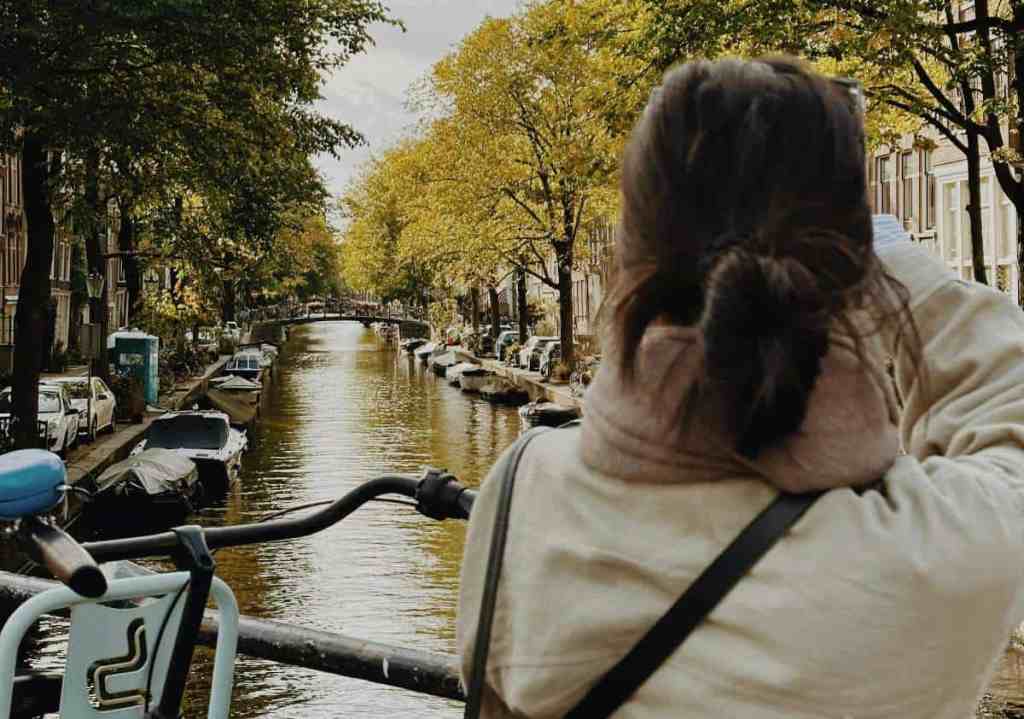
Amsterdam spreads out from Central Station in concentric semicircles. Each semicircle is separated by a canal. Stand with your back to the station and the city unfolds before you in these half-ring formations.
The Dam square sits at the city’s geographical and historical heart, where 13th-century farmers and fishermen built the first dam in the Amstel River. This dam gave Amsterdam its name.
The famous Canal Belt (Grachtengordel) radiates star-shaped from the station. Three main canals make up this belt: Herengracht, Keizersgracht, and Prinsengracht.
Two pedestrianized shopping streets run through the center like a spine. Kalverstraat and Leidsestraat connect The Dam to Muntplein, then continue south through the Canal District to Leidseplein and Vondelpark with Museumplein.
The closer you are to The Dam, the older the area. The neighborhoods become more modern as you move outward.
Amsterdam consists of seven boroughs (stadsdelen). Each borough has populations that range from 80,000 to 150,000 residents. Each borough divides further into individual neighborhoods, and each has distinct characteristics.
Central vs outer neighborhoods

Centrum includes the area within the Singel canal and extends eastward towards the IJ river. Iconic neighborhoods like Grachtengordel, Jordaan, Haarlemmerbuurt, Plantage, and parts of the Red Light District fall within Centrum.
The outer boroughs surround this central core. Cardinal directions denote them: Noord (North), Oost (East), Zuid (South), West, Nieuw-West (New West), and Zuidoost (Southeast). These residential neighborhoods are nowhere near as touristy as the historic center and provide pleasant, authentic experiences.
Amsterdam Noord sits across the IJ River from Central Station. It represents a unique blend of traditional charm and modern breakthroughs.
Amsterdam West and Nieuw-West contain many residential areas of varying character, from social hotspots to upper-class neighborhoods. Nieuw-West was formed in 2010 when several neighborhoods merged. These areas were created as garden cities after World War II.
Oost stretches from the Amstel River to the eastern outskirts. It has diverse cultural influences and historic architecture.
Zuid combines Oud-Zuid and Zuideramstel. This creates the district with the highest population density and per-capita income in Amsterdam.
Zuidoost is located southeast of the center. People often call it Amsterdam’s entertainment paradise.
Best Areas to Stay in Amsterdam for First-Time Visitors
First-time visitors gravitate toward three neighborhoods that capture Amsterdam’s essence while offering practical advantages for exploring the city.
Canal Belt (Grachtengordel): The iconic Amsterdam experience

The Canal Belt delivers exactly what you picture when imagining Amsterdam. Four concentric waterways curve from Brouwersgracht around the historic center: Singel, Herengracht, Keizersgracht, and Prinsengracht.
These tree-lined canals showcase gracious waterside houses from Amsterdam’s 16th-century Golden Age, with a few iconic houseboats still moored along the water.
You’ll wake up to canal views from your hotel window and step outside to see must-see attractions scattered along these waterways. The Anne Frank House and Westerkerk sit on Prinsengracht, while the Bloemenmarkt flower market appears where Singel meets the Amstel River.
Amsterdam Centrum and Nieuwe Zijde lie within easy walking distance, and you’re just a couple of blocks from Museumplein and the Rijksmuseum from the southern reach of Prinsengracht.
The Negen Straatjes neighborhood occupies an ultra-chic enclave within the western Canal Belt, tucked between Prinsengracht and Singel. This area skews expensive but offers boutique shopping and dining experiences.
Prices reflect the location’s desirability, with Friday and Saturday night stays costing more than weekdays.
Jordaan: Charming canals with local flavor
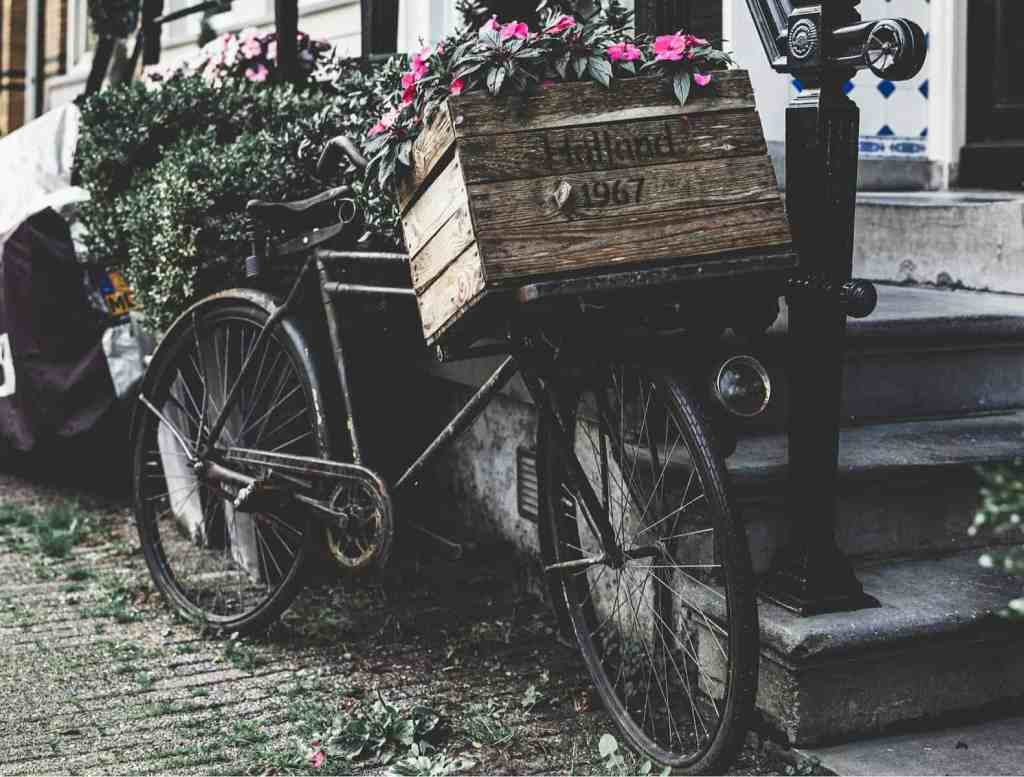
Jordaan sits just west of Prinsengracht and offers narrow cobblestone streets and corner cafes that create a pleasant atmosphere.
The neighborhood was built in the 17th century for workers and immigrants. Jordaan has transformed over time. It is now one of Amsterdam’s most expensive and desirable neighborhoods.
You’ll find Amsterdam’s best historic brown cafes and excellent restaurants serving everything from traditional Dutch dishes to international cuisine.
The area remains walkable to the Anne Frank House and Central Station, with multiple tram lines nearby. You can visit the Noordermarkt and the neighbouring Lindengracht market, where locals buy vegetables, fresh herbs, and bread.
Hotel options are limited because Amsterdam’s center earned UNESCO World Heritage status before development would have occurred in the 1980s and prevented facade changes to buildings. The few available accommodations command premium rates and reflect both lack and need.
Museumplein: Cultural hub with easy access
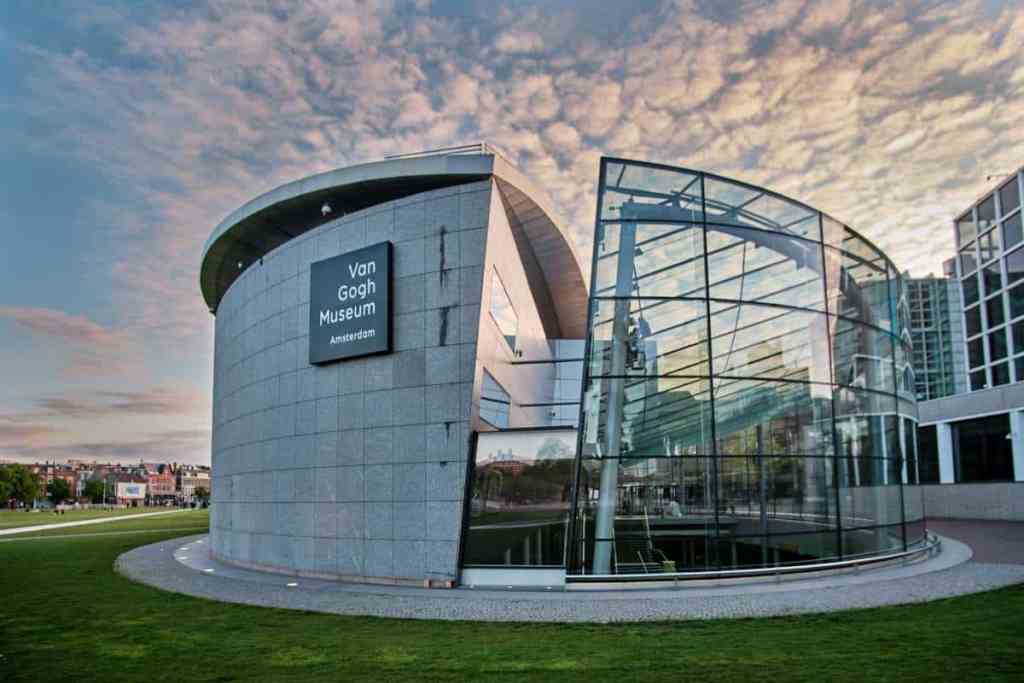
Museumplein offers comparable convenience to the Canal Belt at more reasonable prices.
The location offers trams running in all directions, whisking you to Amsterdam Centraal and Dam Square within 15 minutes. Bus 397 connects from the airport arrivals hall to Museumplein in about 15-20 minutes, depending on traffic.
You’re positioned within a 5-10 minute walk of both the Rijksmuseum and Van Gogh Museum. Vondelpark sits right on the edge and provides green space for morning walks.
The southern end of the Grachtengordel and De Pijp are both walkable from this location. The neighbourhood itself contains fewer dining options than other areas, with more chain restaurants than local favourites. But your proximity to Oud-Zuid and De Pijp compensates for this limitation.
The area costs less than staying on the canals while maintaining excellent public transportation connections. Museumplein strikes an effective balance between location and budget for first-timers wanting central access without maximum expense.
Best Budget-Friendly Neighborhoods in Amsterdam
Budget-conscious travelers can save substantially by staying in neighborhoods just outside Amsterdam’s historic center without sacrificing convenience or experience.
These areas offer authentic local atmosphere and excellent public transportation connections. Accommodation costs are much lower.
Oud-West: Affordable and authentic
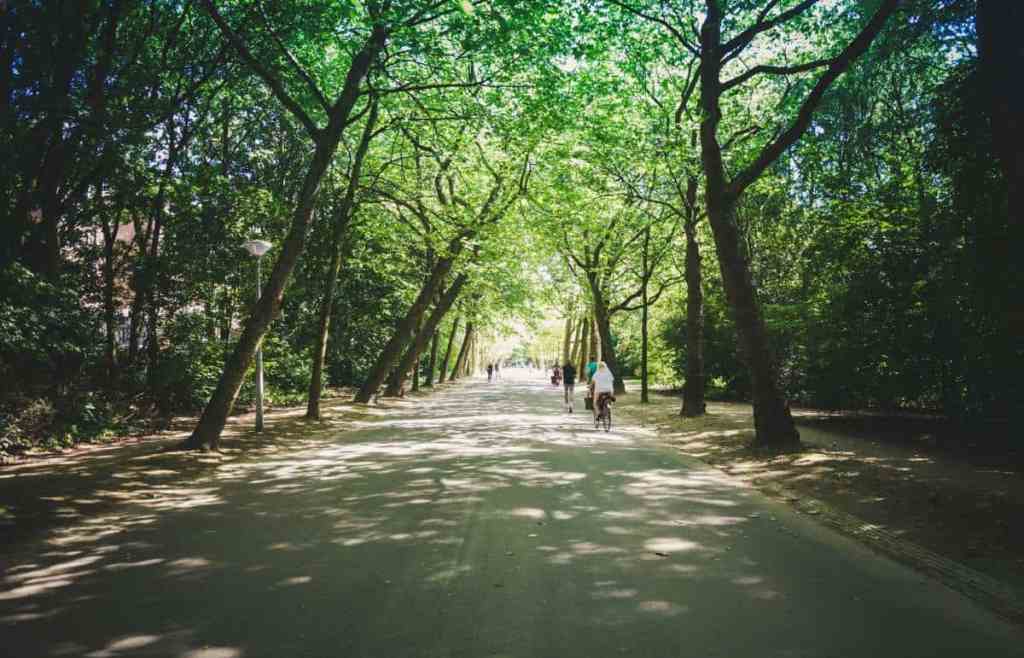
Oud-West is located west of the city center, adjacent to Leidseplein and the Museumkwartier.
You get excellent value for your money here while staying close to major attractions. Safe streets, monumental buildings and a quiet residential character define the area. This contrasts sharply with the tourist-heavy center.
Walking distances remain manageable from Oud-West. You can reach the Anne Frank House in 20 minutes on foot. The Van Gogh Museum takes just 15 minutes.
There are parks right behind many hotels, as well as many restaurants and cafes. Strong public transportation links keep you within 20 minutes of anywhere you want to go.
Hotels in Oud-West provide clean accommodations with everything you need at prices nowhere near Canal Belt rates. Expect features like elevators, reliable wifi, hot water and spacious bathrooms without the premium attached to more central locations.
The area is becoming one of Amsterdam’s coolest neighbourhoods as independent businesses and restaurants choose to open here. You’re positioning yourself in an up-and-coming area that locals favour, while tourists overlook it.
Amsterdam Noord: Value across the water

Amsterdam Noord delivers the most dramatic price drops among budget-friendly Amsterdam neighbourhoods. Hotels here can cost as low as $49.00 per night during certain periods.
Noord has gentrified substantially in recent years and evolved from a working-class district into a hipster haven popular with people in their 20s and 30s.
The former industrial waterfront now houses unconventional museums like STRAAT street art museum and artist galleries.
The expansive NDSM cultural center is also located here. Restaurants, shops and bars cluster along the waterfront creating a lively scene that feels removed from tourist Amsterdam.
Post-war residential apartment blocks make up much of the neighborhood, interspersed with modern developments and typical Dutch low-rise homes with front and back gardens.
These residential areas center around parks and public spaces and create a community-oriented atmosphere. The area feels very city-like near the river, but becomes increasingly suburban as you move north.
Choose accommodations close to the waterfront or a metro stop to maintain quick access to the center while enjoying peaceful, affordable surroundings.
Free ferries run 24 hours daily from Amsterdam Centraal Station and cross the IJ River every two to 30 minutes depending on the route and time.

Oost: Local vibes without the price tag
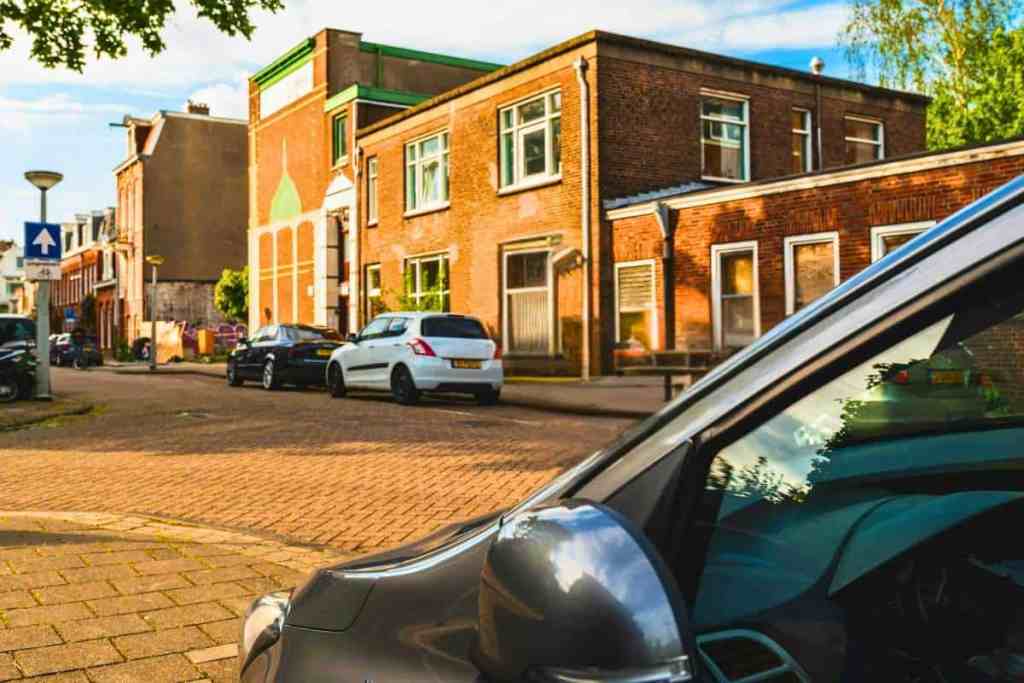
Amsterdam Oost is located east of the city center and offers diverse cultural influences and authentic neighborhood character.
A pleasantly diverse population lives here, which helps to offer international restaurants in addition to traditional Dutch options. The Dappermarkt, one of Amsterdam’s major street markets, operates here daily and sells food, drinks and random items that locals actually buy.
Oost provides easy tram and bike access across Amsterdam. The 30-minute walk to the center follows the Amstel River if you prefer and offers stunning views along the way.
The neighborhood is gentrifying now, which means you’ll find that sweet spot between affordable pricing and improving amenities.
Hotels in this area offer substantial savings compared to central Amsterdam neighbourhoods.
Best Neighborhoods to Stay in Amsterdam for Luxury Travelers
Luxury accommodations in Amsterdam are concentrated in three distinct areas. Each area offers premium experiences with different characteristics.
These neighbourhoods provide upscale lodging options for travelers who seek refined comfort and exclusive settings.
Oud-Zuid: Elegant and upscale
Oud-Zuid represents Amsterdam’s most affluent residential district, comparable to Chelsea or Fulham in London.
Leafy streets lined with Range Rovers suggest the wealthy locals and expats who call this area home, where houses sell for millions.
The neighbourhood sits adjacent to the Museum District, placing the Rijksmuseum, Van Gogh Museum, and the magnificent Vondelpark within walking distance
This proximity to cultural landmarks makes Oud-Zuid especially attractive for luxury travelers who want sophisticated surroundings with easy access to Amsterdam’s premier attractions.
The Mandarin Oriental Conservatorium is a luxurious 5-star hotel that is conveniently located near many top attractions in the Museum Quarter.
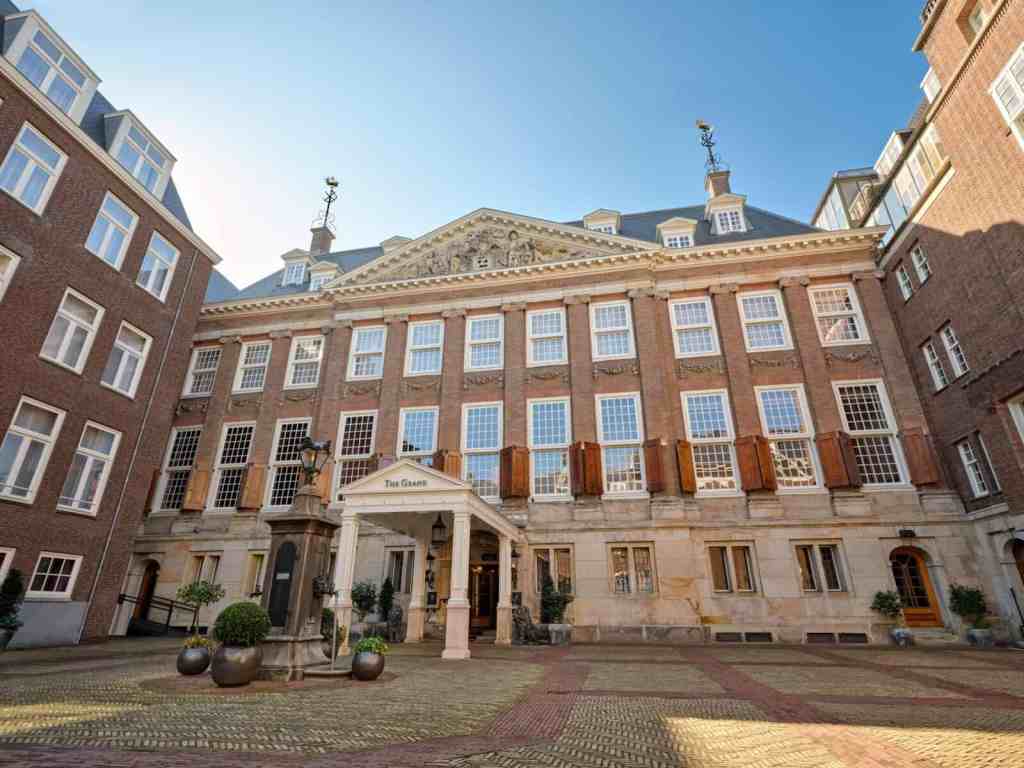
Once a 15th-century convent, later serving as royal lodgings, Admiralty headquarters, and City Hall, The Grand is steeped in history. Today, it operates as a luxurious five-star hotel featuring 44 elegant suites.
De L’Europe is one of Amsterdam’s true cultural icons, seamlessly blending classical architecture with contemporary design. Rich velvet accents and refined details bring a sense of timeless elegance to every room.
Nine Streets (Negen Straatjes): Boutique luxury
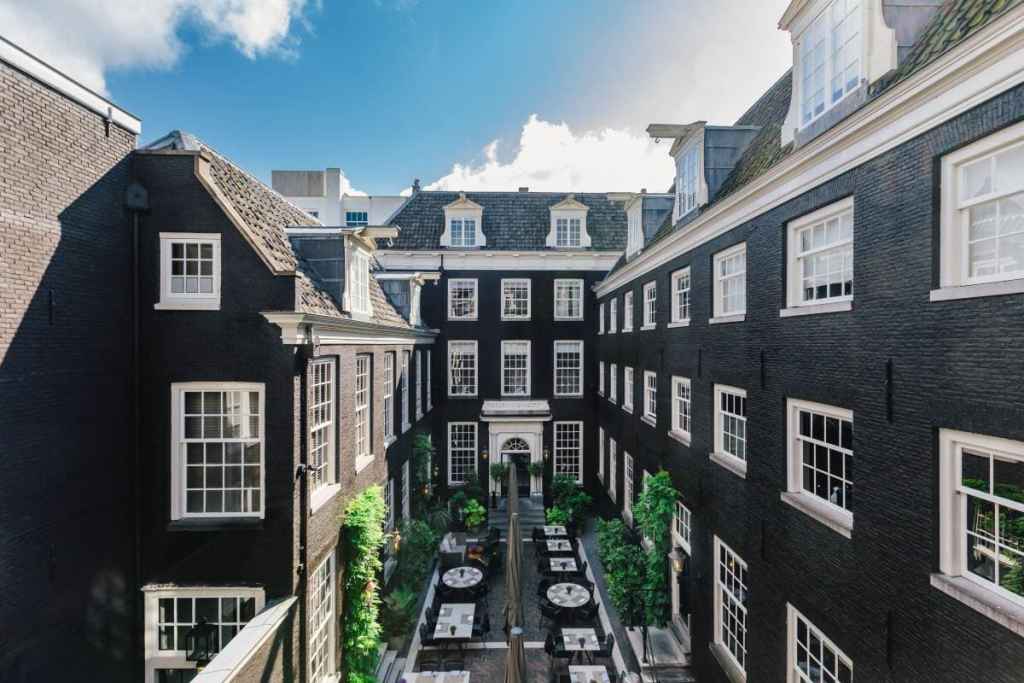
The Nine Streets district occupies a UNESCO-listed heritage area within the Canal Belt, where boutique luxury hotels inhabit wonderful monuments.
These properties give intimate experiences in historic buildings rather than large-scale hotel operations.
The Dylan Amsterdam is set within a beautifully preserved 17th-century building along Keizersgracht. Inside, you’ll find four distinct room styles, each with its own personality. The hotel’s Restaurant Vinkeles serves two Michelin-starred cuisine in a former 18th-century bakery.
Hotel IX provides five uniquely designed suites in a 17th-century building on Hartenstraat, once the workshop of Rembrandt’s frame maker. Each suite has modern renovations with authentic ceiling beams and exposed stone walls.
The Ambassade Hotel spans fifteen historic canal houses on Herengracht and contains 55 unique rooms and suites decorated with original CoBrA artworks. Its Library Bar holds over 5,000 books signed by authors who stayed at the property.
The Hoxton operates 111 rooms on Herengracht 255, from compact “Shoebox” rooms to spacious “Biggy” accommodations, and many have canal views.
Andaz Amsterdam, formerly the Public Library, now functions as a creative luxury-lifestyle hotel on Prinsengracht.
Premium canal-side accommodations
Canal House Amsterdam

Canal House Amsterdam has three historic 17th-century merchant houses that overlook Keizersgracht and feature 23 design-led bedrooms.
Rooms are graded by names that suggest exactly what to expect: Good Rooms, Better Rooms, Great Rooms, Exceptional Rooms, Outstanding Rooms and the Best Room.
Each has silk wallpaper and plush velvet curtains in light and dark color schemes that reflect traditional Dutch paintings, with retained original timber beams, ornate ceilings and fireplaces.
Pulitzer Amsterdam

Pulitzer Amsterdam occupies almost 25 restored 17th and 18th-century monumental houses and blends traditional Dutch craftsmanship with modern design.
The property offers intimate guest rooms, tranquil inner gardens with a café, an award-winning bar and a restaurant that serves beautifully crafted dishes.
This unique configuration creates a neighborhood atmosphere within a single hotel property, where each of the Golden Age canal houses maintains distinct character.
Where to Stay in Amsterdam with Kids and Families
Families traveling with children face different priorities when selecting Amsterdam neighborhoods.
Parks where kids can burn energy, spacious hotel rooms, and proximity to kid-friendly attractions become deciding factors alongside the standard considerations of location and budget.
Neighborhoods with parks and green spaces
Oud-West stands out as one of the most attractive Amsterdam neighborhoods for families. The scenic area went through major changes with the De Hallen complex development, positioning it away from central business districts while remaining close to Vondelpark and Museumplein.
The abundance of restaurants and cafes offering Dutch and international cuisine means you won’t struggle to find meals that satisfy picky eaters. The unique Ten Katemarkt operates in the area, and on bad weather days, De Filmhallen cinema is a wonderful kid-friendly backup plan.
Plantage has peaceful residential charm and is very appealing to families. The neighborhood offers more green spaces than central areas. You’ll find Artis Zoo and the NEMO Science Museum here. Hortus Botanicus botanical gardens and the Hoftuin gardens with Dignita Cafe offer more outdoor exploration options.
Watergraafsmeer combines modern living with a peaceful atmosphere in one of Amsterdam’s greenest areas. The neighborhood features beautiful, spacious homes perfect for families seeking quiet surroundings without leaving the city.
Frankendael Park and Flevopark are family favourites offering plenty of space for children to play. Amstelveen draws many expat families thanks to its top-rated schools, numerous parks, a zoo, and other child-friendly attractions. The Amsterdamse Bos runs along its western edge and is a vast man-made forest for family adventures.
Family-friendly hotel options
Pulitzer Amsterdam tops the list for luxury family accommodations with its Very Important Kids program. The program has personalized welcome treats, travel diaries, Peter Rabbit cuddly toys and a hotel treasure hunt.
The Family Suite has canal views, a sitting room, two bedrooms and two bathrooms. Their Duplex Family Rooms feature a bi-level layout with a king room and a children’s room that has two twin beds.
Family Sundays at restaurant Jansz give you speedy service, extensive children’s menus and a playroom with supervising nannies. The Family Float experience aboard their boat is a 90-minute cruise with a curated kids’ discovery map.
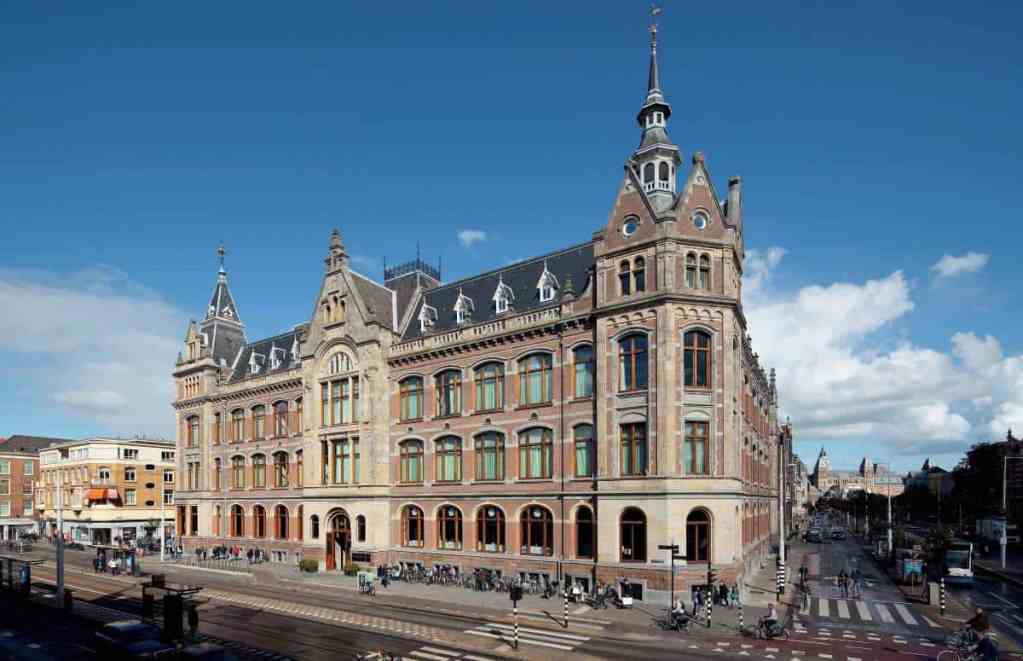
Conservatorium Hotel appeals to families with its indoor pool, babysitting services and two-minute walk to the Van Gogh Museum. Junior suites accommodate families of four comfortably.
Their Set Family Adventure package adds kids’ amenities, late checkout, daily breakfast and tickets to NEMO Science Museum.
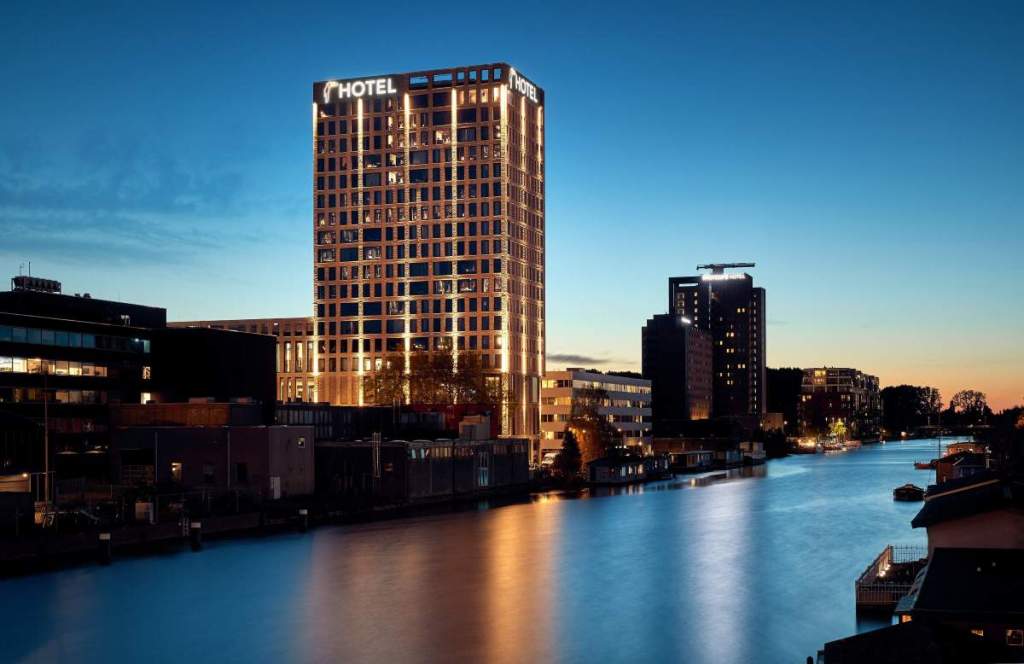
Van der Valk Amsterdam Amstel Hotel offers exceptional value for families with dedicated family suites and comfortable triple rooms.
Rooms have large king-size beds, spacious bathrooms with huge tubs, separate bunk bed rooms and cribs for little ones.
The outdoor heated pool becomes a highlight for guests. Wellness facilities that have sauna, steam room and foot baths are part of your stay.
A short 8-minute metro ride connects to the city center.
Proximity to kid-friendly attractions
NEMO Science Museum is one of the world’s favorite science museums for families, with a roof deck that has free views.
Artis Royal Zoo sits right in the city center within Plantage and is a beautiful and manageable experience for small legs.
Vondelpark is the city’s backyard, where the Groot Melkhuis cafe features a large attached playground.
The Amsterdamse Bos has world-class family experiences. Mini Captain’s electric boats let children aged four and older steer their own vessels while learning about shipping and harbor life.
Ridammerhoeve is a biodynamic goat farm where visitors can watch staff work and interact with animals.
Fun Forest climbing park has nine different courses at various heights.
Best Amsterdam Neighborhoods for Nightlife and Young Travelers
Amsterdam’s nightlife scene has changed a lot in recent years.
Successive Night Mayors introduced 24-hour licenses and a more integrated approach to granting permits. This development established new venues quickly while existing ones cement their reputations as incubators of talent.
Young travelers and nightlife seekers choosing where to stay in Amsterdam must balance proximity to entertainment with neighbourhood character and value.
De Pijp: Trendy bars and international dining

De Pijp has developed from a working-class neighborhood into one of Amsterdam’s coolest areas. It retains beatnik flair that has attracted creatives, students and bohemian spirits since the 60s.
This Amsterdam neighbourhood sits just south of the city centre and east of Museumplein. You get well-located access while maintaining a genuine neighbourhood feel.
The neighborhood comes alive after 6 pm. Narrow streets glow under vintage-style lamps and every corner reveals another cozy bar or restaurant. The compact layout makes it easy to hop between venues without needing bikes or trams.
De Pijp’s bar scene offers something for everyone. Traditional brown cafes like Café De Spuyt and De Krul provide perfect spots for relaxed beers. Some livelier options include Chupitos, which offers more than 150 different shots.
The streets around Ferdinand Bolstraat and Albert Cuypstraat pack restaurants serving everything from authentic Indonesian rijsttafel to wood-fired pizza.
De Pijp offers a wide range of dining options, from casual eateries to Instagram-worthy spots. Many establishments keep their kitchens open past 10 pm when most Amsterdam restaurants close.
Leidseplein: Entertainment central
Leidseplein is Amsterdam’s entertainment hub located southwest of the city center. Nightclubs, concert venues, casinos and coffee shops fill the area.
This square becomes the beating heart of Amsterdam’s nightlife once the sun sets, unlike quieter neighbourhoods. Street musicians, jugglers and fire-eaters make the square lively until early hours, but crowds remain constant.
World-famous venues Melkweg and Paradiso anchor the area. They host everything from rock concerts to electronic dance parties with weekday events like Cheeky Monday for Drum and Bass and Techno Tuesdays.
There are also excellent smaller clubs in the area to enjoy Amsterdam nightlife. Club Up plays alternative music until early morning, Jimmy Woo attracts a glamorous crowd with excellent DJs, and Bourbon Street offers live music ranging from rock and blues to funk.
Please note, bars on the square are pricey – best described as “overpriced tourist traps!” The good bars sit just off the square on streets like Lange Leidsedwarsstraat and Korte Leidsedwarsstraat.
Tram routes 1, 2, 5, 11 and 12 serve Leidseplein stop, so accessibility ranks high. The location remains central enough to reach anywhere in Amsterdam within 30 minutes.
Crowds aren’t your thing? You should avoid booking your accommodations here.
What to avoid: Red Light District for accommodation
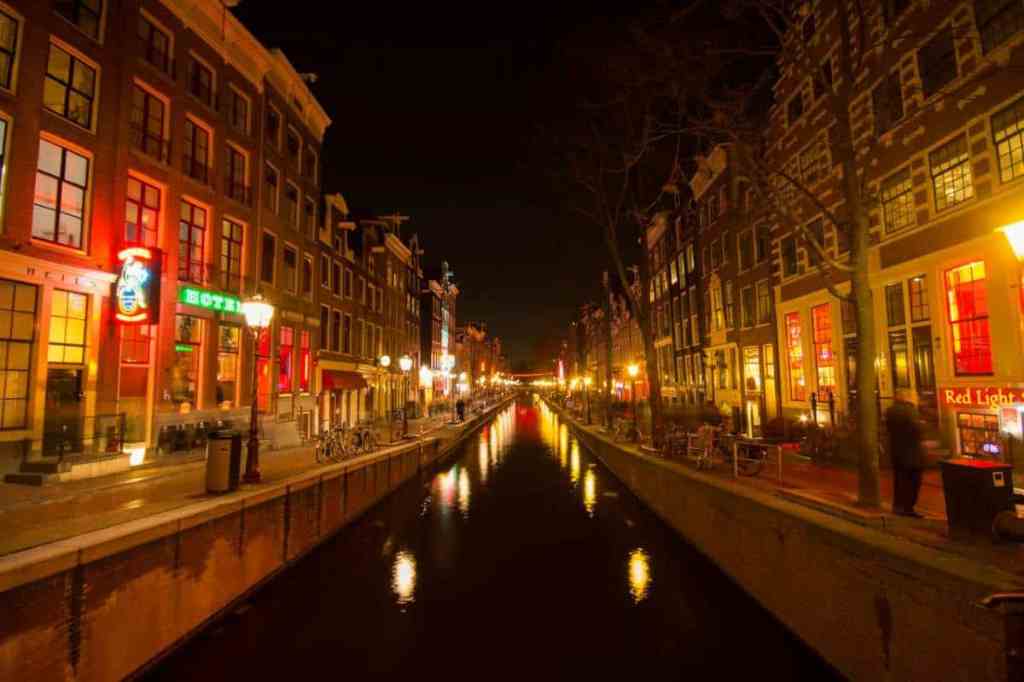
Amsterdam’s Red Light District is safe during the day, but it attracts a much seedier population at night. When dusk rolls in, so do the criminals and other shady types.
Crowds of intoxicated people meet in De Wallen to sell and do drugs, pick tourists’ pockets and create an atmosphere unsuitable for staying.
Booking accommodation in the Red Light District means dealing with sketchy, tourist trap vibes beyond nightlife considerations.
Amsterdam offers far better neighbourhoods to stay in. They provide both entertainment access and a genuine local atmosphere without safety concerns.
Places to Stay in Amsterdam for an Authentic Local Experience
Travelers seeking where to stay in Amsterdam beyond typical tourist zones find neighborhoods where locals live, work and socialize. These areas provide genuine Amsterdam experiences and maintain excellent transport links to central attractions.
De Baarsjes: Up-and-coming hipster hub
De Baarsjes is located in Amsterdam-West. The neighborhood attracts young professionals and creative entrepreneurs who appreciate the vibrant urban atmosphere mixed with quiet residential streets.
Early 20th century Amsterdam School architecture defines much of De Baarsjes. Beautiful brick buildings feature characteristic details.
Mercatorplein anchors the social scene with its red-brick clock tower, surrounded by cafes perfect for enjoying Friday afternoon beers.
Jan Evertsenstraat offers a mix of large chains and local specialty stores, while trendy coffee bars, bakeries and restaurants spread throughout the area.
The neighborhood maintains a multicultural character. This is reflected in numerous Turkish and Moroccan restaurants that offer authentic cuisine.
Rembrandtpark and nearby Erasmuspark provide green spaces to jog and picnic. You can also reach Dam Square, Museum Square or the Jordaan within 10 minutes by bike.
Best Hotels in De Baarsjes, Amsterdam
Plantage: Peaceful residential charm
Plantage offers a residential atmosphere located just a short walk from Dam Square and the Royal Palace.
Hotel Plantage is located opposite the Artis Zoo. It provides box-spring beds, double glazing and light-proof curtains.
Smart Booking Tips: How to Find the Best Amsterdam Hotels
Securing the best Amsterdam hotels requires strategic timing and understanding local regulations that affect your accommodation options.
Booking to get best rates
Hotel prices follow dynamic pricing models. Rates adjust based on supply and demand.
Booking further in advance costs more, contrary to common belief. Hotels often drop prices 24 to 48 hours before arrival.
A Sunday check-in can be up to 24% cheaper than Friday arrivals.
November hotel prices run 20% to 31% cheaper than June rates seasonally.
Amsterdam’s high season spans late April through late September, plus holidays and special events.
Key Takeaways

Amsterdam’s neighborhoods offer distinct experiences for every traveler, from iconic canal views to authentic local life.
Here’s what you need to know to choose the perfect base for your Amsterdam adventure:
- First-timers should stay in the Canal Belt or Museumplein for iconic Amsterdam experiences with easy access to major attractions like Anne Frank House and Van Gogh Museum.
- Budget travelers can save 50%+ by choosing Oud-West, Noord, or Oost while maintaining excellent public transport connections to the city center.
- Book Sunday check-ins for 24% cheaper rates and avoid peak season (April-September) when November stays cost 20-31% less than June.
- Luxury seekers should target Oud-Zuid or Nine Streets for boutique canal-side hotels in UNESCO-listed heritage buildings with Michelin-starred dining.
- Families benefit most from Oud-West or Plantage due to proximity to parks, kid-friendly attractions like NEMO Science Museum, and spacious accommodations.
- Nightlife enthusiasts should choose De Pijp over touristy Leidseplein for authentic local bars and avoid staying in the Red Light District for safety reasons.
Your neighborhood choice shapes your entire Amsterdam experience more than any other decision. Consider your priorities—whether that’s waking up to canal views, saving money for experiences, or discovering where locals actually live—then book accordingly with strategic timing for the best rates.
Frequently Asked Questions (FAQs)
Conclusion: Where to Stay in Amsterdam
Amsterdam offers neighborhoods for every travel style and budget, from iconic canal-side locations to authentic local areas. Your perfect Amsterdam base depends on balancing location and budget with the experience you’re after.
First-timers find the Canal Belt or Museumplein most convenient, while budget-conscious travelers find excellent value in Noord or Oost.
Choose your neighborhood with care because it shapes your Amsterdam experience. Book with Sunday check-ins and off-season dates to maximize savings.
Most important, pick an area that matches how you want to experience Amsterdam, not just where guidebooks say you should stay.
Amsterdam Travel Blogs
Amsterdam 3 Day Itinerary
Amsterdam Bucket List

Amsterdam Day Trips

Amsterdam vs Rotterdam

Amsterdam in November
Amsterdam Solo Travel