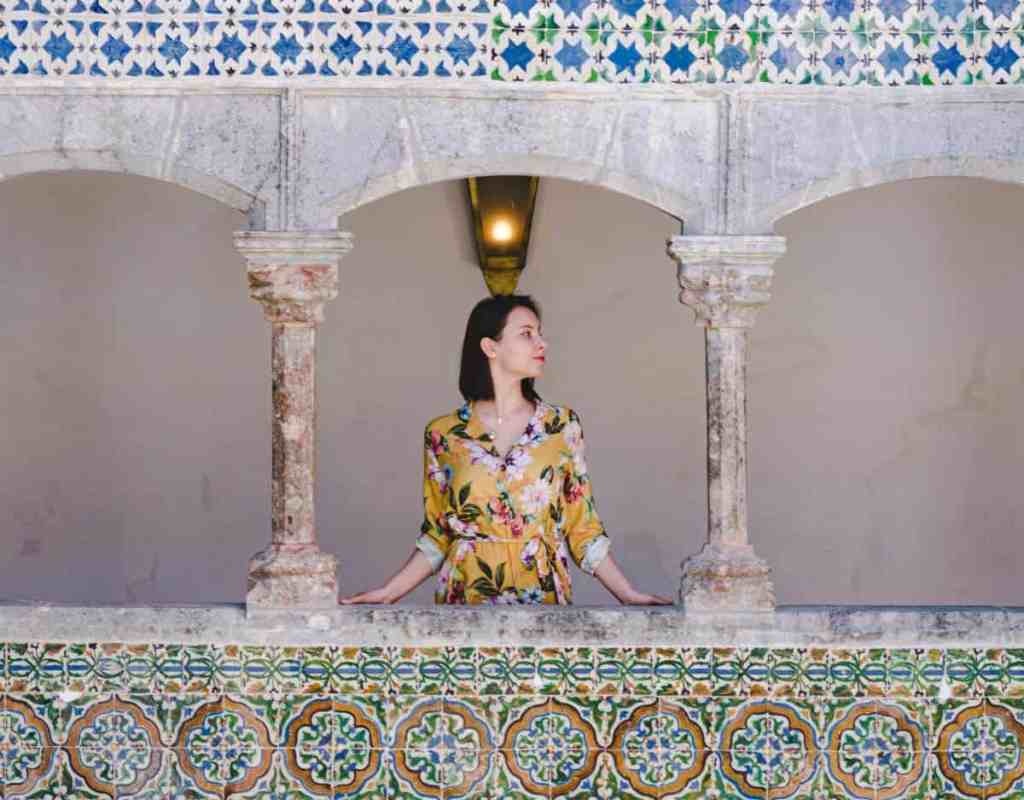
27 Epic Portugal Bucket List Experiences You Simply Can’t Miss
Your Portugal bucket list just got a lot more exciting because Portugal has become one of the hottest travel destinations in recent years.
This sun-soaked country delivers a mix of experiences that rival any European destination. You can sip port wine in centuries-old cellars and kayak into hidden sea caves.
The things to do in Portugal span every travel style. You might be drawn to the best places to visit in Portugal like fairytale Sintra or seek lesser-known places to see in Portugal such as medieval Óbidos.
These 27 Portugal bucket list experiences will change your trip into something you won’t ever forget!
Disclaimer: This post may contain affiliate links, meaning I receive commissions for purchases made through those links at no cost to you. Please read my full disclosure for more information.
1. Marvel at Sintra’s Fairytale Pena Palace

Built in 1854 by King Ferdinand II, Pena Palace was granted UNESCO World Heritage status in 1995. The architecture blends Neo-Gothic, Neo-Manueline and Neo-Islamic styles.
The interior was restored in 1910 when the royal family fled Portugal. The Arab Room features trompe-l’oeil ceilings that create depth illusions. The Great Hall displays a golden bronze chandelier and four large sculptures of Turks.
The 200-hectare park contains exotic species from every continent and includes the Chalet of the Countess of Edla built in 1869.
Tickets require advanced booking with a specific date and time slot.
2. Ride the Iconic Tram 28 in Lisbon

Lisbon’s yellow Tram 28 were originally built during the 1930s. Their wooden interiors and brass dials were preserved from an era when these vehicles first guided through the city’s narrow passages.
This 7 km route connects Martim Moniz to Prazeres and weaves through Alfama’s tiled façades, Graça’s viewpoints, Baixa’s grid streets, and Estrela’s leafy squares.
The tram passes São Jorge Castle at Portas do Sol, the 12th-century Sé Cathedral, Miradouro da Graça with panoramic views, and Chiado’s shopping streets before terminating at Prazeres cemetery.
These trams accommodate 20 seated and 38 standing passengers, though many more cram inside during peak hours. The route takes 45 minutes to 1 hour, depending on traffic conditions.
Board before 9 am or after 7 pm to avoid long queues and overcrowding. You’ll have better odds of securing a window seat if you start at Campo de Ourique (Prazeres) and head east rather than the tourist-packed Martim Moniz terminal.
Hold tight when standing. The brakes are sharp, the tram tilts on steep inclines, and pickpockets target distracted tourists in crowded sections. This remains public transport that locals use to commute to work, not merely a sightseeing attraction.
You can pre-purchase online a Tram 28 Entry Ticket & Audio Guide with 24-Hour Pass. You can also tap a debit card at the validator terminal.
Frequent riders can use the Navegante card with Zapping credit to reduce single fares.
3. Taste Port Wine in Vila Nova de Gaia
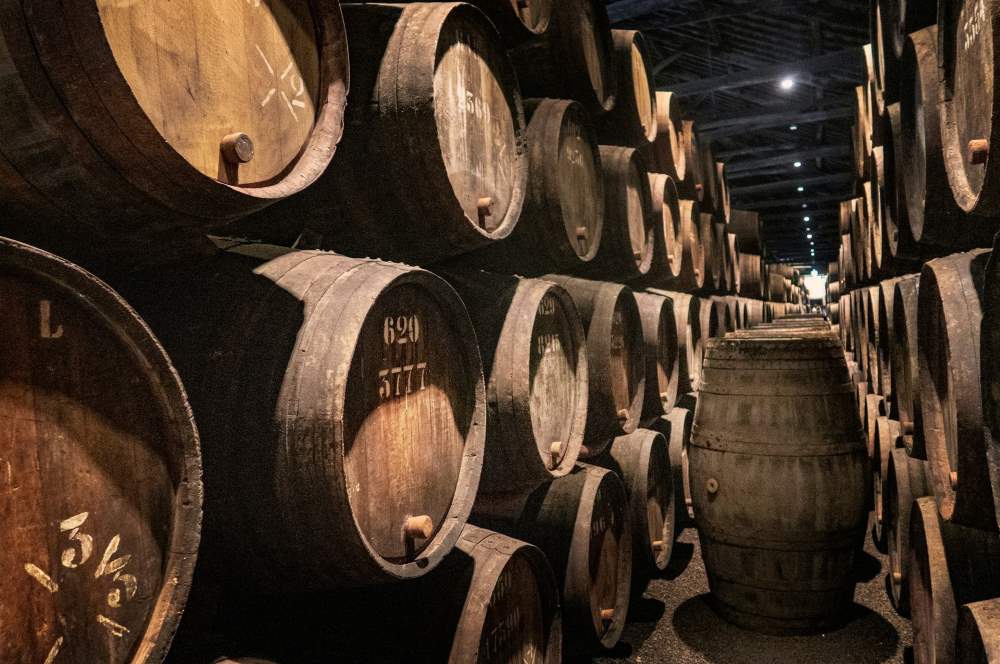
Vila Nova de Gaia has nearly two dozen historic port wine cellars across the Douro River from Porto.
Graham’s Port Lodge delivers one of the finest experiences in Vila Nova de Gaia. Their location has sweeping panoramic views of both Gaia and Porto’s riverfront from the terrace.
The guided tour with premium wine tastings includes Graham’s LBV paired with chocolate, cheese, and pastel de nata. Premium tours include a vintage room wine tasting experience.
Cockburn’s is the only cellar where you can watch coopers repairing wine barrels. It houses the last cooperage left in Gaia. Their guided tour and wine tasting feature huge wooden casks of ruby port.
Taylor’s has self-guided audio tours for €25 with 11 stops through their 300-year-old cellar dating back to 1692.
Cálem provides guided tours with interactive museums and tastings from €22 for budget options.
Fonseca offers a port cellar tour & tasting of their signature Bin 27 Port Wine.
4. Attend a Fado Show in Lisbon or Porto
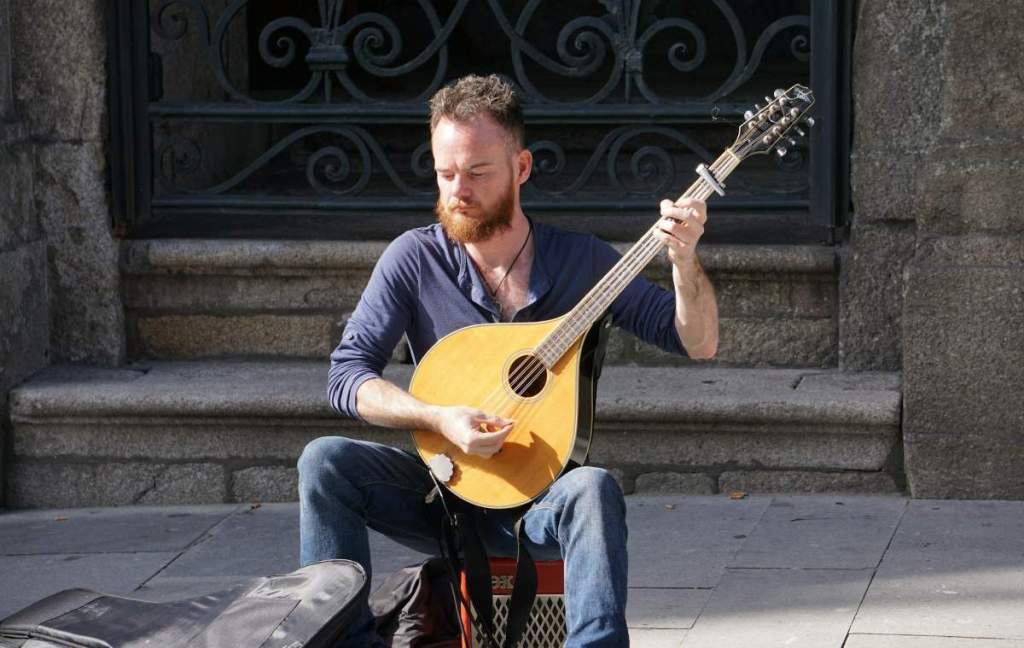
Fado captures the very soul of Portugal through haunting ballads that have echoed through the country since the mid-1800s.
This musical genre revolves around themes of lost sailors, broken hearts, and bittersweet romance, often described as the Portuguese blues. The experience exceeds language barriers, as you feel the raw emotion pouring from fadistas in dimly lit venues without understanding a single lyric.
Lisbon remains the epicenter of fado culture, especially in working-class neighborhoods like Alfama and Bairro Alto. The Lisbon style gained worldwide recognition through Amália Rodrigues, whereas Coimbra’s fado follows different traditions entirely.
Coimbra’s version links to university culture and medieval troubadours. Men wearing academic robes perform it. Lisbon even hosts a Fado Museum to honour this art form.
Fado houses provide the most authentic venues for these performances. A typical evening unfolds around food, wine, and music. Performers sing 3-4 songs in 10-minute sets followed by 20-30 minute breaks.
Performances feature a trio: a regular guitarist, a 12-string Portuguese guitarist, and a singer. One cardinal rule governs all venues: absolute silence during performances.
Mesa de Frades occupies a 17th-century chapel with remarkable acoustics in Lisbon, while O Faia in Bairro Alto was once managed by legendary fadista Lucília do Carmo. Tasca do Chico offers fado vadio, where audience members can perform on the spot.
Porto offers distinct experiences, with concert-only shows costing €15-21 per person for one hour. Dinner shows begin at €45 per person with three or four 15-minute performances throughout the evening.
Casa da Mariquinhas, founded in 1968, stands as Porto’s oldest fado house. Newer venues like Ideal Clube de Fado include port wine.
Fado represents Portugal’s cultural heartbeat, and this experience absolutely belongs on any Portugal bucket list.
5. Descend into the Mysterious Initiation Well of Quinta da Regaleira
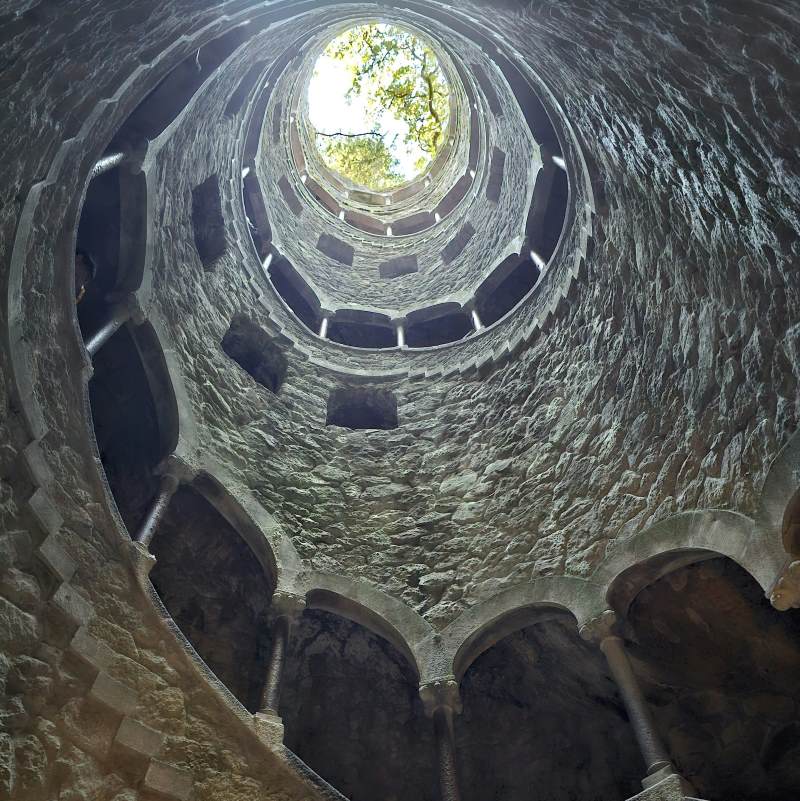
One of the most unforgettable experiences to add to your Portugal bucket list is exploring the famous Initiation Well at Quinta da Regaleira in Sintra.
Rather than serving as a traditional water well, this remarkable underground structure was built for symbolic and ceremonial purposes. Designed by Italian architect Luigi Manini in the early 20th century, the well descends nearly 27 metres beneath the estate and feels more like a secret passage into another world than a piece of architecture.
As you make your way down the spiraling staircase, you’ll pass through nine levels connected by stone landings. The number nine appears repeatedly throughout the design and is believed to represent several spiritual and mystical traditions, including the Knights Templar and themes found in Dante’s Divine Comedy.
Along the walls, small alcoves and intricate stonework add to the mysterious atmosphere, while a compass rose featuring a Templar cross can be found near the bottom of the well.
Many historians believe the structure was used in initiation ceremonies commissioned by the estate’s owner, António Augusto Carvalho Monteiro. According to local stories, participants would descend into the darkness before emerging back into the light, symbolizing a spiritual journey of transformation and renewal.
Once you reach the base, the adventure continues. A network of underground tunnels stretches beneath the gardens, linking the Initiation Well to other hidden corners of the estate.
Following the designated route, you’ll walk through dimly lit passageways that eventually lead toward grottoes, hidden exits, and the smaller Unfinished Well. The winding tunnels create a sense of discovery around every corner.
One of the highlights of the experience is emerging near the estate’s enchanting waterfall lake. Here, stepping stones cross the water, allowing you to continue the journey through a landscape that feels straight out of a fairy tale.
Whether you’re fascinated by history, architecture, or Portugal’s connection to ancient legends, visiting the Initiation Well is an experience you won’t soon forget.
6. Stand at the Edge of Europe at Cabo da Roca
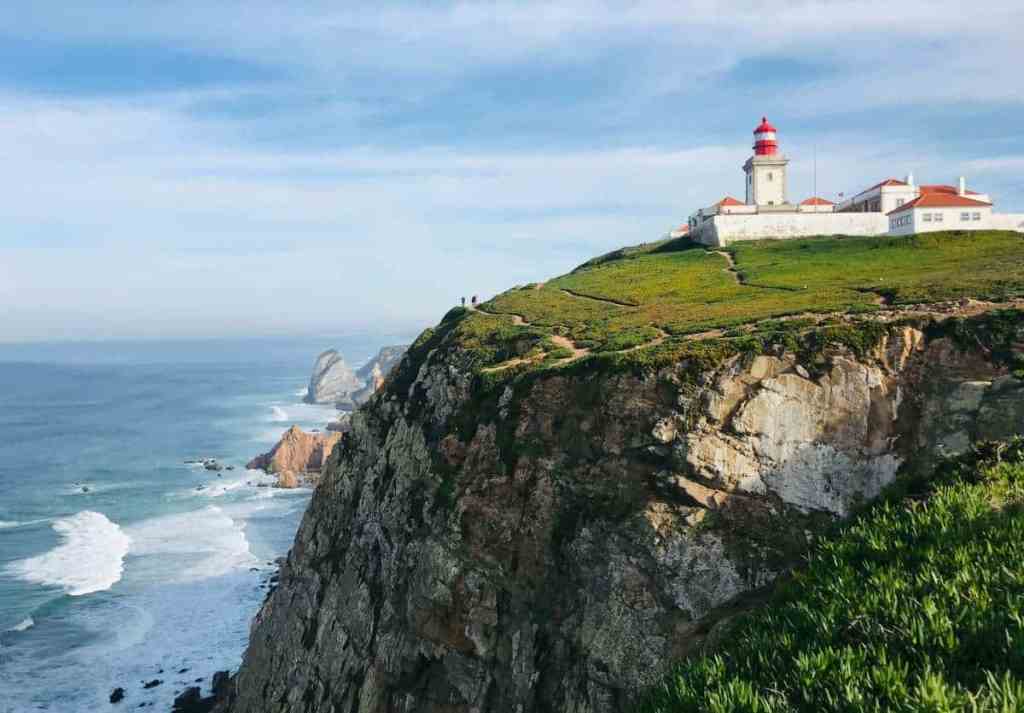
If you’re looking for one of the most dramatic viewpoints in Portugal, make sure Cabo da Roca earns a spot on your Portugal bucket list.
Located within the beautiful Sintra-Cascais Natural Park, Cabo da Roca marks the westernmost point of mainland Europe.
Standing atop the towering cliffs, you’ll find yourself gazing out across the vast Atlantic Ocean with nothing but open water between you and North America.
The landscape here is breathtaking. Sheer cliffs rise high above crashing waves, creating a wild and untamed coastline that feels worlds away from Portugal’s bustling cities.
One of the area’s most recognizable landmarks is the historic Cabo da Roca Lighthouse. First illuminated in the 18th century, it remains one of Portugal’s oldest lighthouses and continues to guide ships along this rugged stretch of coast. Its white tower and red accents stand out beautifully against the blue ocean and rocky landscape.
Near the viewpoint, you’ll also find a stone monument engraved with the famous words of Portuguese poet Luís de Camões, describing this place. It’s a fitting tribute to a location that once represented the edge of the known world for Portuguese explorers before the great Age of Discovery.
Many visitors also choose to purchase a commemorative certificate as a unique souvenir of their visit to Europe’s westernmost point. While the views are reason enough to come, it’s a fun keepsake to remember the experience.
Getting here is easy from either Sintra or Cascais, whether you’re driving along the scenic coastal roads or using public transportation.
If you enjoy hiking, Cabo da Roca is also an excellent starting point for exploring Portugal’s spectacular coastline. Trails lead to secluded beaches and scenic viewpoints, including the stunning Praia da Ursa and Praia da Adraga.
Whether you stop for a quick photo or spend several hours exploring the surrounding trails, Cabo da Roca offers one of the most memorable coastal experiences in Portugal.
7. Visit São Jorge Castle in Lisbon
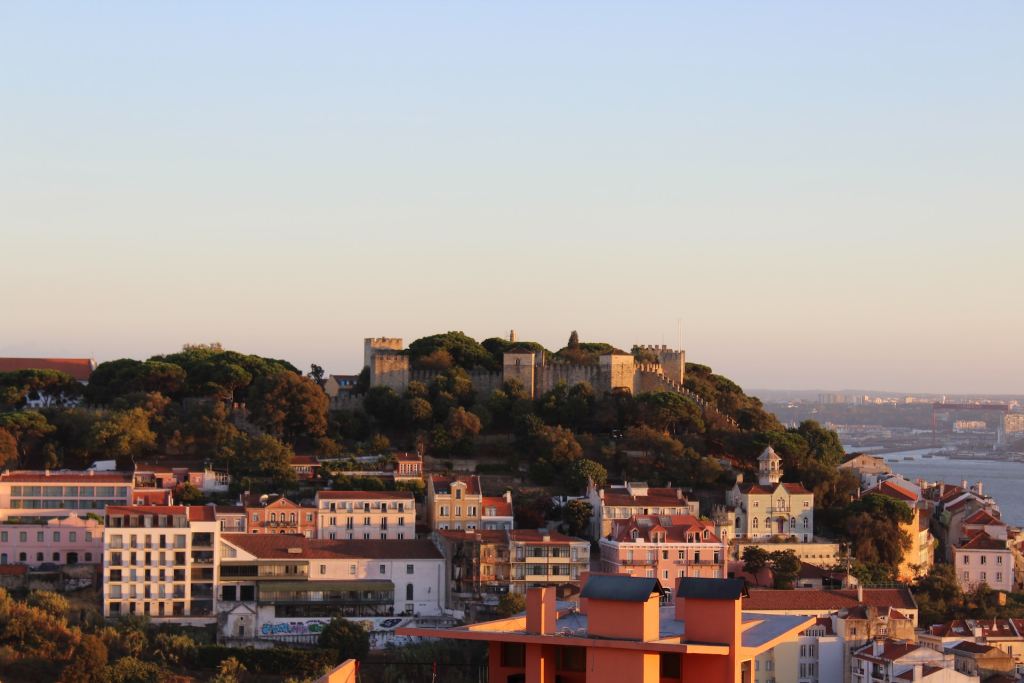
Eleven towers crown the fortress perched on Lisbon’s highest hill, where Moorish builders constructed the original fortifications during the 11th century.
King Alfonso Henriques seized control in 1147 during the Siege of Lisbon and transformed the castle into a royal palace that housed Portuguese kings until the devastating 1755 earthquake.
Panoramic views stretch across Alfama’s terracotta rooftops to the Tagus River and the Cristo Rei statue on the southern bank from the Praça d’Armas central courtyard.
You can walk the battlements circuit and climb stone stairways to reach the Torre de Ulisses, which houses a camera obscura offering 360-degree live views of the city.
Peacocks roam through shaded gardens behind the old royal palace ruins, and the on-site museum displays a detailed drawing of pre-earthquake Lisbon.
Guided tours to the Camera Obscura run from 11 am to 1 pm in winter months and extend to 4 pm during summer, subject to weather conditions.
You can pre-purchase tickets online to bypass the ticket office queue, though you’ll still join the entry line.
Arrive before 10 am or after 5 pm to avoid peak crowds. Budget 1.5 to 2 hours to complete your visit.
Bus 737 from Praça da Figueira delivers you to the entrance and saves the steep 20-minute uphill walk from Baixa.
8. Relax in Furnas Hot Springs, Azores
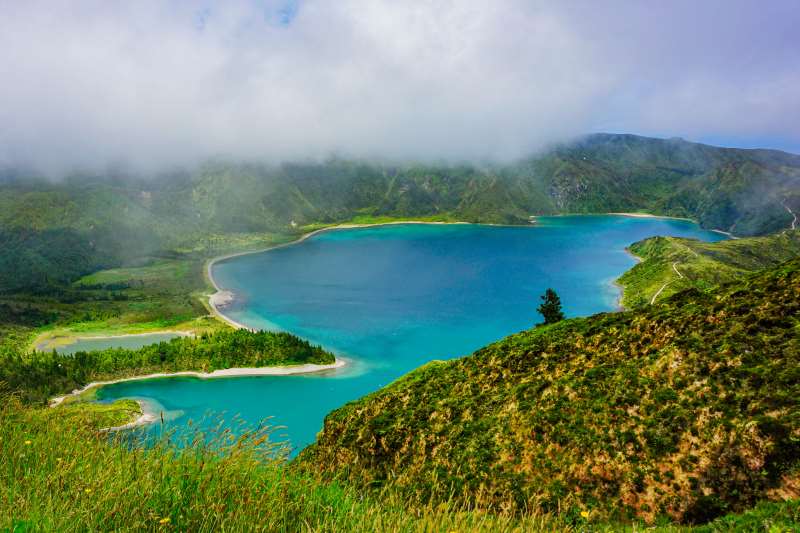
São Miguel Island’s volcanic heart beats strongest in Furnas, where geothermal springs feed a collection of therapeutic thermal pools ranked among the best places to visit in Portugal.
The village sits within a volcanic caldera. Mineral-rich waters heated by nature surface at temperatures perfect for soaking.
The thermal waters deliver therapeutic benefits for arthritis and muscle pain thanks to their mineral composition, securing their spot on any Portugal bucket list for wellness seekers.
Please note the high iron content stains light-colored swimsuits and towels for good. Bring old or dark-colored swimwear.
Poça da Dona Beija
Poça da Dona Beija features four thermal pools surrounded by tropical vegetation, each maintaining a steady 39°C (102°F).
The pools vary in depth and character: Meditação reaches 130 cm deep with two hot waterfalls for natural back massages, Mística features a long cascading waterfall creating an outdoor sauna effect at 90 cm depth, whereas Convívio Termal stays shallow at 30-60 cm with an immersed bench.
A fifth pool along the stream mixes fresh and thermal water at a cooler 28°C (82°F), ideal to cool off between hot soaks.
The facility operates until 11 PM, with last entry at 9:30 PM. You can enjoy magical nighttime bathing under the stars. Entry costs €12 per adult with a 1.5-hour time limit.
Terra Nostra Park
Terra Nostra Park features a massive thermal pool with 12 hectares of botanical gardens.
Two smaller thermal jacuzzi pools complement the main pool. The volcanic spring feeding these pools reaches 36°C to 42°C on its own.
9. Indulge in Pastel de Nata at Pastéis de Belém

Monks at Jerónimos Monastery created the original custard tart before the 18th century. They used leftover egg yolks after starching their religious garments with egg whites.
The Liberal Revolution of 1820 threatened the monastery’s closure, so the monks sold their pastries at a nearby sugar refinery to generate revenue. The monastery shut down by 1834, and Brazilian businessman Domingo Rafael Alves purchased the secret recipe. He opened Pastéis de Belém in 1837.
This bakery remains the only place in the world authorized to produce tarts under the name Pastéis de Belém. This sets them apart from the generic pastel de nata sold elsewhere.
The original recipe stays locked away, known only to a handful of master confectioners who produce 20,000 tarts daily using traditional methods. The Guardian named these tarts one of the 50 best things to eat worldwide in 2009, and they earned recognition as one of Portugal’s Seven Wonders of Gastronomy by 2011.
Two queues form outside the blue and white tiled building on Rua de Belém: one for takeaway orders and another for sit-down service. The interior sprawls through multiple tile-clad rooms with ornate ceiling carvings and chandeliers. A window reveals bakers layering phyllo-thin pastry and filling shells with custard in the working bakery behind the scenes.
Order the Pastel de Nata tarts warm at €1.50 each. The crust shatters into crispy wisps and reveals smooth custard with a more savory, eggy flavor than mass-produced versions. Caramelized spots dot the top like crème brûlée.
Shakers of cinnamon and powdered sugar sit on each table, though the tarts need no improvement. Pair yours with an espresso or, if you’re feeling adventurous, a glass of Moscatel de Setúbal.
These delicate pastries don’t travel well beyond one day, so skip the boxed souvenirs and eat them fresh on-site.
10. Explore the Ancient City of Évora
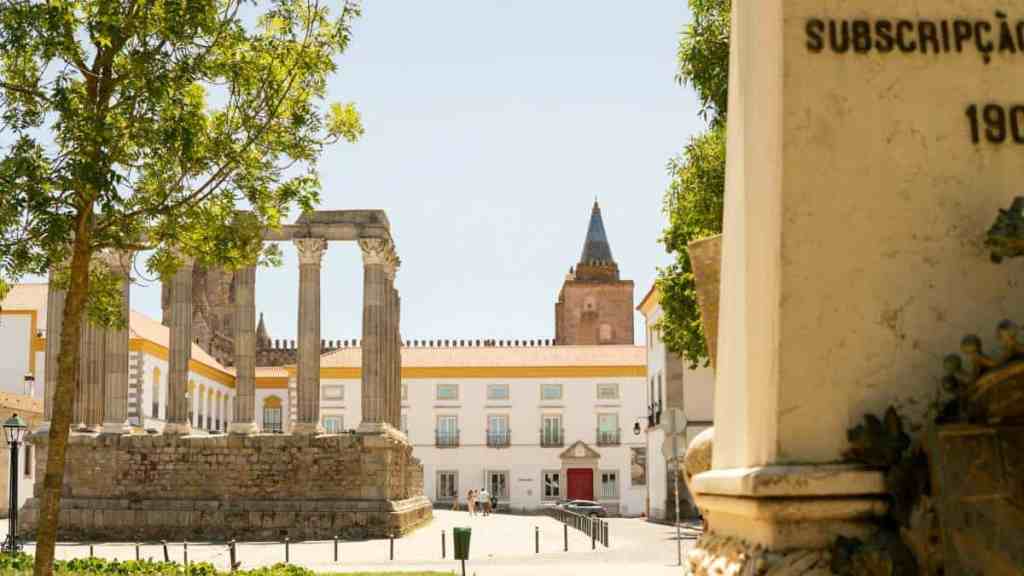
White-walled Évora is located one hour east of Lisbon in the heart of the Alentejo region. UNESCO granted it World Heritage status in 1986 for its well-preserved historic center.
More than twenty centuries of continuous habitation shaped this city, from Celtic settlements through Roman conquest in 57 BC, Moorish rule ending in 1165, and its golden age as Portugal’s second city during the 15th and 16th centuries, when royalty made their home here.
The Roman Temple dominates the central square with fourteen granite Corinthian columns. It was built during the 1st century CE to honour Emperor Augustus.
The structure survived destruction because medieval builders incorporated it into a castle tower. Later they used it as a butcher shop from the 14th century until 1836, thus preserving the base, columns and architraves.
The Cathedral was completed during the 13th century. It is Portugal’s largest medieval cathedral. Its fortress-like granite facade with two mismatched towers conceals a portal featuring sculpted Apostles from around 1335.
The nearby Chapel of Bones at São Francisco Church presents a stark contrast. Franciscan monks lined walls and eight columns with bones and skulls from over 5,000 exhumed bodies. The inscription above reads “Nós ossos que aqui estamos, pelos vossos esperamos” which means “We bones that are here, await yours”.
The Almendres Cromlech is located 13 kilometres west, beyond the 17th-century Vauban-style ramparts. Here, 95 granite stones arranged in ellipses impressively predate Stonehenge by 2,000 years, at 7,000 years old.
11. Discover Batalha and Alcobaça Monasteries

Central Portugal holds two UNESCO World Heritage monasteries that represent the pinnacle of Gothic architecture on the Iberian Peninsula.
Batalha Monastery
Batalha Monastery was constructed in fulfilment of King João I’s vow to commemorate the Portuguese victory over the Castilians at the Battle of Aljubarrota on 15 August 1385.
The Dominican monastery became the Portuguese monarchy’s main building project for the next two centuries. Construction began in 1386 and was completed in 1517.
The Founder’s Chapel, built between 1426 and 1434 by architect Huguet, serves as Portugal’s first royal pantheon. The chapel’s centerpiece features the enormous medieval tomb of Dom João I and his wife, Queen Philippa of Lancaster.
Bays in the chapel walls contain tombs of their sons, including Prince Henry the Navigator. Stained glass windows date back to the end of the 1430s and represent Portugal’s first workshop for this art.
The Royal Cloister combines Gothic tracery by Huguet with Manueline-style arcade screens that Mateus Fernandes added later.
Often overlooked, the Chapter House now serves as the resting place of the Unknown Soldier. Two sentries guard it and maintain constant vigil.
Alcobaça Monastery
Portugal’s first king, Afonso Henriques, founded Alcobaça Monastery in 1153 after conquering Santarém from the Moors in 1147. The monastery was consecrated in 1262.
The church and monastery represent the first Gothic buildings in Portugal. The church itself stood as the largest in Portugal at completion.
The monastery’s most compelling feature remains the twin tombs of King Pedro I and his murdered mistress Inês de Castro, built around 1360.
These Gothic funerary sculptures face one another so the doomed lovers could meet again on Judgment Day.
Both monasteries are places you must see in Portugal.
12. Watch Surfers Ride Nazare’s Monster Waves
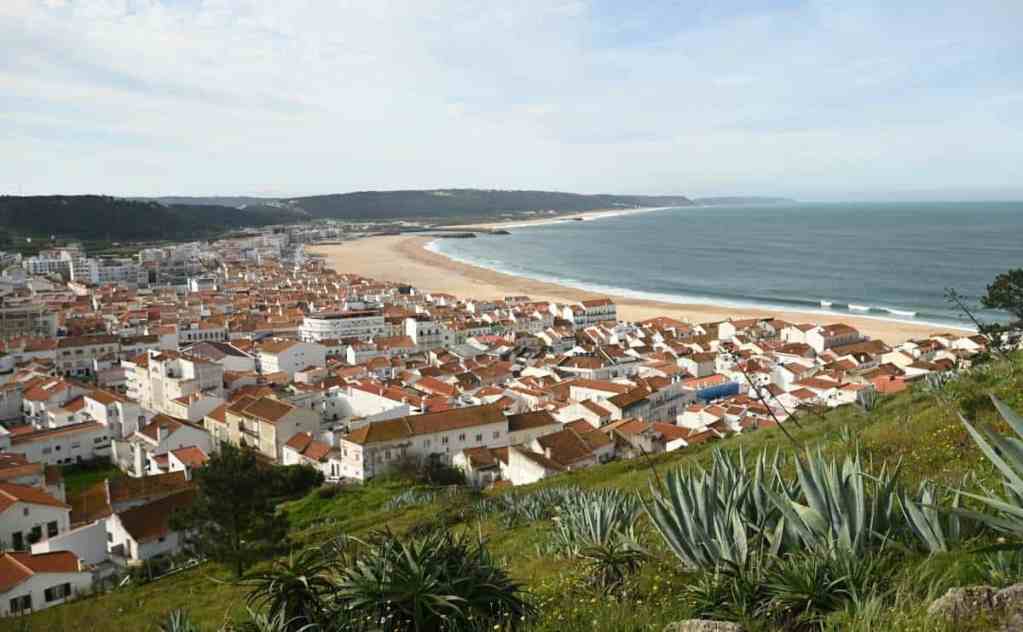
Praia do Norte changed from a quiet fishing village into the world’s premier big wave destination after Hawaiian surfer Garrett McNamara rode a 78-foot wave in November 2011.
The underwater Nazaré Canyon is Europe’s largest at 200 km long and reaches 5,000 m depth. It creates constructive interference between incoming swells that amplifies waves to staggering heights.
Waves can reach up to 30 meters (100 feet) in height and create conditions that require full jet ski support teams for safety.
World records occur often here. German surfer Sebastian Steudtner holds the men’s record after surfing an 86-foot wave on October 29, 2020.
Big wave season runs from October through late March. Spectators will watch from the 16th-century Fort of São Miguel Arcanjo, now converted into a surfing museum and training facility.
This spectacle cements its place among the best places to visit in Portugal for adrenaline seekers.
13. Walk the Ancient Walls of the Castle of the Moors

If you’ve ever dreamed of walking along a medieval fortress high above the clouds, the Castle of the Moors in Sintra deserves a place on your Portugal bucket list. UNESCO recognized this fortification as part of Sintra’s Cultural Landscape in 1995.
Perched on a rugged mountaintop overlooking the surrounding countryside, this centuries-old stronghold offers some of the most spectacular views in Portugal.
Originally built during the Moorish occupation of the Iberian Peninsula, the castle stretches across the ridgeline with stone walls that seem to blend naturally into the rocky landscape. As you follow the winding battlements, you’ll be rewarded with breathtaking panoramas of Sintra’s forests, colourful palaces, and the distant Atlantic Ocean.
One of the highlights of visiting the castle is walking the elevated defensive walls. The pathways climb and descend along the ridge, leading to several watchtowers that once protected the region.
The highest viewpoints require a bit of effort, but the reward is well worth it. From the top, you’ll enjoy incredible views of Sintra’s famous hilltop landmarks, including the fairytale-like Pena Palace rising above the trees. Give yourself at least an hour to explore the fortress and take in the scenery.
Beyond the walls, you’ll also find fascinating remnants of the castle’s past. The Archaeological Interpretation Centre, housed within the historic Church of São Pedro de Canaferrim, showcases artifacts discovered on the site, helping bring centuries of history to life.
You can also see an impressive ancient water storage system that highlights the engineering skills of the fortress’s original builders.
For unforgettable views, fascinating history, and a touch of adventure, the Castle of the Moors is a stop you won’t want to miss on your Portugal itinerary.
14. Tour the Ancient City of Coimbra
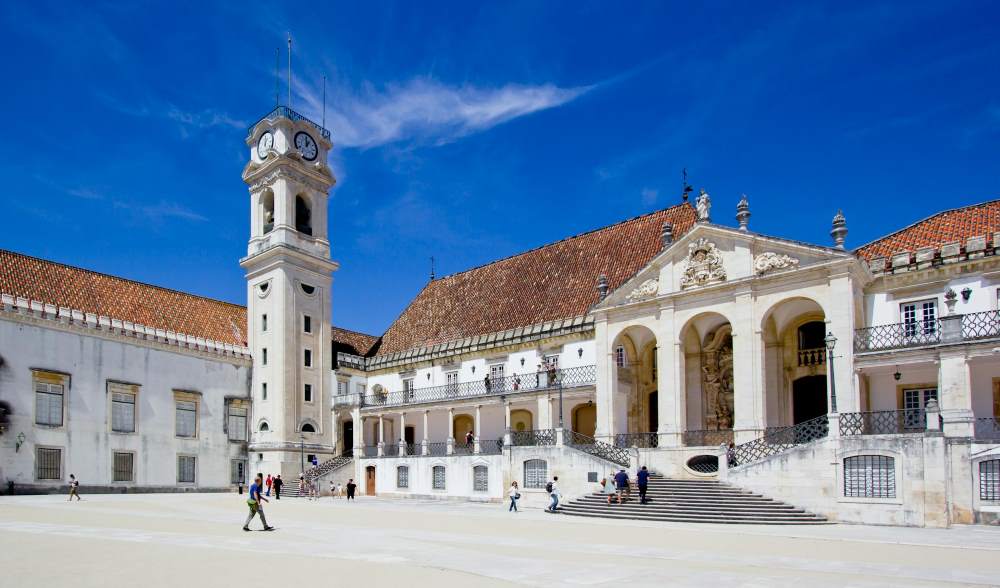
King D. Dinis founded the University of Coimbra in 1290. This makes it the oldest Portuguese-speaking university and one of Europe’s most ancient. UNESCO recognized the institution as a World Heritage site in 2013.
The Biblioteca Joanina is the campus centrepiece. It was completed in 1728 and is one of Europe’s richest baroque libraries. King John V authorized its construction, and his portrait by Domenico Duprà dominates the interior Noble Floor. The library houses 60,000 books dating from the 16th to 18th centuries in three gilded halls with painted ceilings.
São Miguel Chapel dates to the 11th century with its current architecture from the 16th century. The baroque organ was installed between 1733 and 1737. It contains 2,000 pipes and still functions for concerts.
Guided tours run at 11:00 AM and 3:00 PM in Portuguese and English. Tours last about 1.5 hours and include the Baroque Library and Royal Palace. Private tours are also available.
15. Trek Through Madeira’s Laurel Forests

Madeira’s Laurissilva forest is a 20-million-year-old living relic from the Miocene and Pliocene periods. It’s one of the things to do in Portugal that connects you to Earth’s ancient past.
This subtropical rainforest once thrived across southern Europe and North Africa but disappeared elsewhere as the last ice age ended and climates became hotter and drier. Madeira’s mild climate and isolation have preserved what’s become extinct elsewhere.
UNESCO designated the forest a World Heritage Site in 1999. The recognition came for its 15,000 hectares that cover 20% of the island. About 90% represents primary forest that has never been felled, with some massive trees possibly exceeding 800 years old.
Fanal Forest in the Paul da Serra Plateau delivers the most mystical hiking experience. Thick fog frequently wraps the area, creating an otherworldly atmosphere.
The Vereda do Fanal PR13 trail stretches 10.8 km through ancient laurel trees and takes 3-4 hours to complete. Levada dos Cedros PR14 follows a 7-kilometer water channel through dense cedar and laurel forests.
These levadas are narrow irrigation channels built by early settlers. Paths alongside provide access to otherwise impenetrable terrain.
16. Cruise Through the Scenic Douro Valley
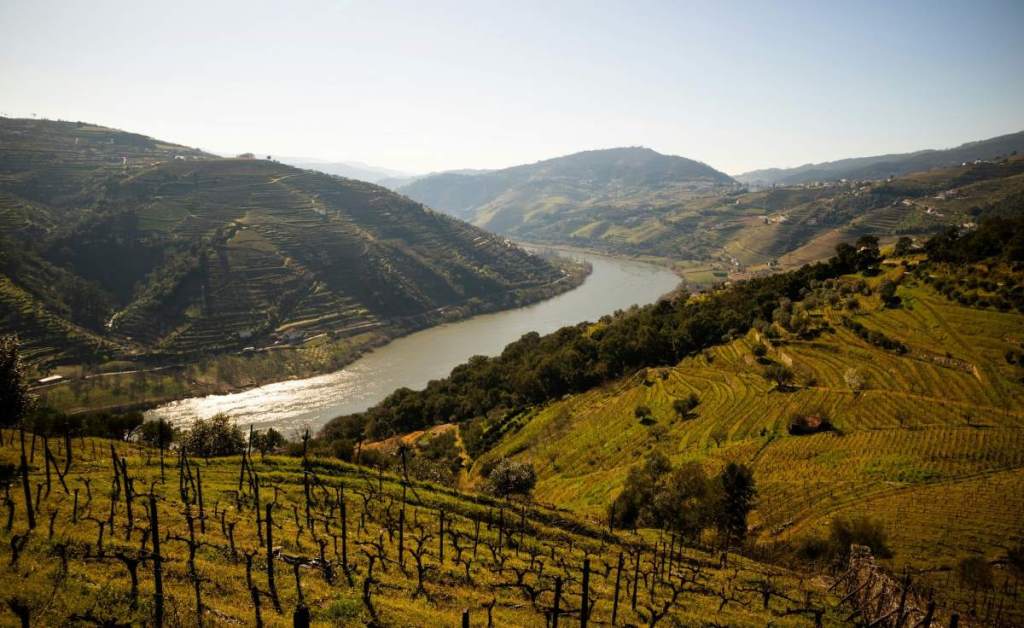
Terraced vineyards cling to steep hillsides along Portugal’s Douro River and form giant steps across the world’s oldest demarcated wine region.
Traditional rabelo boats once transported Port wine barrels downriver. Their flat bottoms and shallow drafts were designed to traverse rapids before dam construction.
River cruises here traverse the stretch between Porto and the Spanish border, passing whitewashed quintas surrounded by centuries-old vines.
The season begins late March and continues into November, with optimal weather during May, June, September, and October.
Day tours from Porto combine boat rides with winery visits, lunch, and tastings. These tours last 6 to 10 hours.
17. Cross the Dom Luis I Bridge in Porto
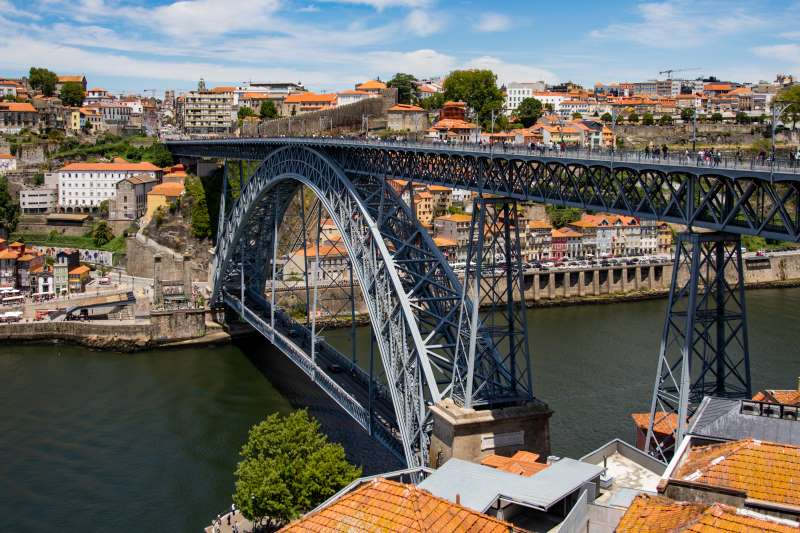
This double-deck metal arch bridge stretches 385 meters over the Douro River and connects Porto’s historic center with Vila Nova de Gaia’s wine cellars.
Théophile Seyrig, a student of Gustave Eiffel, designed this engineering masterpiece between 1881 and 1886. It became one of the things to do in Portugal that blends function with breathtaking views.
The upper deck now serves pedestrians and Porto Metro’s Line D. It delivers panoramic vistas of both riverbanks, Ribeira’s colorful facades and the wine lodges below. Walking across takes 5 to 10 minutes, though you’ll stop often to take photos.
The deck connects São Bento station and Porto’s center at the northern end. The southern side adjoins Serra do Pilar Monastery and the Gaia Cable Car station.
The lower deck runs closer to river level. It links Porto’s waterfront and Praça da Ribeira with Gaia’s port wine district. Traffic restrictions apply during most hours and allow only public transport and taxis. Regular vehicles cross between 8:00 PM and 6:00 AM.
Visit during early morning to avoid crowds and get ideal lighting conditions. Portugal designated it a cultural heritage site in 1982. This bridge represents both practical infrastructure and an architectural icon that secures its place on any Portugal bucket list.
18. Kayak to Benagil Cave

The Algarve coastline shelters one of the most photographed sea caves on the planet
. The Atlantic sculpted Benagil Cave through a rare double erosion process from both the side and top. This geological marvel features a circular opening in its ceiling, locally known as the “eye of the sky.”
Sunlight streams through this opening and lights up the grotto and hidden beach below. The Michelin Guide recognized it as one of Europe’s 10 most beautiful beaches and among the world’s 100 finest.
Overtourism concerns have led to strict regulations that now govern access. Only licensed guided kayak tours can enter the cave as of 2023. Swimming is prohibited and disembarking on the interior beach is no longer allowed.
August 2024 restrictions imposed a two-minute maximum stay with limits on simultaneous cave occupancy. Kayaks spend about eight minutes inside during tours.
Tours depart from beaches like Benagil and Carvoeiro and last two hours with groups capped at 12 to 20 participants. Each certified guide accompanies a maximum of six kayaks.
Sunrise tours deliver the optimal experience. Early morning groups enter first with calmer sea conditions and extended exploration time of surrounding caves and rock formations.
Midday visits capture that famous sunlight beam penetrating the ceiling opening, though crowds increase.
This remains among the best places to visit in Portugal for coastal adventure seekers.
19. Walk the Medieval Walls of Óbidos Castle
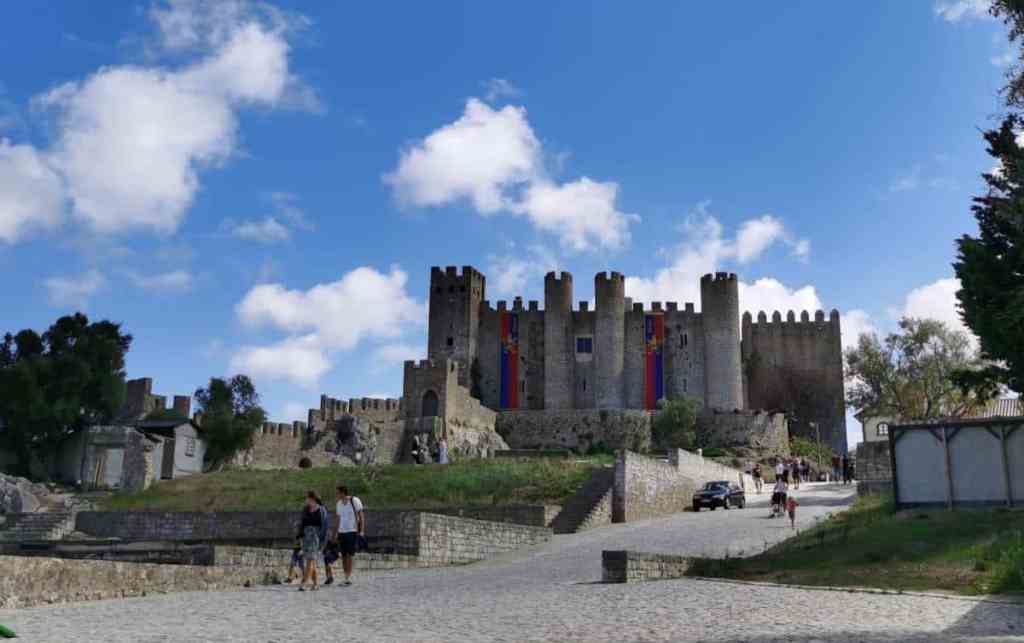
Óbidos ranks among the most well-preserved medieval walled towns in Europe. Cobblestone streets wind past whitewashed houses within 13th-century fortifications.
The town’s signature drink, ginja de Óbidos, originated with 17th-century monks who combined Morello cherries and brandy as an aperitif or after-dinner drink. This cherry liqueur evolved into one of the most distinctive things to do in Portugal.
The drink packs approximately 20% alcohol by volume. Yet the sweet chocolate cup and sour cherry inside create a well-rounded experience. Temperatures between 15C and 17C bring out the best in ginja, which appears ruby red with intense wild cherry aromas. Some variations include vanilla or cinnamon stick flavoring.
Rua Direita, Óbidos’ main street, hosts many vendors selling this local specialty. The chocolate cup is edible after you finish the liqueur, following the popular slogan “drink the cherry and eat the glass”.
You can taste ginja both with and without the chocolate cup to reveal distinct flavour profiles. The liqueur also makes an excellent souvenir, with bottles available throughout town.
20. Tour Jerónimos Monastery in Lisbon
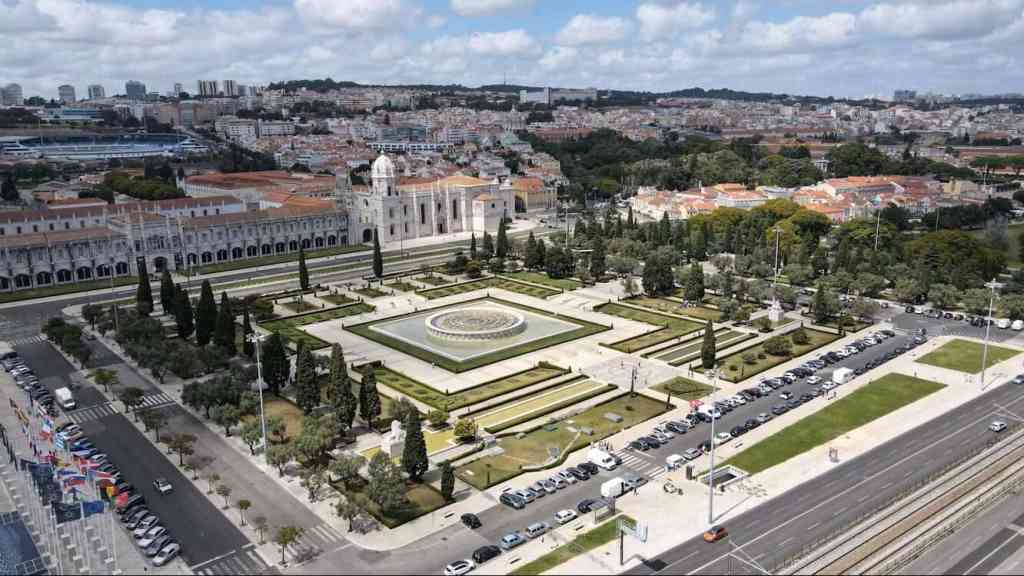
Lisbon’s Belém district preserves one of the most emblematic monuments from Portugal’s Age of Discovery.
King Manuel I spent massive resources into Jerónimos Monastery after he requested papal authorization in 1496. Construction commenced in 1501 and was completed about one century later.
The building showcases Manueline architecture at its finest. The façade extends more than three hundred meters and was built from limestone. The ornate south portal features carved figures around a statue of Henry the Navigator.
The church holds stone tombs of explorer Vasco da Gama and poet Luís de Camões.
UNESCO classified it as a World Heritage Site in 1983, so this monastery belongs on any Portugal bucket list among the best places to visit in Portugal.
21. Climb Torres dos Clérigos (Clérigos Tower)
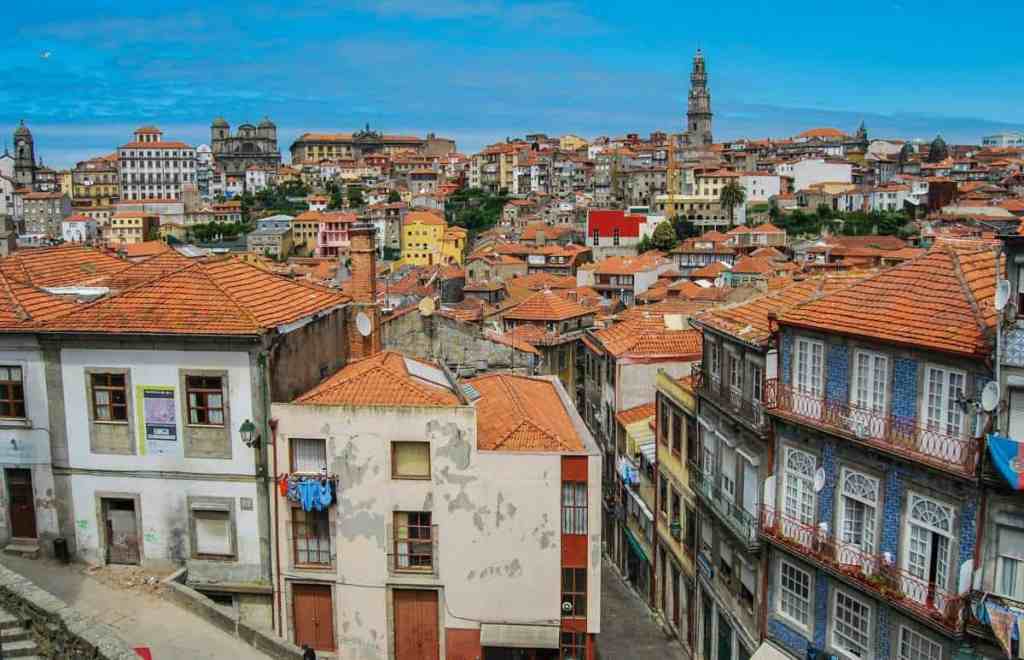
Porto’s baroque masterpiece rises 75.6 meters above the city’s historic center. The Clérigos Tower has symbolized the city since its completion between 1754 and 1763. This monumental bell tower is a UNESCO World Heritage Site.
The climb winds through six floors via narrow spiral staircases. Small windows offer tantalizing glimpses of the city along the way. So visitors should prepare for confined spaces and steep sections, especially when summer months arrive and the stairwell heats up. The ascent takes 10-15 minutes at a steady pace.
The summit rewards you with 360-degree panoramic views spanning the Ribeira district and Douro River. Port Wine cellars across Vila Nova de Gaia come into view, and on clear days the Atlantic Ocean extends before you. Sunset visits prove spectacular as the city’s terracotta roofs glow golden beneath you.
Day tickets cost €10 and include access to the tower and museum. Last entry is at 18:30. Early morning visits before 10:00 or evening climbs after 20:00 avoid peak crowds between 11:00-15:00.
Those with limited mobility can enjoy a ground-floor multisensory experience that simulates the climb through images and sounds. This makes the tower among the best places to visit in Portugal available to everyone.
Clérigos Tower is one of the most rewarding things to do in Portugal for those willing to tackle 240 steps!
22. Walk Through Guimarães Historic Center

Guimarães became Portugal’s first capital in the 12th century. The historic center covers 16 hectares and maintains its exceptionally well-preserved medieval architecture, earning UNESCO World Heritage status in 2001.
The Castle of Guimarães dominates the northern hilltop. Countess Mumadona Dias built it in the 10th century as protection against Viking and Moorish invasions. Afonso Henriques, Portugal’s first king, was born within these walls in 1139 before declaring independence.
Rua de Santa Maria, the oldest street constructed in the 10th century, connects the castle settlement to the monastery village below. This route passes the 15th-century Palace of the Dukes of Bragança, with 39 distinctive chimneys.
Largo da Oliveira forms the city’s heart. The Church of Nossa Senhora da Oliveira anchors it, rebuilt between 1387 and 1400. The square opens to Praça de Santiago, which welcomed medieval pilgrims traveling to Compostela.
Buildings display the distinctive medieval construction technique with granite ground floors topped with half-timbered structures. Portuguese colonies in Africa and the New World later adopted this method, securing Guimarães on any Portugal bucket list.
23. Explore Aveiro, the Venice of Portugal
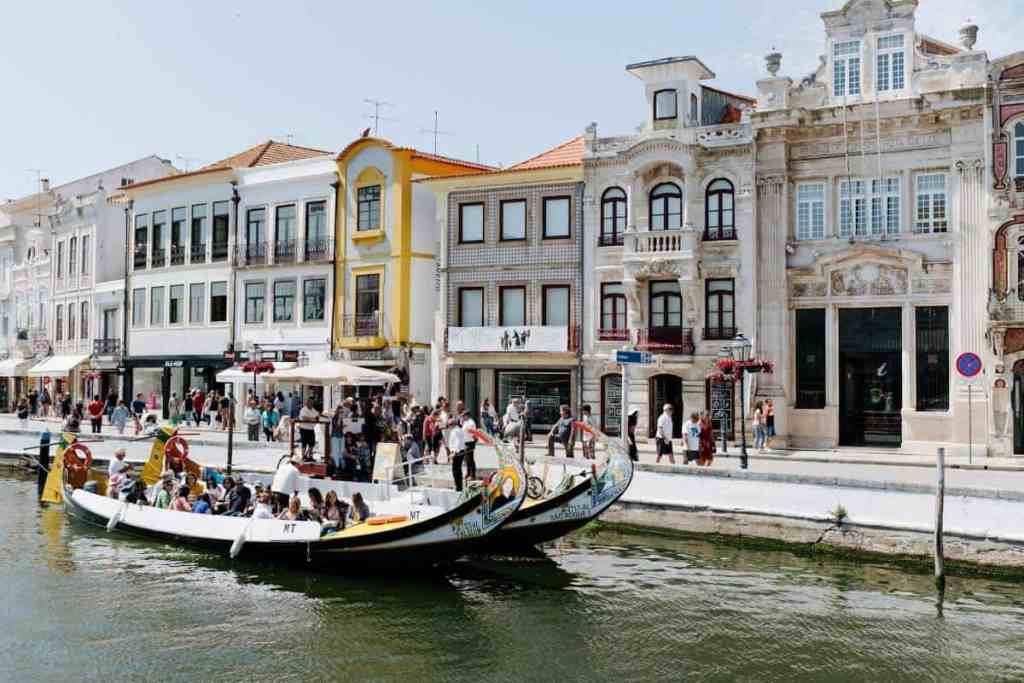
Coastal canals wind through Aveiro, where painted moliceiro boats glide along waterways an hour south of Porto.
These traditional wooden vessels harvested moliço originally. Aquatic plants served as agricultural fertilizer until chemical alternatives emerged in the 1960s.
Builders craft each moliceiro from pine wood and use time-honored shipbuilding techniques passed through generations. Four painted panels display drawings and captions.
Canal tours last about 45 minutes. The boats pass through Aveiro’s four main waterways and glide past Art Nouveau buildings and salt pans.
The Ponte Laços de Amizade and surrounding bridges display thousands of colourful ribbons. Visitors write loved ones’ names on them and create a kinetic display far prettier than typical love locks found elsewhere.
Portuguese emigrants returned from Brazil in the early 20th century and built magnificent Art Nouveau houses throughout the historic center. These homes feature stylish facades and stained-glass windows.
The Art Nouveau Museum occupies one such restored building. Its ground-floor Tea House transforms into a popular bar after museum hours.
Ovos moles de Aveiro are traditional convent sweets made with sugar and egg yolks. They earned recognition as one of Portugal’s Seven Wonders of Gastronomy.
24. Beach Hop Along Lagos’ Golden Shores

Golden limestone cliffs frame pocket-sized coves along a mere 3 km stretch of coastline in Lagos. Half the beaches connect via raised boardwalks that let you skip between sandy patches without returning to street level.
This compact geography makes beach hopping everything in Portugal’s Algarve region, and you can experience multiple distinct shores within a single afternoon walk from Old Town.
Praia do Camilo demands the most effort. You descend 200 steps down wooden staircases from the clifftop restaurant to reach small coves split by rock formations. You can swim and snorkel near the rocks to reveal fish populations.
Praia Dona Ana is just 15 minutes on foot from the historic center, with 160 meters of ocean frontage and seasonal sunbeds and lifeguards from mid-May to mid-October.
Meia Praia is located 5 km in the opposite direction and offers kitesurfing once winds pick up and paddleboarding during calm conditions.
Porto de Mós spans almost 1 kilometre with consistent surf conditions that attract wave riders, especially during winter months.
Praia da Batata provides the quickest beach fix. It’s located closest to central Lagos near tourist piers where kayak rental shops and boat tours operate.
25. Hike at Sunrise in Madeira

Madeira’s volcanic peaks offer some of Portugal’s most spectacular sunrise experiences. You’ll watch golden light break over the Atlantic from above cloud level.
Pico do Arieiro draws hundreds of visitors each morning because the drive up makes it available for all fitness levels. The upper car park fills quickly, and police direct latecomers to a lower lot that requires a 25-minute uphill walk to Miradouro do Juncal.
Pico Ruivo presents a quieter alternative. This highest point delivers 360-degree panoramic views across the whole island at 1,862 meters.
The shortest route starts from Achada do Teixeira and follows a 2.7-kilometer trail with around 270 meters of elevation gain. Fit hikers reach the summit in under an hour. Those who stay overnight at Casa de Abrigo need only 10 to 15 minutes from the mountain hut.
Ponta do Rosto viewpoint provides drive-up access to sunrise watching directly down the island’s tail for eastern coastal drama. The total loop hike from this viewpoint spans 3.4 kilometers and takes 60 to 90 minutes.
26. Hunt for Stunning Azulejos Tiles Across Portugal
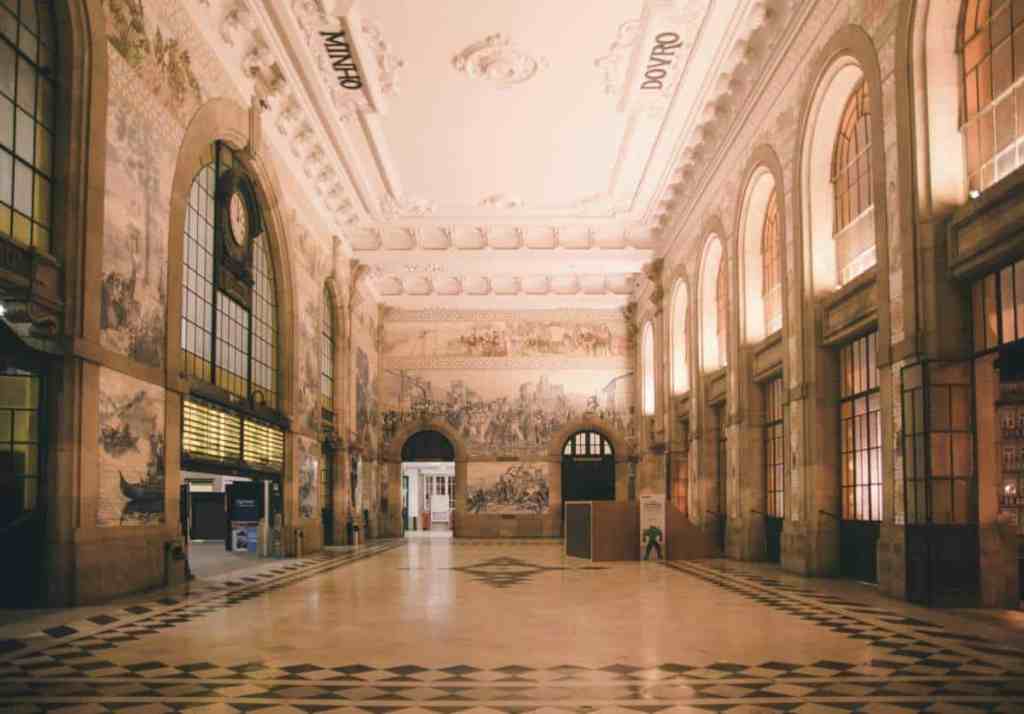
Blue and white ceramic tiles blanket building facades, train stations, and church walls across Portugal. Their name derives from the Arabic “al-zulaich” meaning polished stone.
Moorish North Africans originated these azulejos and used them for insulation and dampness protection. Portuguese craftsmen transformed them into storytelling canvases that depict history, religion, and mythology.
São Bento Railway Station in Porto showcases 20,000 tiles covering over 500 square meters. They depict northern Portugal’s historical moments, including the rise of transportation and defining conquests. Artist Jorge Colaço spent eleven years installing these tiles between 1905 and 1916.
Lisbon’s Casa do Ferreira das Tabuletas holds the title of the city’s most photographed tiled façade. Yellow and orange tiles adorn it and depict mythological images representing Earth, Water, Science, Agriculture, Commerce, and Industry.
The Lisbon Metro system features azulejos in almost every station. Painter Maria Keil created works for multiple stops starting in 1972.
The National Tile Museum in Lisbon occupies a 16th-century convent and displays azulejo production from the 15th century to present day.
Porto Cathedral’s 18th-century cloisters feature beautiful blue and white baroque azulejos.
Fronteira Palace wraps its main garden in gorgeous tiles from the 17th century.
27. Walk Part of the Portuguese Camino de Santiago
Walking north from Porto toward Santiago de Compostela traces a pilgrimage path that Isabel, Queen of Portugal, traveled between 1271 and 1336. T
Three routes unfold from Porto: the Central Route follows 243.5 kilometers through inland forests and medieval bridges over 10 to 12 days. The Coastal Route extends 274 kilometers along Atlantic fishing villages and promenades and requires 12 to 14 days. Both paths reunite in Redondela before continuing to Santiago.
The shortest qualifying distance begins at Tui at the Spanish border. You can complete 119 kilometers in 5 to 7 days and still earn your Compostela certificate. This requires walking a minimum of 100 kilometers.
The Variante Espiritual branches from Pontevedra and adds a boat crossing across the Ría de Arousa before rejoining the main route near Padrón.
Yellow arrows and scallop shell markers guide the way. Kilometer posts in Galicia supplement these markers and show distance to Santiago.
Portuguese cobblestones prove challenging underfoot. The terrain remains manageable with forgiving slopes and frequent services, especially from Porto northward.
Frequently Asked Questions (FAQs)
Final Thoughts on This Epic Portugal Bucket List
Portugal offers an extraordinary blend of cultural heritage, natural wonders, and unique experiences that make it one of Europe’s most diverse destinations.
- Visit during optimal seasons: Plan thermal springs and big wave watching for winter months, while summer offers perfect conditions for coastal kayaking and outdoor exploration.
- Book guided experiences early: Popular attractions like Benagil Cave kayaking and port wine cellars in Vila Nova de Gaia require advance reservations due to strict capacity limits.
- Embrace local traditions: Attend authentic fado shows in Alfama, taste ginja in medieval Óbidos, and sample pastel de nata at the original Belém bakery for genuine cultural immersion.
- Explore beyond Lisbon and Porto: Hidden gems like Furnas hot springs in the Azores, Madeira’s ancient laurel forests, and UNESCO monasteries offer unforgettable experiences away from crowds.
- Combine multiple regions: Portugal’s compact size allows you to experience fairytale palaces, world-record waves, historic wine valleys, and volcanic islands all in one trip.
These bucket list experiences transform a simple vacation into a journey through Portugal’s soul, where every region offers distinct flavors, landscapes, and adventures that create lasting memories.
Pick the ones that match your travel style and start planning your Portuguese adventure.
Portugal Travel Blogs
Ready to fall in love with Portugal? Dive into my travel blogs for inspiration, itineraries, and local tips you won’t want to miss.

Portugal Travel Destinations

Portugal Best Places For Solo Travel
Portugal Travel Tips