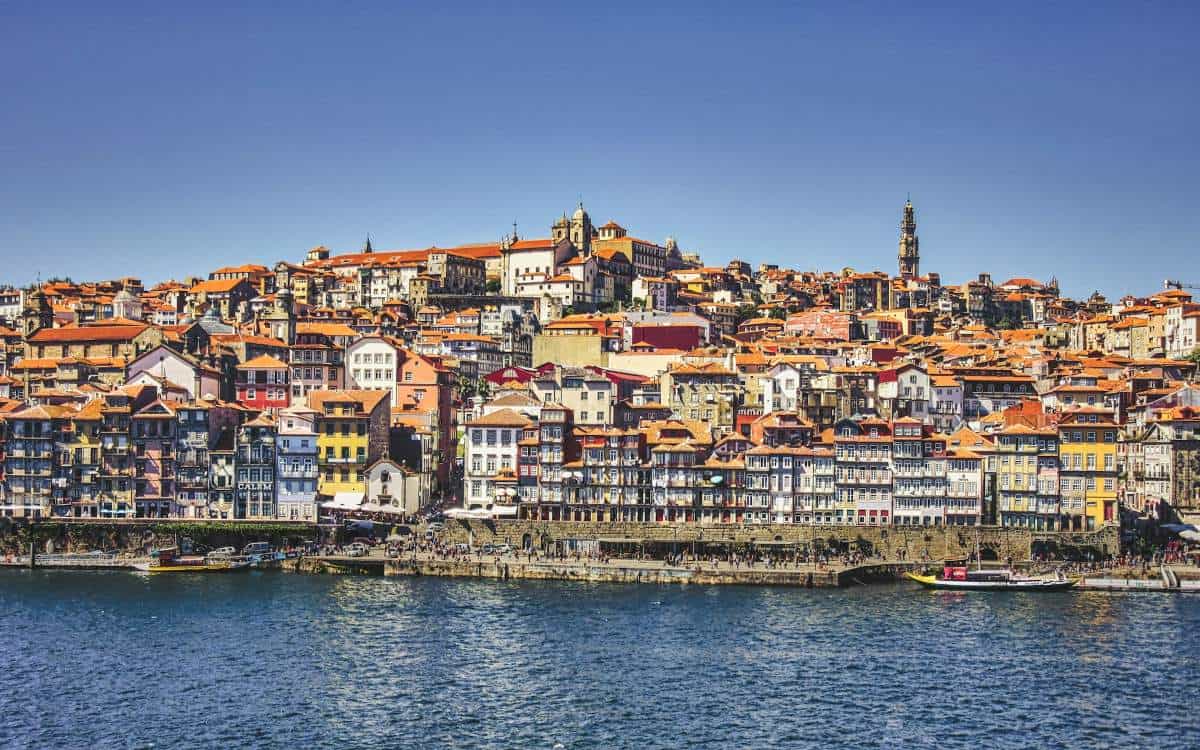
Essential Portugal Travel Tips You Need to Know Before You Go
Portugal travel tips become essential when you find that this stunning country sees a fraction of the tourists its European neighbours do, despite offering incredible beaches, cosmopolitan cities, and remarkable weather.
Portugal is one of the most walkable European countries, blessed with a rich history, exceptional food, and breathtaking views that make it a top destination. Preparing for your trip requires understanding the local culture, transportation options, and practical considerations.
This blog covers everything for your trip to Portugal, from planning your itinerary and navigating cities to managing money, sampling regional cuisine, and respecting local customs.
Disclaimer: This post may contain affiliate links, meaning I receive commissions for purchases made through those links at no cost to you. Please read my full disclosure for more information.
Planning Your Portugal Travel: Before You Book
turns your experience in Portugal Smart planning changes your Portugal experience from chaotic to memorable. Decisions about timing, accommodations and logistics shape every aspect of your trip.
Choose the right time to visit Portugal
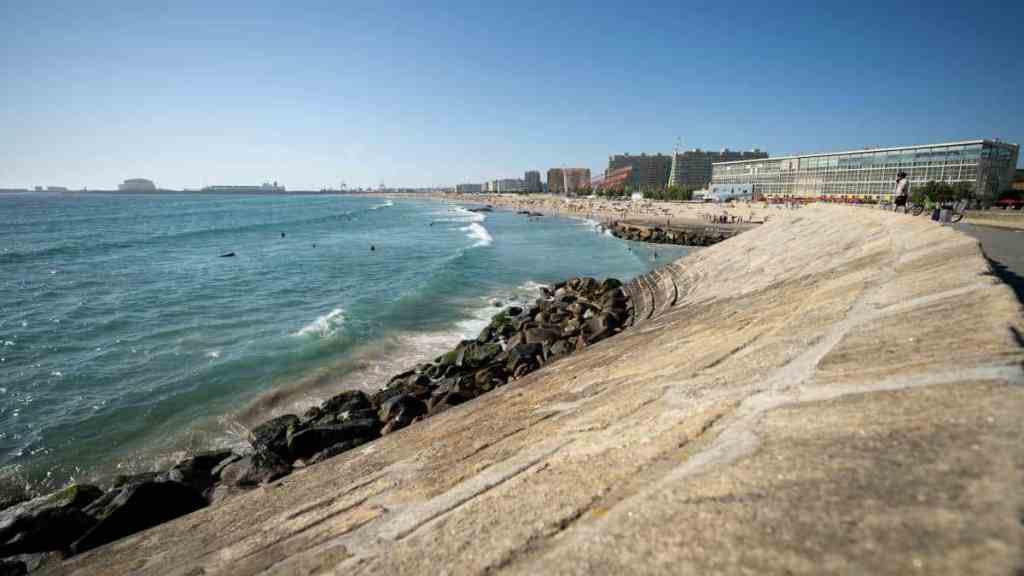
Spring and fall deliver the sweet spot for Portugal travel.
March through May brings blooming landscapes and comfortable temperatures. September and October pair excellent weather with wine harvest celebrations.
These shoulder seasons offer mild conditions for exploring without the overwhelming crowds that pack coastal destinations during summer.
Peak season stretches from May through September. July and August see the most intense activity when beach towns fill with European vacationers.
Coastal areas like Nazaré and the Algarve become packed during these months. Rates skyrocket and room availability plummets.
Beach towns feel dreary and lifeless during winter months, though they remain delightful in the shoulder season from mid-May through June and throughout October.
Your interests should guide your timing. Plan around St. Anthony’s Day on June 13 for Lisbon’s festivals or June 23-24 for Porto’s St. John’s Day celebrations.
The Douro Valley wineries attract visitors in September and October for harvest season.
Winter months from November through March bring lower rates and fewer tourists, though you’ll encounter cooler weather and occasional rain along the coast.
Book accommodations early for peak season
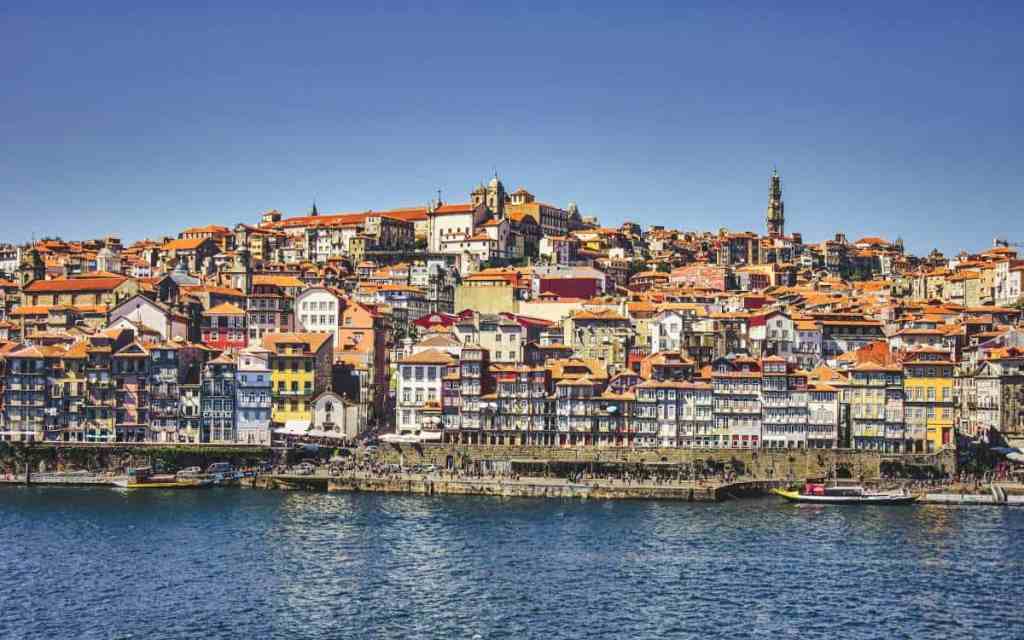
Portugal no longer fits the “cheap destination” category. Lack pricing hits hard when availability runs low.
You’ll want to secure your preferred stays 7-9 months ahead for peak season visits. Boutique hotels, charming guesthouses and rural hideaways often book out 9-12 months in advance during high season.
The Algarve, Lisbon, Porto, and the Douro Valley see strong demand. Hotels along the Camino de Santiago north of Porto fill up fast.
You gain more flexibility for off-season trips between mid-October and April, excluding major holidays. Less-visited regions like the Alentejo or Central Portugal allow booking 4-6 months ahead.
Reserve your favourites on free-cancellation rates as soon as you know your dates, even if you haven’t finalized everything. This secures your preferred places while you retain control.
Free cancellation costs more than non-refundable deals, but the cost savings in accommodation can compensate for higher flight prices.
Consider flying into different airports

Portugal operates three main international airports: Lisbon (LIS), Porto (OPO) and Faro (FAO). Lisbon offers the most international routes and direct flights, but think about alternatives.
Your destination determines your best entry point. Fly into Faro for Algarve holidays, choose Lisbon for central Portugal and areas north to Coimbra, and pick Porto for northern destinations.
Open-jaw flights save time and hassle. You can fly into Porto and depart from Faro. This eliminates backtracking since Portugal’s geography runs more like a line than a circle. This approach works well for 10-day itineraries that cover Porto, Lisbon and the Algarve.
Avoid connections between Lisbon Terminal 1 and Terminal 2 since no airside connection exists. Immigration, baggage collection and the bus transfer between terminals consume surprising amounts of time.
Skip flying through Lisbon Terminal 2 during peak times on Friday, Saturday and Sunday evenings. Book morning or afternoon flights with low-cost airlines to avoid accumulated delays that worsen throughout the day.
Don’t try to see everything in one trip
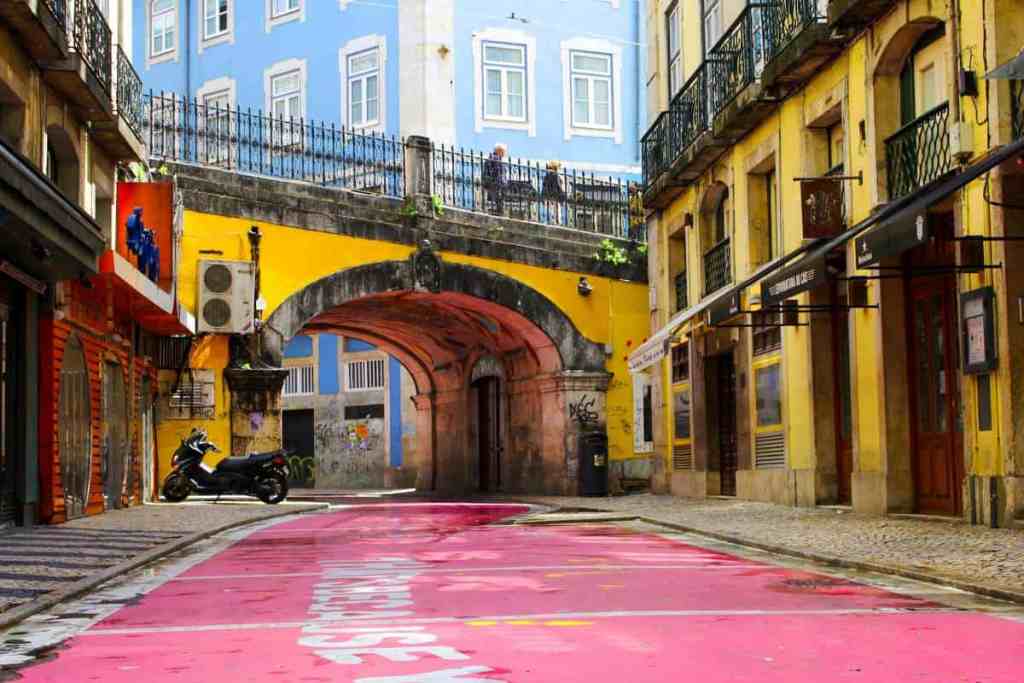
You just need 7-10 days minimum for an introductory Portugal visit. This allows 2-3 nights each in major cities like Lisbon and Porto, plus time for the Algarve or Douro Valley.
Resist the urge to pack your itinerary until you’re changing cities daily and sprinting between attractions. Focus on three regions maximum. Divide your time between them.
The Lisbon-Porto corridor with day trips OR the Algarve fits into 7 days, but not both. Dedicate at least 2-3 days to each major city. Choose a home base for longer periods and take day trips. This beats moving every day or two.
Two weeks opens up additional stops in smaller cities like Braga, Coimbra, Tavira or Évora while still covering Lisbon, Porto and the Algarve. Your trip becomes more relaxing and memorable when you spend more time in fewer places rather than rushing through a checklist.
Getting Around Portugal
Navigating Portugal requires understanding your transport options before you arrive. Your choice between public transit, rental cars, trains, and rideshares depends on where you’re going and how you want to explore.
Public transportation in major cities
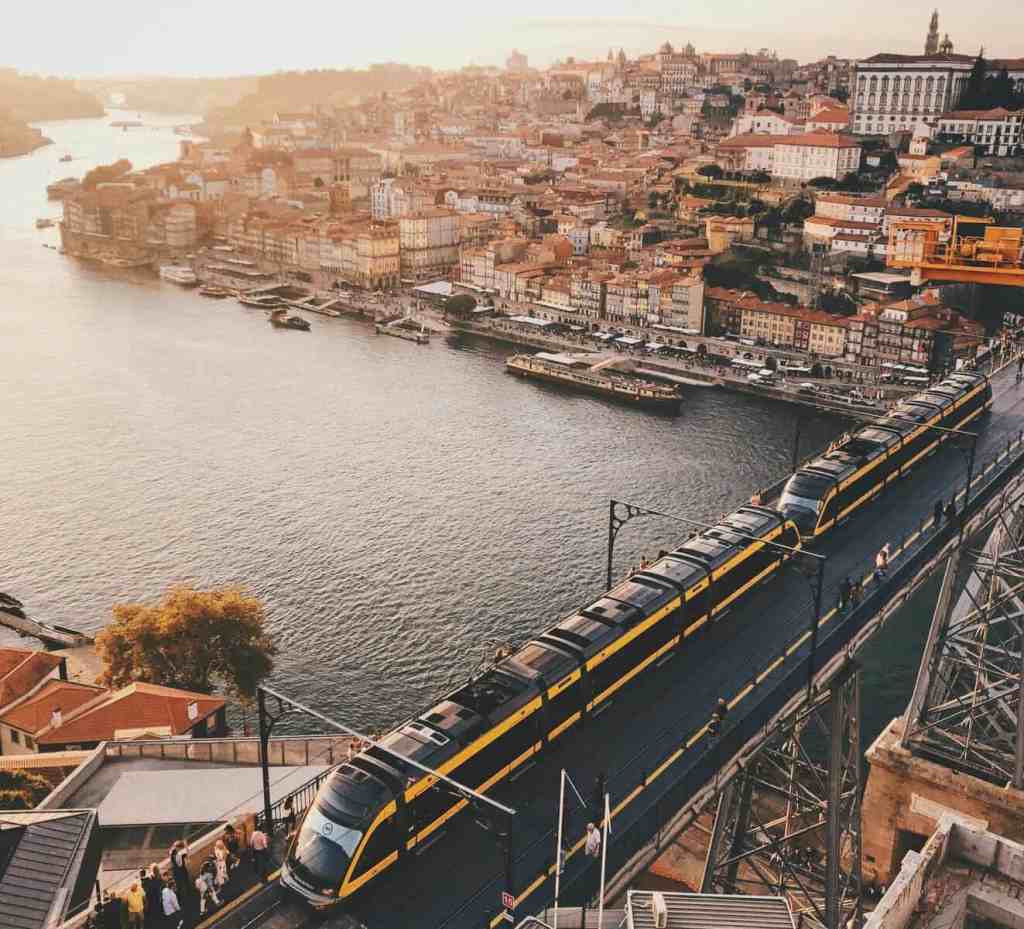
Lisbon and Porto operate efficient public transport networks that cover metros, busses, and trams.
Lisbon’s metro features four color-coded lines (Blue, Yellow, Red, and Green) that connect the airport, city center, and surrounding areas.
The Navegante card costs €0.50 and functions as your reloadable transport pass. You can load it with single journey tickets at €1.80-€3.80, pay-as-you-go Zapping credit, or an unlimited 24-hour pass for €6.80. Metro stations, ferry terminals, and ticket machines throughout the city sell and reload the Navegante.
Porto uses the Andante card system across its six metro lines (A through F). The metro connects downtown Porto, the airport, Matosinhos beach, and suburban neighborhoods. Trindade Station serves as the main hub where all lines intersect.
Metro trains run every 5-10 minutes during peak times from 6:00 AM to 1:00 AM. STCP busses complement the metro and reach neighborhoods beyond metro coverage. They operate from 5:30 AM to 11:00 PM with night busses identified by an “M” suffix.
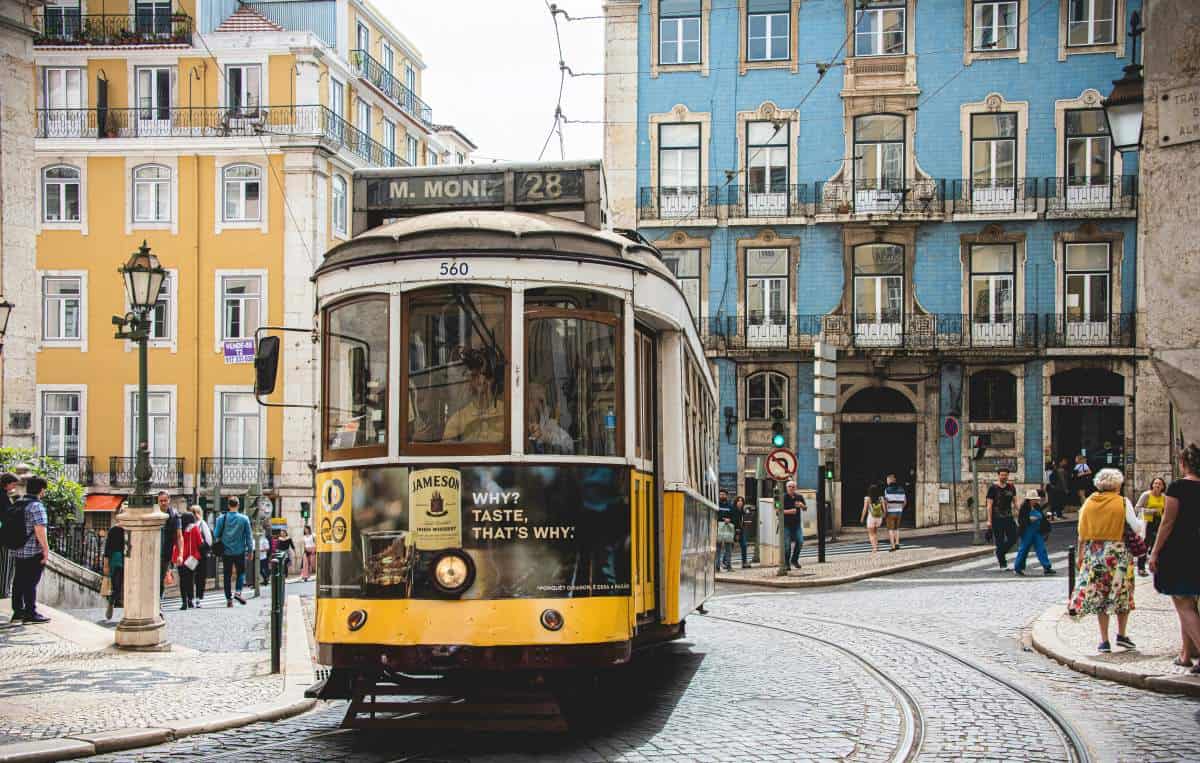
Trams remain iconic in both cities, though they’re better viewed as tourist experiences than efficient transport.
Lisbon’s Tram 28 costs €3.20 per ride but gets crowded with tourists. Porto’s three tram lines (18, 22, and 1) serve specific routes. Tram 1 runs along the river from Ribeira to where the river meets the ocean.

Renting a car for remote areas
You don’t need a car within Lisbon or Porto. Rental cars become necessary for coastal areas like the Alentejo and Algarve, traditional villages, and national parks that public transportation doesn’t reach.
Book your car rental early, especially for the Azores and Madeira where limited stock makes advance reservations critical.
Non-EU drivers require an International Driving Permit along with their national license. You’ll need to provide a valid driving license, passport or ID, and credit card under the main driver’s name at pickup.
Inspect the rental car before leaving and photograph any pre-existing damage to protect yourself. Check mileage and fuel levels at pickup.
Big cities like Lisbon and Porto present challenges with narrow, steep streets shared with pedestrians, trams, busses, and other vehicles. Small cars make parking easier, while compact cars or SUVs suit long road trips better.
Portugal’s service stations operate 24/7 in major cities with unleaded gasoline and diesel accessible to more people.
Understanding train and bus systems
CP (Comboios de Portugal) operates Portugal’s national railway with several service tiers:
- Alfa Pendular: High-speed trains reaching 220 km/h that connect Lisbon to Porto, Braga, or Guimarães, and Porto to Faro
- Intercidades: Fast long-distance service at speeds up to 200 km/h that runs from Lisbon to Porto, Braga, Guimarães, Guarda, Covilhã, Évora, and southern cities including Faro
- Regional and InterRegional: Connect urban trains and provide service across North, Minho, Douro, Alentejo, Algarve, and other regions
High-speed trains between Lisbon and Porto take 3.5 hours and cost around €25 per person. You can book tickets online through CP’s website.
Rede Expressos operates Portugal’s national express coach network with routes to over 300 destinations. Tickets start from €1.95-€3.95 for popular routes.
Busses feature free Wi-Fi and connect several hundred destinations across 42,000 km of network. Express busses run faster than trains on similar routes, though they can cost more.
Using rideshare services and taxis
Uber and Bolt dominate rideshare services in major cities including Lisbon, Porto, Faro, and Coimbra.
Bolt runs 10-20% cheaper than Uber, with average Lisbon trips costing €4-€8 on Bolt compared to higher Uber rates. Airport rides rarely exceed €10-€12. Both apps show prices upfront and handle payment through the platform.
Traditional taxis display beige coloring or Lisbon’s black and green combination with regulated, metered fares. City center rides run €5-€10, while airport trips cost around €15 in Lisbon or Porto.
You can book taxis through FreeNow besides ride-hailing apps. Card payments aren’t always available in smaller towns, so carry cash.
Rideshare restrictions exist near metro stations and tourist areas where taxis wait. The app may adjust your pickup location to permitted zones, sometimes blocks away from your actual position.
Check both Uber and Bolt for price differences, which can vary by several euros depending on demand.
Money and Payment Tips in Portugal

Managing your finances requires attention to Portugal’s unique payment culture and banking practices. Cash remains king in many situations, even though cards work widely across cities.
Carry cash in small denominations
You need €50-€100 in cash daily for incidental expenses like snacks, taxi fares and tips.
Portugal accepts cards in most urban areas, but over 70% of Portuguese citizens still use physical money at points of sale. Small notes and coins prove essential for cafés, traditional markets and family-run shops that operate cash-only.
Avoid breaking large bills at small establishments. €50 notes work fine for small amounts, but some businesses hesitate to accept €100 or €200 notes.
Businesses can legally refuse cash payments based on good faith if the note’s face value seems disproportionate to what you owe. Taxis and cafés especially struggle with large denominations since staff may not have time to find change.
Portugal also restricts cash payments over €3,000, which must use specific payment methods.
How tipping works in Portugal
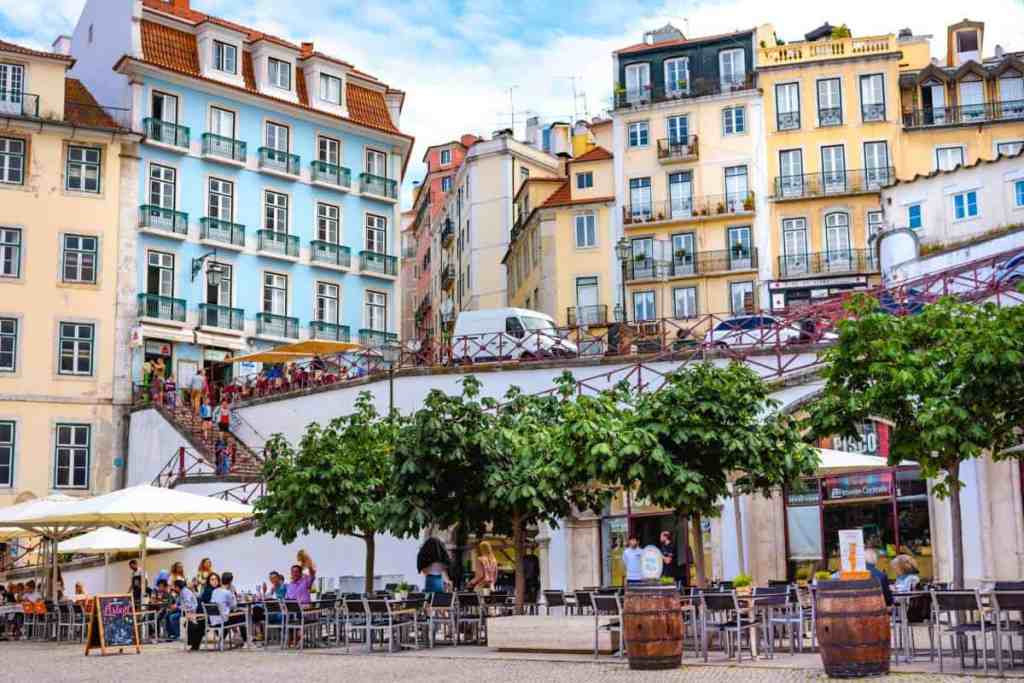
Tipping isn’t mandatory or expected like in the US & Canada, though your generosity will be appreciated.
Portugal maintains a standard minimum wage across all industries, so tips reward good service rather than supplement wages. Round up your bill to avoid handfuls of coins, or leave 5-10% for excellent service at restaurants.
Cash tips work better than card payments since few restaurants can process gratuities through their card terminals. You ensure the specific person who served you receives the money if you tip in cash.
Leave cash tips in taxis, hotels, traditional tascas and for guided tours. Tourism has increased tipping frequency in Lisbon and Porto, where international visitors leave more generous gratuities.
Check your bill before tipping, as some high-end or tourist-focused restaurants charge service fees for groups of six or more.
Understanding restaurant couvert charges

The couvert arrives at your table as bread, olives, butter or pâté, but nothing about it is complimentary.
This practice has never been free, despite what longtime visitors might believe. Portuguese law requires restaurants to list couvert prices and inform customers before charging since 2012.
You can refuse the couvert without obligation. Politely decline and your server will remove it.
Average costs run modest: bread costs around €0.75, olives or carrots €1.50, butter €0.65 and sardine pâté €0.75. Two people might pay €6.20 total including butter and pâté for each.
High-end restaurants may offer refined items like goat cheese and chouriço at higher prices. Each small tub of butter or pâté gets charged individually, not per plate.
The couvert represents Portuguese hospitality tradition rather than a scam, though it adds a few euros to your bill.
Using ATMs vs currency exchange
Withdraw cash from Multibanco ATMs rather than currency exchange offices. The Multibanco network operates throughout Portugal with minimal fees, while airport exchanges and private operators charge unfavorable rates.
Portuguese ATMs allow daily withdrawals up to €400, with each transaction limited to €200. You can withdraw another €200 right away for your daily maximum.
Decline dynamic currency conversion if prompted. ATMs will ask twice whether you want the transaction in pounds or euros. Always choose euros without conversion to get the best exchange rate.
Avoid Euronet ATMs (marked with yellow and blue signage) because of their high fees and poor exchange rates. Stick to bank-branded ATMs displaying the Multibanco (MB) sign. Airport ATMs charge excessive fees, so wait until you reach your hotel area.
UK-issued Visa and Mastercard debit cards work widely at Portuguese ATMs.
What to Eat and Drink in Portugal
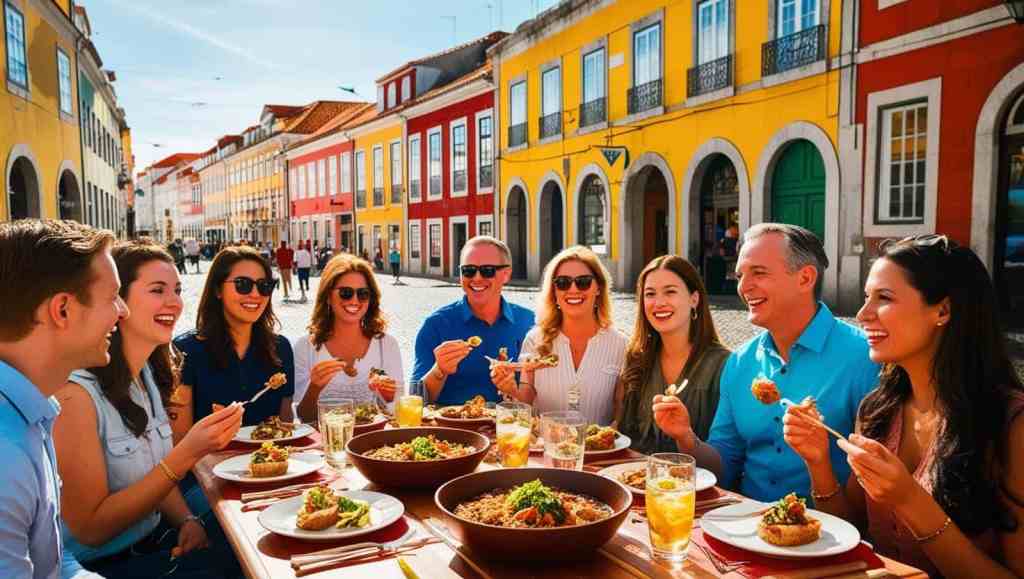
Portuguese cuisine deserves as much attention in your portugal travel planning as hotels and train tickets.
The country’s culinary traditions reflect centuries of maritime history and regional diversity that turn meals into cultural experiences.
Try fresh seafood and bacalhau

Salt cod is Portugal’s national dish, despite the fish coming from Norwegian or Icelandic waters rather than Portuguese coasts.
Portuguese recipes made bacalhau popular worldwide. Locals claim 365 different ways to cook it, one for each day of the year. You’ll find this preserved fish prepared in countless variations across restaurants and family kitchens.
Bacalhau à Gomes de Sá combines salt cod with potatoes, onions, hard-boiled eggs and olives in olive oil. The dish appears on Good Friday tables but stays available year-round. Bacalhau à Brás offers another beloved preparation.
A small eatery in Lisbon’s Bairro Alto created it in the late 19th century. The dish uses deboned, shredded cod mixed with potatoes and scrambled eggs.
It was designed to reduce food waste by using less meaty fish parts. Both dishes pair well with crusty bread and red wine rather than white.
Don’t miss pastéis de nata

Pastéis de Belém is the spiritual homeland of Portugal’s iconic custard tart. This pasteleria has been baking since 1837 and follows a secret monastery recipe known to only half a dozen people.
The bakers produce 20,000 tarts daily, each costing €1.50. The custard tastes more savory and eggy than other versions, while the pastry shatters into crispy wisps. Note that only this location can call their tarts “Pastéis de Belém”.
Manteigaria became the modern rival, with Lisbon locals divided between these two as the city’s best. Fresh batches arrive every 30 minutes and guarantee warm tarts.
Manteigaria’s version features sweeter custard with a more stable yet still-crunchy base, priced at €1.50. Order your pastel de nata with a bitter espresso, Port wine or ginjinha liqueur.
An annual competition crowns the best pastel de nata in Lisbon, with Aloma bakery winning in 2024 and 2025.
Sample Vinho Verde wine
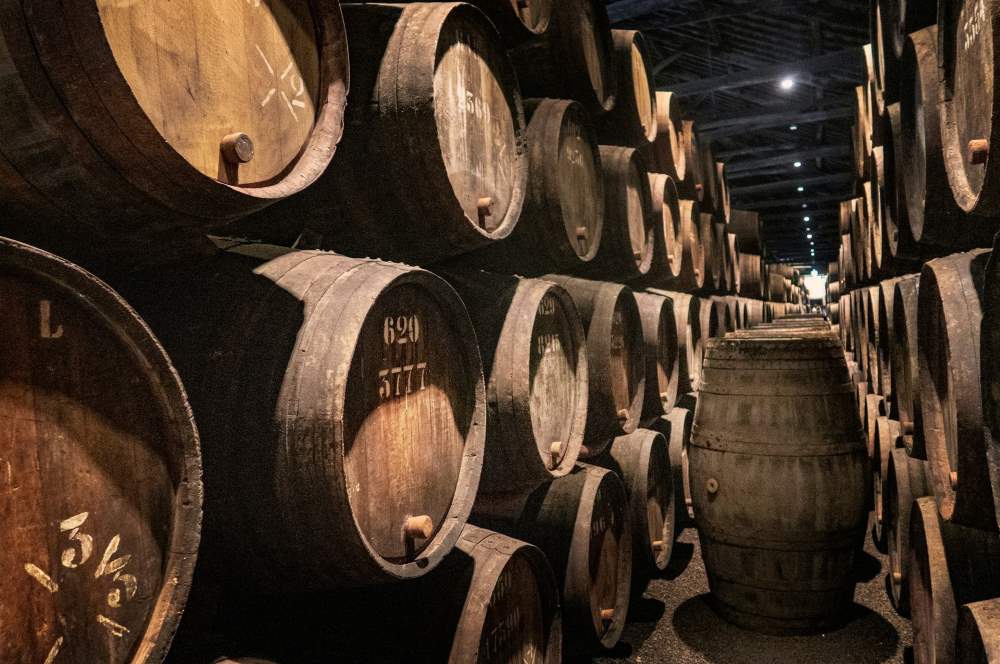
This wine from Portugal’s largest appellation delivers high acidity, low alcohol and a slight spritz.
White Vinho Verde makes up 85% of production, though red and rosé versions exist.
Indigenous grapes including Alvarinho, Arinto, Loureiro and Trajadura create the region’s distinctive character. Alcohol levels between 8.5-10.5% indicate lighter-bodied, citrus-driven styles, while 11.5-13% signals richer texture.
The wine goes well with Portugal’s abundant seafood. Try it with grilled sardines, oven-baked cod with cream or codfish cakes. Red Vinho Verde, with its lighter body and higher acidity than typical reds, complements bacalhau à Lagareiro or octopus rice.
Know when to drink Port wine
Port should be served at cool room temperature. Tawny Ports tolerate cooler temperatures, but avoid serving any Port too cold since the wines become shut down and inexpressive.
Serving too warm creates flabby flavors that lack structure. Port works as a dessert wine, best enjoyed after meals rather than throughout dinner.
Research regional food specialties
Each Portuguese region has unique dishes worth seeking out. Study local specialties before your trip to each area, as regional variations reflect distinct culinary traditions shaped by geography and climate.
Cultural and Language Essentials
Communicating with Portuguese locals opens doors that remain closed to travelers who rely on English alone.
Simple Portuguese phrases show respect for the culture and guide you to more authentic, meaningful interactions.
You don’t need fluency, just a few critical phrases to order coffee, ask for help, or greet shop owners.
Learn simple Portuguese phrases
Start with greetings: “Olá” (hello), “Bom dia” (good morning), “Obrigado” if you identify as a man or “Obrigada” if you identify as a woman (thank you), and “Por favor” (please).
Learn “Onde fica…?” (Where is…?), “Não entendo” (I don’t understand), and “Fala inglês?” (Do you speak English?) for practical situations.
Locals appreciate your effort even when your pronunciation falls short. Portuguese people are gracious, and trying their language can lead to longer conversations and local recommendations.
Understand Portuguese time and punctuality
Portuguese people view relationships as more important than strict time adherence.
You can arrive 15 to 20 minutes late for social situations, though business arrangements expect punctuality.
Tradespeople and service appointments run late, sometimes by an hour or more.
Social gatherings listed for 20:00 often start much later, and hosts remain unprepared if you arrive on time.
Business contexts require a balance between respecting the relaxed time approach and meeting work commitments on schedule.
Respect local cost of living awareness
Portugal maintains lower living costs than many Western European countries, but avoid flaunting wealth or making comparisons that diminish local earnings.
Practical Tips for Exploring Portugal
Physical preparation and smart choices make the difference between struggling through Portugal and enjoying every moment.
Wear shoes with good grip for hills and cobblestones

Portugal’s famous calçada portuguesa sidewalks look beautiful but become slippery surfaces when wet. Years of foot traffic polish these black-and-white tiles smooth and create conditions like an ice-skating rink.
Lisbon spreads across seven hills, Porto sits atop two, and even Algarve beaches require climbing stairs.
Rubber soles with substantial tread prevent falls on these surfaces. Skip heels, smooth-soled dress shoes, and slick rubber soles that won’t grip.
Pack layers for coastal winds
Atlantic coastal winds shift temperatures from day to day.
Carry a light jacket or windbreaker for evenings, even when daytime highs exceed 32°C.
Weather patterns remain unpredictable, with spring and autumn delivering all seasons in one day.
Bring a swimsuit even in cities
Beach access from Lisbon and Porto makes swimwear essential year-round.
Seek out miradouros for best views

Miradouro da Nossa Senhora do Monte offers the highest viewpoint in Lisbon. Miradouro das Portas do Sol provides the gateway to sun views, while Miradouro de Santa Luzia features glazed tiles and covered trellis.
Book popular day trips as overnight stays

Sintra rewards overnight stays for those who enjoy walking and really learning the grounds. Walking between Pena Palace and the Moorish Castle takes time.
Shop for authentic Portuguese souvenirs
Mass-produced plastic roosters and printed tiles come from thousands of miles away.
Seek hand-painted azulejos from local workshops, ceramic swallows from central Portugal, and authentic canned sardines prepared by hand in northern canneries.
Conclusion

Portugal rewards travelers who are well prepared.
Book accommodations early, understand the transport systems, carry cash for daily expenses, and learn simple Portuguese phrases.
Your trip becomes smoother by a lot. Note that experiencing fewer regions deeply beats rushing through a massive checklist of attractions.
The country’s charm lies in its famous landmarks and everyday moments: sipping Vinho Verde at a neighborhood tasca, navigating cobblestone hills with proper footwear, and watching locals debate the best pastel de nata.
These tips will guide your decisions and help you explore Portugal like someone who belongs rather than just another tourist passing through.
Frequently Asked Questions (FAQs)
Key Takeaways
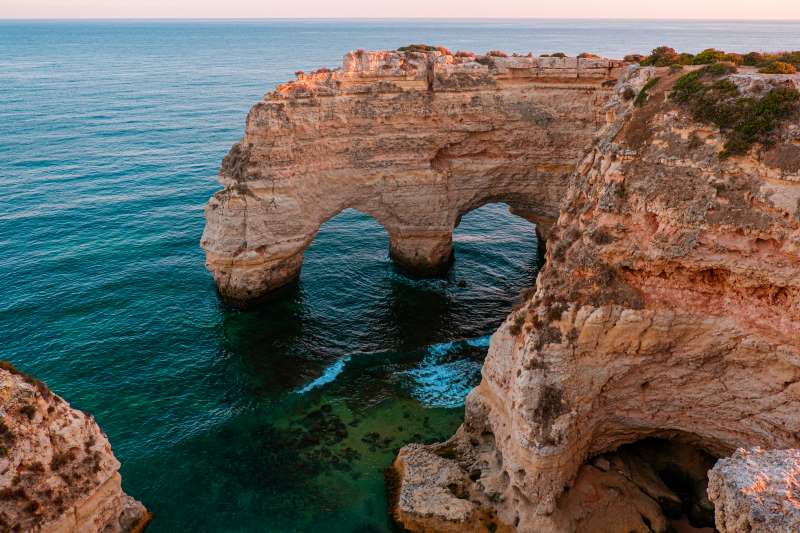
Planning ahead and understanding local customs will transform your Portugal experience from chaotic to memorable, helping you navigate this stunning country like a local rather than just another tourist.
- Book accommodations 7-9 months ahead for peak season (May-September) as Portugal is no longer a cheap destination and popular spots fill up quickly
- Carry €50-100 cash daily in small denominations – over 70% of Portuguese still use physical money for cafés, markets, and tips
- Learn basic Portuguese phrases like “Olá” and “Obrigado/Obrigada” – locals appreciate the effort and it opens doors to authentic experiences
- Wear shoes with good grip for Portugal’s polished cobblestone streets that become slippery when wet, especially in hilly cities like Lisbon and Porto
- Focus on 3 regions maximum with 2-3 nights each rather than rushing through everything – deeper exploration beats checking off attractions
- Try authentic pastéis de nata at Pastéis de Belém (the original) and sample fresh seafood with Vinho Verde wine for the true Portuguese culinary experience
Portugal’s magic emerges when you slow down, respect the relaxed pace, and embrace both famous landmarks and everyday moments like neighborhood tascas and local conversations.
Portugal Travel Blogs

Best Portugal Travel Destinations
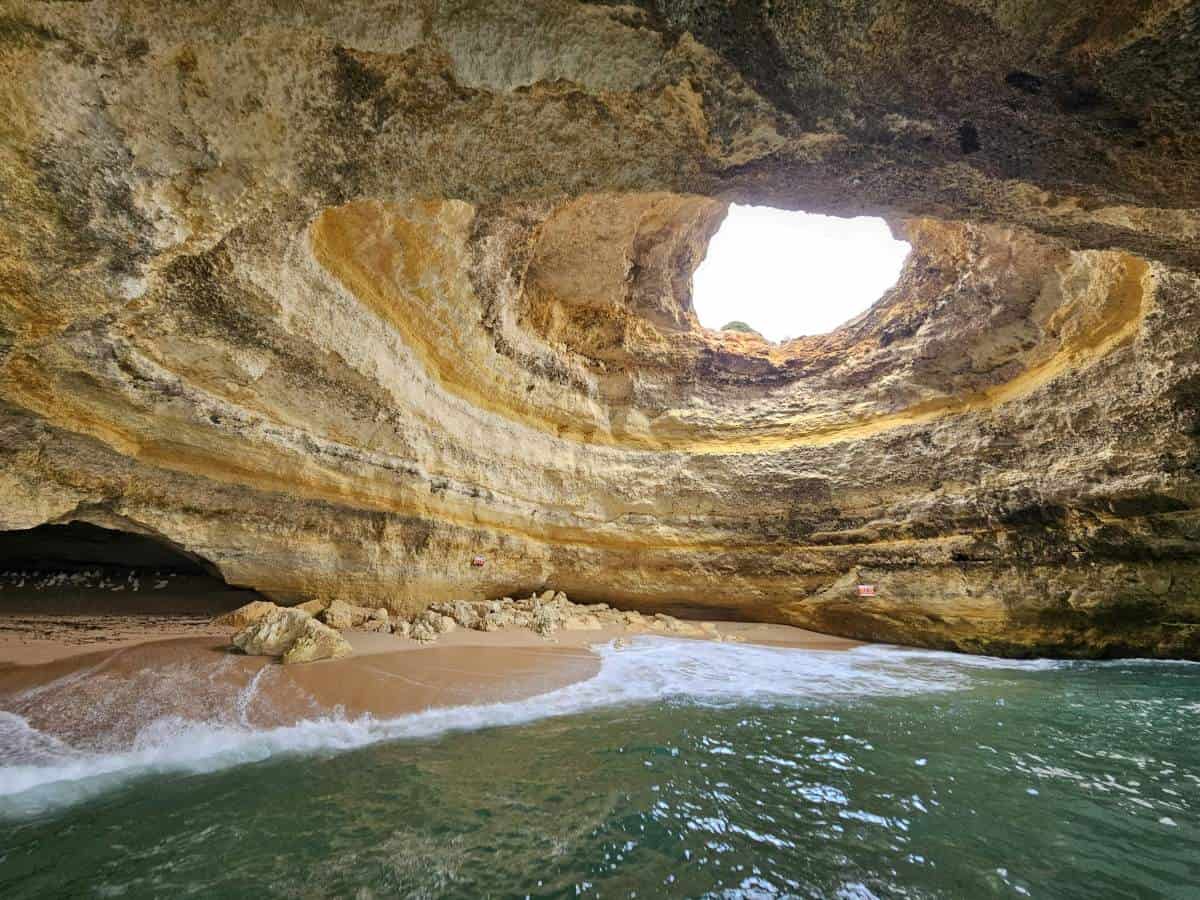
Epic Portugal Bucket List