25 Epic Porto Bucket List Experiences You Simply Can’t Miss
Your Porto bucket list deserves more than a rushed day trip.
Despite being Portugal’s second-largest city, Porto doesn’t get as much love as Lisbon, with many tourists spending only a day or two here before heading south.
This underrated gem is home to the Douro Valley, one of the best wine regions in the world, and the Lello Bookshop, considered one of the most beautiful in the world. Centuries of rich cultural heritage add to its appeal.
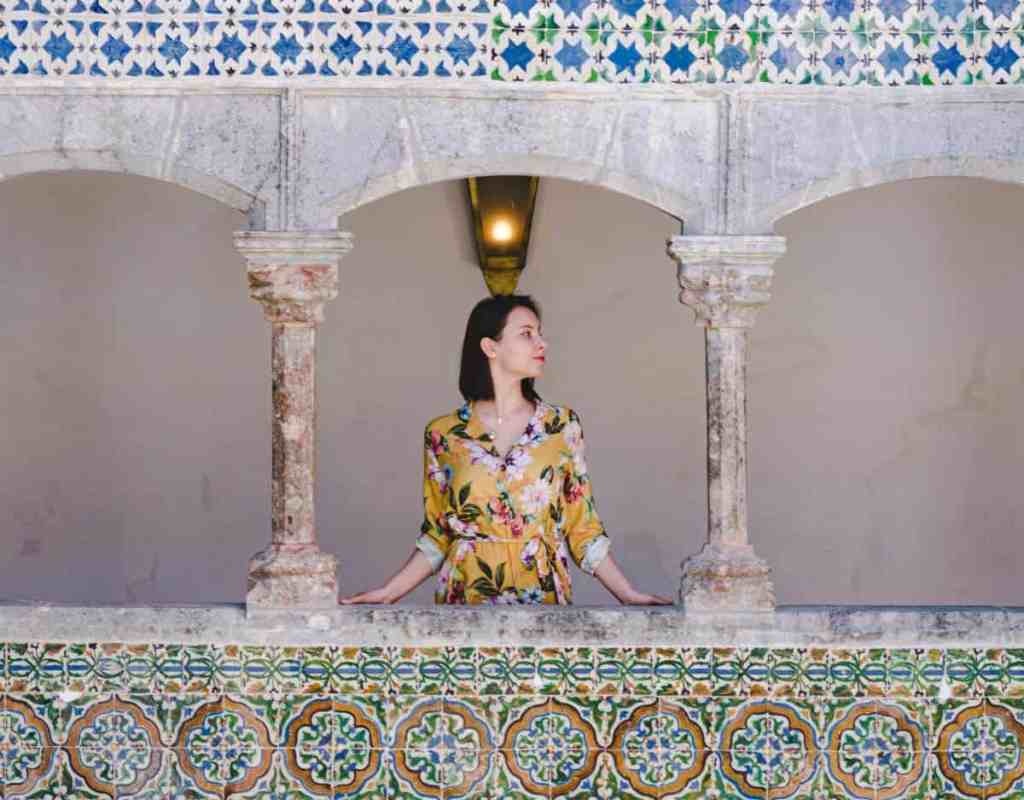
From port wine cellars to azulejo-covered landmarks, these 25 experiences will help you find out why Porto, Portugal deserves a spot at the top of your travel plans.
Disclaimer: This post may contain affiliate links, meaning I receive commissions for purchases made through those links at no cost to you. Please read my full disclosure for more information.
1. Discover Port Wine at Traditional Cellars
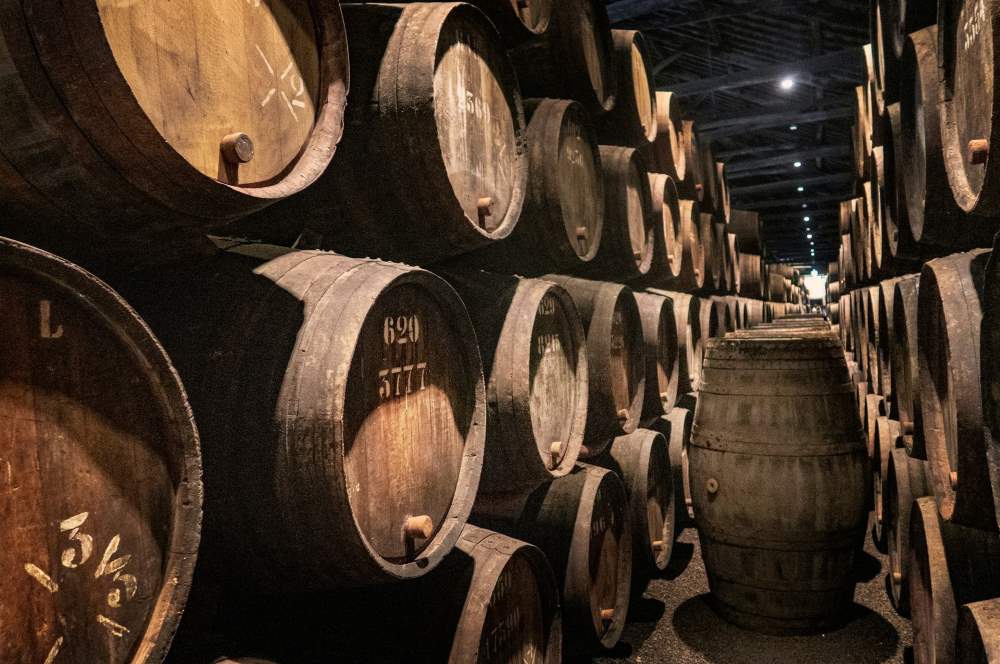
Vila Nova de Gaia lies across the Douro River from central Porto. Nearly two dozen historic port wine cellars age and store Portugal’s most famous export here.
Law mandated that every barrel coming down the Douro had to age in Vila Nova de Gaia’s cellars for nearly three centuries. This created a square kilometer of cool stone warehouses that define Porto’s port wine heritage.
At least 18 port wine houses operate along the southern riverbank and offer tours through working cellars where the smell of oak and aging wine settles into your clothes within minutes.
Popular riverside lodges fill up by mid-morning, especially Sandeman and Cálem. Higher-elevation lodges like Graham’s and Cockburn’s offer quieter tours with the same quality of wine education.
Standard cellar tours cost between €20 and €27 for about one hour. They include guided walks through production facilities and tastings of two or three port styles.
Late afternoon visits work best. The cool cellars provide relief after you explore Porto’s hilly streets.
Book tours several days in advance. Walk-in visitors get turned away at popular lodges routinely.
Taylor Fladgate
Taylor Fladgate recently renovated its 300-year-old cellars to incorporate a museum circuit featuring self-guided audio tours available in 13 languages.
The standard tour includes three wines: Chip Dry Extra Dry White, Late Bottled Vintage, and 10-Year-Old Tawny.
Graham’s Port Lodge
Graham’s offers premium wine tastings that pair their LBV with chocolate, Quinta dos Malvedos with cheese, and 20-year-old tawny with pastel de nata.
The lodge sits higher up the hill and rewards visitors with panoramic views of both Porto and Gaia’s waterfronts.
Fonseca
Fonseca’s standard experience costs €16. It features Bin nº 27, Siroco, and Terra Prima in their historic tasting room.
They also offer evening experiences that combine cellar tours with live Fado performances starting at €25 per adult.
Tickets cost €8 for children aged 4 to 12 and include cookies and Douro Valley grape juice.
Fonseca hosts a masterclass featuring three decades of Vintage Ports from 1994, 2000, and 2017, scoring 100, 96, and 98 points respectively.
You can pre-book the Fonseca Port Cellar Visit & Tasting online.
Cockburn’s
Cockburn’s stands out as the largest working cellar in Porto. You can watch skilled coopers repair wine barrels there.
Caves Ferreira
Premium experiences raise the tasting substantially. Caves Ferreira charges from €55 per person for Vintage visits in the elegant Azulejos Room.
2. Walk Across the Iconic Dom Luis I Bridge
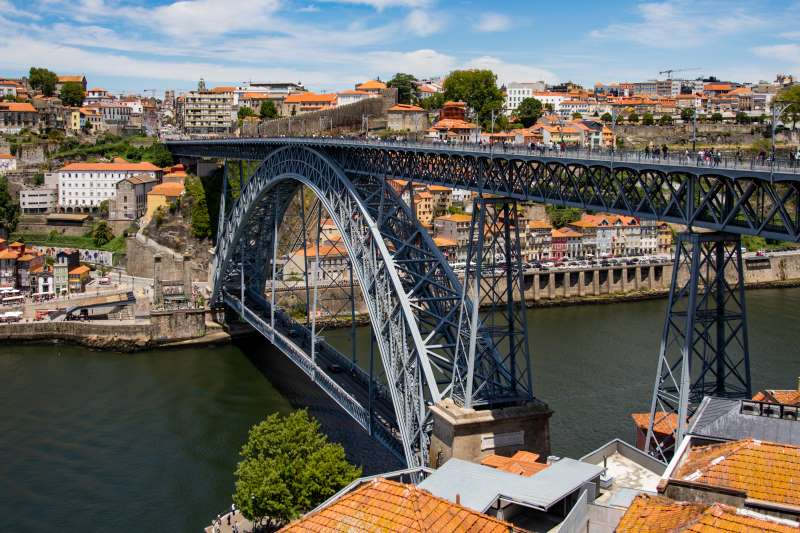
The iron double-decker structure spanning the Douro River is Porto Portugal’s most photographed landmark. Both levels offer safe, well-kept paths designated for pedestrians.
Théophile Seyrig designed the bridge. He was a former student of Gustave Eiffel. The bridge opened in 1886 and stretches 385 meters across the water. Its massive central arch measures 172.5 meters in diameter and supports both upper and lower decks moored to granite riverbanks by masonry piers.
You can walk the upper deck 60 to 75 meters above the Douro River and share the pedestrian walkway with Porto Metro’s Line D. You’ll get the best panoramic shots from here!
The lower level accommodates buses, taxis, cyclists and pedestrians. Your walk takes between 5 and 10 minutes, depending on how often you stop for photos. The narrow sidewalks on the lower deck require caution with heavy traffic passing close by.
Tip: You can take the Gaia Cable Car up from river level rather than hiking the 262 uneven steps and skip the climb.
3. Explore the Magical Livraria Lello Bookstore
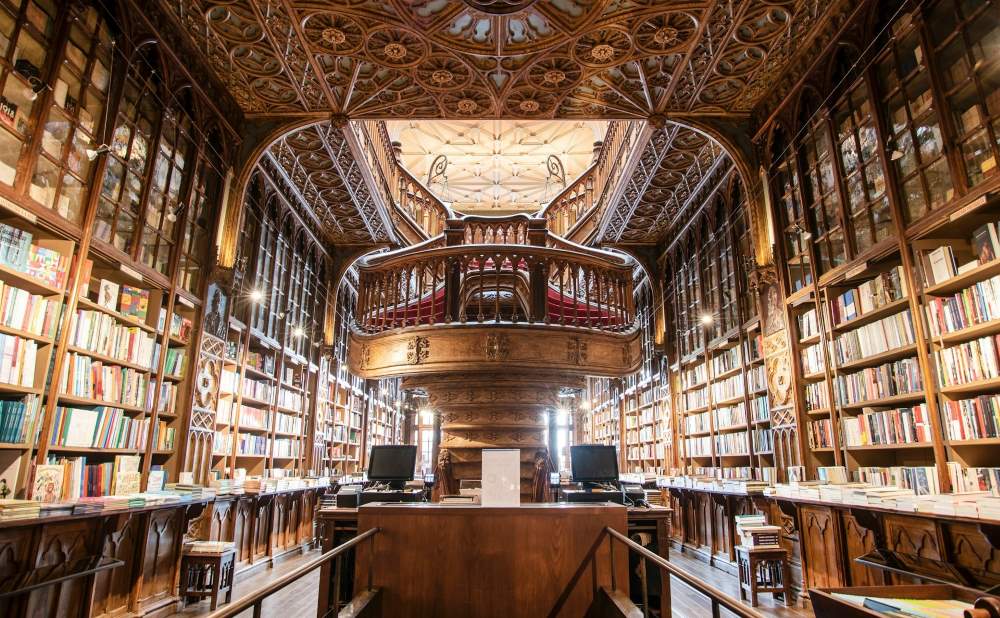
Located in a 1906 Neo-Gothic building, Livraria Lello is considered one of the world’s most beautiful literary spaces.
Francisco Xavier Esteves designed the structure for the Lello brothers and blended Art Nouveau and Art Deco elements throughout the two-floor space.
The crimson spiral staircase dominates the center, though you might be surprised to learn the intricate ceiling carvings aren’t wood at all but painted plaster designed to mimic carved details.
A massive stained glass skylight bathes the interior in natural light and displays the motto “Decus in Labore” (Honor in Work) among the brothers’ monogram.
Floor-to-ceiling bookshelves line both levels, stocked with classics the shop republishes in beautifully illustrated editions perfect as souvenirs.
J.K. Rowling lived in Porto as an English teacher during the early 1990s while writing the first Harry Potter chapters. The bookstore’s spiral staircases and Gothic atmosphere sparked speculation about inspiring Hogwarts. While Rowling herself has debunked visiting the shop, the connection draws Potter fans wearing Hogwarts robes year-round.
You’ll need to purchase a €5 entry voucher online before visiting. The amount can go towards any book purchase in the store.
Priority tickets cost €15 and let you skip hour-long queues, though this amount doesn’t apply to purchases. You receive a small classic book with the priority option.
The space feels small and crowded at popular photo spots where visitors form impromptu queues. Arrive shortly after opening or visit toward closing time to browse with fewer people.
4. Marvel at Porto Cathedral (Sé do Porto)

Perched on one of Porto’s highest hills, Porto Cathedral (Sé do Porto) is one of the city’s most impressive landmarks and a must-see on any Porto itinerary.
Construction began around 1110 under Bishop Hugo. As Porto’s oldest monument, it has watched over the city for nearly 900 years.
When you first see the cathedral, you’ll notice it looks more like a fortress than a church. Its thick stone walls, narrow windows, and battlement-style towers were designed to help protect the city during turbulent medieval times.
As you explore, you’ll discover that the cathedral is a fascinating mix of architectural styles. The original Romanesque structure remains, but Gothic additions were made over the centuries, including the beautiful cloisters and the funerary chapel of João Gordo.
One of the cathedral’s most important historical moments took place in 1387 when King John I married the English Princess Philippa of Lancaster here, strengthening the long-standing alliance between Portugal and England.
Inside, don’t miss the stunning blue-and-white azulejo tiles that decorate the cloisters. Added in the 18th century, these intricate tiles tell stories from the Song of Songs and are among the cathedral’s most photogenic features.
The Chapel of the Holy Sacrament is another highlight, home to an extraordinary silver altarpiece that is considered one of the finest examples of Portuguese silversmithing.
One of the best parts of the visit is stepping onto the terrace, where you’ll be rewarded with sweeping views of Porto’s terracotta rooftops and the Douro River below.
For a small entrance fee, you can explore the cathedral, cloisters, museum, and tower.
5. Climb Clérigos Tower (Torre dos Clérigos)
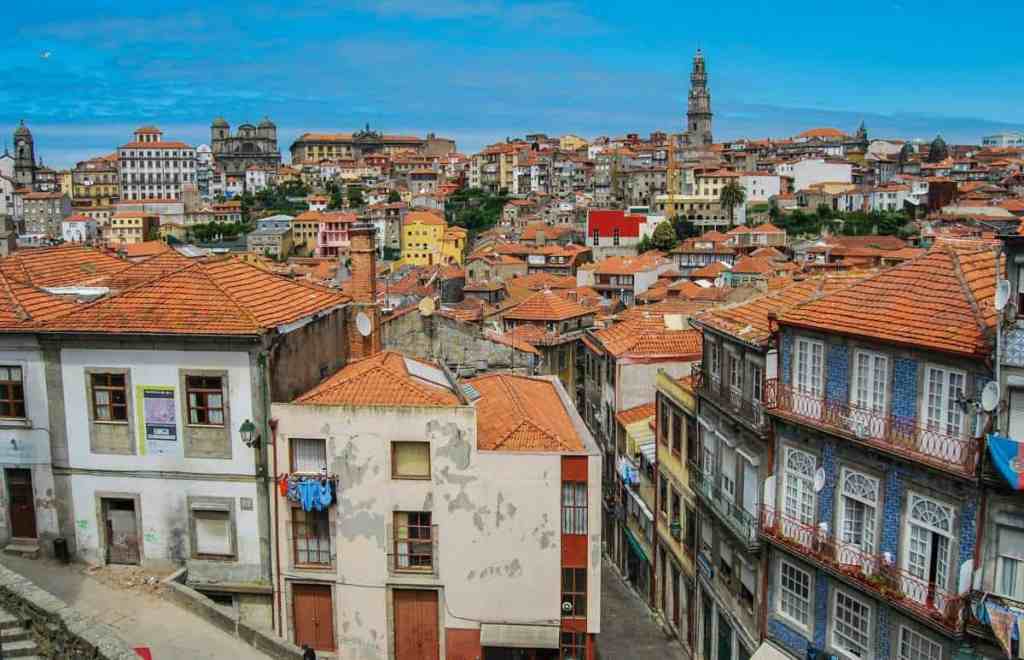
Climbing the 225 spiral steps inside this 75-meter Baroque bell tower (Torre dos Clérigos) has become a rite of passage for visitors to Porto, Portugal.
Italian architect Nicolau Nasoni designed the tower between 1754 and 1763, creating one of the most impressive viewpoints in Portugal.
The ascent proves manageable for most age groups. Landings are positioned throughout the staircase where you can catch your breath and peek through portholes at sneak previews of the city.
Your climb begins with a walk through the upper level of the church itself, providing views from above into the sanctuary and the statue behind the altar. The narrow spiral staircase then winds upward to two separate viewing platforms. A brass sill marks out landmarks across the panorama at the summit.
The 360-degree view covers the charming Ribeira district, the Douro River below, and Port Wine cellars dotting Vila Nova de Gaia. Porto’s historic churches and palaces show their vibrant rooftops. You can spot the Atlantic Ocean on the horizon on clear days.
The tower opens daily from 9:00 AM to 7:00 PM, extending to 11:00 PM during special periods. Arrive right at opening, between 9:00 and 10:30 for smaller crowds, or visit late afternoon from 16:30 to 18:00.
Book tickets online to skip potentially long queues at the base.
6. Admire Azulejos Tiles at São Bento Railway Station
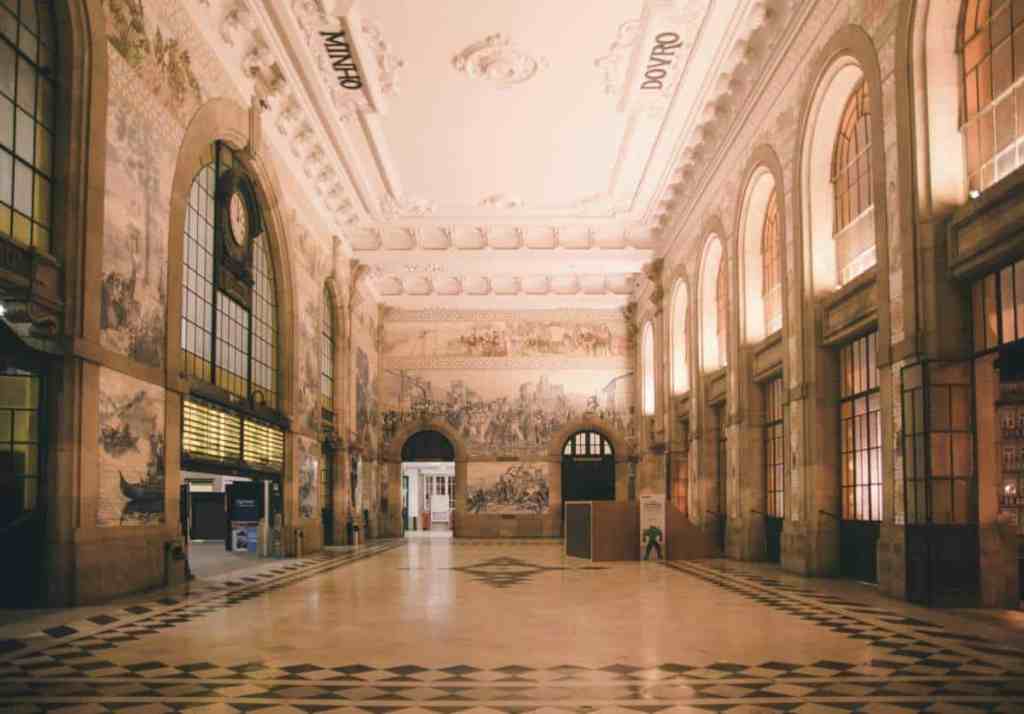
São Bento Railway Station is Porto, Portugal’s most unexpected art gallery. It functions as a working transit hub where commuters rush past approximately 20,000 hand-painted azulejo tiles that cover the entrance hall’s walls.
Artist Jorge Colaço spent 11 years creating these ceramic masterpieces. He placed the first tiles on August 13, 1905 and completed the project in 1916.
The large panels spanning 551 square meters depict pivotal moments in Portuguese history. Smaller panels between these grand historical scenes capture everyday Portuguese life. The polychromatic frieze wrapping around the upper walls chronicles the progress of transport methods used in Portugal.
The Sacavém factory manufactured the tiles, with each measuring 15 x 15 centimeters. The main historical panels use only blue pigment on white tiles, ranging from pale to deep tones, unlike the multicolored upper frieze.
Admission is free, making this Beaux-Arts station a free museum located in Porto’s historic center.
7. Wander Through Ribeira
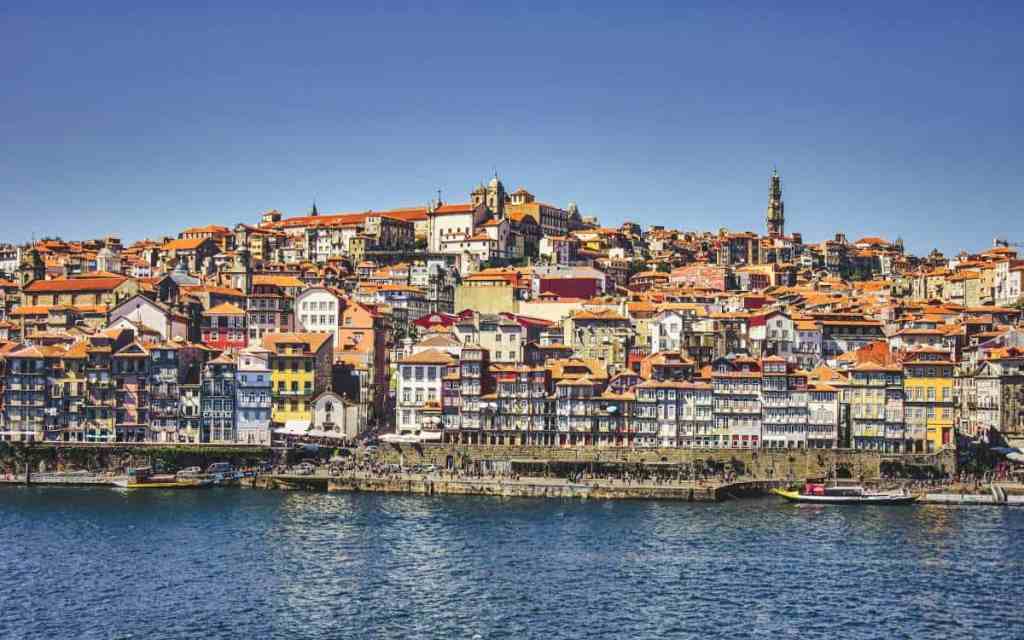
Ribeira’s maze of medieval alleys and rainbow-colored buildings tumbling toward the Douro River earned UNESCO World Heritage status in 1996. The designation recognized 2,000 years of continuous habitation that dates back to Roman trading settlements.
This waterfront neighborhood retains its medieval street plan despite layers of Gothic, Renaissance, and Baroque architecture added over centuries.
Casa do Infante is the heart of Ribeira as the birthplace of Henry the Navigator, the 15th-century prince who launched Portugal’s Age of Discovery. Roman ruins lie beneath the building and museum exhibits dedicated to Portuguese exploration fill the upper floors.
Igreja de São Francisco is a Gothic church with more than 400 kilograms of gold leaf covering every surface in baroque talha dourada carvings. Your entry ticket gives you access to the catacombs below.
Praça da Ribeira forms the district’s social center, where the Fonte Taurina fountain marks the beginning of restaurant-lined streets. The metal plaque called Alminhas da Ponte commemorates locals who died when the old boat bridge collapsed under fleeing crowds during Napoleonic clashes.
Authenticity persists even with heavy tourism. Residents still hang laundry from windows between the souvenir shops and maintain the lived-in character that makes Ribeira essential to your Porto Portugal bucket list.
8. Take a Scenic Douro River Cruise

Traditional Rabelo boats once transported Port wine barrels from Douro Valley vineyards to Vila Nova de Gaia cellars. These flat-bottomed vessels now carry passengers on the Six Bridges Cruise, which has become the most popular boat tour in Porto, Portugal.
Your route passes beneath all six bridges connecting Porto and Vila Nova de Gaia. The cruise reveals landmarks not available from shore. Audio guides provide commentary in Portuguese, English and French throughout the cruise.
The 50-minute experience costs 18€ when boarding at Vila Nova de Gaia Pier or 20€ from Ribeira Pier. Children aged 4 to 12 receive a 50% discount, while babies under 3 ride free.
Departures run every 30 minutes between 10:00 AM and 6:00 PM from April through September. The final departure moves up to 4:00 PM during October through March.
9. Photograph Igreja do Carmo’s Tile Fascade

One side of Igreja do Carmo stops visitors mid-stride with its floor-to-ceiling azulejo masterpiece. Carlos Branco painted these blue and white tiles in 1912 from drawings by Silvestre Silvestri.
They depict the founding of the Carmelite Order and Mount Carmel. The mosaic covers the whole eastern side and turns a church wall into one of Porto’s most photographed landmarks.
What appears as a single structure consists of two separate churches. Igreja do Carmo and Igreja dos Carmelitas stand side by side. A one-meter-wide house divides them, built to separate nuns from monks. This narrow dwelling remains the city’s thinnest residence, though no one lives there now.
The main church dates from 1756 to 1768. The famous tiles arrived 144 years later from Vila Nova de Gaia. The rectangular Rococo façade fronts the church. Carved statues of prophets Elijah and Elisha from Italy flank it.
Position yourself across the street to capture your Porto bucket list photo and frame the tiled wall. Early morning light brings out the blue pigments. Fewer tourists crowd the narrow sidewalk before 10:00 AM.
10. Visit the Chapel of Souls (Capela das Almas)
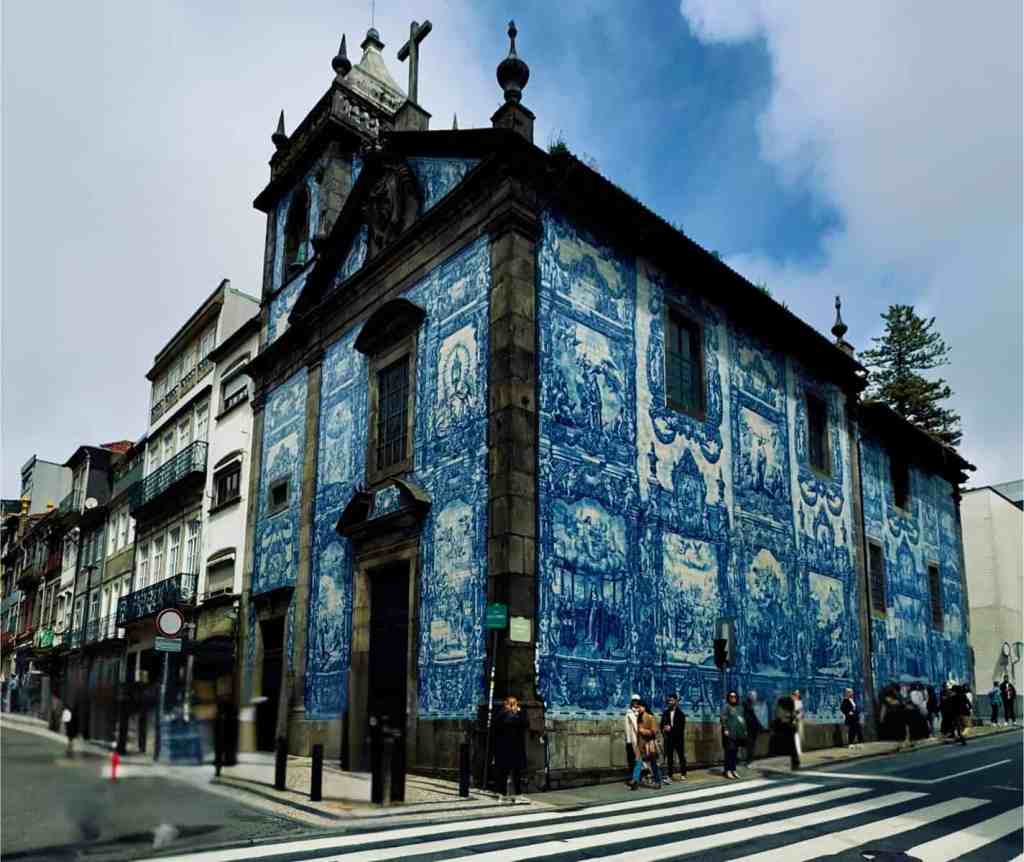
Capela das Almas (Chapel of Souls) sits at the corner intersection with Rua Fernandes Tomás, where 15,947 hand-painted azulejo tiles blanket 360 square meters of exterior walls.
The chapel was constructed in the 18th century, but the blue-and-white panels arrived in 1929. Artist Eduardo Leite designed the illustrations in classic 18th-century style despite their 20th-century creation.
Fábrica de Cerâmica Viúva Lamego in Lisbon manufactured each tile. The factory still produces ceramics. The panels depict the death of São Francisco de Assis and the martyrdom of Santa Catarina and honor the two saints to whom the chapel pays tribute.
Beyond the exterior, 19th-century stained glass windows by Amândio Silva represent souls and add another artistic layer inside. The interior features tiles covering the lower half of the walls and creates continuity between exterior and interior spaces.
You can visit for free during operating hours. The chapel is open Monday through Friday from 7:30 AM to 6:00 PM, and 7:30 AM to 12:45 PM on the weekends.
11. Discover Contemporary Art at Serralves Museum
Beyond Porto’s historic azulejo-covered landmarks lies a modernist space dedicated to contemporary art.
Architect Álvaro Siza Vieira designed the Serralves Museum, which opened in 1999. It includes 4,500 square meters of exhibition area across 14 galleries.
Serralves doesn’t maintain permanent exhibitions, unlike traditional museums. This creates spatial flexibility that responds to the diversity of contemporary artworks.
The 18-hectare park surrounding the museum displays outdoor sculptures and installations.
12. Sip Coffee at the Historic Majestic Café

Majestic Café is one of the world’s most stunning coffeehouses, where Belle Époque elegance has survived over a century. The café opened in December 1921 as an upmarket gathering space for Porto’s intellectual elite.
Architect João Queiroz designed the Art Nouveau interior, where chandeliers hang above carved wood details and grand mirrors reflect golden light streaming through stained glass windows.
Early morning visits between 8:00 and 10:00 AM offer the most authentic experience. Morning light through the stained glass creates magical photo conditions without packed tables blocking your shots.
Most customers are tourists, so prices reflect the premium location and historic setting.
13. Tour the Opulent Palácio da Bolsa
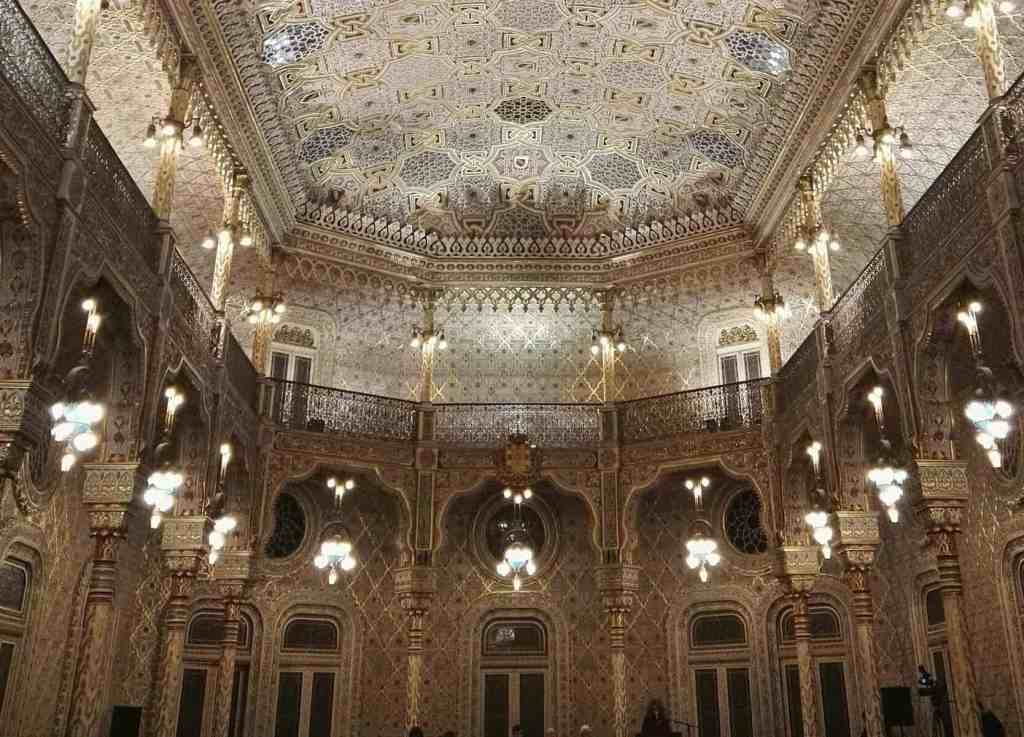
The Palácio da Bolsa is a neoclassical masterpiece built on the ruins of São Francisco convent, which burned down during the 1832 siege of Porto.
Construction began October 6, 1842, after Queen Maria II donated the site and granted the association ten years of customs revenue to fund the project. Six architects worked across nearly 70 years until completion in 1910.
The Nations’ Courtyard greets you with an octagonal metallic dome designed by Tomás Soler after 1880. Painted coats-of-arms represent countries Portugal traded with during the 19th century and sit below the glass panels. A staircase built in 1868 features busts by sculptors António Soares dos Reis and António Teixeira Lopes.
The Arabian Room was built between 1862 and 1880 by Gustavo Adolfo Gonçalves e Sousa. Gilded stuccowork, ornate ceilings, stained-glass windows and geometric wood floors create Moorish Revival opulence where visiting dignitaries still gather.
The guided tour lasts 30 minutes and costs €14, with reduced rates of €9.50 for students and seniors. Children under 12 enter free with adult accompaniment. Tours operate from 9:00 AM to 6:30 PM in Portuguese, English and French.
14. See Gold-Covered Church of São Francisco

You’d never guess what waits inside Portugal’s most prominent Gothic monument from its unassuming stone facade. The Church of São Francisco conceals an interior explosion of gold that rivals anything on your Porto bucket list.
Portuguese wood carvers spent decades covering nearly every surface with exuberant gilt woodwork in Baroque style. This work began in the early 18th century. The walls and pillars disappear beneath intricate carvings of leaves and floral motifs bathed in gold leaf.
Side chapels, window frames and the roof share the same fate. Over 300 kilograms of gold dust transformed this medieval church. Some estimates reach 400 kilograms and make it possibly the most gold-laden church worldwide.
The Tree of Jesse stands out among the gilded altarpieces. Filipe da Silva and António Gomes carved this polychromed wooden sculpture in 1718. It depicts Christ’s genealogy unfolding from Jesse’s recumbent body through branches that bear the kings of Judah. The north aisle location makes it easy to spot during your visit.
Your €8 ticket grants access to the church, museum and catacombs beneath. Hours run from 9:00 AM to 6:00 PM, with photography prohibited inside.
15. Enjoy Views From Miradouro da Serra do Pilar

Cross to Vila Nova de Gaia’s highest point and you’ll find out why locals and visitors call Miradouro da Serra do Pilar the best viewpoint in Porto, Portugal.
The terrace sits beside the 16th-century Mosteiro da Serra do Pilar, recognized as a UNESCO World Heritage Site in 1996. The whole Ribeira district unfolds below from this high vantage point. The Douro River cuts between colourful rooftops and the Dom Luís I Bridge stretches across the water.
The 180-degree panorama extends from Arrábida Bridge on one side to São João Bridge on the other. You can even spot the Atlantic Ocean on the horizon on clear days. Porto’s cathedral, city walls and terraced houses climb the hillside opposite. They create layered views that reveal how the city nests into its topography.
Sunset transforms this spot into a gathering place. To find quieter moments, arrive at 7:00 AM when fog drifts over the river and the tourists haven’t arrived yet.
Access remains free 24/7. Walk across the bridge’s upper deck from Porto or take the cable car up from river level to reduce the climb.
Bring a wide-angle lens to capture the bridge with Porto’s skyline behind it.
16. Discover Porto’s Vibrant Street Art Scene

Street art changes Porto into an open-air gallery where crumbling facades become canvases for local artists.
Porto prioritizes homegrown talent rather than commissioning famous international names. This creates an authentic urban art scene rooted in the city’s character. The emphasis on local voices makes street art here feel like genuine cultural expression and not tourism.
The movement appeared underground during the late 1980s and early 1990s. Graffiti remained stigmatized after Portugal’s dictatorship ended. The early 2000s brought a cultural change as city officials saw street art’s value for public participation.
Porto inaugurated its first legal mural at the corner of Rua Miguel Bombarda and Rua Diogo Brandão in April 2014. The 130-square-meter depiction of Don Quixote and Sancho Panza symbolized the obstacles street art had overcome.
Hazul Luzah leads Porto’s street art scene with abstract black-and-white figures. These appear on doors, electricity boxes and concrete walls throughout the city.
Costah creates playful, childlike characters with deeper social commentary and often uses recycled materials.
MrDheo delivers hyperrealistic murals with expressive characters. Female artists Lara Luís and Eleonor bring illustration backgrounds to Porto’s streets.
Artists can now submit projects for free licenses. City Hall offers commissions starting at €300.
17. Watch an Authentic Fado Performance
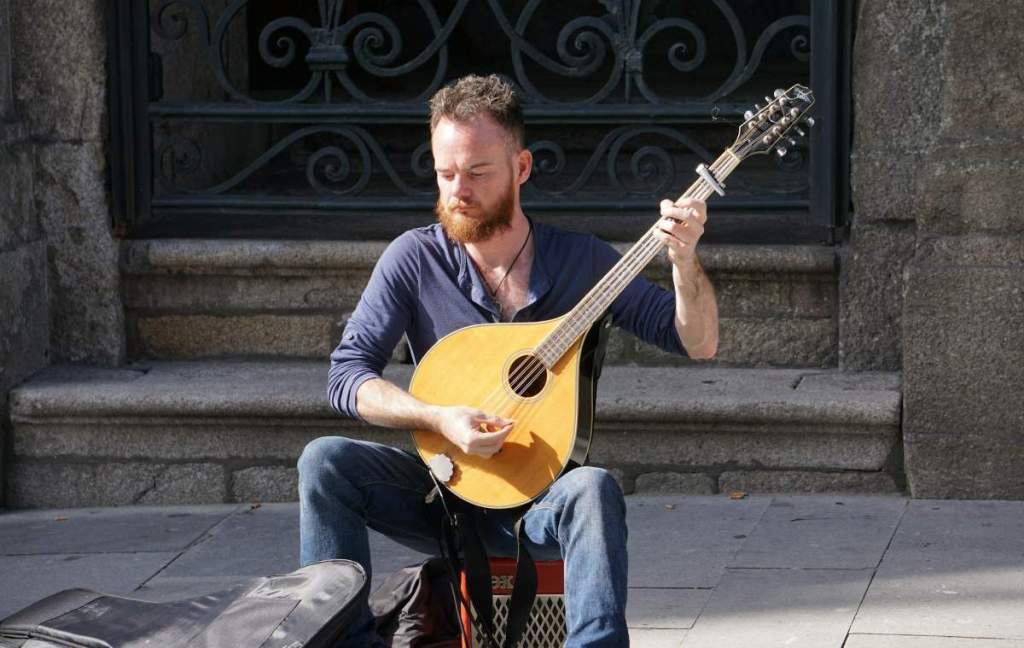
Recognized by UNESCO in 2011 as Intangible Cultural Heritage, fado expresses the Portuguese concept of saudade, a profound longing wrapped in melody.
This isn’t background music to have dinner conversation. The performance demands silence from the audience and creates an intimate connection between singers, guitarists, and listeners that transforms a concert into something far more visceral.
Ideal Clube de Fado
Ideal Clube de Fado in the Bolhão neighbourhood offers the most authentic traditional experience. The venue focuses on music without meals or bar service and dedicates attention to preserving pure fado.
Each 60-minute concert features two fado singers and two guitarists performing traditional fados and guitarradas (Portuguese guitar instrumentals). Tickets include a glass of port wine or bottled water.
Fifteen minutes before showtime, musicians meet with guests to answer questions about fado’s nuances and help you learn about this cherished art form.
The venue hosts three daily concerts and gives you flexibility to fit a performance into your Porto bucket list schedule.
Fado Maior do Porto
Fado Maior do Porto presents a unique variation by showcasing both traditional Lisbon-style fado and Coimbra student fado.
Located in a riverside tavern in Miragaia, the intimate setting heightens the emotional intensity as performances shift between haunting Coimbra tones and the soulful, expressive Lisbon sound.
The location along the Douro adds atmospheric views to complement the music.
Casa da Mariquinhas
Casa da Mariquinhas has operated since 1968 as Porto’s oldest fado restaurant for those seeking dinner with their fado experience.
The venue serves traditional Portuguese cuisine while hosting renowned fado artists in an intimate setting.
Dress smart casual for concerts and reserve dressier attire for dinner shows. Note that silence during performances remains the cardinal rule of fado etiquette.
18. Learn to Make Pastel de Nata
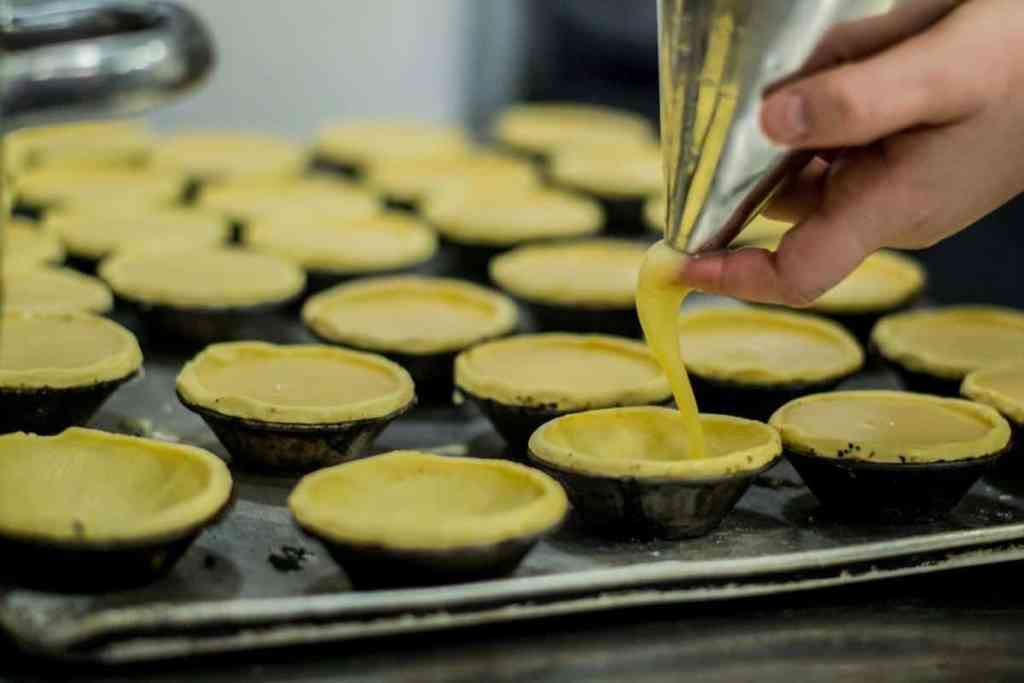
Baking workshops let you become skilled at making Portugal’s iconic custard tart through hands-on classes led by experienced pastry chefs.
You’ll prepare delicate puff pastry from scratch and mix silky custard filling. Traditional recipes passed through generations guide the process. The tops get blowtorched to achieve that signature caramelized finish.
The best experiences happen in local Porto homes. Hosts share their grandmother’s recipes in kitchens with natural light. You’ll learn each technique step by step. Small groups work together while sipping vinho verde or wine.
One popular home-based class near the city center caps groups at 10 people. This creates a social atmosphere where everyone takes turns participating in different preparation stages.
You’ll find historical context about how this treat evolved from Lisbon’s monasteries into Portugal’s most famous dessert. Each participant prepares four pastéis de nata, which you can eat warm from the oven or pack in provided transport boxes.
Drinks like port wine and coffee come with the class. You’ll walk away with the complete recipe and can recreate these tarts at home for your family. Book morning slots for a calmer experience on your Porto bucket list.
Classes usually run 2.5 hours and include all ingredients and cooking utensils required.
19. Shop at Mercado do Bolhão
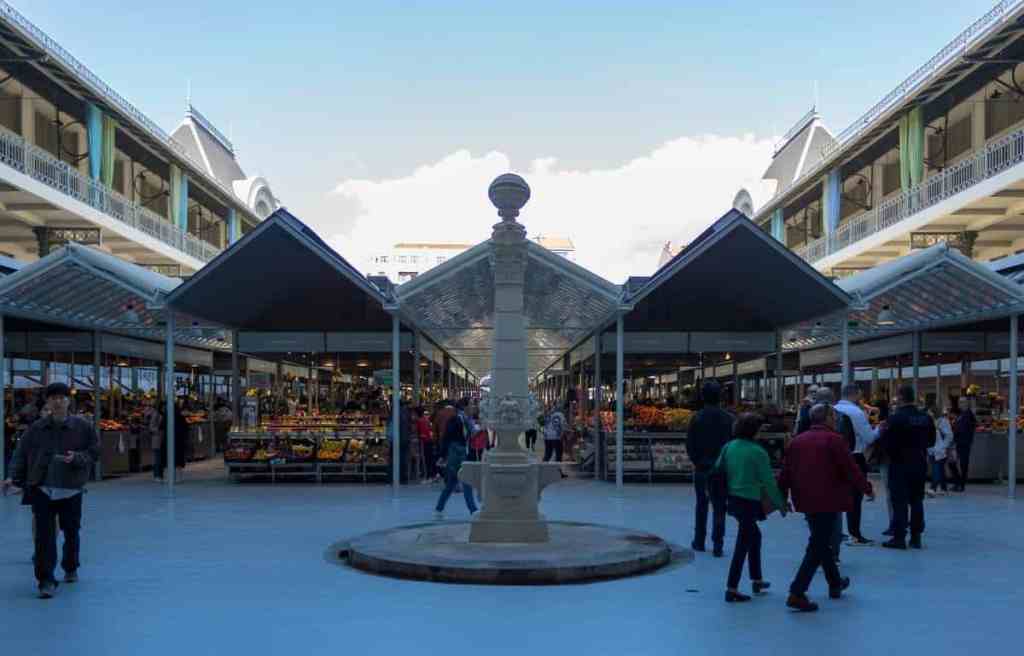
Classified as a Monument of Public Interest in 2013, Mercado do Bolhão represents more than a century of Porto’s commercial heritage. This split-level market opened in 1914 and has fed locals and visitors for almost two hundred years.
Fresh produce dominates the ground floor. You can buy fruit, vegetables, sardines, wines, port, meats, chocolate and dried fruits there. The northern section specializes in fish and seafood. You can order oysters and giant boiled shrimps to eat right away.
Fruit stands on the opposite end serve smoothies made fresh during summer months. Butchers display smoked ham hanging from walls and offer samples on the spot.
Souvenir stalls in the northern area sell sardine cans, traditional ceramics, olive oils and artisanal products. Some wine vendors offer takeaway cups that allow you to sip while browsing.
Vendors remain friendly yet notorious for their loud, colorful language. Visit evenings or weekends to get maximum atmosphere, or choose midweek mornings to get a quieter experience.
Cash remains necessary at many stalls, though two ATMs operate inside. The corridors bear names of Porto streets and provide a geography lesson as you explore.
The market operates Monday through Friday from 8am to 8pm and Saturdays from 8am to 6pm. It closes on Sundays and national holidays. Restaurants on the top floor extend their hours until midnight on weekdays and Saturdays.
20. Relax in Jardins do Palácio de Cristal
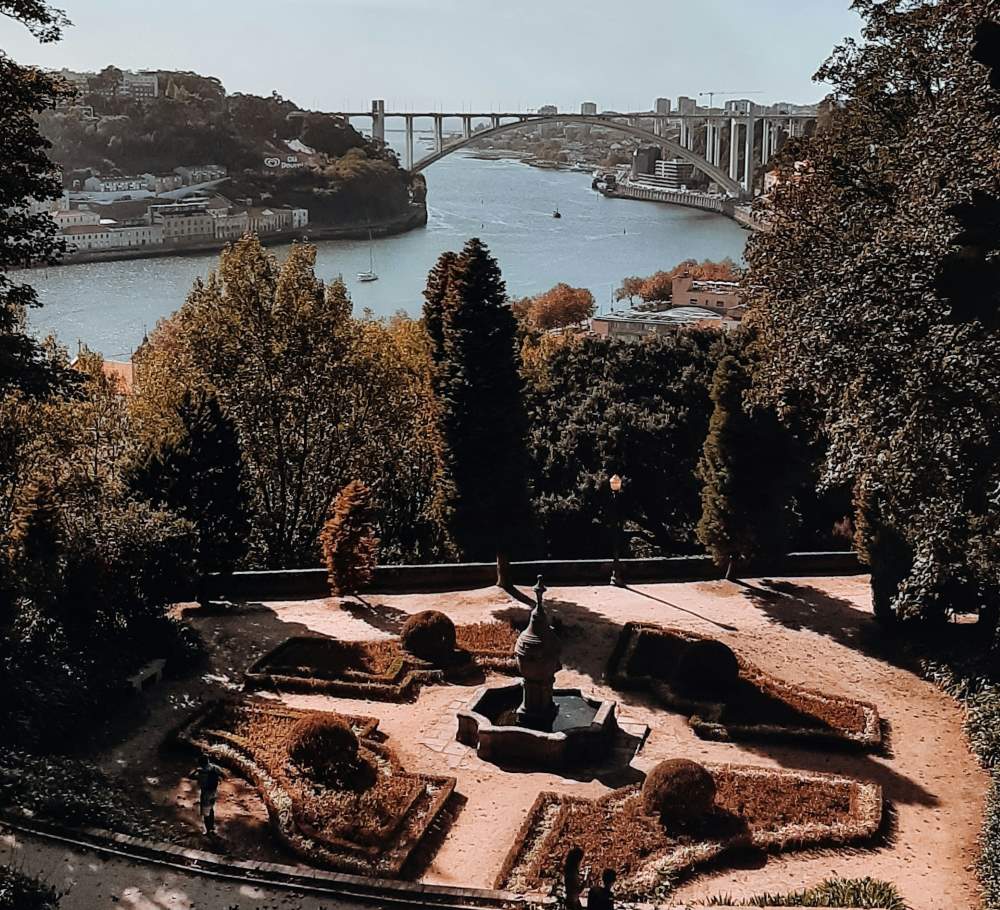
The Jardins do Palácio de Cristal sits on a bluff above the Douro River and has been one of Porto’s most cherished green spaces for around 150 years. German landscape architect Émile David designed these gardens in the 19th century.
In this eight-hectare botanical sanctuary, you’ll find formal and informal gardens, exotic plantings, and sweeping views over the river to the Atlantic Ocean.
The gardens take their name from the original Crystal Palace that once stood here. The structure was demolished in 1956. The Pavilhão Rosa Mota replaced it—a domed pavilion that hosts sporting events and exhibitions.
When you enter, you encounter a central fountain flanked by four statues that symbolize the seasons and offer a visual lesson in the differences between summer, spring, winter, and autumn.
The park unfolds as a mosaic of distinct garden spaces beyond this geometric entrance, and each reveals itself as you wander the sun-dappled pathways.
Themed gardens add variety and include spaces dedicated to medicinal plants, aromatic herbs, and even a discreet garden of feelings. Giant magnolias, cypress, and olive trees dot the lawns alongside fountains and sculptures from different periods. Look for A Ternura by Sousa Caldas and A Dor by Teixeira Lopes among the notable artworks.
The Avenida das Tílias, an avenue of lime trees, serves as the park’s social hub where book fairs, concerts, and family activities happen.
You can duck into the Almeida Garrett Library with its free exhibition gallery on this route or stop at the café with outdoor seating near the lake where ducks and swans glide across the water.
Majestic peacocks roam throughout the grounds and display their plumage between the rose gardens and flower terraces from time to time.
The belvedere offers privileged views toward the Arrábida bridge, stunning at sunset. A small tower provides another vantage point to photograph the river and Gaia across the water.
The gardens are open from 8 am to 9 pm between April and October, then the open hours shifts to 8 am to 7 pm from November through March.
Admission is free.
21. Explore WOW Cultural District Museums
WOW (World of Wine) is located just across the Dom Luís bridge in Vila Nova de Gaia, a sprawling cultural complex housed within renovated Port wine warehouses.
This district offers seven museums, plus a dozen restaurants and bars. The museums cover a variety of themes beyond wine. Visitors praise the interactive exhibits and immersive displays throughout.
The Bridge Collection showcases Adrian Bridge’s personal assemblage of over 2,000 drinking vessels spanning 9,000 years, with the earliest piece dating from 7,000 BCE.
The Wine Experience guides you through Portugal’s 250 indigenous grape varieties and concludes with educational wine tastings.
Planet Cork reveals why Portugal produces 55% of the world’s cork. Cork oak trees absorb 3-5 times more CO2 than regular trees and can live 200 years.
Pink Palace offers an Instagram-focused experience through rosé wines with five tastings included.
The Chocolate Story traces cacao’s 5,000-year history from sacred Mayan ingredient to modern confection, with chocolate factory tours available.
Porto Region Across the Ages covers the city’s development from 120,000 years ago through Portugal’s age of discovery.
The Atkinson Museum, which replaced the Fashion & Fabric Museum in July 2023, hosts rotating world-class exhibitions.
The terrace restaurants provide views over Porto while you digest your cultural education.
Pricing flexibility suits different interests with the following options:
22. Attend a Concert at Casa da Música
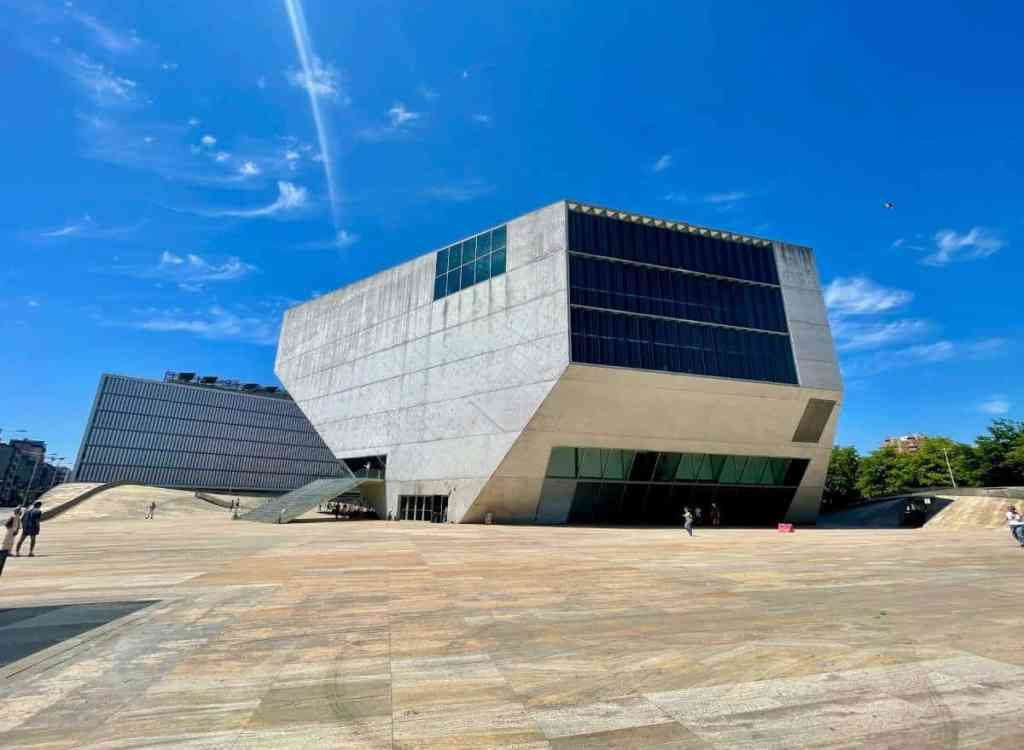
Architect Rem Koolhaas created one of Europe’s most striking concert halls, Casa da Música, Porto’s premier venue for live music performances.
The angular white building dominates Avenida da Boavista 604 and houses a 1,800-capacity auditorium that welcomes diverse musical genres.
You cannot enter the building without booking a guided tour or purchasing concert tickets. The ticket office operates daily from 9:30 AM to 6:00 PM and extends until half an hour after show start times on performance evenings. Call +351 22 012 0220 to make bookings.
The venue also provides guided architectural tours between performances and allows you to explore the building’s bold interior design that earned renowned European recognition.
Whether you attend a symphonic performance or find the building’s innovative acoustics through a tour, Casa da Música delivers a cultural experience that distinguishes Porto from typical European city breaks.
22. Conquer the Arrábida Bridge Climb

Climbing 262 steps along the arch of the Arrábida Bridge delivers one of Porto’s most adrenaline-pumping experiences.
This bridge opened in 1963 and held the record as the world’s longest concrete arch bridge, with its 885-foot span dominating the Douro River.
Visitors have been able to access the arch since 2016. It remained closed for 53 years and is the only structure of its kind in Europe open to the public.
You’ll ascend 65 meters above the river, secured by a safety harness clipped to a safety cable running the entire length. Groups range from 1 to 13 participants. You must be at least 12 years old to climb. Each climb has a guide and all safety equipment.
The whole experience lasts 30 to 60 minutes depending on your group’s pace. You’ll find a tranquil spot at the summit that offers unique views of Porto, the Douro River, and the Atlantic Ocean on clear days. Guides serve port wine in edible chocolate cups as a surprise at the top.
The steep descent reveals the monument’s true scale and architectural elegance as you complete this bucket list-worthy Porto adventure.
23. Watch a FC Porto Football Match
Football passion runs deep in Porto. Watching FC Porto play at Estádio do Dragão delivers an electrifying experience that belongs on your Porto bucket list.
The stadium holds 50,033 spectators and ranks as Portugal’s third-largest football venue. The ground sits near the city center and becomes a cauldron of noise on match days when the ultra groups Colectivo Ultras 95 and Super Dragoes fill the north and south stands.
You should book tickets several weeks ahead through reliable providers. This will give you seats to home matches. Package deals combine match tickets with overnight hotel stays and provide a complete Porto experience.
The stadium carries impressive credentials beyond football. Architect Manuel Salgado designed this venue, which earned European Project of the Year honors in 2003.
Stadium tours are a great way to get an alternative experience if match tickets prove unavailable. These 45-minute guided visits grant access to the presidential box, changing rooms, dugouts and pitch area.
Tours include the onsite museum, inaugurated on September 28, 2013. The museum displays the club’s Intercontinental Cup, UEFA Cup and European Super Cup trophies. Porto’s decorated history comes to life through interactive exhibits and memorabilia.
24. Take a Day Trip to Douro Valley
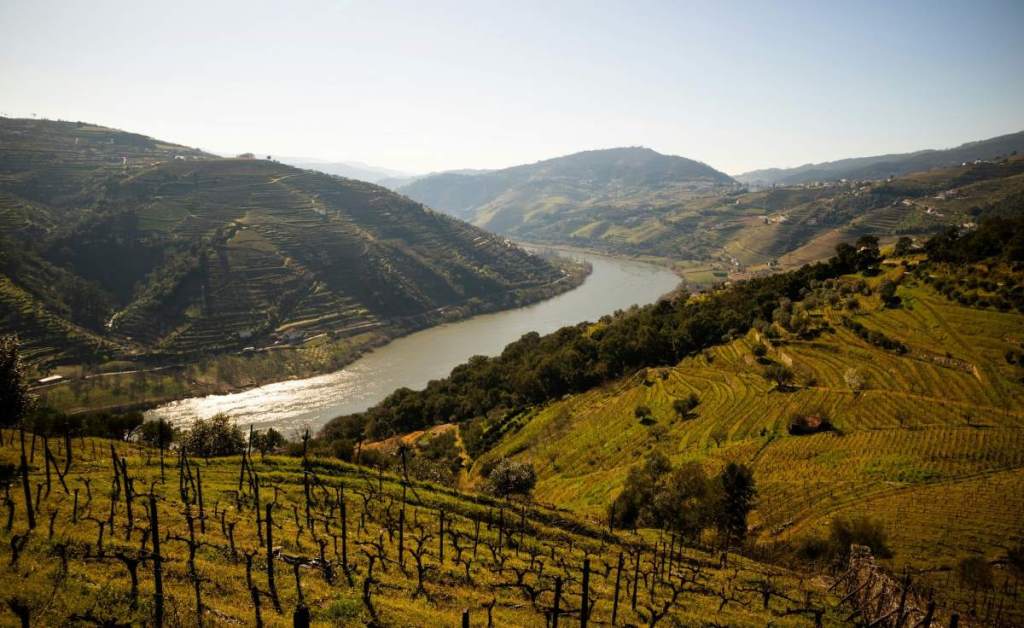
The Douro Valley ranks among Portugal’s most stunning wine regions and is just 90 minutes from Porto. This UNESCO-listed landscape features terraced vineyards cascading down steep hillsides toward the winding Douro River, where port wine originated.
Several transport options exist for reaching the valley. Renting a car provides maximum flexibility, but you’ll need to stay overnight if you plan to taste wines in a responsible manner.
The train from São Bento station offers one of Portugal’s most scenic trips, taking 3.5 hours to reach Pocinho with stops at Régua and Pinhão. The route hugs the riverbank and reveals views that roads cannot provide.
Group tours eliminate driving concerns while including key experiences. Standard day trip packages include transport, two winery visits with tastings and a traditional Portuguese lunch.
An hour-long cruise on a traditional rabelo boat is part of the package. Some tours visit towns like Amarante, known for its monastery views and pastries.
Private tours offer more exclusivity. These provide access to boutique wineries not open to the general public and premium restaurants with customized itineraries.
The train-and-boat combination appeals to budget travelers. You can ride the train to Régua or Pinhão and then cruise back to Porto, arriving around 18:00 or 21:00. But feedback suggests onboard food quality disappoints, and you’ll spend the whole day confined to the boat rather than exploring the region.
Pinhão is the geographical heart of port country. This small riverside town features one of Portugal’s most beautiful train stations, decorated with tile panels depicting Douro life.
Rabelo boats for one or two-hour cruises can be boarded here. The steep vineyard slopes, often angled between 30 and 60 degrees, explain why mechanization remains impossible and traditional hand-picking persists.
25. Join a Portuguese Food Tour
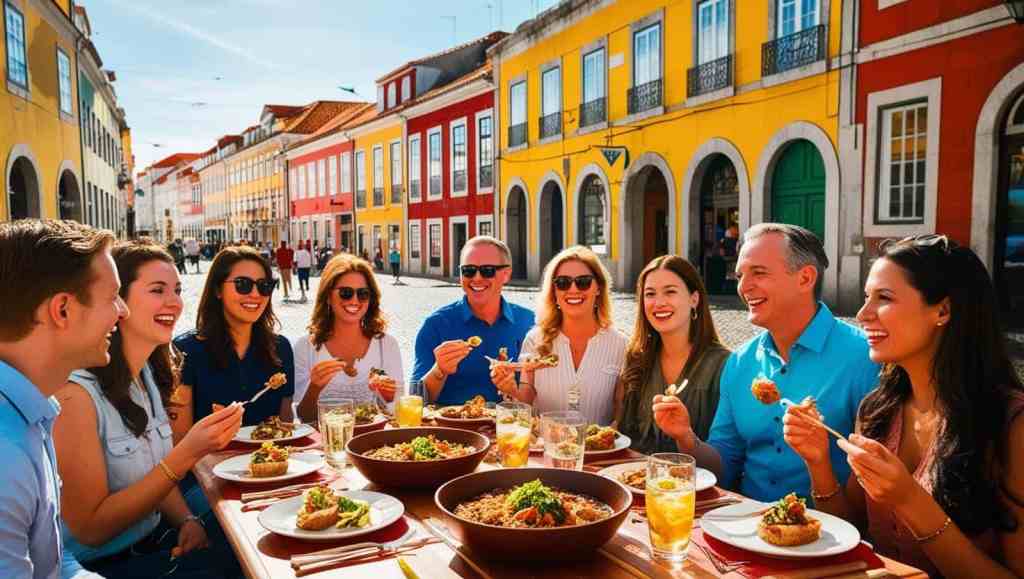
Guided food tours revolutionize Porto, Portugal’s culinary scene into an immersive cultural classroom.
Local experts lead you through family-run establishments where owners share stories behind each dish instead of navigating restaurants solo.
Culinary Backstreets operates with groups capped at just 7 people and spreads 10-12 stops across about 6 hours.
Taste Porto operates three core experiences. Lonely Planet and The Guardian recognize it as a top choice. Their Vintage & Port Wine Food Tour costs 89€ per adult. The Downtown & Bolhão Market tour runs 95€, and the Craft Beer & Food Tour charges 75€. Each lasts 3.5 hours with distinct culinary focuses.
Eating Europe’s Progressive Dinner spans 4 unique venues rather than concentrating tastings at one location. Groups are limited to 10 participants. Small group sizes ensure tailored attention from guides who adapt routes based on dietary needs.
These tours weave historical context and architectural details between food stops. Standard tastings are just part of the experience. Morning tours start around 9:30 AM, while afternoon departures begin at 2:00 PM.
Conclusion
Porto clearly deserves more than a rushed stopover on your Portugal itinerary.
Most visitors who allocate just a day or two miss the city’s genuine character hidden beyond the postcard-perfect Ribeira waterfront.
These 25 experiences showcase everything from centuries-old port wine cellars to contemporary street art, azulejo-covered churches to hands-on cooking classes.
You don’t need to tackle every item in one trip. Choose the experiences that appeal to your travel style, book your accommodations in the historic center and give Porto the time it deserves.
Your Porto bucket list will thank you.
Frequently Asked Questions (FAQs)
Key Takeaways
Porto offers far more than a quick stopover, with 25 unforgettable experiences that showcase Portugal’s second-largest city as a world-class destination deserving several days of exploration.
- Plan at least 3-4 days minimum – Porto’s UNESCO sites, wine culture, and authentic experiences require time to appreciate properly, not rushed day trips.
- Book wine experiences in advance – Douro Valley tours and port wine cellar tastings sell out quickly, especially premium experiences at historic lodges.
- Purchase €5 entry vouchers online for Livraria Lello bookstore to skip hour-long queues at this Harry Potter-inspiring literary landmark.
- Climb Torre dos Clérigos‘ 225 steps for Porto’s best 360° city views – arrive early morning or late afternoon for fewer crowds.
- Visit azulejo masterpieces at São Bento Station (free) and Igreja do Carmo for Instagram-worthy tile art that tells Portugal’s history through ceramics.
- Embrace local food culture fearlessly – Try the iconic francesinha sandwich at lunch and allow hours for digestion before dinner for the full Porto culinary experience.
- Explore beyond tourist zones – Discover authentic street art, attend fado performances, and wander Crystal Palace Gardens for genuine cultural immersion away from crowds.
- Take advantage of free attractions – Many of Porto’s best experiences like Ribeira wandering, garden visits, and architectural appreciation cost nothing but deliver lasting memories.
Whether you’re climbing bridges, tasting centuries-old port wines, or getting lost in medieval alleys, Porto rewards travelers who slow down and savor each authentic moment this remarkable city offers.
Porto Travel Blogs
Top Tourist Attractions in Porto
Best Places to Visit Near Porto
Porto Portugal in November
Porto 2 Day Itinerary
Non-Touristy Things to do in Porto
Where to Stay in Porto, Portugal
Porto Portugal in Winter