
Paris 3 Day Itinerary: The Perfect First Trip
Planning your first trip to Paris can feel a little overwhelming. There’s the Eiffel Tower, the Louvre, Notre-Dame, Montmartre, the Seine, charming neighbourhoods, beautiful gardens and seemingly endless cafés to discover.
How are you supposed to fit it all into just three days? The good news is that you don’t need to see everything to have an unforgettable time in Paris.
This Paris 3 day itinerary is designed to help you experience the city’s biggest highlights while still leaving room to slow down and enjoy the atmosphere.
You’ll visit iconic landmarks, explore historic neighbourhoods, admire world-famous art and have plenty of opportunities to stop for a coffee, pastry or leisurely French meal along the way.
I’ve organized the itinerary so each day has a natural flow, with attractions grouped together by location whenever possible. That means less time crossing the city and more time actually enjoying it.
You’ll begin with some of Paris’s most famous sights, including the Eiffel Tower and Arc de Triomphe, before discovering the Louvre, Notre-Dame and the Latin Quarter.
Your final day takes you into the character-filled streets of Montmartre and Le Marais, giving you a chance to experience a side of Paris that feels a little less focused on the major monuments.
Of course, three days will never be enough to see everything Paris has to offer. And that’s okay. Think of this itinerary as your introduction to the city—a chance to experience some of the places that make Paris so special while leaving yourself a little breathing room to wander and make discoveries of your own.
So grab your comfortable shoes, leave a little space in your suitcase for French pastries, and let’s start exploring Paris!
Disclaimer: This post may contain affiliate links, meaning I receive commissions for purchases made through those links at no cost to you. Please read my full disclosure for more information.
Is 3 Days Enough Time in Paris?
Three days gives you enough time to see major sites and experience the city’s atmosphere without feeling rushed.
Think of your three-day Paris itinerary as a tasting menu at a restaurant. You’ll sample the best dishes to get a feel for what the city offers, with the hope that you’ll return for more.
While you don’t have enough time to see everything, you can certainly visit major landmarks like the Eiffel Tower, the Louvre, and Notre Dame while still enjoying leisurely meals and spontaneous moments.
Three days works well for first-time visitors who want to hit the highlights without burning out. You’ll have enough time to experience wine-fueled lunches, scenic strolls, and those picture-perfect moments you’ve been dreaming about.
Day 1 of Your Paris Itinerary: Classic Paris Landmarks
Your first day in Paris is all about the iconic sights that probably come to mind when you picture the city. From the Eiffel Tower to the Arc de Triomphe, you’ll spend the day exploring some of Paris’s most famous landmarks.
I recommend starting early. Paris is a busy city, and the most popular attractions can get crowded as the day goes on. Getting an early start gives you more time to explore without feeling like you’re constantly battling the crowds.
Morning: Eiffel Tower Experience
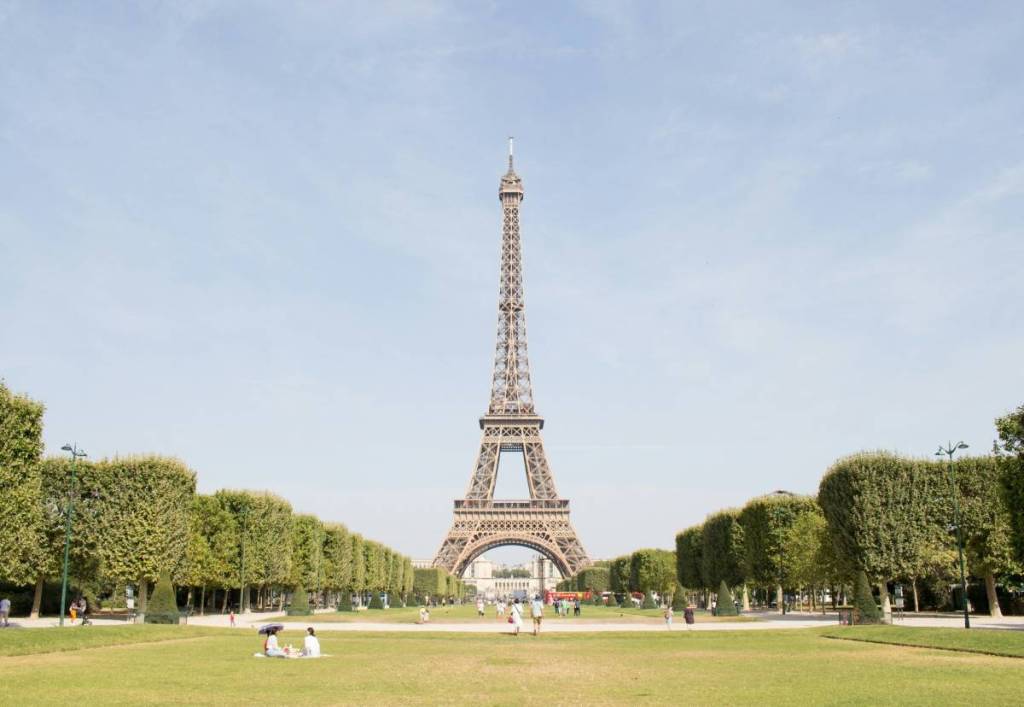
No first trip to Paris feels complete without visiting the Eiffel Tower. Standing beneath this enormous iron landmark for the first time is one of those travel moments that really makes you realize you’ve arrived in Paris.
If you want to go up the Eiffel Tower, book your tickets in advance. Tickets for the most popular time slots can sell out, particularly during the busy summer months, so it’s worth planning ahead rather than hoping to get tickets when you arrive.
You’ll have several options for reaching the upper levels, including taking the elevator or climbing the stairs.
If you’re taking the elevator, allow some extra time for security and the queues. I’d recommend arriving around 30 minutes before your scheduled entry time so you’re not rushing.
Once you’re on the tower, take your time and enjoy the views. The second floor is actually my favourite level because you’re high enough to get an incredible panorama of Paris while still being close enough to pick out individual landmarks below.
If you continue to the summit, you’ll be rewarded with even more expansive views. However, don’t rush past the first floor on your way back down. It has its own viewing areas, exhibits, shops and a glass floor that gives you a dizzying view straight down toward the ground.
One of my favourite things about visiting the Eiffel Tower is simply taking a moment to look at it from different angles. The tower looks completely different from the ground, from the Seine and from the various viewing platforms. So even after you’ve finished your visit, don’t be too quick to move on.
Travel tip: The Eiffel Tower is one of Paris’s busiest attractions, so visiting earlier in the day can help you make the most of your time.
Trocadéro Square Photo Opportunities
Walk across the Seine to Trocadéro for the most iconic Eiffel Tower photos. This location provides the classic panoramic view featured in Instagram feeds.
A visit between 6 am and 9 am gives you the best light and minimal crowds. The plaza gets packed between 11 am and 8 pm, which makes photography challenging.
You cannot sit or climb on the plaza walls anymore due to recent renovations. The side staircases offer quieter alternatives to the crowded main platform.
Watch for pickpockets in this area and avoid the cup and ball games, which are tourist scams.
Afternoon: Champs-Élysées Shopping Street
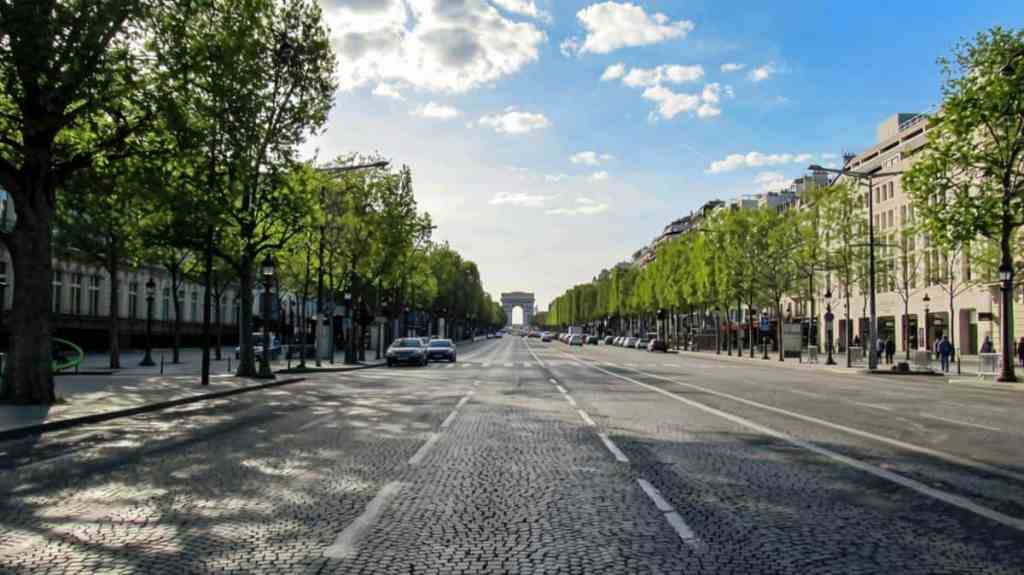
After your Eiffel Tower visit, make your way toward one of the most famous streets in Paris: the Champs-Élysées.
Stretching between the Arc de Triomphe and Place de la Concorde, this grand boulevard is lined with elegant buildings, cafés, restaurants and an impressive collection of international shops.
You’ll find famous French fashion houses such as Louis Vuitton, Cartier and Dior alongside more familiar high-street brands. There’s also plenty of window shopping to enjoy, and honestly, wandering down the avenue and taking in the architecture is part of the experience.
Even if luxury shopping isn’t on your Paris wish list, it’s worth walking along the Champs-Élysées simply to experience one of the city’s most iconic streets.
As you walk west along the Champs-Élysées, the Arc de Triomphe becomes an increasingly impressive sight at the end of the avenue.
Arc de Triomphe Views
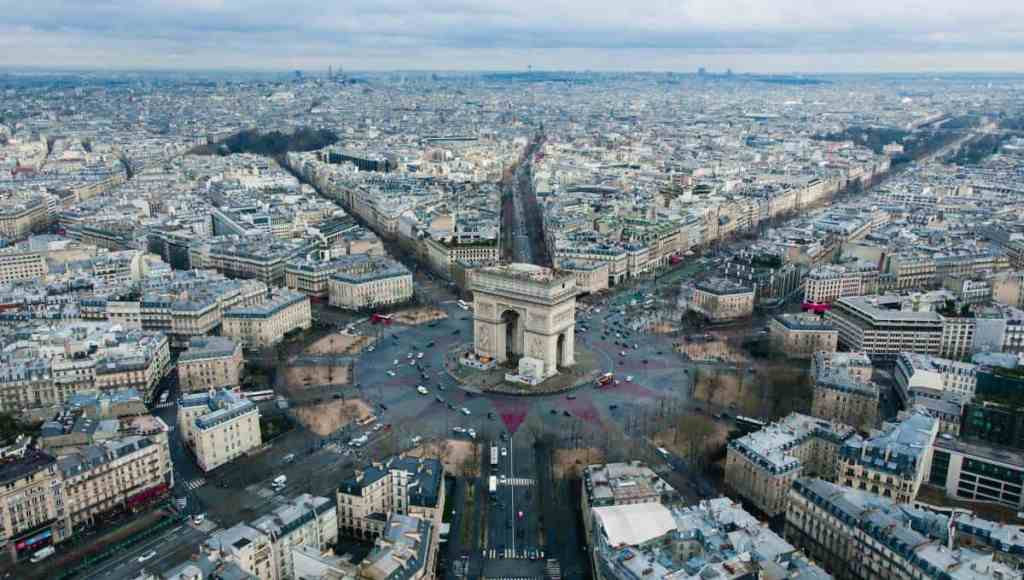
Make the Arc de Triomphe your next major stop.
Sitting at the centre of one of Paris’s busiest roundabouts, this monumental arch was commissioned by Napoleon to honour the French army and has become one of the city’s most recognizable landmarks.
You can visit the monument itself, but if you have the time and energy, I highly recommend climbing to the rooftop terrace. You’ll need to tackle the stairs, but the panoramic views at the top make the effort worthwhile.
From the terrace, you’ll have an incredible bird’s-eye view of Paris and the twelve avenues radiating out from the Arc de Triomphe. Look for the Eiffel Tower, Sacré-Cœur, Les Invalides, the Panthéon and Notre-Dame among the Parisian rooftops.
The view is especially impressive because you can really appreciate the scale and layout of the city from here. Standing above the traffic circle and looking down the perfectly straight Champs-Élysées gives you a completely different perspective of Paris.
Travel tip: The Arc de Triomphe is located in the middle of a notoriously busy roundabout. Don’t try to cross the traffic! Access the monument using the underground pedestrian passage from the Champs-Élysées side of the street.
Evening: Seine River Cruise
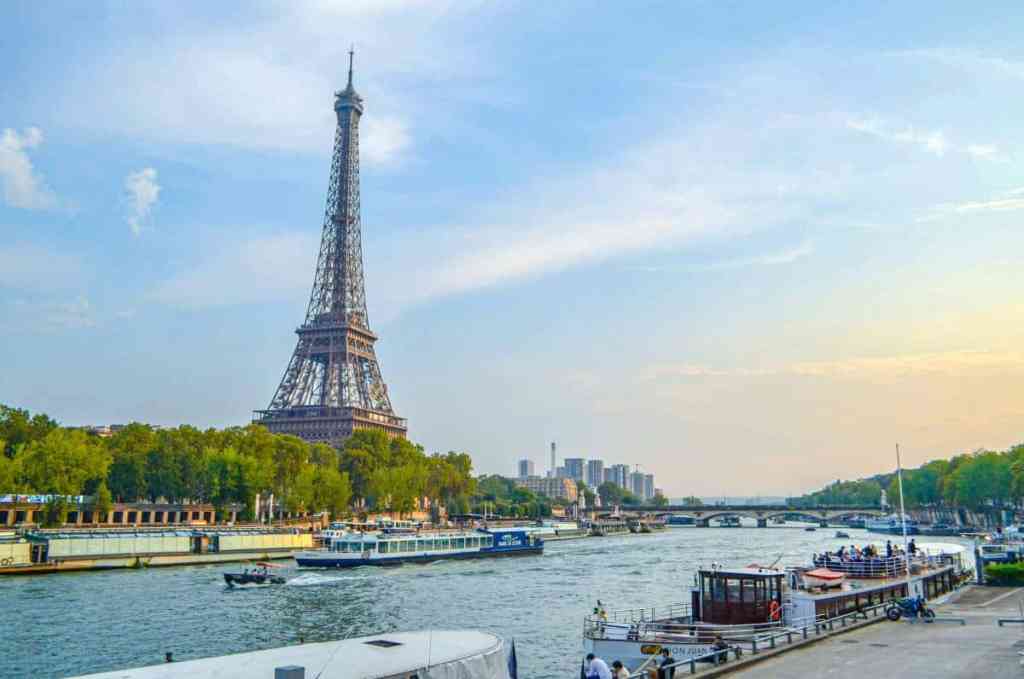
After a busy first day exploring some of Paris’s most famous landmarks, slow things down with a relaxing cruise along the Seine.
A Seine River cruise is one of my favourite ways to see Paris because you get to rest your feet while enjoying a completely different perspective of the city. Many sightseeing cruises depart from near the Eiffel Tower and take you past some of Paris’s most recognizable landmarks.
As you glide along the river, you’ll see the Louvre, Musée d’Orsay, Notre-Dame Cathedral, Pont Alexandre III and other historic monuments along the Seine. Have your camera ready because the views change constantly as you move through the heart of the city.
If you can, I recommend timing your cruise around sunset. Watching the Paris skyline change as the sky begins to glow is a beautiful way to experience the city. An evening cruise is even more magical once the monuments and bridges begin to light up.
For a simple sightseeing experience, choose a standard Seine cruise, which typically lasts around an hour. If you want to turn your evening into more of an occasion, you can also book a dinner cruise and enjoy a meal while cruising past the illuminated landmarks.
Travel tip: If you’re taking a sightseeing cruise, try to get an outdoor seat if the weather is good. The views are much better without a window between you and the Paris skyline.
After your cruise, you can take a leisurely evening stroll along the Seine or head back to your accommodation to recharge. You’ve got two more days of exploring ahead!
Day 2 of Your 3-Day Paris Itinerary: Art, History and a Slower Pace
After spending your first day ticking off some of Paris’s most recognizable landmarks, Day 2 gives you a chance to see a different side of the city. Today is about masterpieces, centuries of history and taking some time to enjoy the city at a more relaxed pace.
You could easily spend an entire day exploring the Louvre, but with only three days in Paris, you’ll need to be selective. The trick is to decide what you really want to see before you arrive rather than trying to conquer the entire museum.
Morning: Discover the Louvre
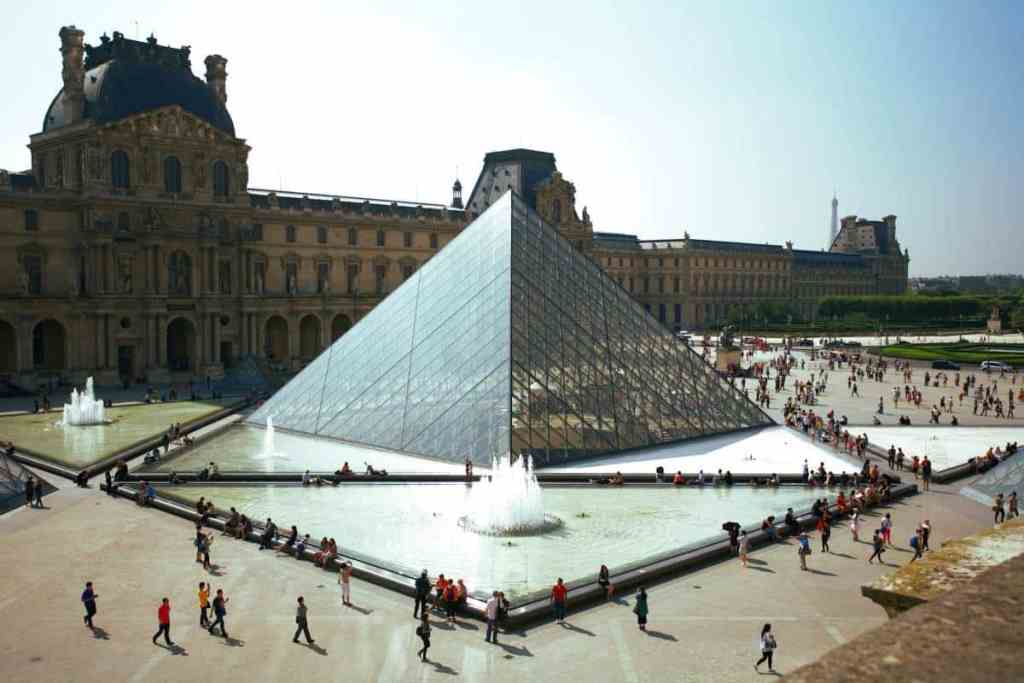
Begin your morning at the Louvre Museum, the enormous former royal palace that has become one of the world’s most famous museums. Even before you see a single painting, the building itself is worth taking the time to appreciate.
And here’s where you need to be realistic: you aren’t going to see the whole Louvre during a three-day trip to Paris. The museum’s collection is far too vast. Rather than spending hours racing through galleries just to say you’ve been there, choose a few highlights that you’re particularly interested in and build your visit around them.
Of course, the Mona Lisa will probably be near the top of your list. Leonardo da Vinci’s famous portrait attracts huge numbers of visitors, so don’t be surprised if seeing it involves joining a crowd rather than enjoying a quiet moment in front of the painting.
Other famous works worth seeking out include the Venus de Milo, Winged Victory of Samothrace, The Wedding Feast at Cana and the Code of Hammurabi.
If you’re interested in French history, make time for the lavish Napoleon III Apartments, where the elaborate interiors give you a glimpse of the extraordinary wealth and grandeur associated with France’s imperial past.
The Louvre is divided into three wings—Denon, Sully and Richelieu—and knowing which areas contain the works you want to see can save you a lot of unnecessary walking. I recommend looking at the museum map before your visit and making a short list of your priorities.
Then leave a little room for spontaneity.
You may discover a sculpture, painting or collection that wasn’t on your original list and end up enjoying it more than the famous masterpieces you came specifically to see. That’s one of the pleasures of visiting a museum as enormous as the Louvre.
Remember that you’re also walking through a former palace. Take a moment to look up at the ceilings, admire the grand staircases and notice the architectural details around you. There’s much more to the Louvre than what’s hanging on its walls.
For this itinerary, I’d plan on spending around two to three hours at the Louvre. Museum lovers could happily spend much longer, but with only three days in Paris, you’ll want to save some time for the rest of the city.
Travel tip: Reserve your Louvre Museum tickets in advance whenever possible, especially if you’re travelling during a busy period. Before your visit, check the official website for current admission information, opening hours and any galleries that may temporarily be closed.
Take a Break in the Tuileries Garden
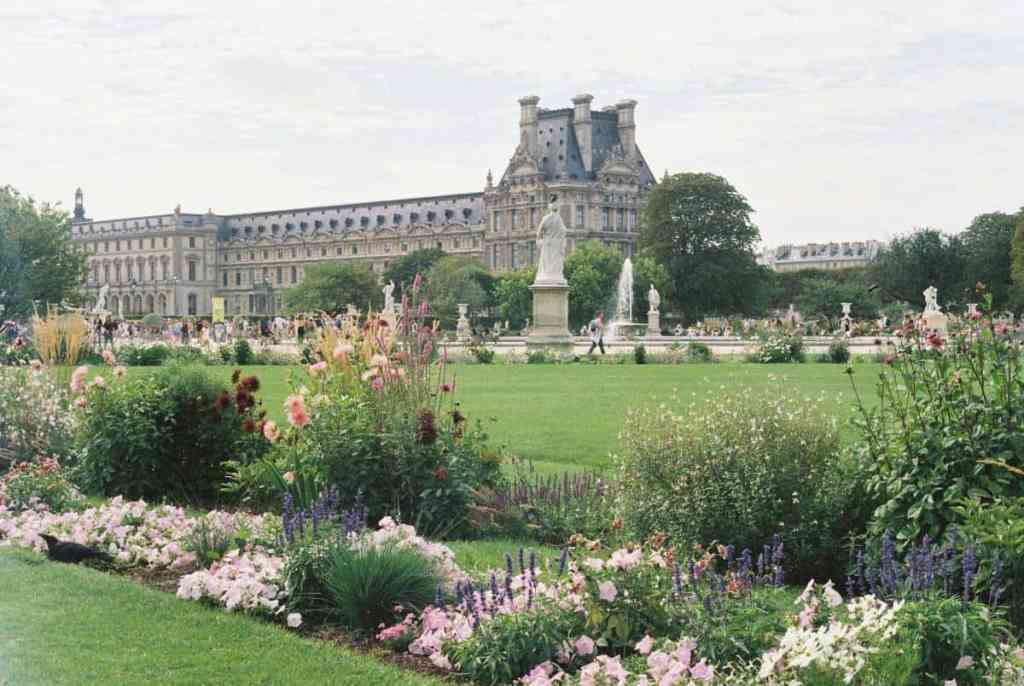
When you’re ready to escape the museum, you don’t have to go far. Walk straight from the Louvre into the Jardin des Tuileries, the elegant garden that stretches toward Place de la Concorde.
This is one of those places where I wouldn’t bother setting yourself a strict schedule. After several hours inside the Louvre, it’s lovely to simply wander along the paths, find a chair beside one of the fountains and take a breather.
The famous green chairs scattered throughout the garden are practically an invitation to sit down and watch Paris go by. You’ll see people reading, chatting with friends, enjoying the sunshine and taking a well-earned break from sightseeing.
If you’re hungry, this is also a convenient place to stop for lunch. Pick up a sandwich or pastry from a nearby bakery, grab a drink and enjoy a casual outdoor meal before continuing with your afternoon.
As you walk through the garden, make your way toward Place de la Concorde. Along the way, you’ll pass fountains, sculptures, perfectly arranged tree-lined paths and plenty of opportunities for photographs.
Give yourself roughly an hour or two here, but don’t worry about sticking rigidly to the clock. One of the best things you can do during three days in Paris is leave a little breathing room in your itinerary.
After the intensity of the Louvre, the Tuileries Garden is the perfect reset before you head off to discover more of Paris this afternoon.
Afternoon: Notre Dame and Île de la Cité
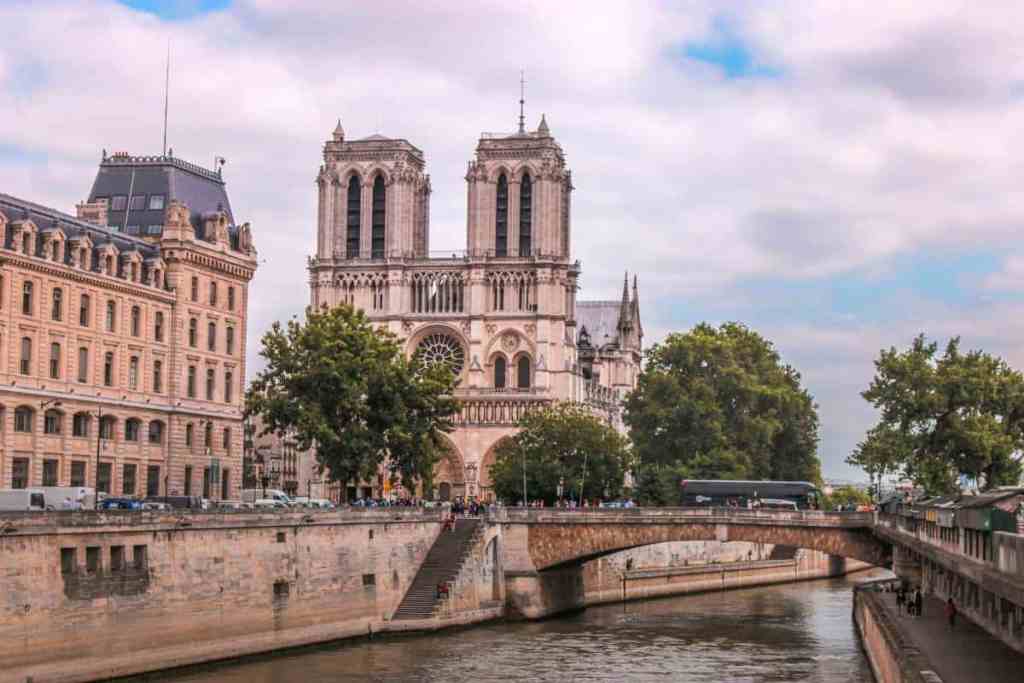
After your morning at the Louvre and a relaxing stroll through the Tuileries, make your way toward the Seine and continue to Île de la Cité.
This small island in the middle of the Seine is one of the most historic parts of Paris. It’s often described as the heart of the city, and walking through its streets gives you a chance to see some of Paris’s oldest layers alongside its beautifully restored landmarks.
The highlight, of course, is Notre-Dame Cathedral.
After suffering devastating damage in the 2019 fire, Notre-Dame underwent an extensive restoration before reopening to visitors. Seeing the cathedral again is quite a remarkable experience, particularly when you consider the amount of craftsmanship and effort that went into bringing this Paris landmark back to life.
Take some time to walk around the exterior before going inside. Look closely at the intricate stonework, sculptures and famous flying buttresses, then step inside to appreciate the soaring Gothic interior and enormous stained-glass windows.
If you want to visit the cathedral interior, consider booking a guided tour. Timed reservations may be available and can be popular, particularly during busy travel periods.
Once you’ve explored Notre-Dame, don’t immediately rush off to your next attraction. Île de la Cité is lovely to explore on foot. Wander along the Seine, browse the little flower market and take in the historic buildings surrounding the island.
Step Inside Sainte-Chapelle
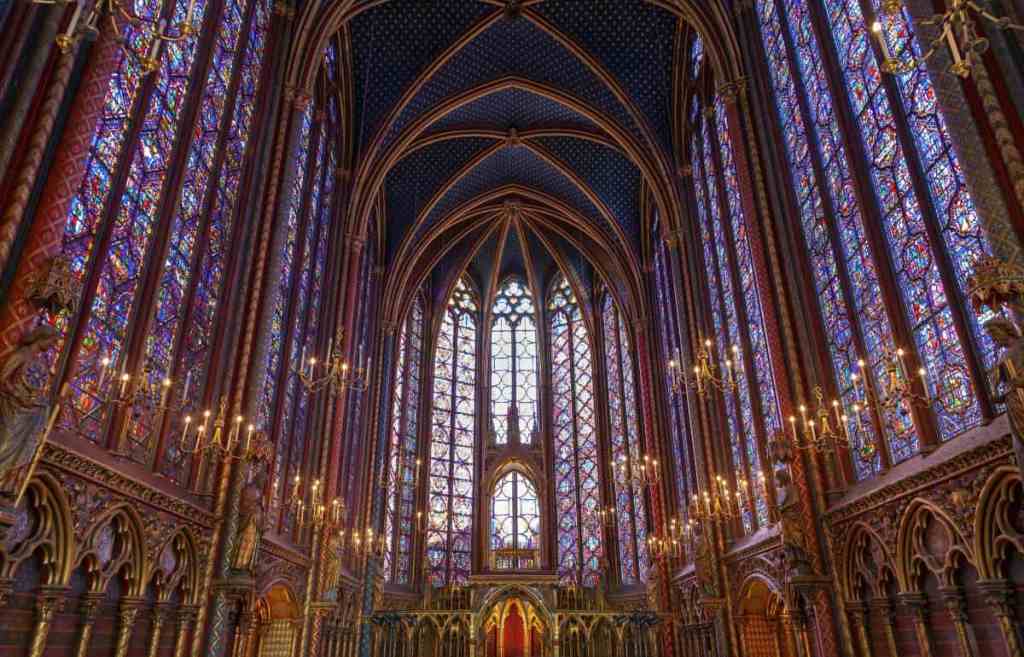
Just a short walk from Notre-Dame is another extraordinary Gothic masterpiece: Sainte-Chapelle.
The chapel may not be as famous as Notre-Dame, but don’t let its smaller size fool you. The upper chapel is filled with enormous stained-glass windows that cover much of the walls and tell hundreds of biblical stories through brilliantly coloured glass.
When sunlight shines through the windows, the effect can be spectacular.
If you’re interested in architecture, art or history, I’d definitely add Sainte-Chapelle to your Paris itinerary.
Wander Through the Latin Quarter
From Île de la Cité, cross over to the Left Bank and spend the rest of your afternoon exploring the Latin Quarter.
This is one of my favourite areas of Paris for simply wandering without a strict plan. The neighbourhood has a lively, lived-in atmosphere, with narrow streets, cafés, restaurants, bookstores and small shops tucked between historic buildings.
You don’t really need a checklist here. Instead, give yourself permission to get a little lost.
Walk around the streets near the Sorbonne, explore Rue Mouffetard and stop at Place de la Contrescarpe for a drink or something to eat. You’ll find plenty of small restaurants and cafés where you can take a break and enjoy the atmosphere.
The Latin Quarter is also a great place to start thinking about dinner. After a full day of sightseeing, this is the kind of neighbourhood where you can find a cosy little restaurant, settle in for a leisurely meal and enjoy the slower pace of a Paris evening.
By this point in your trip, you’ll have seen some of Paris’s biggest attractions. The Latin Quarter gives you a chance to put the sightseeing aside for a while and experience the city simply by walking, eating and taking in the atmosphere.
Evening: Panthéon and Luxembourg Gardens
Visit The Panthéon

By late afternoon, you’ll probably have covered a lot of ground, so I’d keep the final part of Day 2 fairly easygoing. Your next stop is the Panthéon, located in the Latin Quarter.
The Panthéon has a fascinating story because it has served different purposes throughout French history. What began as a church eventually became a national mausoleum, and today it honours some of the people who have had a lasting influence on France.
Inside, you’ll find the tombs of well-known French figures including Voltaire, Rousseau and Victor Hugo, along with scientists such as Marie Curie. If you’re interested in French literature, politics or science, you’ll find plenty to explore here.
Be sure to look up as you walk through the enormous central interior. The scale of the dome and the surrounding architecture give the building a completely different feel from the Gothic churches you’ve visited earlier in the day.
You’ll also find Foucault’s Pendulum, the famous scientific demonstration that illustrates the rotation of the Earth. It’s an unusual feature to encounter inside such a grand historic monument and is one of the details I found particularly interesting.
Unwind at Luxembourg Gardens
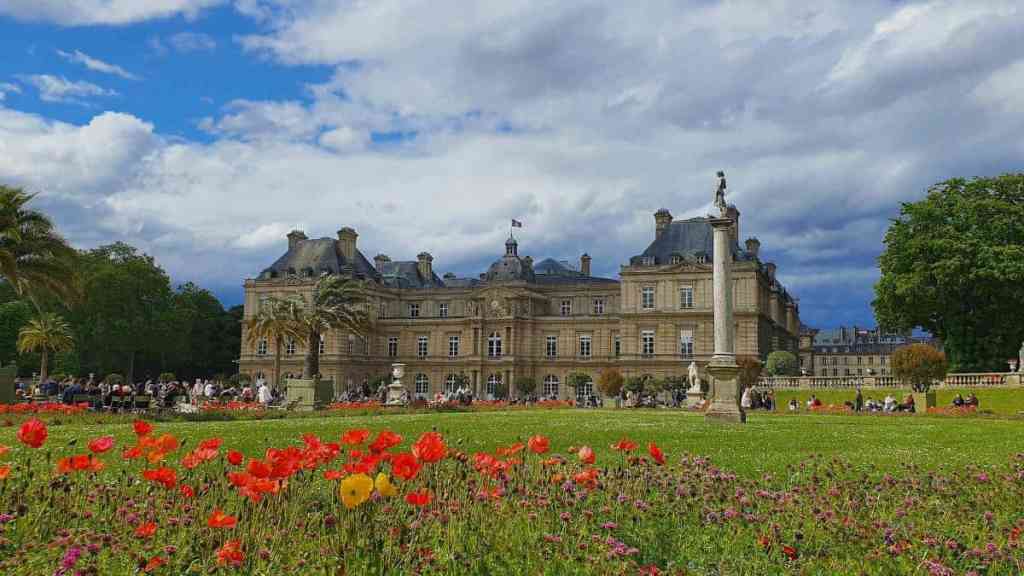
Once you’ve finished at the Panthéon, walk south toward the Luxembourg Gardens.
This is where I’d officially put the sightseeing checklist away for the day.
The gardens cover a huge area around the Luxembourg Palace, with wide promenades, formal flowerbeds, fountains and sculptures tucked throughout the grounds. It’s a completely different atmosphere from the busy streets and crowded attractions you’ve spent the day exploring.
One of the nicest things about visiting is that you don’t really need an agenda. Find a chair beside the central pond, wander down one of the tree-lined paths or take your time looking at the sculptures.
If you’re travelling with children, keep an eye out for the little boats being sailed across the pond. And if you’re travelling without kids, there’s nothing stopping you from enjoying the scene anyway—it’s one of those wonderfully old-fashioned Paris experiences.
Make your way to the Medici Fountain while you’re exploring. Tucked away among the greenery, it’s one of the most atmospheric corners of the gardens and a lovely place to pause for a few photographs.
Depending on the time of year and when the gardens close, you may be able to stay until early evening. Check the current schedule before planning your visit.
For dinner, you can return to the Latin Quarter or continue toward nearby Saint-Germain-des-Prés. Both areas give you plenty of choices for ending the day with a relaxed French meal.
And that’s Day 2 done. You’ve gone from world-famous art to medieval Paris, explored some of the city’s most important historic sites and finished with a quiet walk through one of its prettiest green spaces. Tomorrow, it’s time to discover even more of Paris.
Day 3 of Your Paris Travel Itinerary: Montmartre and Le Marais
For your final day in Paris, leave the grand monuments behind and spend some time exploring two of the city’s most character-filled neighbourhoods.
Begin your morning among the winding streets of Montmartre, where artists, cafés and old Parisian buildings create a very different atmosphere from the wide boulevards you’ve explored during the first two days.
In the afternoon, cross over to Le Marais, where historic mansions sit alongside trendy boutiques, galleries, cafés and some of the best food in the city.
It’s a day with plenty of flexibility, which is exactly what you want on your last day in Paris.
Morning: Montmartre and Sacré-Cœur
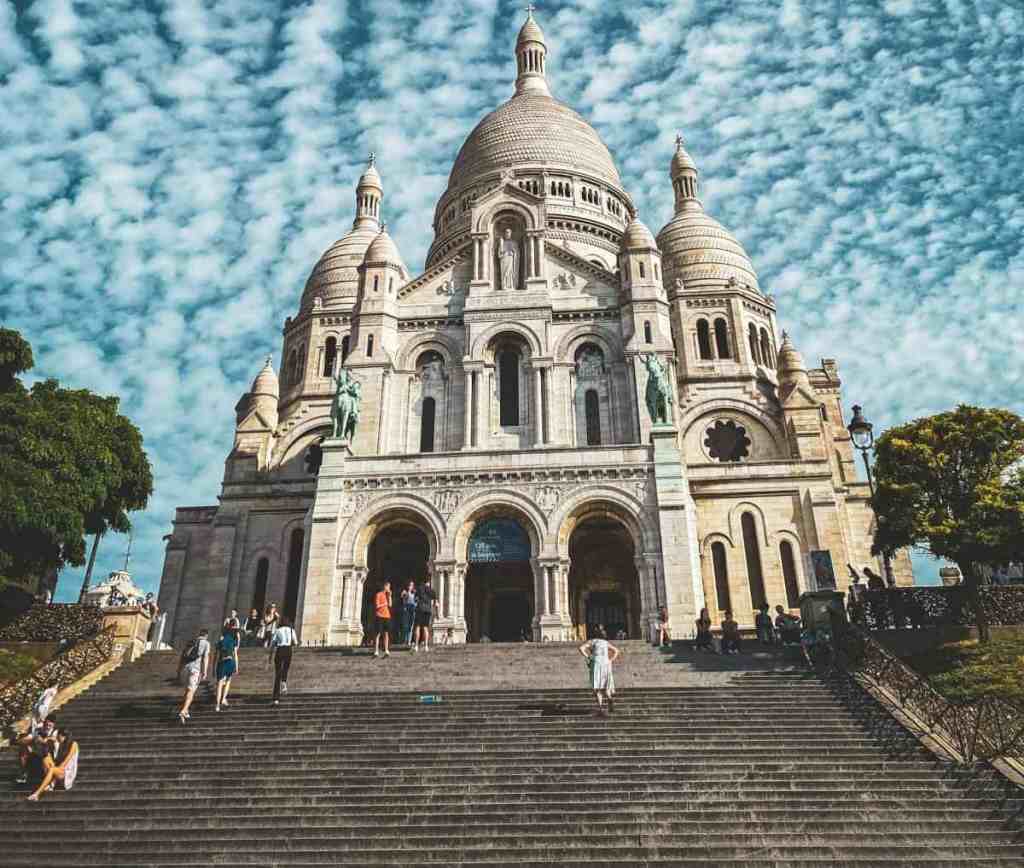
Start your morning in Montmartre, a Paris neighbourhood that’s best experienced on foot.
The neighbourhood is built on a hill, so you’ll have some stairs to contend with. You can take the Montmartre funicular if you’d rather save your energy, but walking up through the streets gives you a better opportunity to discover some of the area’s character along the way.
Make your way toward Sacré-Cœur Basilica, which sits at the summit of Montmartre. Its brilliant white exterior stands out against the Paris skyline and makes it one of the easiest landmarks to spot from across the city.
Before going inside, spend some time on the steps in front of the basilica. The view across Paris is fantastic, especially when the weather is clear. It’s also a fun way to get your bearings and see just how far the city stretches.
Inside, you’ll find an ornate interior with a completely different architectural style from the Gothic churches you’ve visited earlier in your trip. One of the main highlights is the enormous golden mosaic above the altar.
The basilica is free to enter. You can also climb to the dome if you want to see Paris from an even higher vantage point, but be prepared for a serious staircase workout. There isn’t an elevator to whisk you to the top.
I’d recommend getting to Montmartre earlier in the morning. The neighbourhood becomes increasingly busy as the day progresses, and an early start gives you more room to enjoy the streets before they become crowded.
Meet the Artists at Place du Tertre

From Sacré-Cœur, continue through Montmartre toward Place du Tertre.
This little square is one of the most recognizable corners of Montmartre, thanks to the artists who set up their easels here. You’ll see painters and portrait artists working right in the middle of the square, continuing a tradition that has been associated with Montmartre for generations.
Take a stroll around the square and have a look at the artwork. If you’ve always wanted a portrait drawn while travelling, this would certainly be a memorable place to do it.
If you decide to commission an artist, make sure you agree on the price and exactly what you’re getting before the work begins.
Once you’ve seen the square, I’d suggest wandering beyond it. Some of the most enjoyable parts of Montmartre are the streets you encounter between the major attractions. Stop for a coffee, browse a small shop or pick up a pastry before continuing with your day.
Afternoon: Discover Le Marais
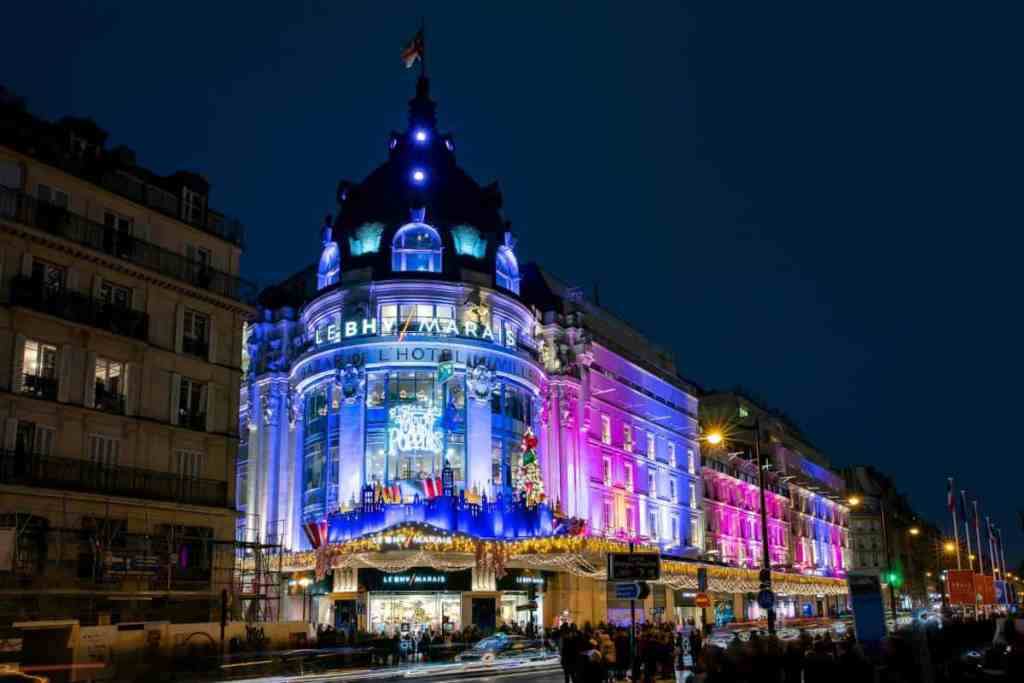
After your morning in Montmartre, make your way across Paris to Le Marais, a historic neighbourhood spread across parts of the 3rd and 4th arrondissements.
The atmosphere here couldn’t be much different from Montmartre. Instead of steep streets and hilltop views, you’ll find elegant old buildings, narrow lanes, fashionable shops and lively cafés.
Start around Place des Vosges, one of the most beautiful squares in Paris. Its symmetrical buildings and tree-filled centre make it a lovely place to pause before continuing your walk through the neighbourhood.
From there, simply explore.
Head toward Rue des Rosiers to experience the historic Jewish Quarter, where you’ll find bakeries, cafés and places serving traditional Jewish and Middle Eastern food. If you’re hungry, this is a great area to grab something casual rather than sitting down for a long lunch.
Le Marais is also one of the better neighbourhoods in Paris for browsing independent boutiques, vintage stores and galleries. Streets such as Rue Vieille-du-Temple and Rue du Temple are worth exploring if you enjoy shopping.
You don’t need a specific destination for every few minutes of this afternoon. Pick a general direction and see what catches your eye. That’s part of what makes Le Marais so enjoyable.
Choose a Museum: Picasso or Pompidou
If you’d like to add some art to your afternoon, Le Marais gives you a couple of interesting options.
The Picasso Museum is located inside the beautiful Hôtel Salé and contains an extensive collection of Picasso’s work. The museum is particularly worthwhile if you’re interested in seeing how his style developed throughout his career.
Allow yourself a couple of hours if you want to explore the collection without rushing. As always, check the museum’s official website before your visit for current opening information and exhibitions.
Another famous option is the Centre Pompidou, known for its enormous collection of modern and contemporary art and its instantly recognizable high-tech architecture.
However, the Centre Pompidou is currently undergoing a major renovation, so it isn’t an option for your itinerary during the closure period. If you’re visiting Paris while the building is closed, check whether any of its collections or temporary exhibitions are being presented elsewhere around the city.
My advice: Don’t try to squeeze both museums into the same afternoon. Pick one—or skip the museums altogether and give yourself more time to enjoy Le Marais.
Evening: Finish Your Paris Adventure With Food or a Seine Walk
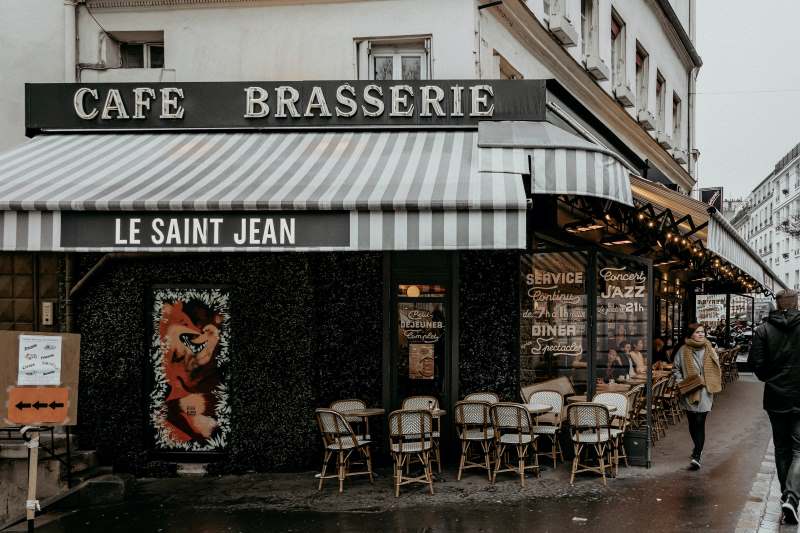
For your final evening in Paris, I’d resist the temptation to schedule another major attraction. Instead, make dinner part of the experience.
One option is to join a Paris food tour, where you can spend a few hours tasting your way through a neighbourhood with a local guide. This is a fun way to discover foods and small businesses you might otherwise walk straight past.
Alternatively, keep things simple and choose a restaurant in Le Marais or another neighbourhood that caught your attention during the day. Order a meal, enjoy a glass of wine if that’s your thing, and soak up the atmosphere. After three days of sightseeing, you deserve a slower evening.
If you’d rather spend your last hours outdoors, take a sunset walk along the Seine.
As the light begins to fade, the river takes on a completely different character. Cross one of the bridges, find a spot along the banks and watch the city transition from afternoon into evening. The area around Île de la Cité and Île Saint-Louis is particularly beautiful at this time of day.
And if you happen to pass a bakery on your way back to your hotel, there’s absolutely nothing wrong with picking up one last French pastry for the road.
After three days in Paris, you may have checked off many of the city’s famous sights, but chances are you’ll leave with a much longer list of places you still want to see. That’s okay. Paris is a city that’s almost impossible to finish—and that’s a pretty good reason to start planning your next visit.
Optional Day Trip: Palace of Versailles
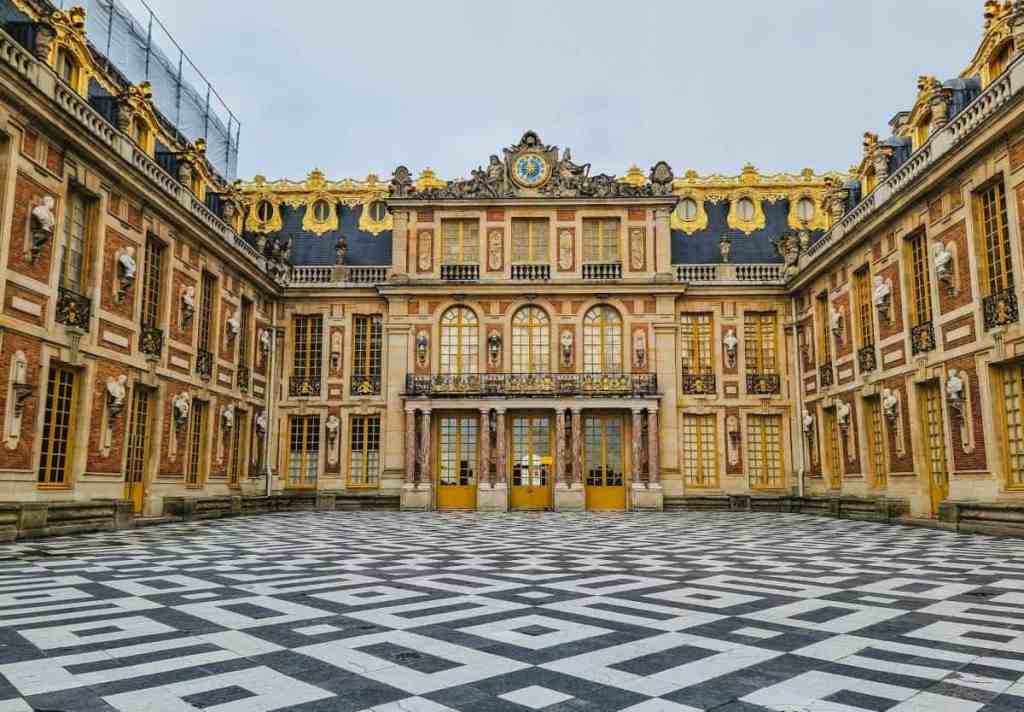
If you have more than three days in Paris, consider adding a day trip to the Palace of Versailles. Just outside the city, Versailles gives you the chance to step away from Paris and into the extraordinary world of the French monarchy.
And when I say extraordinary, I mean it. The palace is famous for its enormous scale, lavish interiors and spectacular gardens. It can easily take an entire day to explore properly, so I wouldn’t try to squeeze Versailles into your three-day Paris itinerary.
Getting From Paris to Versailles
Getting to Versailles from central Paris is relatively straightforward. One of the easiest options is the RER C train, which takes you directly to Versailles-Château-Rive Gauche station.
The journey takes roughly 35 to 40 minutes, depending on where you board, and the palace is only a short walk from the station. Just make sure you’re taking a train heading to the correct Versailles station, as the RER C has several branches.
If navigating public transportation isn’t something you want to worry about while you’re on vacation, organized day tours are another option. Some include transportation and a guided visit, which can make the day simpler if you’d rather let someone else handle the logistics.
Before setting off, check the official Versailles website and current train information for the latest schedules, ticketing requirements and any changes to access.
Step Inside the Palace of Versailles

The first thing you’ll notice about Versailles is the sheer scale of the place.
This wasn’t built to be understated. The former royal residence is filled with grand rooms, elaborate decoration and artwork designed to demonstrate the wealth and power of the French monarchy.
Your visit will take you through a selection of the palace’s most important rooms, including the Hall of Mirrors. This spectacular gallery is lined with enormous mirrors and windows overlooking the gardens, creating one of the most memorable spaces in the entire palace.
It’s also steeped in history. The Hall of Mirrors was the setting for important royal ceremonies and was later used for the signing of the Treaty of Versailles in 1919, which formally brought World War I to an end.
Don’t rush through the palace just to get outside. Look at the ceilings, paintings, chandeliers and decorative details as you move from room to room. The sheer amount of ornamentation is part of what makes Versailles so fascinating.
Travel tip: Versailles is one of France’s most visited attractions, so reserve your tickets in advance and pay close attention to your timed entry. Check the official website before your trip for current ticket options, opening information and special events.
Spend Time Exploring the Gardens
Once you’ve finished inside the palace, head outdoors. And give yourself plenty of time here—the Gardens of Versailles are enormous.
Formal gardens stretch out from the palace in a carefully designed pattern of paths, fountains, lawns, sculptures and tree-lined avenues. From the palace terrace, you can look all the way down toward the Grand Canal and get a sense of just how vast the estate is.
This is where planning ahead becomes useful. You could spend hours simply walking, but there are several ways to cover more ground if you don’t want to do everything on foot. Depending on the season, you can rent a bicycle, use a golf cart or take the small tourist train that travels around the estate.
If you’re visiting during the warmer months, look into the Musical Fountain Shows and Musical Gardens before your trip. These seasonal events add music and water displays to the gardens and can make your visit even more memorable.
Beyond the main gardens, you can continue toward the Grand Trianon, Petit Trianon and Queen’s Hamlet. These areas give you a different perspective on royal life and are worth including if you have enough time and energy.
How Long Should You Spend at Versailles?
I’d plan on a full day rather than trying to race through Versailles in a few hours.
A good approach is to visit the palace in the morning, have lunch somewhere on the estate or bring something with you, and then devote your afternoon to the gardens and Trianon estate.
You don’t have to see every fountain, path and building. In fact, trying to do so can turn a fascinating day into an exhausting one. Pick the areas that interest you most and enjoy the experience.
Travel tip: Wear comfortable shoes and bring water, particularly if you’re visiting during the summer. The estate is much larger than it looks on a map, and you’ll probably do a lot more walking than you expect.
Versailles is an easy addition if you have a fourth day in Paris, but I wouldn’t sacrifice one of your three days in the city to fit it in. Paris itself has more than enough to keep you busy. If you have the extra time, though, Versailles is an unforgettable glimpse into the extravagant world of France’s royal past.
Frequently Asked Questions (FAQs)
Conclusion: Making the Most of 3 Days in Paris
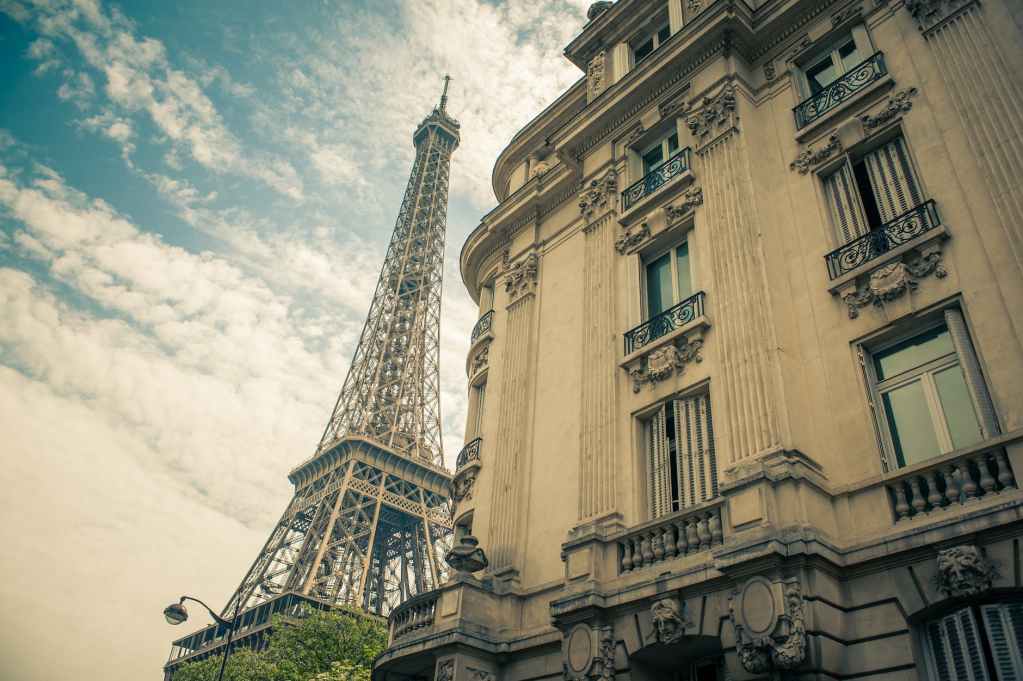
Three days in Paris may not be enough to see everything this incredible city has to offer, but it’s certainly enough to experience many of its most famous landmarks, wander through charming neighbourhoods and get a taste of Parisian life.
This Paris 3 day itinerary takes you from iconic sights like the Eiffel Tower, Arc de Triomphe and Louvre to the atmospheric streets of the Marais, beautiful historic landmarks and relaxing moments along the Seine.
I’ve also built in a mix of sightseeing and slower-paced experiences so you’re not spending every minute rushing from one attraction to the next.
The key to making the most of three days in Paris is planning ahead. Popular attractions such as the Eiffel Tower, Louvre and Palace of Versailles can be extremely busy, so check the official websites and reserve tickets in advance whenever possible. That little bit of preparation can save you a lot of time once you’re in the city.
Most importantly, don’t feel like you have to follow this itinerary down to the minute. Leave yourself some room to wander, stop at a sidewalk café, browse a little shop you happen to discover or simply sit in a Parisian square and watch the world go by. Some of my favourite travel memories come from the moments that weren’t on the itinerary at all.
Think of these three days as your introduction to Paris rather than a complete tour. You’ll see some of the city’s most memorable sights, experience a few of its wonderful neighbourhoods and hopefully leave already thinking about what you’ll explore on your next visit.
After all, Paris is one of those cities that seems to reveal something new every time you return.
Paris Travel Blogs
Paris 5 Day Itinerary
Paris Bucket List
Day Trips From Paris