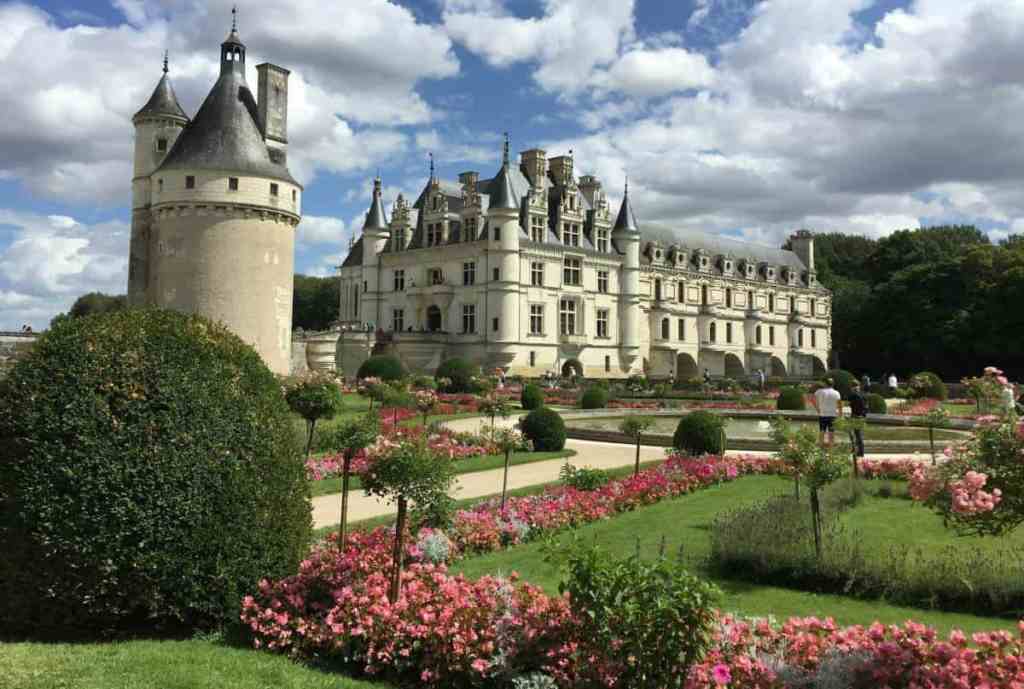
Paris 4 Day Itinerary: Your Essential Guide to the City of Lights
Planning a Paris 4 day itinerary means accepting one important reality from the start: Paris is a big city. While it may look wonderfully compact on a map, there is far more to explore than you could possibly fit into a long weekend.
With world-famous landmarks, grand boulevards, neighbourhoods filled with character, incredible museums, historic churches, charming cafés, and hidden corners waiting to be discovered, you could spend months exploring Paris and still have more to see.
So, is 4 days in Paris enough? Not to see everything, but absolutely enough to experience many of the city’s most memorable highlights. In fact, four days gives you a great opportunity to explore Paris without trying to cram every attraction into your trip.
In this Paris 4 day itinerary, you’ll discover what to see in Paris in 4 days, how to organize your sightseeing by area, and where to stay to make getting around easier.
From iconic landmarks and famous museums to beautiful neighbourhoods and those unexpected moments you stumble across while wandering the streets, this itinerary will help you make the most of four unforgettable days in Paris.
Disclaimer: This post may contain affiliate links, meaning I receive commissions for purchases made through those links at no cost to you. Please read my full disclosure for more information.
Day 1: The Left Bank and Eiffel Tower
For your first day in Paris, you’ll explore some of the city’s most historic and beautiful areas before ending the day beneath the Eiffel Tower.
This itinerary takes you through the Latin Quarter and the Left Bank, gives you time to enjoy one of Paris’s greatest art museums, and finishes with one of the most memorable experiences you can have in the city: watching the Eiffel Tower sparkle after dark.
Morning: Latin Quarter and Panthéon

Start your morning in the Latin Quarter, one of the most atmospheric parts of the Left Bank.
This historic neighbourhood is a wonderful place to begin your Paris adventure because so much is within walking distance. You’ll find narrow streets, charming cafés, bookshops, historic buildings and plenty of opportunities to wander without a strict agenda.
Your first major stop is the Panthéon, which sits on the highest point of the Montagne Sainte-Geneviève. The enormous neoclassical building is impressive from the outside, but don’t just admire it from the street.
Step inside to see its massive interior, Foucault’s Pendulum and the crypt, where some of France’s most famous figures are buried. Among those interred here are Voltaire, Jean-Jacques Rousseau, Victor Hugo and Marie Curie.
Allow roughly an hour to an hour and a half if you want enough time to appreciate both the main building and the crypt. For your itinerary, I’d recommend arriving around opening time. The Panthéon can become considerably busier later in the morning, particularly on weekends and during the busiest travel seasons.
Once you’ve finished exploring, make your way toward Rue Mouffetard. This lively street is one of the oldest in Paris and has long been associated with food and market life.
Today, you’ll find shops and market stalls selling everything from fresh produce and cheese to bread, pastries and prepared foods. It’s also a fun place to simply wander and soak up the everyday side of Paris.

From Rue Mouffetard, continue toward the Seine and make your way to Shakespeare and Company. This famous English-language bookshop has become one of the most recognizable literary landmarks on the Left Bank.
The current shop opened in 1951, continuing the literary tradition associated with Sylvia Beach’s original Shakespeare and Company, which opened in Paris in 1919.
Even if you’re not particularly interested in books, it’s worth popping inside. The tiny rooms, well-worn bookshelves and cozy atmosphere make it feel like one of those places where Paris’s literary history is still lingering in the walls.
Afternoon: Musée d’Orsay
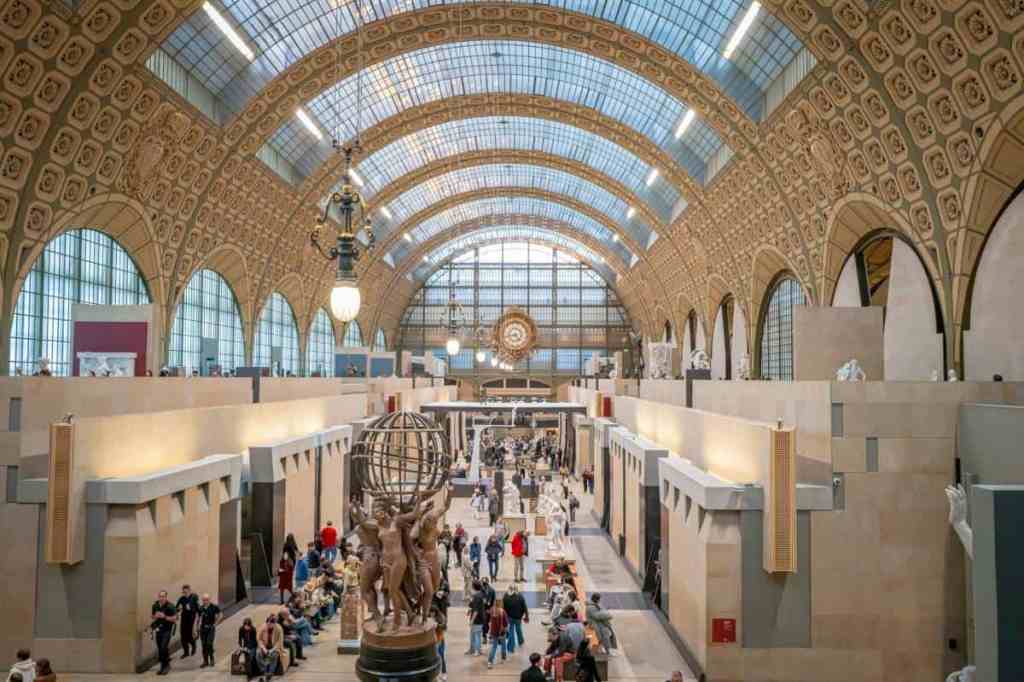
After your morning exploring the Left Bank, spend your afternoon at the Musée d’Orsay, one of my favourite stops to include in a Paris itinerary.
Housed inside the former Gare d’Orsay railway station along the Seine, the museum is almost as impressive for its architecture as it is for the artwork inside. The enormous clock windows and grand former railway hall give the museum a completely different atmosphere from the Louvre.
If you’re visiting for the first time, head toward the upper levels where you’ll find the museum’s celebrated collection of Impressionist and Post-Impressionist art.
This is where you’ll encounter works by artists including Claude Monet, Pierre-Auguste Renoir, Vincent van Gogh, Edgar Degas, Paul Cézanne and Paul Gauguin.
Some of the museum’s most recognizable works include Renoir’s Bal du Moulin de la Galette, Van Gogh’s Self-Portrait and Starry Night Over the Rhône, along with paintings by Monet and Manet.
You don’t need to see every painting in the museum to have a great experience. In fact, trying to do so can leave you feeling like you’re racing through the galleries. Give yourself at least two hours and concentrate on the collections that interest you most.
And don’t forget to look back toward the enormous clock windows before you leave. They offer a beautiful perspective over the Seine and are one of those little details that make the Musée d’Orsay so memorable.
Evening: Eiffel Tower and Champ de Mars
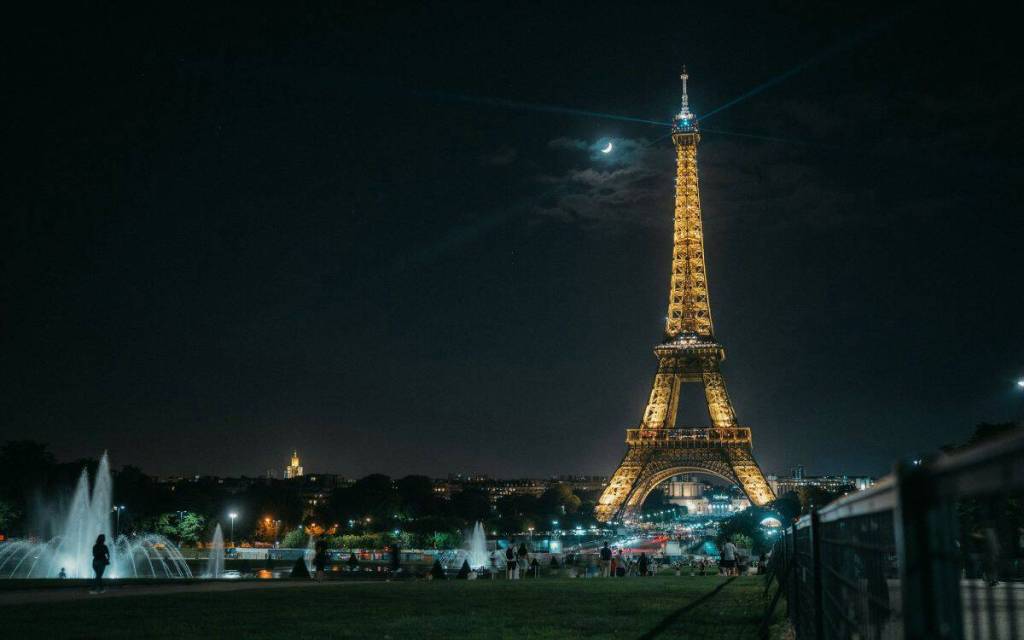
Now it’s time for the big one.
Make your way to the Eiffel Tower in the late afternoon and try to time your visit for approximately an hour before sunset. This gives you the chance to see Paris from above in daylight before watching the city gradually transform as evening arrives.
If you want to go to the summit, book your tickets ahead of time whenever possible. The Eiffel Tower is one of Paris’s most popular attractions, and waiting until you arrive can mean dealing with longer queues or limited availability.
Once you’re at the top, take your time. Look out across the rooftops of Paris and see how many landmarks you can spot. From this height, the city feels completely different from the streets you’ve spent the day exploring.
Then wait for sunset.
Watching the sky change colour over Paris as the city’s lights begin to appear is one of those travel moments that photographs don’t quite capture. And just when you think the view couldn’t get any better, the Eiffel Tower begins its famous sparkling display after dark.
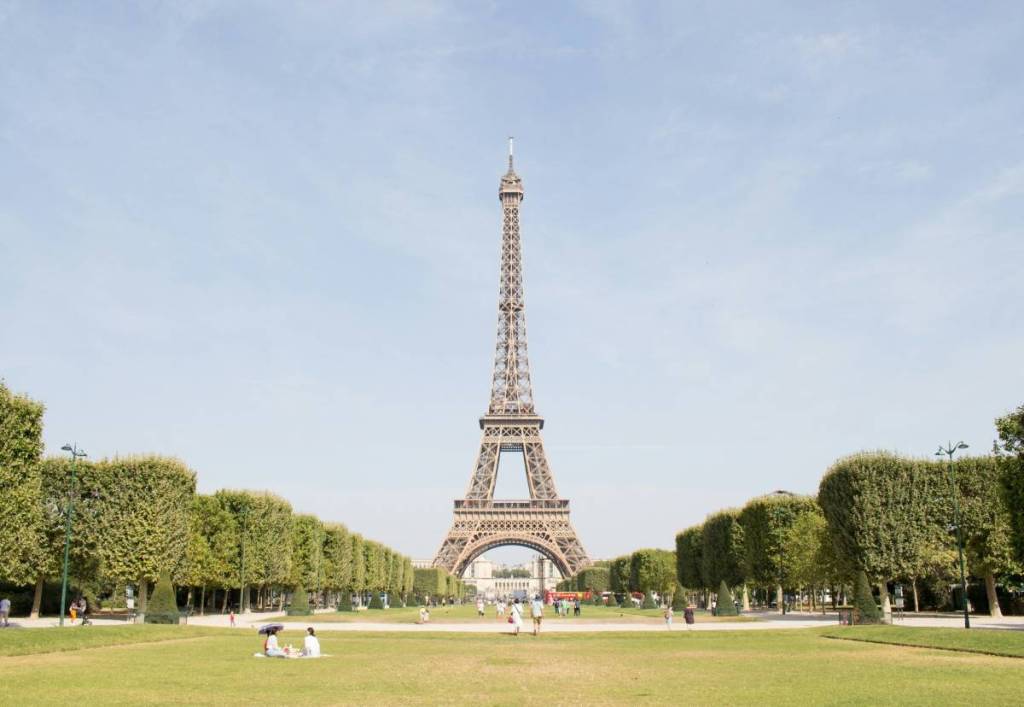
After descending, walk across to Champ de Mars, the large green space stretching out in front of the Eiffel Tower. If the weather cooperates, this is a wonderful place to finish your first day with a casual Parisian picnic.
Pick up some cheese, bread, pastries and other picnic supplies beforehand, or stop at Rue Cler, a nearby market street known for its food shops. Grab what looks good, find a comfortable spot, and enjoy your dinner with one of the most recognizable landmarks in the world as your backdrop.
The Eiffel Tower sparkles for five minutes at the beginning of each hour after dark, so check the current schedule during your visit and stick around for the display. Seeing the tower illuminated from Champ de Mars is a completely different experience from seeing it during the day.
After a busy first day, you can simply sit back, enjoy your picnic and watch Paris light up around you.
Optional Evening: Add a Paris Wine Experience
If you’re still looking for something to do after the Eiffel Tower, or you’d rather replace the picnic with a more structured evening experience, Paris has plenty of opportunities to discover French wine.
One option is a guided wine tasting, where you can sample wines from different regions while learning more about French wine culture. Some experiences pair the wine with French cheeses, while others take place in historic wine cellars.
For something particularly memorable, you can even choose a Seine River Sightseeing Evening Cruise with Champagne, combining French champagne with nighttime views of Paris.
Another interesting option is exploring the historic wine cellars beneath the Louvre. These atmospheric underground spaces offer guided experiences focused on French wine and winemaking.
If you’re staying in the Latin Quarter, you can also look for smaller, more intimate tasting experiences in traditional stone cellars.
I’d treat this as an optional addition rather than another item you have to squeeze into your day. Your first day in Paris is already busy, and there’s something to be said for simply sitting beneath the Eiffel Tower with a glass of wine and letting the city unfold around you.
Day 2: Île de la Cité and the Right Bank
On the second day of your Paris 4 day itinerary, you’ll explore the historic heart of the city before crossing over to the Right Bank for one of the world’s greatest museums.
You’ll finish the day with panoramic views from the Arc de Triomphe as Paris begins to glow at sunset.
Today combines some of Paris’s most important historic landmarks with a few of its most spectacular views.
Morning: Notre Dame and Sainte-Chapelle
Begin your morning on Île de la Cité, the small island in the Seine that is considered the historic heart of Paris. This is where you’ll find some of the city’s oldest and most important landmarks, and it’s a wonderful place to start your second day.
Notre-Dame Cathedral
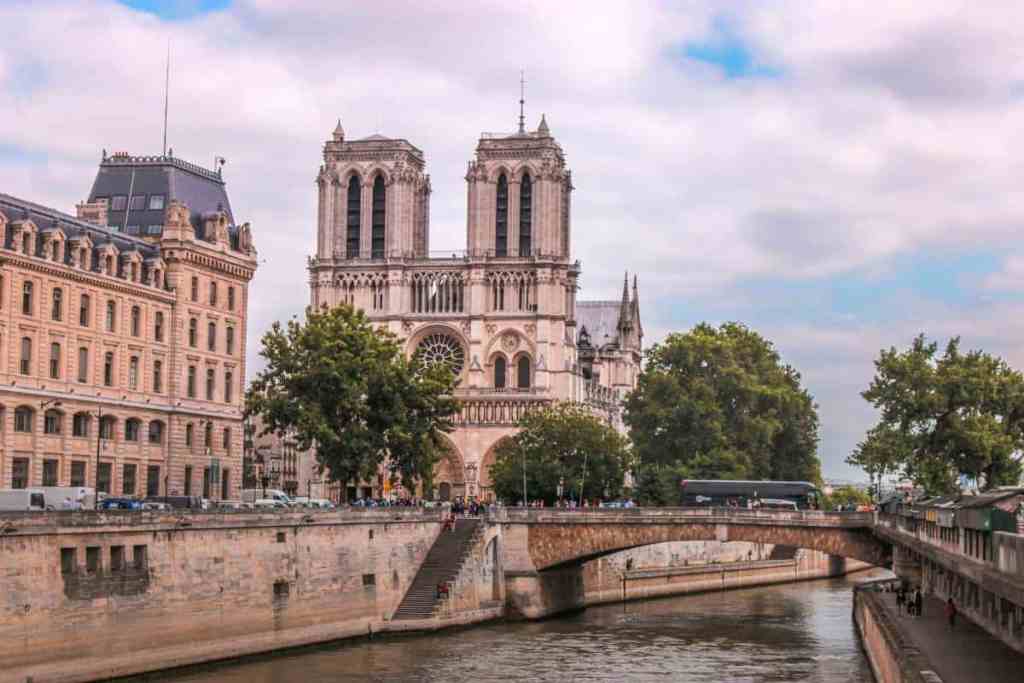
Your first stop is Notre-Dame Cathedral.
After the devastating fire of April 2019, Notre-Dame underwent an extraordinary five-year restoration before reopening to the public in December 2024.
Seeing the cathedral again is a remarkable experience, particularly if you remember the images of the fire and the restoration that followed.
Take some time to walk around the cathedral and appreciate the restored architecture, soaring interior and details that survived the fire alongside the elements that were carefully rebuilt.
The restoration also introduced new furnishings and artwork to the cathedral, giving this ancient landmark a renewed appearance while preserving its historic character.
Sainte-Chapelle
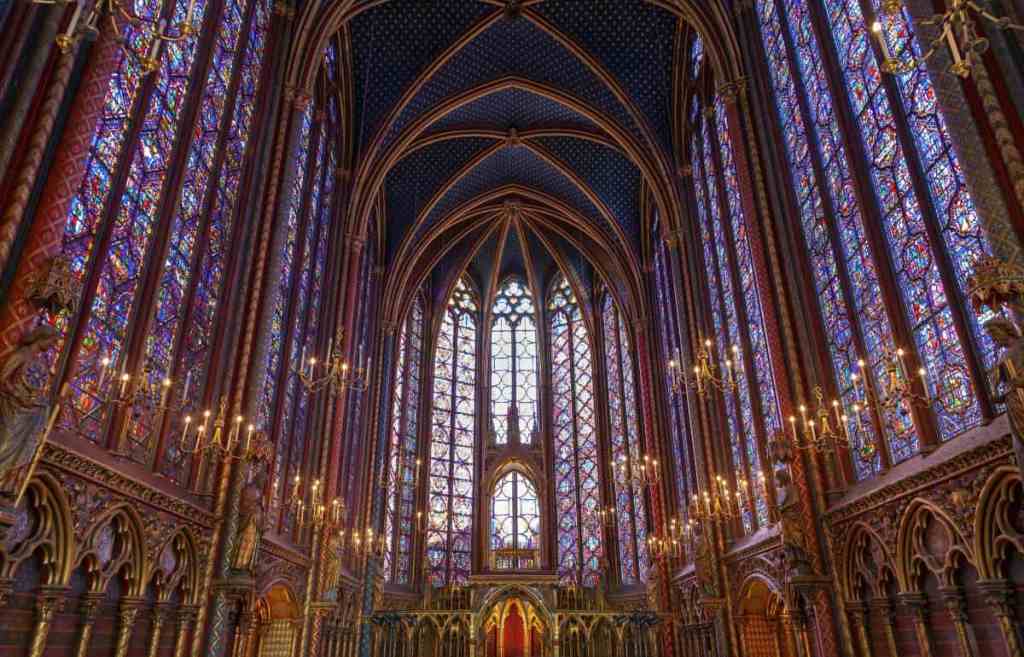
Once you’ve finished at Notre-Dame, walk across Île de la Cité to Sainte-Chapelle. The two attractions are only a few minutes apart, making them an easy pairing for your morning.
Sainte-Chapelle is absolutely worth seeing. From the outside, the chapel can be easy to overlook compared with Notre-Dame, but step inside and you’ll discover one of the most spectacular interiors in Paris.
The upper chapel is surrounded by enormous stained-glass windows containing more than 1,000 individual panels. When sunlight passes through the glass, the walls seem to come alive with colour.
The chapel was built in the 13th century as a royal chapel and was designed to house important Christian relics, including the Crown of Thorns. Today, its stained glass is the real showstopper.
Try to time your visit when natural light can illuminate the windows. The experience can change dramatically depending on the time of day and the weather.
Because Sainte-Chapelle is located within the Palais de Justice complex, you’ll need to pass through security before entering. Booking a ticket in advance is a good idea, particularly during busy periods.
Once you’ve finished exploring the chapel, take a few minutes to wander around Île de la Cité before continuing to the Right Bank. You’re surrounded by layers of Parisian history here, and some of the most enjoyable moments can come from simply walking along the Seine and taking in the views.
Afternoon: The Louvre Museum
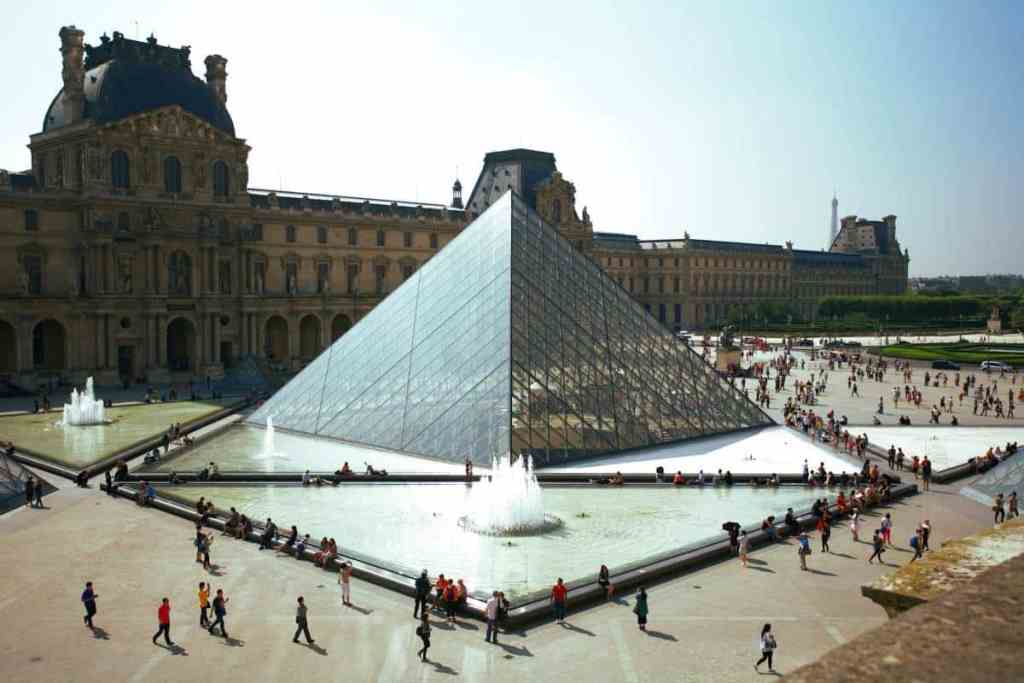
Next, make your way to the Louvre Museum.
I’ll be honest: you could spend an entire day inside the Louvre and still leave knowing you’ve only scratched the surface. It’s enormous, and trying to see everything during a four-day trip to Paris is a recipe for museum fatigue.
Instead, give yourself a couple of hours and be selective.
If this is your first visit, you’ll probably want to see some of the Louvre’s most famous masterpieces. The Mona Lisa, Venus de Milo and Winged Victory of Samothrace are obvious choices, while Liberty Leading the People is another iconic work worth seeking out.
But don’t spend your entire visit rushing from one famous painting to the next.
Part of the fun of the Louvre is looking beyond the pieces you’ve already seen in photographs. The museum’s enormous galleries are filled with paintings, sculptures, decorative arts and historic objects from thousands of years of human history.
That’s one of the reasons I recommend deciding on a handful of priorities before you arrive. See the works that you absolutely don’t want to miss, then allow yourself some time to wander.
And don’t forget to look up. The Louvre itself is a work of art, from its grand halls and ornate ceilings to the dramatic former palace architecture surrounding its courtyards.
Book your Louvre admission in advance whenever possible. The museum is one of the most visited attractions in Paris, and timed entry can save you valuable time that you’d rather spend exploring the galleries.
If you have flexibility in your itinerary, weekday visits are generally preferable to weekends. The museum also has later opening hours on selected evenings, which can be useful if you want to shift your Louvre visit later in the day.
Evening: Arc de Triomphe at Sunset
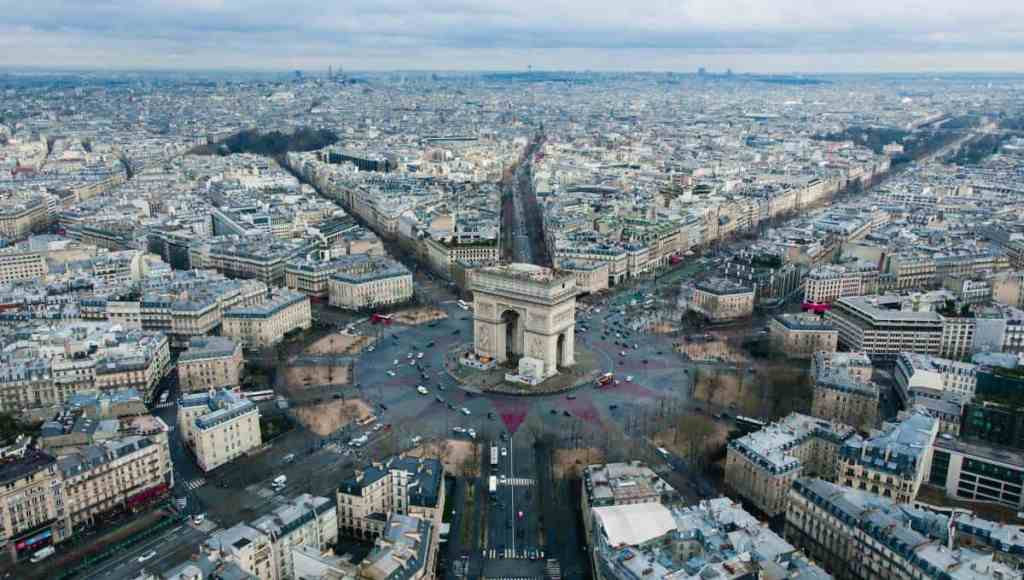
After visiting the Louvre, head over to the Arc de Triomphe.
You could simply admire this enormous monument from the Champs-Élysées, but I highly recommend climbing to the rooftop if you’re up for the stairs. From the panoramic terrace, you’ll get one of the most impressive views in Paris.
The Arc de Triomphe sits at the centre of Place Charles de Gaulle, where twelve avenues radiate outward from the monument.
You’ll have views stretching toward the Eiffel Tower, Sacré-Cœur, Les Invalides and La Défense, while the Champs-Élysées extends into the distance below.
For this itinerary, try to arrive around sunset.
There’s something special about watching Paris change from afternoon to evening from the top of the Arc de Triomphe. The rooftops take on a warm glow, the Eiffel Tower begins to stand out against the skyline, and the streets below gradually fill with the lights of the city.
Just be prepared for the climb. Reaching the terrace involves a substantial number of stairs, so this isn’t the time to discover that you’re not a fan of spiral staircases!
Once you’re back at street level, you can take a leisurely walk down the Champs-Élysées or find somewhere nearby for dinner. The streets around the Arc de Triomphe and Champs-Élysées remain lively into the evening, giving you plenty of opportunities to keep wandering before heading back to your hotel.
Day 3: Le Marais and Montmartre
After two busy days of major landmarks, museums and historic monuments, your third day in Paris takes you into two neighbourhoods where the city feels a little more local and lived-in.
You’ll begin in Le Marais, wandering through medieval streets, elegant mansions, historic squares and one of Paris’s most interesting food scenes. Then, later in the day, you’ll head north to Montmartre, where winding streets, artists, cafés and the white domes of Sacré-Cœur create an entirely different atmosphere.
This is a day where you should leave yourself some room to wander. Some of the best parts of both neighbourhoods aren’t necessarily the things you’ll find on a checklist.
Morning: Le Marais
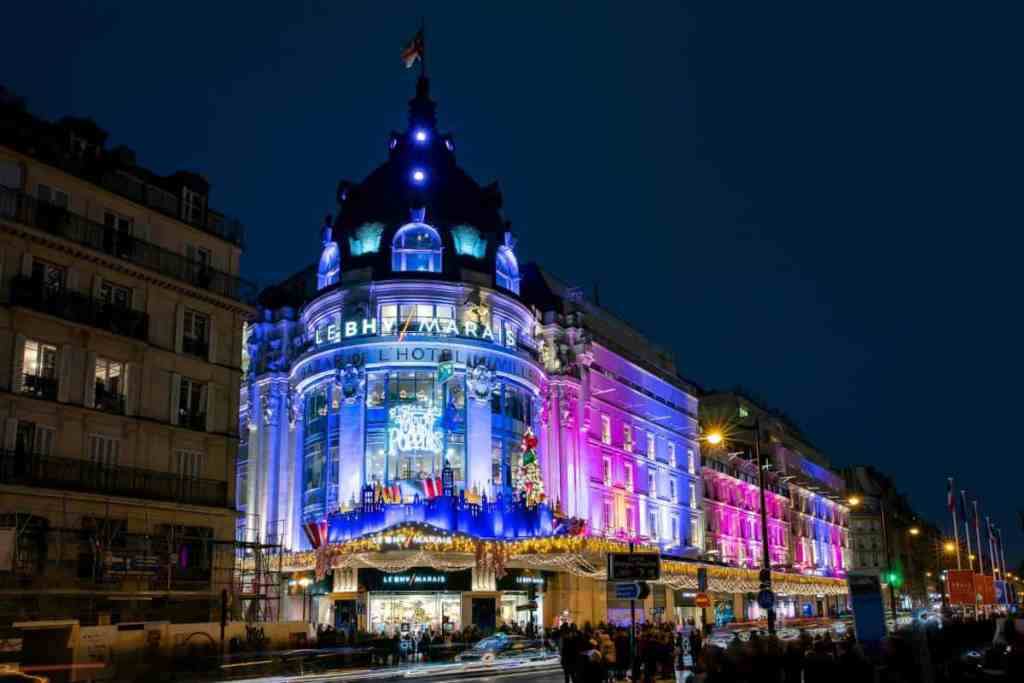
Start your morning in Le Marais, a historic neighbourhood spread across parts of Paris’s 3rd and 4th arrondissements on the Right Bank.
The name Le Marais means “the marsh,” a reference to the wetland that once occupied this area before it was developed.
Today, it’s one of the most fascinating neighbourhoods in central Paris, where centuries-old architecture sits alongside trendy cafés, independent boutiques, galleries and restaurants.
One of the things I love about exploring Le Marais is that you don’t necessarily need a strict route. Give yourself permission to wander down the smaller streets and see where they take you.
As you walk, keep an eye out for the neighbourhood’s beautiful hôtels particuliers — grand private mansions built for wealthy Parisian families, particularly during the 17th century. Their elegant façades, courtyards and large entrances offer a glimpse into a very different era of Paris.
Two worth looking for are Hôtel de Sully and Hôtel de Soubise. You can also visit Hôtel Salé, home to the Musée Picasso Paris, if you’re interested in art.
Eventually, make your way to Place des Vosges, one of the most beautiful squares in Paris. Built in the early 17th century, its symmetrical brick-and-stone buildings surround a peaceful green garden in the centre.
Take a few minutes to slow down here. You don’t always need to be sightseeing. Grab a coffee, sit on a bench and watch Parisian life unfold around you.
The square is also closely associated with Victor Hugo, who lived at number 6, now home to the Maison de Victor Hugo museum.
From Place des Vosges, continue exploring the surrounding streets until you reach Rue des Rosiers, in the heart of Paris’s historic Jewish Quarter.
This is a great place to stop for lunch, particularly if you’re in the mood for falafel. Rue des Rosiers is famous for its casual food spots, and you’ll often see queues outside some of the most popular places. You can also find bakeries, cafés and Jewish delicatessens scattered throughout the surrounding streets.
If you want to dig deeper into the history of Paris, consider adding the Musée Carnavalet to your morning. Located in two historic mansions, the museum explores the history of Paris through an enormous collection of paintings, furniture, objects, signs and other artefacts.
It’s a particularly good choice if you’re fascinated by the city’s history, although I’d only add it if you don’t mind making your morning a little more museum-focused.
Afternoon: Food Tour or Cooking Class
After exploring Le Marais, spend your afternoon doing something a little different: eat your way through Paris!
A food tour or cooking class is a great addition to a Paris 4 day itinerary because it gives you an opportunity to experience the city through its food rather than simply visiting another attraction.
A guided food tour through Le Marais can introduce you to some of the foods you might otherwise walk past without knowing what to order.
Depending on the tour, you might sample French bread and pastries, cheese, charcuterie, chocolate, macarons and wine, along with specialties from the neighbourhood’s Jewish and international communities.
This is also a fun opportunity to learn a little about French food culture from someone who actually lives there.
If you’d rather be more hands-on, look for a French cooking class. Some experiences begin at a local market, where you’ll help select ingredients before heading into a kitchen to prepare a meal. You then sit down and enjoy what you’ve made, often with wine.
Of course, you don’t have to book an organized tour. You could simply turn your afternoon into your own informal food tour by stopping at a bakery for a pastry, visiting a fromagerie, picking up some French chocolate and finding a café for a leisurely drink.
Paris has no shortage of delicious ways to spend an afternoon.
Evening: Montmartre and Sacré-Cœur
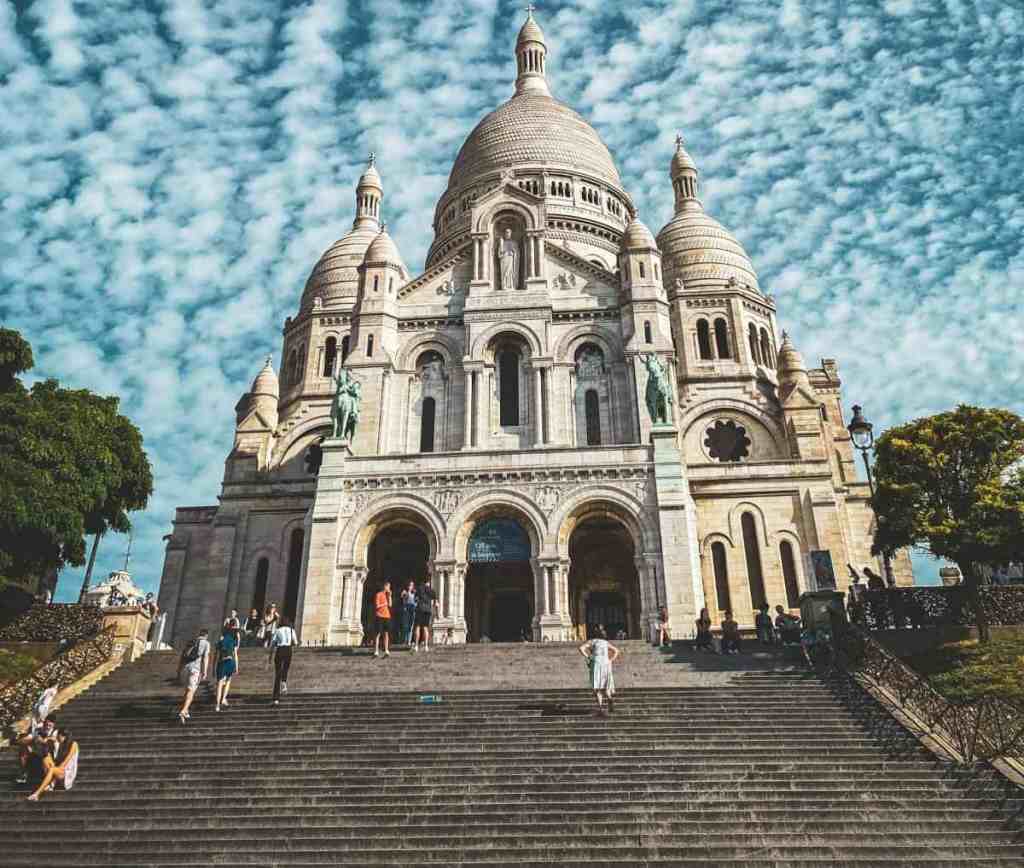
In the late afternoon, make your way north to Montmartre.
Perched on a hill in the 18th arrondissement, Montmartre feels noticeably different from the grand boulevards and monumental architecture you’ve experienced elsewhere in Paris.
Its winding streets, steep staircases, little squares and historic cafés give parts of the neighbourhood an almost village-like atmosphere. The climb is part of the experience.
You can reach the area by Metro and then make your way uphill, or use the funicular to avoid some of the stairs. Personally, if you’re feeling energetic, I’d recommend walking at least part of the way. The changing views and little streets are part of what makes Montmartre so much fun to explore.
Your main destination is Sacré-Cœur Basilica, the enormous white-domed church that sits at the highest point of Montmartre.
The basilica itself is free to enter, so take some time to step inside and appreciate the peaceful interior. But don’t rush away afterward.
The steps and terrace in front of Sacré-Cœur offer one of the most recognizable views over Paris. From here, the city stretches out below you, with the Eiffel Tower visible in the distance.
This is another place where timing matters. Arriving in the late afternoon gives you the chance to explore Montmartre while there’s still daylight before settling in to watch the city change as evening approaches.
If you want an even higher view, you can climb to the dome of Sacré-Cœur. Be prepared, though — reaching the top involves hundreds of steps through a narrow staircase, and there is no elevator. The reward is a spectacular panoramic view across Paris.
Once you’ve finished at the basilica, don’t immediately head back to the Metro. Spend some time wandering through Montmartre after dark. Explore the small streets around the hill, look for the neighbourhood’s historic cafés and enjoy dinner somewhere away from the busiest tourist areas.
You may also want to stop by Place du Tertre, the famous square where artists have been gathering for decades. Yes, it can be touristy, but there’s still something fun about seeing artists working in the middle of this historic neighbourhood.
And that’s really the magic of Montmartre. It’s not just about reaching Sacré-Cœur and taking a photograph. Give yourself time to wander, get a little lost and discover the side streets that make this neighbourhood feel so different from the rest of Paris.
Day 4: Day Trip to Versailles
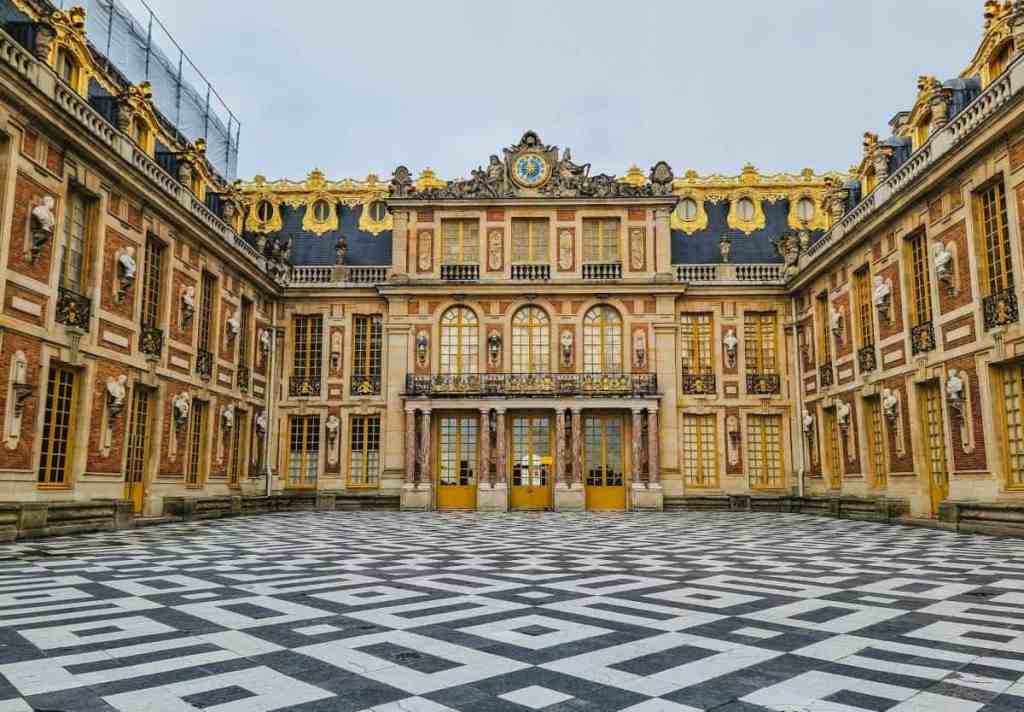
For the final day of your Paris 4 day itinerary, leave the city behind for a few hours and visit the Palace of Versailles.
Located just outside Paris, Versailles is one of the most spectacular royal estates in France. Once the principal residence of the French monarchy, the palace became closely associated with Louis XIV, whose enormous expansion of Versailles transformed it into a symbol of royal power and extravagance.
After three busy days of exploring Paris, a day at Versailles gives you a chance to slow down and experience something completely different — although you’ll still want comfortable shoes because the estate is enormous.
Getting to Versailles From Paris
The easiest way to reach Versailles from central Paris is usually the RER C train.
You’ll want to take a train heading toward Versailles Château–Rive Gauche. Stations along the route include Saint-Michel, Musée d’Orsay and Invalides, making it relatively easy to connect from many parts of central Paris.
Once you arrive at Versailles Château–Rive Gauche station, it’s roughly a 10-minute walk to the palace.
The journey itself generally takes around 30 to 40 minutes from central Paris, depending on where you board and the connections involved.
There are other train options as well. SNCF Line N runs from Montparnasse to Versailles Chantiers, while Line L from Saint-Lazare serves Versailles Rive Droite.
Both stations are farther from the palace and involve a longer walk, so the RER C route is generally the most straightforward choice for a first-time visitor.
Whichever train you take, give yourself plenty of time in the morning. Versailles is extremely popular, and arriving early will make a noticeable difference to your experience.
Explore the Palace of Versailles

Try to book one of the earliest available entry times for the palace.
As the morning progresses, the crowds can become substantial, particularly during the busiest travel months. Getting there early gives you a much better chance of enjoying the grand interiors before they become packed with tour groups and day-trippers.
The palace itself is enormous, so don’t expect to see everything in a quick visit.
As you make your way through the royal apartments, you’ll encounter elaborate rooms filled with paintings, sculptures, gilded details and decorative furnishings. Everything feels deliberately extravagant, which is precisely the point. Versailles was designed to demonstrate the wealth and power of the French monarchy.
Eventually, you’ll reach the Hall of Mirrors, perhaps the most famous room in the entire palace.
The enormous gallery is lined with mirrors on one side and windows overlooking the gardens on the other. Chandeliers, marble and gilded decoration fill the space, making it easy to understand why this became one of the most recognizable rooms associated with Versailles.
Take your time here rather than simply walking through with the crowd. Look at the details above you, then turn toward the windows for your first glimpse of the gardens stretching into the distance.
I’d allow at least a couple of hours for the palace and don’t worry about seeing every room. The estate outside is just as important to the Versailles experience.
Spend the Afternoon Exploring the Gardens
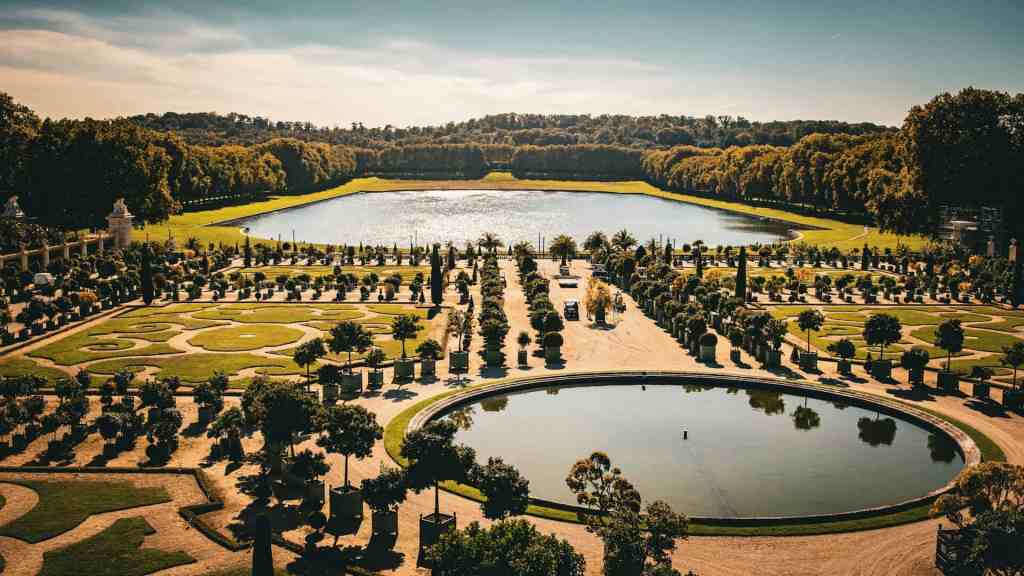
Once you’ve finished inside the palace, head outside into the Gardens of Versailles.
This is where the sheer scale of the estate really becomes apparent.
Designed by famous French landscape architect André Le Nôtre, the gardens are an enormous example of the formal French garden style. Long avenues, carefully shaped trees, fountains, sculptures and geometric planting stretch outward from the palace in an incredibly precise design.
And this is where I’d encourage you to slow down. You don’t need to walk every path. Choose a direction, explore some of the gardens and enjoy the views back toward the palace. The farther you walk from the main building, the more the crowds tend to thin out, and you’ll get a better sense of just how enormous the royal estate really is.
Depending on the season of your visit, you may also encounter Musical Fountain Shows or Musical Gardens, when fountains and parts of the gardens are incorporated into special seasonal experiences.
If you’re visiting during one of these periods, check the current schedule when planning your trip because the fountain and garden programming varies throughout the year.
Explore the Trianon Estate
If you have the time and energy, continue beyond the main gardens to the Trianon estate.
The Grand Trianon and Petit Trianon offer a different perspective on Versailles, away from the enormous ceremonial spaces of the main palace. The area also includes the Queen’s Hamlet, a rustic-looking village created for Marie Antoinette.
This part of the estate requires considerably more walking, so don’t feel that you have to include everything.
If your priority is seeing the palace and main gardens without rushing, it’s perfectly reasonable to spend your entire day around those areas. But if you’re fascinated by French royal history and want to see more of the estate, the Trianon area is well worth adding.
Returning to Paris
Eventually, you’ll probably reach the point where your feet are telling you it’s time to head back to Paris.
For the journey home, you can return from Versailles Château–Rive Gauche, Versailles Chantiers or Versailles Rive Droite, depending on which train route you used to get there.
Once you arrive back in Paris, keep your final evening simple.
After four days of sightseeing, there’s no need to schedule another major attraction. Instead, find a neighbourhood restaurant, sit down for a relaxed French dinner and take some time to reflect on everything you’ve experienced.
Paris is one of those cities where four days can feel like both a long time and nowhere near long enough.
You’ve seen famous landmarks, explored historic neighbourhoods, wandered through museums, tasted French food and watched the city sparkle at night. And if you’re anything like me, you’ll probably leave already thinking about what you’ll see the next time you return.
Planning Your 4 Day Paris Itinerary
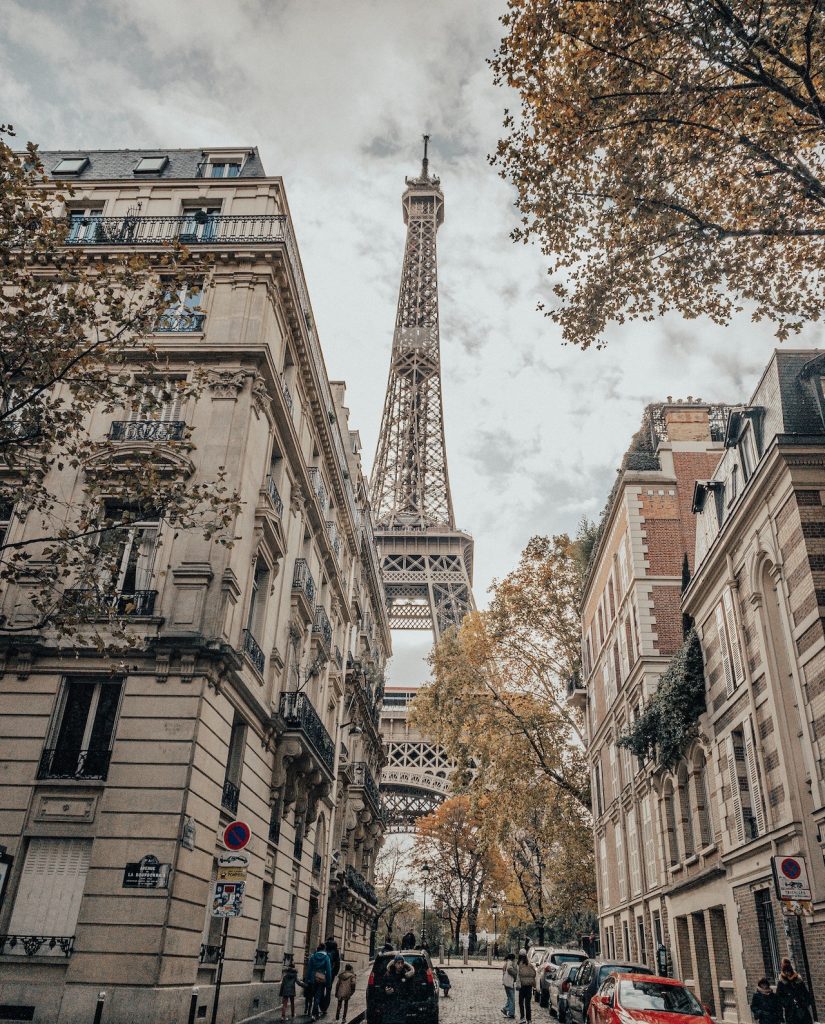
Four days gives you a great introduction to Paris, but it helps to have realistic expectations. You won’t see everything, and you shouldn’t try to.
The beauty of spending four days in Paris is that you can experience many of the city’s major landmarks while still leaving room for the things that make travelling here so enjoyable — lingering over a long lunch, wandering through a neighbourhood without a particular destination, stopping for a glass of wine or sitting beneath the Eiffel Tower as the lights begin to sparkle.
Here are a few things to know before you go.
Is 4 Days in Paris Enough?
Yes — four days in Paris is enough to experience many of the city’s major highlights, particularly if you plan your days geographically and book the most popular attractions ahead of time.
Over the course of this Paris 4 day itinerary, you’ll visit the Eiffel Tower, Arc de Triomphe, Notre-Dame, Sainte-Chapelle, the Louvre and Musée d’Orsay, explore Le Marais and Montmartre, and take a full day trip to Versailles.
That’s a lot, but you won’t have to spend your entire trip racing from one attraction to another.
Could you use more time? Absolutely.
Paris rewards slow exploration, and every extra day gives you more opportunities to discover neighbourhoods beyond the main tourist routes. You could spend additional time exploring areas like Canal Saint-Martin or the Latin Quarter, visit more museums, or take another day trip outside the city.
If you only have four days, though, don’t worry that you’re somehow doing Paris incorrectly. Use your time wisely, accept that you’ll have to leave some things for a future visit, and enjoy the city rather than trying to conquer it.
What to Skip If Short on Time
One of the best things you can do when planning a short trip is accept that you don’t have to see everything.
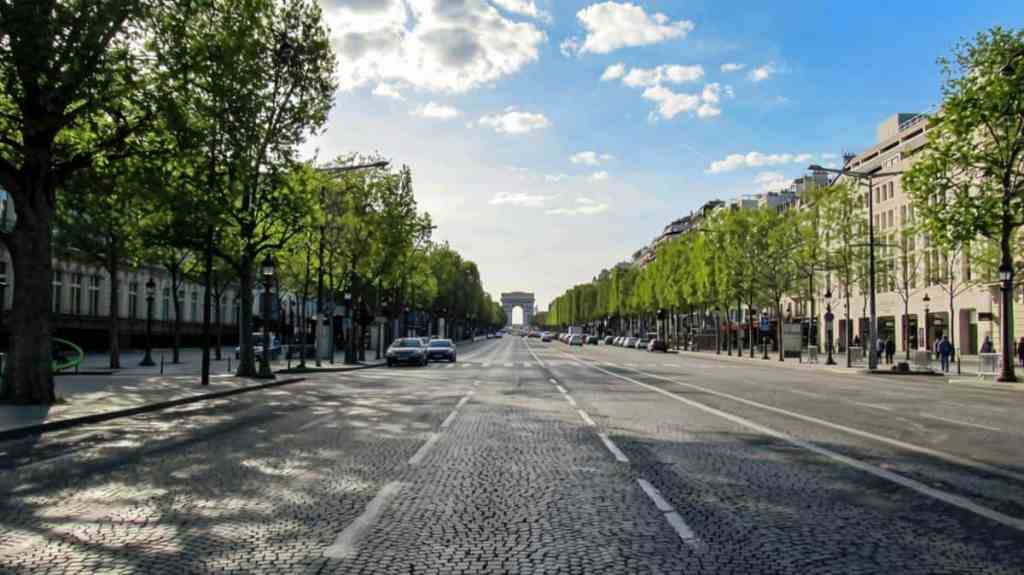
For example, you could skip spending a significant amount of time walking the Champs-Élysées unless you’re specifically interested in visiting the Arc de Triomphe. The famous avenue is certainly worth seeing, but the experience today is very different from the glamorous image you may have seen in photographs and films, with plenty of international chain stores mixed among the more upscale businesses.
I’d also avoid spending too much of your precious four days waiting in line for individual attractions simply because they’re famous.
The Mona Lisa is the obvious example. If seeing Leonardo da Vinci’s masterpiece is important to you, absolutely go see it — it’s one of the Louvre’s most famous works for a reason. Just be prepared for crowds and remember that the painting itself is surprisingly small.
Don’t make the mistake of visiting the Louvre, seeing the Mona Lisa and immediately leaving. Some of the museum’s most memorable discoveries can be the works you weren’t expecting to see.
Places to Add With More Time
If you decide to extend your trip beyond four days, Paris gives you almost endless options.
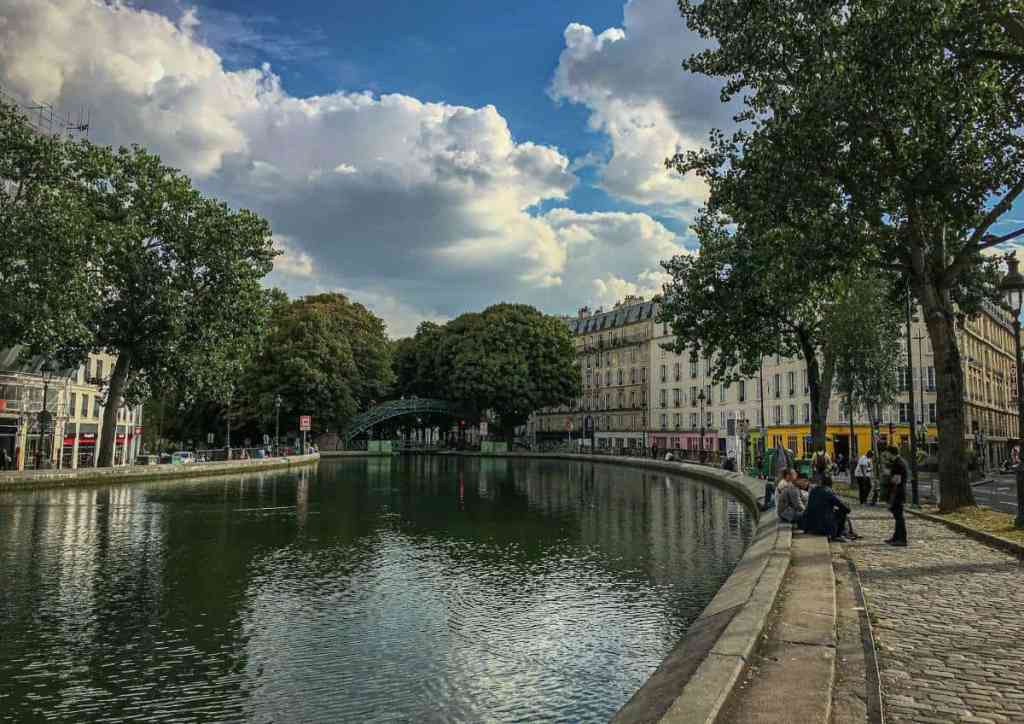
Canal Saint-Martin is a great choice if you want to experience a different side of the city. Walk along the canal, watch boats navigate the locks and stop at one of the neighbourhood’s cafés or bars for a leisurely afternoon.
You could also explore Parc des Buttes-Chaumont, a beautiful 19th-century park with dramatic landscaping, bridges, cliffs and elevated viewpoints over the city. It’s a particularly nice option when you want a break from museums and busy tourist attractions.
If you’re interested in shopping, antiques and vintage finds, head north to Les Puces de Saint-Ouen, one of the world’s largest flea-market areas. It’s a completely different experience from the grand department stores and boutiques of central Paris.
Another interesting option is Promenade Plantée, also known as the Coulée Verte René-Dumont. This elevated green walkway was created along a former railway viaduct and predates New York City’s High Line.
And if you simply want more time to explore Paris’s neighbourhoods, that’s reason enough to stay longer. You don’t always need another attraction on your itinerary.
Best Time to Visit Paris
Paris is a year-round destination, but the best time for your trip depends on what matters most to you.
Spring and early autumn are particularly appealing if you want a combination of comfortable walking weather and manageable crowds. April and early May can be lovely, while September and early October often offer pleasant conditions for spending long days outdoors.
Summer brings long days and plenty of opportunities to enjoy Paris outside, but it’s also one of the busiest periods for tourism. Popular attractions can be crowded, accommodation can be more expensive, and you’ll want to book major sights well in advance.
If you’re looking for a quieter and potentially more budget-friendly trip, consider visiting during the late autumn or winter months. You’ll need to prepare for cooler and wetter weather, but there is something undeniably atmospheric about Paris in winter.
Imagine walking along the Seine on a chilly evening, ducking into a warm café for coffee or hot chocolate, then continuing through streets illuminated by golden lights.
Just remember that some attractions and outdoor experiences operate on seasonal schedules, so check opening information when planning a winter visit.
Where to Stay in Paris
Where you stay can make a surprisingly big difference during a four-day trip.
For a first visit, I’d look at Le Marais, the 1st arrondissement, or parts of the 6th and 7th arrondissements. Staying relatively central means you can spend less time commuting and more time actually exploring.
Le Marais is particularly appealing if you want restaurants, cafés, shops and historic streets right outside your door. It’s also well connected by public transportation and makes a convenient base for exploring both the Right Bank and Left Bank.
The 1st arrondissement is another central option. You’ll be close to attractions such as the Louvre and the Tuileries Garden, while major Metro and RER connections make it easy to reach other parts of the city.
For a more classic Left Bank experience, consider Saint-Germain-des-Prés or parts of the 7th arrondissement. You’ll be close to the Seine, Musée d’Orsay, the Eiffel Tower and some beautiful residential streets.
If you’re travelling on a tighter budget, look at areas such as the 9th arrondissement, where you can sometimes find better value while remaining relatively central and well connected.
Staying in Montmartre can give you a completely different experience, particularly if you love the idea of waking up among cobblestone streets, cafés and historic buildings. The trade-off is that you’ll generally have a longer journey to many of the attractions in central and southern Paris.
My biggest piece of advice is to prioritize location and convenient Metro access over finding a hotel in a specific arrondissement. Paris is enormous, and being close to a useful Metro station can save you a surprising amount of time.
Getting Around the City

The Paris Metro will probably become your best friend during a four-day trip.
With an extensive network covering the city’s major neighbourhoods and attractions, the Metro is generally the quickest way to get around when you’re travelling longer distances.
You’ll still want to walk — some of my favourite Paris experiences have happened simply by wandering between attractions — but the Metro is invaluable when your feet need a break.
The RER network is useful when you’re travelling farther afield. It’s the system you’ll likely use for destinations such as Versailles, and it also connects central Paris with the airports and other areas outside the city.
For your four days, don’t feel like you need to plan every journey in advance. Once you know which Metro station is closest to your hotel and which station serves your destination, getting around becomes much easier.
Ticketing options and fares can change, so check the current information from RATP before your trip.
What to Book Ahea.d
Paris’s most popular attractions can sell out, so a little advance planning can save you a lot of frustration.
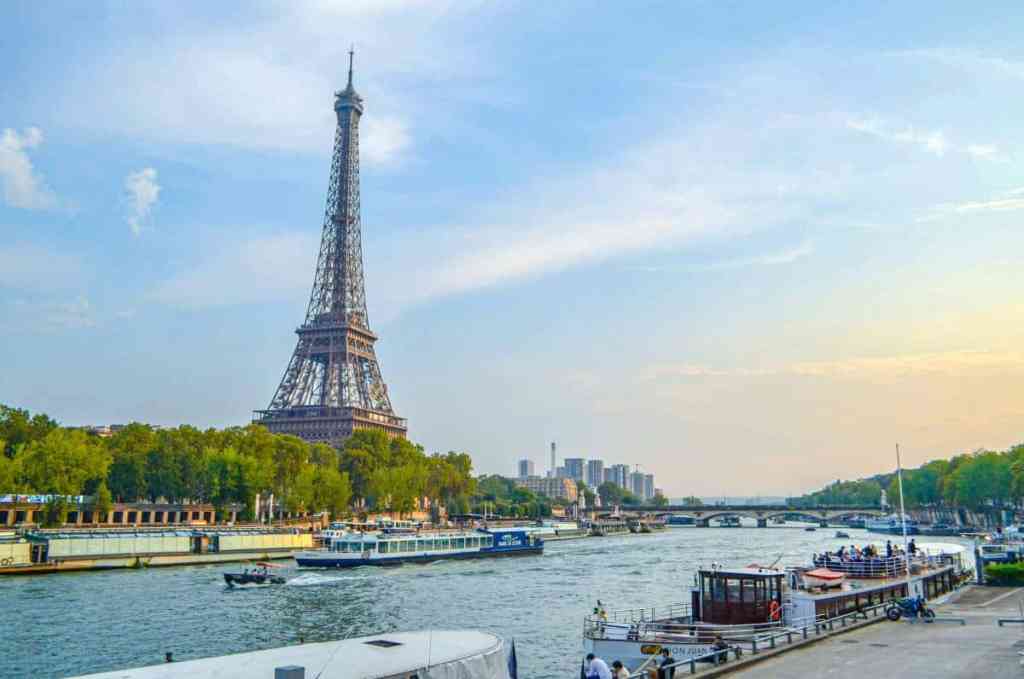
Eiffel Tower: Book ahead if you want to go to the summit or have a specific time in mind, particularly during the busiest travel periods. Sunset is especially popular.
Louvre: Reserve a timed entry ticket in advance. Don’t assume you can simply arrive and walk straight inside, especially during peak travel periods.
Versailles: Book your admission ticket ahead of time, particularly if you’re visiting during spring, summer or early autumn. An early entry time is ideal if you want to experience the palace before the biggest crowds arrive.
Sainte-Chapelle: Booking a reserved entry ticket is worthwhile because this is a relatively small attraction and visitor numbers can build quickly.
Arc de Triomphe: You can often be more flexible here, but booking your ticket ahead is still useful if you want to visit around sunset.
If any particular attraction is a must-see for you, book that one first and build the rest of your itinerary around it.
Should You Buy the Paris Museum Pass?
The Paris Museum Pass can be worth considering if you plan to visit several of the museums and monuments included in the pass.
The important thing is to do the math based on your itinerary rather than assuming a pass automatically saves money.
Look at the current price of the pass, compare it with the individual admission prices for the attractions you actually plan to visit, and check whether timed reservations are still required for any of your must-see attractions.
This is particularly important for a four-day trip because you don’t want to buy a pass simply because it includes dozens of attractions and then discover that you don’t have enough time to visit them.
If the numbers work for your plans, it can be a convenient option. If not, buying individual timed-entry tickets may make more sense.
Either way, don’t let a sightseeing pass dictate your entire trip. Four days in Paris is about experiencing the city, not collecting as many admission stamps as possible.
Frequently Asked Questions (FAQs)
Paris 4 Day Itinerary Final Thoughts
Four days in Paris gives you enough time to experience many of the city’s most iconic landmarks while still leaving room to discover the neighbourhoods, cafés and little moments that make the city so memorable.
This Paris 4 day itinerary is designed to give you a realistic balance between the major sights and the slower side of Paris. You’ll see the Eiffel Tower, Notre-Dame, the Louvre and Versailles, but you’ll also have time to wander through Le Marais, explore the Latin Quarter, enjoy Montmartre and simply take in the atmosphere around you.
A little planning will make a big difference. Book popular attractions ahead of time, arrive early when possible, and organize your sightseeing by neighbourhood so you aren’t spending half your day travelling from one side of Paris to the other.
At the same time, don’t feel like you have to follow this itinerary down to the minute. Leave yourself some flexibility to linger when you find a beautiful café, stop for an unexpected photo opportunity or wander down a street that catches your attention.
Because that’s part of the fun of Paris.
Some of your favourite memories may not come from the attractions you carefully planned months in advance. They might happen while you’re sitting outside a café with a coffee, wandering along the Seine in the evening, discovering a quiet little square or watching the Eiffel Tower sparkle against the night sky.
Four days won’t show you everything Paris has to offer — but that’s a good reason to come back. Use this itinerary as your starting point, enjoy the moments in between the major sights, and let yourself experience Paris at its own pace.
Paris Travel Blogs
Paris 5 Day Itinerary
Paris Bucket List
Paris 3 Day Itinerary