
Your Stress-Free Athens 3 Day Itinerary: Every Stop Mapped Out For You
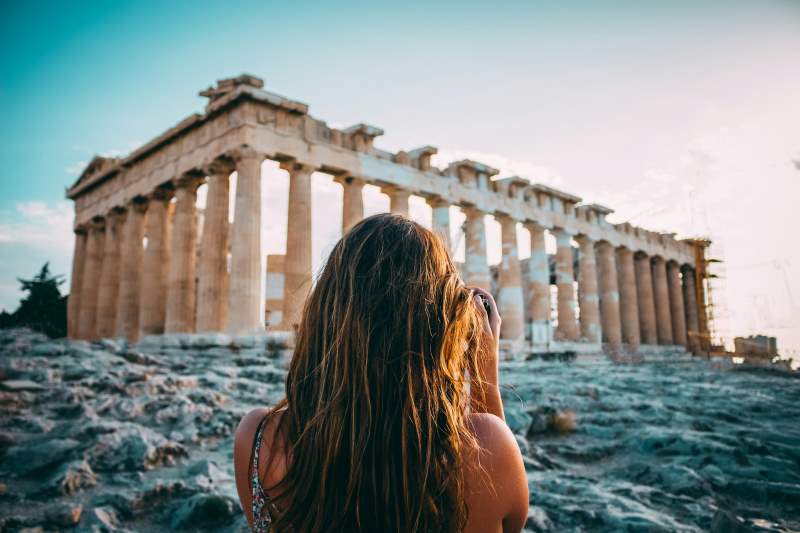
Planning a 3-day trip to Athens might feel daunting with the city’s 3,400 years of recorded history. The birthplace of civilization awaits with its ancient wonders, rich cultural heritage, and hidden local gems that you won’t want to miss.
Most travelers find 72 hours perfect for their first visit. This timeframe lets you explore iconic landmarks like the Acropolis, which now limits daily visitors to 20,000. Ancient ruins, local food spots, and breathtaking viewpoints await.
Your Athens adventure should mix famous sites with authentic neighborhood exploration. The city’s treasures range from the stunning Temple of Hephaestus from 415 BC to the awe-inspiring Temple of Olympian Zeus. Each day brings new extraordinary discoveries.
This blog lays out every stop for your Athens journey. You’ll find all the essential details – from entry fees to site hours. This itinerary will give a smooth, stress-free experience that helps you maximize every moment of your Athens adventure.
Disclaimer: This post may contain affiliate links, meaning I receive commissions for purchases made through those links at no cost to you. Please read my full disclosure for more information.
Day 1: Ancient Athens and Iconic Landmarks
Your first day in Athens takes you back in time as you learn about the city’s most iconic ancient landmarks. Start early to make the most of your Athens 3 day itinerary with the crown jewel of Greek civilization.
Start at the Acropolis: Entry tips and best time to visit
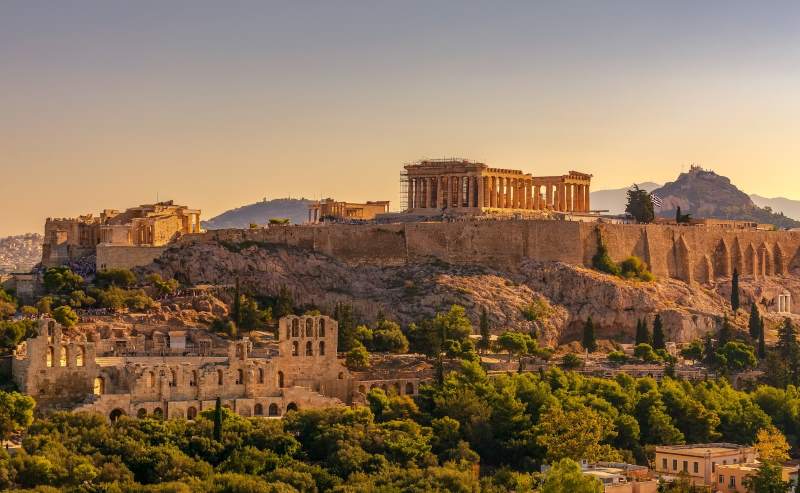
The magic of the Acropolis comes alive without massive crowds if you time it right. This sacred hill draws over 3 million visitors each year, making it one of the world’s most visited UNESCO World Heritage Sites.
Your experience can change dramatically based on your arrival time. The best strategy is to arrive at 8 AM sharp when gates open.
You’ll see fewer than 200 other visitors across the entire 7-acre site during that first hour – compared to over 2,000 people at peak midday hours. This early start gives you a quiet moment before cruise ship tourists show up around 9:30-10 AM, who make up 40% of daily visitors in peak season.
The last couple of hours before closing are the sweetest time to visit. By late afternoon, the crowds thin dramatically—sometimes dropping to a fraction of what you’d see earlier in the day. If you’re there during golden hour, it feels like the entire hill is lit from within.
If you’re deciding when to plan your trip, the shoulder seasons are hands-down the most comfortable and rewarding.
- April to May brings mild temperatures, blooming wildflowers, and hotel prices that are often noticeably cheaper than the height of summer.
- September to October offers clear skies, far less heat, and the perfect timing if you’re hoping to pair your Athens adventure with a few days on the islands.
The process of getting your ticket is pretty straightforward. A standard entry pass costs €30 during the busier months from April to October, and it drops to €15 in the winter season.
I’d definitely recommend purchasing your ticket online ahead of time—it’s the easiest way to avoid waiting around at the ticket counters. And a quick heads-up: while some websites advertise “skip-the-line” passes, the Acropolis doesn’t actually offer them, so don’t be misled by those claims.
A few essentials before you head up:
Bring a water bottle since you can’t buy water within the site, though there’s one fountain for refills. Good shoes with solid traction help – the ground is uneven and can get slippery. A hat, sunscreen, and sunglasses will protect you from the intense Greek sun.
The Sacred Rock leads you through the Propylaea gateway to several iconic structures. The Parthenon is a temple built for the goddess Athena in 447 BC. The Erechtheion with its famous Caryatid porch and the Temple of Athena Nike deserve your attention too.
Smart positioning helps capture memorable photos. Athens spreads out below you with panoramic views. Clear days let you see all the way to surrounding islands.
Explore the Acropolis Museum after the ruins

The nearby Acropolis Museum deepens your understanding of this historical treasure. This modern architectural marvel opened in 2009 and houses thousands of artifacts from the Acropolis slopes.
Just 300 meters southeast of the Acropolis hill, the museum’s design connects artifacts to their original location. Glass floors let you see excavated ground beneath the first level, while huge windows on the third floor frame the Parthenon perfectly.
Ground floor displays show fascinating glimpses of Classical Athenian daily life from the Acropolis slopes. The first floor tells a 2,500-year story, starting from the second millennium BCE. Archaic sculpture collections stand out here.
The third floor holds the museum’s crown jewel – a stunning recreation of the Parthenon sculptures from Pericles and Phidias’s time. The friezes appear in proper order, with blank spaces for sections in other museums.
Plan for 2-3 hours to see all galleries. Here’s what you need to know:
The museum opens at 9 AM daily. Winter hours (November-March) end at 5 PM on weekdays, 10 PM on Fridays, and 8 PM on weekends. Summer hours stretch longer, usually until 8 PM.
The second-floor restaurant offers amazing Acropolis views along with Greek and international dishes. Even without eating, the photo opportunities make it worth a visit.
Day 2: Neighborhoods, Culture, and Local Eats
Your second day in Athens takes you away from ancient wonders to the city’s lively neighborhoods, cultural spots, and local food scene. Today you’ll see the real Athens beyond tourist spots.
Morning in Exarchia and Kolonaki
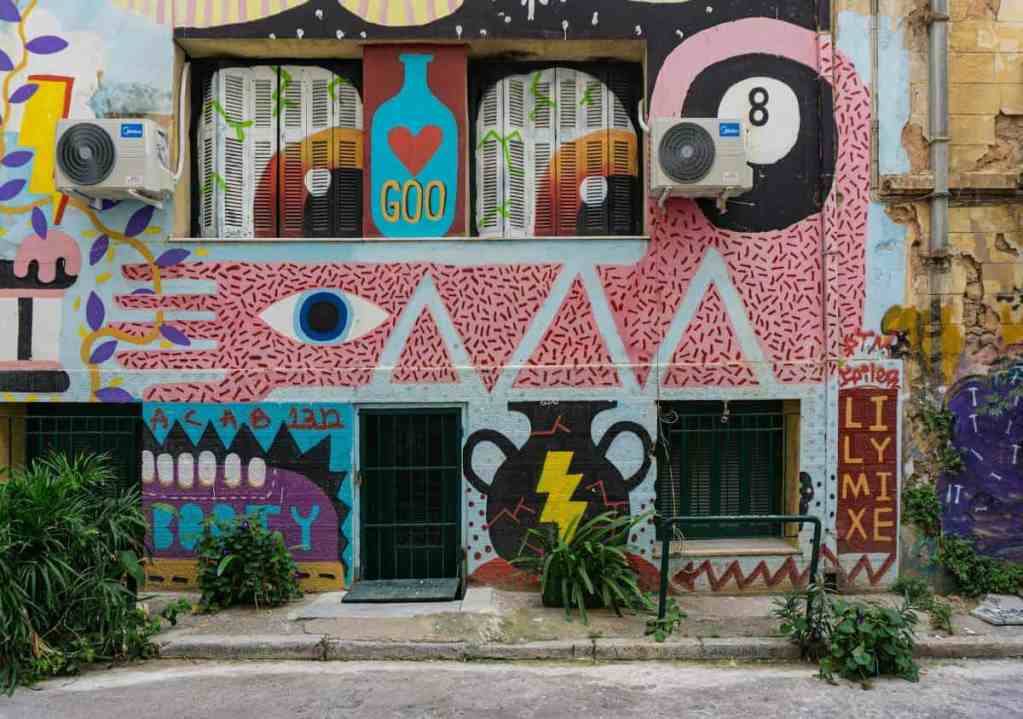
Exarchia
Start your day in two neighboring areas with completely different vibes. Head first to Exarchia, Athens’ bohemian district between fancy Kolonaki and residential Kypseli. This area has kept its strong community spirit and traditions, despite being known as a center of radicalism and counterculture.
The heart of Exarchia beats at Kallidromiou Street, though the square is its bustling center. Walk under mulberry trees and soak in the neighborhood’s unique spirit.
Saturday mornings are special here – locals come to the farmers’ market on Kallidromiou Street. You’ll see them bargaining for artichokes with the same passion they bring to political talks over raki at nearby coffee shops.
Look around at pre-war townhouses next to aging post-war apartments. The streets are lined with publishing houses, bookbinders, old coffee shops, and punk stores that give this place its special feel.
Want a real local spot? Try Panellinion, a traditional kafeneion (Greek coffee house). Seniors play chess and tavli (backgammon) in the morning, and younger folks show up later. Also don’t miss the community park – locals turned an old parking lot into Athens’ first community-run green space in 2009.
Kolonaki
Next, climb up to Kolonaki, which feels worlds apart from Exarchia. This fancy area on Mount Lycabettus’s slopes mixes old and new buildings with designer shops, cool cafes, and high-end restaurants. Rich locals, artists, and fashion lovers flock here.
Kolonaki stands out as one of Athens’ safest and poshest neighbourhoods. The area draws wealthy residents, professionals, and expats who love its elegant vibe. You’ll see luxury shops, busy cafes, and important museums. Saturday brings small farmers selling olives, honey, and island herbs in the side streets.
Make time for at least one museum here:
- The Benaki Museum offers amazing art from across thousands of years – sculptures, paintings, pottery, and jewelry. You can trace Greece’s artistic story from ancient times to the 1900s.
- Another great choice is the Museum of Cycladic Art, with its marble figures and artifacts from 3000 BC.
Watch the Changing of the Guard at Syntagma Square
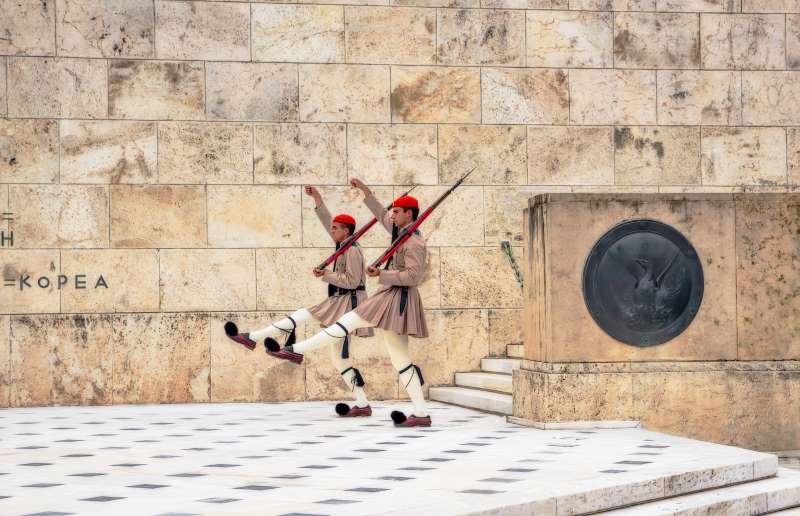
Walk downhill from Kolonaki to Syntagma Square to see one of Athens’ most famous traditions. The Evzones guards change every hour at the Tomb of the Unknown Soldier in front of Parliament. Tourists love watching this ceremony.
Guards change hourly all day, but Sunday at 11:00 AM brings the full show with complete traditional outfits and a military band. These special guards, called Evzones or Tsoliades, belong to an elite unit of Greece’s army. They stand perfectly still guarding the Monument of the Unknown Soldier.
The ceremony itself is amazing. Each guard stands watch for an hour, three times every two days. They don’t move until it’s time to switch. Two guards work together with perfect timing. They move super slowly – not for show, but to keep their blood flowing after standing still so long.
The uniforms tell their own story. They’re based on what Greek freedom fighters wore during the 1821 War of Independence against the Ottomans. The white skirt (fustanella) has 400 folds – one for each year of Ottoman rule.
You can get here easily from anywhere – just take the metro to Syntagma station.
Day 3: Markets, Ruins, and Rooftop Views
Your final day in Athens lets you live like a local. You’ll get to browse lively markets, find more ancient treasures, and take in some amazing views. This mix of daily Athenian life and historical wonders makes a perfect end to your three days in Athens.
Start at Varvakios Central Market and Monastiraki Flea Market

The bustling heart of Athenian commerce awaits at the Varvakios Central Market. This historic marketplace is located between Athinas, Sofokleous, Euripidou and Aiolou Streets and has been here since 1886.
The covered market has distinct sections. Europe’s largest fresh fish market takes up the central area, with 5-10 tons of seafood arriving each day. Meat vendors and specialty food shops fill the surrounding areas. Right across Athinas Street, you’ll see a colorful fruit and vegetable market.
You should try one of the market’s simple eateries like Epirus. This famous workers’ canteen serves traditional soups and daily specials. Both locals and celebrity chefs like Anthony Bourdain have eaten here.
After the market, make your way to Monastiraki Flea Market near Monastiraki Square. Sundays are the best time to visit as vendors pack Avissinias Square with antiques and vintage records. The area’s countless shops sell souvenirs, leather goods, and bohemian accessories even on weekdays.
The best strategy is to arrive early when vendors set up their merchandise. Bring small bills since vendors prefer cash, and don’t hesitate to bargain – it’s expected here.
See Hadrian’s Library and the Roman Agora
A short walk from Monastiraki brings you to two impressive sites from the Roman era.
Hadrian’s Library

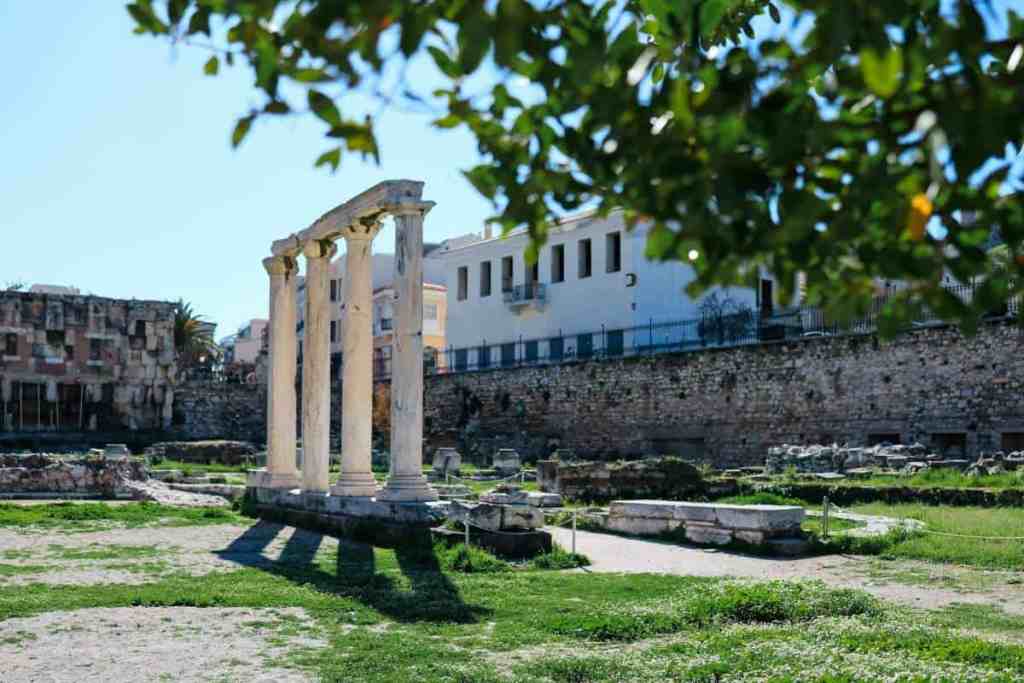
The first is Hadrian’s Library, built in 132 AD by the emperor who had a deep admiration for Greek culture. In its prime, this complex served as Athens’ main center for learning and record-keeping.
Its design followed the layout of a Roman forum, with a grand Corinthian entrance, tall surrounding walls carved with niches, an inner courtyard, and a decorative pool that added a sense of calm.
The library itself once occupied the eastern side, with additional rooms for study and gatherings set into the corners.
The centuries reshaped the area dramatically. After suffering damage during the Herulian attack in 267 AD, the remains were absorbed into the city’s defensive structures.
Later on, three Byzantine churches rose within the ruins, leaving behind layers of history that you can still trace today.
Roman Agora
Right next to it is the Roman Agora, also known as the Agora of Caesar and Augustus. Built around 10 BC, this space functioned as the commercial hub of Roman Athens.
The standout feature here is the Tower of the Winds, an elegant octagonal structure designed by Andronikos Kyrristos.
This ingenious monument combined several time-keeping and weather-tracking functions, showcasing the advanced engineering and scientific understanding of the late Hellenistic world.
Walk Ermou Street and Aiolou for shopping
Modern retail beckons on Ermou Street, Athens’ main shopping area. This delightful pedestrian street runs from Syntagma Square to Monastiraki, mixing major international chains with independent boutiques.
The street’s character shifts as you walk. Larger stores dominate near Syntagma, while more eclectic shops and the famous flea market appear closer to Monastiraki. Watch your belongings here, especially when cruise ships are in port.
Aiolou Street runs parallel to Ermou and offers more budget-friendly options. Locals have shopped here for decades, buying everything from clothes and accessories to homeware. Near Agia Irini Church on Aiolou, several cafes, bars and restaurants make perfect rest stops.
Enjoy sunset cocktails with Acropolis views

The late afternoon calls for a visit to one of Athens’ amazing rooftop bars. These spots around Monastiraki Square give you the best Acropolis views:
- Attic Urban Rooftop – Near Monastiraki Square, this premium bar has a natural terrace with 360° city views. The signature Attic Cocktails taste even better with the Acropolis in sight.
- Metropolis Roof Garden – This hidden gem can be found on the 10th floor of the Electra Hotel. Enjoy elegant dining under city lights with full Acropolis views, often with live saxophone and piano music.
- A for Athens – This hotel rooftop bar offers one of Athens’ most photographed views. Book ahead since the intimate space fills up fast.
Dinner in Psyrri to end your 3 days in Athens

End your Athens trip in Psyrri, a lively area known for great restaurants and nightlife. Before Gazi became the nightlife hub, Psyrri was the place to be, and it still keeps its charm!
Nikitas is located in the heart of Psyrri, and serves authentic Greek food made with quality ingredients. To Lokali is another great choice, combining a friendly vibe with traditional dining in a beautiful garden.
You might also like O&B All Day Bar Restaurant for stylish Mediterranean dishes, The Artist for creative food in an industrial-artistic space, or Bandiera, which travelers love for its fantastic food and amazing staff.
Take time to walk Psyrri’s atmospheric streets after dinner. Stop for one last drink at a local bar. Though some shine has faded, many original spots from the late eighties and early nineties still serve good food and drinks to their loyal customers.
Frequently Questions (FAQs)
Conclusion: Athens 3 Day Itinerary
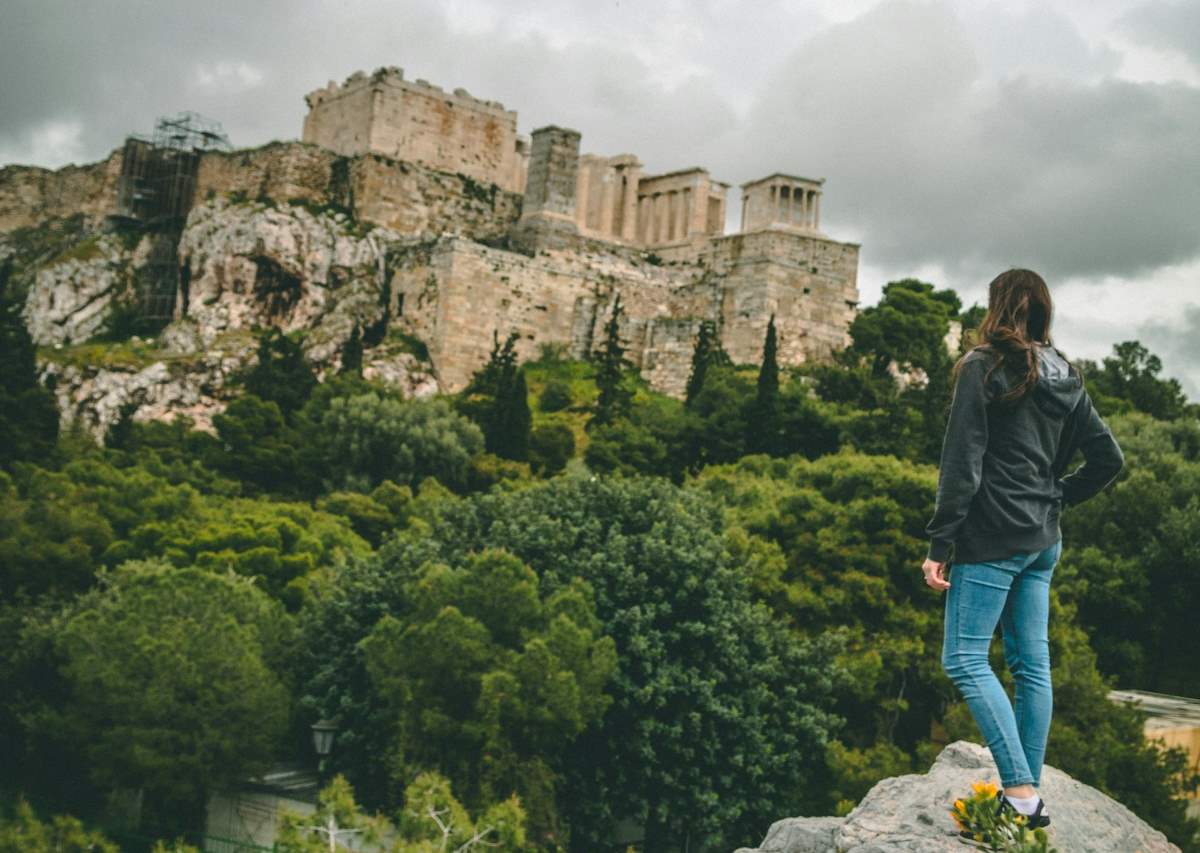
Athens beautifully mixes ancient wonders with modern delights in this carefully planned three-day itinerary. You’ll see the magnificent Acropolis, walk through charming neighborhoods like Plaka and Psyrri, and taste authentic Greek culture in local markets.
This balanced plan will give a great mix of famous landmarks and local experiences. Each moment flows perfectly – from early morning views of the Parthenon to evening cocktails overlooking the Acropolis. The sequence helps you make the most of your time.
Cities with such rich history can be tough to explore in limited time. In spite of that, three days give you a perfect introduction to Athens. You’ll experience its 3,400-year heritage and feel its modern energy too. The route cuts down travel time between spots, which means more time to enjoy each place.
The itinerary takes care of everything – from weather and crowd patterns to entrance fees. You won’t face any surprises. It also suggests the best times to visit popular sites, especially when you have the Acropolis on your list where crowds can really affect your visit.
Your Athens experience packs history, culture, food and stunning views into one amazing trip. While you might not see it all, you’ll definitely catch this extraordinary city’s spirit—and without doubt plan another trip to find more of its hidden gems.
Athens Travel Blogs
Where to Stay in Athens?
Ten Best Things to do in Athens
Day Trips From Athens
Ultimate Athens Bucket List
Cheapest Time to Travel to Athens