
The Ultimate Banff Winter Itinerary (Even If You Don’t Ski)
My road trip through the Canadian Rockies remains one of my favorite trips ever, despite January’s freezing temperatures averaging -15°C. The snow-covered months reveal pure magic in Canada’s first and most visited national park.
Banff’s winter charm extends far beyond skiing with its incredible range of activities. The region offers everything from ice walks to relaxing hot springs. These winter wonders attract millions of visitors to Banff yearly, and my firsthand experience showed me why.
This 6-day Banff winter itinerary features breathtaking scenery, relaxing hot springs, exciting wildlife watching, and delicious local treats. You’ll find perfect winter activities, whether you’re traveling with family or seeking solo adventures.
Disclaimer: This post may contain affiliate links, meaning I receive commissions for purchases made through those links at no cost to you. Please read my full disclosure for more information.
Day 1: Arriving in Banff and Getting Oriented

You’ll understand why bundling up for a winter adventure makes sense the moment you step into Banff National Park.
My first day in this snow-covered wonderland let me settle in and take in those amazing views that became the backdrop for my winter itinerary.
Getting from Calgary to Banff
Your trip to Banff starts at Calgary International Airport, about 140km away. Getting to this winter paradise turns out to be pretty simple. The drive takes around 90 minutes, and you’ll find several ways to make this scenic trip.
You might want to skip driving in snowy conditions. Here are some shuttle services to think about:
- Banff Airporter: This shuttle service has run since 1997 with comfortable busses and friendly local drivers. They run regular schedules between Calgary Airport and Banff, taking about 2 hours.
- Brewster Express: They run direct shuttles from Downtown Calgary or Calgary International Airport to Banff. You can save 15% by booking round trips.
- Airport Shuttle Express: A reliable choice that runs daily service from Calgary Airport to any Banff hotel.
Please note that visitors require a Park Pass to enter Banff National Park. Buy yours online before you arrive to breeze through the park entrance.
Where to stay in Banff in winter
Banff has places to stay that fit every taste and budget, from castle-like luxury hotels to cozy mountain lodges. Here are some top spots I found for your winter stay:
Fairmont Banff Springs
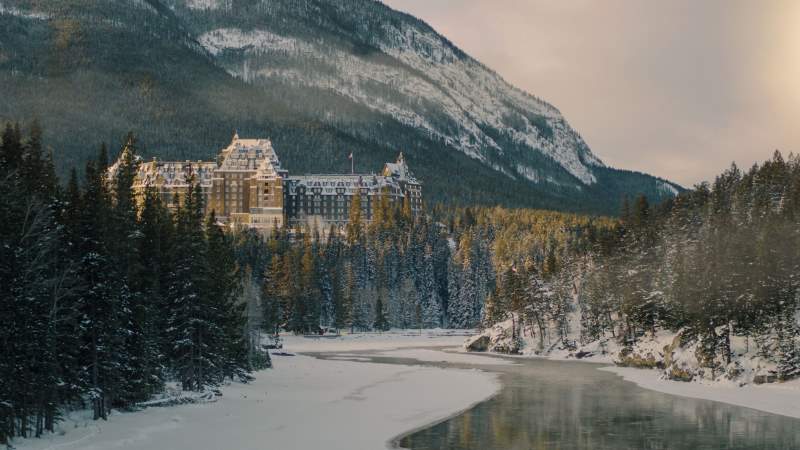
The Fairmont Banff Springs is the ultimate winter splurge and instantly feels like stepping into a real-life mountain castle.
You’ll wake up surrounded by alpine scenery, unwind at a world-class spa, and enjoy incredible on-site dining without ever leaving the property.
With ski concierge services and easy transportation to nearby ski resorts, it fits perfectly into a seamless Banff winter itinerary when you want luxury without the hassle.
Hidden Ridge Resort
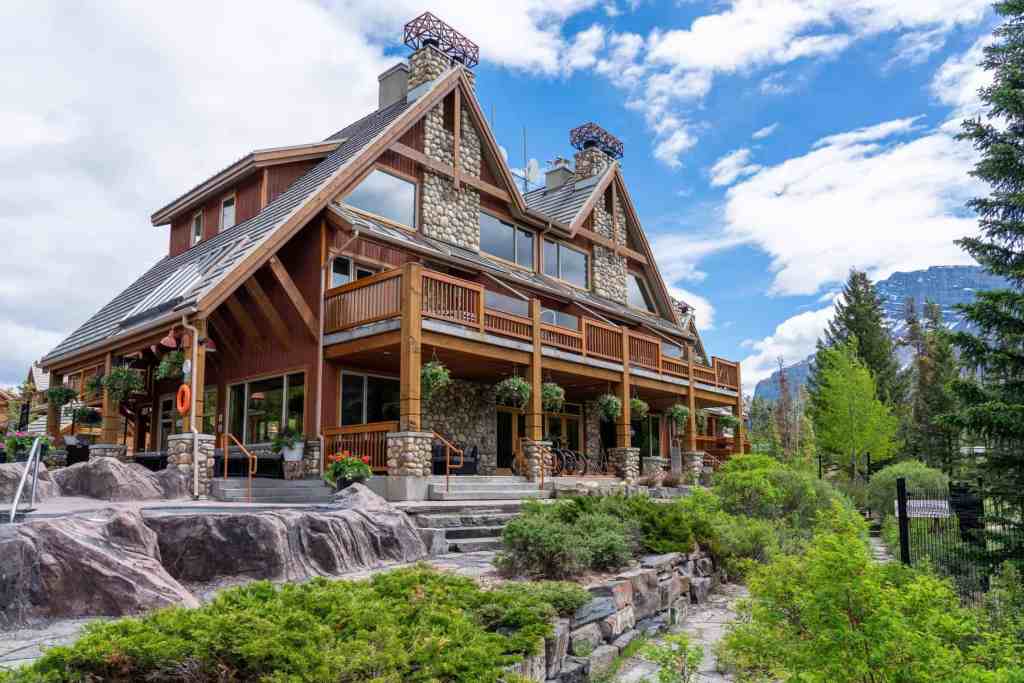
If you’re traveling with family or planning a longer stay, Hidden Ridge Resort makes winter in Banff feel like home.
Spacious condo-style suites give you room to spread out, complete with full kitchens and crackling fireplaces that are perfect after a cold day outdoors.
Outdoor hot tubs and saunas are a dream on snowy evenings, making it easy to relax and recharge between winter adventures.
Buffalo Mountain Lodge

For a classic Canadian winter experience, Buffalo Mountain Lodge offers cozy log-cabin charm tucked into the forest on Tunnel Mountain. You’ll feel worlds away from it all while still being just minutes from downtown Banff.
Wood-burning fireplaces, rustic décor, and a steamy outdoor hot tub create the kind of atmosphere that makes winter nights in the Rockies unforgettable.
Juniper Hotel
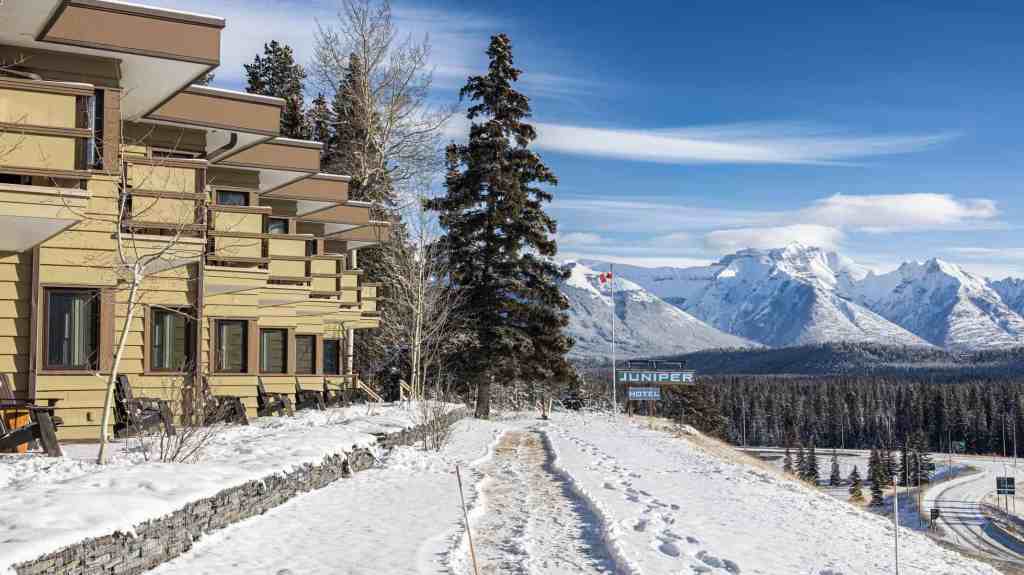
The Juniper Hotel is ideal if mountain views are high on your Banff winter itinerary.
Overlooking Mt. Norquay, this boutique hotel combines modern design with a warm, welcoming feel.
Winter packages often include gear rentals and activity perks, making it easier to plan your days on the slopes or exploring snowy trails without extra logistics.
No matter which option you choose, staying somewhere cozy and well-located can completely elevate your Banff winter itinerary—turning chilly days into unforgettable mountain moments.
Evening stroll and dinner in town
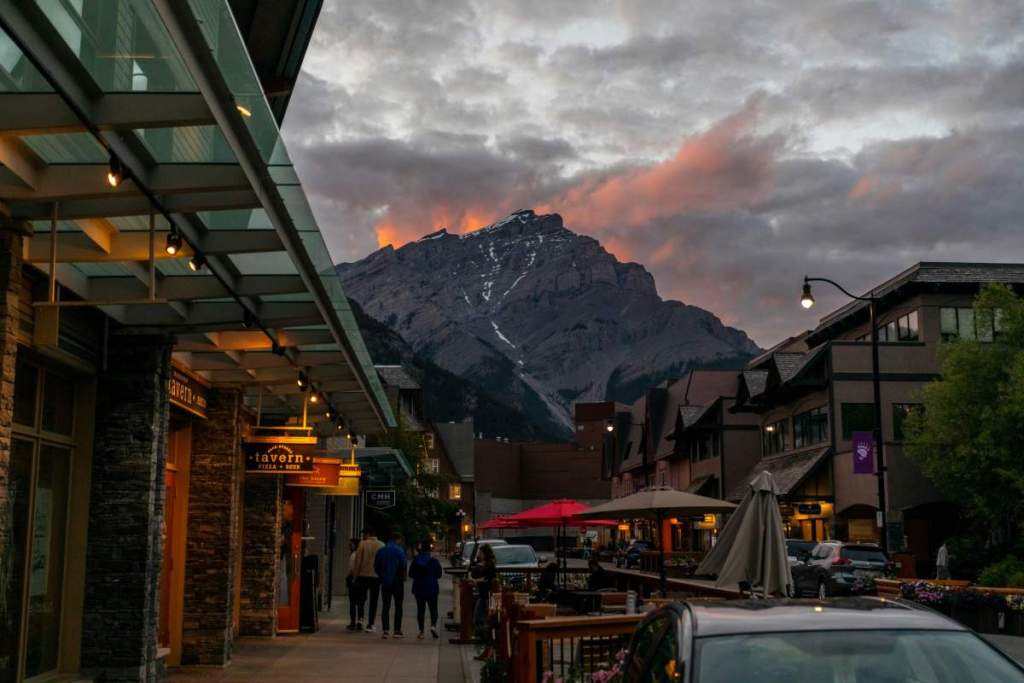
Downtown Banff becomes magical after dark. Mountain silhouettes create a stunning backdrop against the night sky, making it perfect for exploration after settling in.
Lake Louise clears out by late afternoon, which means evening visits are much quieter than peak daytime hours. The foreshore lets you catch beautiful sunset colors reflecting on the turquoise lake, though hiking isn’t a good idea as darkness falls.
The Juniper Bistro serves dinner with the best views in Banff – they’ve won awards for it. Their menu changes with the seasons to use the freshest ingredients. They’re open for dinner from 5 to 9 pm daily. Make sure to book ahead since tourist season gets busy.
The Fairmont Banff Springs Hotel makes for an amazing first night. This castle-like structure belongs on everyone’s bucket list, even if you’re not staying there. Multiple restaurants and bars make it a great starting point for your winter adventure in Banff.
Castle Food Experience at Banff Springs Hotel
Day 2: Ice Walks and Frozen Waterfalls
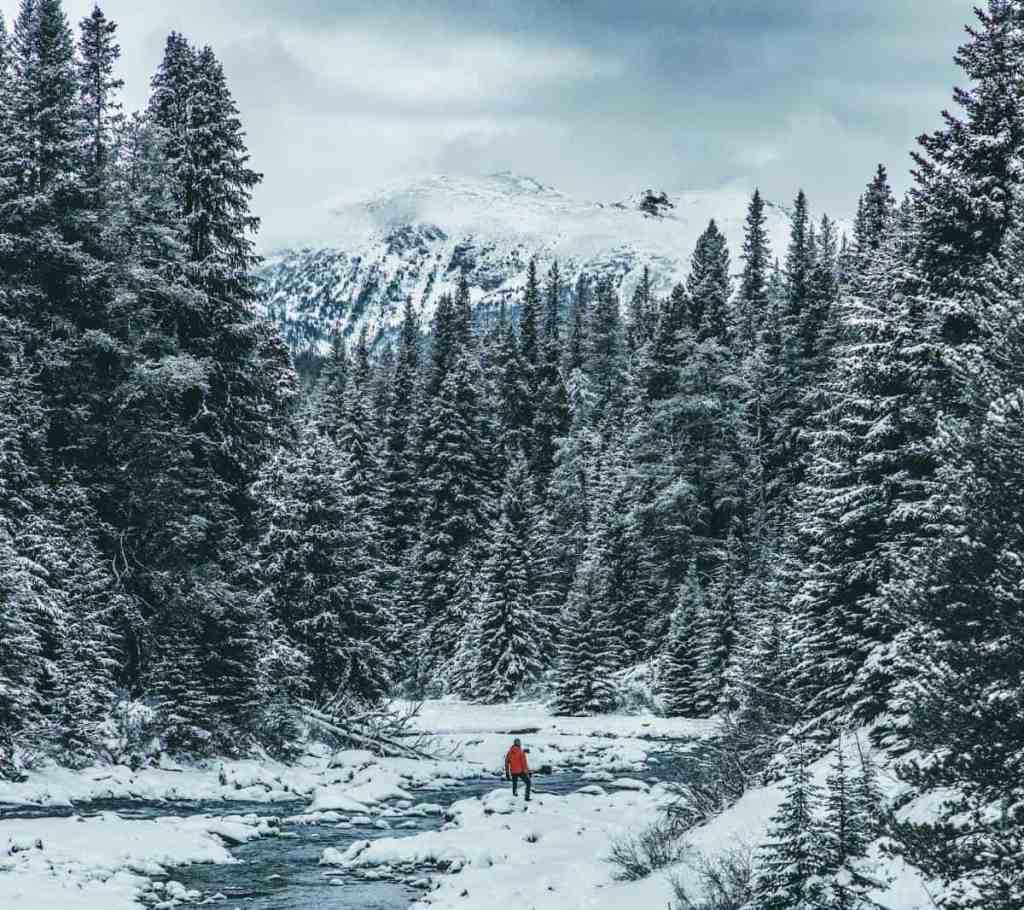
Johnston Canyon deserves a prime spot on your Banff winter itinerary. In the winter, the steep canyon walls are draped in thick icicles, creating a completely different atmosphere than you’ll find here in warmer months.
During winter, both the Lower and Upper Falls become striking ice formations, frozen in motion and glowing in soft shades of blue and white. The quieter trails and crisp mountain air make the entire hike feel calm, immersive, and almost otherworldly.
Experiencing Johnston Canyon in winter isn’t just another scenic stop—it’s one of those moments that defines a truly unforgettable Banff winter itinerary.
Hike at Johnston Canyon

If you’re mapping out the perfect Banff winter itinerary, Johnston Canyon is an easy win—especially if you want a winter hike that’s beautiful without being intimidating.
This is one of those rare trails where you don’t need advanced skills to experience something truly spectacular.
You’ll find the trailhead at the north end of the main parking lot (P1), clearly marked with a wooden sign so you know exactly where your winter adventure begins.
The walk to the Lower Falls is short, scenic, and incredibly rewarding. At just over a kilometre each way with minimal elevation gain, it’s an ideal option if you’re easing into winter hiking.
Expect a leisurely round trip that takes about an hour, guiding you across suspended walkways, narrow canyon paths, and peaceful forest sections. In winter, the falls freeze into a dramatic wall of ice, making this portion of the hike a standout on any Banff winter itinerary.
If you’re up for going a little farther, continue on to the Upper Falls for even more winter magic. This section takes you deeper into the canyon and adds a bit more elevation, but it’s still manageable for most hikers.
The frozen waterfall here towers above you, creating a jaw-dropping winter scene. On some days, you might even catch ice climbers carefully making their way up the icy surface—a thrilling sight and a fantastic photo opportunity.
For those craving extra adventure, you can extend your hike beyond the Upper Falls to reach the Ink Pots. This longer winter trek often requires snowshoes and a bit more stamina, but it rewards you with a quieter, more remote experience.
Whether you stop at the Lower Falls or push farther, Johnston Canyon adds a memorable and accessible winter hike to your Banff winter itinerary.
Johnson Canyon Guided Tour vs. Self-Guided
You can explore Johnston Canyon on your own or join a guided tour. Both ways have their perks.
Going solo lets you set your own schedule and pace. The trail is easy to follow with walkways and handrails. You’ll also save money compared to guided tours.
Guided tours are a great way to get your money’s worth. Guides share cool facts about the canyon’s geology, history, and wildlife. They provide ice cleats and hiking poles, so you won’t need to rent or buy them.
A typical Johnston Canyon icewalk tour includes:
- Rides from Banff
- Expert guides sharing natural history
- Ice cleats and often hiking poles
- Some tours throw in hot drinks and snacks
Tours run in the morning, afternoon, or evening, and night tours come with headlamps for a unique night experience.
Consider how comfortable you are with winter hiking and whether you’d like to learn from guides before making a decision. Either way, plan to spend 2.5-4 hours enjoying Johnston Canyon’s winter magic.
Guided Tours
Day 3: Lake Louise Adventures
Lake Louise is the crown jewel of any Banff winter trip. The fairytale winter transformation makes it a must-visit destination. You’ll find some of the most Canadian winter experiences here.
Skating on the frozen lake
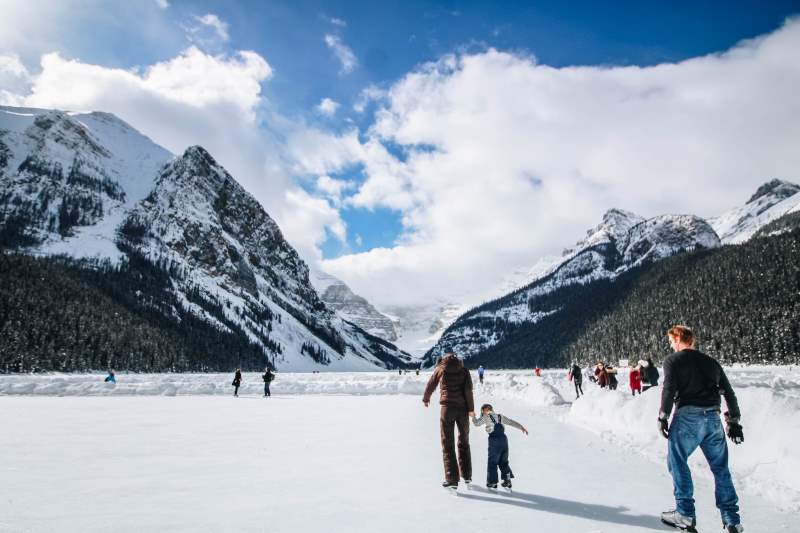
Skating on Lake Louise’s frozen surface is pure magic from mid-December through mid-April (timing can vary slightly due to weather conditions).
The maintained area provides smooth ice that’s great for both beginners and skilled skaters, unlike natural lakes where ice can be unpredictable.
The skating area has a separate hockey section. Bring your stick if you want to join a pickup game. You can rent equipment right at the lake through Chateau Ski & Snow if you don’t have your own. It’s located inside Fairmount Chateau Lake Louise.
Here’s a tip – go in the evening. The crowds thin out and skating under the stars creates memories you won’t forget.
Visit the Ice Bar and sculptures
The Ice Bar at Fairmount Chateau Lake Louise takes luxury winter indulgence to another level.
This amazing structure has walls made from 20 ice blocks, each weighing 300 pounds. It’s open daily from noon until 5:00 PM and offers a unique spot for an afternoon break. Outdoor heaters keep you cozy despite the cold.
The drink menu features warming options like Mulled Wine and special hot chocolates. Try the Chili Chocolate Orange – it’s a rich mix of Park Birdseye Chili Vodka, Grand Marnier, fig, and cinnamon bitters.
Hotel guests get priority access during busy times, but everyone else is welcome on a first-come basis.
Horse-drawn sleigh ride around the lake
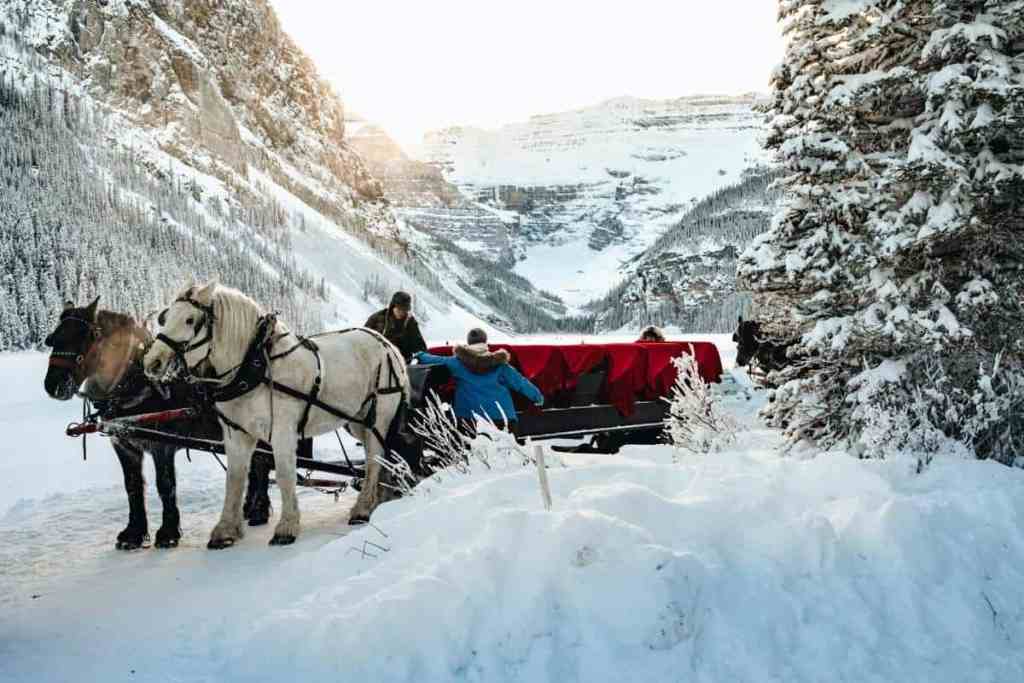
A traditional horse-drawn sleigh ride shows you Lake Louise from a new viewpoint. These winter trips follow the lakeside trail with stunning views of Victoria Glacier and the mountains.
Rides last about 45-60 minutes with several departure times each day. Romantic two-seater cutters are perfect for special occasions.
The majestic draft horses that pull your blanket-covered sleigh weigh up to 2,600 pounds and stand 17 hands tall. Book early, especially during holidays and Valentine’s weekend.
Afternoon tea at Fairmont Chateau Lake Louise

After a full day exploring snowy trails and frozen lakes, there’s no better way to slow things down on your Banff winter itinerary than with afternoon tea at the Fairmont Chateau Lake Louise.
This timeless experience feels like stepping into a bygone era, carrying on a tradition that dates back to the hotel’s historic railway roots. You’ll be seated in an elegant setting where mountain views and cozy refinement go hand in hand.
Afternoon tea here is all about indulgence. You’ll sip expertly curated teas while enjoying delicate sandwiches, warm scones served with rich cream, and beautifully crafted desserts that feel almost too pretty to eat.
If you’re celebrating something special—or just want to elevate your winter escape—you can opt for a version that includes bubbly for an extra touch of sparkle.
Because this experience is in high demand, reserving ahead is a must. It’s also a great option if you’re traveling with family, as children are welcomed with a tea service designed just for them. Dietary preferences, including plant-based options, can usually be arranged when you book.
Adding afternoon tea at Lake Louise brings a slower, more luxurious rhythm to your Banff winter itinerary. It’s the kind of cozy, memorable moment that perfectly balances outdoor adventure with classic Rocky Mountain elegance.
Day 4: Scenic Views and Soothing Springs
The views from high above Banff add another amazing dimension to my winter itinerary. My fourth day mixed breathtaking panoramic views with relaxing hot springs.
This created the perfect balance of excitement and rest after three active days in the Canadian Rockies.
Ride the Banff Gondola to Sulfur Mountain

My trip started just five minutes from downtown Banff at the Banff Gondola.
Glass-walled cabins take visitors up Sulfur Mountain in a quick eight-minute ride. The aerial adventure lifts you to 7,486 feet above sea level.
The summit greeted me with spectacular 360-degree views of six mountain ranges. The panorama has the Bow Valley, Mount Rundle, Cascade Mountain, and on clear days, you can spot Lake Minnewanka in the distance.
The summit’s temperature drops much lower than in town. You’ll need proper winter gear. A winter jacket, hat, mittens, and warm socks are vital since the gondola cabins don’t have heating. Layering your clothes is the key to staying comfortable.
The best times to visit with fewer crowds are before noon or after 5 PM.
Boardwalk views and photo spots
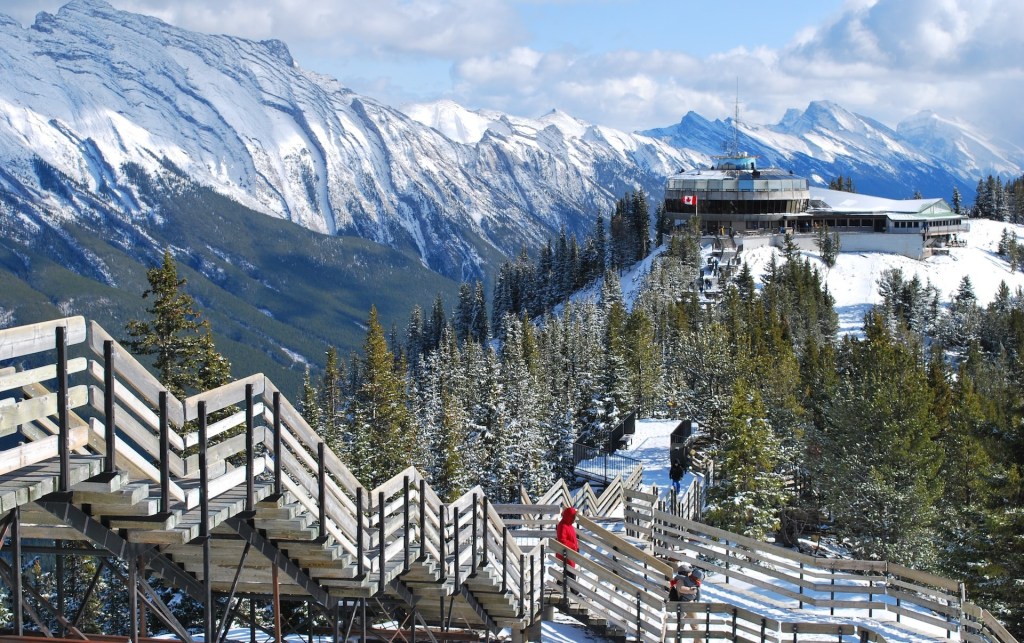
The summit’s crown jewel is a wooden boardwalk that stretches 2 km to Sanson’s Peak and the historic Sulfur Mountain Cosmic Ray Station. This National Historic Site of Canada lets you learn about the country’s scientific heritage.
You’ll find several great photo spots at the summit. The rooftop observation deck gives you clear 360-degree views, perfect for landscape photography. The first-level observation deck lets you capture amazing shots with Banff town as your backdrop.
Sunset is the best time to visit. The mountains glow in golden light. Winter turns the boardwalk into a peaceful, snow-covered scene that creates beautiful photo opportunities. If you time it right, you might spot mountain goats or elk roaming through the meadows below.
Relax at Banff Upper Hot Springs
After spending time at high altitude, I headed to one of Banff’s greatest traditions – a soak in the Banff Upper Hot Springs.
The springs’ natural mineral-rich waters contain five key minerals: sulfate, calcium, bicarbonate, magnesium, and sodium. These minerals work together to soothe tired muscles and boost circulation.
The water stays between 37 and 40°C (98 and 104°F). Nothing beats relaxing in steaming waters while snow-capped Rundle and Cascade Mountains tower above you.
Sunset creates a magical experience as the mountain air cools and snowflakes might fall around you. Parking spaces fill up quickly, so take transit instead – Route 1 ‘Sulfur Mountain’ runs every 20 minutes from downtown Banff.
This mix of mountain heights and hot springs creates the perfect middle point in my Banff winter activities. It balances amazing sightseeing with much-needed relaxation.
Day 5: Snowshoeing and Wildlife Watching
My fifth day in Banff took me away from the crowds into peaceful snow-covered forests. The hot springs from yesterday left me energized to discover Banff’s winter wilderness on snowshoes while watching for local wildlife.
Best snowshoe trails near Banff
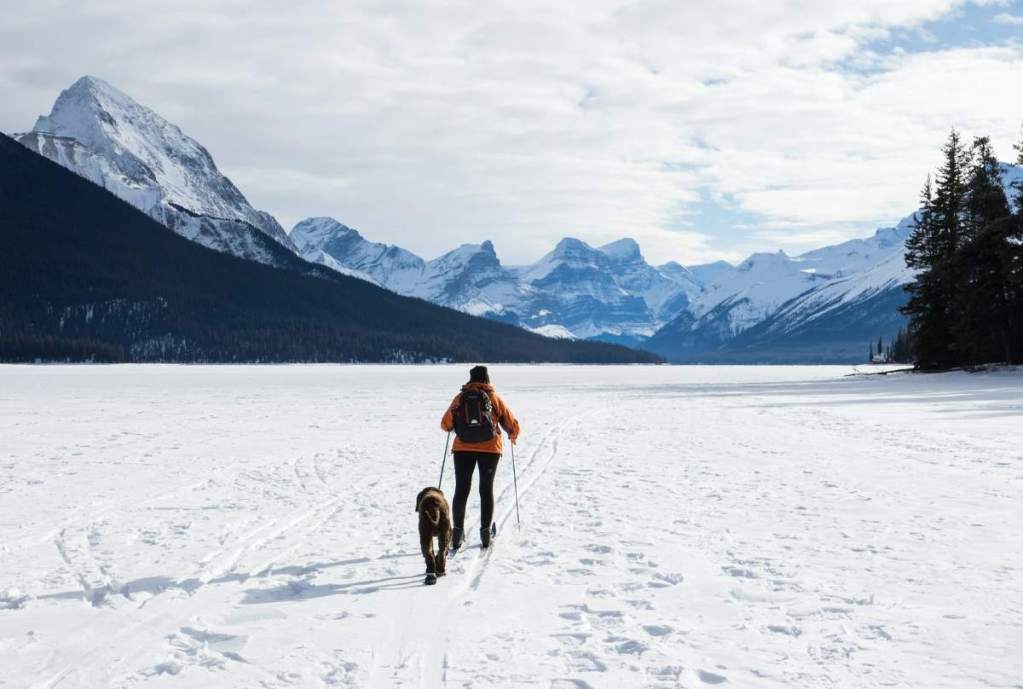
Snowshoeing season peaks from late December through early April. The best conditions come right after fresh snowfall.
Johnson Lake welcomes beginners with a 2.8 km loop that has minimal climbing and amazing views of Mount Rundle and Cascade Mountain. The trail winds along the lake through a rich ecosystem of Douglas fir, spruce, and pine trees.
Those seeking a bit more challenge should try Surprise Corner to Hoodoos, a 4.8 km one-way trail that climbs 115 m and rewards you with open views.
The Upper Stoney Loop (5.1 km) near Mount Norquay makes another great choice. This trail weaves through forest up to Stoney Lookout where you’ll see stunning views of Cascade Mountain and Bow Valley.
Experienced snowshoers can tackle Sulphur Mountain Westside (7.8 km one-way with 885 m elevation gain) or head to the Ink Pots via Moose Meadows trail (5.6 km one-way) that leads to colorful mineral springs.
Where to rent snowshoes
You’ll find several rental spots in Banff.
White Mountain Adventures stocks many snowshoe sizes and models based on terrain needs. Small snowshoes work well on packed valley trails, while larger ones help you float through deep backcountry powder.
Banff Adventures lets you rent quality TUBBS snowshoes. Their lightweight design makes the experience fun, especially for newcomers. Most shops also rent ice cleats – an affordable way to safely navigate icy trails.
Wildlife you might spot in winter
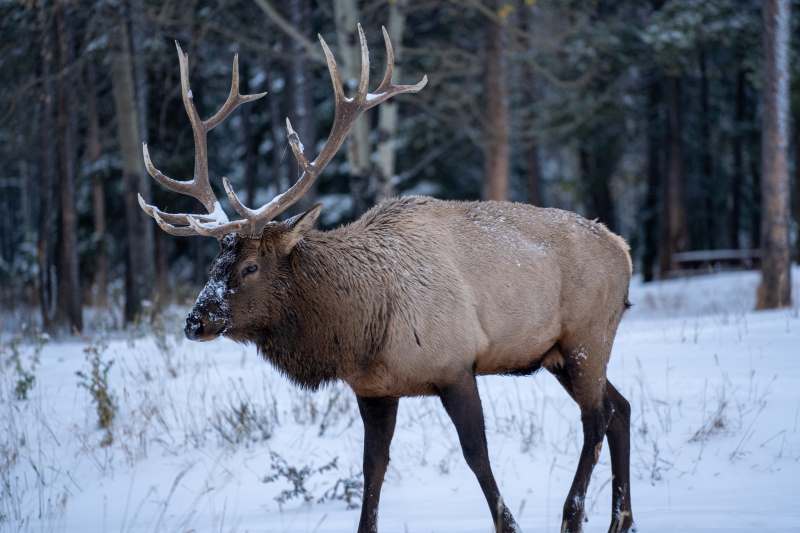
Winter changes Banff’s landscape and brings wildlife to lower elevations. Keep your eyes open for:
- Elk – These common residents often graze in valleys or near town
- Bighorn sheep – You’ll spot them on rocky cliffs and mountain passes, known by their curved horns
- Wolves – They move more in winter and leave tracks in snow, but rarely show themselves
Coyotes, snowshoe hares, and birds of prey stay active during winter. Your snowshoeing adventure might reveal wildlife tracks in the snow that tell tales about the area’s inhabitants.
Stay at a safe distance from wildlife. Pack water, high-energy food, a headlamp, and extra warm clothing before heading out.
Guided Wildlife Tours
Day 6: Spa Day and Local Treats
Make your final day in Banff special with some well-deserved pampering and local treats before saying goodbye to the Canadian Rockies.
Morning at Willow Stream Spa
The award-winning Spa at Fairmont Banff Springs welcomes you into a peaceful alpine sanctuary. The spa stands out with its breathtaking Rocky Mountain views, best enjoyed from the outdoor Jacuzzi.
This magnificent 40,000-square-foot wellness retreat showcases a stunning mosaic-tiled mineral pool beneath a soaring glass ceiling. You’ll discover three waterfall plunge pools at different temperatures nestled among rundle stone pillars.
The signature treatments here are worth experiencing – from the two-hour Rockies Healing Ritual for Two to the 90-minute Rose Renewal that uses rose oil from British Columbia.
Try a BeaverTail or hot chocolate
Your taste buds deserve a Canadian treat.
BeaverTails have earned their status as an “iconic indulgence” since 1978. These hand-stretched whole-wheat pastries deliver the perfect mix of crispy and chewy textures.
Banff’s Hot Chocolate Trail beckons with more than 30 cafes and restaurants serving creative hot chocolate variations. The options range from classic recipes to adventurous creations.
Souvenir shopping before departure
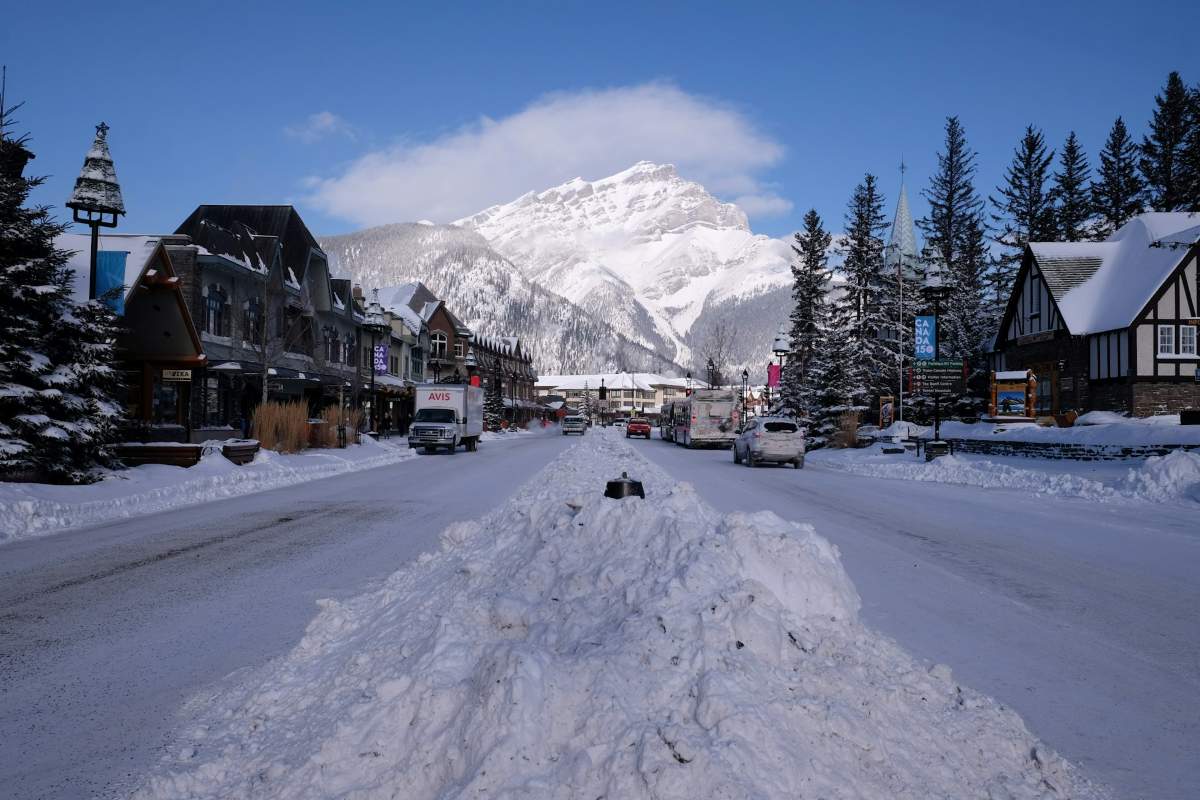
Banff Avenue serves as the town’s shopping hub, packed with everything from technical outerwear to authentic Canadian merchandise. The street features unique local shops worth exploring.
Spirit of Christmas sells beautiful ornaments, Rocky Mountain Soap Company creates natural skincare products, and The Fudgery tempts visitors with sweet treats.
This day of relaxation and indulgence wraps up your Banff winter adventure perfectly. You’ll head home feeling refreshed, carrying tangible memories of the Canadian Rockies.
Key Takeaways
Banff National Park offers incredible winter experiences beyond skiing, from frozen waterfalls to hot springs, making it perfect for non-skiers seeking Canadian Rockies adventures.
- Ice cleats are essential – Johnston Canyon and other winter trails become dangerously slippery, making proper traction gear nearly mandatory for safe hiking.
- Lake Louise transforms into a winter playground – The frozen lake offers skating, ice sculptures, horse-drawn sleigh rides, and an actual ice bar for unique experiences.
- Layer properly and visit during off-peak hours – Temperatures average -15°C/5°F, so thermal layering is crucial, while early morning or evening visits avoid crowds.
- Combine adventure with relaxation – Balance active days exploring frozen waterfalls and snowshoeing with rejuvenating hot springs and spa treatments.
- Wildlife viewing improves in winter – Animals migrate to lower elevations, making elk, bighorn sheep, and other wildlife easier to spot against snowy backdrops.
This six-day itinerary proves that Banff’s winter magic captivates visitors through diverse activities, stunning scenery, and authentic Canadian experiences that create lasting memories without requiring any skiing skills.
Frequently Asked Questions (FAQs)
Conclusion
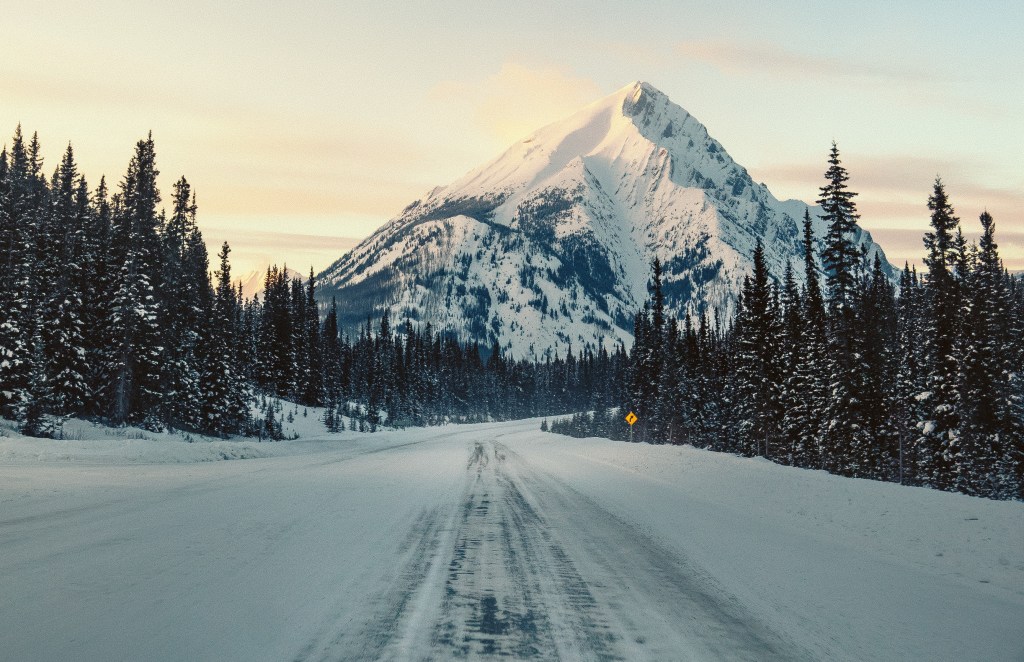
Banff National Park is a magical winter wonderland that offers much more than just skiing.
My six-day trip took me to frozen waterfalls and across Lake Louise’s icy surface. We soared above mountains, soaked in mineral-rich hot springs, walked through snowy forests, and tried local treats.
The park feels different in winter than summer. Fewer people visit, snow covers everything, and the whole experience feels more personal. On top of that, it’s easier to spot wildlife since animals come down to lower ground.
My time here proved what millions of visitors find each year – Banff’s winter magic engages everyone, not just skiers. You’ll know why the cold is worth it the moment you see your breath sparkle against towering peaks.
This trip strikes the right balance between action and rest. Hot springs and cozy cafes with steaming hot chocolate welcome you after active days at Johnston Canyon’s frozen falls or snowshoeing through untouched forests.
The plan works well because you can change it easily. Weather and energy levels can guide your choices. Of course, guided tours teach you more and give you gear, while going solo lets you move at your own pace.
Take a last look at the mountains and grab a meaningful souvenir before you leave. Your Banff winter memories will stay fresh long after you return from the Canadian Rockies.
Note that proper layers and ice cleats are essential for slippery paths. The real joy comes from taking in the winter wonderland around you – Banff’s snow-covered peaks, frozen lakes, and pristine views create an unforgettable experience, even without skiing.
Banff Travel Blogs
Where to Stay in Banff, Alberta Canada

33 Must-Do Banff Bucket List Experiences
Is Banff in September Worth it?
Things to do in Banff in the Winter
The Truth About Visiting Banff on a Budget