
Best Time to Travel to Newfoundland Canada: Your Season-by-Season Planning Guide

Looking to spot majestic icebergs, playful whales, and adorable puffins all in one place? The perfect time to visit Newfoundland depends on which natural wonders you want to experience in this breathtaking Canadian province.
Most travelers head to Newfoundland between early July and mid-August as the province comes alive with color and energy. But the ideal timing really depends on what you want to see.
Massive icebergs are best viewed during May and June. The prime season to watch whales starts from mid-June and runs through August. On top of that, the most pleasant weather in Newfoundland Canada happens during the warm season from mid-June to mid-September. This is a big deal as it means that daily temperatures stay above 16°C.
This blog article breaks down Newfoundland’s seasonal highlights to help you plan your perfect trip. You’ll discover everything from spring’s iceberg displays to summer’s lively festivals and wildlife encounters. Everything you need to know before starting a journey to this remarkable Atlantic destination!
This post may contain affiliate links, meaning I receive commissions for purchases made through those links at no cost to you. Please read my full disclosure for more information.
Spring in Newfoundland (April to June)
Spring brings a dramatic change to Newfoundland, as this rugged Canadian province comes alive with spectacular natural wonders. The land thaws from April to June, treating visitors to an amazing show of icebergs and returning seabirds. Nature lovers find this season truly special.
Iceberg Alley: Best time to see icebergs
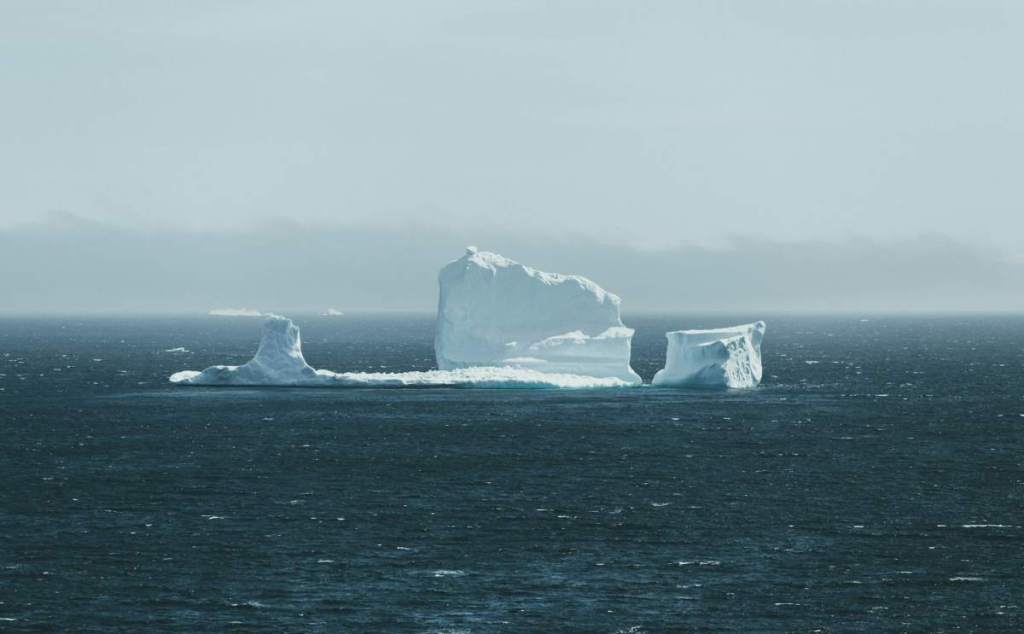
Massive ice giants drift along Newfoundland’s coast in one of North America’s most breathtaking natural displays. Iceberg Alley runs from Labrador’s coast to Newfoundland’s southeast shore, creating a perfect path to view these ancient ice formations.
April and May see the most icebergs, but sea ice often traps them during this time, which limits viewing options. So late May and early June give iceberg enthusiasts the best chance to see these wonders, making it the perfect time to visit Newfoundland.
These huge ice formations come from western Greenland’s glaciers and stay frozen at -15 to -20°C inside. They move about 17 kilometers each day, which creates an ever-changing seascape.
You can spot them from several great locations like Twillingate (the self-proclaimed “Iceberg Capital of the World”), St. Anthony, Bonavista, and St. John’s.
Adventure seekers will love the boat tours that get up close to these giants. Kayaking and watching from land are also great ways to see them.
Puffin arrival and nesting season
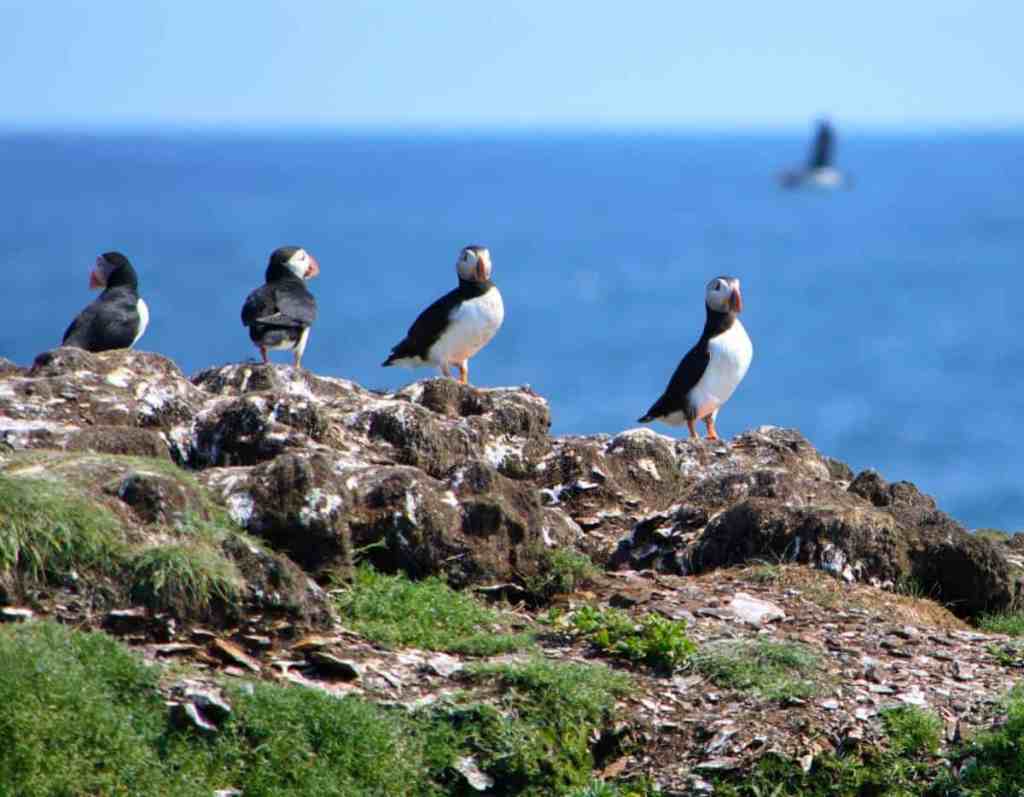
Newfoundland’s provincial bird, the Atlantic Puffin, returns in early May and stays until mid-September. These colorful “sea parrots” are busiest during early mornings and late afternoons when they come back from feeding at sea.
The best spots to see puffins are:
- Witless Bay Ecological Reserve: This place hosts over 350,000 puffins, making it the world’s second-largest colony after Iceland’s Vestmannaeyjar islands. You can reach it in about 45 minutes from St. John’s.
- Elliston: This spot gives you one of North America’s closest land views of puffins, just a 5-minute walk from the main road. The area, once called Bird Island Cove, attracts many nesting pairs.
Puffins show fascinating behavior during nesting season. They dig burrows in grassy cliffs and rocky spaces to build their nests with feathers. Each female puffin lays one egg, and both parents take turns keeping it warm for about 45 days until their “puffling” hatches. These birds mate for life and return to the same nesting spot year after year.
Taking a Newfoundland puffin tour was one of those pinch-me travel moments—I watched thousands of puffins waddling, flying, and nesting just feet away. Seeing these quirky little birds up close made the rugged coastline feel even more magical and was easily a highlight of my trip.
Weather Expectations and Packing Tips
Spring in Newfoundland always feels like a slow awakening rather than a sudden switch from winter to summer.
When I’ve visited in April and early May, the Avalon and Burin peninsulas were just starting to hover around the freezing mark, while northern regions still felt firmly stuck in winter until closer to May. It’s a season of transition, and honestly, that’s part of its charm.
Stormy days become less frequent as spring rolls on, especially from April through June, but winter isn’t quite done with the island until mid-May. Along the east coast, I’ve experienced cool, misty days with light rain and temperatures lingering between 0 and 6°C.
Head west, though, and things tend to feel a bit friendlier—drier air and milder temperatures often ranging from 8 to 15°C. It’s one of the reasons spring can still be a great option when deciding the best time to travel to Newfoundland, especially if you don’t mind cooler weather.
What I Always Pack for a Spring Trip to Newfoundland
- Layered clothing: Newfoundland weather loves surprises—sun, fog, wind, and drizzle can all show up in a single afternoon
- Lightweight rain and wind shell: Easy to toss on when the weather shifts
- Waterproof footwear: Hiking shoes with good grip are perfect for coastal trails and damp terrain
- Wide-brimmed hat: Surprisingly useful for both bright sun and foggy days
- Small daypack: Ideal for carrying extra layers, a camera, and binoculars for wildlife spotting
One thing I’ve learned quickly here is a local truth: there’s no such thing as bad weather, only bad clothing. Pack smart, and spring rewards you with quieter trails, dramatic landscapes, and some of the most memorable wildlife moments Newfoundland has to offer.
Summer in Newfoundland (July to September)
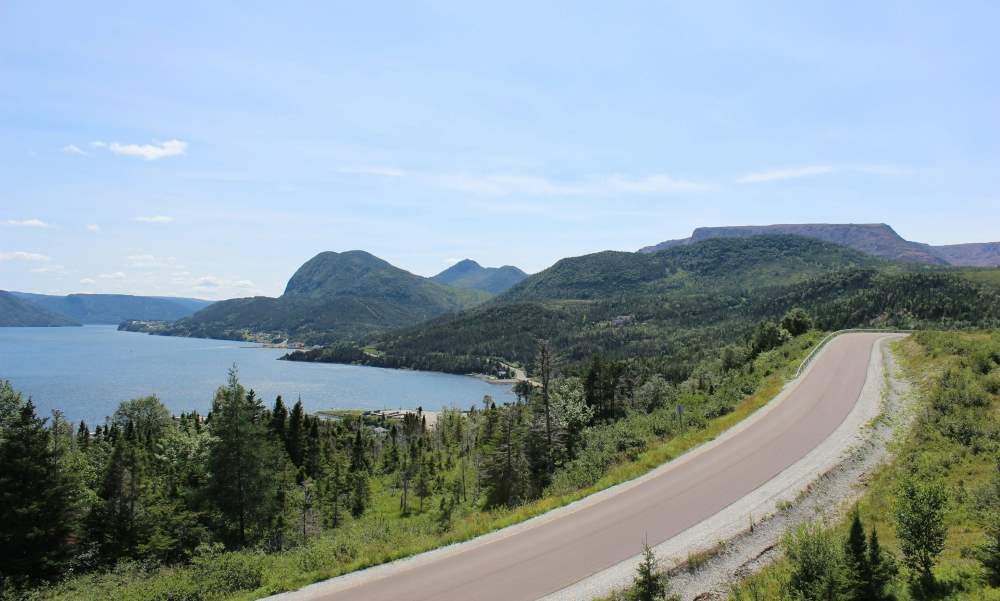
Summer frees Newfoundland’s true beauty. Warm temperatures, longer days, and lively cultural events make it a perfect time to discover this remarkable Canadian province. Most travelers pick July through September as the absolute peak time to experience the island’s natural and cultural riches.
Best time to visit Newfoundland for festivals
The summer season turns Newfoundland into a celebration hub that shows off the region’s rich heritage and artistic talents.
St. John’s comes alive with energy during peak summer. The Newfoundland & Labrador Folk Festival runs in mid-July at Bannerman Park in St. John’s and has been going strong since 1976.
Families will love the Fish, Fun and Folk Festival in the charming town of Twillingate.
People interested in Indigenous culture can experience the Miawpukek Annual Powwow each July in Conne River. This event introduces visitors to Newfoundland Mi’kmaq traditions through spiritual walks, dancing, and special ceremonies.
Food enthusiasts should plan for events that mix great food with entertainment. Roots, Rants and Roars, and the Stages and Seafood Festival bring together celebrity chefs, music, and storytelling to create an unforgettable food experience.
Whale watching and capelin rolling

July and August give visitors the best chances to see marine giants in their natural habitat. Newfoundland ranks among the world’s best whale watching spots.
The planet’s largest population of humpback whales visits from May through September. These magnificent creatures are most active between mid-July and mid-August.
Also, a natural wonder called the “capelin roll” happens during peak whale watching season. These small, silver fish swim to shores to spawn in shallow waters. Humpback whales follow them close to the coastline to feed.
Locals and tourists gather with nets and buckets at popular spots like Middle Cove Beach near St. John’s to be part of this yearly tradition.
The capelin roll starts in late June and runs through July. You might see whales lunge-feeding just offshore. This amazing event marks the start of summer weather in Newfoundland.
Hiking and kayaking in national parks

The summer months create perfect conditions to explore Newfoundland’s stunning landscapes, particularly in Gros Morne National Park. Trails here suit every skill level, from easy walks to tough hikes:
- The Gros Morne Mountain Trail challenges experienced hikers but rewards them with stunning views from the park’s highest point at 806 meters.
- The Green Gardens Trail offers another amazing experience. It starts on the bare Tablelands and winds down through boreal forest to a volcanic seacoast with sea stacks, coves, and beaches.
Kayaking lets you experience Newfoundland’s 29,000 kilometers of coastline up close. Guided sea kayak tours bring you next to breaching whales and marine wildlife. Some tour companies even run special iceberg kayaking trips from June through early July, letting you get close to these ancient ice formations.
Berry picking season
Berry picking season starts in summer and runs deep in local culture. Strawberries lead the way in mid-July, with blueberries following in late August and early September. Wild Newfoundland blueberries pack more flavor than their farm-grown cousins.
The golden-orange bakeapple (cloudberry) ripens in bogs and wetlands during late July and August. These special berries taste like a mix of honey and apricot, making them perfect for jams and desserts.
Restaurants like Georgie’s in Twillingate turn these seasonal berries into signature dishes. They make partridgeberry vinaigrette and serve house-made coulis with cheesecake.
Fall in Newfoundland (October to November)
Nature paints Newfoundland with vibrant crimson, gold, and amber hues during fall. Visitors who come in October and November get a chance to experience something magical – a perfect mix of easy access and peace that makes it the best time to explore Newfoundland intimately.
Fall in Newfoundland (October to November)
Nature paints Newfoundland with vibrant crimson, gold, and amber hues during fall. Visitors who come in October and November get a chance to experience something magical – a perfect mix of easy access and peace that makes it the best time to explore Newfoundland intimately.
Fall foliage and scenic drives
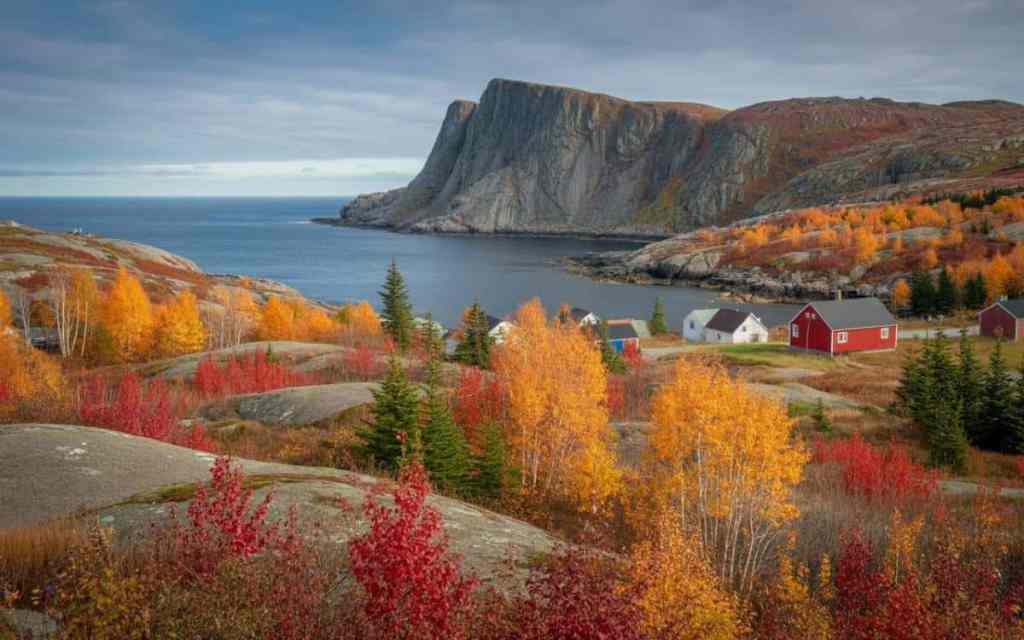
Western Newfoundland bursts into spectacular colors when crisp autumn air arrives.
Humber Valley ranks among Atlantic Canada’s best spots to see autumn colours, with maples and birches that light up the valley brilliantly. Hikers can climb the Humber Valley Trail to spot the ‘Old Man in the Mountain’ formation and take in sweeping views of this natural canvas.
Fall brings an amazing display of colors to Gros Morne National Park’s fjords and forested valleys. Corner Brook stands out from other parts of Newfoundland thanks to its deciduous trees that create some of the most beautiful fall scenes in the province.
Bay of Islands near Corner Brook shows off stunning coastal views framed by golden leaves. Golden birch trees blanket the Blow-Me-Down Mountains’ hillsides, adding drama to the scene.
Visitors staying near St. John’s can walk the peaceful Manuels River trails through birch, cherry, and larch trees that shine with golden tones.
Fall colors in Newfoundland usually peak during the second and third weeks of October. Colors change earlier in Western Newfoundland, while coastal areas near St. John’s peak a bit later.
Harvest season and local cuisine
Newfoundland’s cuisine is now known as some of Canada’s most creative cooking, thanks to its focus on foraged food and wild game.
Wild edibles that define Newfoundland’s authentic food scene become abundant in fall. Several mushroom species, especially chanterelles unique to the island, grow in the woods around St. John’s.
Local restaurants make the most of this seasonal bounty. Stella’s Brasserie in St. John’s updates its menu weekly based on fresh local ingredients. They serve dishes like roast turkey panini with partridgeberry apple jam, linguine with chanterelles and Jerusalem artichoke, or moose burgers topped with manchego cheese.
Fewer crowds and peaceful hiking
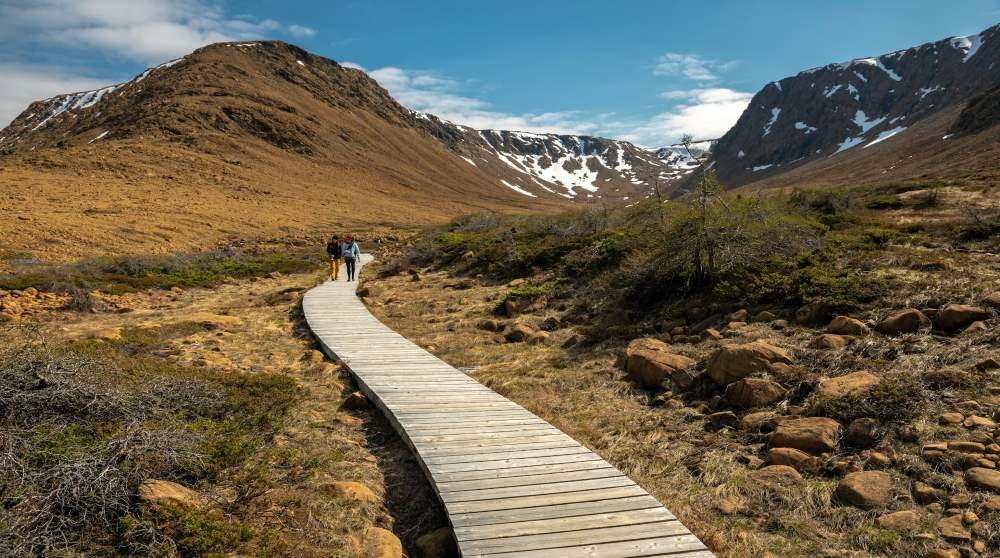
Fall’s biggest advantage is the peace and quiet visitors enjoy. Most tourists come to Newfoundland in July and August, so autumn lets you explore attractions without crowds.
Weather makes hiking perfect – cooler than summer but usually sunny, with winter rains still far away. Trails feel comfortable before winter comes, with no summer bugs around – perfect conditions to explore and take photos.
Lookout Trail in Gros Morne makes a spectacular fall hike. Its lower section weaves through deciduous forest full of red and gold maple trees before climbing to crimson blueberry meadows.
Though brief, fall in Newfoundland creates an unforgettable experience with its golden light, clear air, and rich earthy scents.
You’ll connect better with friendly locals during this quiet season, and often find cheaper places to stay.
Winter in Newfoundland (December to March)
Snow blankets turn Newfoundland into a winter wonderland from December through March. Adventurous travelers will find experiences here that are nowhere near what other seasons bring.
The best time to travel to Newfoundland might be winter if you love cooler temperatures and want to experience its cultural traditions and thrilling outdoor activities.
Skiing at Marble Mountain and White Hills
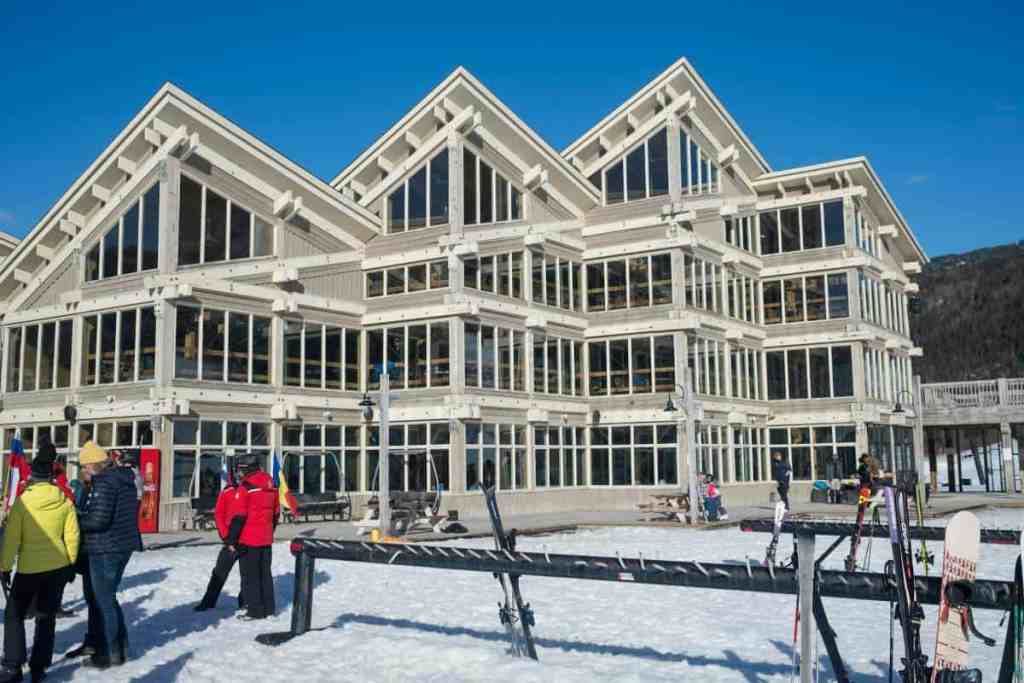
Marble Mountain Resort draws winter sports lovers with Atlantic Canada’s highest vertical drop at 536 meters. This western Newfoundland treasure has 43 runs good for all ski skill levels.
White Hills Resort is located on the island’s eastern side near Clarenville. It features 27 downhill trails spread across 55 acres of rolling terrain. The 229-meter (751 feet) vertical drop makes it perfect for skiers at all levels.
Both resorts let you rent everything you need – skis, snowboards, and helmets – so you don’t have to bring your own gear.
Snowmobiling adventures
People call Newfoundland “the snowmobiling capital of Canada,” and they’re right. The island has more than 5,000 kilometers of groomed, marked trails where 16 feet of snow falls yearly.
Gros Morne National Park stands out as Canada’s only national park that lets snowmobilers ride (with permits in specific areas).
Western Brook Pond ranks as Newfoundland’s best snowmobiling spot, showing off amazing fjords with walls that reach 2,000 feet high – carved by ancient glaciers.
Lewis Hills lets you ride up to Cabox, Newfoundland’s highest point at 814 meters. Hodges Hills offers great snow until April, and the Lomond Sinkhole shows off a frozen waterfall that creates beautiful ice sculptures.
Holiday traditions and events
Winter brings unique celebrations to life in Newfoundland. January and February usually have the best snow if you’re planning when to visit Newfoundland for winter fun.
December’s Mummers Festival celebrates an old tradition called “mummering.” Locals put on masks, big clothes, and sometimes even lampshades before they visit neighbors to sing and dance. The festival also offers a fun parade through the streets of St. John’s.
Port de Grave’s Christmas Boat Lighting creates a stunning view with over 50 fishing boats. Each boat sparkles with more than 3,000 colorful lights – a tradition going strong for 20 years.
Families love the MUN Botanical Garden Merry & Bright Light Festival where they can walk through sparkling lights, drink hot chocolate, and spot Christmas Gnomes.
The Bay Roberts Festival of Lights adds more magic to winter. It’s one of Canada’s ten most festive communities and puts on smart light displays and two Santa Claus parades.
Wildlife Watching by Season
Newfoundland’s rich wildlife creates amazing viewing opportunities that help determine the best time to travel to this remarkable province. The island lets you get close to everything from huge marine mammals to vibrant seabirds and impressive land creatures all year round.
Whales: mid-June to August
Newfoundland has one of North America’s longest whale watching seasons. This happens because of the massive capelin feeding grounds in the area. You can spot whales from May through October.
The peak season runs from mid-July to mid-August. During this time, small silver fish called capelin return to shore to spawn. They create a natural feast for hungry whales. The waters here attract 22 species of whales and dolphins, including humpbacks, minke, sperm, blue, and orca.
Humpback whales make their largest annual migration off Newfoundland’s coast. This makes it the best time of year to visit Newfoundland for whale lovers. These 40-50 foot giants are crowd favorites because they often leap out of the water!
Weather affects whale behavior by a lot. You’ll get the best views on days with calm waters, clear skies, and no fog. Whales also use tidal currents to help them travel more easily.
Puffins: May to early September
Atlantic puffins serve as Newfoundland’s official bird. They return to the province’s shores each year from early May to mid-September.
These colorful “sea parrots” mate for life and come back to the same burrow every year. You’ll see the most activity early in the morning or late afternoon when puffins return from feeding.
North America’s largest Atlantic puffin colony lives in Witless Bay Ecological Reserve. About 260,000 pairs nest there each summer. Elliston offers one of the continent’s closest land-based viewing spots. It’s just a five-minute walk from the main road.
The best month to visit Newfoundland runs from June through July. Capelin season brings whales close to shore during this time, creating an amazing wildlife show. The areas near lighthouses become wildlife hotspots as marine life fills the ocean.
Moose and seabirds: year-round sightings
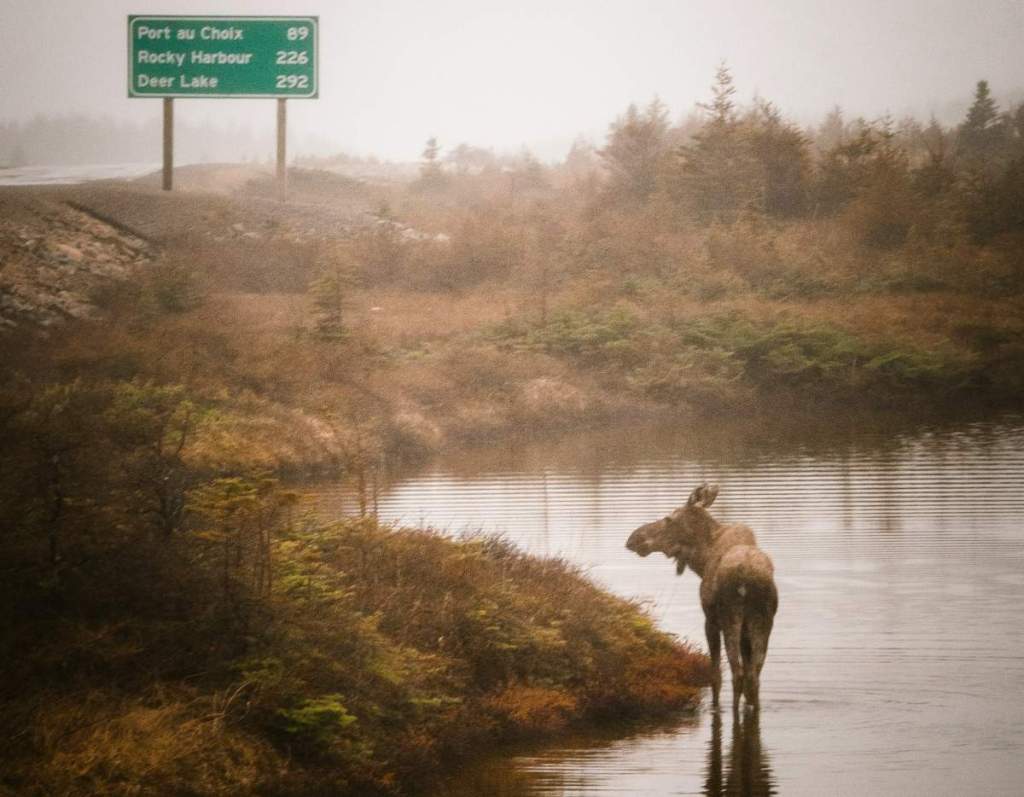
About 125,000 moose roam Newfoundland. This gives the island North America’s densest moose population. You can spot these magnificent creatures year-round. More than 70% of moose sightings happen between May and October. June, July, and August give you the best chances.
The island’s highways cut through prime moose territory, so you get great viewing opportunities. Locals love taking sunset drives to watch these massive animals graze near the roads. The town of Roddickton proudly calls itself the “moose capital of the world”.
Newfoundland earned its title as “seabird capital of North America” with about 35 million birds calling it home. Northern Newfoundland’s location attracts many migratory bird species. Cape St. Mary’s Ecological Reserve ranks among the world’s best spots to watch nesting seabirds.
The province has 311 known seabird breeding colonies. Baccalieu Island hosts the world’s largest Leach’s storm-petrel colony with 7 million birds. You’ll also find Atlantic puffin, common murre, razorbill, black guillemot, black-legged kittiwake, and northern gannet.
Planning your best time to travel to Newfoundland Canada around these wildlife viewing times creates a natural experience that shows off the province’s amazing biodiversity throughout the year.
Best Time for Outdoor Activities
Newfoundland’s breathtaking landscapes draw outdoor lovers year-round. The timing of your visit will shape your experience of this rugged island’s natural wonders.
Hiking: June to October
Snow melts reveal Newfoundland’s hiking trails from late spring through mid-autumn. Many paths stay snow-covered until May. Gros Morne Mountain trails remain closed until June 28.
Here’s what you should know about the best time to visit Newfoundland for hiking:
July and August bring perfect hiking weather. Daytime temperatures range from 16–25°C. Fall months are even better for hiking adventures. Hikers enjoy moderate temperatures with fewer bugs during September and October.
Most experienced hikers head to Newfoundland between August and October. This sweet spot combines comfortable temperatures without the annoyance of black flies or mosquitoes. The crisp autumn air makes hiking a joy – you’ll avoid summer heat and winter cold.
Kayaking: July and August
Paddling enthusiasts looking for the best month to visit Newfoundland should aim for mid-summer. Each spot has its prime time, but seasoned kayakers agree that July and August offer the most reliable conditions.
Some kayaking experiences require specific timing. Iceberg enthusiasts should plan their trips in June and early July. That’s when these ancient ice giants are both present and reachable. Also, rivers like the Main River have shorter windows – usually from late May to late June when water levels work best.
Photography: spring icebergs and fall colors
The best time to travel to Newfoundland Canada depends on what you want to shoot. Photographers often choose between two natural spectacles: spring icebergs and autumn foliage.
Late May through early June gives the best shots of icebergs. These massive ice chunks drift down from Greenland each spring. Their appearance changes with the light. Pro photographers suggest:
- Shoot icebergs on overcast days to capture true details and colors
- Take photos during “blue hour” (just before sunrise or after sunset) for dramatic contrasts
Fall colors peak during the last week of September and first week of October. Many photographers call this the best time of year to visit Newfoundland. You’ll get stunning colorful landscapes without summer crowds.
Weather Patterns and What to Expect
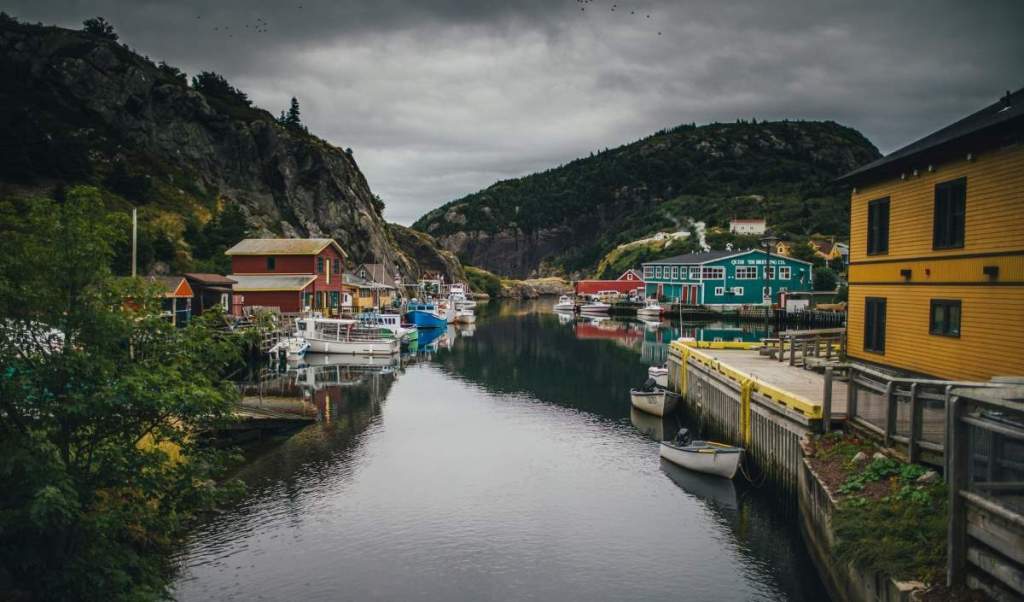
Newfoundland sits on North America’s eastern edge, where its weather creates challenges and unique experiences for travelers. The weather patterns will give a clear picture of the best time to travel to Newfoundland based on your priorities and how well you handle unpredictable conditions.
Understanding Newfoundland’s maritime climate
The Atlantic Ocean really shapes Newfoundland’s maritime climate. You’ll notice a big difference between the mild coastal areas and Labrador’s much colder continental climate. The ocean’s influence brings changeable weather year-round. Expect plenty of rain, high humidity, poor visibility, cloudy skies, limited sunshine, and strong winds compared to inland spots.
The ocean moderates temperatures significantly. Southeastern coastal areas see January temperatures around 25°F (-4°C), while interior regions drop to 15-20°F (-9 to -7°C). Summer tells a different story. July temperatures reach above 60°F (16°C) inland, but southern and eastern coastlines stay cooler at about 55°F (13°C).
How to dress for unpredictable weather
Locals have a saying that rings true: “there is no such thing as bad weather, just bad clothes”. You might see all four seasons in a single day, so layering becomes crucial whatever time you think over as the best month to visit Newfoundland.
Your packing list should have:
- A breathable wind and rain shell (you can’t skip this one)
- Several thin layers you can put on or take off as needed
- Waterproof boots that work on different terrains
Travelers looking for the best time to visit Newfoundland should note that fog, rain, wind, and sea spray show up everywhere in the province. The right gear will keep you comfortable through these changes.
Fog, wind, and temperature swings
The eastern coast’s fog stands out as a defining feature. The Avalon Peninsula and Grand Banks waters rank among the world’s foggiest places. This happens when warm, humid southern air meets the cold Labrador Current. Locals call it “sea smoke”.
Newfoundland has strong winds – most areas see average annual wind speeds above 20 km/h. The Long Range Mountains’ western sections create dangerous wind tunnels that can flip vehicles over.
Temperature changes add another challenge, especially with freeze-thaw cycles. Southern and southeastern regions bounce above and below 0°C from late fall through early spring. These swings often bring mixed precipitation, making roads treacherous.
Travel Tips for Every Season
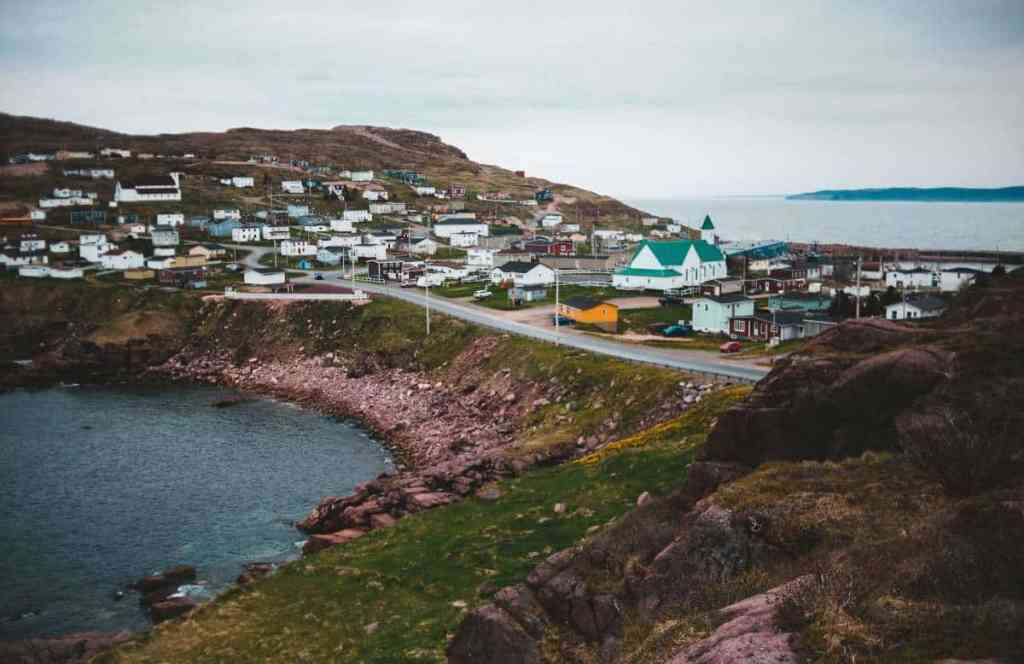
Planning a great trip to Newfoundland depends on several practical details that can make or break your experience, whatever season you pick to visit.
Best month to visit Newfoundland based on your interests
The right timing will give a rewarding experience. Iceberg enthusiasts should head there in May – June for the best views along the northern and eastern coasts.
July – August works best for outdoor adventurers who want to kayak and hike when temperatures reach above 16°C.
Early October attracts photographers with its vibrant fall foliage and smaller crowds.
Snow sports fans will love December – March, as some areas get up to 5.5 meters of snow each year.
Booking accommodations and car rentals early
The short tourism season in Newfoundland means you need to plan ahead:
- Book your stay 3-6 months before May-September visits during peak tourism
- Lock in rental cars right after booking flights, especially in summer
- You might save money by picking up your car away from the airport
Navigating Newfoundland’s unique time zone
Newfoundland stands alone in North America with its distinctive UTC-3:30 standard time and UTC-2:30 daylight saving time.
The island runs 30 minutes ahead of Atlantic Canada and 90 minutes ahead of Eastern Canada. This unique setup exists because St. John’s sits exactly three-and-a-half hours from Greenwich.
Note that daylight saving changes happen on the second Sunday in March and first Sunday in November.
Frequently Asked Questions
Conclusion: Best Time to Travel to Newfoundland
Newfoundland is a destination for all seasons, and each one brings its own magic. After learning about this remarkable Canadian province throughout the year, we found that there was no single “best” time to visit – it all depends on what you want to see and do.
The most comfortable weather comes in summer. July and August have warm days that are perfect for hiking, kayaking, and spotting wildlife. All the same, spring shows off spectacular iceberg parades and returning puffins. Fall transforms the landscape with brilliant colors minus the summer crowds. Winter can be tough but gives adventurous travelers pristine snowscapes and unique cultural celebrations.
The best time for wildlife viewing changes with the seasons. You’ll see whales from mid-June through August, puffins from May to September, and moose might appear any time of year. Your interests will help you pick the perfect time. Spring icebergs or fall colors work best for photography. Hikers should aim for summer and early fall. Winter sports fans will love December through March.
The weather in Newfoundland is unpredictable whatever season you choose. The maritime climate keeps everyone guessing, though summer tends to be more stable. You’ll need layered clothing all year long.
Book your accommodations and rental cars early, especially if you’re planning a summer trip. The island’s unique half-hour time zone difference needs attention when you plan activities.
This remarkable Atlantic province lets you chase icebergs in spring, spot whales in summer, enjoy colorful foliage in fall, or embrace snowy adventures in winter. The real question isn’t if you should visit Newfoundland – but when will you first see its wonders, and how soon can you come back to experience another season?
Key Takeaways
Planning your Newfoundland adventure around seasonal highlights ensures you’ll witness the province’s most spectacular natural phenomena and cultural experiences.
- Summer (July-August) offers peak conditions for whale watching, hiking, and festivals with comfortable temperatures averaging 16-25°C and the longest daylight hours.
- Spring (May-June) delivers iceberg spectacles along the coast while puffins return to nest, making it ideal for unique wildlife photography and fewer crowds.
- Fall (October-November) provides vibrant foliage and peaceful hiking with crisp weather, reduced accommodation rates, and excellent conditions for photography without summer bugs.
- Book accommodations 3-6 months ahead for May-September visits and reserve rental cars immediately, as Newfoundland’s short tourism season creates high demand.
- Pack layered, waterproof clothing year-round since the maritime climate can deliver “all four seasons in one day” with frequent fog, wind, and temperature swings.
The key to a successful Newfoundland experience lies in matching your visit to your specific interests—whether chasing ancient icebergs, witnessing massive whale migrations, or exploring pristine hiking trails.
Each season offers distinct advantages, from summer’s accessibility to winter’s cultural celebrations, ensuring this Atlantic province delivers unforgettable experiences regardless of when you choose to explore its rugged beauty.
Newfoundland Travel Blogs

Why Travel to Newfoundland Canada