
Lyon France Bucket List: Where History Meets Modern French Culture
Lyon might be France’s third-largest city, but it remains a hidden gem that most travelers miss as they rush toward Provence. Which means you’ll see fewer tourists as you explore the city’s attractions.
This remarkable city deserves your attention with its exceptional mix of history, culture, and cuisine that stands toe-to-toe with any European destination.
The city earned its reputation as the world’s gastronomy capital back in 1935. History buffs will love the Roman ruins dating to 43 BCE, while art lovers can immerse themselves in incredible visual experiences. Lyon’s attractions are endless.
The city proudly holds UNESCO World Heritage status because it has preserved its history from Roman times to today. This makes every sight both historically rich and visually captivating.
Let me walk you through the exciting things Lyon offers. You can wander through colorful Renaissance mansions along narrow streets, treat yourself at one of twenty Michelin-starred restaurants, and discover hidden passages with fascinating stories.
Lyon isn’t just about history and food – it’s a city where art thrives, and it belongs at the top of your travel wish list!
Disclaimer: This post may contain affiliate links, meaning I receive commissions for purchases made through those links at no cost to you. Please read my full disclosure for more information.
Discover Lyon’s Historic Foundations
Lyon’s history goes back over 2,000 years. The city stands out in Europe with its preserved structures from Roman times through the Renaissance. These landmarks should be on your Lyon France bucket list.
Walk through Vieux Lyon’s UNESCO-listed streets
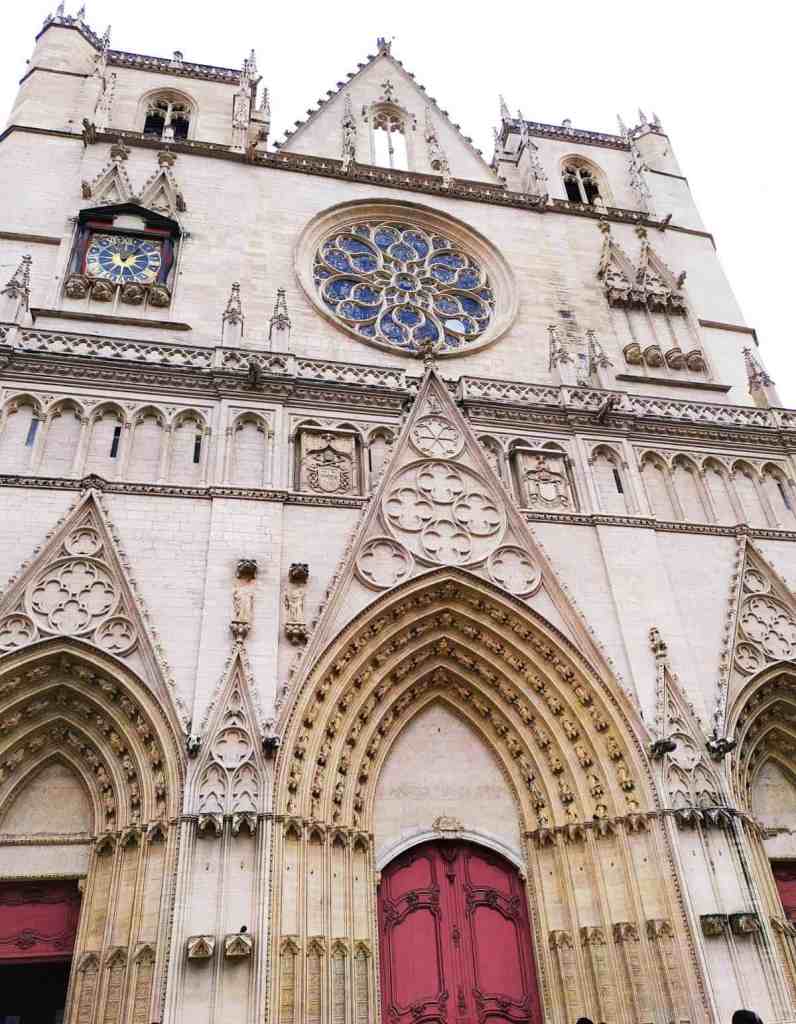
Vieux Lyon (Old Lyon) takes you right back to the Renaissance period. This historic neighbourhood ranks among Europe’s largest Renaissance areas and became a UNESCO World Heritage site in 1998.
You should walk along three main streets—Rue Saint-Jean, Rue du Bœuf, and Rue des Trois Maries. Italian merchants and bankers built their luxury homes here centuries ago.
The vibrant facades showcase Lyon’s wealth during the 15th and 16th centuries. These narrow cobblestone streets lead to beautiful courtyards behind massive doorways. The buildings feature detailed stone carvings and ornate windows that show how rich the previous owners were.
Saint-Jean Cathedral stands proudly as the heart of this historic area. The builders started work in the 12th century and finished in the 14th century. This timeline created an interesting mix of Gothic styles. The cathedral’s 14th-century astronomical clock remains a must-see for visitors looking for things to do in Lyon, France.
Visit the Roman ruins on Fourvière Hill

Fourvière Hill overlooks Vieux Lyon. The Romans founded Lugdunum here in 43 BCE, which grew into the capital of Gaul. This shows how important the city was to the Roman Empire.
France’s most impressive Roman site is the Ancient Theater of Fourvière. Built around 15 BCE, this well-preserved theater held 10,000 people. Next to it sits the smaller Odeon theater where the elite enjoyed music and poetry. These structures tell us much about Roman entertainment and social classes.
These theaters still serve their original purpose. The Nuits de Fourvière festival brings modern performances to these ancient stages each summer. This blend of old and new makes what to see in lyon france special.
Clear information panels help visitors understand the site’s importance. The best time to visit is early morning when crowds are thin. Remember to bring water in summer since the hilltop location has little shade.
Explore the Lugdunum Museum
The Lugdunum Museum (Musée Gallo-Romain) is located at the base of the Roman theaters. The modern building design is an interesting contrast with its ancient contents.
The museum tells Lyon’s Roman story through amazing artifacts. A spiral path takes you through Lyon’s history from pre-Roman Gaul to early Christian times. The displays bring history to life and appeal to all ages.
The Lyon Tablet really stands out among the exhibits. It contains Emperor Claudius’s speech supporting Gallic senators—a rare look into Roman politics. The collection of burial monuments teaches us about Roman views of life after death.
These three historic sites give visitors a perfect way to learn how Lyon grew from its Roman roots through the Renaissance into today’s dynamic city. They belong on every Lyon, France attractions itinerary.
Architectural Icons and City Views
The Fourvière hill stands tall above Lyon, offering a perfect vantage point to take in the city’s beauty and layout.
This remarkable spot isn’t just rich in history – it’s home to architectural treasures that belong on every Lyon France bucket list.
Climb to the Fourvière Basilica

The stunning Basilique Notre Dame de Fourvière rules Lyon’s skyline. This beautiful 19th-century monument to the Virgin Mary ranks among Europe’s finest basilicas.
The basilica might look like a fortress outside, but step inside and you’ll find beautiful mosaics with 8,000 different color shades. Stunning stained glass windows and marble work catch your eye everywhere you look.
A unique two-church design sets this basilica apart – one church sits right on top of another. You can reach both from the square. The upper church has three domes with six stained-glass windows.
Four towers stretch 48 meters high, each one stands for a cardinal virtue: Prudence and Temperance face the city, while Force and Justice watch over the square.
More than 2.5 million people visit this sacred place each year. The basilica welcomes visitors daily from 7am to 8pm. You can’t visit on Sunday mornings until 12:30pm, but here’s the best part – it’s free to get in!
See the metallic tower of Fourvière
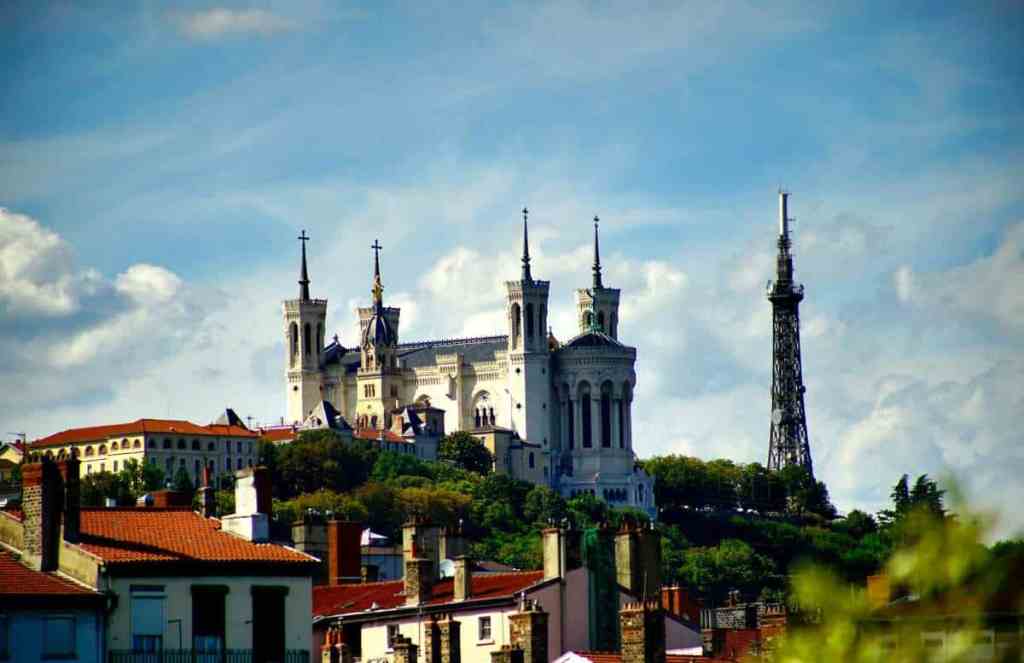
Lyon’s “little Eiffel Tower” – the Tour métallique de Fourvière – is located next to the basilica.
This steel tower looks just like its Paris cousin, built just three years earlier. The tower went up between 1892 and 1894. It started at 85.9 meters tall but now reaches 101 meters with its TV antenna.
Until November 1, 1953, visitors could eat at its restaurant and ride a hydraulic elevator that fit 22 people up to the observatory. These days, it’s just for TV and radio signals, and you can’t go inside.
The tower marks Lyon’s highest spot at 372 meters above sea level. It makes a great picture next to the basilica. While you can’t climb it anymore, the tower lights up every night and serves as a great backdrop for July 14th fireworks.
Find the best viewpoints in Lyon
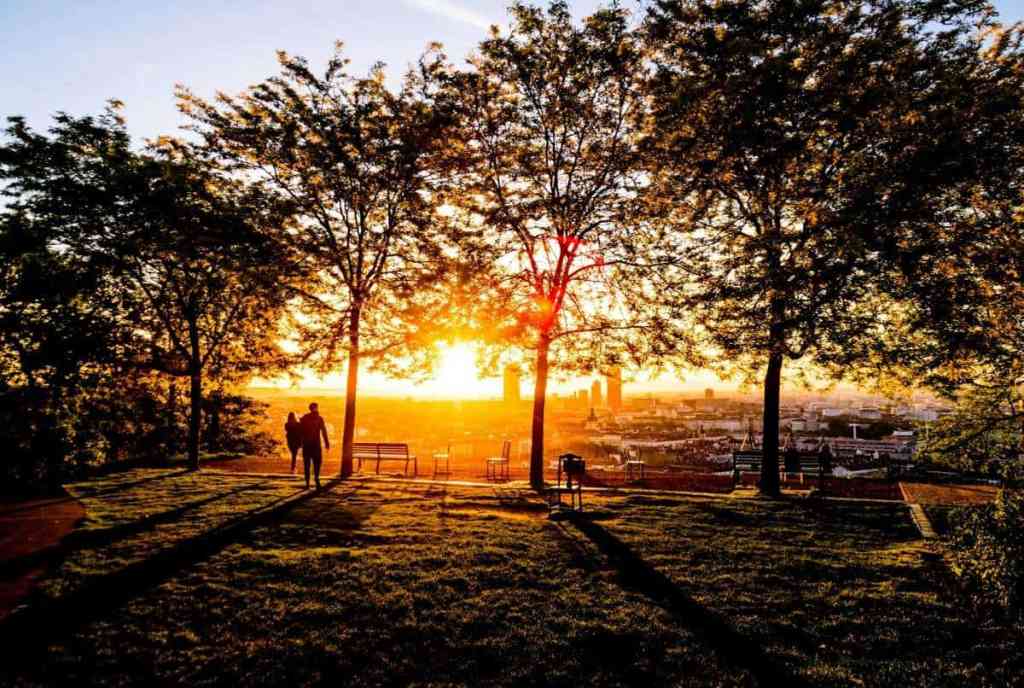
The basilica’s esplanade gives you one of Lyon’s best views. The whole city spreads out below – from Vieux Lyon’s old buildings and Saint-Jean Cathedral to the Rhône and Saône rivers with Presqu’île tucked between them.
Here are some great spots to add to your lyon france attractions list:
- Rosary Garden: Right by the basilica, this quiet garden has peaceful paths and spots to sit and take in Lyon’s beauty, the Saône, the Rhône, and the Presqu’île.
- Celest Bar: Up on the 32nd floor of Tour Part-Dieu in the Radisson Hotel, you can see almost everything – the business district and Fourvière included.
- Musée des Confluences: Head to the roof terrace on a clear day and you might see all the way to the Alps and Mont Blanc.
Photography fans looking for things to do in Lyon, France should check out Quai des Célestins between Pont Bonaparte and Passerelle du Palais-de-Justice. You’ll get great shots of both the basilica and metallic tower.
Early birds might love Place Bellevue, a small square that’s perfect to watch the sun come up over Lyon.
Taste the Flavors of Lyon
Lyon has proudly carried the title of the “world capital of gastronomy” since 1935, making it the beating heart of French cuisine.
The city’s exceptional culinary scene is a must on any Lyon France bucket list, as good food isn’t just enjoyable here – it’s a lifestyle!
Eat at a certified bouchons
Traditional bouchons are the cornerstone of Lyon’s food heritage. These cozy, relaxed restaurants with their signature red and white checkered tablecloths define the city’s culinary identity.
The “Les Bouchons Lyonnais” quality label from Lyon’s Chamber of Commerce helps you spot authentic venues. Look for the sticker featuring Gnafron, Lyon’s iconic marionette character, on restaurant doors.
Each certified bouchon follows strict quality guidelines. While Lyon’s department boasts 26 Michelin stars and 20 Michelin-starred restaurants, the simple bouchon remains the quintessential thing to do in Lyon, France for food enthusiasts.
These establishments serve hearty, traditional dishes including:
- Quenelles – delicate pike dumplings often served with rich crayfish sauce
- Andouillette – traditional tripe sausage
- Salade Lyonnaise – frisée lettuce with bacon lardons, croutons and poached egg
- Cervelle de canut – a seasoned cheese spread
- Saucisson en brioche – sausage baked in sweet, buttery brioche
Daniel & Denise, Le Poêlon d’Or, Café Comptoir Abel, and La Mère Léa stand out as highly respected bouchons.
Lyon also happens to be one of Europe’s most affordable cities to experience Michelin-starred dining.
Explore Les Halles de Lyon Paul Bocuse

Named after the legendary chef Paul Bocuse, the market embodies Lyon’s deep passion for good food, fresh ingredients, and culinary artistry.
The story of this gourmet haven begins in the mid-19th century, when local vendors gathered at Place des Cordeliers to sell their produce. Over time, the market evolved and eventually settled into its current home in 1971, later expanding into a sleek, modern space. Today, it’s one of the most acclaimed indoor markets in the world!
When you step inside Les Halles de Lyon Paul Bocuse, it’s like walking into the heart of Lyon’s food culture. Around 50 expert vendors fill the space, each one offering something special that tells a story of Lyon’s proud culinary heritage.
The best part? You don’t just shop here — you eat here. Pull up a stool at one of the cozy counters like Chez Léon and watch the chefs in action as you sample the day’s specialties with a glass of wine in hand.
Les Halles welcomes visitors Tuesday to Saturday from 7 a.m. to 7 p.m., with on-site restaurants serving until around 10:30 p.m. On Sundays, the market opens from 7 am to 1 pm, and many eateries continue serving into the afternoon.
So when you’re planning your Lyon bucket list, make sure this stop is near the top. You’ll leave with a full heart, a happy stomach, and maybe a few edible souvenirs to remind you of Lyon’s unforgettable flavors.
Join a Lyon food tour
Lyon’s rich culinary heritage comes alive through guided food tours. These experiences blend local history, culture, and exceptional tastings into unforgettable adventures.
Lyon Food Tours offer intimate experiences with passionate local guides. Groups stay small – no more than 12 people – as they explore the city’s culinary hotspots.
Tours typically include charcuterie and cheese with regional wine pairings, warm Praluline brioche tastings, traditional bouchon dishes, and sweet treats like the Coussin de Lyon. Guides share local secrets and cultural insights that leave you full of both food and fascinating knowledge.
Les Halles Paul Bocuse morning tours offer a special treat. These focused tours visit 5-7 selected stalls, with enough tastings to equal a full meal. It’s the perfect way to discover this culinary landmark with expert help.
These tours mix visits to iconic spots with local stories and artisanal tastings, making them perfect fun things to do in Lyon, France for food enthusiasts.
Art, Museums, and Murals
Lyon’s artistic scene deserves a spot on your Lyon France bucket list, going well beyond its famous food and historic sites.
The city fascinates visitors with museums and street art that showcase both classical masterpieces and contemporary creativity. You’ll find cultural experiences here that rival Paris.
Visit the Musée des Beaux-Arts
The Musée des Beaux-Arts is France’s largest museum outside Paris, located in a former 17th-century Benedictine abbey near Place des Terreaux.
Art lovers can explore 5,000 years of history here, from ancient Egyptian artifacts to stunning works by Monet and Matisse.
Seventy galleries spread across five sections let you trace art’s detailed progress through time. The museum’s crown jewel is its painting department, which takes up the entire second floor and displays Europe’s finest artists from the 13th century to today.
Inside, you’ll find:
- Masterpieces by Rembrandt, Rubens, Tintoret, and Véronèse
- Works by modern masters like Georges Braque, Henri Matisse, and Pablo Picasso
- A sculpture garden in the peaceful cloister featuring Rodin and Bourdelle pieces
This ranks among Europe’s most prestigious modern art museums, yet offers a peaceful escape from the city’s busy center.
See the Cinema and Miniature Museum
A magnificent Renaissance building in Vieux Lyon houses the Musée Cinéma et Miniature, where film buffs can dive deep into movie history.
This cultural gem displays over 10,000 original cinema pieces—costumes, props, special effects, and miniatures—that reveal the magic behind favorite films.
The permanent exhibition offers authentic items from blockbusters like Star Wars, Indiana Jones, Harry Potter, and Back to the Future. Some standout pieces include Alfred Hitchcock’s “Vertigo” camera, Charlie Chaplin’s iconic walking stick, and animatronic creatures from “Jumanji”.
Dan Ohlmann’s miniature art world also awaits on the top floor with more than 120 tiny scenes crafted with amazing precision. These 1/12th scale masterpieces show incredible detail in everything from restaurants to libraries.
This museum is located at 60 rue Saint Jean and is open daily.
Admire Lyon’s trompe-l’oeil murals
Lyon has earned its title as the “capital of murals” with more than 150 amazing frescos that turn ordinary buildings into extraordinary art. These trompe-l’oeil (deceiving the eye) murals look so real you might need a second look.
Nine rebellious students started this movement in 1978, pushing back against the School of Fine Arts’ elitism. Mexican muralist Diego Rivera inspired them to form CitéCréation, a cooperative focused on bringing art to public spaces. Their approach always involves local residents in planning murals that tell the neighborhood’s story.
Here’s a list of must-see murals in Lyon:
- Mur des Canuts (Wall of the Silk Workers): This became Europe’s largest mural in 1986, showing the silk-weaving district with stunning realism that matches nearby buildings. The artists have updated it several times to match the neighborhood’s changes.
- Fresque des Lyonnais: This popular mural shows Lyon’s famous residents on painted balconies, including chef Paul Bocuse, the Lumière Brothers, and Antoine de Saint-Exupéry.
- La Bibliothèque de la Cité (The City Library): A five-minute walk from Fresque des Lyonnais leads to this huge painted library featuring hundreds of regional writers’ works.
A guided street art tour through the Croix-Rousse neighborhood is one of the most fun things to do in Lyon, France. You’ll learn about the cultural and political messages behind these amazing creations.
Hidden Passages and Local Secrets
Lyon has a secret world that lies beyond its streets and landmarks – a network of hidden passages called “traboules” that weave through buildings and city blocks.
These mysterious corridors get their name from the Latin word “transambulare” which means “to cross.” They stand as one of the most unique Lyon France attractions that many visitors never get to see.
Guide through the traboules of Vieux Lyon and Croix-Rousse
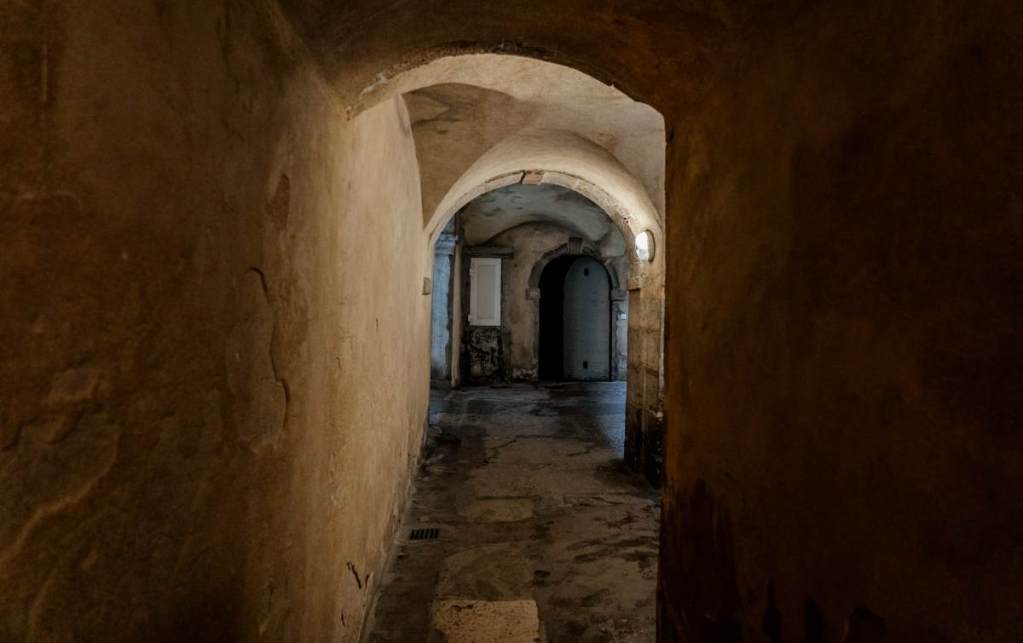
The city has about 500 traboules – 200 in Vieux Lyon, 160 on Croix-Rousse’s slopes, and 130 on the Presqu’île. Today, only 40 are available to the public.
These passages aren’t easy to spot at first glance. Their entrances blend into the surroundings, marked by shield-shaped bronze plaques in Old Lyon and blue markers with lion’s heads in Croix-Rousse.
A 1990 agreement between building owners and the city keeps select traboules open to visitors from 7 am to 7 pm daily. The city helps with maintenance, cleaning, and lighting costs in return for public access to these historic spaces.
Each traboule tells its own story through unique architectural features. You’ll find:
- Spiral staircases with worn steps
- Vaulted ceilings and Renaissance arches
- Peaceful courtyards with old water wells
- Geometric lines and pastel-colored walls
The most famous traboule on your Lyon France bucket list leads to the “Cour des Voraces” (Court of the Voracious) in Croix-Rousse. It features an impressive six-story monumental staircase. The beautiful passage between 27 Rue Saint-Jean and 6 Rue des Trois Maries in Vieux Lyon shows off two colorful courtyards with Italian galleries.
Their role in WWII and the silk trade
These passages were more than architectural marvels – they served vital purposes throughout Lyon’s history. Some traboules date back to the 4th century when early Lyonnais needed quick routes between their homes and the Saône River.
Lyon grew into Europe’s silk manufacturing hub in the 19th century, and the traboules became crucial infrastructure. Silk workers (known as “canuts”) used these passages to carry delicate fabrics safely through the city, protecting valuable textiles away from rain and dirt.
The passages became battlegrounds during times of conflict. The Canut revolts of the 1830s – among the first documented uprisings of Europe’s Industrial Revolution – saw exploited silk workers use traboules to organize and rally.
The hidden corridors proved invaluable during World War II as lifelines for the French Resistance. Complex layouts and hidden entrances made perfect escape routes from Nazi patrols.
Resistance fighters slipped through double doors and dark passages to deliver messages and avoid capture while planning secret meetings. Even the Gestapo found Lyon’s maze-like traboule system impossible to master.
Visitors looking for fun things to do in Lyon, France will find these passages are a great way to get both architectural beauty and a real connection to Lyon’s revolutionary and resistance history – stories that shaped modern France.
Festivals and Cultural Events
Lyon’s calendar is packed with spectacular events that bring life to its historic spaces and showcase its cultural energy during the year. These festivals are some of the most memorable Lyon, France attractions and can help you plan your visit perfectly.
Fête des Lumières: Lyon’s light festival
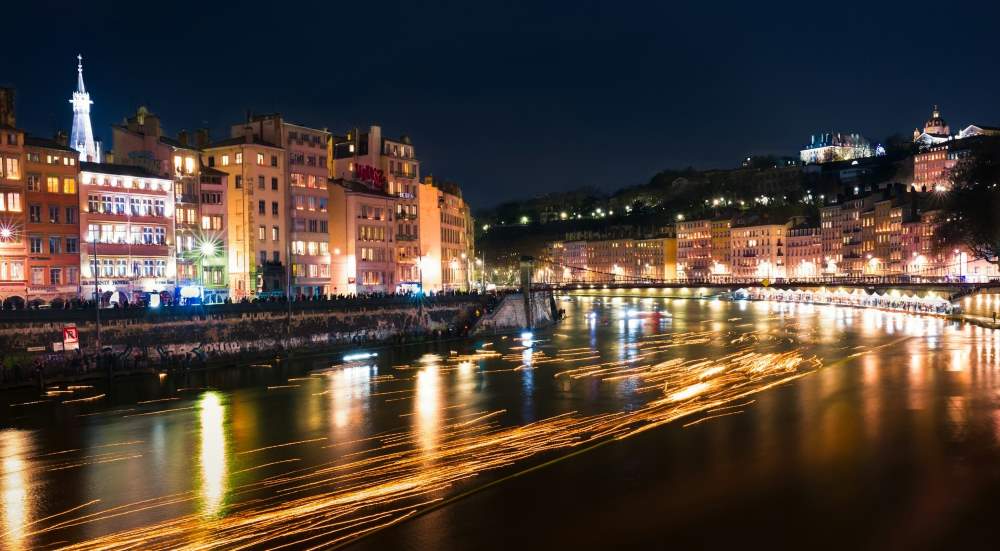
The magical Festival of Lights lights up Lyon for four enchanting evenings each December. The city becomes a canvas of light and color.
This beloved celebration began in 1852 when residents placed candles in colored glasses on their windowsills to celebrate a Virgin Mary statue’s installation on Fourvière Hill. The tradition evolved from simple candles to detailed light installations that now draw millions of visitors.
Still today, Lyon’s most beautiful buildings and public spaces will become backdrops for magnificent light shows. The festival will stay true to Lyon’s identity and feature twenty-three works that honor the city’s emblematic symbols.
The highlights will feature a gastronomic-themed projection on Place des Terreaux and a first-ever spectacular show with 500 synchronized drones over the Parc de la Tête d’Or lake.
Les Nuits de Fourvière: Music and theater in Roman ruins

Lyon’s well-preserved ancient Roman theaters come alive from June to July during Les Nuits de Fourvière festival. This remarkable cultural event creates a unique atmosphere where past meets present by staging performances against 2,000-year-old architecture.
The 2026 festival runs from June 1 to July 26 and will showcase over 120 performances of theater, dance, music, magic, and circus arts. International artists like Fontaines D.C., Franz Ferdinand, and Kraftwerk will perform alongside French artists in venues of all sizes. Previous editions have featured stars like Radiohead, Texas, and Nick Cave.
Salon du Chocolat and other seasonal events
Sweet lovers will find the Salon du Chocolat an irresistible reason to visit Lyon.
The event runs from March 6-8, 2026, at the Center de Congrès. Artisan chocolatiers, pastry chefs, and cocoa producers gather for three days of tastings, demonstrations, and workshops.
The Chocolate Fashion Show stands out as the event’s highlight. Models parade in dresses made from chocolate by fashion designers and chocolatiers working together. Visitors can join pastry workshops, discover new recipes, and learn from the region’s finest chefs.
Lyon’s cultural calendar offers more than these major festivals, making this dynamic city worth visiting any time of the year!
Modern Lyon and Urban Exploration
Lyon’s modern attractions create an amazing contrast to its historical sites. The city’s innovative spaces and experiences should be on any complete Lyon France bucket list.
Visit the futuristic Musée des Confluences
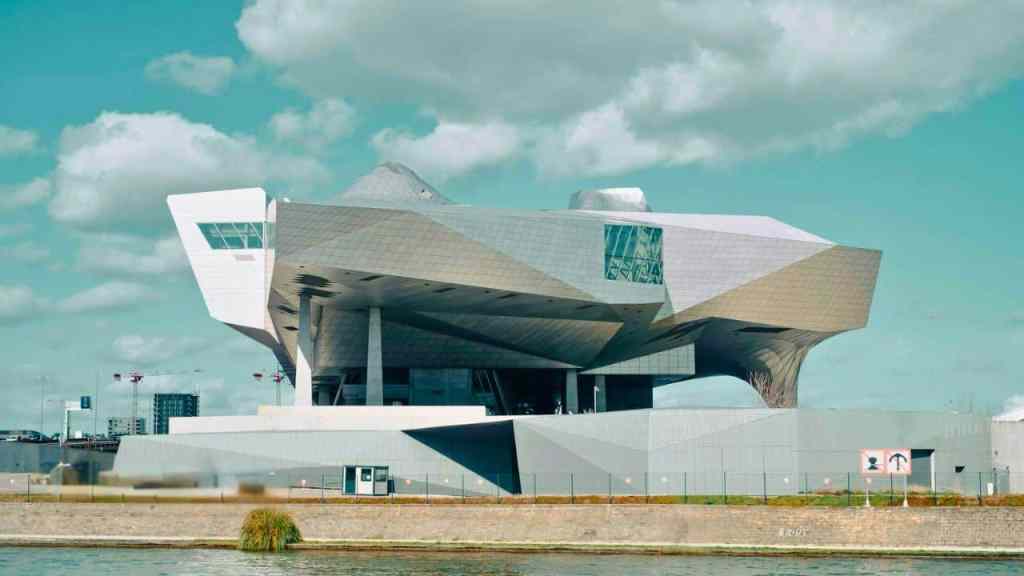
The spectacular Musée des Confluences is located at the southern tip, where the Rhône and Saône rivers meet.
This science center and anthropology museum catches everyone’s eye with its unique design. The building has no main front – instead multiple angles create a fluid outline that seems to change as you move around it.
The exhibitions inside tell humanity’s story across continents. You’ll find amazing collections here. The museum showcases everything from dinosaurs and samurai armor to Egyptian mummies and Tasmanian wolves.
Adults pay €12 to enter, while visitors under 18 get in free. The museum welcomes visitors Tuesday through Sunday, 10:30 am to 6:30 pm. The first Thursday of each month stays open late until 10 pm.
Explore the Confluence district’s architecture
The Confluence district has completely changed its identity. What was once a manufacturing and transport hub has become Lyon’s most futuristic neighborhood since the 2000s.
Famous international architects have left their mark here. Christian de Portzamparc designed the regional council building. The eye-catching Orange and Green Cubes stand out among modern apartment blocks. These buildings feature offset volumes and strategic gaps that create airy spaces.
The district buzzes with shops, offices, and cultural spots. Nature thrives here too – Parc de Saône boasts 13 hectares of ponds and 3,000 different tree species.
Take a Segway or E-bike Tour

Segway and bike tours give you a fresh perspective of Lyon France attractions.
Popular routes will take you through Presqu’île’s heart, along the Saône and Rhône riverbanks, or through the sprawling 117-hectare Tête d’Or park.
E-bikes make light work of Lyon’s hills. You can easily reach famous spots like Fourvière Hill, Croix-Rousse, and Vieux-Lyon.
Local guides share cultural insights, and many tours include food tastings to enhance your experience.
Parks, Markets, and Relaxation
You need to unwind in Lyon’s lush green spaces and vibrant markets after learning about historic districts and architectural marvels. This makes your visit complete.
Picnic in Parc de la Tête d’Or
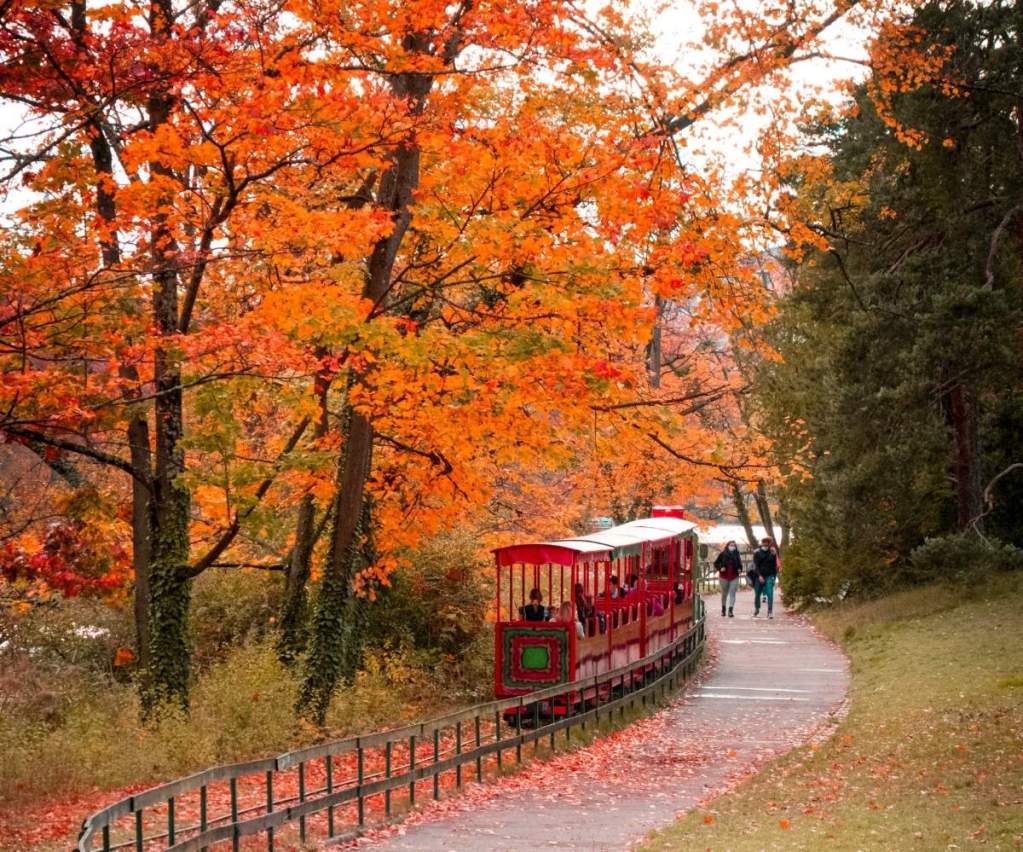
Parc de la Tête d’Or, France’s largest urban park, spans 290 acres and offers a perfect nature escape right in Lyon’s heart.
The park is located just a short walk northeast from the city center. This magnificent green haven features a peaceful 16-hectare lake where visitors can rent pedal boats, rowboats, or motorized boats.
The stunning rose garden displays over 30,000 roses from 350 different varieties that bloom beautifully between May and October.
The park makes an excellent picnic spot with plenty of places to relax. You can watch deer in their enclosures from the lakeside banks or spread out on vast lawns under shady trees.
The park’s free zoo, botanical gardens, and mini-golf course can easily fill your entire day.
Shop at Saint-Antoine Market
If you want to experience Lyon like a local, start your morning at the Marché Saint-Antoine. Stretching gracefully along the Saône River, between the Bonaparte and Maréchal-Juin bridges, this lively open-air market is where the city’s culinary heartbeat truly comes alive.
From Tuesday to Sunday mornings, over a hundred passionate vendors fill the riverside with color, chatter, and the irresistible scent of fresh produce and baked bread. You’ll find everything here — sun-ripened fruits, local cheeses, fragrant herbs, crusty artisanal loaves, and regional delicacies that tempt you at every turn.
Come early, and you might spot top Lyonnais chefs browsing the stalls, carefully choosing the finest ingredients for their menus. But even if you’re just here to explore, you’ll feel part of something authentic — a daily ritual that connects locals, farmers, and food lovers in a beautiful celebration of Lyon’s legendary gastronomy.
Grab a warm croissant, sip a coffee by the river, and soak in the rhythm of the market. It’s one of those simple, soul-stirring moments that makes you fall in love with Lyon all over again.
Stroll along the Saône River

The Saône River’s banks create peaceful pathways with amazing views of Old Lyon’s Renaissance facades.
Riverside cafés invite you to stop for a drink while you gaze at the majestic Basilica of Fourvière in the distance.
A 10-mile pedestrian trail runs from the Confluence area to Île-Barbe Island with art installations dotting the route. The path takes you to the charming Rochetaillée-sur-Saône, where river beaches create perfect picnic spots.
These waterside paths show you the city from a fresh viewpoint that belongs on your Lyon France bucket list, whatever distance you choose to walk.
Frequently Asked Questions (FAQs)
Lyon France Bucket List Final Thoughts
Lyon is France’s best-kept secret, a city where old history naturally merges with modern innovation. A trip through this UNESCO-listed treasure gives you an experience similar to Paris but with far fewer tourists at its remarkable attractions.
Food lovers will, without doubt, treasure memories of authentic bouchon meals and market adventures long after they return home. The city earned its “world capital of gastronomy” title, and with good reason too. You can savor quenelles in traditional restaurants or sample delicacies at Les Halles Paul Bocuse.
Curious travelers find unexpected treasures in Lyon. The mysterious traboules show glimpses of revolutionary history, while colorful trompe-l’oeil murals turn ordinary buildings into extraordinary artistic statements. The striking contrast between Renaissance architecture in Vieux Lyon and futuristic designs in Confluence district shows the city’s remarkable progress.
Your experience becomes even better when you visit during one of Lyon’s spectacular festivals. The magical Fête des Lumières fills the city with impressive light displays each December. Summer brings ancient theaters back to life during Les Nuits de Fourvière.
Many typical French itineraries skip Lyon, but this city deserves a top spot on your travel bucket list. Lyon offers the perfect mix of historical significance, cultural richness, and modern vitality without overwhelming crowds. Best of all, Lyon gives you authentic French experiences that connect directly to centuries of fascinating history while staying really modern and alive.
RELATED BLOG POSTS:
- Best Things to do in Lyon France: Local Secrets and Hidden Gems
- Lyon France Itinerary: From Tourist Spots to Local Favorites
- Where to Stay in Lyon France: Best Areas For Every Budget
- Lyon France Day Trips: Hidden Gems Beyond the City
- Why Travel to Lyon France?