
Athens 2 Day Itinerary: The Perfect Guide for First-Time Visitors

Planning an Athens 2 day itinerary can feel overwhelming when you realize just how much history, culture, and incredible food this fascinating Greek capital has to offer. With ancient landmarks, lively neighbourhoods, and hidden gems around every corner, how do you decide what to see when you only have 48 hours?
The good news is that 2 days in Athens, Greece, is enough time to experience many of the city’s highlights without feeling like you’re constantly racing from one attraction to the next. From exploring the legendary Acropolis and wandering the charming streets of Plaka to enjoying delicious Greek cuisine at a traditional taverna, you’ll discover that Athens has so much more to offer than its ancient ruins.
This 2 day Athens itinerary will help you make the most of your visit, with a practical sightseeing route, must-see attractions, local travel tips, and recommendations on where to stay. Whether you’re visiting Athens for the first time or stopping over before exploring the Greek islands, you’ll have everything you need to plan an unforgettable two days in Greece’s historic capital.
Disclaimer: This post may contain affiliate links, meaning I receive commissions for purchases made through those links at no cost to you. Please read my full disclosure for more information.
Day 1: The Acropolis and Athens Old Town
Your first day in Athens is all about discovering the ancient landmarks and charming neighbourhoods that make this city such an unforgettable destination. From standing beneath the towering columns of the Parthenon to getting lost in the picturesque streets of Plaka, you’ll experience some of the very best things Athens has to offer.
This part of your Athens 2 day itinerary focuses on the historic heart of the city, where many of the most famous attractions are within walking distance of one another. You’ll start your morning exploring the Acropolis, discover ancient Greek treasures at the Acropolis Museum, and spend the afternoon wandering through some of Athens’ most beautiful neighbourhoods.
And what better way to finish your first day than watching the sunset over Athens before enjoying a delicious Greek dinner?
Early morning: Explore the Acropolis and Parthenon
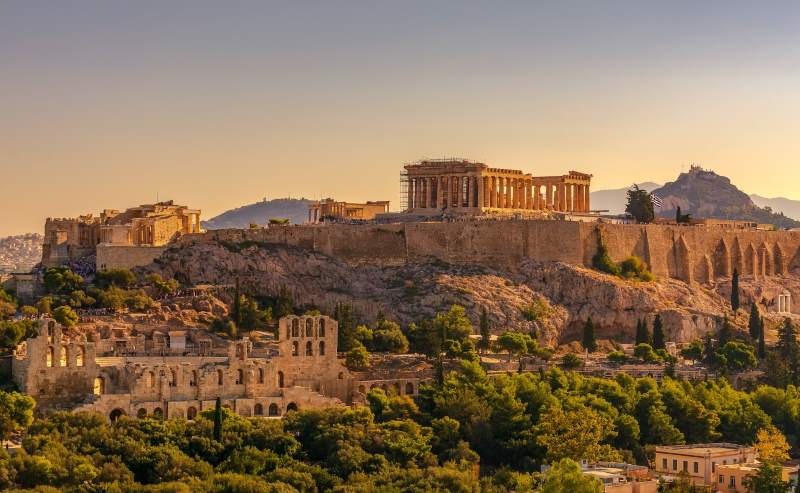
There’s no better place to begin your first day in Athens than the magnificent Acropolis, one of the most recognizable ancient landmarks in the world.
Perched high above the city on a rocky hilltop, this UNESCO World Heritage Site has watched over Athens for thousands of years. As you make your way up the historic pathways, you’ll be rewarded with spectacular views of the city stretching out in every direction.
The highlight of your visit is undoubtedly the Parthenon, the impressive ancient temple dedicated to Athena, the goddess of wisdom and the patron deity of Athens. Built during the 5th century BC, its enormous marble columns are even more remarkable when you see them up close.
But don’t rush straight to the Parthenon. There are several other fascinating monuments worth exploring, including the Erechtheion with its famous Caryatid statues, the monumental Propylaia entrance, and the Temple of Athena Nike.
Travel Tip: Visit the Acropolis as early in the morning as possible, especially during the warmer months. Not only will you avoid some of the biggest crowds, but you’ll also enjoy more comfortable temperatures while exploring the exposed archaeological site.
Allow approximately 1.5 to 2 hours to explore the Acropolis at a comfortable pace. Wear supportive walking shoes, bring drinking water, and remember that the ancient marble pathways can be surprisingly slippery.
Late morning: Discover Ancient Treasures at the Acropolis Museum

After exploring the Acropolis, make your way downhill to the spectacular Acropolis Museum, located just a short walk from the archaeological site’s southern entrance.
Even if you’re not usually someone who spends hours in museums, this is one attraction you shouldn’t miss during your two days in Athens.
Opened in 2009, the modern museum houses thousands of fascinating artefacts discovered on the Acropolis and its surrounding slopes. Its spacious galleries, glass floors, and enormous windows create a beautiful contrast between ancient Greek history and contemporary architecture.
One of the most memorable exhibits is the collection of original Caryatid statues from the Erechtheion. After seeing replicas supporting the temple’s porch on the Acropolis, you’ll have the opportunity to admire five of the original sculptures up close.
You’ll also encounter the Moschophoros, an ancient marble sculpture depicting a man carrying a calf, along with intricate carvings, statues, and everyday objects that reveal what life was like in ancient Athens.
Make sure you visit the museum’s top-floor Parthenon Gallery, where the surviving sculptural decorations are displayed in a space designed to reflect the dimensions and orientation of the original temple. The surrounding glass walls also offer wonderful views of the Acropolis itself.
Travel Tip: The Acropolis Museum requires a separate admission ticket, so remember to budget for both attractions. Plan to spend approximately 1.5 to 2 hours here, especially if you enjoy history, archaeology, and ancient art.
Lunch: Enjoy Authentic Greek Food in Koukaki
By now, you’ve probably worked up quite an appetite! Fortunately, you’re just a short walk from Koukaki, one of Athens’ most inviting neighbourhoods for a relaxed lunch.
Located south of the Acropolis, Koukaki offers a welcome change of pace from the busy archaeological attractions. Its streets are filled with welcoming tavernas, neighbourhood cafés, and restaurants where you can settle in for a delicious Greek meal.
If you’re looking for somewhere to eat, consider Dyo Dekares, Thomas1971 Tavern, or Kalamaki Bar. These are great places to look for traditional Greek flavours, from grilled meats and fresh salads to tzatziki, halloumi, and souvlaki.
Another option is Onos Taverna, near the Syngrou-Fix metro station, where you can enjoy a more traditional Greek taverna experience.
Whether you choose a leisurely sit-down meal or something quick before continuing your sightseeing, take a little time to enjoy the atmosphere. After all, sampling the local cuisine is one of the best parts of visiting Greece!
Afternoon: Wander Through Plaka and Anafiotika
Plaka
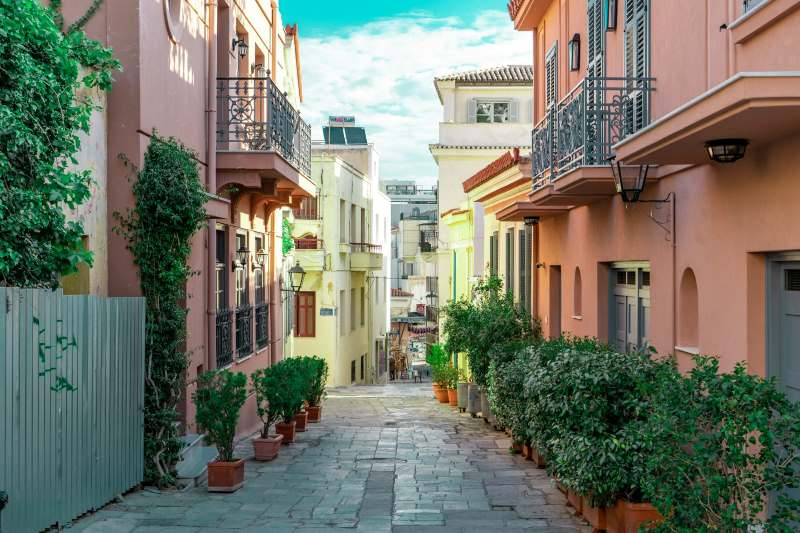
After lunch, it’s time to discover a completely different side of Athens as you explore the charming streets of Plaka, one of the city’s oldest and most picturesque neighbourhoods.
Nestled beneath the Acropolis, Plaka feels worlds away from the bustling streets of modern Athens. You’ll find narrow pedestrian lanes, colourful buildings, inviting cafés, and little shops tucked between historic houses.
Start by wandering along Adrianou Street, where you’ll discover plenty of souvenir shops and restaurants. Then venture into the quieter side streets, where the atmosphere becomes more peaceful and residential.
Anafiotika

One of the most delightful places to explore is Anafiotika, a tiny neighbourhood hidden on the northeastern slopes of the Acropolis.
With its whitewashed houses, narrow stairways, colourful flowers, and blue-painted doors, Anafiotika feels more like a village on a Greek island than a neighbourhood in the middle of Athens.
And there’s a fascinating reason for that!
During the 19th century, workers from the Cycladic island of Anafi settled here, bringing their traditional island architecture with them. Today, the small collection of whitewashed homes remains one of Athens’ most photogenic hidden gems.
As you explore the wider historic centre, you can also visit the beautiful Church of Panagia Gorgoepikoos, a small Byzantine church near the Metropolitan Cathedral of Athens, known for its intricate stonework and ancient marble fragments.
Travel Tip: Allow around 2 hours to wander through Plaka and Anafiotika. There’s no need to follow a strict route. Some of the most memorable discoveries happen when you turn down a quiet street simply because it looks interesting.
Remember that Anafiotika is a residential neighbourhood, so be respectful of people’s homes and privacy while taking photographs.
Evening: Watch the sunset from Areopagus Hill

As your first day in Athens draws to a close, make your way to Areopagus Hill, one of the most spectacular viewpoints near the Acropolis.
Also known as Mars Hill, this rocky outcrop offers sweeping views across Athens, including the Ancient Agora, the surrounding neighbourhoods, and the magnificent Acropolis rising above you.
It’s an especially beautiful place to visit around sunset, when the warm evening light illuminates the ancient monuments and the city begins to glow.
Areopagus Hill also has an interesting history. In ancient Athens, it served as the meeting place of a powerful council associated with the city’s judicial system. According to the New Testament, the Apostle Paul also addressed the Athenians here.
Best of all, visiting Areopagus Hill is completely free, making it a wonderful addition to your Athens itinerary.
Travel Tip: The polished rock surfaces can be extremely slippery, particularly after rain. Wear shoes with good traction, watch your footing, and stay well away from exposed edges. Arrive before sunset to find a comfortable viewing spot, as this popular location can get busy.
Dinner: Enjoy a Traditional Greek Taverna

After a full day of exploring ancient ruins, museums, and historic neighbourhoods, it’s time to slow down and enjoy one of the best experiences Athens has to offer: a leisurely Greek dinner.
If you’re staying near the Acropolis or in the historic centre, you’ll have plenty of wonderful restaurants to choose from.
For traditional Greek cuisine, consider Elaea Dine & Wine or Liondi Traditional Greek Restaurant, both convenient options near the Acropolis Museum.
If you’d prefer to end your evening with a memorable view, look into Strofi or GH Attikos Restaurant, where you can enjoy dinner with the illuminated Acropolis as a beautiful backdrop.
Order a few Greek dishes to share, settle in with a glass of local wine if you like, and enjoy the lively atmosphere of Athens after dark.
After all, you’ve just spent your first day exploring one of the world’s most historic cities. You deserve a relaxing evening before another exciting day of sightseeing!
Day 2: Ancient Athens and Local Life
Your second day in Athens takes you beyond the famous Acropolis to discover more of the city’s fascinating ancient history, colourful markets, and lively neighbourhoods. While yesterday was all about exploring iconic landmarks, today you’ll experience a wonderful mix of archaeological treasures and everyday Athenian life.
You’ll begin your morning wandering through the Ancient Agora, where philosophers once shared their ideas and citizens gathered to discuss important matters. From there, you’ll explore the bustling streets of Monastiraki, sample delicious Greek food near the Central Market, and enjoy a peaceful stroll through the National Garden.
This part of your Athens 2 day itinerary is a little more relaxed, giving you time to soak up the atmosphere, discover interesting places along the way, and enjoy some of the experiences that make Athens such a fascinating city to visit.
Morning: Visit the Ancient Agora and Temple of Hephaestus
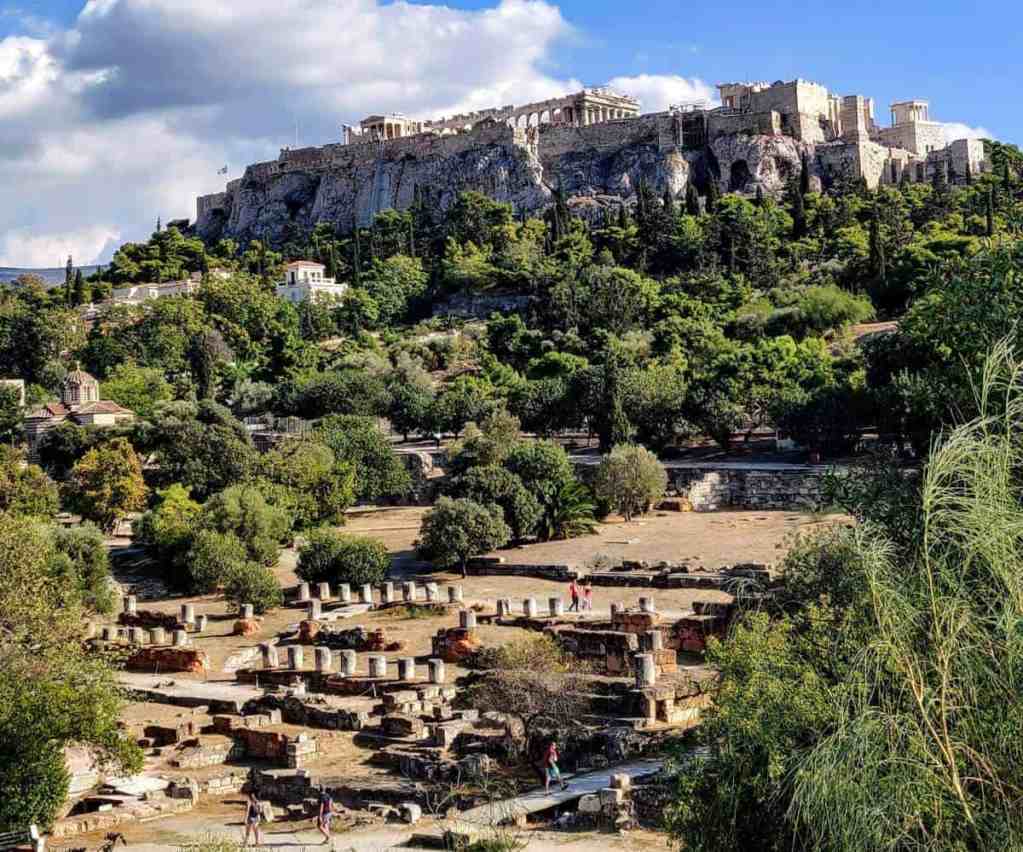
Start your second morning in Athens with a visit to the Ancient Agora, one of the city’s most important archaeological sites and a fascinating place to discover how people lived in ancient Greece.
Located northwest of the Acropolis, this sprawling archaeological area was once the centre of political, commercial, and social life in Athens. Thousands of years ago, its open spaces were filled with merchants selling their goods, citizens discussing politics, and philosophers exchanging ideas.
Today, you can wander along ancient pathways, admire the remains of historic buildings, and imagine what this bustling gathering place must have looked like during its heyday.
One of the highlights is the magnificent Temple of Hephaestus, dedicated to the Greek god of craftsmanship and metalworking. Built during the 5th century BC, it’s one of the best-preserved ancient Greek temples you’ll encounter in Athens.
Take a moment to admire its impressive Doric columns and intricate architectural details. Unlike many ancient temples that survive only as scattered ruins, this remarkable structure still looks surprisingly complete.
Another must-see attraction is the Stoa of Attalos, an impressive reconstructed ancient colonnade that now houses the Museum of the Ancient Agora.
Inside, you’ll discover fascinating artefacts that offer a glimpse into daily life and democracy in ancient Athens. Look out for the pottery fragments known as ostraka, which citizens used when voting to exile prominent individuals, along with objects connected to the city’s political and judicial systems.
Travel Tip: Allow approximately 1.5 to 2 hours to explore the Ancient Agora, or longer if you enjoy archaeology and museums. Try to arrive early in the morning, especially during summer, as much of the archaeological site is exposed to the sun.
Late morning: Discover Monastiraki and the Roman Agora
Monastiraki

After exploring the Ancient Agora, continue your sightseeing with a short walk to Monastiraki, one of the liveliest and most colourful neighbourhoods in Athens.
This vibrant area is famous for its bustling flea market, souvenir shops, historic landmarks, and wonderful mix of ancient and modern architecture.
As you wander through the narrow shopping streets, you’ll find everything from handmade jewellery and leather sandals to antiques, vintage treasures, and traditional Greek souvenirs.
If you enjoy browsing markets, make your way towards Avissinias Square, where antique dealers and secondhand shops add to the neighbourhood’s distinctive atmosphere. Sundays are particularly lively, when additional vendors often set up stalls.
But Monastiraki isn’t just about shopping. You’ll also discover fascinating ancient ruins tucked between the busy streets.
Roman Agora
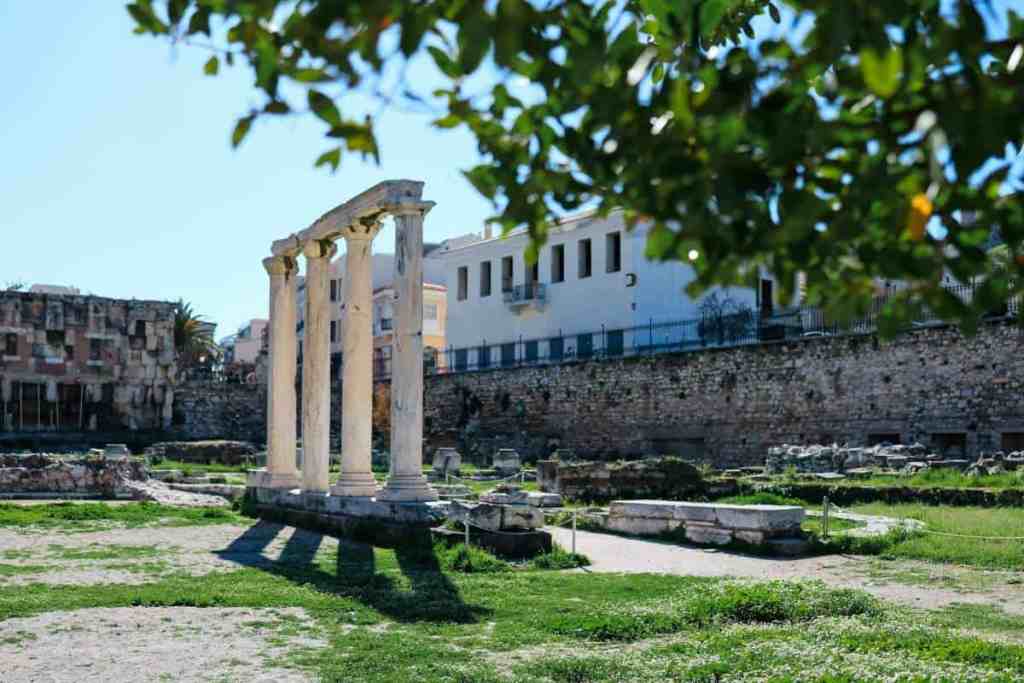
Nearby, you can visit the Roman Agora, a historic marketplace developed during the Roman period, and admire the remains of Hadrian’s Library, an impressive complex commissioned by the Roman emperor in the 2nd century AD.
Even if you don’t have time to explore both archaeological sites in detail, they’re worth admiring as you wander through the neighbourhood.
Another interesting hidden gem is inside Monastiraki metro station, where archaeological excavations reveal part of the ancient Eridanos River and traces of the city’s past.
Travel Tip: Set aside approximately 1 to 1.5 hours for Monastiraki, depending on how much shopping and sightseeing you’d like to do. If you’re planning to enter the Roman Agora or Hadrian’s Library, allow extra time and check their admission requirements separately.

Lunch: Experience Athens Central Market and Psyrri

By lunchtime, you’ll be ready to experience another side of Athens, and there’s no better place to discover the city’s food culture than the bustling Athens Central Market, also known as Varvakios Agora.
Located along Athinas Street, this historic market has been part of everyday Athenian life since the 19th century.
As you explore its busy aisles, you’ll see stalls overflowing with fresh seafood, meats, herbs, olives, cheeses, and other ingredients used in traditional Greek cooking.
It’s a lively, sometimes chaotic experience, but that’s exactly what makes it so memorable. Unlike attractions designed primarily for tourists, this is a working market where local residents and restaurant owners come to shop.
After browsing the market, head towards nearby Psyrri, a neighbourhood known for its colourful street art, traditional tavernas, cafés, and creative atmosphere.
If you’re looking for an authentic Greek lunch, consider Karamanlidika tou Fani, known for its cured meats, cheeses, and dishes influenced by the culinary traditions of Asia Minor.
Another interesting option is Diporto, a historic basement taverna famous for its simple Greek cooking and old-fashioned atmosphere. Its limited daily offerings make it a very different experience from a typical tourist restaurant.
Or simply wander through Psyrri until you find a welcoming taverna that catches your attention.
Travel Tip: Athens Central Market is generally a Monday-to-Saturday destination, so plan accordingly if your second day falls on a Sunday. Also, remember that some traditional tavernas have limited seating, changing menus, or irregular operating hours.
Afternoon: Walk through Syntagma Square and the National Garden
Syntagma Square

After lunch, make your way to Syntagma Square, one of Athens’ most important public spaces and a central gathering place for residents and visitors.
Surrounded by hotels, shops, cafés, and busy streets, the square offers a glimpse into modern Greek city life.
Changing of the Guard
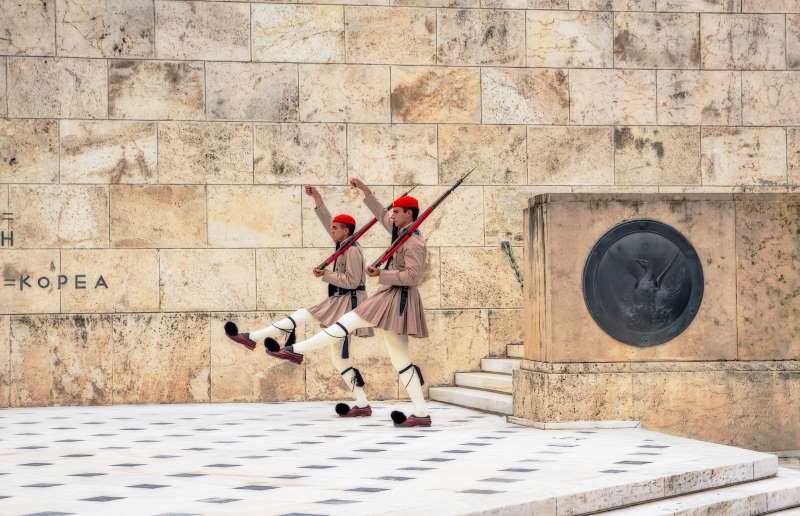
Its most recognizable landmark is the impressive Hellenic Parliament, housed in the former Royal Palace overlooking the square.
In front of the Parliament building, you’ll find the Tomb of the Unknown Soldier, guarded by the famous Evzones, members of the Greek Presidential Guard.
Watching the Changing of the Guard is one of the most memorable free experiences in Athens.
The guards wear distinctive traditional uniforms, including pleated skirts, embroidered waistcoats, and shoes decorated with large black pompoms. Their carefully choreographed movements make the ceremony fascinating to watch.
Guard changes take place throughout the day, while a more elaborate ceremonial procession is traditionally held on Sunday mornings.
National Garden of Athens

Once you’ve finished exploring Syntagma Square, escape the busy streets with a relaxing walk through the nearby National Garden.
Originally created during the 19th century under Queen Amalia, this beautiful green space offers shady pathways, towering trees, ponds, and peaceful corners where you can unwind.
It’s a lovely place to slow down after two days of sightseeing, especially during the warmer months when the shade provides a welcome break from the Mediterranean sunshine.
Travel Tip: If you’re visiting Athens on a Sunday, try to arrange your schedule around the ceremonial Changing of the Guard at approximately 11 a.m. Otherwise, you can watch the regular guard changes and continue exploring at your own pace.
Optional Stop: Visit the Panathenaic Stadium
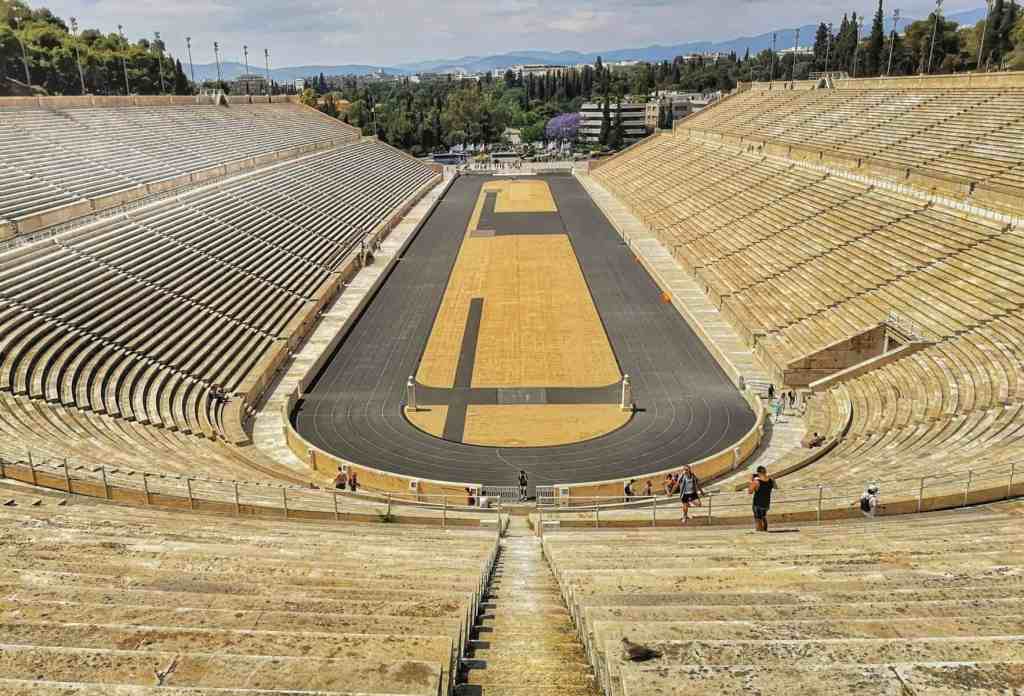
If you still have some energy and time left in your afternoon, consider adding the spectacular Panathenaic Stadium to your itinerary.
Located a short walk from the National Garden, this historic stadium is one of the most fascinating sporting landmarks in Athens.
Originally the site of ancient athletic competitions, the stadium was reconstructed in marble during the 19th century and hosted the first modern Olympic Games in 1896.
What makes it particularly remarkable is that it’s the only stadium in the world built entirely of marble.
As you explore the horseshoe-shaped arena, you’ll get a sense of the excitement that must have filled the stands during the early Olympic Games.
You can admire the stadium from outside or purchase an admission ticket to explore the interior, walk along the track, and discover more about its Olympic history.
Travel Tip: If you’re feeling tired after a busy morning, don’t worry about skipping this stop. You can still enjoy a wonderful two days in Athens without squeezing every attraction into your schedule.
Evening: Enjoy dinner with an Acropolis rooftop view
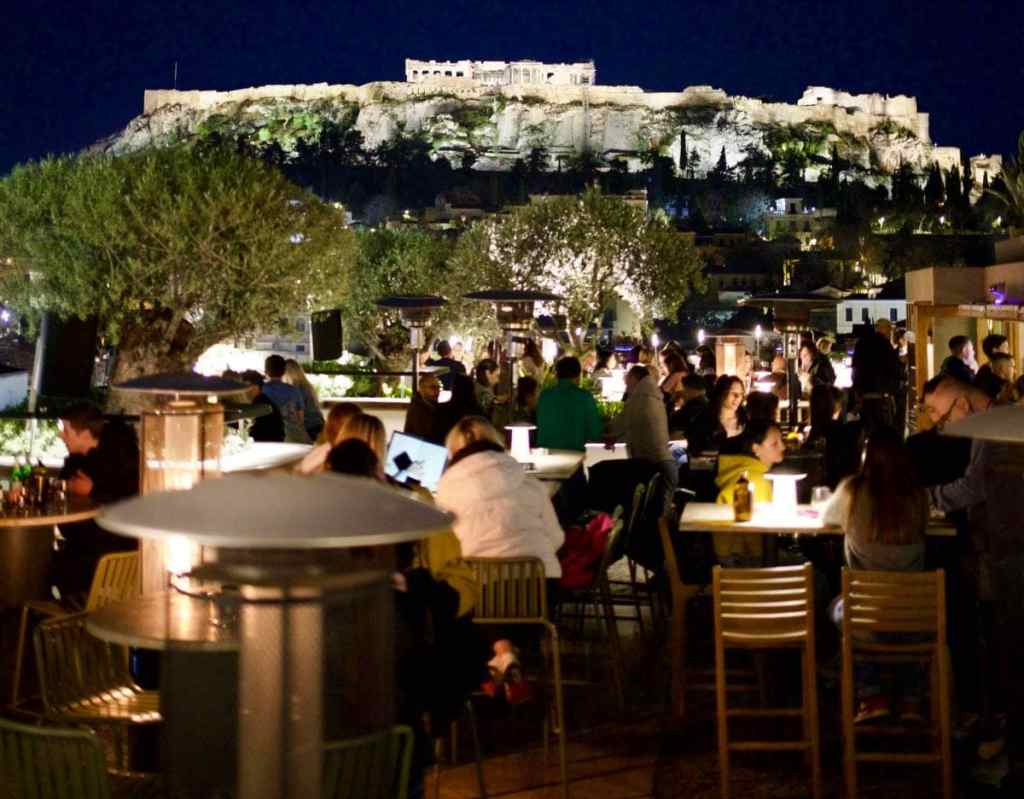
What better way to celebrate your final evening in Athens than enjoying a delicious Greek dinner while admiring the illuminated Acropolis?
As the sun disappears and the city lights begin to twinkle, the Parthenon becomes one of the most spectacular sights in Athens.
Fortunately, the city has plenty of rooftop restaurants and terraces where you can enjoy this unforgettable view.
For a memorable dining experience, consider Point A, the rooftop restaurant at the Herodion Hotel, where you can enjoy views towards the Acropolis in a stylish setting.
Another excellent option is Metropolis Roof Garden at the Electra Metropolis hotel, which offers panoramic views across the historic city centre.
You can also look into Elysium Athens, located along Ermou Street, for another rooftop dining experience in the heart of Athens.
Whichever restaurant you choose, try to reserve a table in advance, especially if you’re visiting during the busy summer months or hoping to dine around sunset.
And if rooftop dining isn’t your style, there’s nothing wrong with spending your final evening at a cosy neighbourhood taverna instead.
Order your favourite Greek dishes, enjoy the atmosphere, and take a moment to reflect on everything you’ve experienced during your 2 days in Athens, Greece.
From ancient temples and bustling markets to charming neighbourhoods and unforgettable views, you’ve discovered just how much this incredible city has to offer in a short visit.
Where to Stay for 2 Days in Athens, Greece
Choosing the right neighbourhood can make a big difference when you only have two days to explore Athens. Ideally, you’ll want to stay somewhere central, with easy access to the city’s major attractions, restaurants, and public transportation.
Fortunately, several of Athens’ most popular neighbourhoods are within walking distance of the Acropolis and other historic landmarks, making them excellent bases for a short visit.
Plaka: Best for First-Time Visitors
If you’re visiting Athens for the first time, Plaka is one of the best places to stay.
Located at the foot of the Acropolis, this charming historic neighbourhood is filled with narrow cobblestone streets, colourful buildings, traditional tavernas, and inviting little cafés.
Staying here means you’ll be within walking distance of many attractions included in this Athens itinerary, including the Acropolis, Acropolis Museum, Ancient Agora, and Monastiraki.
The biggest downside is that accommodation can be more expensive, particularly during the busy summer months.
For a memorable stay, consider Electra Palace Athens, a beautiful hotel in the heart of Plaka with a rooftop pool and wonderful views of the Acropolis.
Koukaki: Best for a Relaxed, Local Atmosphere
If you’d prefer somewhere a little quieter, Koukaki is another excellent choice.
Located just south of the Acropolis, this neighbourhood has a more residential atmosphere, with welcoming cafés, traditional Greek restaurants, and lively pedestrian streets.
You’ll still be close to major attractions, particularly the Acropolis Museum, while enjoying a slightly more laid-back experience away from the busiest tourist areas.
Koukaki is also well connected by public transportation, with Syngrou-Fix metro station nearby.
Accommodation options include Hotel Syngrou Fix, conveniently located near the metro, and Neoma Hotel, which offers rooftop views towards the Acropolis.
Monastiraki and Syntagma: Best for Transportation and Convenience
If convenience is your priority, consider staying near Monastiraki or Syntagma Square.
Both neighbourhoods offer excellent metro connections, making them particularly useful if you’re arriving from Athens International Airport or travelling onwards to the Greek islands.
Monastiraki is ideal if you enjoy lively streets, shopping, rooftop restaurants, and being close to historic attractions.
Syntagma, meanwhile, offers easy access to the National Garden, Parliament building, shopping streets, and public transportation.
Both locations make excellent bases for exploring Athens in two days without spending too much time travelling between attractions.
Travel Tip: For a first-time visit, I’d recommend choosing Plaka if your budget allows. Its central location and beautiful historic atmosphere make it especially convenient for following this itinerary.
How to Get to Athens and Around the City
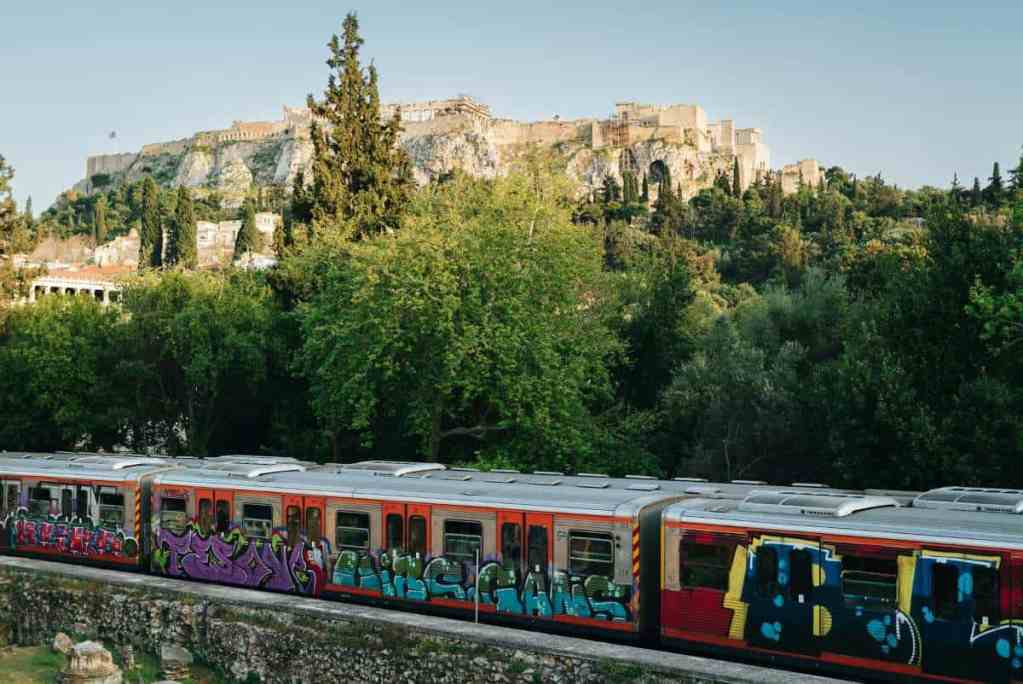
Getting to Athens and exploring the city is surprisingly straightforward, even if it’s your first visit to Greece. With an efficient public transportation system and many of the main attractions located close together, you won’t need a rental car to enjoy your 2 days in Athens.
In fact, one of the best things about this itinerary is that you can explore most of the historic centre on foot, giving you plenty of opportunities to discover charming streets, local cafés, and hidden gems along the way.
Getting from Athens Airport to the City Centre
If you’re flying into Athens International Airport (ATH), you’ll have several convenient options for reaching the city centre.
- Metro: Line 3 connects the airport directly with Syntagma Square and Monastiraki. The journey takes approximately 40 minutes, making it one of the easiest ways to reach central Athens. A standard airport metro ticket costs around €9.
- Airport Express Bus: The X95 bus travels between the airport and Syntagma Square, operating 24 hours a day. It’s a budget-friendly alternative to the metro, although the journey can take an hour or longer depending on traffic.
- Taxi: A taxi is a convenient option if you’re travelling with heavy luggage, arriving late at night, or simply prefer a direct transfer to your hotel. Official airport taxis use fixed fares to central Athens, with higher rates during nighttime hours.
Travel Tip: If you’re staying in Plaka, Monastiraki, or near Syntagma Square, Metro Line 3 is particularly convenient. You can reach your accommodation without having to navigate multiple transfers.
Getting from Piraeus Port to Athens
If you’re arriving in Athens by ferry from one of the Greek islands, you’ll most likely disembark at Piraeus Port, the city’s main passenger harbour.
Fortunately, getting into central Athens is easy.
Metro Line 3 connects Piraeus with Syntagma Square and Monastiraki, making it a convenient choice for reaching the historic centre. You can also use Metro Line 1 to travel directly to Monastiraki.
Taxis are available around the port, although fares depend on your destination and the time of day.
Travel Tip: Piraeus is a large port with several passenger terminals, so check which ferry gate you’ll be arriving at. Depending on your arrival point, you may need extra time to reach the metro station.
Getting Around Athens: Walking and Public Transportation
One of the biggest advantages of following this Athens 2 day itinerary is that most of the attractions are located within a relatively compact area.
The Acropolis, Acropolis Museum, Plaka, Anafiotika, Ancient Agora, and Monastiraki are all close enough to explore on foot.
Walking is also one of the most enjoyable ways to experience Athens. You’ll stumble across ancient ruins, colourful street art, traditional bakeries, and inviting little cafés that you might otherwise miss.
However, Athens does have some steep streets, uneven pavements, and slippery marble surfaces, especially around the Acropolis. Comfortable walking shoes are essential!
For longer journeys, the Athens Metro is an affordable and convenient option. The three main lines connect popular neighbourhoods, major attractions, and transportation hubs throughout the city.
A standard 90-minute public transportation ticket costs approximately €1.20 and allows transfers between eligible metro, bus, tram, and trolley services, excluding airport express services and special airport metro journeys.
You can also use contactless payment with a compatible bank card or mobile wallet on supported public transportation services.
Travel Tip: For a short stay focused on sightseeing, you probably won’t need an unlimited transportation pass. Since most of the attractions in this itinerary are within walking distance, individual tickets are often the most economical choice.
The Best Time to Visit Athens for 2 Days

Athens is a wonderful destination throughout the year, but the season you choose can have a big impact on your sightseeing experience.
Since this itinerary involves plenty of walking and outdoor archaeological sites, comfortable temperatures can make exploring the city much more enjoyable.
Spring and Autumn: Best for Comfortable Sightseeing
For most visitors, April, May, September, and October are excellent months to explore Athens.
Spring brings pleasant temperatures, blooming flowers, and generally comfortable conditions for wandering through the Acropolis, Plaka, and the Ancient Agora.
Autumn is equally appealing, with warm days, cooler evenings, and a more relaxed atmosphere as the busiest summer crowds begin to disappear.
These seasons are particularly enjoyable if you love walking, outdoor dining, and exploring historic neighbourhoods without dealing with intense summer heat.
Summer: Expect Hot Weather and Bigger Crowds
Athens can get extremely hot during July and August, with temperatures sometimes climbing above 40°C (104°F) during heatwaves.
If you’re visiting during summer, plan to explore outdoor attractions such as the Acropolis and Ancient Agora as early in the morning as possible.
Save museums, shaded gardens, and leisurely lunches for the hottest part of the afternoon.
It’s also worth remembering that extreme heat can occasionally lead to temporary closures of archaeological sites.
Travel Tip: Always carry drinking water, wear sunscreen, and bring a hat when exploring Athens in summer. Much of the Acropolis has very little shade.
Winter: Fewer Crowds and a Different Side of Athens
Visiting Athens during winter can be a wonderful experience if you prefer quieter attractions and don’t mind cooler weather.
Although you may encounter occasional rain, temperatures are generally much milder than in many other European capitals.
You’ll also have the opportunity to explore famous landmarks with fewer visitors and potentially find more affordable accommodation.
The main consideration is that archaeological sites often have shorter opening hours, so you’ll need to plan your sightseeing around the available daylight.
Travel Tip: If you’re visiting between November and March, check attraction opening hours carefully and consider visiting outdoor archaeological sites earlier in the day.
What to Book in Advance for your Athens 2 Day Trip

With only two days in Athens, a little advance planning can save you valuable sightseeing time.
You don’t need to organize every minute of your visit, but there are a few experiences worth arranging before you arrive.
Acropolis Tickets: This should be your top priority. The Acropolis uses timed-entry tickets, and popular morning slots can sell out during busy periods. Book through the official archaeological ticketing website and choose an early entry time whenever possible.
Acropolis Museum: You will need to purchase a separate admission ticket for the Acropolis Museum. Booking ahead can help you organize your morning sightseeing schedule.
Guided Tours: If you’d like to learn more about ancient Greek history, consider booking an Acropolis and Ancient Agora guided tour. Just remember to check whether admission tickets are included in the price.
Rooftop Restaurants: Planning a special dinner overlooking the illuminated Acropolis? Reserve your table ahead of time, particularly during summer or on weekends. Rooftop tables with the best views are especially popular around sunset.
Travel Tip: You don’t need to book every attraction in advance. Leave yourself some flexibility to wander through Plaka, explore Monastiraki, and discover interesting places along the way.
How to Customize Your Athens 2 Day Itinerary
Although this itinerary covers many of Athens’ most famous attractions, there’s no reason you can’t adjust it to match your interests and travel style.
After all, everyone has a different idea of the perfect city break!
If You Love Ancient History

Consider replacing some of your afternoon sightseeing with a visit to the National Archaeological Museum, home to one of the world’s most impressive collections of ancient Greek artefacts.
Allow at least two hours to explore its remarkable sculptures, pottery, jewellery, and archaeological treasures.
If You’re a Food Lover

Athens is a fantastic destination for anyone who loves discovering a city through its food.
Instead of exploring the Central Market and Psyrri independently, consider joining a guided Greek food tour.
You’ll have the opportunity to sample traditional dishes, discover local ingredients, and learn more about Greek culinary traditions.
If You’re Visiting on a Sunday
Try to arrange your second day around the ceremonial Changing of the Guard at Syntagma Square, which traditionally takes place at 11 a.m.
It’s a fascinating experience that offers a glimpse into Greek military traditions and makes a memorable addition to your visit.
If You Prefer a Slower Pace
Don’t feel pressured to visit every attraction on this itinerary.
You can easily spend more time exploring Plaka, enjoying a leisurely lunch, or relaxing at a café while admiring the Acropolis.
If you prefer less walking, consider skipping optional stops such as the Panathenaic Stadium or using public transportation between neighbourhoods.
Keep in mind that ancient archaeological sites often have uneven surfaces, steps, and limited accessibility, so check the official accessibility information before visiting if needed.
If You Have an Extra Day in Athens
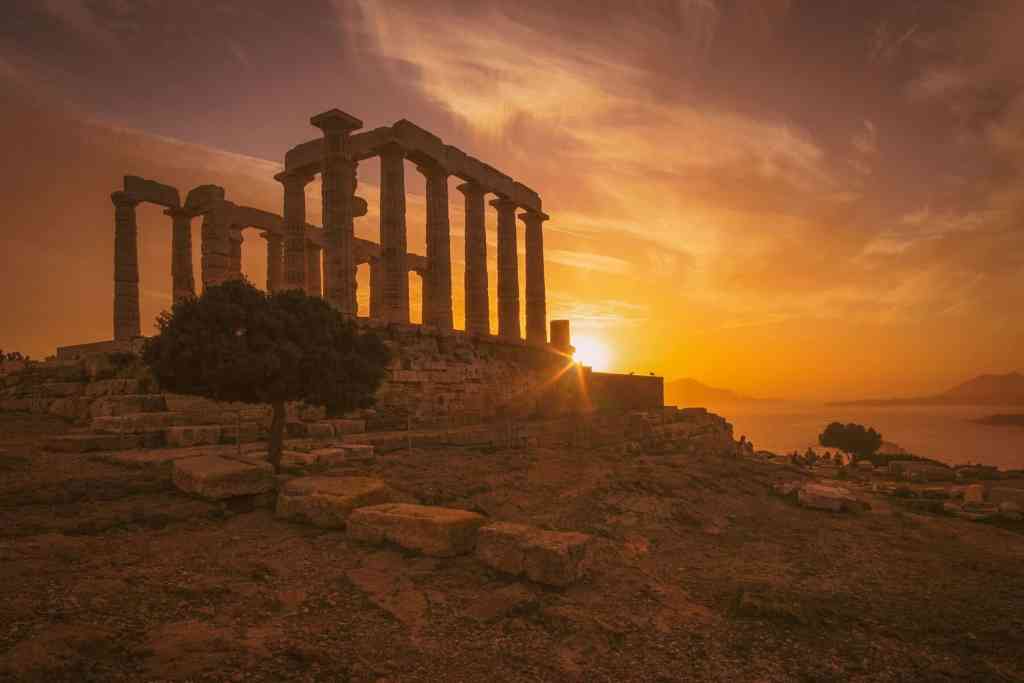
If your schedule allows you to extend your stay, there are some wonderful day trips from Athens worth considering.
You could visit the spectacular Temple of Poseidon at Cape Sounion, explore the ancient archaeological site of Delphi, or take a ferry to the beautiful Greek island of Hydra.
Each destination offers a completely different experience and is a fantastic way to discover more of Greece beyond its capital.
Beyond the Acropolis: Your Ultimate Day Trips from Athens Guide
Conclusion: Make the Most of Your 2 Days in Athens
Athens is one of those incredible cities where ancient history and modern life come together around every corner.
From standing beneath the magnificent columns of the Parthenon to wandering through the charming whitewashed streets of Anafiotika, you’ll quickly discover why the Greek capital is such an unforgettable destination.
Although you could easily spend a week exploring everything this fascinating city has to offer, 2 days in Athens gives you enough time to experience its most iconic landmarks, discover lively neighbourhoods, and enjoy delicious Greek cuisine without feeling overwhelmed.
The key to making the most of your visit is finding the right balance between sightseeing and simply enjoying the atmosphere. Don’t worry about checking off every attraction on your list. Sometimes the most memorable travel experiences happen when you slow down, explore a quiet side street, or linger over a traditional Greek meal.
Whether Athens is your final destination or the starting point for an unforgettable Greek island adventure, this Athens 2 day itinerary will help you experience the very best of the city in a short amount of time.
And who knows? After spending two wonderful days discovering Athens, you might already be dreaming about your next trip to Greece!
Frequently Asked Questions (FAQs)
Key Takeaways
This two-day plan pairs Athens’s essential ancient sites with walkable neighborhoods, local food, and practical planning tips.
- Start Day 1 early at the Acropolis, then visit its separate-ticket museum before exploring Plaka, Anafiotika, and Areopagus Hill at sunset.
- Spend Day 2 at the Ancient Agora, Monastiraki, Central Market, Psyrri, Syntagma, and the National Garden; finish with an Acropolis-view rooftop dinner.
- Book Acropolis timed entry, separate museum tickets, and popular rooftop tables early; verify tour prices include admission and avoid discontinued combination-ticket assumptions.
- Stay in Plaka or Koukaki for walkable sightseeing, or choose Monastiraki and Syntagma for easier metro connections; most central routes are best explored on foot.
- Visit in spring or fall for comfortable walking; in summer, schedule outdoor sites before 10:30am or after 5:30pm due to heat and possible closures.
- Control costs with single transit fares, free viewpoints, street food, and restaurants one block from tourist hubs, where prices can drop 30–40%.
Athens Travel Blogs
Athens 3 Day Itinerary

Where to Stay in Athens Greece

Day Trips From Athens
Athens Greece Bucket List
Cheapest Time to Travel to Athens