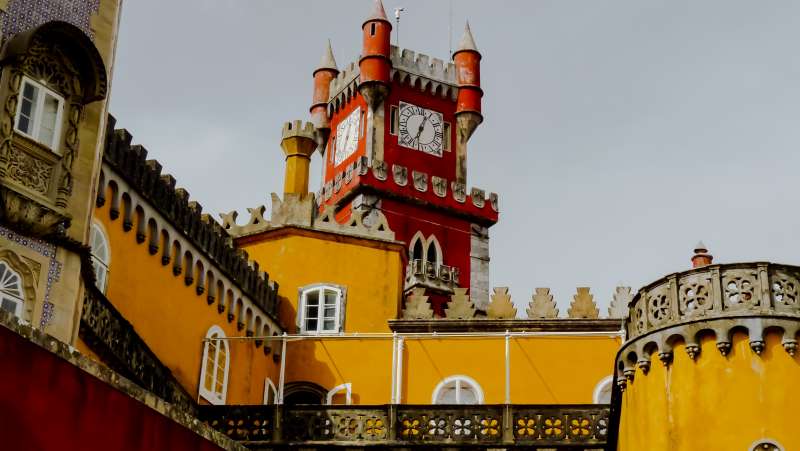
Lisbon 3 Day Itinerary: Your Perfect Guide for First-Time Visitors
Lisbon is the kind of city that makes you want to slow down and explore. With its colourful buildings, narrow cobblestone streets, historic neighbourhoods, and spectacular viewpoints overlooking the Tagus River, Portugal’s capital is full of places that invite you to linger a little longer.
Between wandering through centuries-old streets, riding Lisbon’s famous yellow trams, and stopping for a freshly baked pastel de nata, you’ll quickly discover why this sun-soaked city has become one of Europe’s most appealing destinations.
But when you’re visiting for the first time, figuring out how to spend just three days in Lisbon can be tricky. There are historic castles to explore, beautiful waterfront landmarks to discover, traditional Portuguese dishes to try, and charming neighbourhoods that deserve more than a quick visit.
That’s where this Lisbon 3 day itinerary comes in!
I’ve designed this guide to help you experience the best of Lisbon in three days, balancing must-see attractions with opportunities to wander, relax, and enjoy the city’s unique atmosphere.
You’ll discover the winding streets of Alfama, explore Lisbon’s most famous landmarks, admire panoramic city views, and enjoy some of Portugal’s delicious local cuisine. You’ll even have the option to swap a day of city sightseeing for a memorable trip to Sintra, known for its colourful palaces and fairytale-like scenery.
Whether you’re planning a long weekend in Lisbon or including the city in a longer Portugal vacation, this itinerary will help you make the most of your visit without packing every hour with activities.
Along the way, you’ll also find practical travel tips, including where to stay, what to eat, how to get around Lisbon, and helpful advice for making your first visit as enjoyable as possible.
Disclaimer: This post may contain affiliate links, meaning I receive commissions for purchases made through those links at no cost to you. Please read my full disclosure for more information.
Day 1: Exploring Central Lisbon
Your first day in Lisbon takes you through some of the city’s most beautiful historic neighbourhoods. You’ll stroll across grand waterfront squares, explore lively pedestrian streets, step inside centuries-old churches, and discover viewpoints that reveal just how picturesque Portugal’s capital really is.
Most of today’s sightseeing can be done on foot, giving you plenty of opportunities to admire Lisbon’s architecture, stop for a coffee, and discover interesting places along the way. Just be prepared for a few hills, especially when you reach Alfama later in the day!
Morning: Explore Baixa and Chiado

Begin your Lisbon adventure at Praça do Comércio, a magnificent waterfront square overlooking the Tagus River. Surrounded by elegant yellow buildings and open to the water on one side, it’s a beautiful introduction to the city.
Take a few minutes to admire the grand architecture, enjoy the river views, and soak up the atmosphere before heading into Baixa, Lisbon’s historic downtown district.
Walk beneath the impressive Arco da Rua Augusta, the monumental triumphal arch connecting Praça do Comércio with Rua Augusta. If you’d like to see Lisbon from above, you can also visit the arch’s viewing terrace for a different perspective of the square and surrounding rooftops.
From here, follow Rua Augusta, one of Lisbon’s busiest pedestrian streets. With its patterned pavement, outdoor cafés, colourful storefronts, and street performers, there’s plenty to catch your attention as you wander toward the heart of Baixa.
Next, head into the elegant Chiado neighbourhood, known for its historic cafés, independent shops, theatres, and literary connections.
Along Rua Garrett, you’ll come across Livraria Bertrand, which holds the Guinness World Record for the oldest operating bookstore in the world. Founded in 1732, this historic bookshop is still welcoming visitors centuries later.
Step inside to browse the shelves and appreciate the atmosphere of a place that has been part of Lisbon’s literary history for generations. Even if you don’t plan to buy a book, it’s a lovely little stop along your walking route.

Just a short walk away, you’ll find A Brasileira, one of Lisbon’s best-known historic cafés.
Opened in 1905, this elegant café became a popular meeting place for artists, writers, and intellectuals. Among its most famous regulars was Portuguese poet Fernando Pessoa, whose bronze statue now sits outside the entrance.
You can stop for a coffee and admire the café’s richly decorated interior or simply take a photo beside Pessoa’s statue before continuing your explorations.
A little farther along, you’ll reach Praça Luís de Camões, a lively square honouring one of Portugal’s most celebrated poets.
With its central monument, traditional Portuguese pavement, and surrounding historic buildings, the square is a pleasant place to pause and enjoy the neighbourhood’s atmosphere.
From here, head toward the remarkable ruins of Convento do Carmo, one of Lisbon’s most memorable historic attractions.
Originally built in the late 14th century, this Gothic convent suffered extensive damage during the devastating earthquake of 1755. Rather than being completely reconstructed, much of the ruined church was preserved, leaving its towering stone arches exposed to the sky.
Walking through the roofless nave is a fascinating experience. The surviving columns and pointed arches offer a glimpse of the convent’s former grandeur while serving as a powerful reminder of the earthquake that changed Lisbon forever.
The site also houses an archaeological museum, making it especially worthwhile if you enjoy exploring historic buildings.
After visiting the convent, head uphill toward Igreja de São Roque.
At first glance, this 16th-century church might not look particularly remarkable. Its relatively simple exterior gives little indication of the elaborate decoration waiting inside.
Step through the entrance, however, and you’ll discover beautifully detailed chapels, gilded woodwork, colourful marble, decorative tiles, and impressive religious artwork.
One of its most extraordinary features is the Chapel of St. John the Baptist, famous for its luxurious materials and intricate craftsmanship.
It’s a wonderful example of why some of Lisbon’s most interesting treasures are hidden behind surprisingly modest façades.
Finish this part of your walking tour at Miradouro de São Pedro de Alcântara, one of the city’s most scenic viewpoints.
Set within a landscaped terrace overlooking central Lisbon, this viewpoint offers a beautiful panorama of the city’s rooftops, surrounding hills, and São Jorge Castle perched above Alfama.
Take your time admiring the scenery, exploring the gardens, or enjoying a drink from the nearby kiosk. After several hours of walking, it’s a particularly rewarding place to rest your feet before continuing your Lisbon adventure.
Lunch and a Taste of Lisbon’s Famous Pastel de Nata
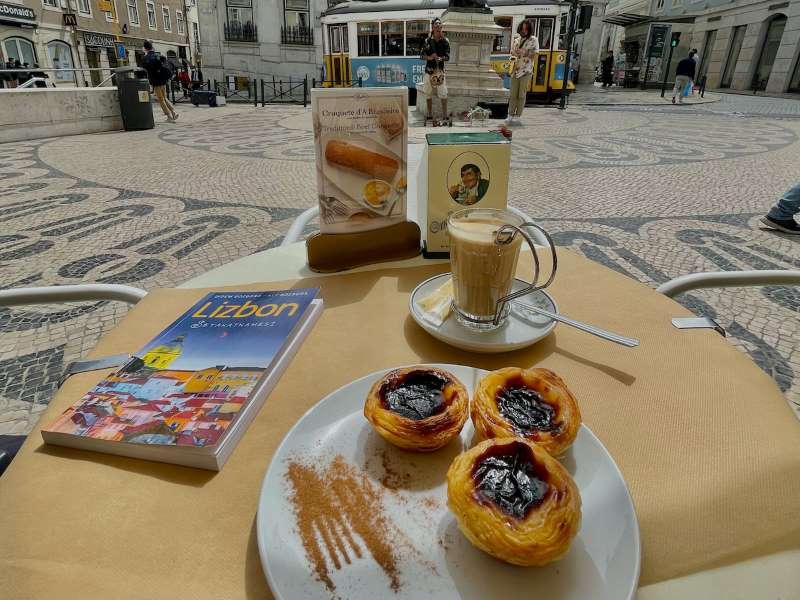
After a busy morning exploring Lisbon, it’s time to give your feet a break and enjoy some delicious Portuguese food.
Chiado and nearby Bairro Alto are filled with inviting cafés, traditional restaurants, and casual eateries, making this a convenient area to stop for lunch before continuing your sightseeing.
If you’re looking for something local, try a bifana, a Portuguese pork sandwich served in a soft bread roll, or a prego, a flavourful steak sandwich. You’ll also find plenty of restaurants serving grilled fish, seafood, and other traditional Portuguese dishes.
And of course, no first visit to Lisbon would be complete without trying a pastel de nata, Portugal’s famous custard tart!
These irresistible little pastries have crisp, flaky shells filled with rich, creamy custard and a lightly caramelized top. They’re especially delicious when served warm, sometimes with a sprinkle of cinnamon.
One of the best-known places to try them is Manteigaria, a popular pastry shop where you can often watch bakers preparing fresh batches behind the counter. It’s a fun experience, especially if you’ve never seen how these traditional Portuguese treats are made.
If you love pastries, you might also want to visit Castro or Alcôa, two other well-known spots for Portuguese sweets. Each bakery has its own approach, so sampling more than one pastel de nata is a perfectly reasonable way to discover your favourite!
Whether you settle into a café for a leisurely lunch or grab something quick before exploring more of Lisbon, don’t rush this part of your day. Enjoying the local food is just as much a part of experiencing the city as visiting its famous landmarks.
Afternoon: Wander Through Alfama

After lunch, head toward Sé de Lisboa, Lisbon’s historic cathedral and a wonderful starting point for exploring Alfama. If your legs are feeling tired after the morning’s sightseeing, consider taking a taxi or rideshare to save some energy for the neighbourhood’s famously steep streets.
Dating back to the 12th century, Lisbon Cathedral is one of the city’s oldest and most important religious landmarks. Its imposing stone towers and fortress-like appearance make it quite different from some of the more elaborate churches you’ll encounter elsewhere in Lisbon.
Take a little time to admire the cathedral before venturing into the narrow streets of Alfama, one of Lisbon’s oldest and most atmospheric neighbourhoods.
This is where you’ll want to slow down, tuck your map away for a while, and see where the streets lead you.
Alfama is a fascinating maze of cobblestone lanes, steep staircases, colourful buildings, and tiny squares tucked between centuries-old homes. You might stumble upon a beautifully tiled doorway, hear music drifting from an open window, or discover a quiet corner that feels far removed from the city’s busier tourist areas.
Rather than trying to follow every turn on your phone, enjoy wandering between the neighbourhood’s main landmarks. Some of Alfama’s most memorable moments happen when you’re not looking for anything in particular.
Eventually, make your way to Miradouro de Santa Luzia, one of Lisbon’s prettiest viewpoints.
This charming terrace is decorated with traditional blue-and-white Portuguese tiles, known as azulejos, including beautiful panels depicting scenes from Lisbon’s past. With its decorative columns, greenery, and sweeping views over Alfama’s terracotta rooftops toward the Tagus River, it’s a lovely place to stop for photographs.
Just a short stroll away, you’ll find Miradouro das Portas do Sol, another viewpoint that’s well worth visiting.
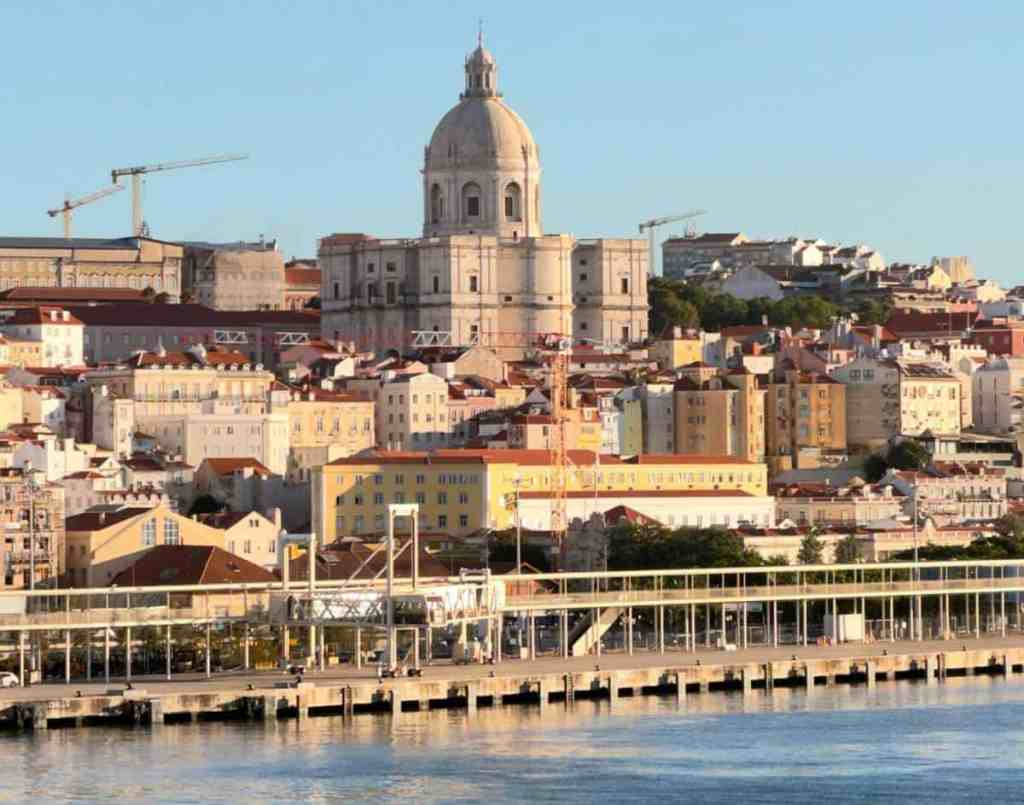
From here, you can admire a wonderful panorama of Alfama, where clusters of colourful buildings tumble down the hillside toward the waterfront. The distinctive dome of the National Pantheon rises above the rooftops, creating one of Lisbon’s most recognizable views.
There are also places nearby to grab a drink, so consider taking a short break and enjoying the scenery before continuing your walk.
Next, head downhill toward the Panteão Nacional, housed inside the magnificent former Church of Santa Engrácia.
Recognizable by its enormous white dome, this impressive monument took centuries to complete and now honours some of Portugal’s most influential historical and cultural figures.
Inside, you’ll discover an elegant marble interior and the tombs of notable Portuguese personalities. If you decide to visit, the upper terrace also offers beautiful views across the surrounding neighbourhood and the Tagus River.
From the Pantheon, continue to Igreja de São Vicente de Fora, a striking church and monastery with a fascinating history and some of Lisbon’s most impressive decorative tilework.
The monastery is particularly known for its extensive collection of Portuguese azulejos, including panels illustrating historical and religious scenes.
If you still have some energy, explore the upper levels and rooftop terrace. The elevated views over Alfama and the river provide a wonderful final perspective of this historic part of Lisbon.
By this point, you’ll have experienced a completely different side of the city from the elegant squares and bustling shopping streets of Baixa and Chiado. Alfama feels more intimate, with layers of history around almost every corner, making it a memorable place to spend your first afternoon in Lisbon.
Late Afternoon: Castelo de São Jorge
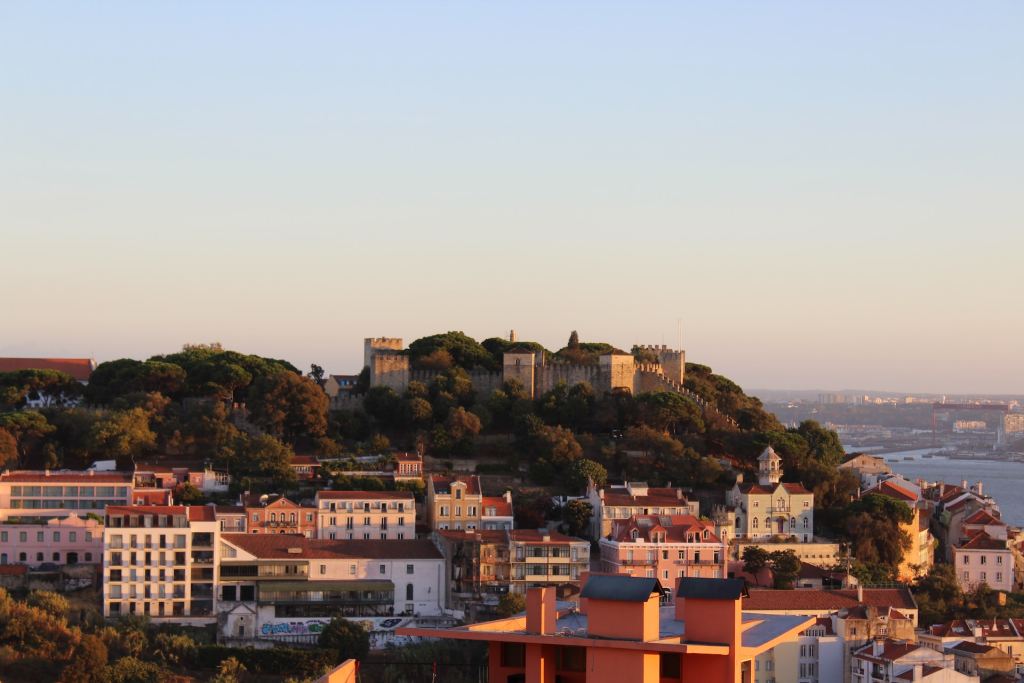
From São Vicente de Fora, continue toward Castelo de São Jorge, one of Lisbon’s most famous landmarks.
Set high above the city, the castle has watched over Lisbon for centuries. Allow yourself around two hours to explore the fortress, gardens, archaeological areas, ramparts, and Camera Obscura.
The real highlight is arguably the views. From the castle walls, you can look across the terracotta rooftops of Lisbon, over Alfama and toward the Tagus River. After spending the afternoon wandering the neighborhood below, seeing the maze of streets from above gives you a completely different appreciation for the city.
Take your time walking along the ramparts and exploring the different corners of the fortress. And, of course, keep your camera handy—there are plenty of photo opportunities.
Evening: Watch the Sunset From a Lisbon Miradouro
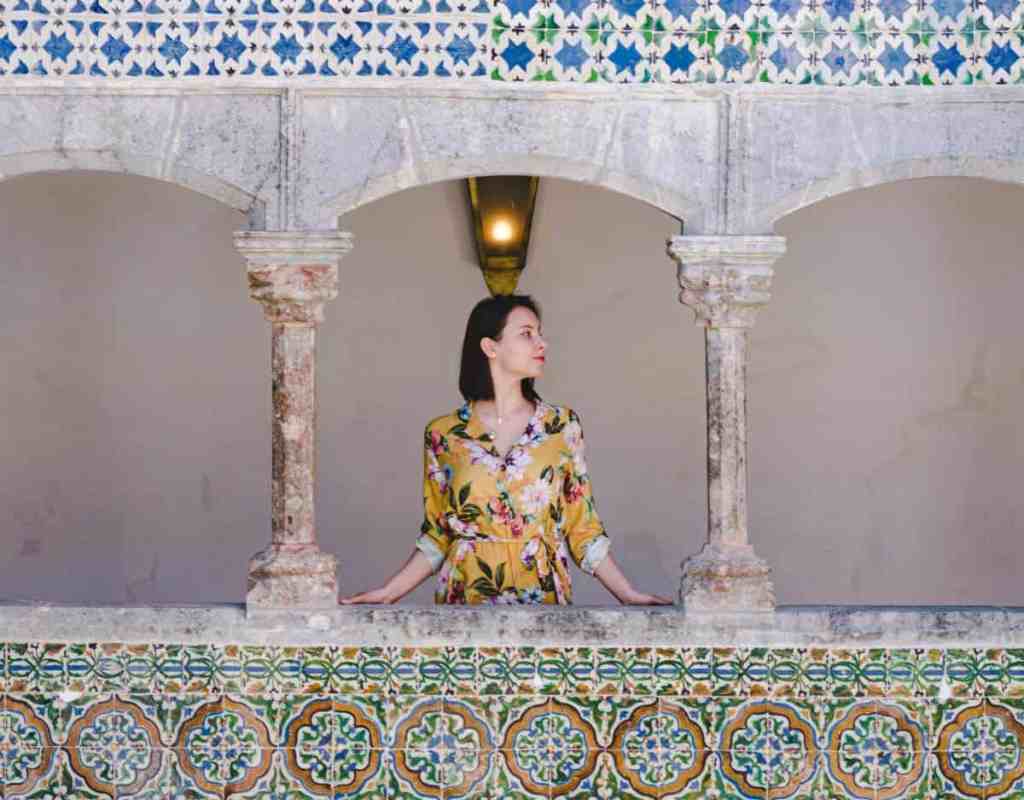
After your visit to the castle, finish your first day with one of my favorite Lisbon experiences: watching the sunset from a miradouro, or viewpoint.
You have a couple of excellent options.
Miradouro da Graça sits high above the city and offers beautiful views toward central Lisbon and São Jorge Castle. It’s a relaxed place to end a busy day, especially if you’d like to grab a drink and linger as the city begins to light up.
For an even higher vantage point, continue to Miradouro da Senhora do Monte. This is one of the highest viewpoints in Lisbon and offers sweeping views across the city’s rooftops, landmarks, and the Tagus River.
Whichever viewpoint you choose, don’t rush away once you arrive. Grab a seat, order a drink if there’s a café nearby, and watch Lisbon transition from daylight into evening.
After a full day of exploring, it’s the perfect way to slow down and take in just how much of the city you’ve already discovered.
Day 2: Belém and Lisbon’s Food Scene
Your second day in Lisbon takes you beyond the historic city centre to Belém, a beautiful riverside neighbourhood where some of Portugal’s most impressive monuments tell the story of the country’s maritime past.
You’ll discover magnificent Manueline architecture, visit landmarks connected to Portugal’s Age of Discoveries, and taste the famous custard tarts that originated in this part of the city.
After exploring Belém, head toward LX Factory for a completely different side of Lisbon, where former industrial buildings have been transformed into a lively collection of shops, cafés, restaurants, and creative spaces.
If you’re interested in Portuguese cuisine, you can also make time for a food tour or cooking class before ending your day with a memorable sunset cruise along the Tagus River.
Morning: Explore the Historic Belém District
Located approximately seven kilometres west of central Lisbon, Belém is one of the city’s most fascinating neighbourhoods, especially if you enjoy history, architecture, and waterfront scenery.
During Portugal’s Age of Discoveries, this stretch of the Tagus River was closely connected to the voyages that carried Portuguese explorers across the world’s oceans. Today, several of the country’s most recognizable monuments stand within walking distance of one another.
Getting to Belém is relatively straightforward. You can catch Tram 15E from central Lisbon, take a suburban train from Cais do Sodré to Belém station, or use a taxi or rideshare service.
Depending on your starting point and transportation choice, allow approximately 20–45 minutes for the journey.
Once you arrive, you can explore the main attractions on foot, although there is a fair amount of walking between the waterfront monuments.
Torre de Belém (Belém Tower)
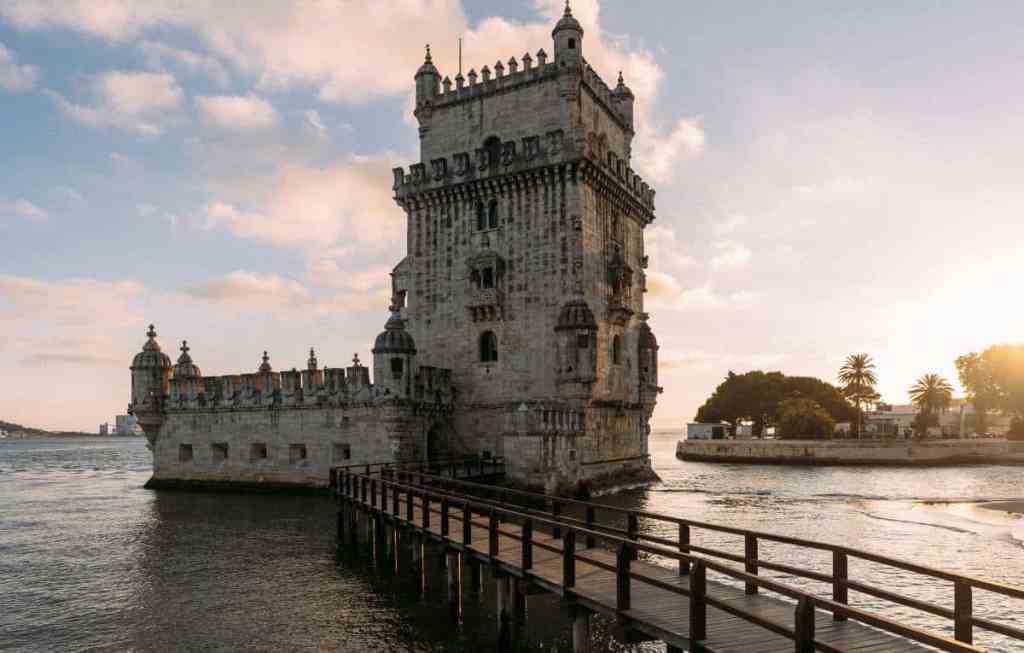
Begin your morning at Torre de Belém (Belém Tower), one of Lisbon’s most famous landmarks and a beautiful reminder of Portugal’s seafaring history.
Built in the early 16th century during the reign of King Manuel I, this remarkable stone tower once helped defend the entrance to Lisbon’s harbour. It also became a powerful symbol of Portugal’s maritime ambitions during the Age of Discoveries.
Standing beside the Tagus River, the tower looks almost like a miniature castle, with its decorative turrets, ornate balconies, and intricately carved stonework.
Take a closer look at the architectural details, including twisted ropes, nautical symbols, and decorative elements characteristic of the Portuguese Manueline style.
It’s easy to imagine how impressive this riverside fortress must have appeared to sailors approaching Lisbon centuries ago.
Belém Tower is also recognized as a UNESCO World Heritage Site, alongside nearby Jerónimos Monastery.
If the interior is open during your visit, you can explore the historic chambers and climb to the upper levels for views across the river. However, even if you decide not to go inside, the tower is well worth visiting for its architecture and picturesque waterfront setting.
Travel Tip: Belém Tower is one of Lisbon’s most popular attractions, so it’s worth checking current opening hours and ticket availability before your visit. If you’re planning to explore the interior, allow extra time for entry and narrow staircases.
Jerónimos Monastery

Next, follow the waterfront east toward Jerónimos Monastery, one of Portugal’s most extraordinary architectural landmarks.
Commissioned by King Manuel I in the early 1500s, this magnificent monastery was built during a period when Portugal’s overseas explorations were bringing enormous wealth and influence to the country.
The building is a masterpiece of Manueline architecture, with elaborate stone carvings, decorative arches, and intricate details inspired by religion, nature, and maritime exploration.
One of the highlights is the monastery’s beautiful two-storey cloister, where delicately carved columns and graceful archways surround a peaceful central courtyard.
Take your time admiring the craftsmanship. Almost every corner reveals another interesting detail, from decorative stonework to elaborate patterns carved into the walls.
While exploring the monastery, make time to step inside the beautiful Church of Santa Maria de Belém, another remarkable piece of Lisbon’s history. Inside, you’ll find the tomb of famous Portuguese explorer Vasco da Gama, whose voyage to India helped establish Portugal as a major maritime power.
Even if you’ve already visited several churches during your Lisbon itinerary, Jerónimos Monastery feels quite different thanks to its remarkable scale and richly decorated architecture.
Travel Tip: Jerónimos Monastery attracts large numbers of visitors, so booking ahead is a good idea. The cloister and church have different visiting arrangements, and the monastery is generally closed on Mondays.
Pastéis de Belém: Taste Lisbon’s Famous Custard Tarts

After exploring the monastery, treat yourself to one of Lisbon’s most delicious traditions at Pastéis de Belém.
Located just a short walk from Jerónimos Monastery, this historic bakery has been making its famous Portuguese custard tarts since 1837.
The story of these pastries is closely connected to the monastery. When Portugal’s religious orders were dissolved in the 19th century, a recipe associated with the monastery eventually found its way into the nearby bakery.
That recipe became the foundation of the famous Pastéis de Belém, which are still prepared using traditional methods.
Although you’ll find pastel de nata throughout Lisbon, the pastries made here have their own protected name and a particularly special place in the city’s culinary history.
Bite into one while it’s still warm, and you’ll discover delicate layers of crisp pastry surrounding a smooth, creamy custard filling with a beautifully caramelized surface.
Add a little cinnamon or powdered sugar if you like, and enjoy it with a Portuguese coffee.
The bakery is extremely popular, so don’t be surprised to see a queue outside. However, there’s also indoor seating, and it’s worth checking whether you can find a table rather than automatically joining the takeaway line.
After all, tasting one of Portugal’s most famous pastries in the bakery where it originated is an experience worth making time for!
Afternoon: Discover LX Factory
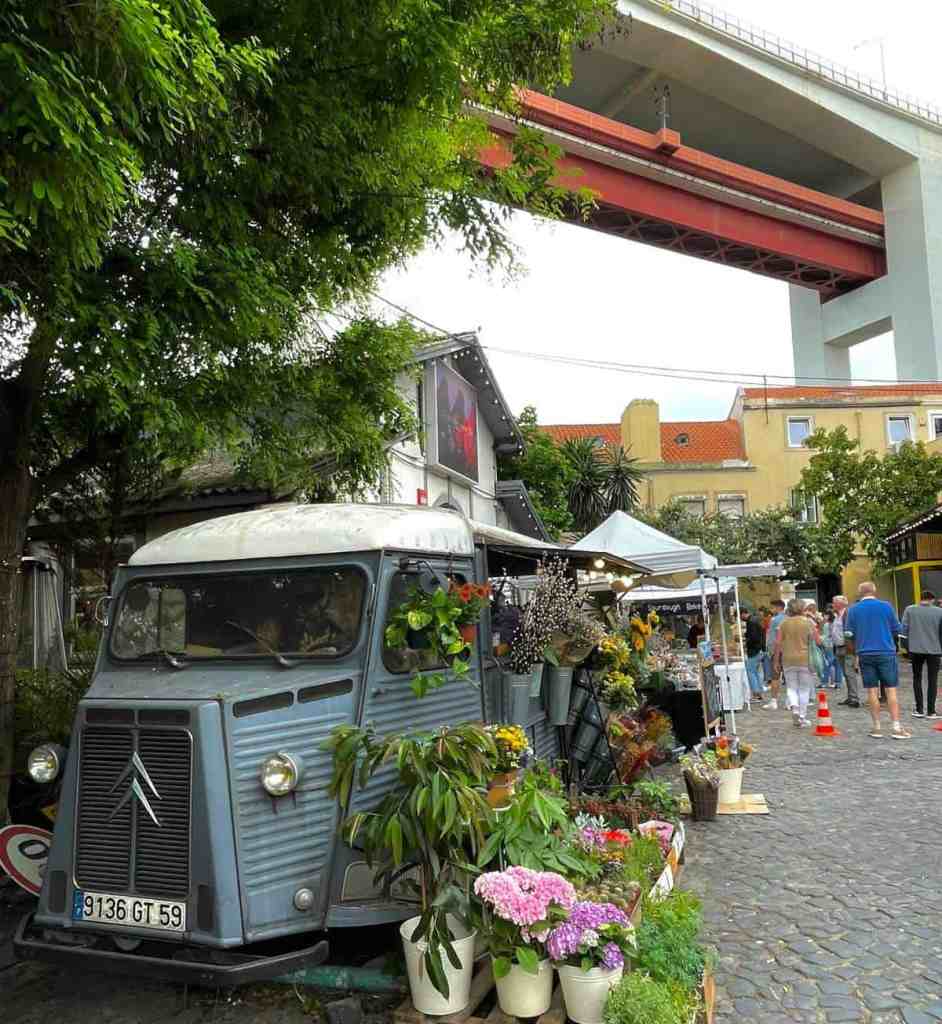
After spending the morning exploring Belém’s historic landmarks, head toward LX Factory in the Alcântara neighbourhood.
Located beneath the impressive 25 de Abril Bridge, this former industrial complex has been transformed into one of Lisbon’s most interesting creative destinations.
Instead of grand monuments and centuries-old churches, you’ll discover colourful street art, independent boutiques, quirky shops, restaurants, and cafés occupying renovated factory buildings.
It’s a completely different atmosphere from Belém and a fun place to spend a couple of hours browsing, photographing murals, or simply soaking up the creative surroundings.
One of the highlights is Ler Devagar, an unusual bookstore housed inside a former printing facility.
With towering bookshelves, industrial machinery, and a whimsical flying bicycle suspended overhead, it’s the kind of bookstore that deserves a visit even if you’re not planning to buy anything.
Elsewhere around LX Factory, you’ll find shops selling locally designed clothing, handmade accessories, artwork, and other interesting souvenirs.
If your visit falls on a Sunday, look out for the LX Market, where vendors sell vintage clothing, handmade goods, and unique finds.
You can also stop for lunch or a late-afternoon coffee at one of the restaurants and cafés scattered throughout the complex.
Allow approximately 1–2 hours to explore LX Factory, or longer if you’d like to shop, enjoy a meal, or spend more time discovering its creative corners.
Optional: Join a Lisbon Food Tour or Cooking Class
If you’re a food lover, consider swapping some of your afternoon sightseeing for a Lisbon food tour or Portuguese cooking class.
Portugal has a wonderful culinary tradition, and exploring its food scene is one of the most enjoyable ways to connect with the country’s culture.
On a guided food tour, you’ll typically visit a selection of traditional eateries, local markets, or neighbourhood cafés while sampling Portuguese specialities.
Depending on the tour, you might taste bacalhau (salt cod), bifanas (pork sandwiches), regional cheeses, cured meats, or traditional pastries.
Many tours also introduce you to Portuguese wines and explain the history behind the dishes you’re tasting.
If you’d prefer something more hands-on, a cooking class offers the chance to learn how to prepare traditional Portuguese recipes yourself.
Some classes focus on making pastel de nata, while others introduce you to savoury dishes and regional cooking techniques.
It’s a fun alternative to another afternoon of sightseeing, especially if you enjoy bringing home new cooking skills from your travels.
Travel Tip: Most food tours and cooking classes take several hours, so choose one that fits comfortably into your schedule. If you’re planning a sunset cruise later, check the finishing time before booking.
Evening: Sunset Boat Cruise on the Tagus River

After a day of sightseeing, delicious food, and exploring Lisbon’s creative side, finish your evening with a sunset cruise along the Tagus River.
Seeing Lisbon from the water offers a completely different perspective of the city, especially as the late-afternoon light begins to soften.
Depending on your chosen cruise route, you’ll sail past historic waterfront landmarks, admire the impressive 25 de Abril Bridge, and enjoy views of the Cristo Rei statue standing across the river in Almada.
Some cruises also pass Belém Tower, giving you another opportunity to admire the famous monument from the water.
As the sun sinks toward the horizon, the changing light creates a beautiful atmosphere along the riverfront. It’s a wonderful time to relax, take photographs, and appreciate Lisbon’s scenery without having to navigate another steep hill!
You can choose from traditional sailboats, comfortable catamarans, and other sightseeing cruises. Many sunset cruises last approximately two hours, with some including a welcome drink.
Travel Tip: Sunset cruise departure times change throughout the year, so check the schedule for your travel dates and book ahead if you’re visiting during the busy summer months. Bring a light jacket, as the breeze on the river can feel cool even after a warm day.
After returning to shore, enjoy a relaxed dinner near the waterfront or head back into central Lisbon to experience the city’s evening atmosphere.
Day 3: Day Trip to Sintra
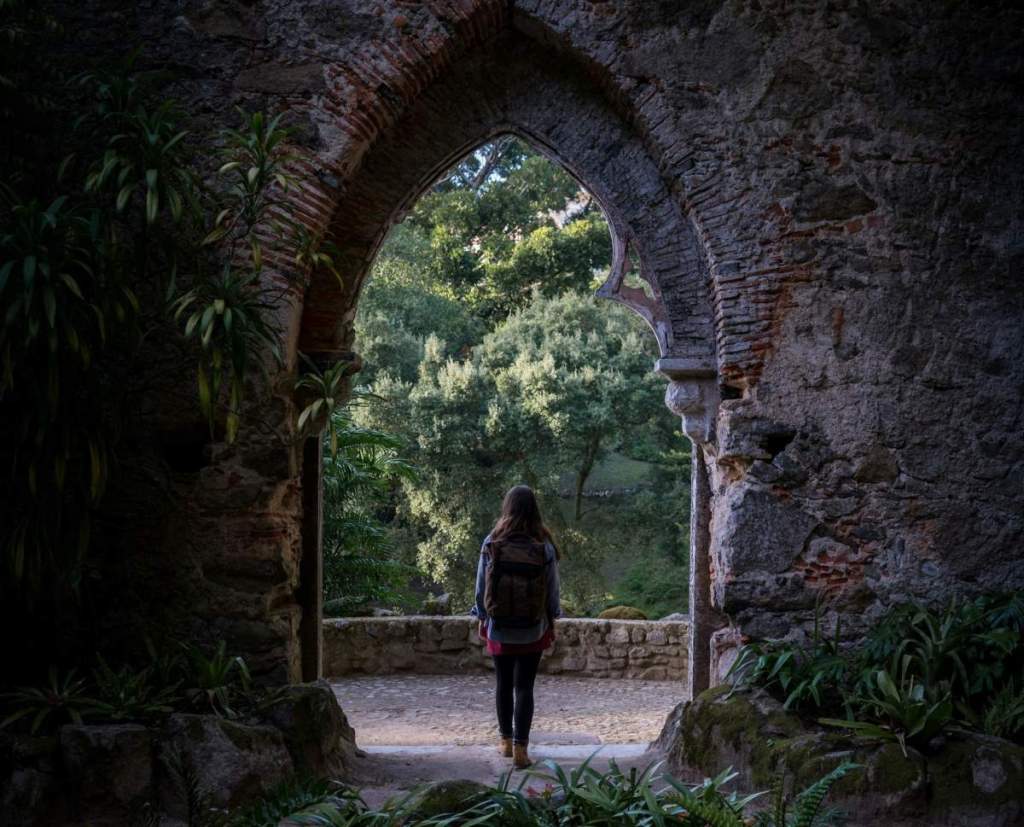
For your final day in Lisbon, venture beyond the city to Sintra, a magical destination filled with colourful palaces, ancient castles, lush gardens, and mysterious underground passageways.
Located in the forested hills northwest of Lisbon, Sintra feels like a completely different world from the bustling streets of Portugal’s capital. Here, elaborate royal residences rise above the treetops, centuries-old castle walls follow rugged hilltops, and romantic gardens hide fascinating architectural surprises.
It’s easy to see why Sintra is one of the most popular day trips from Lisbon!
With just a 40-minute train journey from central Lisbon, you can spend an entire day exploring this remarkable UNESCO World Heritage destination before returning to the city in the evening.
This itinerary focuses on three of Sintra’s most memorable attractions: Pena Palace, the Moorish Castle, and Quinta da Regaleira. It’s a full day of sightseeing, so plan to start early and wear comfortable shoes.
Getting to Sintra from Lisbon
One of the easiest ways to travel from Lisbon to Sintra is by train, making this day trip surprisingly straightforward even if you’re visiting Portugal for the first time.
If you’re staying in central Lisbon, head to Rossio Train Station, where direct trains depart regularly for Sintra. The journey generally takes around 40 minutes, passing through Lisbon’s suburbs before reaching the foothills of the Sintra Mountains.
You can also catch a train from Oriente Station, which may be more convenient if you’re staying in the eastern part of Lisbon.
Train tickets are relatively inexpensive, and you can purchase them at the station. Check current fares and departure times before travelling, especially if you’re planning an early start.
Once you arrive at Sintra Train Station, you’ll need to decide how to reach the main attractions.
The historic town centre is approximately a 15-minute walk from the station, but Pena Palace and the Moorish Castle sit much higher in the surrounding hills.
Rather than tackling the steep uphill climb, consider taking Bus 434, which connects the station with the Moorish Castle and Pena Palace.
The bus is a popular choice for visitors, although queues can develop during the busiest travel periods. Taxis and other local transportation options may also be available.
Travel Tip: I recommend leaving Lisbon early in the morning so you can reach Pena Palace close to opening time. Sintra’s most popular attractions can become extremely busy, particularly during summer and on weekends.
Pena Palace and Gardens

Begin your sightseeing at Pena Palace, Sintra’s most recognizable landmark and one of the most extraordinary palaces in Portugal.
Perched high above the surrounding forest, this colourful royal residence looks like something straight out of a storybook.
Its bright yellow and red walls, decorative towers, elaborate archways, and unusual architectural details create a striking contrast against the green hills surrounding Sintra.
The palace owes much of its appearance to King Ferdinand II, who transformed the remains of a former monastery into a romantic royal retreat during the 19th century.
As you explore, you’ll notice an unusual combination of architectural influences, including Gothic, Moorish, Renaissance, and Manueline elements.
The result is a wonderfully imaginative building that feels unlike almost any other palace in Europe.
If you choose to visit the interior, you’ll discover beautifully decorated rooms that offer a glimpse into the lives of Portugal’s former royal family.
Outside, take time to admire the palace’s terraces, where you’ll be rewarded with sweeping views across the surrounding hills and, on clear days, toward the Atlantic Ocean.
The surrounding Pena Park is also worth exploring. Its winding paths lead through lush woodland, exotic plants, peaceful gardens, and hidden viewpoints.
You could easily spend several hours discovering the palace and its grounds, but with two more attractions on today’s itinerary, allow approximately two hours for your visit.
Travel Tip: Book your Pena Palace tickets in advance, especially if you want to tour the interior. Palace admission is tied to a specific entry time, and you’ll need additional time to travel from the park entrance to the palace itself.
Castelo dos Mouros (Moorish Castle)

Just a short distance from Pena Palace, you’ll find Castelo dos Mouros (Moorish Castle), an ancient hilltop fortress with some of the most spectacular views in Sintra.
Originally built during the Moorish occupation of the Iberian Peninsula, the castle dates back to around the 8th and 9th centuries.
Its strategic position high above the surrounding landscape made it an important defensive stronghold. Following the Christian conquest of Lisbon in 1147, the fortress eventually came under Portuguese control.
Today, the castle is best known for its impressive stone walls that stretch across the rocky hillsides.
Walking along the battlements is one of the highlights of a visit. As you climb the steps and follow the winding walls, you’ll enjoy incredible views over Sintra’s historic town, the surrounding forests, and the colourful towers of Pena Palace in the distance.
Unlike the elaborate royal architecture of Pena Palace, the Moorish Castle has a rugged, weathered appearance that makes its long history feel especially tangible.
It’s also a wonderful place for photography, particularly when the surrounding hills are covered in mist.
Allow approximately one hour to explore the castle, although you may want longer if you enjoy taking photographs or stopping to admire the scenery.
Travel Tip: The castle walls include steep steps, uneven surfaces, and exposed sections. Wear shoes with good grip and take extra care if the weather is wet or windy.
Lunch in Sintra’s Historic Centre

After exploring Pena Palace and the Moorish Castle, head downhill toward Sintra’s charming historic centre for a well-deserved lunch break.
With its narrow streets, traditional Portuguese buildings, souvenir shops, and inviting cafés, the old town is a lovely place to spend a little time between attractions.
You’ll find plenty of restaurants serving Portuguese dishes, casual lunches, and refreshing drinks.
If you’re looking for something traditional, consider trying grilled fish, a hearty Portuguese meat dish, or a selection of local cheeses and cured meats.
For something sweet, don’t miss the opportunity to sample travesseiros, one of Sintra’s most famous pastries.
These flaky, pillow-shaped treats are filled with a sweet almond-and-egg cream mixture and are a delicious local speciality.
Another traditional favourite is the queijada de Sintra, a small cheese-based pastry flavoured with cinnamon.
You can find both treats in local pastry shops, making them an excellent addition to your lunch stop.
Take a little time to wander through the historic streets before continuing to your final major attraction of the day.

Quinta da Regaleira
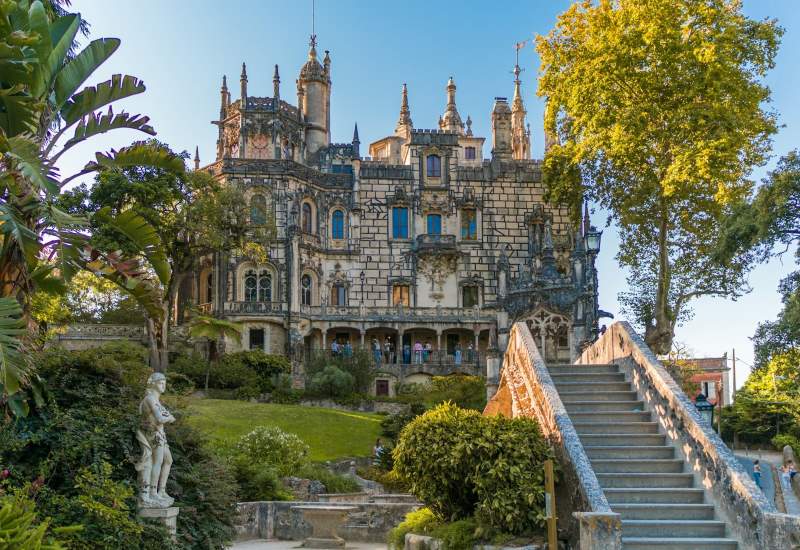
Finish your Sintra sightseeing at Quinta da Regaleira, a fascinating estate filled with elaborate gardens, mysterious tunnels, hidden grottoes, and unusual architectural features.
Located within walking distance of Sintra’s historic centre, this extraordinary property is one of the most intriguing places to explore during your day trip.
The estate was developed in the early 20th century for António Augusto Carvalho Monteiro, a wealthy Portuguese businessman with a strong interest in symbolism, mythology, and esoteric traditions.
Its architecture and gardens reflect those interests, creating a place where almost every pathway seems to lead to something unexpected.
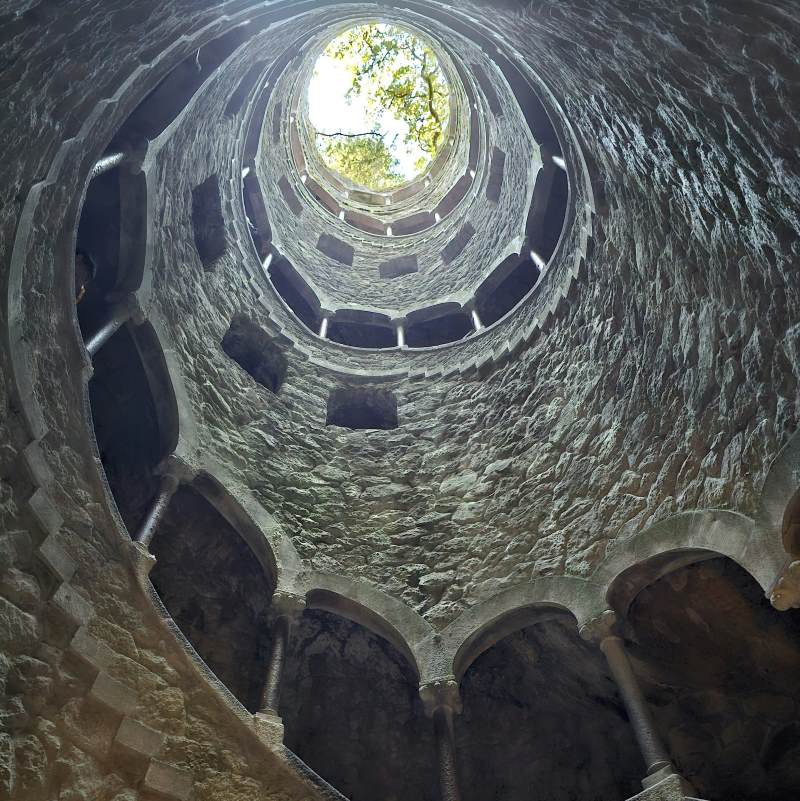
The most famous attraction is the Initiation Well, a remarkable underground structure featuring a spiral staircase that descends deep into the earth.
Despite its name, the well was never intended to collect water. Instead, its unusual design is associated with symbolic and ceremonial interpretations.
Descending the staircase is a memorable experience, especially as you look upward at the circular opening framed by stone arches and greenery.
Elsewhere around the estate, you’ll discover underground passages, hidden tunnels, decorative fountains, and beautifully landscaped gardens.
The palace itself is equally impressive, with its ornate façade, Gothic-inspired details, and elaborate stone carvings.
Allow approximately two hours to explore Quinta da Regaleira without rushing.
Travel Tip: Book your tickets ahead of time, as admission is scheduled by time slot. The gardens cover uneven ground, and some passages can be damp, so comfortable walking shoes are essential.
Return to Lisbon
After a full day exploring Sintra’s palaces, castle walls, and enchanting gardens, make your way back toward Sintra Train Station for your return journey to Lisbon.
Trains run regularly throughout the day and evening, with the journey to Rossio Station taking approximately 40 minutes.
Before leaving Sintra, you might want to enjoy one final coffee or pastry in the historic centre, especially if you have some time before your train.
Once you’re back in Lisbon, spend your final evening however you like. You could enjoy a relaxed dinner in one of the city’s traditional restaurants, revisit a favourite neighbourhood, or simply take an evening stroll and soak up the atmosphere.
After three days of discovering Lisbon’s historic streets, beautiful waterfront landmarks, delicious food, and Sintra’s extraordinary palaces, you’ll have experienced some of the very best that this corner of Portugal has to offer.
Essential Lisbon Experiences You Won’t Want to Miss
Beyond Lisbon’s famous landmarks and historic neighbourhoods, there are a few experiences that make visiting Portugal’s capital especially memorable.
From riding a rattling yellow tram through the city’s narrow streets to listening to traditional Portuguese music over dinner, these are the moments that help you experience Lisbon beyond its tourist attractions.
You don’t need to squeeze everything into your schedule, but if you have a little extra time during your three days in Lisbon, consider adding one or two of these experiences to your itinerary.
Ride Lisbon’s Famous Tram 28

Few things are more recognizable in Lisbon than its charming yellow trams winding through the city’s steep, cobblestone streets.
One of the most popular is Tram 28, a historic tram route that travels through several of Lisbon’s most interesting neighbourhoods, including Graça, Alfama, Baixa, and Estrela.
The vintage trams have been navigating the city’s narrow streets for decades, squeezing around tight corners, climbing steep hills, and passing historic buildings along the way.
Riding one is a fun way to experience Lisbon’s traditional public transportation while enjoying a different perspective of the city.
Along the route, you’ll pass landmarks such as Lisbon Cathedral and the beautiful Basílica da Estrela, along with neighbourhood streets that are just as interesting as the famous attractions.
However, Tram 28 is extremely popular with visitors, and queues can be long, particularly during the summer months.
For a more comfortable experience, try riding early in the morning or later in the evening when there may be fewer passengers.
Travel Tip: Tram 28 is regular public transportation rather than a dedicated sightseeing tour. Keep your belongings secure, be prepared to stand during busy periods, and hold on when the tram makes sharp turns or sudden stops.
Taste Traditional Portuguese Food
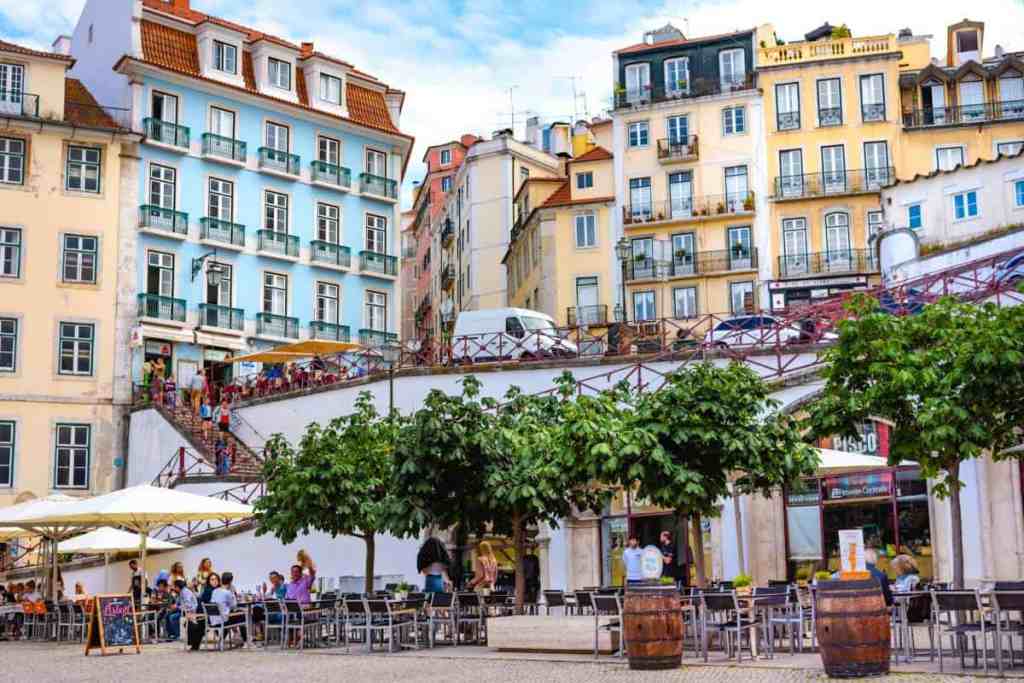
One of the best ways to experience Lisbon is through its food, and you’ll find plenty of opportunities to sample traditional Portuguese dishes throughout your visit.
While pastel de nata might be the city’s most famous sweet treat, Portuguese cuisine offers much more than custard tarts!
Seafood plays an important role in local cooking, with fresh fish, octopus, and salted cod appearing on menus throughout the city.
One dish worth trying is bacalhau à Brás, a comforting combination of shredded salted cod, thinly cut fried potatoes, onions, and eggs.
Another Portuguese favourite is polvo à lagareiro, featuring tender octopus roasted with olive oil and garlic, typically served with potatoes.
If you’re visiting Lisbon during the summer, look out for sardinhas assadas, traditional grilled sardines that are especially popular during the city’s June festivities.
For something quick and satisfying, try a bifana, a Portuguese pork sandwich that’s perfect for a casual lunch between sightseeing stops.
And don’t forget to leave room for dessert! Along with pastel de nata, you’ll find an assortment of traditional cakes and pastries in Lisbon’s neighbourhood bakeries.
Whether you’re enjoying a leisurely restaurant meal or grabbing a snack from a local café, trying Portuguese food is one of the simplest ways to connect with Lisbon’s culture.
Visit Time Out Market Lisbon

If you enjoy discovering local food but can’t decide what to order, Time Out Market Lisbon is a fun place to explore.
Located in the historic Mercado da Ribeira building near Cais do Sodré, this popular food hall brings together a variety of restaurants, food stalls, and bars under one roof.
You’ll find everything from traditional Portuguese dishes and fresh seafood to creative interpretations of local favourites, desserts, and international cuisine.
It’s an especially convenient option if you’re travelling with someone who has different food preferences, since everyone can choose something that appeals to them.
Grab a meal from one of the stalls, find a seat at the communal tables, and enjoy the lively atmosphere.
The market is popular with both visitors and locals, although it can become particularly busy around traditional lunch and dinner hours.
Travel Tip: Time Out Market is conveniently located near Cais do Sodré Station, making it an easy stop before or after exploring Belém. You could also visit after returning from your sunset cruise, depending on where your boat departs.
Experience Traditional Fado Music

For a memorable evening in Lisbon, consider attending a live fado performance, one of Portugal’s most distinctive cultural traditions.
Fado is a traditional Portuguese musical style known for its expressive singing, emotional melodies, and themes of love, longing, nostalgia, and everyday life.
Performances typically feature a singer, known as a fadista, accompanied by a Portuguese guitar and a classical guitar.
The music has deep roots in Lisbon, particularly in historic neighbourhoods such as Alfama and Mouraria, where fado developed during the 19th century.
Today, you can experience it in intimate taverns, traditional restaurants, and dedicated fado houses throughout the city.
Some venues offer a full dinner accompanied by live performances, while others focus primarily on the music.
For an atmospheric evening, consider Mesa de Frades in Alfama, known for its intimate setting inside a former chapel.
Another option is Tasca do Chico, a well-known venue associated with fado vadio, a more informal style of performance where different singers may take turns.
If you’d prefer a traditional dinner-and-show experience, Senhor Vinho is another established fado venue worth considering.
Whichever experience you choose, remember that fado is meant to be listened to attentively. Conversations generally stop when the singing begins, allowing everyone to appreciate the performance.
Travel Tip: Popular fado venues can fill up quickly, particularly on weekends. Check performance schedules and reservation requirements ahead of time, and confirm whether food or drinks are included in the price.
Listening to fado in a small, atmospheric venue is a wonderful way to spend an evening in Lisbon and experience a cultural tradition that remains an important part of Portuguese identity.
Planning Your Lisbon 3 Day Itinerary

A little planning goes a long way when you’re visiting Lisbon for the first time. Between the city’s famous hills, historic neighbourhoods, popular attractions, and tempting day trips, it’s worth figuring out a few practical details before you arrive.
The good news is that Lisbon is relatively easy to explore once you understand how the city is laid out and which attractions require advance reservations.
Here’s what you need to know to make the most of your three days in Lisbon without spending your vacation rushing from one place to another.
How Many Days Do You Need in Lisbon?
Three days in Lisbon is a great amount of time for first-time visitors, especially if you want to experience the city’s highlights and include a day trip to Sintra.
With this itinerary, you’ll spend two days exploring Lisbon’s historic neighbourhoods, famous landmarks, waterfront attractions, and local food scene. Your third day takes you into the hills of Sintra to discover its colourful palaces and remarkable castles.
It’s a wonderful introduction to this part of Portugal, with enough variety to make each day feel different.
If you only have two days in Lisbon, I’d recommend concentrating on the city itself rather than trying to squeeze in every attraction and a full-day excursion.
Spend your first day exploring Baixa, Chiado, and Alfama, then use your second day to visit Belém and enjoy a few of Lisbon’s other highlights.
You can certainly visit Sintra on a shorter trip, but doing so means sacrificing some of your time in Lisbon.
On the other hand, if you have four or five days, you’ll have more flexibility to explore at a slower pace.
You could dedicate an additional day to Lisbon’s museums, spend more time wandering its neighbourhoods, or take another excursion to Cascais or Évora.
Ultimately, three days offers a lovely balance between sightseeing, cultural experiences, and discovering what makes Lisbon such an enjoyable city to visit.
Best Time to Visit Lisbon

Lisbon is a wonderful destination throughout the year, but the experience can feel quite different depending on when you visit.
For most travellers, spring and early autumn are particularly good times to explore Lisbon, thanks to comfortable sightseeing temperatures and generally pleasant weather.
Spring (March to May) brings longer days, blooming flowers, and increasingly warm temperatures. It’s a beautiful season for wandering through Lisbon’s historic streets, enjoying outdoor cafés, and admiring the city from its many viewpoints.
May is especially appealing if you want warmer weather without the full intensity of summer.
Summer (June to August) is the busiest time of year, with hot, sunny days and a lively atmosphere throughout the city.
It’s a great season for enjoying outdoor dining, waterfront activities, and nearby beaches. June is particularly festive thanks to Lisbon’s traditional celebrations honouring Santo António, when neighbourhood streets fill with decorations, music, and the aroma of grilled sardines.
However, summer temperatures can make climbing Lisbon’s steep hills tiring, especially during the afternoon. Popular attractions also tend to attract larger crowds, and accommodation prices are often higher.
Autumn (September to November) is another excellent time to visit.
September often feels like an extension of summer, with warm afternoons and plenty of opportunities to enjoy outdoor sightseeing. As the season progresses, temperatures become cooler, and the city generally grows quieter.
October can be particularly pleasant for exploring Lisbon on foot, although rainfall becomes more likely later in autumn.
Winter (December to February) offers a different experience, with cooler temperatures, shorter days, and a greater chance of rain.
While you probably won’t be spending much time at the beach, Lisbon’s museums, historic cafés, restaurants, and indoor attractions remain enjoyable.
Winter can also be a good choice if you’re hoping to avoid the busiest tourist periods, although popular landmarks still attract visitors.
My recommendation: If your travel dates are flexible, consider visiting Lisbon in May, September, or early October. These months often provide a comfortable balance of pleasant weather and manageable sightseeing conditions.
Getting Around Lisbon
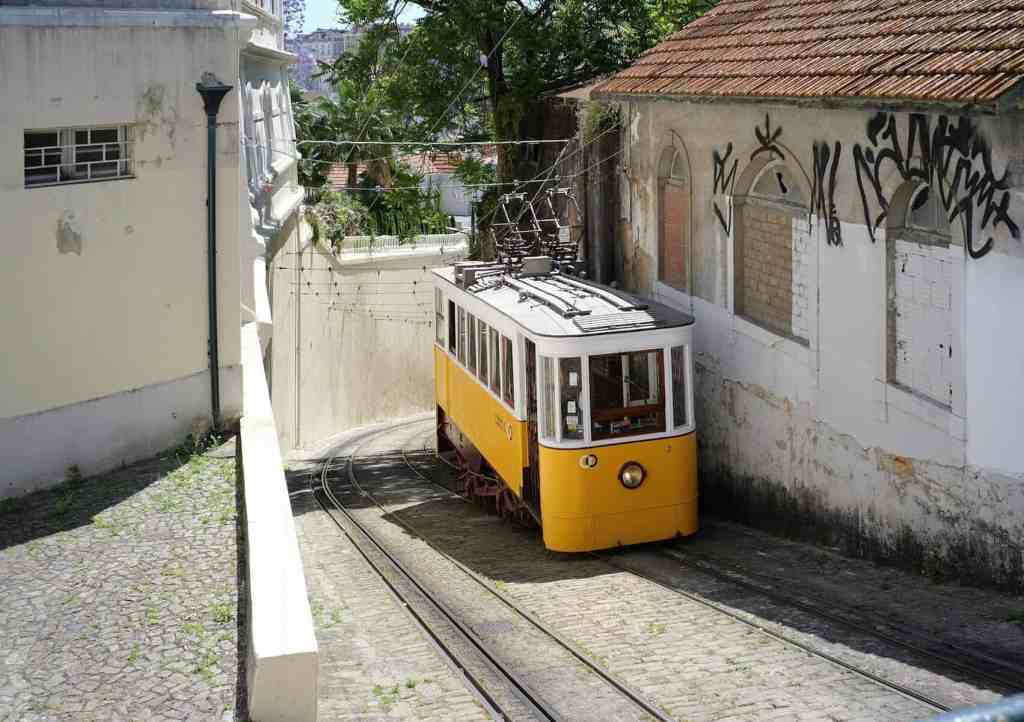
Lisbon is a wonderful city to explore on foot, but its steep hills can make getting between neighbourhoods more tiring than you might expect.
Fortunately, the city has a convenient public transportation network, including metro trains, buses, trams, and funiculars.
For this three-day Lisbon itinerary, you’ll probably use a combination of walking and public transportation, with the occasional taxi or rideshare when you want to save time or avoid a particularly steep climb.
Walking: Many attractions in Baixa, Chiado, and Alfama are close enough to explore on foot. However, the cobblestone streets can be uneven and slippery, so comfortable shoes with good grip are essential.
Metro: Lisbon’s metro system is a convenient way to travel between major areas of the city. Its four colour-coded lines connect neighbourhoods, transportation hubs, and Lisbon Airport.
Trams and buses: Lisbon’s historic trams are both a practical transportation option and a memorable part of the city’s character. Regular buses can also help you reach places that aren’t directly served by the metro.
Taxis and rideshares: Uber and Bolt operate in Lisbon and can be useful when you’re travelling with luggage, heading uphill, or moving between attractions that aren’t conveniently connected by public transportation.
Trains: For destinations outside central Lisbon, suburban trains are often the easiest option. You can travel to Sintra from Rossio Station or reach Belém and Cascais using trains departing from Cais do Sodré.
If you plan to use public transportation frequently, consider purchasing a rechargeable navegante occasional card, which can be loaded with eligible tickets or travel credit.
Daily transportation passes may also offer good value, depending on how often you expect to use the metro, buses, and trams.
Travel Tip: Don’t underestimate Lisbon’s hills! Even when two attractions look close together on a map, the walk between them might involve a steep climb. Mixing walking with public transportation will help you enjoy your sightseeing without exhausting yourself.
Booking Tips and Reservations

Although you can explore many of Lisbon’s neighbourhoods without advance planning, a few popular attractions are worth booking before your trip.
This is especially important if you’re visiting during the busy summer months or travelling on a tight schedule.
Pena Palace in Sintra should be one of your first reservations. Entry to the palace interior is scheduled, and popular time slots can fill up well in advance.
I’d also recommend booking Quinta da Regaleira ahead of time, particularly if you’re planning to visit both attractions on the same day.
In Lisbon itself, Jerónimos Monastery is another popular attraction where checking ticket availability and visiting arrangements beforehand can save you time.
If you’d like to experience a traditional fado performance, join a Portuguese food tour, or enjoy a sunset cruise on the Tagus River, reserving in advance gives you a better chance of securing your preferred experience.
Accommodation is another consideration, especially during summer and major holidays. Booking several months ahead can provide a wider choice of hotels and locations.
You don’t need to organize every meal or fill every hour of your Lisbon itinerary, though.
Some of the best moments in Lisbon happen when you have time to wander down an interesting street, discover a neighbourhood café, or linger at a beautiful viewpoint.
Plan the important reservations, but leave yourself enough flexibility to enjoy the city along the way.
Where to Stay in Lisbon
Choosing where to stay in Lisbon can make a big difference to your experience, especially when you only have three days to explore the city.
Each neighbourhood has its own personality, from the elegant streets of Baixa and Chiado to the winding historic lanes of Alfama and the lively nightlife of Bairro Alto.
While Lisbon is relatively compact, its famous hills mean that location matters more than you might expect. Staying somewhere central and well-connected can save you valuable sightseeing time and make getting around much easier.
For first-time visitors, I’d recommend choosing one of these four neighbourhoods, depending on your budget, interests, and preferred travel style.
Baixa: Best for First-Time Visitors and Convenience
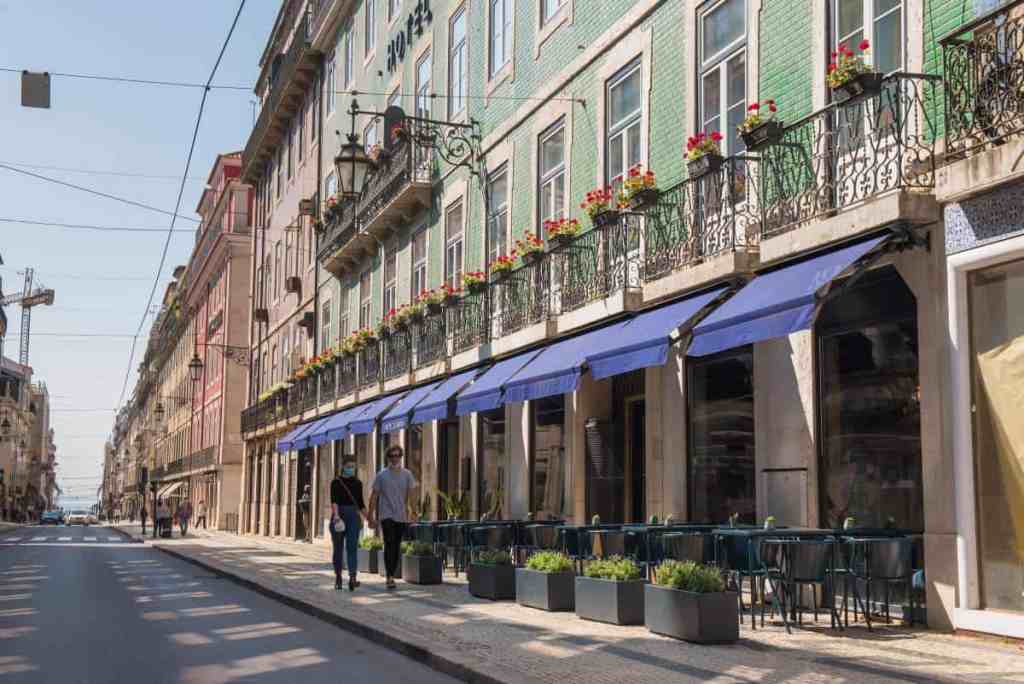
If you’re visiting Lisbon for the first time and want to stay close to the main attractions, Baixa is one of the most convenient neighbourhoods to consider.
Located in the heart of downtown Lisbon, Baixa is known for its elegant squares, wide pedestrian streets, beautiful architecture, and relatively flat terrain.
Much of the neighbourhood was rebuilt following the devastating earthquake of 1755, resulting in the distinctive grid-patterned streets you’ll notice as you explore.
Staying here puts you within easy walking distance of landmarks such as Praça do Comércio, Rua Augusta Arch, Rossio Square, and the Santa Justa Lift.
You’ll also have convenient access to public transportation, making it easy to explore other parts of Lisbon or catch the train to Sintra.
Another advantage is the abundance of restaurants, cafés, shops, and accommodation options. Whether you’re looking for a boutique hotel or a comfortable guesthouse, you’ll find plenty of choices.
The main downside is that Baixa can feel quite touristy, particularly around its busiest pedestrian streets and major attractions.
However, if convenience is your priority, it’s hard to beat this central location.
Where to stay in Baixa:
- Hotel da Baixa: A stylish boutique hotel offering comfortable accommodation in a central location, ideal for exploring Lisbon on foot.
- AlmaLusa Baixa/Chiado: An elegant boutique property overlooking Praça do Município, combining historic character with contemporary comforts.
Best for: First-time visitors, convenient sightseeing, public transportation connections, and travellers who prefer fewer steep hills.
Chiado: Best for Culture, Shopping, and Historic Charm
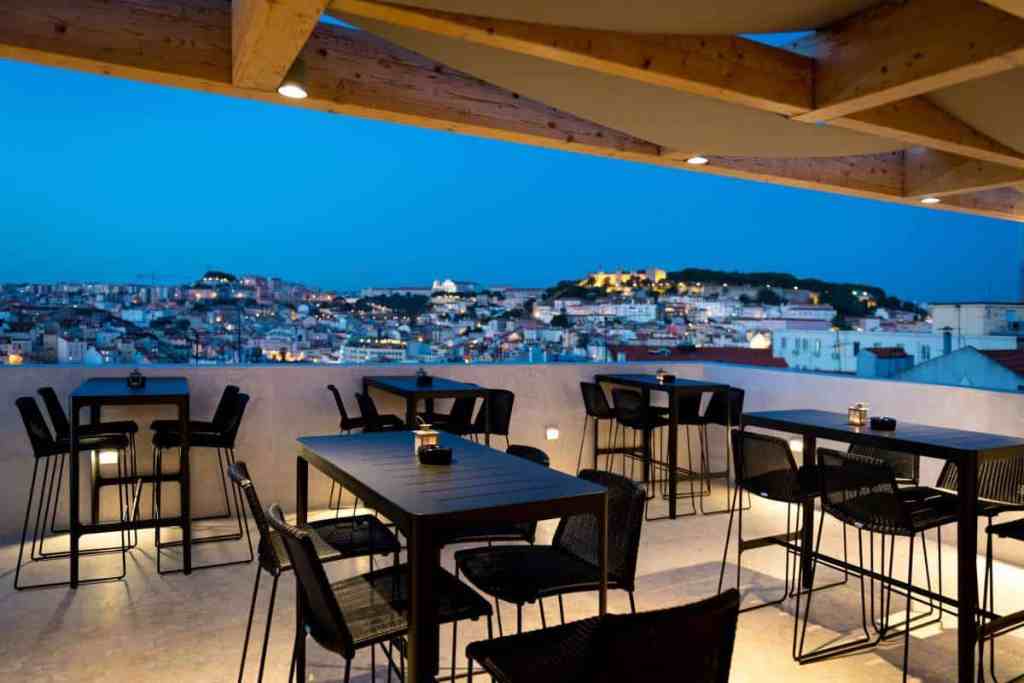
If you love staying in neighbourhoods filled with character, historic cafés, and interesting shops, Chiado is another excellent choice.
Located between Baixa and Bairro Alto, this elegant district has long been associated with Lisbon’s literary and cultural scene.
As you wander through its streets, you’ll discover traditional bookstores, beautiful theatres, fashionable boutiques, and inviting cafés where you can stop for a coffee and watch the world go by.
Chiado is also home to several attractions featured in this Lisbon itinerary, including Livraria Bertrand, A Brasileira, and the ruins of Carmo Convent.
One of the biggest advantages of staying here is the location.
You can easily walk downhill into Baixa, explore nearby Bairro Alto, or make your way toward the historic streets of Alfama.
The neighbourhood also has a wonderful atmosphere in the evening, with restaurants, cafés, and cultural venues providing plenty of options without necessarily needing to venture far from your hotel.
Accommodation in Chiado can be more expensive than in some other parts of Lisbon, and you’ll encounter a few steep streets.
However, the combination of location, character, and convenience makes it particularly appealing for a first visit.
Where to stay in Chiado:
- Lisboa Pessoa Hotel: A stylish hotel inspired by Portuguese poet Fernando Pessoa, featuring contemporary rooms and a rooftop restaurant with beautiful views over Lisbon.
Best for: Couples, culture lovers, shopping, historic cafés, and travellers who want a central location with plenty of atmosphere.
Alfama: Best for Historic Atmosphere and Scenic Views
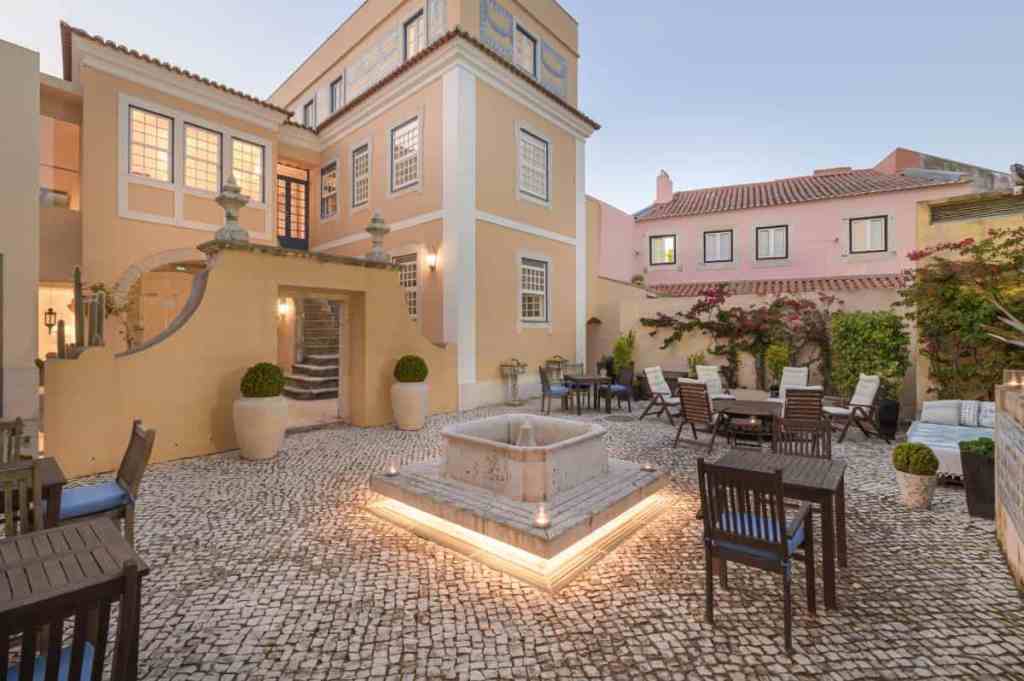
If you’ve always dreamed of staying among Lisbon’s narrow cobblestone streets and colourful historic buildings, Alfama might be your favourite neighbourhood.
As one of the oldest parts of the city, Alfama has a character that feels quite different from the grand squares and orderly streets of Baixa.
Here, winding lanes weave between centuries-old buildings, traditional tiled façades brighten the streets, and steep staircases lead to unexpected viewpoints overlooking the Tagus River.
It’s the kind of neighbourhood where simply stepping outside your accommodation can feel like the beginning of an adventure.
Alfama is also closely connected to Portugal’s traditional fado music, and you’ll find intimate restaurants and music venues tucked among its historic streets.
Popular attractions such as Lisbon Cathedral, Miradouro de Santa Luzia, and São Jorge Castle are all located in or around this part of the city.
Staying here allows you to experience the neighbourhood at different times of day, including the quieter mornings before many sightseeing visitors arrive.
However, Alfama isn’t the most convenient choice for everyone.
The steep hills, uneven cobblestones, and narrow streets can make getting around challenging, especially if you’re travelling with heavy luggage or have mobility concerns.
Some accommodation properties are also located along pedestrian-only streets, meaning taxis and rideshares may not be able to drop you directly at the entrance.
If you’re comfortable walking and don’t mind climbing a few hills, though, Alfama offers one of Lisbon’s most memorable places to stay.
Where to stay in Alfama:
- Heritage Solar do Castelo Inn: A charming boutique hotel located within the historic walls of São Jorge Castle, offering an intimate atmosphere and distinctive historic surroundings.
- Memmo Alfama: A stylish hotel known for its contemporary design and beautiful terrace views overlooking Alfama and the Tagus River.
Best for: History lovers, romantic getaways, photography, traditional architecture, and travellers who value atmosphere over convenience.
Bairro Alto: Best for Nightlife and a Lively Atmosphere

If you enjoy lively evenings, interesting bars, and staying close to Lisbon’s nightlife, Bairro Alto is worth considering.
During the day, this historic hilltop neighbourhood has a relaxed, bohemian atmosphere, with colourful buildings, narrow streets, small shops, and neighbourhood cafés.
After dark, however, Bairro Alto transforms into one of Lisbon’s busiest nightlife districts.
Bars and restaurants fill with people, music spills into the streets, and the neighbourhood comes alive with visitors and locals enjoying the evening.
It’s an exciting place to stay if you want to experience Lisbon’s social scene without having to travel far after dinner or drinks.
Bairro Alto is also conveniently located near Chiado, with easy access to cultural attractions, restaurants, and several scenic viewpoints.
One particularly beautiful spot nearby is Miradouro de São Pedro de Alcântara, where you can admire sweeping views across the city toward São Jorge Castle.
The biggest consideration when staying in Bairro Alto is noise.
Some streets remain lively well into the early morning, particularly on weekends. If you’re a light sleeper, look for accommodation with good soundproofing or choose a quieter street near the edge of the neighbourhood.
Where to stay in Bairro Alto:
- Bairro Alto Hotel: A luxurious boutique hotel overlooking Praça Luís de Camões, offering elegant accommodation, refined dining, and a rooftop terrace with beautiful city views.
Best for: Nightlife, couples who enjoy evening entertainment, restaurants, and travellers who prefer a lively neighbourhood.
Which Lisbon Neighbourhood Should You Choose?
For your first three days in Lisbon, Baixa or Chiado would be my top recommendations.
Both offer convenient locations for exploring the city, with plenty of restaurants, attractions, and public transportation connections nearby.
Baixa is particularly appealing if you want easier walking routes and convenient access to major landmarks, while Chiado offers a slightly more atmospheric setting with historic cafés and cultural attractions.
If you prefer charming historic streets and don’t mind steep hills, Alfama is a wonderful alternative.
And if experiencing Lisbon’s nightlife is high on your list, Bairro Alto could be the perfect base.
Whichever neighbourhood you choose, staying relatively central will help you make the most of your Lisbon 3 day itinerary without spending too much time travelling between attractions.
Conclusion
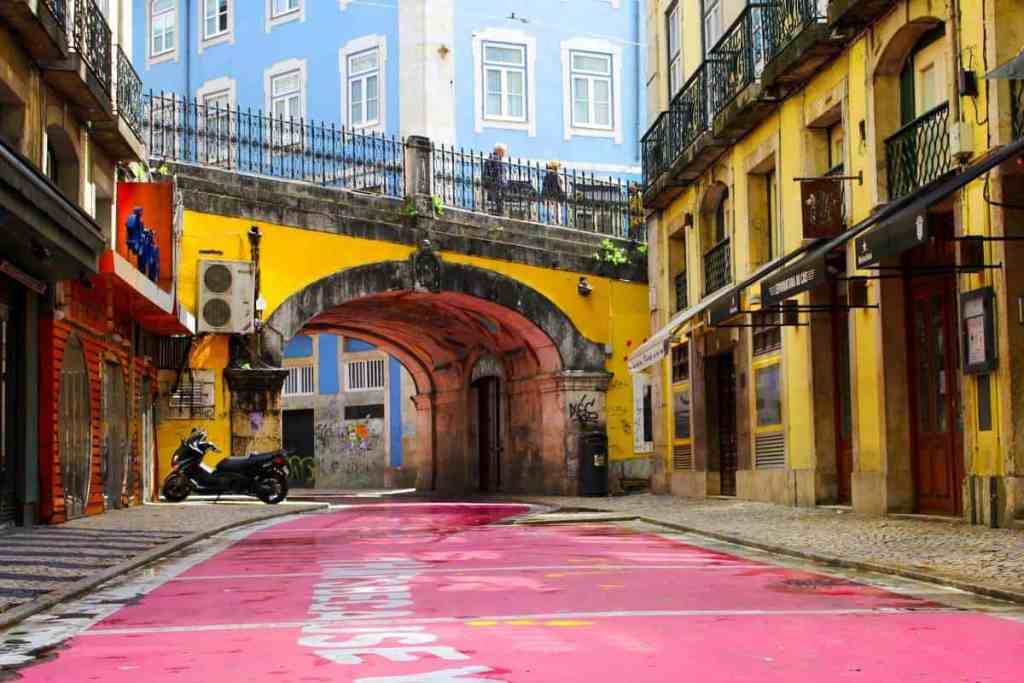
Three days in Lisbon might not seem like much, but it’s enough time to discover why Portugal’s colourful capital leaves such a lasting impression on visitors.
From wandering Alfama’s winding cobblestone streets and admiring the city’s spectacular viewpoints to exploring Belém’s historic monuments and tasting freshly baked pastéis de nata, every day brings something different to enjoy.
And with a day trip to Sintra, you’ll experience an entirely different side of Portugal, complete with fairytale palaces, ancient castle walls, and beautiful forested hills.
This Lisbon 3 day itinerary brings together the city’s must-see attractions, cultural experiences, and practical travel advice to help you make the most of your first visit.
Just remember to leave a little room for the unexpected. Some of Lisbon’s most enjoyable moments happen when you wander down an unfamiliar street, discover a quiet café, or stop to admire a view you hadn’t planned on seeing.
Enjoy exploring Lisbon, and don’t be surprised if three days leave you wishing you had a few more!
Frequently Asked Questions (FAQs)
Key Takeaways
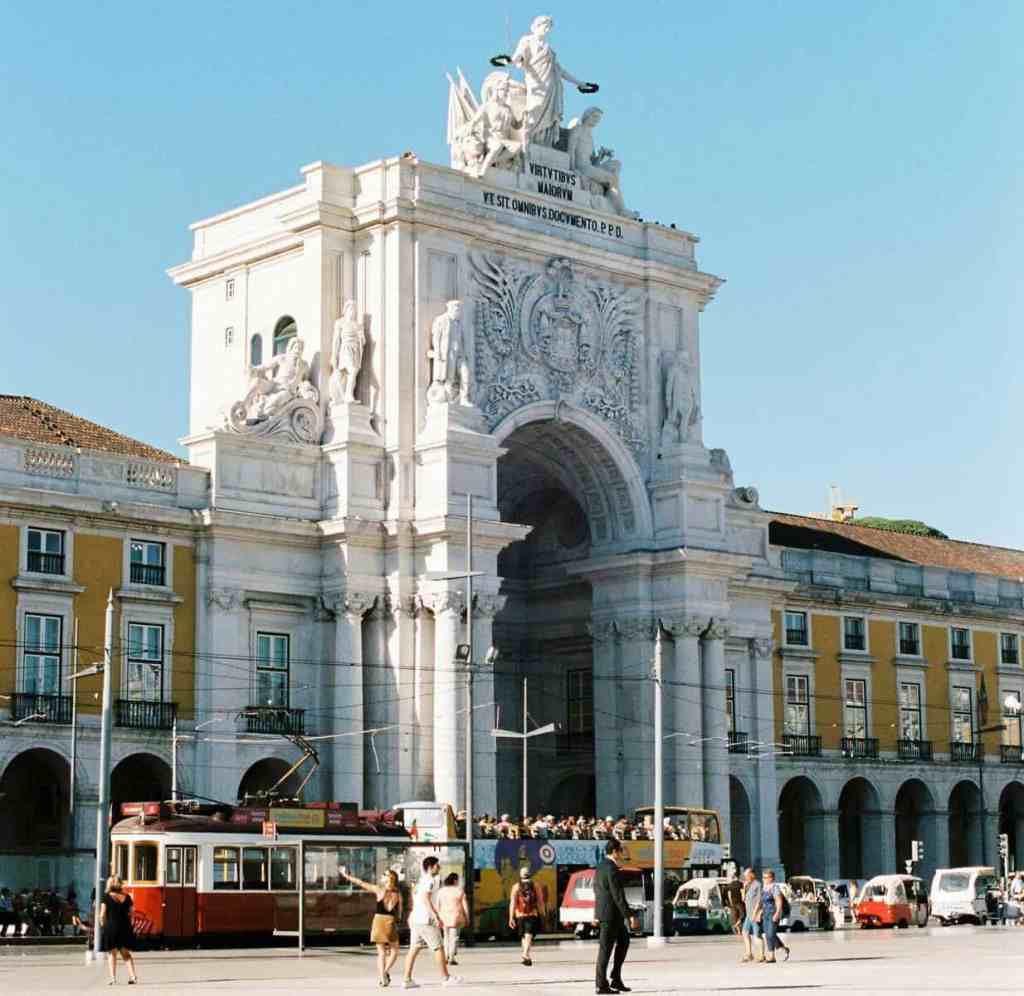
Planning your first trip to Portugal’s colourful capital? This Lisbon 3 day itinerary combines historic landmarks, charming neighbourhoods, delicious Portuguese food, and an unforgettable day trip to Sintra.
Here are a few things to know before you go:
- Day 1: Discover central Lisbon. Wander through Baixa and Chiado, visit historic churches, admire beautiful viewpoints, and explore Alfama’s winding cobblestone streets.
- Day 2: Explore Belém and Lisbon’s food scene. Visit Belém Tower and Jerónimos Monastery, taste the famous Pastéis de Belém, discover LX Factory, and consider a sunset cruise along the Tagus River.
- Day 3: Take a day trip to Sintra. Explore colourful Pena Palace, walk along the ancient walls of the Moorish Castle, and discover the mysterious gardens and Initiation Well at Quinta da Regaleira.
- Be prepared for Lisbon’s hills. Comfortable walking shoes are essential, and combining sightseeing on foot with trams, metro trains, and occasional rideshares will make getting around easier.
- Three days is ideal for a first visit. Spend two days exploring Lisbon’s historic neighbourhoods and famous attractions, then dedicate your third day to the beautiful palaces and gardens of Sintra.
- Spring and early autumn are excellent times to visit. April, May, September, and October generally offer comfortable sightseeing weather, although popular attractions can still be busy.
- Choose your accommodation carefully. Baixa is convenient for first-time visitors, Chiado offers historic charm and culture, Alfama is full of atmosphere, and Bairro Alto is ideal if you enjoy nightlife.
- Book popular attractions ahead of time. Reserve timed-entry tickets for Pena Palace and Quinta da Regaleira, and check admission arrangements for Jerónimos Monastery before your visit.
Lisbon Travel Blogs
Things to do in Lisbon for Solo Travelers
Lisbon 2 Day Itinerary
Lisbon Bucket List

Where to Stay in Lisbon Portugal

Lisbon Food Tours