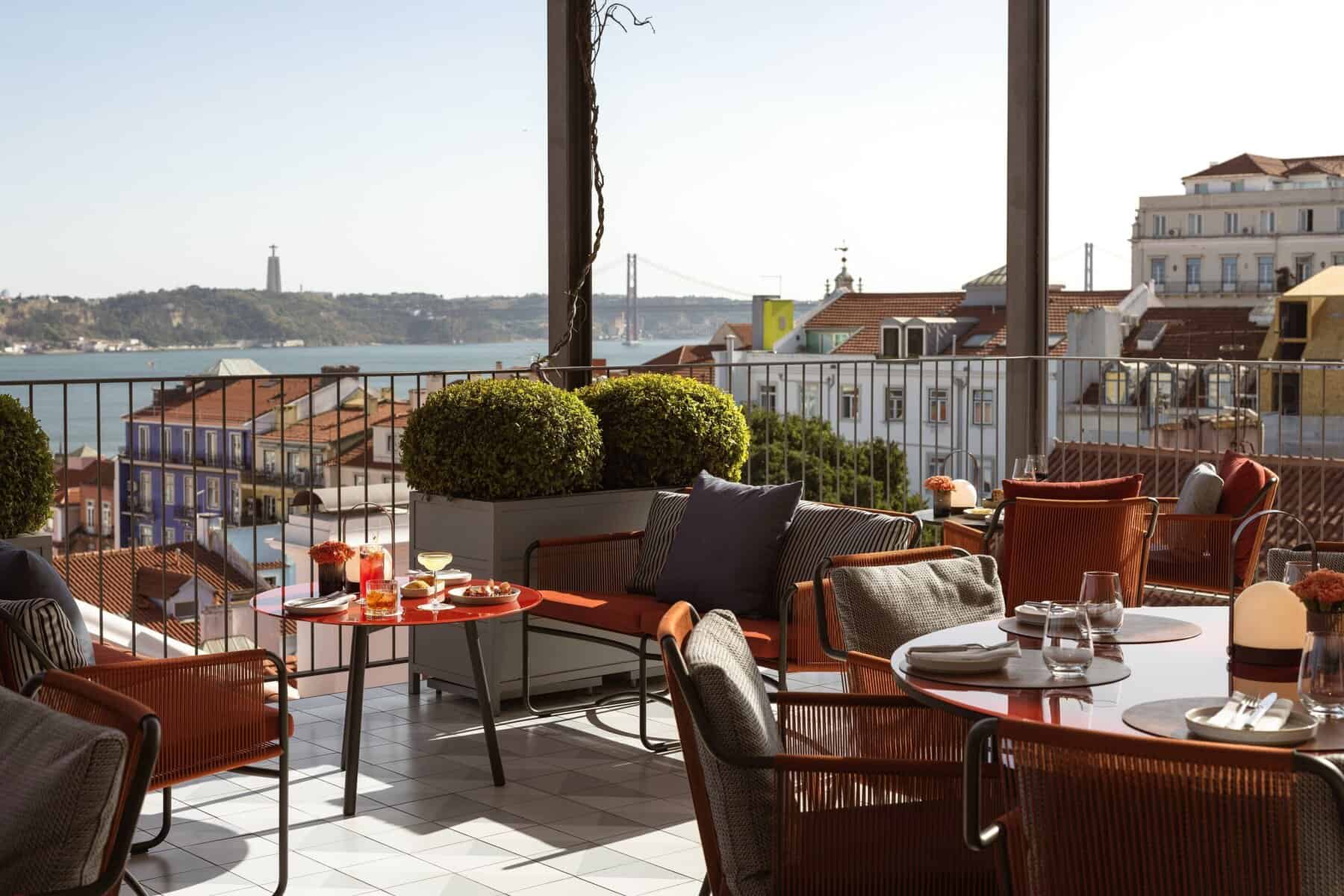
18 Best Lisbon Bucket List Experiences: From Food to Fado
Want a Lisbon bucket list that captures the essence of Europe’s second-oldest capital? You absolutely should! The city’s perfect blend of historic charm and modern energy makes everyone feel good right away.
This ancient city ranks among the world’s oldest and showcases breathtaking views from its famous seven hills. Travelers keep coming back for its unforgettable experiences – from ancient cathedrals to trendy rooftop bars, traditional Fado music to amazing food scenes. The city’s top attractions appeal to every type of explorer.
This Portuguese gem has become one of Europe’s most popular destinations, and with good reason too. These 18 bucket list activities will help you find out why visitors fall deeper in love with Lisbon each time they return.
Disclaimer: This post may contain affiliate links, meaning I receive commissions for purchases made through those links at no cost to you. Please read my full disclosure for more information.
Explore Praça do Comércio
Why Praça do Comércio is a must-see
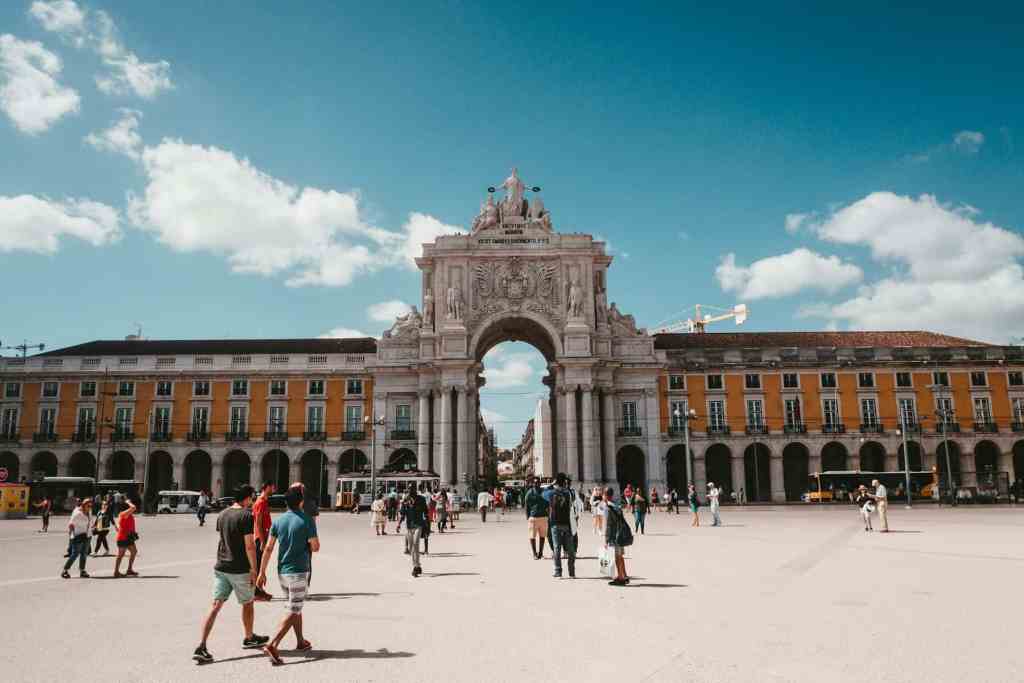
Praça do Comércio stands proudly on Lisbon’s riverfront as one of Europe’s most breathtaking plazas. The grand square is Portugal’s largest public space.
The square was once called Terreiro do Paço (Palace Yard) and housed the Royal Palace of Ribeira until the catastrophic 1755 earthquake changed Lisbon’s landscape forever. The Marquis of Pombal rebuilt the area as part of Lisbon’s massive reconstruction project.
The plaza now catches everyone’s eye with its stunning yellow buildings and elegant arches on three sides, while the Tagus River creates a dramatic backdrop on the southern edge.
A magnificent bronze equestrian statue of King José I, crafted in 1775 by sculptor Machado de Castro, dominates the center. The majestic Arco da Rua Augusta marks the northern entrance that leads to downtown Lisbon.
Praça do Comércio location & tips
You’ll find the square in Lisbon’s Baixa district, easily accessible by various transport options. Take the blue metro line to Terreiro do Paço station or walk from Baixa/Chiado. Tram 15E and buses 728 and 735 also stop nearby.
The square looks its best in late afternoon light when the sun turns the yellow buildings golden. Quiet mornings cast long shadows across the cobblestones, but midday sun can be intense. Rainy days create amazing reflections for photos.
Make sure to visit Martinho da Arcada, Lisbon’s oldest café that dates back to 1782. A climb up the Arco da Rua Augusta rewards you with stunning views of the plaza’s symmetry and the river.
Climb the Arco da Rua Augusta
Why Arco da Rua Augusta is iconic
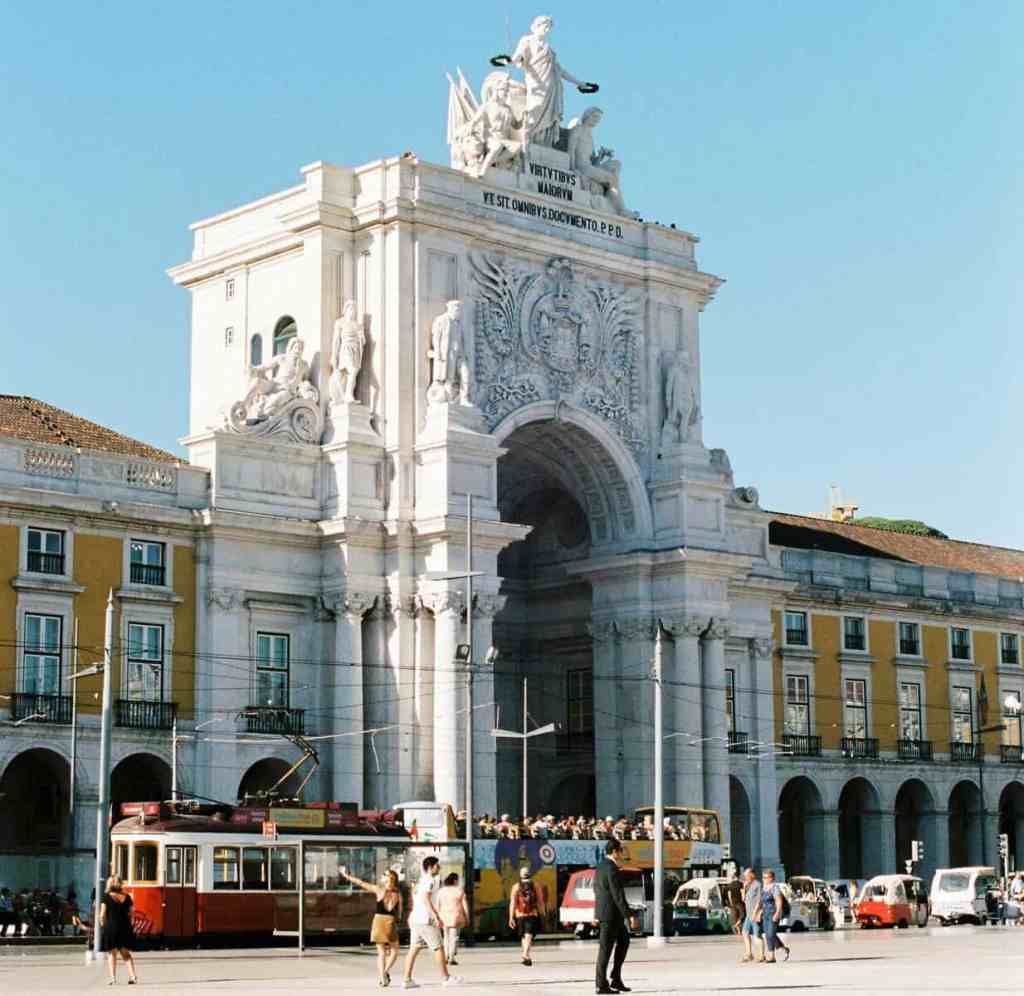
You can’t help but be drawn toward the Arco da Rua Augusta, the grand stone arch that welcomes you into the heart of Lisbon’s downtown.
Rising proudly between Rua Augusta and the Praça do Comércio, this 19th-century masterpiece is more than just a pretty landmark—it’s a gateway to one of the most breathtaking panoramic views in the city.
As you stand beneath its six massive columns, look up and you’ll spot statues of some of Portugal’s most influential historical figures—sculpted by Vítor Bastos—watching over the square. The Latin inscription above, “The Virtues of the Greatest,” celebrates the enduring spirit and achievements of the Portuguese people.
But this arch carries deeper meaning than its elegant façade suggests. It was built as a symbol of Lisbon’s rebirth after the catastrophic 1755 earthquake, which destroyed much of the city.
Though construction began soon after the disaster, political delays meant the project wasn’t finished until 1875. Today, it stands as a lasting symbol of resilience, renewal, and national pride.
If you’re up for a short climb, head to the observation deck, which opened to visitors in 2013. With spectacular 360° views of the city, visitors can capture stunning photos of Baixa district, the Tagus River, and nearby neighborhoods.
Arco da Rua Augusta location & tips
The arch sits in central Lisbon at Rua Augusta 2, with easy access from metro stations Terreiro do Paço, Baixa-Chiado, Rossio, or Cais do Sodré.
Opening hours run daily from 9am to 7pm, with shorter hours during holidays. Visitors can buy tickets online to skip peak season queues.
An elevator takes visitors to the second floor before a short climb up a spiral staircase leads to the terrace. The narrow staircases use a one-way system with traffic lights to control flow, which adds excitement to the climb.
Early morning visits help avoid crowds, while golden hour provides perfect photography conditions.
Ride the Historic Tram 28

Tram 28 route and experience
A trip to Lisbon isn’t complete without riding the iconic yellow Tram 28. This vintage transport stands out as a must-do on any Lisbon bucket list and gives visitors a perfect glimpse into the city’s historic neighborhoods.
The tram connects Martim Moniz Square with Campo Ourique (Prazeres) and winds through Lisbon’s most beautiful districts, covering about 7 kilometers of scenic urban terrain.
The vintage tram rattles and screeches through narrow streets while giving you a peek into local life – from grocery stores and bookshops to cafes.
These 1930s wooden carriages, with their polished interiors, can fit 20 seated and 38 standing passengers, though they often get more crowded during peak times.
You’ll need 45-60 minutes to complete the route that passes through charming neighborhoods like Graça, Alfama, Baixa, and Estrela.
Why Tram 28 is a Lisbon classic
Since its start in 1914, Tram 28 has weathered over a century of urban change. The tram remains crucial to Lisbon’s transport network because it’s the only vehicle that can handle the city’s incredibly narrow streets and sharp corners efficiently.
Each year, about 4.5 million passengers hop aboard, making it both a practical transport option for locals and a moving museum for tourists.
Tram 28 boarding tips
The best times to ride are early morning (6-8 AM) or late evening (9-11:30 PM) when crowds are thinner. You’ll have better luck getting a seat if you board at either end – Martim Moniz or Campo Ourique.
You can buy a single ticket on board or a 24-hour public transport pass, which is a better deal as it includes unlimited rides on all trams, busses, and metro services.
Watch out for pickpockets on this tourist-heavy route. Keep your valuables safe and wear any bags in front of you while standing.
Wander the Alfama District

Alfama welcomes visitors with centuries of history along its cobblestoned lanes. These streets have seen civilizations rise and fall since ancient times. This fascinating district stands as one of Europe’s oldest neighborhoods between São Jorge Castle and the Tagus River.
Why Alfama is a must-visit
Alfama’s appeal goes beyond its history. The district’s pastel-colored buildings showcase traditional Portuguese tiles called azulejos. Unexpected river views appear through its maze of alleys, steps, and small squares.
The neighborhood runs on authentic culture – fado music flows from open windows, laundry hangs between balconies, and community spirit stays strong.
Each June brings the vibrant Festas de Lisboa celebrations. The streets fill with color and the smell of grilling sardines.
Alfama walking tips
Here are some practical tips to make your visit better.
Start at the highest point (Largo da Graça) and walk downhill. You need comfortable shoes with good grip since wet cobblestones get slippery.
Lost in Alfama’s maze? Just head downhill and you’ll reach the wide avenues along the Tagus. Skip the tourist maps sometimes and wander off the main path to find hidden cafés and local spots.
Remember that people live here – respect their privacy and greet them with a smile.
Visit the Jerónimos Monastery

You can’t visit Lisbon without stepping inside the Jerónimos Monastery, the crown jewel of the Belém district. This breathtaking monument isn’t just one of Lisbon’s top landmarks—it’s one of Portugal’s greatest national treasures.
Architectural wonder
From the moment you arrive, you’ll be mesmerized by its Manueline architecture, a uniquely Portuguese take on Late Gothic design that flourished during the Age of Discovery.
The golden limestone façade glows in the sunlight, covered with intricate carvings that celebrate Portugal’s seafaring past—anchors, ropes, coral, and other maritime motifs that seem to bring the walls to life.
Step inside, and every corner leaves you speechless. The vaulted ceilings rise like a stone canopy, while the two-level cloister reveals lace-like arches and delicately carved columns that feel almost weightless.
Construction took more than a century, with artists and craftsmen from different generations leaving their mark, giving the monastery a depth and richness that you can feel as you walk through.
Why it’s a UNESCO World Heritage Site
In 1983, UNESCO recognized the Jerónimos Monastery, along with the Belem Tower, as a World Heritage Site.
During the 15th and 16th centuries, this was a place of prayer and blessing for sailors setting out to discover new worlds. It’s also where Vasco da Gama rests today, linking the monastery forever to Portugal’s legacy of discovery and cultural exchange.
Visiting tips
The monastery is open Tuesday through Sunday, from 9:30 a.m. to 5:30 p.m. between October and April, and until 6:30 p.m. from May to September.
To make the most of your visit, try arriving on a weekday morning, especially on Wednesdays or Thursdays, when it’s usually quieter.
Set aside at least two to three hours to truly take in the grandeur of this architectural masterpiece—you’ll want time to wander, pause, and soak in every incredible detail.
You can pre-purchase your tickets online.
Taste Pastéis de Belém
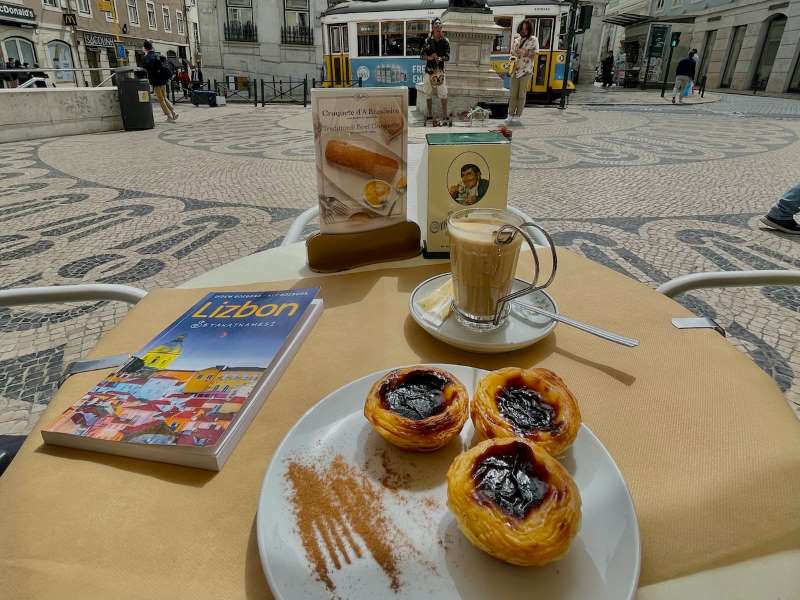
Tasting authentic Pastéis de Belém should absolutely be on your Lisbon bucket list. These treats will give you a delightful taste of Portugal’s rich food heritage.
Catholic monks at the Jerónimos Monastery created these delicious egg custard tarts before the 18th century. Someone from the monastery began selling them in a nearby shop after the Liberal Revolution closed many religious institutions.
What are Pastéis de Belém
Each tart comes with a crispy, flaky crust filled with creamy custard. Bakers dust them with cinnamon and powdered sugar.
Why they’re famous
These pastries have earned their legendary status because of their secret recipe. Only a few master confectioners know this recipe and make the tarts in a special area called “oficina do segredo” (secret workshop).
The tarts received recognition as one of Portugal’s Seven Wonders of Gastronomy in 2011. The Guardian also ranked them among the world’s 50 “best things to eat” in 2009.
Where to get them
You can find these original pastries only at Pastéis de Belém on Rua de Belém 84-92. The shop welcomes visitors daily from 8am to 9pm.
Tourist seasons bring long lines of customers who can choose between grabbing their treats to go or enjoying them in the blue-tiled dining room.
Admire the Belém Tower
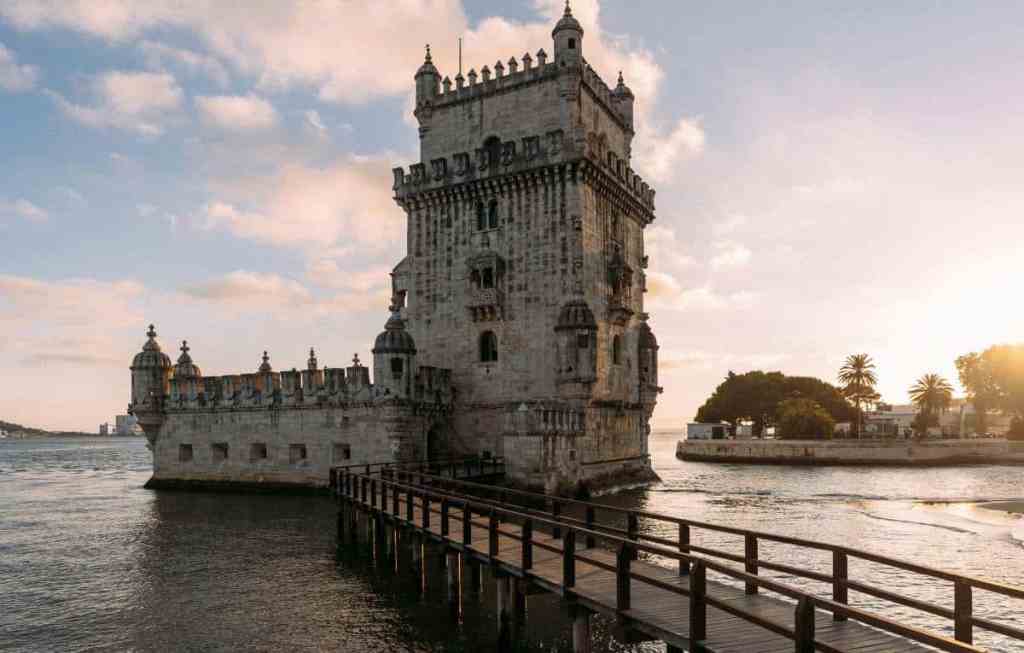
The iconic Belém Tower rises gracefully from the Tagus River’s waters. This magnificent sentinel guards Lisbon’s maritime gateway and remains a must-see attraction on any Lisbon bucket list.
Belém Tower history
Military architect Francisco de Arruda designed this limestone fortress, built between 1514 and 1520. The tower’s role evolved through time. It protected Lisbon, guided ships as a lighthouse, checked incoming vessels as a customs point, and served as a prison.
King John II envisioned the defense system, but King Manuel I turned this vision into reality. The structure beautifully combines a medieval keep tower with a modern military bastion. This design shows how old and new defensive technologies worked together.
Why it’s a Lisbon icon
UNESCO recognized the Belém Tower’s significance with World Heritage status in 1983. The Portuguese people named it one of their Seven Wonders in 2007.
The tower showcases the unique Manueline architectural style with its maritime motifs, twisted ropes, and armillary spheres. Knights of Christ crosses decorate the façade – a tribute to the military order that funded Portuguese explorations.
The tower’s most unique feature sits among its gargoyles – a rhinoceros. This unusual decoration drew inspiration from Europe’s first rhino since Roman times.
Belém Tower visiting tips
The tower remains closed for restoration until spring 2026.
Regular hours run Tuesday through Sunday, 9:30am to 6:00pm. Tickets cost about €8 for adults, though Lisboa Card holders get free entry.
Early morning visits help beat the crowds. The tower’s five floors connect by narrow spiral staircases. These stairs can get crowded during peak hours.
Enjoy the view from Miradouro de Santa Luzia
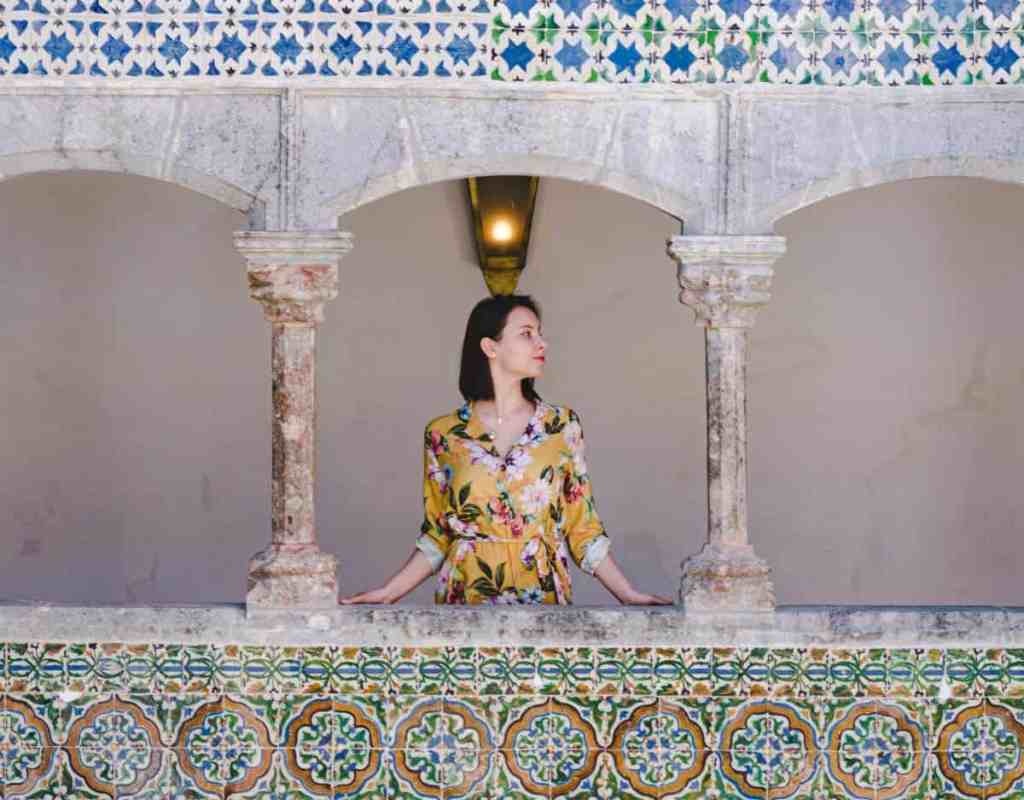
Miradouro de Santa Luzia sits atop a hill in Lisbon’s historic center. This small but charming terrace turns visitors into devoted fans of Portugal’s capital city with its picture-perfect views that deserve a spot on your Lisbon bucket list.
What you’ll see from Santa Luzia
The view from this spot will take your breath away. Alfama’s terracotta rooftops and white houses seem to stack on top of each other like building blocks.
Visitors can spot the National Pantheon’s distinctive dome, São Miguel Church’s onion-shaped spires, and Santo Estêvão Church tucked away among residential buildings.
Why it’s a top viewpoint
Santa Luzia’s charm goes beyond its amazing views. The terrace engages visitors with its romantic setting and a beautiful colonnaded pergola covered in bougainvillea that makes photos look stunning.
You’ll find decorative azulejo tiles that tell stories through historic panels – showing what Lisbon looked like before the earthquake and the castle’s storming in 1147.
A set of stairs leads down to a lower terrace where you’ll discover a reflecting pool and ornate iron windows that show different angles of the city.
Best time to visit
Early birds can beat the crowds by arriving at sunrise.
The viewpoint looks its best in April and May when bright pink bougainvillea covers the pergola.
Experience Fado in Alfama
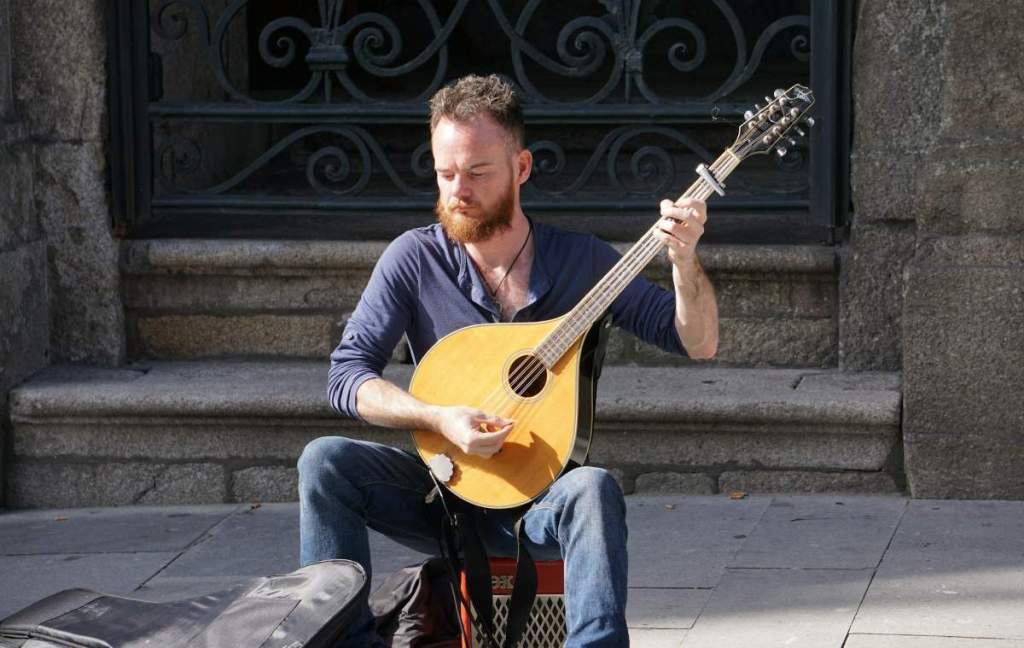
Explore the soul of Portugal through Fado in Alfama, where this hauntingly beautiful musical tradition emerged on the cobblestoned streets in the early 1800s.
What is Fado music
Fado, which means “fate” in Portuguese, is a uniquely expressive musical genre with mournful melodies and deep emotions. A vocalist (fadista) performs these songs with Portuguese guitars (guitarras) and violas.
Why Fado is culturally important
Fado’s roots trace back to Lisbon’s streets, where sailors, prostitutes, and working-class people made it their own. The genre evolved from simple tavern songs and ended up receiving UNESCO Intangible Cultural Heritage status in 2011.
Where to see a Fado show
These acclaimed venues in Alfama offer authentic performances:
- Mesa de Frades – A former chapel where renowned fadistas perform after midnight
- A Baiuca – A tiny, living room-sized space where amateur performers shine
- Clube de Fado – High-quality performances complement traditional Portuguese cuisine
Shows typically start after 9 PM. The tradition calls for complete silence during performances.
Explore the Time Out Market
Time Out Market is located in Lisbon’s historic Mercado da Ribeira and draws food lovers with its amazing selection of culinary talent. The world’s first Time Out Market opened here in 2014, and quickly became a must-visit spot on everyone’s Lisbon itinerary.
Time Out Market food options
This food lover’s paradise features more than two dozen restaurant stalls with Portugal’s best chefs. You’ll find everything from traditional bacalhau à brás to state-of-the-art fusion dishes.
Miguel Castro E Silva serves authentic Portuguese classics, while Monte Mar dishes out exceptional seafood.
Manteigaria’s world-class pastéis de nata stands out among the offerings. The east wing keeps things traditional with fresh produce vendors.
Why it’s a foodie paradise
The market seamlessly blends traditional and modern food scenes, creating a food haven. The thoughtful selection will give a wide range of choices without overlap. The market serves tourists as their first taste of Portuguese cuisine while pushing culinary boundaries.
Tips for visiting
The best time to visit is early because seats fill up fast during rush hours.
Head to the central bars for drinks instead of getting them at food stalls. You might need to wait about 20 minutes during busy times.
Climb the Santa Justa Lift
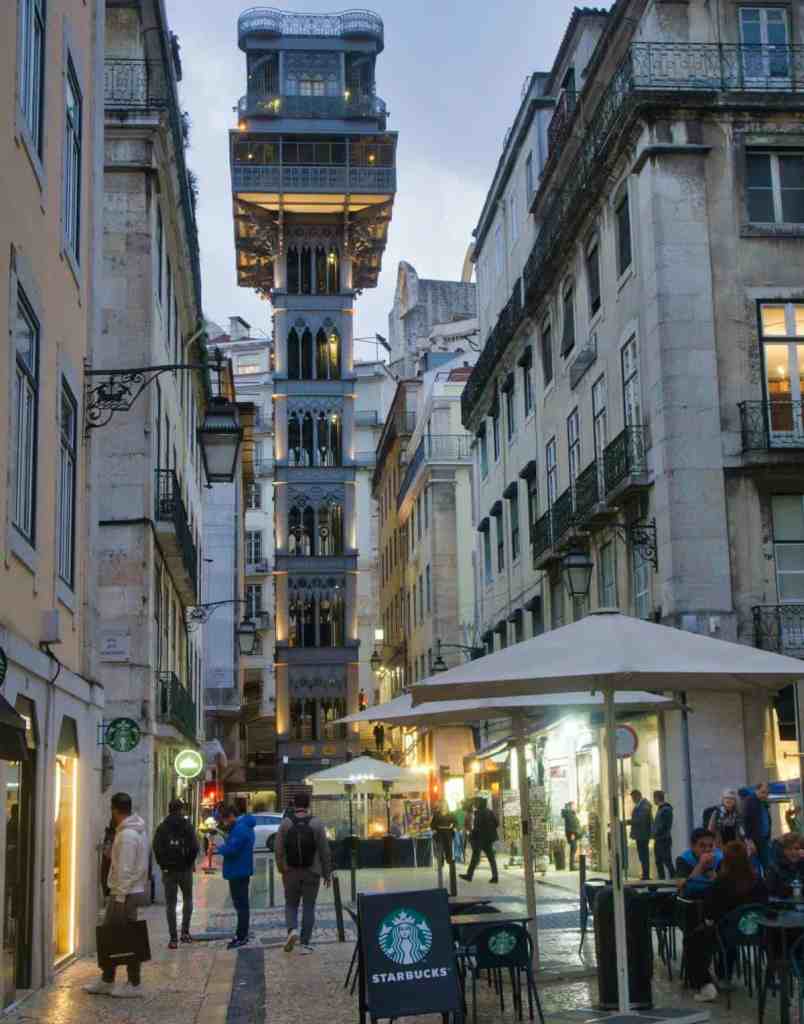
The Santa Justa Lift dominates Lisbon’s downtown skyline. This remarkable feat of industrial-age engineering should be on your Lisbon bucket list.
Santa Justa Lift design
Raoul Mesnier du Ponsard, a student of Gustave Eiffel, created this neo-Gothic elevator that mirrors the Eiffel Tower’s elegance with its wrought iron exteriors. The lift started its journey in 1902 with steam power and switched to electricity in 1907.
The structure is 45 meters (147 feet) high. Its stunning features include filigree work, geometric patterns, and neo-Gothic arches. Two polished wooden cabins carry visitors in vintage style. Each cabin fits up to 29 passengers comfortably.
Why it’s a unique experience
The Santa Justa Lift stands among the last functioning public elevators of its kind in Europe. This distinction earned it national monument status in 2002. The observation deck offers stunning 360-degree views.
Visitors can see Rossio Square, Baixa neighborhood, São Jorge Castle, and the Tagus River at the top. The structure connects the Baixa and Bairro Alto districts while preserving Lisbon’s industrial heritage.
Santa Justa Lift access tips
The lines can get long quickly. You should arrive early morning or late evening.
A smart trick saves both time and money. Enter from Largo do Carmo in Bairro Alto and pay just €1.50 to access the observation deck. A complete round trip costs between €5.30-€6.
The lift welcomes visitors daily from 7am to 11pm (May-October) and until 10pm (November-April). Lisboa Card holders ride free.
Discover the National Tile Museum
The National Tile Museum sits inside a stunning 16th-century Madre de Deus Convent and showcases Portugal’s ceramic artistry.
This unique attraction should be on your Lisbon bucket list because of its remarkable collection of azulejos.
What’s inside the Tile Museum
The National Tile Museum showcases five centuries of Portuguese tile progress. Visitors can explore decorative panels, individual tiles, and architectural elements from Portugal’s churches and palaces.
A spectacular 23-meter cityscape of pre-earthquake Lisbon stands out with its 1,300 blue and white tiles. Golden details and intricate azulejos make the convent’s chapel a breathtaking sight.
Why azulejos matter
Azulejos have become a symbol of Portugal’s cultural identity that serves both decorative and functional purposes.
These ceramic treasures came from Islamic Spain, and Portuguese artisans started making them locally by the mid-16th century. Azulejos tell stories, improve architecture, and create visual illusions while combining beauty with practical uses.
Visiting info
The museum opens Tuesday through Sunday from 10am to 6pm.
You can pre-purchase your National Tile Museum E-Ticket & Audio Guide online.
Bus 759 provides a quick 15-minute ride from Restauradores Square.
Take in the Views From Castelo de São Jorge
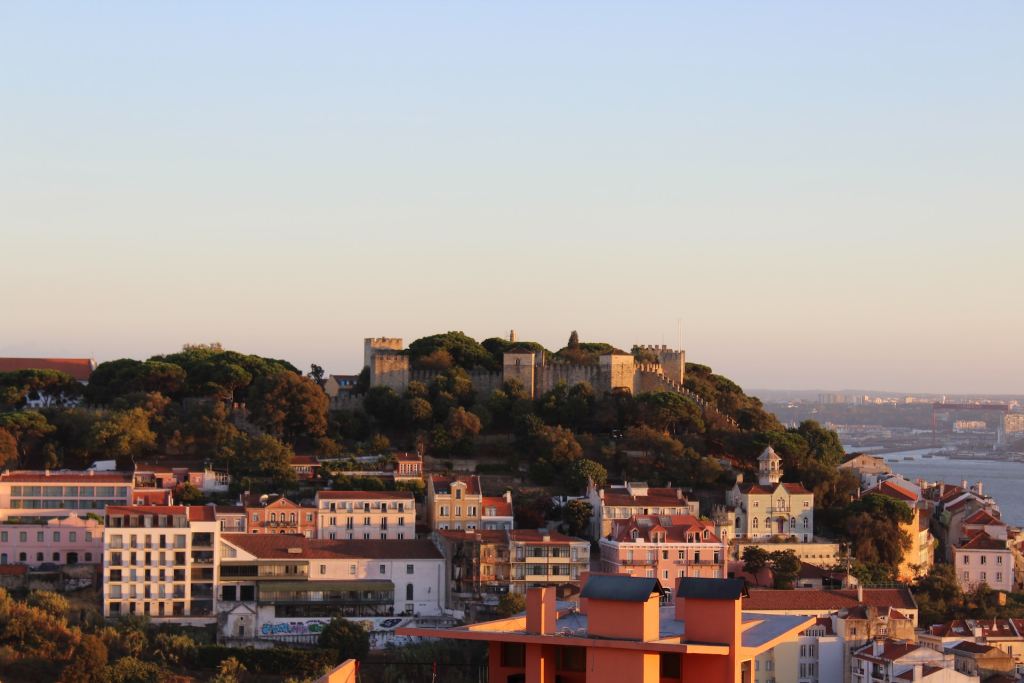
Castelo de São Jorge sits majestically atop Lisbon’s highest hill. The ancient fortress offers stunning panoramic views that make it a must-see on your Lisbon bucket list.
Castle history and views
This castle’s story goes back more than 2,000 years to the Iron Age. The Romans built fortifications here around the 2nd century BC.
The structure we see today comes mostly from the Moorish period in the 11th century. Portuguese forces led by King Afonso Henriques captured the castle in 1147. It became a royal home until the 16th century. The devastating earthquake of 1755 left the castle in ruins.
Major restoration work brought it back to life in the 1940s. The ancient walls give visitors amazing 360° views of Lisbon. Red terracotta rooftops, the winding Tagus River, and iconic buildings spread out below.
Why it’s a top attraction
The castle draws more than two million visitors each year. Its historical value and well-preserved Moorish and medieval architecture make it special.
Visitors can walk along mighty battlements and towers. A bronze monument honoring Portugal’s first king stands in the main square (Praça d’Armas).
Peacocks walk freely around the grounds, adding a unique charm to this living piece of history.
Tips for visiting
The best time to visit is early morning to avoid crowds. Weekdays offer a quieter experience.
Make sure to wear sturdy shoes – you’ll do lots of walking on uneven ground.
Take public transport since there’s no parking near the castle.
You can pre-purchase your São Jorge Castle Skip-the-Line Ticket & Guided Tour online.
Snap a Photo on Pink Street
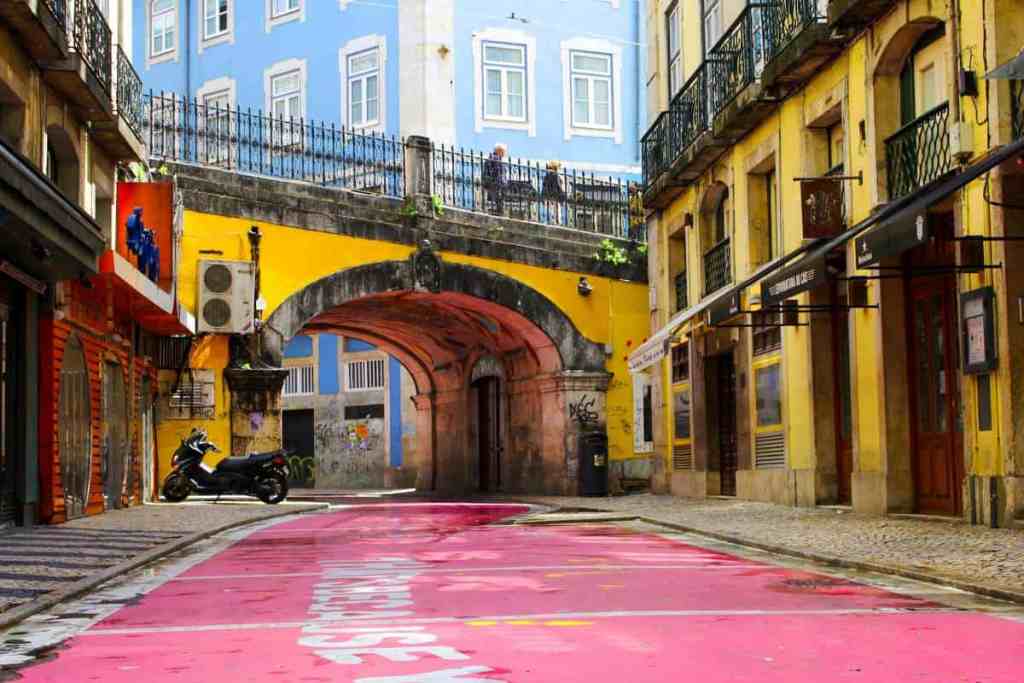
A surprising splash of color greets visitors walking down Lisbon’s lively Rua Nova do Carvalho. This small pedestrian street earned its nickname “Pink Street” in 2013 after an urban renewal project turned its pavement pink.
What is Pink Street
This lane in Cais do Sodré has a fascinating story.
Once Lisbon’s red-light district, it went through an amazing transformation less than a decade ago. The bold project turned a seedy area popular with sailors into a trendy cultural hotspot.
Pink Street (officially Rua Nova do Carvalho) now stands as Lisbon’s nightlife hub. Stylish cocktail bars, cafes, and clubs have replaced the area’s shadier establishments.
Why it’s Instagram-famous
The street’s pink pavement makes it one of Lisbon’s most photographed locations. Colorful umbrella installations often hang above the pavement and boost its charm with a whimsical rainbow canopy. Pink Street’s unique look has made it an iconic symbol that showcases Lisbon worldwide.
Best time to visit
Early morning offers the best photo opportunities before restaurants set up their outdoor seating.
The street shows its true colors after dark as it comes alive as Lisbon’s hottest nightlife spot. Locals and tourists pack the area from midnight until sunrise. They drink, socialize, and enjoy the vibrant atmosphere.
Ride the Bica Funacular
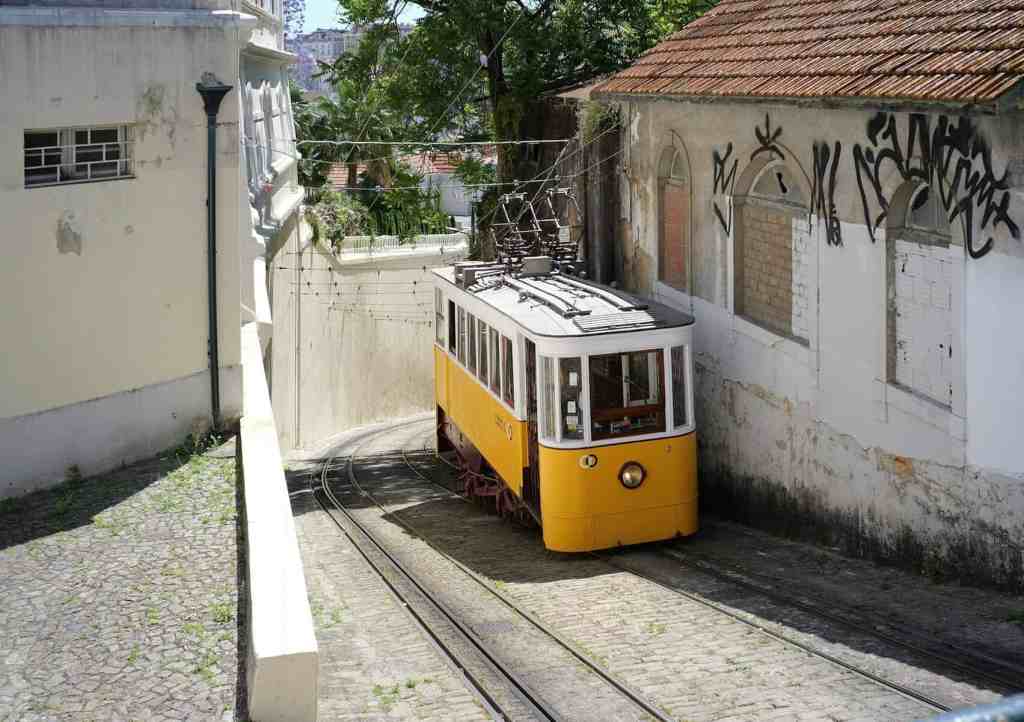
The yellow Bica Funicular stands out as one of Lisbon’s historic transport gems. It climbs up one of the city’s most charming streets and belongs on your Lisbon bucket list as both a practical ride and a perfect photo opportunity.
Bica Funicular route
This eye-catching yellow tram links Rua de São Paulo near the Cais do Sodré waterfront to the Bairro Alto hilltop. The tram runs along Rua da Bica de Duarte Belo, which ranks among the world’s most beautiful streets.
Your ride takes just 5 minutes. The funicular starts from a covered station at the bottom and serves as a popular photo spot at the top. Passengers can see traditional pastel-colored houses with flowers on their balconies and clothes drying in the wind during the ride.
Why it’s iconic
The Bica Funicular started its service on June 28, 1892 and has become Lisbon’s most photographed funicular. Its wooden carriages and traditional mechanics create a sense of nostalgia.
Looking up from the bottom, you’ll see one of Lisbon’s classic views with the steep track and the sparkling Tagus River behind it.
This funicular means more than just good looks—it’s a genuine piece of Lisbon’s heritage. The Portuguese government named it a national monument in 2002.
Tips for riding
Beat the crowds by showing up at 7 am on weekdays or 9 am on weekends. The funicular runs until 9pm each day. Weekday rides happen every 12 minutes, while weekend rides run every 15 minutes.
A round-trip costs €4.20, but Lisboa Card holders ride at no cost.
Photography fans should head to the top of the route at Rua de São Paulo. The spot offers great shots of the yellow car, tracks, and Lisbon’s harbor.
Sip Ginjinha at a Ginjinha
Your Lisbon bucket list should include a taste of Ginjinha, a sweet cherry liqueur that captures the city’s traditional spirit right from its historic roots.
What is Ginjinha
Ginjinha (or simply ginja) brings together sour Morello cherries and aguardente (Portuguese brandy) in a delightful infusion. Sugar, cinnamon, and sometimes cloves create this dark red drink that contains 18-24% alcohol.
The distinctive cherry flavor hits your taste buds with its perfect balance of sweetness and strength. A Galician friar from Santo António Church deserves credit for this amazing recipe. He discovered the magic of soaking ginja berries in aguardente.
Why it’s a local favorite
Portuguese culture embraced this cherished drink throughout the 19th century. Many older residents feel nostalgic about ginjinha because parents once gave it to children as a remedy for minor ailments. The drink remains woven into Lisbon’s daily life as locals enjoy it after meals.
Where to try it
A Ginjinha Espinheira (“A Ginjinha”) is located at Largo de São Domingos near Rossio Square. This 183-year old spot stands as the most authentic place to experience this tradition.
Ginjinha Sem Rival, a 133-year old establishment, and Ginjinha Rubi, which dates back to 1931, provide excellent alternatives to taste this iconic drink.
Visit the Calouste Gulbenkian Museum
The Calouste Gulbenkian Museum, a hidden gem in Lisbon’s cultural world, holds one of the finest private art collections in the world. Calouste Sarkis Gulbenkian gathered this remarkable collection.
This modern architectural masterpiece displays about 1,000 pieces from a collection of 6,000 artworks that span 5,000 years of history. The museum’s halls contain art treasures from ancient Egyptian, Greco-Roman, Mesopotamian, and Islamic cultures to Armenian artifacts and Far Eastern masterpieces.
Paintings by Rembrandt, Monet, Rubens, Degas, and Turner make the Western art section truly spectacular. René Lalique’s jewelry displays and 18th-century French decorative arts make this collection truly special.
Why art lovers should go
Quality defines Gulbenkian’s collection – he lived by the motto “only the best”.
The museum building itself represents a masterpiece of Portuguese modernism. Nature and art blend naturally through its thoughtful integration with surrounding woods and water features.
Beautiful gardens and cafés in the museum complex provide perfect spots to reflect after viewing the collections.
Visiting info
Important note: Renovation work will keep the museum closed until July 2026.
Regular hours run from 10 am-6 pm Wednesday through Monday. Sunday afternoons after 2pm offer free entry.
Take a Day Trip to Sintra

Just 30 kilometers from Lisbon’s lively center lies the enchanting town of Sintra—a fairytale destination that feels like it’s been lifted straight out of a storybook.
It’s no surprise that this UNESCO World Heritage site tops so many travelers’ Lisbon bucket lists.
You’ll want to dedicate at least one full day here, because Sintra deserves every moment you can give it.
Top sights in Sintra
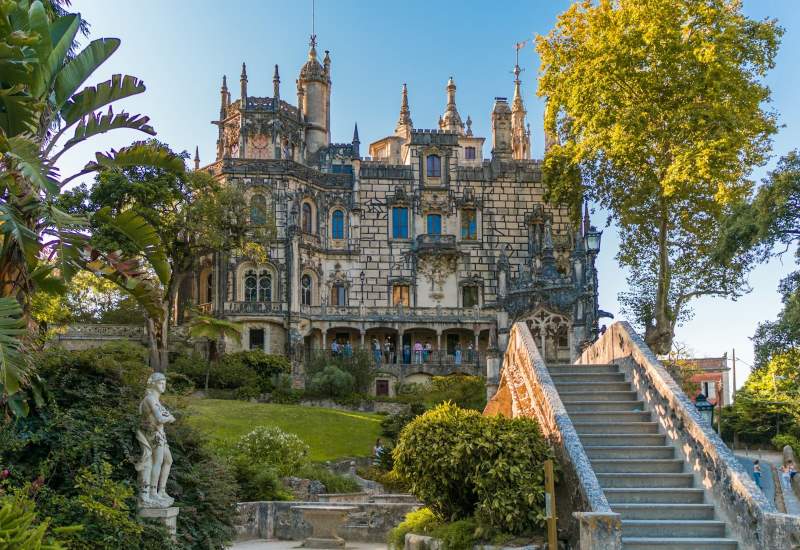
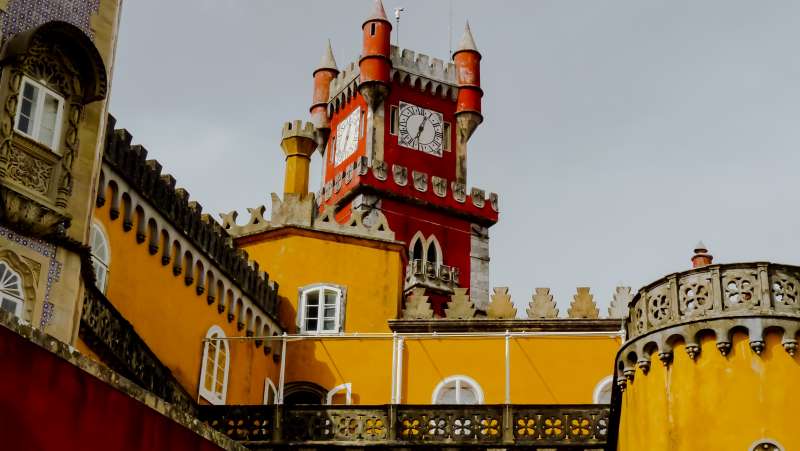
Your first glimpse of Pena Palace will take your breath away. This 19th-century Romantic palace is a masterpiece of color and imagination—a whimsical mix of architectural styles that makes you feel like you’ve stepped into a dream.
Just down the road, Quinta da Regaleira draws you into its world of mystery and symbolism. Wander through gardens laced with secret tunnels, hidden grottoes, and the famous Initiation Well, where spiral staircases lead you deep underground.
Then, explore the Moorish Castle, with its weathered stone walls and sweeping panoramic views across the hills and coastline.
Finally, don’t miss the National Palace of Sintra, right in the historic center, where elegant rooms are lined with Portugal’s largest collection of exquisite Spanish-Moorish tiles.
How to get there
Getting to Sintra couldn’t be easier. Catch a train from Lisbon’s Rossio Station, and you’ll be there in about 40 minutes.
Once you arrive, hop on the 434 tourist bus, which loops around between all the main attractions.
If you can, plan to arrive early to beat the midday crowds and enjoy the magic of Sintra in the soft morning light—it’s pure perfection!
For more information, read my Sintra travel blogs:
Frequently Asked Questions (FAQs)
Conclusion: Lisbon Bucket List
Lisbon is a city filled with amazing contrasts that never stops surprising visitors. This piece shows you iconic monuments like Jerónimos Monastery and modern spaces like Time Out Market. These 41 must-see spots are just the beginning of what you’ll find in Portugal’s fascinating capital.
The city’s neighborhoods each tell their own story. Alfama shows off its winding medieval streets, while Belém holds its grand treasures and Baixa features elegant squares. The city rewards you equally whether you plan ahead or just wander around.
Food lovers can enjoy everything from the famous pastéis de nata to fresh seafood. Art and culture fans will love the fado shows, beautiful tiles, and centuries-old architecture. From any of the city’s seven hills, you can see Lisbon’s terracotta roofs against the beautiful Tagus River.
You’ll find Lisbon costs much less than other European capitals but gives you so much more through real experiences. Many travelers who planned quick visits ended up staying longer or making plans to come back.
Your journey might start at famous spots like São Jorge Castle or Tram 28. Soon you’ll have your own special places – a secret lookout, a family restaurant, or a local festival that becomes your favorite memory.
The city’s magic stays with you long after you leave, whether you spend three days or three weeks here. Get your comfortable shoes ready and let this amazing city cast its spell on you with its perfect mix of history and modern life.
Lisbon Travel Blogs
Lisbon vs Porto Travel

Lisbon Solo Travel
Lisbon 2 Day Itinerary

Lisbon Food Tours
Lisbon Day Trips