
Porto 2 Day Itinerary: The Essential Guide to Portugal’s Hidden Gem
This comprehensive Porto guide reveals how to maximize three days in Portugal’s charming second city, balancing must-see attractions with authentic local experiences.
Porto’s compact, walkable layout makes it perfect for a two-day exploration that combines historic landmarks, world-class wine culture, fresh Atlantic seafood, and authentic Portuguese charm without feeling rushed.
Creating the perfect 2-day Porto itinerary lets you experience Portugal’s second-largest city at its best. Porto has transformed from an obscure destination into a European tourist hotspot, yet it has retained its authentic charm.
Two days in Porto provides the ideal timeframe to explore historic neighbourhoods, sample world-famous Port wine, and wander through colourful riverside streets without feeling rushed.
This Porto, Portugal 2-day itinerary will guide you through the key experiences, from historic Ribeira to Vila Nova de Gaia’s wine cellars.
Disclaimer: This post may contain affiliate links, meaning I receive commissions for purchases made through those links at no cost to you. Please read my full disclosure for more information.
Day 1: Exploring Porto’s Historic Center and Ribeira
Your first day in Porto takes you through centuries of Portuguese history, all contained within walking distance of the city’s historic center.
This route starts at São Bento Station and ends along the Douro River. You’ll see Porto’s most iconic landmarks and experience the rhythm of daily life in this riverside city.
Morning: São Bento Station and Downtown Porto
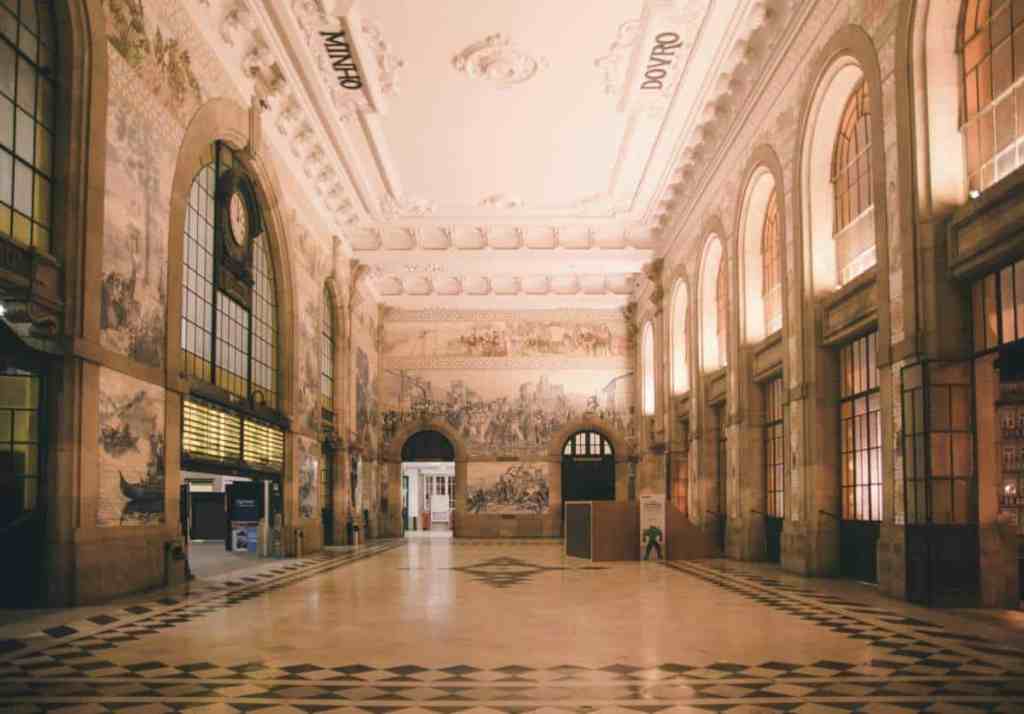
São Bento Railway Station is the perfect starting point for your Porto 3-day itinerary. This isn’t just a transportation hub. Step inside the main hall and you’ll understand why travellers spend a lot of time here before catching trains.
Architect José Marques da Silva designed the station, and construction began in 1904 on the site of a former Benedictine monastery that occupied the space back in the 16th century. A fire destroyed the monastery in 1783. The monastery was rebuilt but eventually torn down in the 19th century to make way for the expanding railway system.
It has around 20,000 azulejo tiles covering around 551 square meters. Jorge Colaço, a prominent azulejo painter, designed and painted these hand-painted tiles. He placed the first tiles on August 13, 1905. The tile project required 11 years to complete, finishing in 1916.
The murals show moments in Portuguese history through large azulejo paintings depicting historical events. For example, you’ll see a scene depicting the Battle of Arcos de Valdevez and Egas Moniz before Alfonso VII of Castile to the left of the entrance.
Blue and gold friezes decorated with stylized flowers frame the space near the ceiling, while below them another polychromatic frieze depicts the history of transportation in Portugal. The upper parts show a chronology of transport forms used by people in various areas of Portugal.
The symmetrical, three-story granite building follows the Beaux-Arts architectural style, especially popular in France, with a U-shaped plan and its principal facade oriented to the southwest.
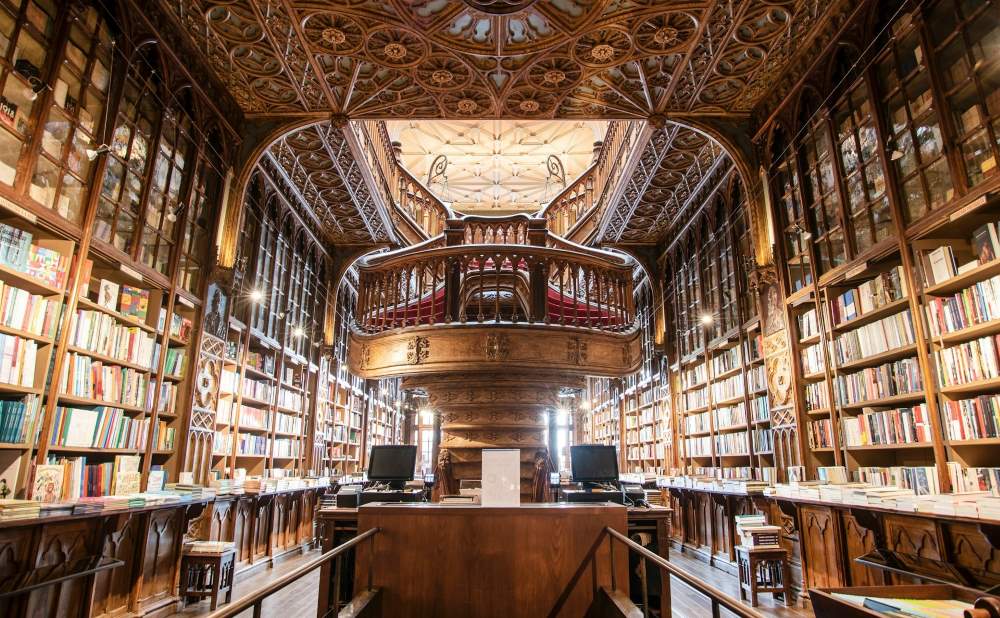
Walk toward Livraria Lello from São Bento, one of the most magical bookshops in the world. This historic bookstore, rated among the top in the world and one of the oldest in Portugal, inspired J.K. Rowling to write her Harry Potter books. The Art Nouveau building draws long queues, so you should arrive early to avoid crowds.
Head to Torre dos Clérigos after your bookshop visit. You can see this church tower from various points throughout the city, and it stands as one of Porto’s most characteristic symbols. The tower offers sweeping views across Porto’s terracotta rooftops once you climb to the top.
Porto Cathedral, known as Sé, is located in the medieval heart of the city. The Sé neighbourhood has narrow alleys and small streets that preserve the medieval character of this part of Porto. You get a sense of how the city developed on the hillside overlooking the Douro River when you walk through these steep lanes.
The facades throughout this area showcase Porto’s azulejo tradition. The Church of Santo Ildefonso displays 11,000 blue-and-white tiles created by Jorge Colaço. These hand-painted tiles cover entire walls and show scenes from Portugal’s history, religious narratives, and daily life.
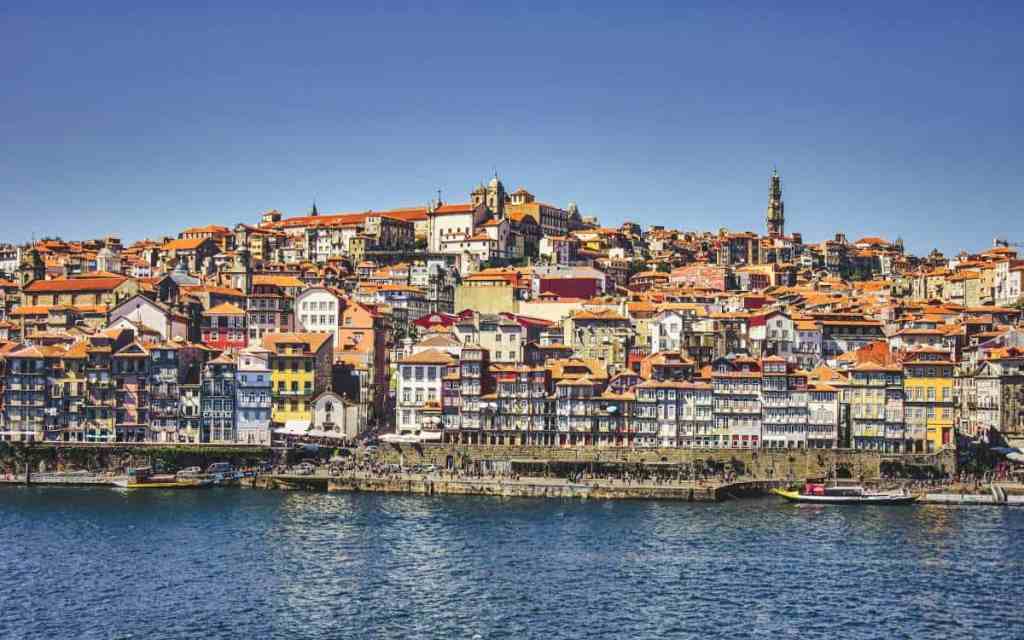
The colorful azulejos on pastel-painted houses with terracotta roofs create the distinctive Porto esthetic visible throughout the historic center.
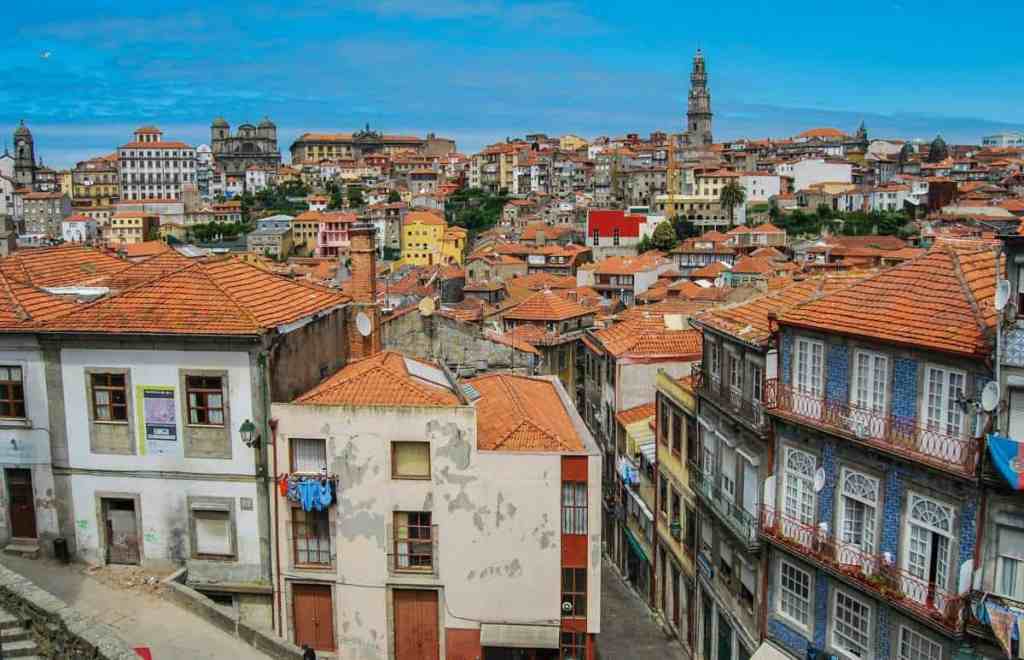
Afternoon: Walking Across Dom Luís I Bridge
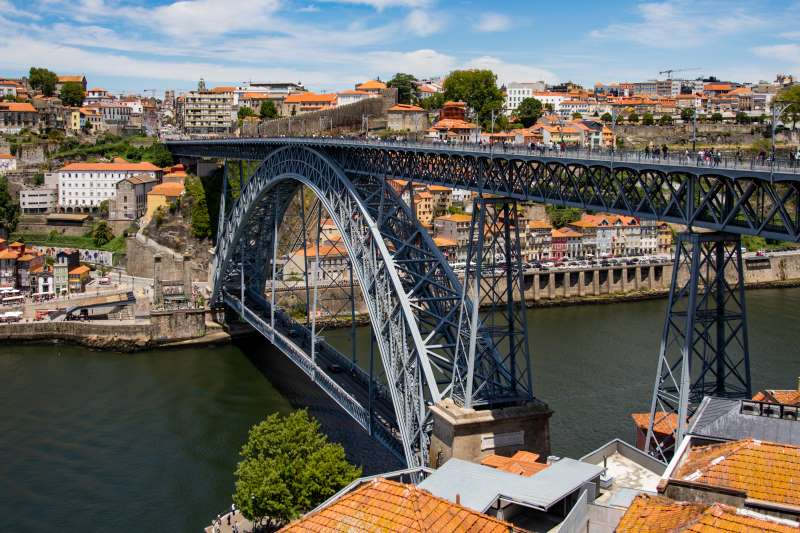
Head down the steep streets toward the Douro River and the iconic Dom Luís I Bridge after you explore downtown Porto.
The walk down gives you multiple vantage points. Vitória viewpoint offers one of the best panoramas, where you can see the city, the river, and the bridges connecting not only the two banks but also Porto with France through historical trade routes.
The Dom Luís I Bridge is Porto’s most photographed landmark. This double-deck metal arch bridge connects Porto’s Ribeira district with Vila Nova de Gaia across the river.
You get spectacular views of both riverbanks, the Port wine cellars below in Gaia, and the pastel houses climbing the hillside when you walk across the upper level. The bridge crossing takes around 15 minutes at a leisurely pace.
Colourful buildings stacked along the riverbank create a postcard-perfect scene on the Porto side. Street musicians often perform near the bridge approaches and add to the atmosphere. The Douro River flows beneath you toward the Atlantic coast, which sits just a short distance from Porto’s center.
Look back toward Porto as you cross to appreciate how the city settled on the steep banks of the river. The historic center, now declared a UNESCO World Heritage Site, sprawls across the hillside with the cathedral visible at the highest point.
Evening: Sunset Views and Dinner in Ribeira
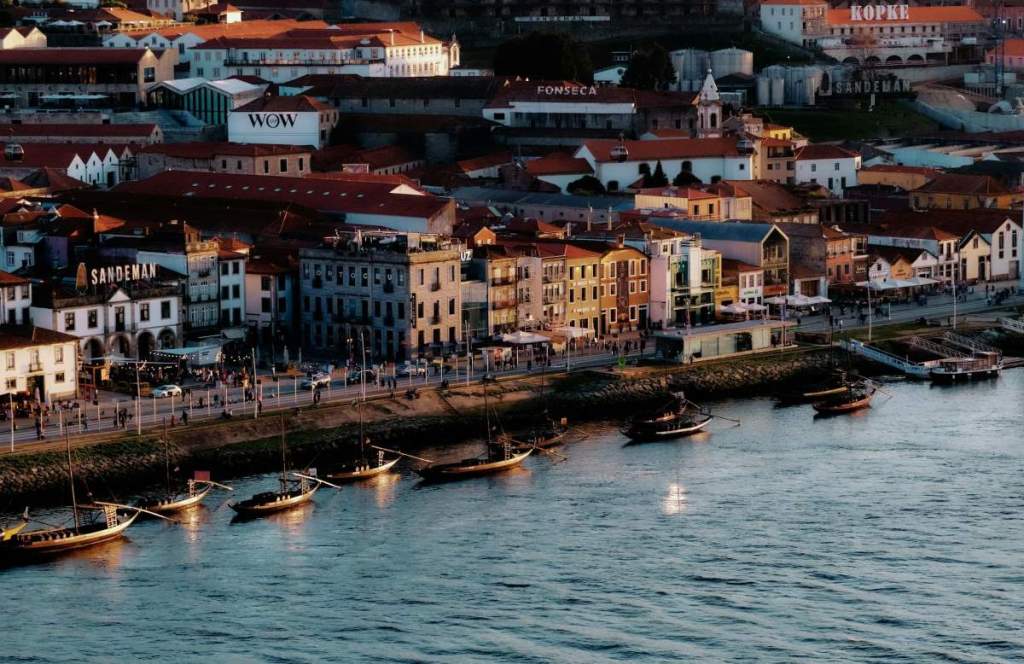
Ribeira, one of Porto’s oldest neighborhoods, is the focal point of your evening.
This riverside district along Cais da Ribeira has dozens of restaurants and bars dotting the waterfront. The narrow lanes clamber up from the Douro to the city center, filled with traditional buildings, outdoor cafés, and street activity.
Several restaurants stand out for dinner with views. Terra Nova, located at Cais da Ribeira 34, offers a beautiful view over Ribeira, the Douro River, and the Port wine cellars in Cais de Gaia. The restaurant serves upscale Portuguese cuisine. The oysters come recommended for their freshness.
Terra Nova doesn’t guarantee terrace or window seating even with reservations, so you should arrive early to improve your chances of securing the best tables. São Bento station sits just a 10-minute walk away, or you can take bus 403 and get off at the Ribeira stop.
Despite its prime Ribeira location facing the Douro River, Taberna Rio Restaurante doesn’t have touristy prices, which sets it apart in this area. The menu focuses on snacks and tapas but has standout main dishes. Their sangria gets high praise.
The interior has a romantic atmosphere, though the outdoor terrace lets you enjoy the view while you listen to street musicians who perform throughout Ribeira. The same transport options apply: a 10-minute walk from São Bento or bus 403 to the Ribeira stop.
Wine Quay Bar occupies a central location perfect for people watching. This bar offers a curated selection of Portuguese wines. Enjoy Portuguese charcuterie, cheeses, and sweets while the evening sun sets over the water.
Grab a quayside chair on the terrace with full views of the Douro, the Dom Luís I Bridge, and the Port lodges across the river in good weather. Outdoor seats have squirt guns to ward off seagulls.
Restaurante Torreão is a great option for an elegant dinner featuring local ingredients with an excellent wine selection. The rooftop terrace overlooks the cathedral, Ribeira, and Gaia, with sunset views toward the Arrábida Bridge ranking among the most camera-worthy in Porto.
The evening gives you time to wander and explore after dinner. Ribeira’s steep streets reveal hidden viewpoints, small squares where locals gather, and glimpses into daily life beyond the tourist crowds. T
he neighbourhood’s character, shaped by centuries as a working port district, remains authentic despite increased tourism. This balance between historic preservation and modern vitality makes Porto’s Ribeira district memorable as the sun sets on your first full day in the city.
Day 2: Port Wine, Vila Nova de Gaia, and Local Flavors
The second day moves your focus across the Douro River to Vila Nova de Gaia, where historic Port wine cellars have aged Portugal’s most famous export for centuries.
This day balances cultural learning with culinary finds and takes you from morning wine tastings to fresh Atlantic seafood and back to Porto’s vibrant evening scene.
Morning: Port Wine Cellars and Tastings
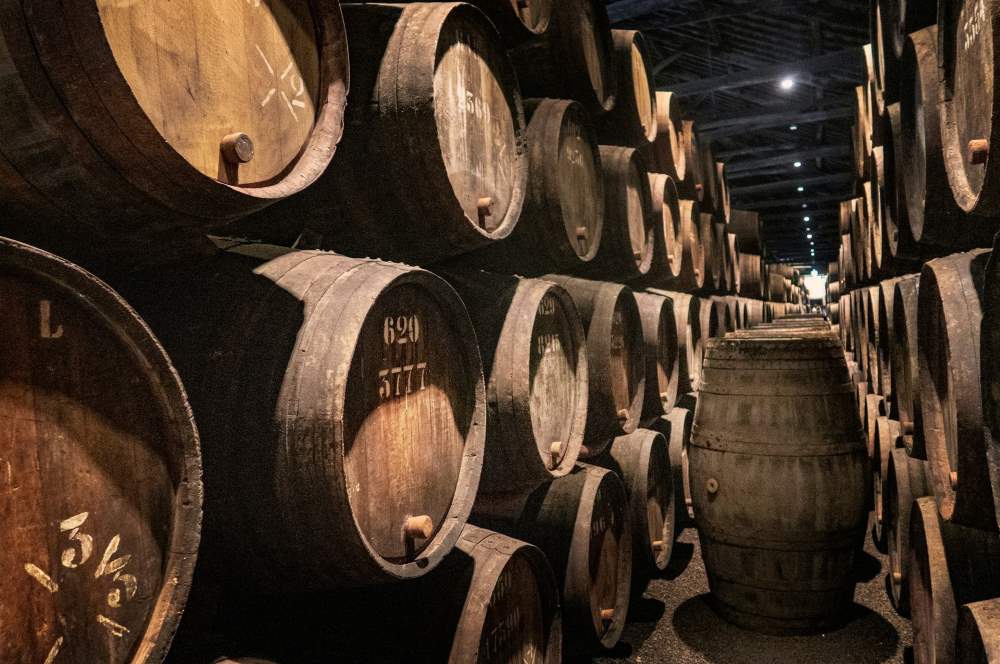
Vila Nova de Gaia sits across the Douro River from Porto’s Ribeira district.
Historic trade laws from the 17th century required all wine barrels from the Douro Valley to age in cellars on the southern riverbank to qualify as official Port wine. The humid conditions near the sea have been part of this fortified wine’s heritage for centuries.
Almost two dozen historic Port wine cellars operate in Gaia. Each one has tours and wine tastings. You should book ahead, especially when popular time slots sell out in peak season.
Here’s a list of the wine cellars I recommend visiting:
Taylor’s Port
Taylor’s Port ranks among the oldest. The company was founded in 1692. The cellar renovated its 300-year-old space to incorporate a modern museum circuit.
The self-guided audio tour is available 13 languages: English, Portuguese, Spanish, French, German, Italian, Japanese, Danish, Mandarin, Dutch, Polish, Korean, and Russian. You can explore at your own pace without worrying about tour group schedules.
The tour has three wines: Taylor Fladgate Chip Dry Extra Dry White, Late Bottled Vintage, and 10-Year-Old Tawny.
The cellar opens from 10:00 to 18:15 Monday through Sunday. The tasting room stays open until 19:30.
Children receive grape juice and cookies, which makes this family-friendly.
Graham’s
Graham’s was founded in 1820 by brothers William and John Graham and sits further west than other Port houses but rewards the trek.
The lodge was built in 1890 and has sweeping panoramic views of both Gaia and Porto’s riverfront from the terrace.
Graham’s grapes grow in the Douro Superior area deeper in the valley and produce sweeter profiles as opposed to the drier wines from the Baixo Corgo sub-region.
The tour and premium tasting pairs Graham’s LBV with chocolate, Graham’s Quinta dos Malvedos paired with cheese, and Graham’s 20-year-old paired with a pastel de nata.
Private experiences take place in the special vintage room.
Cockburn’s
Cockburn’s stands out as the largest Port wine producer in the world and maintains the only cooperage left in Gaia.
The cellar contains huge wooden casks that each hold 36,000 liters of ruby port. The oldest wine still aging on wood dates to 1937.
You might hear coopers working on oak barrels when you tour, though this traditional craft has disappeared from other cellars.
Fonseca
The Fonseca self-guided tour is a relaxed and immersive way to explore one of Porto’s most historic port wine cellars at your own pace.
As you wander through the 200-year-old cellars, you’ll learn about the origins of port wine in the Douro Valley, the production and aging process, and Fonseca’s long-standing heritage and sustainable practices.
The experience wraps up with a tasting of their signature wines—typically including the iconic Bin 27—making it a perfect blend of history, culture, and flavour without the rush of a guided group.
Children’s tickets include cookies and Douro Valley grape juice served in a Port wine glass.
The cellar opens Monday through Sunday from 11am to 6pm.
Ramos Pinto
Ramos Pinto sits in a beautiful multi-story yellow manor house right on the riverfront and displays vintage advertising posters that have become iconic.
The tasting room on upper floors gives uninterrupted views of the river and Porto. Ramos Pinto has still wines alongside Port, which sets it apart.
The house doesn’t accept reservations for tastings and only has them at specific times listed on their website.
Afternoon: Finding Matosinhos and Serralves
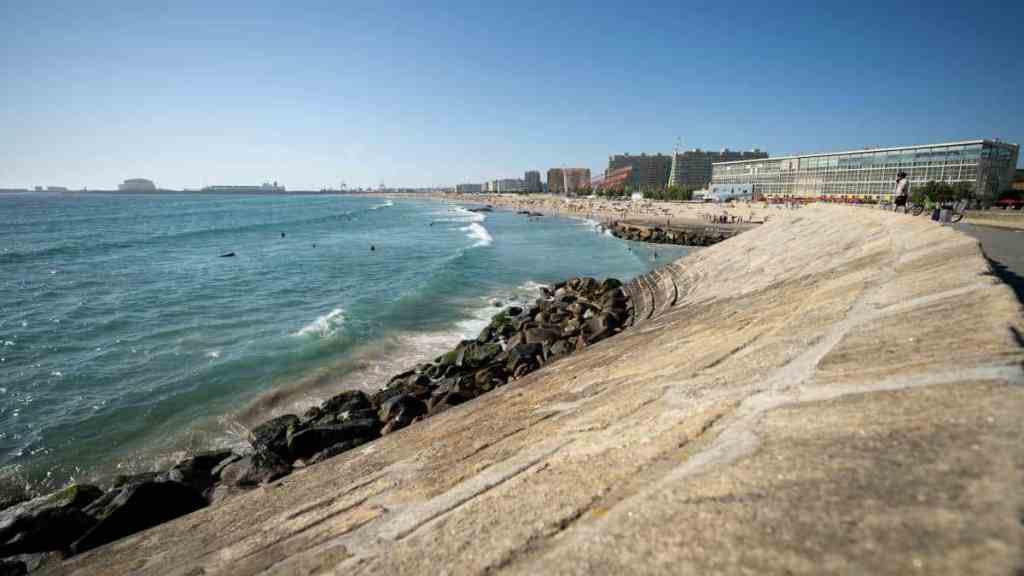
After your morning Port education, take the metro to Matosinhos for Portugal’s finest seafood. This coastal town is a short metro ride from Porto and treats seafood as a way of life.
Fishermen deliver fresh catches to Portugal’s best seafood market each day, where you’ll find everything from giant octopus to gleaming sardines. Some nearby restaurants will grill your market purchase on the spot.
Matosinhos Beach is the largest beach in the Porto area and has golden sand, powerful Atlantic waves, and a lively promenade. The waves prove big enough for fun surfing but safe enough for beginners. Surf schools along the beach rent boards and give lessons.
When hunger hits, there are plenty of options to choose from. Rua Heróis de França alone contains over 40 restaurants. O Gaveto at Rua Roberto Ivens 826 combines mastery of regional fish dishes with an impeccable wine list.
Evening: Porto’s Nightlife and Food Scene

Porto comes alive after dark with options spanning wine bars to late-night entertainment. No evening feels complete without sampling Port wine, the sweet fortified wine that put this city on the map.
Graham’s Lodge across the river in Vila Nova de Gaia ranks among the best places to experience Port wine. Tours teach the production process before tastings overlooking Porto’s city lights.
WOW (World of Wine) operates as a cultural district dedicated to wine, food, and history. Multiple wine-tasting rooms, wine museums, and dining spots celebrate Portugal’s wine heritage in innovative settings.
Wine Quay Bar along Ribeira has a cozy atmosphere with local wine selections. Riverside views make it prime for unwinding while you enjoy Porto’s finest wines with beautiful city vistas.
Porto’s food scene extends beyond seafood. Traditional Portuguese cuisine dominates menus with generous portions that often require taking leftovers home. Wine pairings accompany most quality dining experiences and draw from the exceptional Douro Valley wines produced upriver from the city.
Street life pulses through neighborhoods as locals and visitors mingle at outdoor cafés. The friendly spirit that characterizes Porto becomes most apparent when the city sheds its daytime pace in the evening hours.
Whether you sip Port by the Douro River or explore diverse entertainment options, your second evening on this Porto 2 day itinerary reveals why this city has captured hearts worldwide.
Planning Your Porto 2 Day Itinerary: Essential Information
Before you start your Porto 2 day itinerary, understanding when to visit, how to get around, and what to bring will make your trip smoother. P
orto rewards travelers who plan ahead, especially given that the city’s weather can move dramatically between seasons and even within a single day.
When to Visit Porto
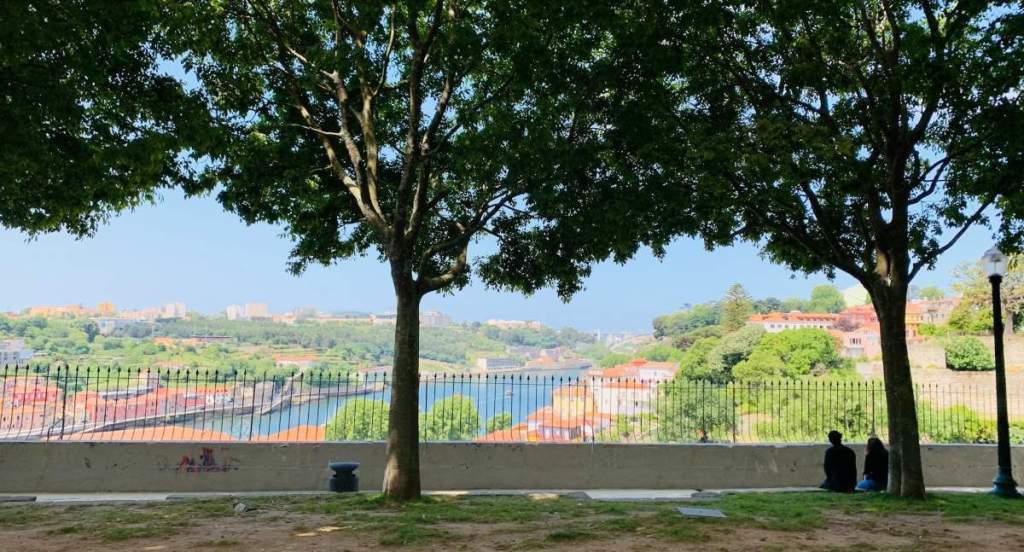
Your visit’s timing shapes your whole Porto experience. Porto has a Mediterranean-like climate with warm, dry summers and cooler, wetter winters.
Occasional showers surprise visitors even during peak summer, so expecting perfect weather year-round sets you up for disappointment.
June is the single best month to visit Porto for the ideal balance. The weather stays warm and sunny without mid-summer’s intense heat, and you can experience the city during the vibrant Festas dos Santos Populares celebrations.
September is the second best month to visit Porto, offering brilliant conditions with an end-of-season calm.
Porto in Summer
Summer months from June to September deliver Porto’s finest weather. This period brings long, warm days and cloud-free skies mostly, making it perfect for beach visits and outdoor exploration.
Temperatures average around 23°C (73°F), though heat waves can push highs over 30°C (86°F). The Atlantic winds keep the city more comfortable than southern Portugal, with temperatures ranging from 18-25°C (64-77°F) and peaking in July and August.
Local residents, known as tripeiros, escape to Praia de Matosinhos and nearby beaches during the warmest months. Ocean temperatures stay brisk even on scorching days, especially along Portugal’s northern coast.
June kicks off Porto’s busiest festival season. The Serralves em Festa and the Festa de São João, Porto’s biggest celebration marking the feast day of St John the Baptist, fill the streets with energy.
August brings the Porto Busker Fest with improvised stages throughout the city, while September offers concerts like the Concertos na Avenida as temperatures begin dropping.
These summer perks come with predictable downsides. Hotel rates spike, crowds pack major attractions, and securing restaurant reservations becomes a challenge. You’ll need to book accommodations months ahead during July and August when demand exceeds supply.
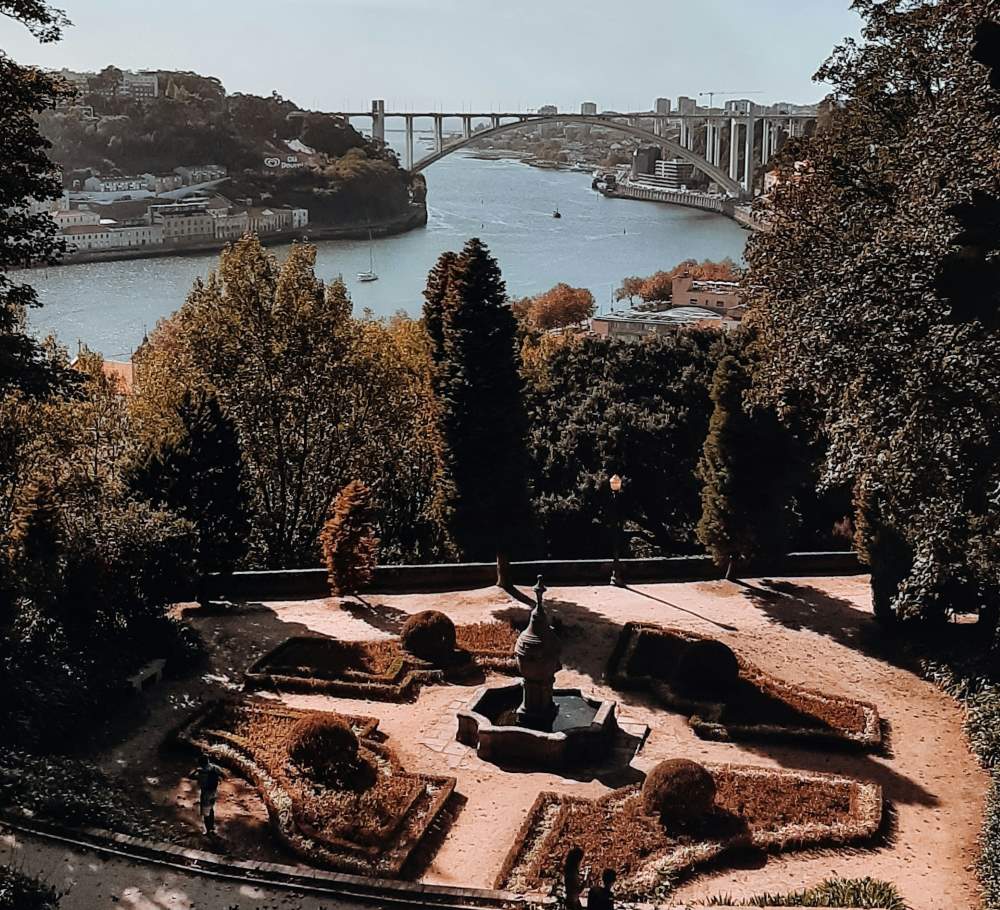
Spring in Porto
Spring presents an attractive alternative for your 2 days in Porto.
Spring temperatures range from 12°C (53°F) to 20°C (68°F), creating mild conditions perfect for riverside walks and crossing Porto’s bridges.
Late March through early May brings colourful blooms to city parks, and April experiences fewer rain showers than the previous four months.
Late spring, specifically May to June, combines fantastic weather with manageable crowds and offers one of the best windows for visiting.
Easter processions add vibrant displays to Porto’s streets, and nearby Braga hosts Portugal’s biggest Easter festival. May stands out as appealing for theatre enthusiasts, as the Festival Internacional de Teatro de Expressão Ibérica (FITEI) runs almost the whole month.
You’ll find better hotel deals than summer, though prices start climbing as May approaches peak season.
Fall/Autumn in Porto
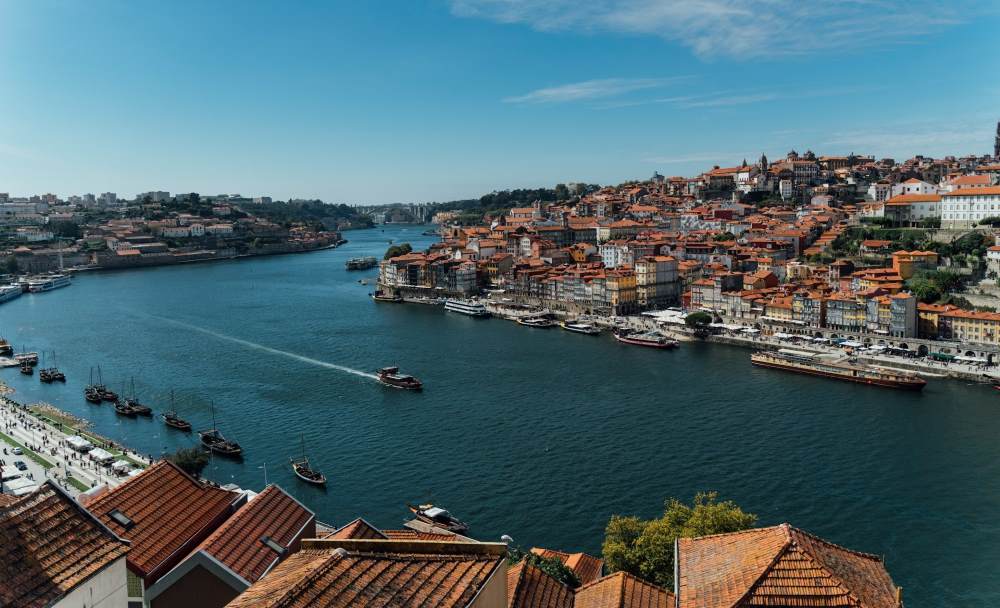
In late September and October, bright fall colours transform the city’s parks and tree-lined streets, creating spectacular scenery during Douro River cruises.
Autumn weather mixes more rain than summer but fewer wet days than winter. Daily highs hover around 20°C (68°F) in October, near perfect for outdoor activities.
September offers the same wonderful weather as early summer but with a more relaxed, end-of-season atmosphere and lower prices than peak months.
This period coincides with grape harvest season in the Douro Valley and gives you the chance to witness wine-making and grape-stomping firsthand.
Winter in Porto

The winter months from November to February represent the least expensive time to visit.
Temperatures range from 10-15°C during the day, with evening lows rarely falling below 5°C (41°F). Daytime highs reach 13°C to 16°C (55-61°F) while cooler nights drop to 5°C to 8°C (41-46°F).
Winter temperature patterns require layering. Cold, misty mornings can give way to midday sunshine with highs around 15°C (59°F), followed by evening showers. December ranks as Porto’s wettest month with around 15 days of precipitation.
Christmas markets, roasted chestnuts, and colourfully decorated squares create memorable backdrops despite the damp conditions.
January is the coldest month, though temperatures rarely dip below 5°C (41°F) at night. Rain becomes a frequent companion from November through March, with precipitation persisting into late April sometimes.
Winter entertainment doesn’t slow down. February brings concerts at Casa da Música, Portugal’s premier fantasy film festival Fantasporto, and costumed Carnaval parades. The IndieJúnior children’s film festival makes January fun for families.
As a working city, Porto keeps everything open year-round, unlike resort towns, making winter perfect for spontaneous weekend breaks. You can monitor forecasts a week ahead and book an inexpensive trip to coincide with dry spells.
You can secure budget-friendly hotel discounts of up to 50% off high-season rates in exchange for chilly, damp weather.
Where to Stay in Porto
Porto’s compact layout means most neighbourhoods put you within walking distance of major attractions.
The historic center keeps you close to São Bento Station and Ribeira, while Vila Nova de Gaia across the river offers stunning views back toward Porto’s skyline and easy access to Port wine cellars.
For more information, read my travel blog: Where to Stay in Porto, Portugal
Getting Around the City
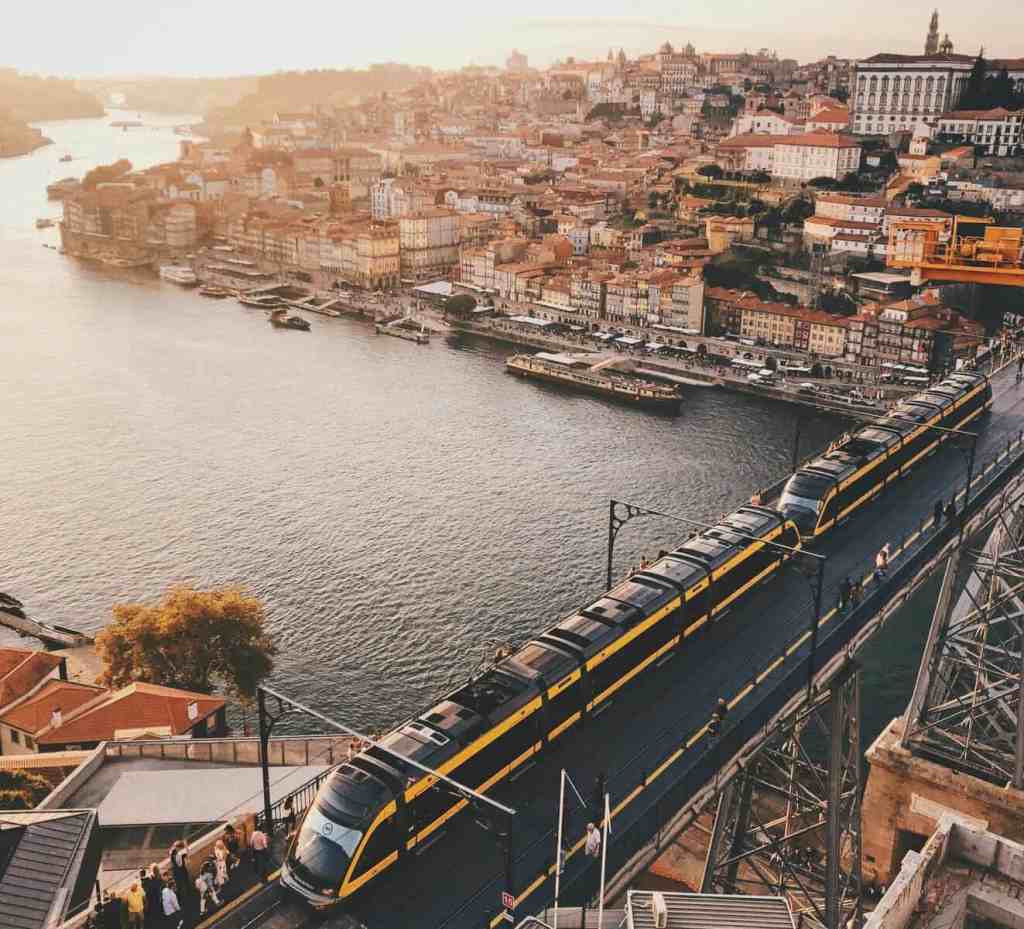
Porto remains small, allowing you to explore most areas on foot. The public transport system provides efficient options for longer distances or when your feet need rest.
The Andante card offers unlimited travel on the metro and buses for visitors staying several days.. This rechargeable smart card can be reloaded at any metro station or vending machines around the city.
Porto Metro System
The Porto metro system is one of Portugal’s most efficient public transport networks. Six color-coded lines connect the city center to suburbs and neighbouring towns.
Line A (Blue) runs from Estádio do Dragão in the east to Senhor de Matosinhos in the west near the beach. Line B (Red) connects Póvoa de Varzim, a northern coastal town, with Trindade station in the city center and passes through Campanhã, Porto’s central train station.
Line C (Green) heads from northern neighborhoods south toward Campanhã station, while Line D (Yellow) runs from Hospital de São João in the northeast to Campanhã.
Line E (Purple), known as the airport line, connects São Bento and Trindade to Francisco Sá Carneiro Airport. Line F (Orange), the newest addition, extends from Campanhã station and remains under construction.
Porto Bus System
Porto’s bus system, operated by STCP (Sociedade de Transportes Colectivos do Porto), has over 300 buses serving areas the metro doesn’t reach.
Buses accept both single-trip tickets and multi-ride passes purchased at ticket vending machines, metro stations, or from the driver. Single trips cost around €1.20 for regular routes.
The Andante card works on buses, making it a solid option if you plan to visit multiple attractions.
Porto Trams and Furniculars
The historic tram system offers more than transportation. Vintage trams operating since the late 19th century provide a nostalgic trip through iconic streets. You can purchase tickets from the tram conductor or use your Andante card.
The Funicular dos Guindais offers a charming way to traverse Porto’s steep hills. First inaugurated in 1891, this funicular connects two different parts of Porto and makes it one of the city’s oldest transport systems.
The funicular departs from R. da Ribeira Negra 314 station in the heart of Ribeira district. Operating times vary by season, so check before planning your route.
Key Takeaways
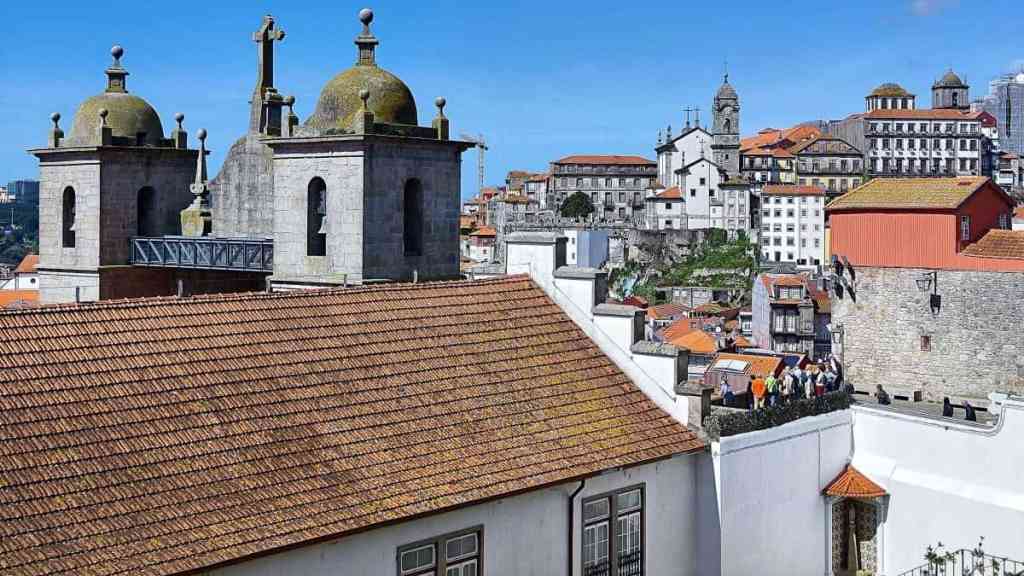
- Visit during shoulder seasons (May-June or September-October) for ideal weather, fewer crowds, and better hotel rates while avoiding peak summer prices and winter rain.
- Start at São Bento Station to admire 20,000 hand-painted azulejo tiles depicting Portuguese history, then explore the UNESCO World Heritage historic center on foot.
- Cross Dom Luís I Bridge for spectacular views and spend your first evening in Ribeira district with riverside dining and sunset photography opportunities.
- Dedicate morning to Port wine education in Vila Nova de Gaia cellars like Taylor’s or Graham’s Port Lodge, where centuries-old aging traditions create Portugal’s famous fortified wine.
- Pack comfortable walking shoes and layers for Porto’s hilly cobblestone streets and unpredictable coastal weather that can shift throughout the day.
Frequently Asked Questions (FAQs)
Final Thoughts on This Porto 2 Day Itinerary
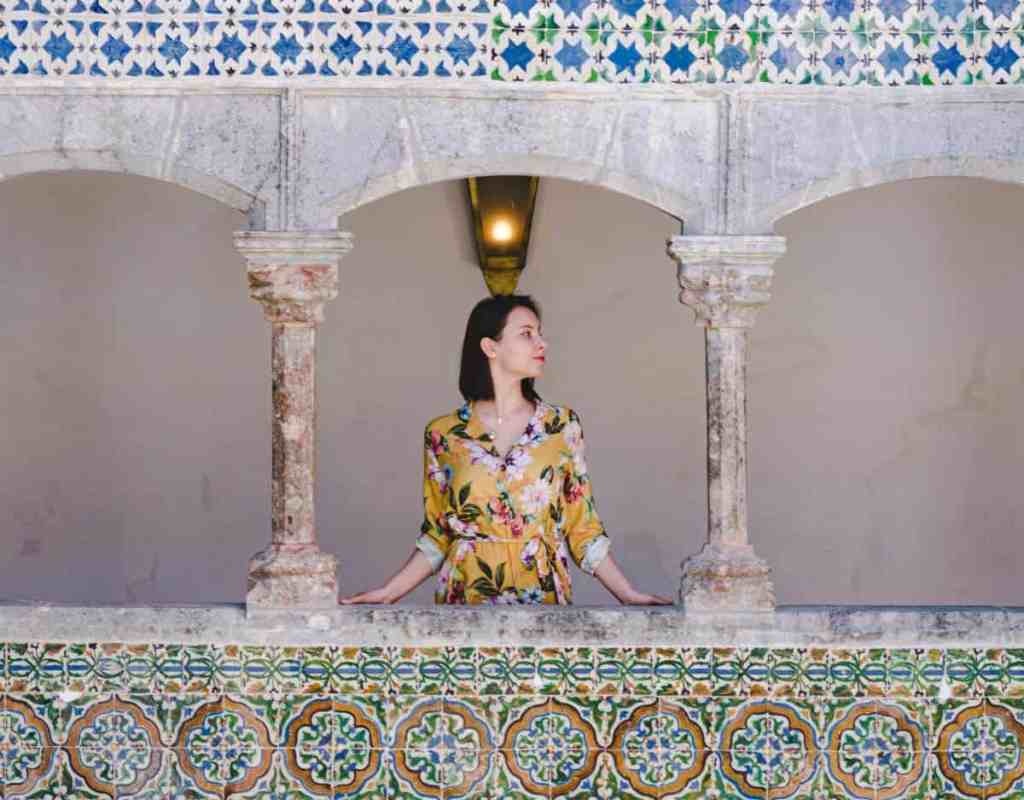
Porto rewards travelers who invest two days learning its layered character.
This 2 day itinerary covers experiences that make Porto unforgettable, spanning São Bento’s azulejo tiles and Ribeira’s riverside charm to Vila Nova de Gaia’s historic Port cellars and Matosinhos’s fresh seafood.
Two days barely scratch the surface of what this city offers. Yet they provide enough time to understand why Porto changed from Portugal’s hidden gem into a European favourite while keeping its authentic soul.
Book your accommodations early and pack comfortable walking shoes. Prepare for a city that balances historic beauty with contemporary energy.
Porto Travel Blogs
Top Tourist Attractions in Porto
Where to Stay in Porto Portugal
Porto, Portugal in November
Lisbon vs Porto Travel
Non-Touristy Things to do in Porto
Best Places to Visit Near Porto