France Travel Tips: Everything You Need to Know Before You Go

Planning your first trip to France (or your fifth) feels a little like stepping into a dream. You’re picturing flaky croissants, charming streets, world-class museums, and maybe even a glass of wine with a view of the Eiffel Tower.
But once you get past the daydreaming stage, the practical side kicks in: Where should you stay? How do you get around? What should you know before you go?
That’s exactly what this guide is here for.
These France travel tips will help you feel confident, prepared, and ready to soak up every moment—without the stress. Think of this as the advice you’d get from a well-traveled friend who’s been there, made the mistakes, and figured out the shortcuts.
Disclaimer: This post may contain affiliate links, meaning I receive commissions for purchases made through those links at no cost to you. Please read my full disclosure for more information.
Why France Should Be at the Top of Your Travel List

France isn’t just one destination—it’s dozens rolled into one. You’ve got romantic cities, sun-soaked coastlines, storybook villages, and countryside that looks like it belongs on a postcard.
Whether you’re wandering through Parisian cafés, exploring lavender fields in Provence, or sipping wine in Bordeaux, France has this effortless way of making everyday moments feel special.
And the best part? It’s surprisingly easy to travel once you know a few insider tips.
Best Time to Visit France
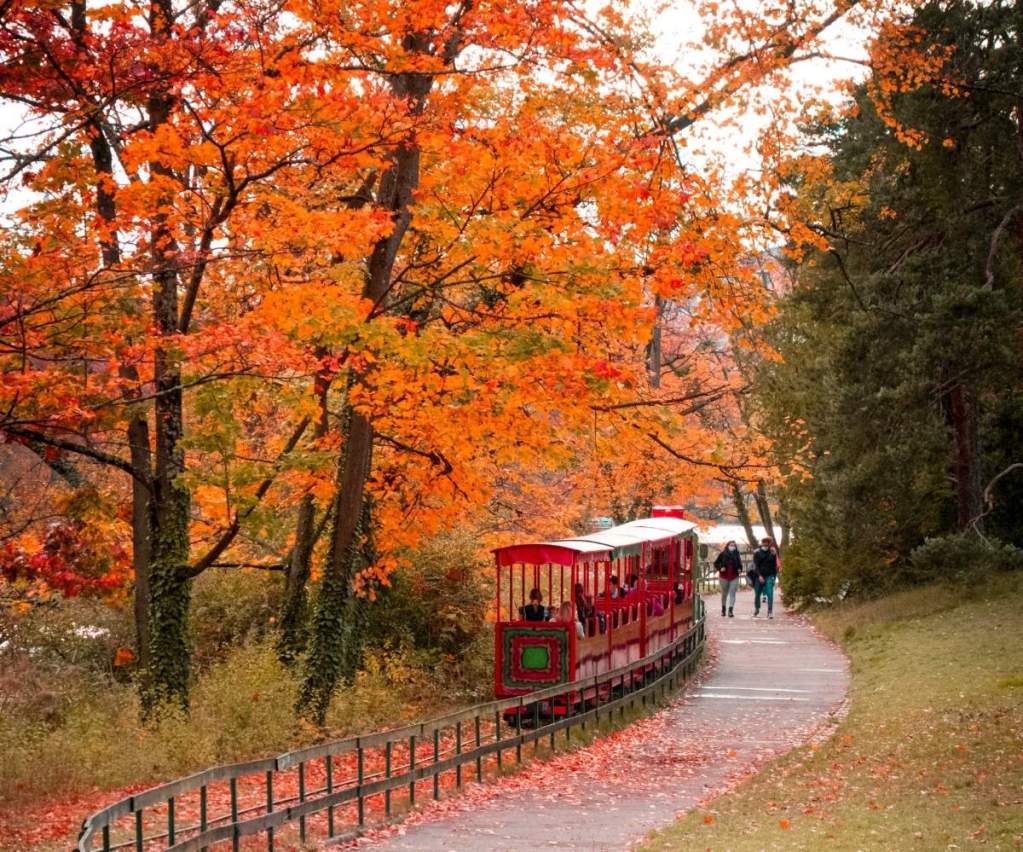
Determining the best time to visit France depends on what you hope to experience. Each season offers something special:
- Spring (April–June): A beautiful time to go, with comfortable temperatures, blooming landscapes, and lighter crowds compared to summer.
- Summer (July–August): The busiest season, with lively energy, festivals, and long daylight hours—but also higher prices and more tourists.
- Fall (September–October): A great balance of pleasant weather and fewer visitors, plus it’s harvest season in many wine regions.
- Winter (November–March): A quieter, more relaxed time to visit, ideal for enjoying museums, festive markets, and better deals on places to stay.
Travel tip: For a mix of nice weather and fewer crowds, consider planning your trip in May or September.
Must-Visit Destinations in France
France is full of iconic destinations that should not be missed.
Paris: Iconic Landmarks & Everyday Magic
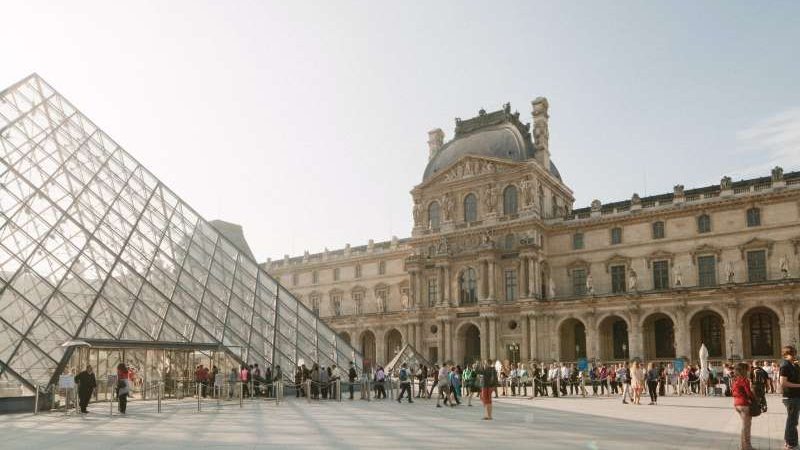
Your journey will likely begin in Paris—and honestly, it lives up to the hype. But what makes Paris truly special isn’t just the famous landmarks—it’s the feeling you get while exploring it.
Yes, you’ll want to see the Eiffel Tower sparkle at night, wander through the halls of the Louvre, and admire the beauty of Notre-Dame Cathedral.
But some of the best moments happen in between those sights. Think slow mornings at a corner café, strolling along the Seine, or getting lost in charming neighborhoods like Montmartre.
Paris is a city you experience at your own pace. You might spend one day museum-hopping and the next simply wandering with no plan, discovering hidden bakeries and quiet streets along the way.
It’s romantic, a little chaotic, and endlessly inspiring—no matter how many times you visit!
Provence: Sun-Soaked Beauty & Timeless Charm

If you’re dreaming of postcard-perfect France, Provence is probably what you’re imagining. This region is all about warm sunshine, rolling countryside, and those iconic lavender fields that seem to stretch forever in summer.
As you explore, you’ll notice how life feels a little slower here—in the best possible way. Spend your mornings wandering through local markets, afternoons sipping rosé on a terrace, and evenings watching golden sunsets over stone villages.
Make time to visit Avignon and Aix-en-Provence. Provence is perfect if you want a blend of nature, culture, and that effortlessly relaxed French lifestyle.
Loire Valley: Fairytale Castles & Countryside Escapes
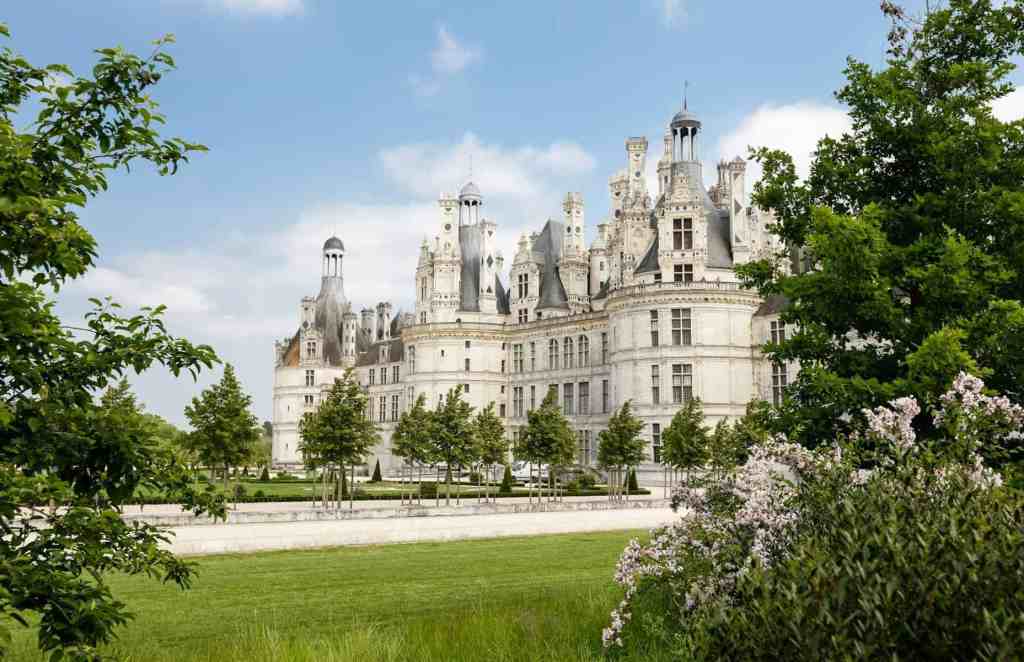
Often called the “Garden of France,” the Loire Valley feels like stepping into a storybook. This region is famous for its stunning châteaux.
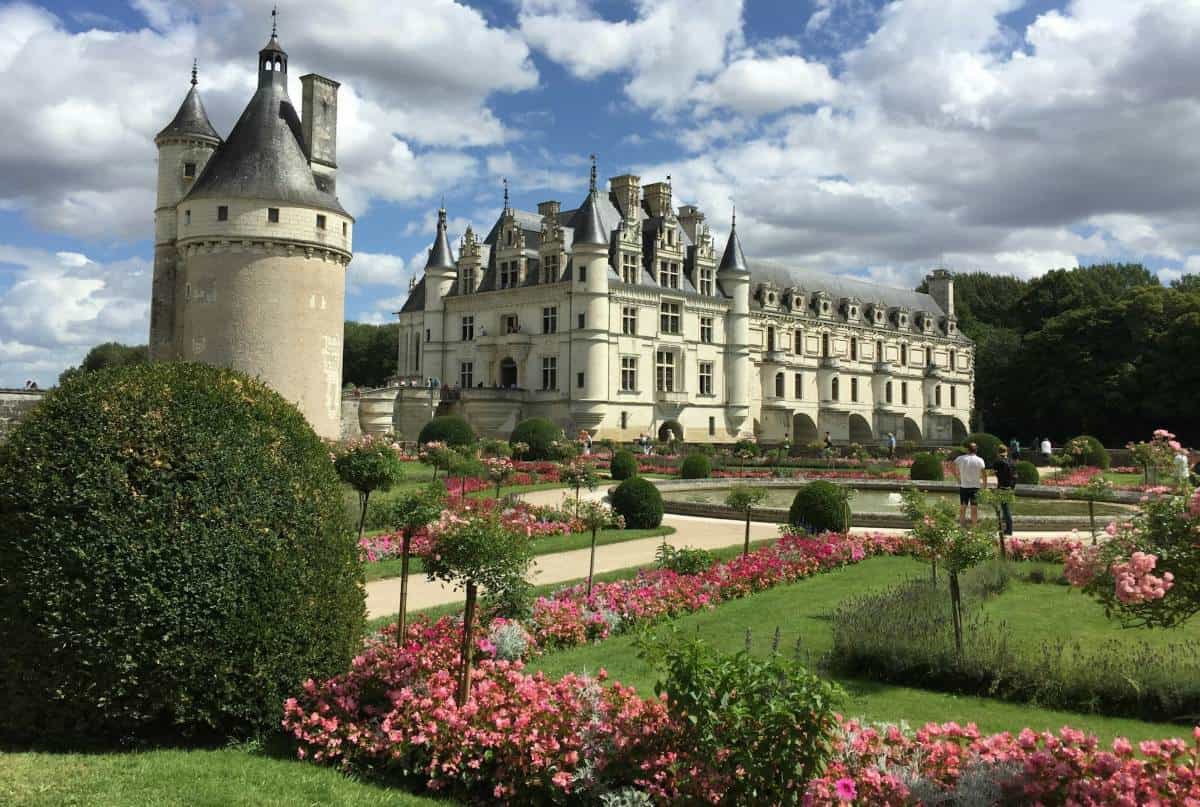
Traveling through the Loire Valley is all about slowing down. You might spend your days cycling between vineyards, picnicking along the Loire River, or exploring castles like Château de Chambord and Château de Chenonceau, each with its own unique history and architecture.
It’s an ideal destination if you love history, photography, and quiet countryside moments that feel a world away from busy city life.
Bordeaux: Wine, Culture & Elegant City Vibes
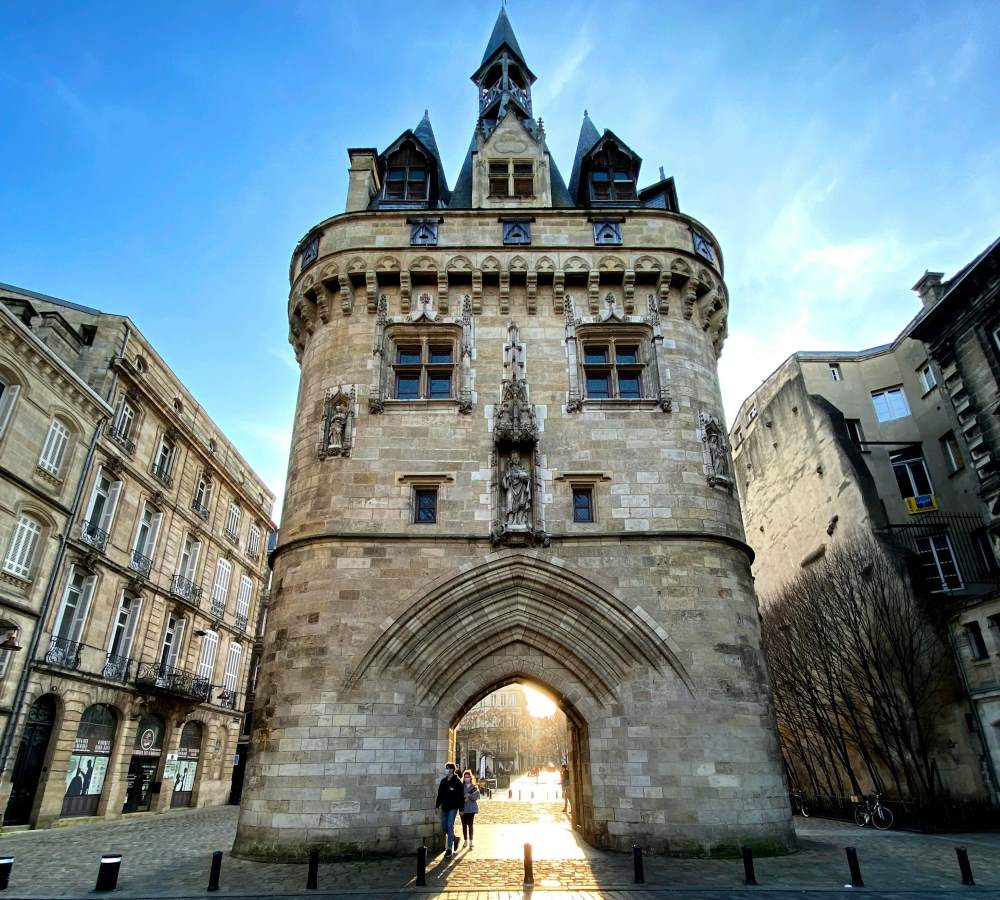
If you’re a wine lover—or just someone who enjoys great food and beautiful surroundings— Bordeaux will absolutely win you over. This region is world-famous for its vineyards, but there’s so much more to experience beyond the wine.
In the city, you can enjoy elegant 18th-century architecture and riverfront views. In the surrounding countryside, you can also experience wine tastings in some of the most prestigious vineyards in the world.
Whether you’re touring historic estates, learning about winemaking, or simply enjoying a glass on a sunny terrace, Bordeaux offers a perfect mix of culture, relaxation, and indulgence.
Each of these destinations offers something unique, providing a glimpse into the diverse cultural tapestry of France. Whether you’re interested in history, art, or gastronomy, there’s a destination that will captivate your heart.
Local Cuisine: What to Eat and Where
France is a dream destination for food lovers, and honestly, exploring the cuisine is just as important as seeing the sights.
Every region has its own specialties, and one of the best France travel tips is to come hungry and curious—you’ll want to try everything from simple pastries to rich, traditional dishes.
Paris: Classic Flavors & Elegant Treats
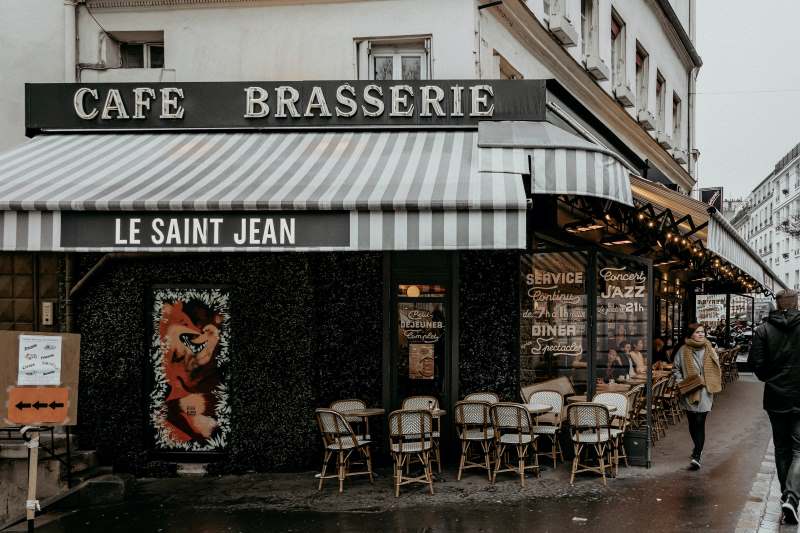
In Paris, your foodie experience begins with iconic French dishes and unforgettable desserts. You might find yourself trying escargot for the first time or savoring a perfectly cooked duck confit at a cozy bistro.
And of course, no visit is complete without something sweet—delicate macarons from places like Ladurée are practically a rite of passage.
Lyon: The Heart of French Gastronomy

If you’re serious about food, Lyon should be high on your list of places to visit in France.
Often considered the culinary capital of the country, Lyon is where you’ll discover rich, comforting dishes that reflect deep-rooted traditions.
For the full experience, step into a traditional “bouchon”—these small, family-run restaurants serve authentic local dishes in a warm, no-frills atmosphere that feels incredibly genuine.
Normandy: Fresh, Rustic & Full of Flavor

Head to Normandy for a completely different taste of France—one shaped by its coastal location and rich farmland. The food in Normandy feels simple, fresh, and deeply connected to the land.
This region is famous for its creamy cheeses like Camembert, as well as crisp apple cider and Calvados. If you have a sweet tooth, don’t miss a slice of tarte tatin, a caramelized apple dessert that originated here.
France Food & Dining Tips
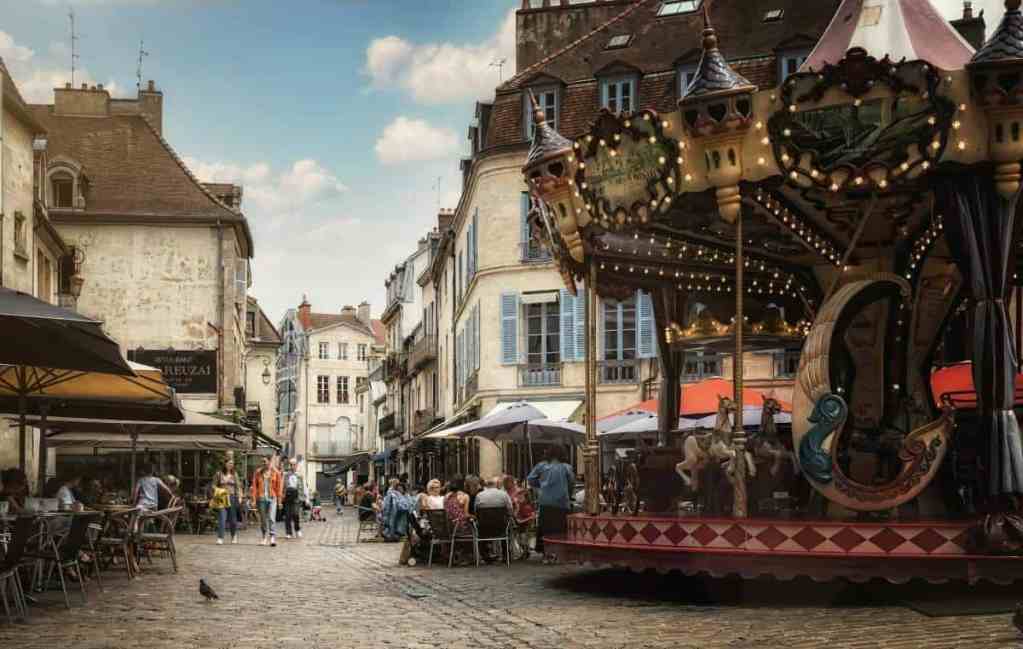
Food is a huge part of the French experience—and honestly, it’s one of the highlights.
Eating Out
- Lunch menus are often more affordable than dinner
- Dinner typically starts later (around 7:30–8:00 PM)
- Reservations are recommended for popular restaurants
Café Culture
Take your time. Sitting at a café and people-watching is practically a national pastime.
- Coffee at the bar is cheaper than sitting at a table
- Don’t rush—lingering is part of the experience
Tipping
Service is usually included in the bill, but rounding up or leaving small change is appreciated.
Food tip: Try local specialties in each region—you’ll discover something new everywhere you go.
Wherever you go, make time to wander through local markets, pick up fresh ingredients, and try small, tucked-away eateries. Keep an eye out for dishes that highlight seasonal produce, and be sure to pair your meals with a local wine or cider for a true taste of France.
Accommodation in France
Where you stay can completely shape your trip, and France offers something for every travel style.
Hotels
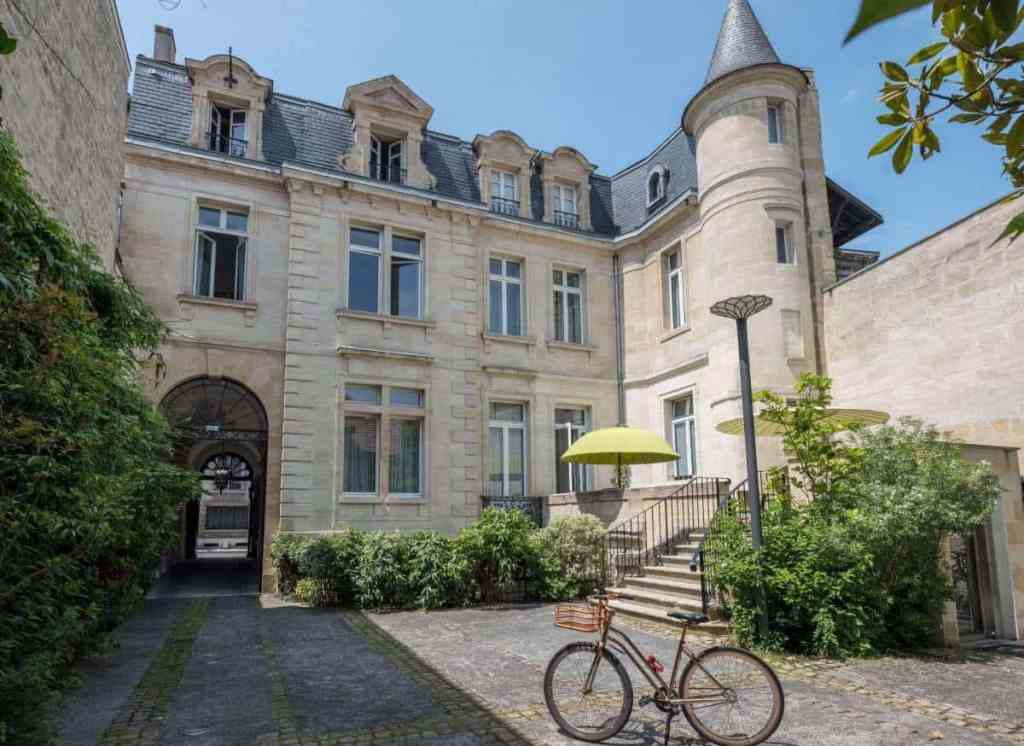
From budget-friendly options to luxury stays, hotels are widely available.
- Budget hotels are clean and simple
- Boutique hotels often have tons of charm and personality
- Luxury hotels deliver that classic French elegance
Apartments & Short-Term Rentals
If you want to live like a local, renting a vacation rental (house or apartment) is a great choice.
- Ideal for longer stays
- Gives you access to a kitchen
- Often more spacious than hotels
Bed & Breakfasts (Chambres d’Hôtes)
Bed and Breakfasts are popular in smaller towns and countryside regions.
- Warm, personal experience
- Often includes a homemade breakfast
- Great way to connect with locals
Hostels
Hostels are an excellent option if you’re travelling solo or on a budget.
- Many offer private rooms as well as dorms
- Social atmosphere, great for meeting other travelers
Accommodation tip: Book early if you’re traveling in summer or during major holidays—places fill up fast, especially in popular regions.
Getting Around in France: Transportation Tips

France has one of the best transportation systems in Europe, so getting around is easier than you might think.
Trains
The high-speed train network (TGV) connects major cities quickly and comfortably. You can go from Paris to Lyon or Bordeaux in just a couple of hours.
- Book train tickets early for the best prices
- Choose window seats for scenic routes
Public Transport in Cities
Cities like Paris, Lyon, and Marseille have excellent metro, tram, and bus systems.
- Buy multi-day passes if you’ll be exploring a lot
- Download offline maps to navigate easily
Renting a Car
If you’re heading to rural areas like Provence, Normandy, or the French Alps, renting a car gives you flexibility.
Travel tip: Driving in cities can be stressful—save the rental car for countryside adventures.
Whatever your mode of transport, planning ahead will ensure you spend more time enjoying the journey and less time navigating logistics.
Understanding French Culture and Etiquette
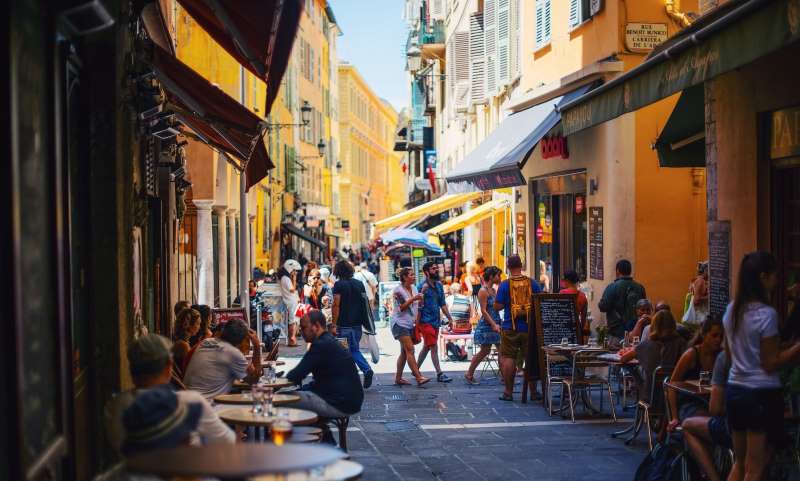
One of the most valuable travel tips for France is to embrace the local culture. France has a strong sense of tradition, and even small gestures of respect can completely change how you’re received.
When you take the time to understand these social norms, your experience feels more personal, more connected, and honestly—more memorable.
Greetings: Start with “Bonjour”
In France, greetings really matter. Before asking a question, ordering food, or even browsing in a shop, it’s polite to say “bonjour.” It’s a simple habit, but it sets the tone for a friendly interaction.
In casual situations, that’s usually enough. In more formal settings, a handshake is common, while friends and acquaintances may greet each other with la bise (a light cheek kiss). As a visitor, you won’t be expected to initiate this—but it’s helpful to recognize it.
Dining Etiquette: Slow Down & Enjoy the Moment
Meals in France aren’t rushed—they’re meant to be enjoyed.
When you’re at a restaurant:
- Wait until everyone at the table has been served before you start eating
- Keep your hands visible on the table (wrists are fine), but avoid resting your elbows
- Take your time—lingering over a meal is completely normal
This slower pace is part of what makes dining in France feel so special.
Tipping: Simple and Subtle
Another helpful France travel tip: tipping works a little differently here. In most restaurants and cafés, a service charge is already included in your bill.
That said, it’s still common to:
- Round up the total
- Leave a few extra coins for good service
There’s no pressure to tip big—it’s more about appreciation than obligation.
Everyday Etiquette: Keep It Polished
In general, the French value a certain level of politeness and discretion in public spaces.
You’ll notice that people tend to:
- Speak in a more moderate tone rather than loudly
- Respect personal space, especially in queues or on public transport
- Dress a bit more put-together, even for casual outings
Why It Matters
You don’t need to be perfect—but making an effort goes a long way. These small cultural details can turn a simple interaction into a warm, genuine exchange.
And that’s really what travel in France is all about—not just seeing the sights, but feeling like you’re part of the rhythm of everyday life, even if just for a little while.
Cultural tip: The French value politeness and subtlety—small gestures go a long way!
Safety Tips for Travelers in France
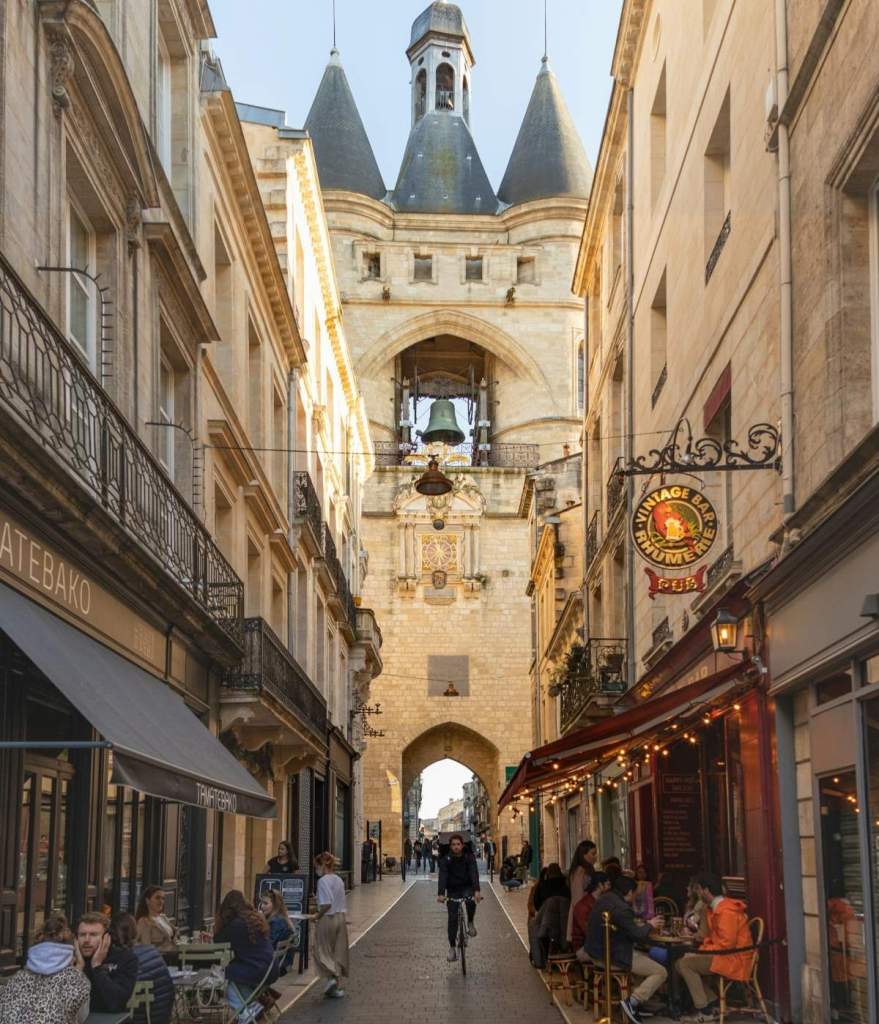
Stay Alert in Busy Areas
In popular cities and tourist hotspots, petty theft can happen—especially in crowded places like public transport, major attractions, and busy streets.
To stay one step ahead:
- Keep your bag close to your body
- Avoid carrying large amounts of cash
- Be mindful of your phone and wallet in crowded spaces
You don’t need to be on edge—just stay aware of what’s around you.
Watch for Common Tourist Scams
In larger cities, you might come across a few typical scams targeting visitors. These can include distraction techniques, fake petitions, or overly friendly strangers offering “help.”
A good rule of thumb? If something feels off or too good to be true, trust your instincts and politely walk away.
Keep Valuables Low-Key
One of the easiest ways to avoid unwanted attention is to keep things simple. Flashy jewelry, expensive gear, or leaving belongings unattended can make you an easy target.
Instead:
- Use a crossbody bag or anti-theft backpack
- Keep important items tucked away
- Avoid placing valuables on café tables or empty chairs
Know Emergency Numbers
It’s always a good idea to be prepared, even if you never need it.
In France:
- Dial 112 for general emergencies
- Dial 17 for police assistance
Saving these numbers in your phone can give you extra peace of mind while traveling.
Consider Travel Insurance
Another smart France travel tip is to have travel insurance before your trip. It can cover unexpected situations like medical issues, cancellations, or lost luggage—things you hope won’t happen, but are glad to be prepared for.
Travel Smart, Enjoy More
At the end of the day, staying safe in France is mostly about being mindful, not worried. When you take a few simple precautions, you can relax and fully enjoy the experience—whether that’s wandering through charming streets, dining at a local café, or discovering somewhere new.
Because the goal isn’t to stress—it’s to explore with confidence and soak up every moment of your trip!
Essential Packing Tips for Your Trip to France
Getting ready for your trip? A little thoughtful packing goes a long way—and these France travel tips will help you feel prepared without overpacking.
Clothing: Comfortable Meets Effortless Style
When it comes to what to wear in France, think practical but polished.
The weather can shift throughout the day, so packing layers is key. Lightweight pieces you can mix and match will make getting dressed easy, whether you’re exploring a city or heading out for dinner.
And don’t underestimate your footwear—you’ll likely be walking a lot. Choose a pair of comfortable shoes that still feel stylish enough to blend in with the effortlessly chic local vibe.
Everyday Essentials
A few small items can make your trip so much smoother:
- A universal travel adapter for your electronics
- A reusable water bottle to stay hydrated
- A compact daypack or crossbody bag for daily outings
These are the things you’ll reach for again and again throughout your trip.
Important Travel Documents
Before you leave, make sure all your essential documents are organized and easy to access.
Bring:
- Your passport
- Travel insurance details
- Any required visas or confirmations
It’s also a smart idea to keep digital copies saved on your phone or email, just in case you need a backup while traveling.
Plan for Your Activities
Think about what you’ll actually be doing in France and pack accordingly. If your itinerary includes museum visits, countryside day trips, or evenings out, having the right outfits and essentials on hand will make everything feel effortless.
Pack Light, Travel Better
One of the best France travel tips? Don’t overpack. You’ll likely want to bring home a few souvenirs—whether it’s wine, local goods, or something special you discover along the way.
Packing light gives you flexibility, freedom, and a much more enjoyable travel experience from start to finish.
Budgeting for Your France Adventure
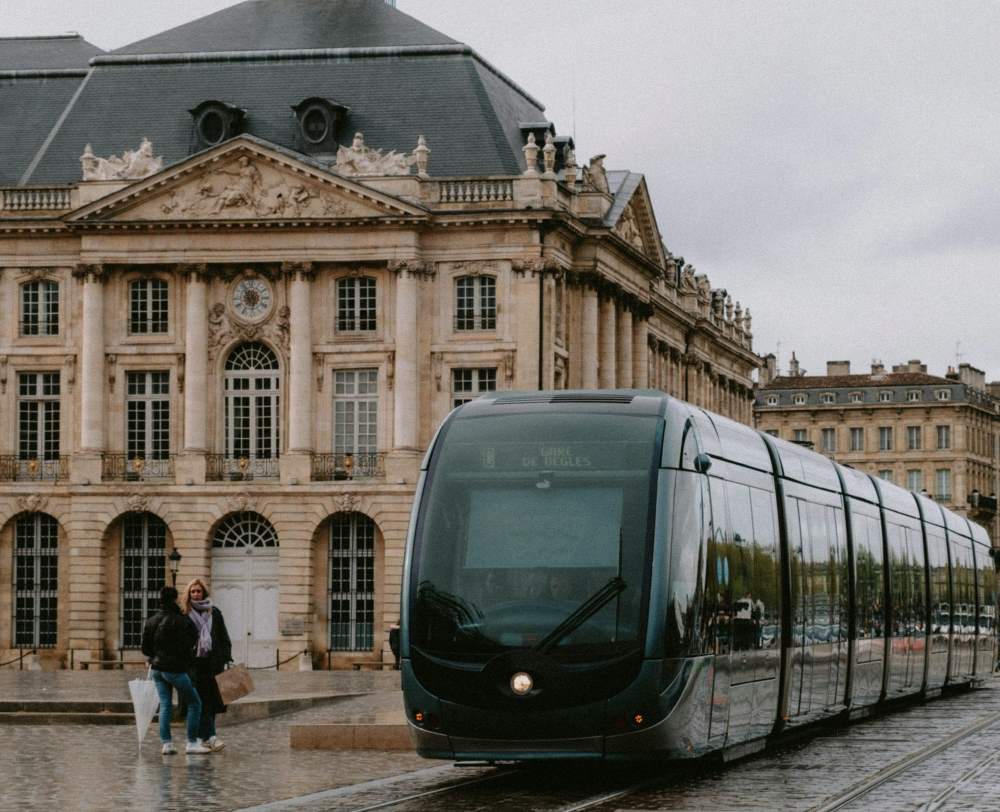
One of the most helpful France travel tips you can follow is setting a realistic budget before you go. The beauty of traveling in France is that it can be as indulgent or as affordable as you want—it all comes down to how you plan your trip.
From where you stay to how you eat and get around, costs can vary quite a bit. The key is deciding what matters most to you, so you can spend where it counts and save where it doesn’t.
Accommodation: Find Your Perfect Fit
France has something for every type of traveler, whether you’re dreaming of a boutique hotel, a cozy guesthouse, or a budget-friendly hostel.
If you’re looking to save money without sacrificing experience, consider staying just outside major city centers or in smaller towns. You’ll often find better prices, more space, and a more local, authentic feel.
Dining: Eat Well Without Overspending
Food is a huge part of the experience—and the good news is, you don’t have to splurge on fine dining to eat incredibly well in France.
Instead:
- Look for bistros and neighborhood cafés
- Try the plat du jour (daily special), which often offers great value
- Mix in bakery stops or market picnics for casual, affordable meals
You’ll still enjoy amazing flavors, just without the high price tag.
Transportation: Travel Smart
Getting around France is surprisingly efficient, and you don’t need to spend a fortune to explore multiple regions.
Trains are one of the easiest and most comfortable ways to travel between cities. If you’re planning to visit several destinations, booking tickets early or looking into rail passes can help you save.
For shorter distances, public transportation within cities is reliable and budget-friendly.
Spend Smart, Travel Better
At the end of the day, budgeting your trip doesn’t mean missing out—it just means being intentional. When you plan ahead and prioritize what matters most, you can enjoy the best of France without feeling stressed about money.
And remember, some of the most memorable moments don’t cost a thing—like wandering through a quiet village, relaxing in a park, or enjoying a simple picnic by the river.
Those are the experiences you’ll remember long after your trip is over.
Frequently Asked Questions (FAQs)
Final Thoughts: Your France Adventure Starts Here
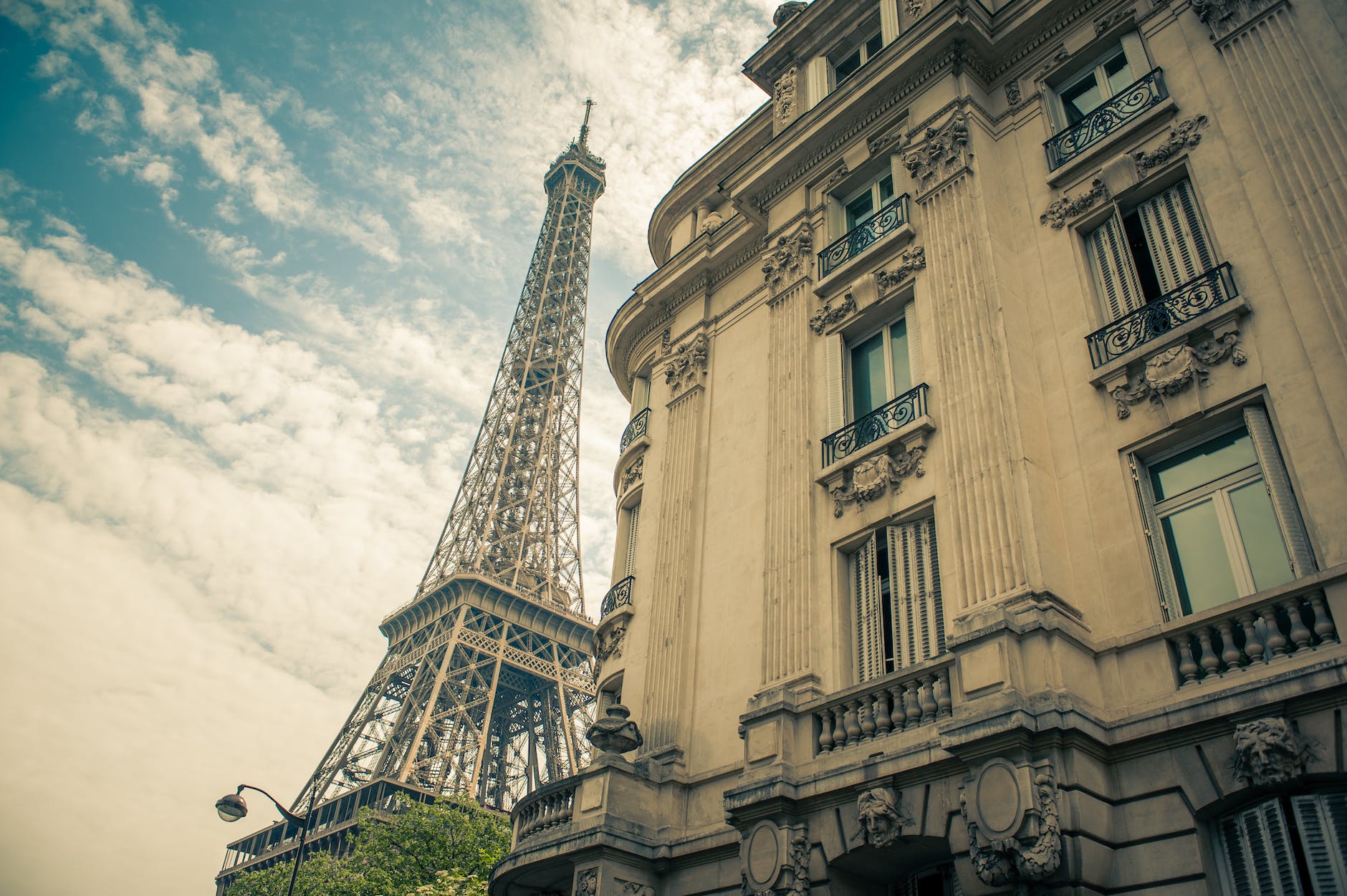
There’s something about France that lingers with you long after your trip ends.
Sure, the famous sights are incredible—but it’s the everyday moments that really stay with you. Sitting on a café terrace with no agenda, wandering down quiet streets, or stumbling upon a view that feels straight out of a postcard.
With these France travel tips, you’re not just checking off a destination—you’re setting yourself up for a deeper, more meaningful experience.
So start mapping out your trip, follow your curiosity, and leave room for the unexpected… because in France, those unplanned moments often become the most unforgettable ones!
France Travel Blogs
Plan unforgettable trips with insider tips, inspiring ideas, and practical advice to explore France with confidence and ease.
France Solo Travel Destinations

Best Natural Attractions in France
Best Day Trips From Paris

Best Place to Visit in Central France