
Paris 5 Day Itinerary for First-Time Visitors
Planning the perfect Paris 5 day itinerary can feel overwhelming. With world-famous landmarks, charming neighbourhoods, incredible museums, and unforgettable food around every corner, it’s hard to know where to begin.
From watching the Eiffel Tower sparkle at night to wandering the halls of the Louvre and taking a day trip to the magnificent Palace of Versailles, Paris offers far more than you can experience in just a few days.
The good news? Five days gives you enough time to see the city’s iconic attractions while also discovering the cafés, gardens, markets, and local neighbourhoods that make Paris so magical.
This Paris 5 day itinerary is designed to help you make the most of your visit with a realistic day-by-day plan that balances must-see sights with hidden gems and authentic local experiences.
Whether you’re visiting Paris for the first time or returning to fall in love with the City of Light all over again, this itinerary will help you create an unforgettable trip without feeling rushed.
Disclaimer: This post may contain affiliate links, meaning I receive commissions for purchases made through those links at no cost to you. Please read my full disclosure for more information.
Day 1: Classic Paris Landmarks and Neighborhoods
Start your five days in Paris itinerary by walking one of the world’s most famous avenues. The Champs-Élysées stretches from Place de la Concorde to the Arc de Triomphe, lined with flagship stores, cafes and historic theatres.
Morning: Champs-Élysées and Arc de Triomphe
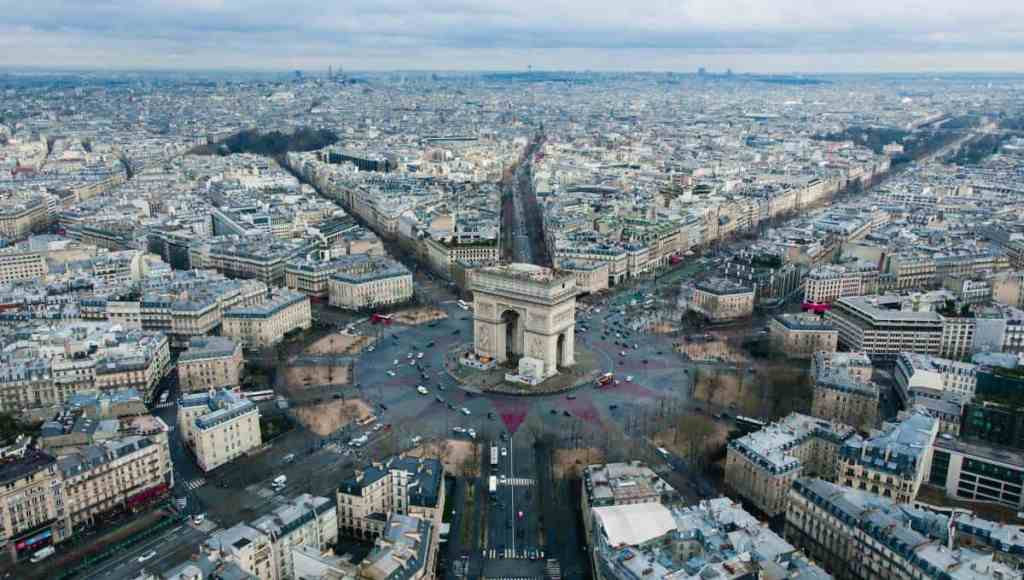
The Arc de Triomphe dominates your view at the avenue’s western end as you walk uphill along the Champs-Élysées from Place de la Concorde.
The monument is located at the center of Place Charles de Gaulle, where 12 grand boulevards radiate outward in a star formation.
The arch is 50 meters high and features four large limestone relief sculptures at its base, each commemorating different French military victories. La Marseillaise by François Rude, the most prominent sculpture, was inspired by the French national anthem.
Names of French Revolutionary and Napoleonic battle victories cover the interior walls, along with prominent generals of those periods.
The Tomb of the Unknown Soldier rests beneath the arch at ground level, marked by an eternal flame that commemorates soldiers lost in both World Wars.
You have to climb 234 steps to reach the viewing platform. From this vantage point, you can trace the ax historique (historic axis) that runs east through the smaller Arc de Triomphe du Carrousel toward the Louvre.
The Arc de Triomphe opens at 10 am daily. Admission costs 22€, with free entry for EU residents under 26. Last admission on regular days occurs 45 minutes before closing.
Never attempt to cross the traffic to reach the Arc de Triomphe. Use the underground passages with entries on the north side of Champs-Élysées and on Avenue de la Grande Armée instead.
Afternoon: Tuileries Garden and Louvre Museum
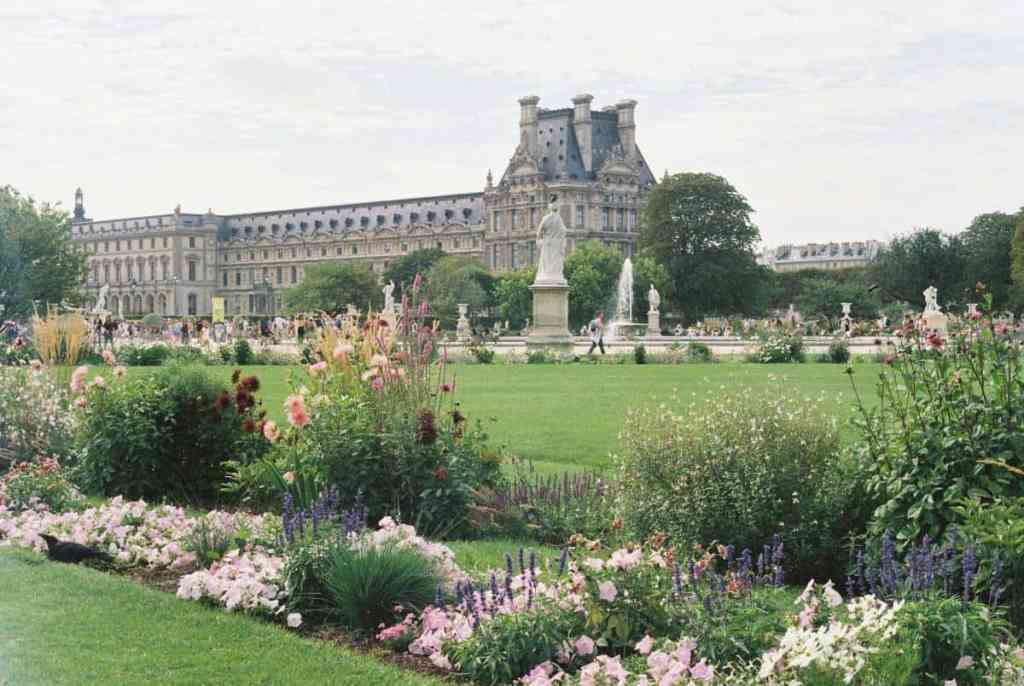
Tuileries Garden
Walk back down the Champs-Élysées toward the Tuileries Garden after descending from the Arc. This free garden is just a 3-minute walk from the Louvre.
Catherine de Medici created the garden in 1564 on the site of an old tile factory, and it now offers one of Paris’s loveliest public spaces.
Toy sailboats glide across the water at the main fountain, with lounge chairs positioned around the basin for visitors. Children can enjoy the carousel, trampolines and small boats.
The garden provides a calm respite before entering the busy museum.
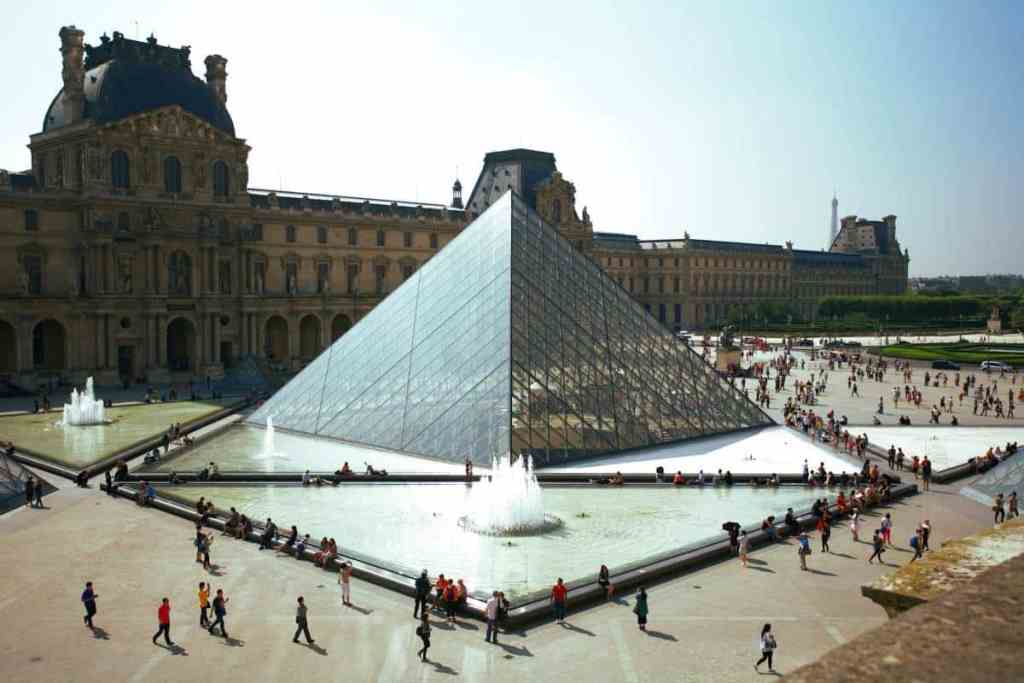
The Louvre
The Louvre ranks as the world’s largest art museum and displays 35,000 objects from a collection of 380,000 pieces.
Start with the museum’s most famous pieces. The Mona Lisa attracts the heaviest crowds and sits behind protective glass. Winged Victory commands attention on the first floor in the Denon wing, Room 703, with intricate sculpting details on her sea-sprayed clothing.
Venus de Milo stands in the ground floor Sully wing, Room 345, and displays her distinctive s-shaped contrapposto pose. Other must-sees include The Raft of the Medusa, Liberty Leading the People and The Coronation of Napoleon.
Venture beyond the famous works into less crowded areas. The Egyptian Antiquities in the ground floor Sully wing display ancient coffins, mummies and burial artifacts across multiple rooms. The Great Sphinx of Tanis rests in its own crypt on the lower ground floor.
It is recommended to arrive at the 9 am opening to maximize your experience before crowds intensify. Visitor numbers increase by 10 am, with even longer lines by 1 pm.
Three entrance options exist. The main glass pyramid draws the longest queues.
Check the schedule of room closures on the Louvre website before visiting. Certain galleries close on specific days, and knowing this beforehand prevents wasted time searching for closed sections.
Evening: Latin Quarter and Luxembourg Gardens
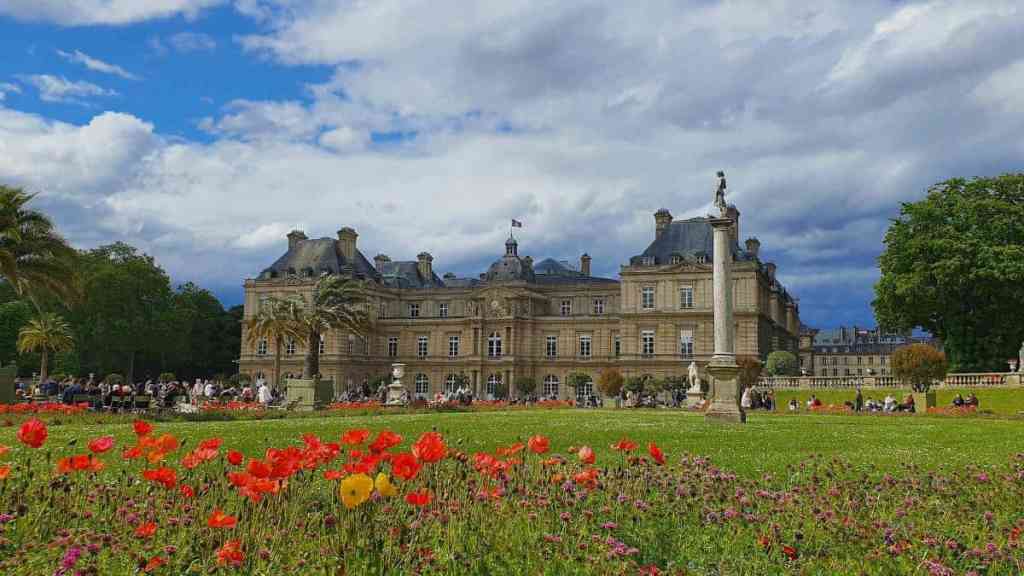
After a busy day exploring some of Paris’s most famous landmarks, spend your first evening soaking up the atmosphere of the historic Latin Quarter.
Located on the Left Bank of the Seine, this vibrant neighbourhood is known for its charming streets, lively cafés, centuries-old architecture, and rich intellectual history.
Begin with a leisurely walk through the beautiful Jardin du Luxembourg, one of the most beloved green spaces in Paris. Created in 1612 for Queen Marie de Medici and inspired by the gardens of her native Florence, the park combines elegant French landscaping with more natural English-style gardens.
Wide tree-lined pathways, colourful flowerbeds, ornate fountains, and over 100 statues make it a peaceful escape from the city’s bustling streets. Take a seat beside the park’s large central basin, where locals and visitors gather to relax, read a book, or simply enjoy the surroundings.
If you’re visiting with children, they can sail miniature boats across the pond, ride ponies, or enjoy one of Paris’s oldest puppet theatres.
As the afternoon light begins to fade, the gardens become an especially beautiful place to slow down and appreciate the quieter side of the city.
From the gardens, continue exploring the narrow streets of the Latin Quarter. One of the area’s most recognizable landmarks is the Panthéon, whose impressive dome rises above the surrounding rooftops.
Originally built as a church in the eighteenth century, it now serves as the final resting place of some of France’s most influential figures, including Voltaire, Rousseau, and Marie Curie.
As you wander through the neighbourhood, you’ll also pass the historic Sorbonne, one of Europe’s oldest universities. Founded in 1257, the institution has shaped generations of scholars and continues to give the Latin Quarter its youthful, energetic atmosphere.
End your evening at a traditional Parisian café or bistro, where you can enjoy dinner while watching daily life unfold around you.
With its mix of history, culture, and local charm, the Latin Quarter offers the perfect introduction to the Paris you’ll discover throughout the rest of this Paris 5 day itinerary.
Day 2: Art Museums and Iconic Architecture
Day two of your Paris 5 day itinerary is dedicated to some of the city’s greatest artistic and architectural treasures.
You’ll spend the morning surrounded by world-famous masterpieces before continuing your journey through the heart of historic Paris, where Gothic architecture and centuries of history await.
Morning: Musée d’Orsay
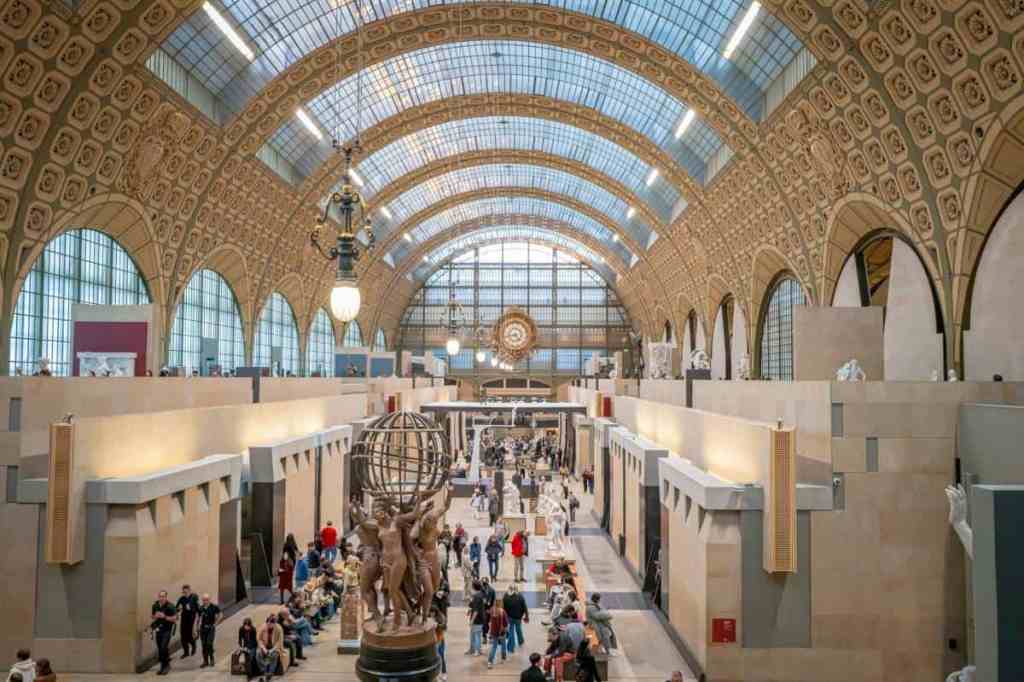
Start your morning at the magnificent Musée d’Orsay, home to the world’s largest collection of Impressionist and Post-Impressionist art.
Located inside a beautifully restored Beaux-Arts railway station built for the 1900 Exposition Universelle, the museum is just as impressive on the outside as it is within.
Before you even begin exploring the galleries, take a moment to admire the soaring central hall and the building’s spectacular architecture.
The museum opens at 9:30 a.m., making it the perfect first stop of the day. Purchasing a timed-entry ticket in advance is highly recommended, especially during the busy travel season, as same-day admission often sells out.
Once inside, make your way directly to the fifth-floor galleries, where you’ll find the museum’s most celebrated collection of Impressionist masterpieces. These rooms showcase iconic works by Monet, Van Gogh, Renoir, Cézanne, Degas, Gauguin, Manet, and many other influential artists.
Since the museum regularly rotates artwork throughout the galleries, each visit can offer a slightly different experience. Van Gogh’s paintings are among the museum’s biggest highlights, so expect larger crowds around his galleries.
While the Impressionist galleries are the museum’s main attraction, don’t overlook the lower floors. At any given time, roughly 3,000 works from the museum’s extensive collection are on display.
The Musée d’Orsay also houses one of the world’s finest collections of Art Nouveau furniture, decorative arts, and architecture, alongside impressive sculptures displayed throughout the former railway station.
Even if you’re not an art enthusiast, seeing these celebrated works in person is one of the highlights of any visit to Paris.
Midday: Musée de l’Orangerie
After exploring the Musée d’Orsay, take a leisurely walk through the beautiful Tuileries Garden to the nearby Musée de l’Orangerie.
Although much smaller than the Louvre or Musée d’Orsay, this museum is home to one of the most unforgettable art experiences in Paris.
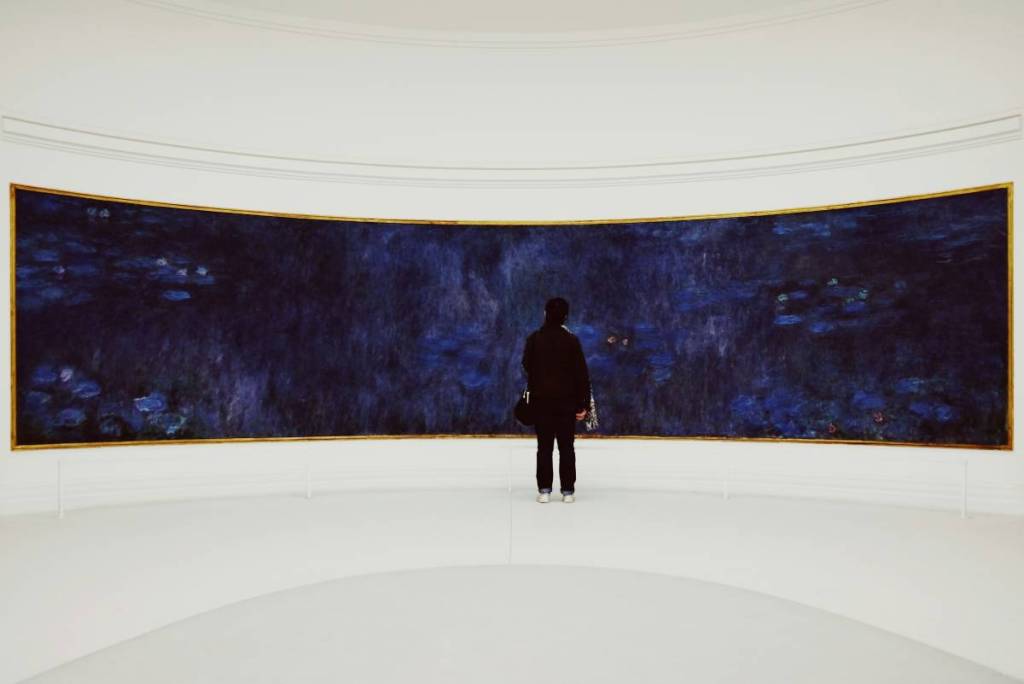
The museum’s greatest treasure is Claude Monet’s breathtaking Water Lilies series. In 1918, shortly after the end of the First World War, Monet donated these monumental paintings to the French state as a symbol of peace.
Following his wishes, the eight panoramic panels were installed in two specially designed oval galleries in 1927, creating an immersive experience unlike any traditional art museum.
As you enter the oval rooms, take your time. The enormous paintings wrap around the curved walls, while soft natural light filters in from above, just as Monet intended. Rather than viewing individual works, you’ll feel completely surrounded by his peaceful garden at Giverny.
Although the Water Lilies are the museum’s main attraction, don’t miss the lower-level galleries before you leave. Here you’ll discover an outstanding collection of works by celebrated artists including Renoir, Cézanne, Picasso, Matisse, Rousseau, and Modigliani.
To make the most of your visit, reserve your timed-entry ticket at least a day in advance. The museum is popular, and pre-booking will help you avoid long waits, especially during the busiest travel months.
Afternoon: Sainte-Chapelle
In the afternoon, cross the Seine to Île de la Cité, where you’ll discover one of Paris’s most breathtaking hidden treasures.
Tucked behind the walls of the historic Palais de la Cité, Sainte-Chapelle is easy to miss from the outside—but once you step inside, you’ll quickly understand why it’s considered one of the most beautiful Gothic chapels in the world.
Built in 1248 for King Louis IX, Sainte-Chapelle was commissioned to house some of Christianity’s most treasured relics, including the Crown of Thorns. Although its exterior is relatively modest, the interior is nothing short of extraordinary.
To enjoy a quieter visit, book your ticket in advance and aim to arrive earlier in the afternoon before the largest crowds gather.
Your visit begins in the lower chapel, where deep blue ceilings decorated with golden stars, vibrant red accents, and slender painted columns create an intimate and surprisingly ornate space. While beautiful in its own right, it serves as the perfect introduction to what awaits upstairs.
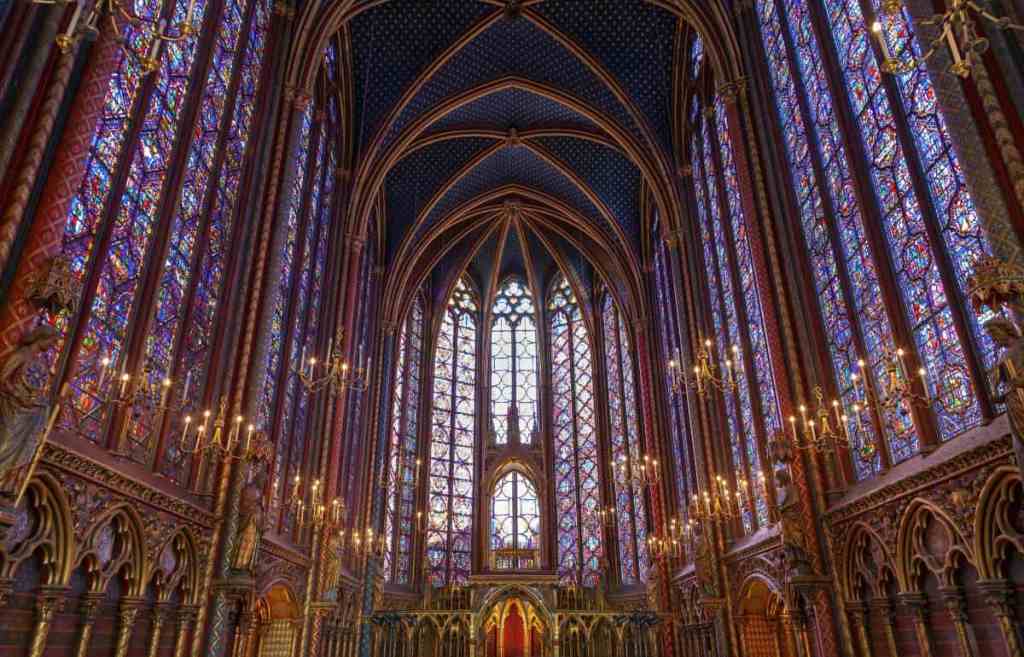
Climb the narrow staircase to the upper chapel, and prepare for one of the most spectacular sights in Paris. Towering stained-glass windows rise nearly from floor to ceiling, surrounding the chapel in a kaleidoscope of colour.
Covering more than 670 square metres of glass, these remarkable windows date largely to the thirteenth century and contain over 1,100 biblical scenes. As sunlight pours through the glass, the entire chapel glows with brilliant shades of blue, red, green, purple, and gold, creating an atmosphere that feels almost otherworldly.
Take your time here. Walk slowly around the chapel, look closely at the intricate details within each panel, and, if possible, find a quiet spot to simply admire the light as it changes throughout the day.
It’s one of those unforgettable Paris experiences that photographs simply can’t capture.
Evening: Notre Dame Cathedral and Île Saint-Louis
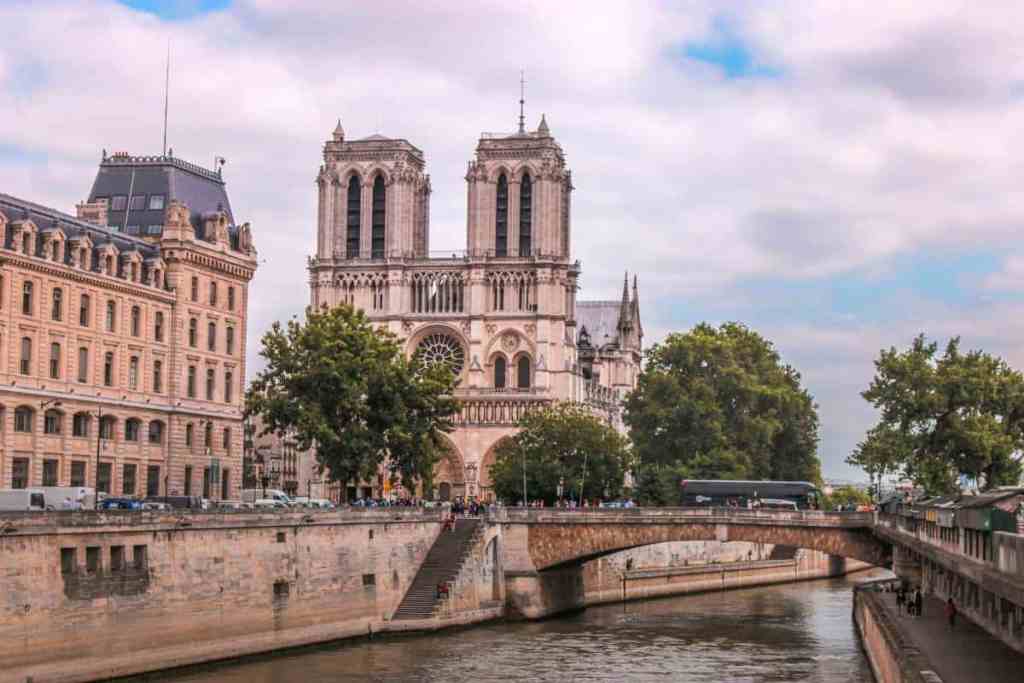
End the second day of your 5-day Paris itinerary by visiting one of the city’s most iconic landmarks: Notre Dame Cathedral.
After the devastating fire in April 2019 and years of meticulous restoration, the cathedral has once again welcomed visitors, allowing travellers to admire one of the world’s greatest masterpieces of Gothic architecture.
Originally completed in the fourteenth century after nearly 200 years of construction, Notre-Dame has stood at the heart of Paris for more than 850 years. Its soaring twin towers, intricate stone carvings, magnificent rose windows, and famous flying buttresses continue to impress visitors from around the world.
Even if you don’t plan to tour the interior, spend some time in the Parvis de Notre-Dame to appreciate the cathedral’s remarkable architecture from every angle. As evening approaches and the crowds begin to thin, the atmosphere becomes especially magical, making this one of the best times of day to visit.
From here, cross the bridge to the charming Île Saint-Louis, one of Paris’s most picturesque neighbourhoods. Unlike its bustling neighbour, Île de la Cité, this peaceful island has retained an elegant residential character, with beautiful seventeenth-century mansions, narrow cobblestone streets, and quiet riverside promenades.
Take your time wandering the island’s quaint streets, browse its boutique shops, or stop for a leisurely dinner at a traditional Parisian bistro.
If you’re craving something sweet, treat yourself to a scoop of the island’s famous ice cream before enjoying a stroll along the Seine as the city lights begin to sparkle. It’s the perfect, relaxing way to end another unforgettable day in Paris.
Day 3: Day Trip to Versailles and Montmartre
After spending two days exploring the heart of Paris, it’s time to venture beyond the city limits. Today on your Paris 5 day itinerary, you’ll discover the grandeur of the Palace of Versailles before returning to Paris for an evening in the charming streets of Montmartre.
Morning to Afternoon: Palace of Versailles
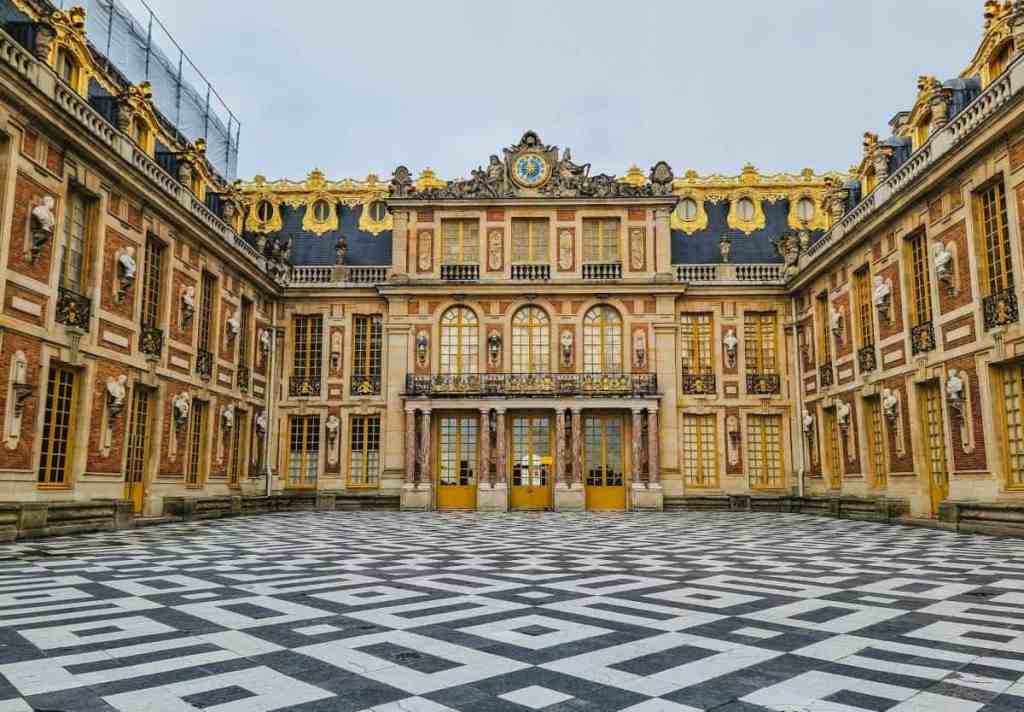
Set aside most of your day for the Palace of Versailles. The estate is enormous, and trying to squeeze it into a few hours means missing many of its most memorable corners.
For the best value, purchase a Passport Ticket, which includes the palace, gardens, and the Trianon Estate. Prices are €35 from April through October and €25 between November and March, while admission is free for visitors under 18.
Once inside, resist the urge to race from room to room. The palace was designed to impress, and every salon, gallery, and staircase tells part of the story of France’s royal past. Richly painted ceilings, glittering chandeliers, and lavish decoration surround you at every turn.

Eventually, you’ll arrive at the palace’s most celebrated room—the Hall of Mirrors. Stretching nearly 73 metres (240 feet), the gallery combines towering windows overlooking the gardens with 357 mirrors that fill the space with light.
The Hall of Mirrors is one of the busiest rooms in the palace, so don’t worry if you can’t linger long. Simply take a moment to look up and appreciate the remarkable craftsmanship before continuing your visit.
After leaving the palace, slow the pace and explore the surrounding gardens. Designed by André Le Nôtre, the landscape is every bit as impressive as the royal residence itself. Wide avenues lead to elegant fountains, peaceful groves, ornamental lakes, and perfectly clipped hedges that seem to stretch endlessly across the estate.
If you’re visiting between April and October, consider timing your walk to coincide with the Musical Fountain Shows, when many of the fountains operate alongside classical music. It’s a wonderful way to experience the gardens as they were intended to be enjoyed.
Later in the day, make your way to the Estate of Trianon, which opens at 12:00 p.m. You can walk through the gardens or ride the little train if your feet need a break. This quieter area offers a completely different atmosphere from the palace.
In the Estate of Trianon you’ll find the elegant Grand Trianon, the smaller Petit Trianon, and Marie Antoinette’s Hamlet, a charming collection of cottages, gardens, and small farm buildings created as a countryside retreat away from court life.
Don’t feel pressured to see every corner of the estate. Versailles covers almost 2,000 acres, making it impossible to appreciate in a hurry. Instead, focus on the highlights, leave time to simply wander, and enjoy the slower pace before heading back to Paris for an evening in Montmartre.
Evening: Montmartre and Sacré-Cœur
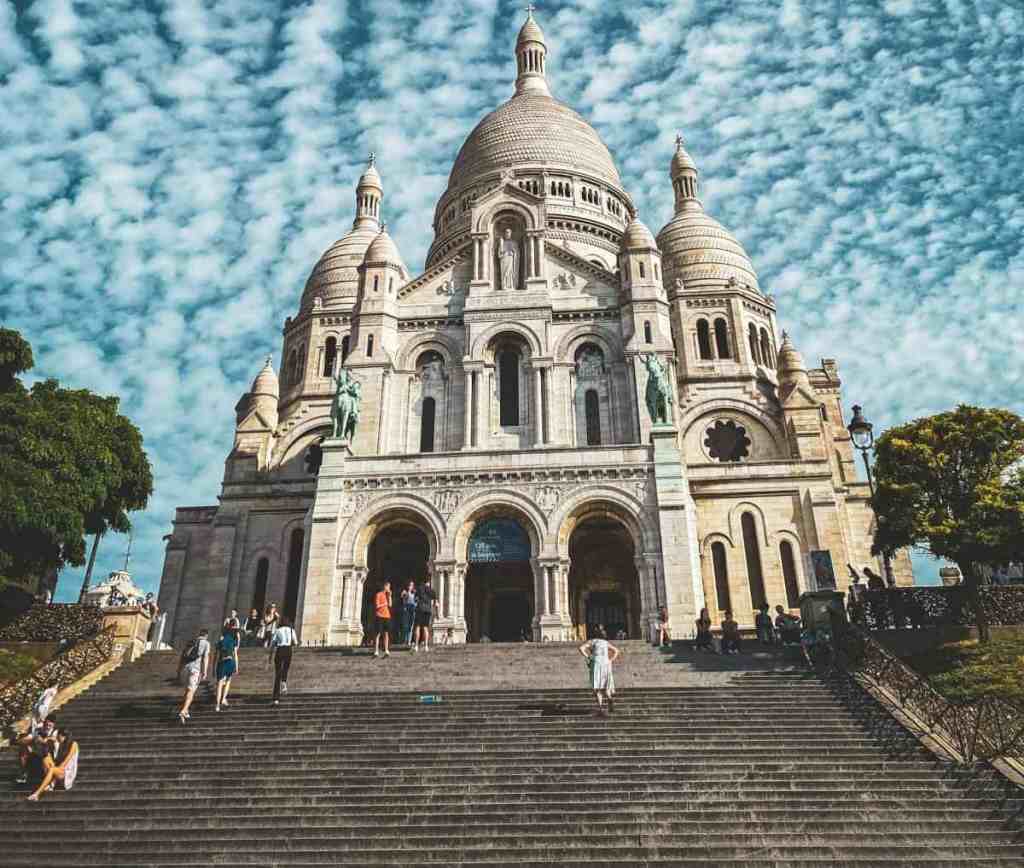
After spending most of the day at Versailles, head back into Paris and finish your evening in Montmartre.
The pace here feels noticeably different from the grand boulevards and busy attractions found elsewhere in the city. Narrow streets climb the hillside, artists sketch in public squares, and hidden staircases reveal unexpected views around nearly every corner.
As the afternoon crowds begin to disperse, make your way to Sacré-Cœur Basilica, one of the most recognizable landmarks in Paris. The basilica is open daily from 6:30 a.m. until 10:30 p.m., and entry to the church is free.
Since Sacré-Cœur Basilica is still an active place of worship, visitors should dress respectfully, keep conversations quiet, and note that photography is not permitted inside the main sanctuary.
Step inside to admire the vast interior before climbing to the dome if you’re up for the challenge. The ascent involves approximately 300 steps, but the reward is one of the most impressive viewpoints in the city.
From the top, Paris stretches out in every direction, offering a completely different perspective from the streets below. On a clear evening, famous landmarks emerge across the skyline while the city gradually transitions from day to night.
If you prefer a slower pace, spend some time wandering through Montmartre itself. Rather than following a strict route, allow yourself to get pleasantly lost among the neighbourhood’s winding lanes.
You’ll pass ivy-covered buildings, quiet residential corners, independent galleries, and small cafés tucked away from the busiest tourist areas. This unhurried exploration is part of what makes Montmartre so memorable.
Dinner in Montmartre
Montmartre is an excellent place to enjoy dinner, especially if you’re willing to venture a few blocks beyond the restaurants clustered around the main attractions.
For traditional French comfort food, Le Progrès offers classics such as escargots, French onion soup, and other bistro favourites in a lively setting. Expect to spend roughly €40 per person for a meal.
Those seeking a more contemporary dining experience may prefer Chantoiseau, where seasonal ingredients and creative presentations take center stage. The restaurant has earned a strong reputation among both locals and visitors looking for something beyond standard tourist menus.
Another worthwhile option is Le Bistrot du Maquis, a neighbourhood restaurant known for its welcoming atmosphere and carefully prepared French dishes. Signature menu items often include steak and other bistro staples paired with traditional sauces.
If keeping costs down is a priority, Bouillon Pigalle remains one of the best-value dining experiences in Paris. Generous portions, classic French recipes, and reasonable prices have made it extremely popular, so arriving early or making a reservation can save a lengthy wait.
Once dinner is finished, take a final walk through the neighbourhood before returning to your accommodation. The illuminated basilica, the glow of café terraces, and the distant lights of Paris create a memorable atmosphere that feels worlds away from the crowds of the day.
It’s the perfect end to the third day of your 5-day Paris itinerary.
Day 4: The Eiffel Tower and the Left Bank
By day four of your Paris 5 day itinerary, you’ve already explored many of the city’s iconic neighbourhoods. Today is all about experiencing everyday Paris before visiting its most famous landmark and ending the day on the Seine.
Morning: Browse the Shops Along Rue Cler
Begin your morning on Rue Cler, one of Paris’s best-loved market streets. Located in the heart of the 7th arrondissement, this pedestrian-friendly street offers a glimpse into daily Parisian life that many visitors miss.
Instead of rushing from attraction to attraction, spend some time wandering between the neighbourhood’s specialty food shops.
Depending on the season, you’ll find colourful displays of fresh fruit and vegetables spilling onto the sidewalks, seafood delivered fresh from the French coast, artisan bakeries, gourmet delicatessens, and cheese shops showcasing hundreds of regional varieties.
This is an excellent place to pause for breakfast or an early lunch. Whether you choose a bustling café terrace or a traditional neighbourhood brasserie, Rue Cler is one of the best places to enjoy an authentic meal before continuing your day.
Midday: Visit the Eiffel Tower
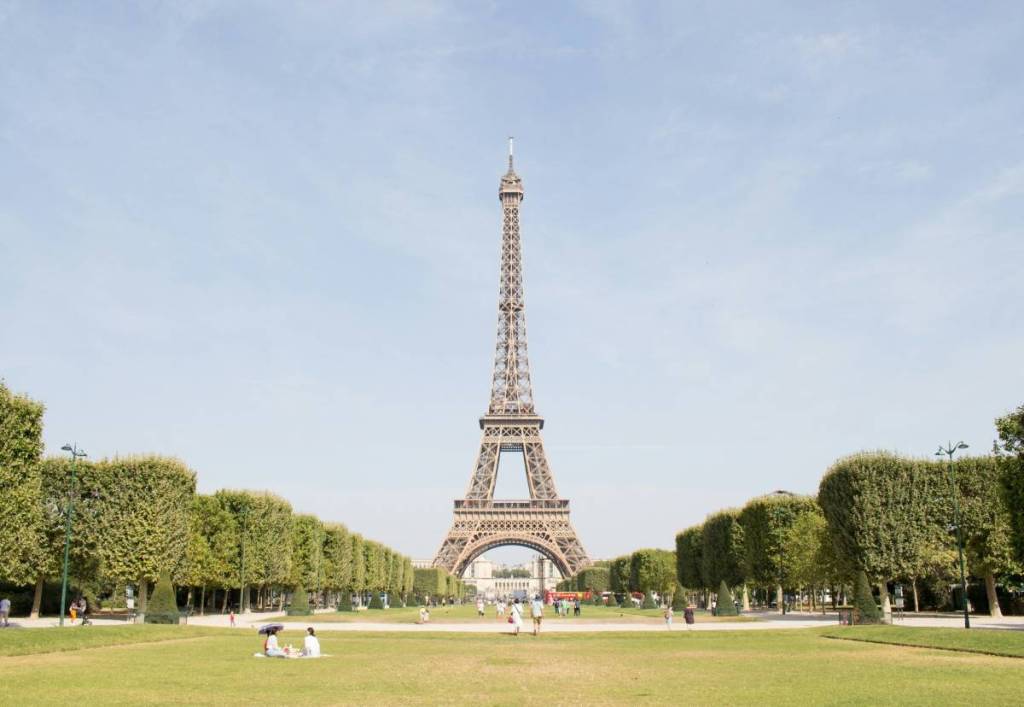
No Paris 5 day itinerary would be complete without visiting the city’s most recognizable landmark.
If you want to reach the summit, purchase your tickets as soon as they become available. Elevator tickets typically go on sale 60 days in advance, while stair-access tickets are released about 14 days before your visit. During peak travel seasons, summit tickets often sell out within hours.
Plan to arrive 15 to 20 minutes before your reserved entry time to allow for airport-style security screening. Early morning visits generally offer the shortest waits, while late afternoon and early evening can also be less crowded than the middle of the day.
The second floor provides spectacular panoramic views over Paris and is where many visitors spend the most time taking photographs. If you’ve reserved summit access, you’ll transfer to a separate elevator for the final ascent. Be aware that queues for the summit elevator can sometimes exceed an hour, particularly during the summer months.
Before leaving, don’t miss the glass floor on the first level, where you can look straight down beneath your feet. If you’re comfortable using the stairs, walking down from the second floor is often quicker than waiting for the elevators and offers unique views of the tower’s remarkable iron framework.
Afternoon: Les Invalides
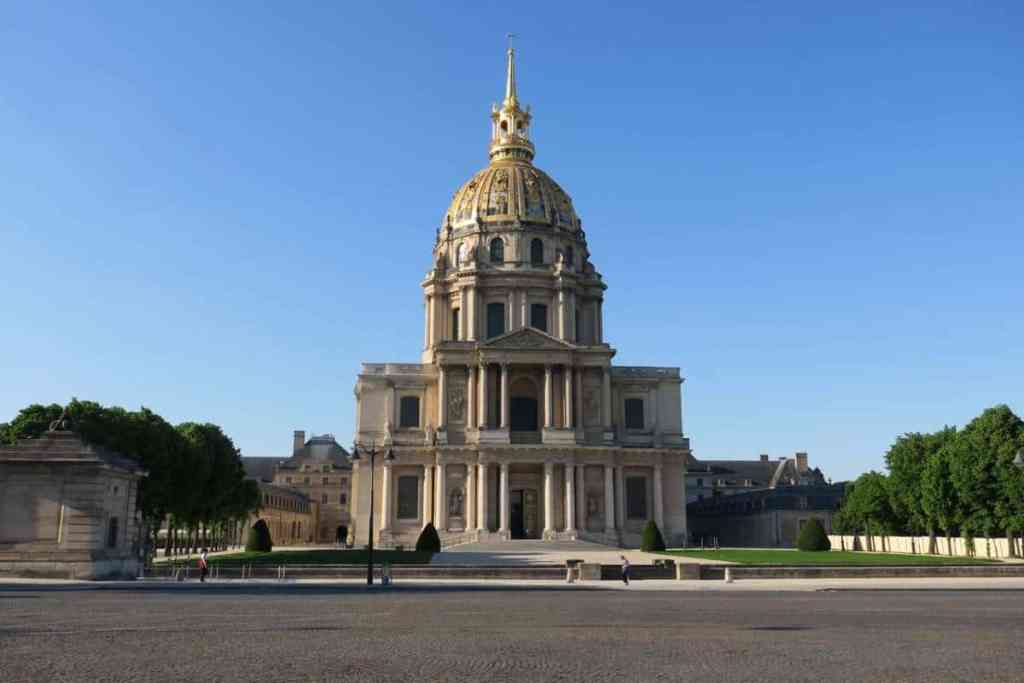
From the Eiffel Tower, enjoy a pleasant walk to Les Invalides, one of Paris’s most significant historic landmarks. Recognizable by its gleaming golden dome, the complex was originally built during the reign of Louis XIV as a home and hospital for wounded soldiers.
Today, it’s best known as the final resting place of Napoleon Bonaparte. His elaborate tomb sits beneath the magnificent Dome Church, surrounded by marble, mosaics, and sculptures celebrating key moments in his military career.
Standing above the enormous red quartzite sarcophagus offers a striking perspective on both the scale of the monument and Napoleon’s lasting place in French history.
If time permits, explore the adjoining Army Museum, whose extensive collection traces centuries of French military history through armour, uniforms, weapons, and historical artifacts.
Evening: Cruise Along the Seine
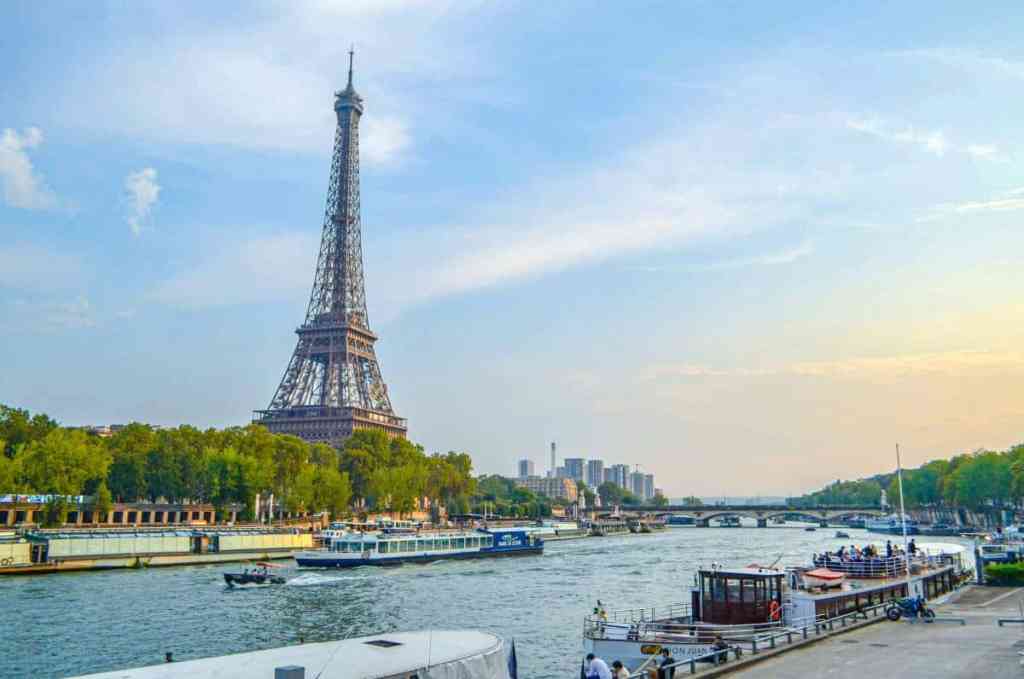
There’s no better way to end the day than by the water. As the sun begins to set, board a Seine River cruise near the Eiffel Tower and watch many of Paris’s most famous landmarks drift past.
Most sightseeing cruises last about one hour, while dinner cruises offer a more leisurely experience. Along the route you’ll glide past icons such as Notre-Dame Cathedral, the Louvre, and the Musée d’Orsay, all beautifully illuminated as evening falls.
After four busy days of sightseeing, a river cruise offers the perfect opportunity to slow down, rest your feet, and admire Paris from an entirely different perspective.
Day 5: Hidden Paris and Local Experiences
After exploring the city’s iconic landmarks over the past four days, today is your chance to wander beyond the typical tourist attractions and experience neighbourhoods where everyday Parisian life takes center stage. It’s the perfect way to end your Paris 5 day itinerary.
Morning: Rue Mouffetard and local markets
Start your morning on Rue Mouffetard, one of the oldest streets in Paris. Located in the lively Latin Quarter, this bustling market street has been a gathering place for locals for centuries and offers a wonderful glimpse into daily life in the city.
Arrive between 8:30 a.m. and 10:30 a.m., when the market is at its liveliest and the produce displays are fully stocked. Saturday mornings are particularly vibrant, with residents filling baskets with fresh fruit, vegetables, flowers, bread, cheese, seafood, and other local specialties.
Rather than following a strict sightseeing schedule, take your time browsing the independent shops and market stalls. Step inside a traditional fromagerie to admire the incredible variety of French cheeses, pick up fresh pastries from a neighbourhood bakery, or treat yourself to handcrafted chocolates.
Find a café with outdoor seating, order a coffee and pastry, and spend a little time simply watching the neighbourhood come to life. After several busy days of sightseeing, it’s a refreshing change of pace.
Even if you don’t buy anything, wandering Rue Mouffetard is one of the best ways to experience the rhythm of everyday Paris.
Afternoon: Paris Catacombs or Père Lachaise Cemetery
For your final afternoon, choose between two fascinating experiences depending on your interests.
Paris Catacombs
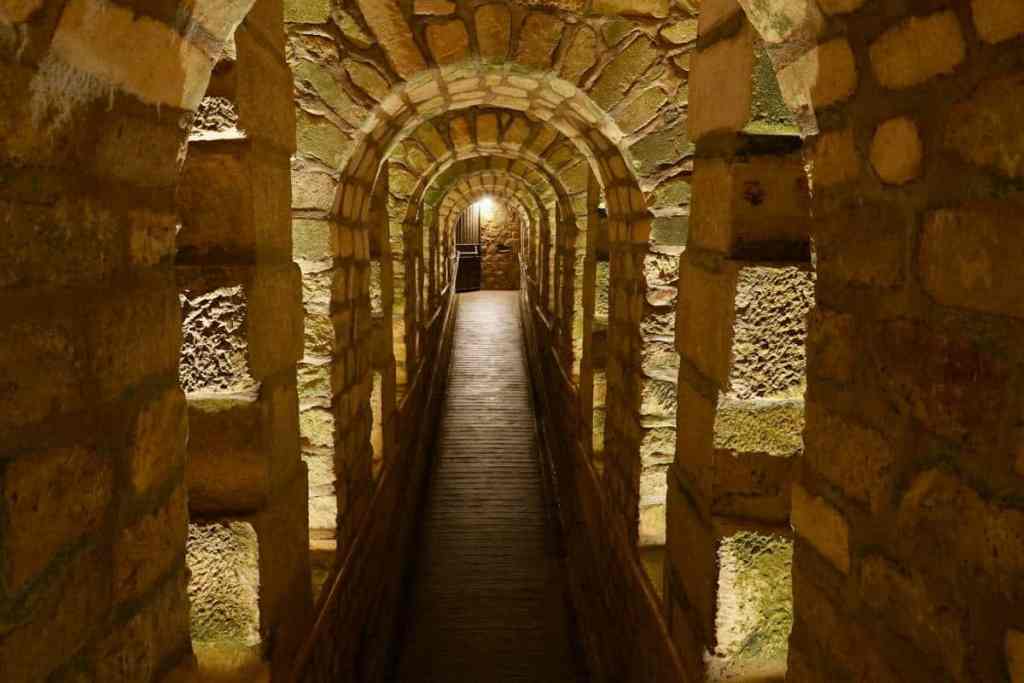
If you’re intrigued by Paris’s hidden history, visit the Paris Catacombs, where a network of underground tunnels holds the remains of more than six million people.
Because visitor numbers are limited, purchasing tickets online in advance is highly recommended.
Inside, the temperature remains around 14°C (57°F) year-round, so bringing a light jacket is a good idea.
Be prepared to descend 130 steps before following the underground route and climbing 83 steps back to street level.
Père Lachaise Cemetery
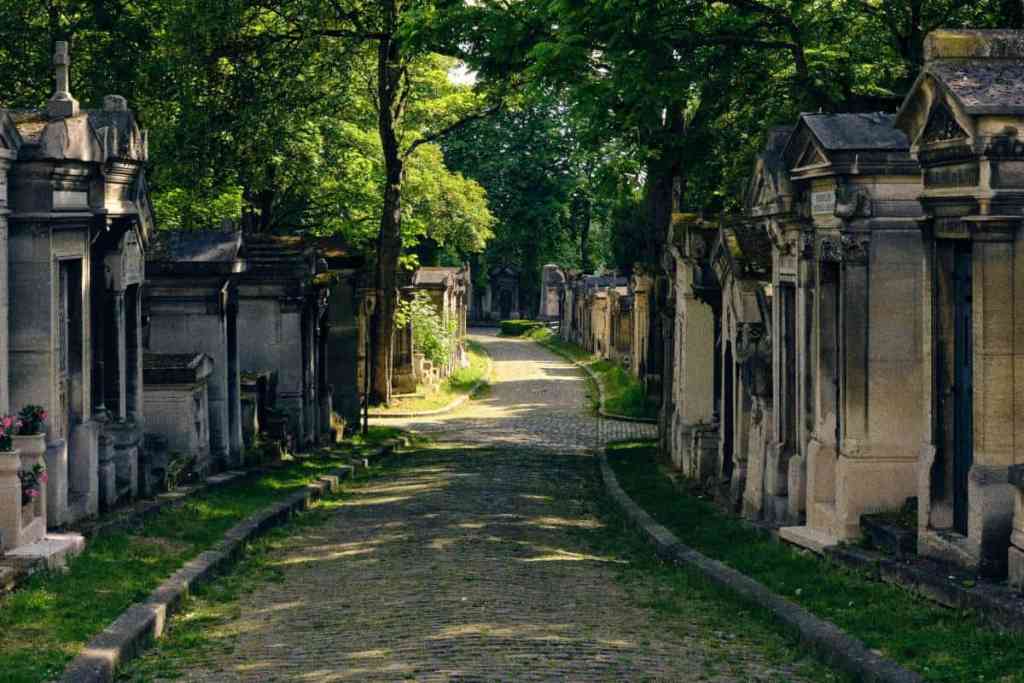
If you prefer to stay above ground, head to Père Lachaise Cemetery, the largest cemetery in Paris.
Covering more than 110 acres, it’s as much a peaceful park as it is a historic burial ground.
Tree-lined pathways lead visitors past beautifully sculpted monuments and the final resting places of famous figures including Oscar Wilde, Édith Piaf, and Jim Morrison.
It’s a surprisingly tranquil place to spend a leisurely afternoon away from the city’s busiest attractions.
Final evening: Your choice of activities
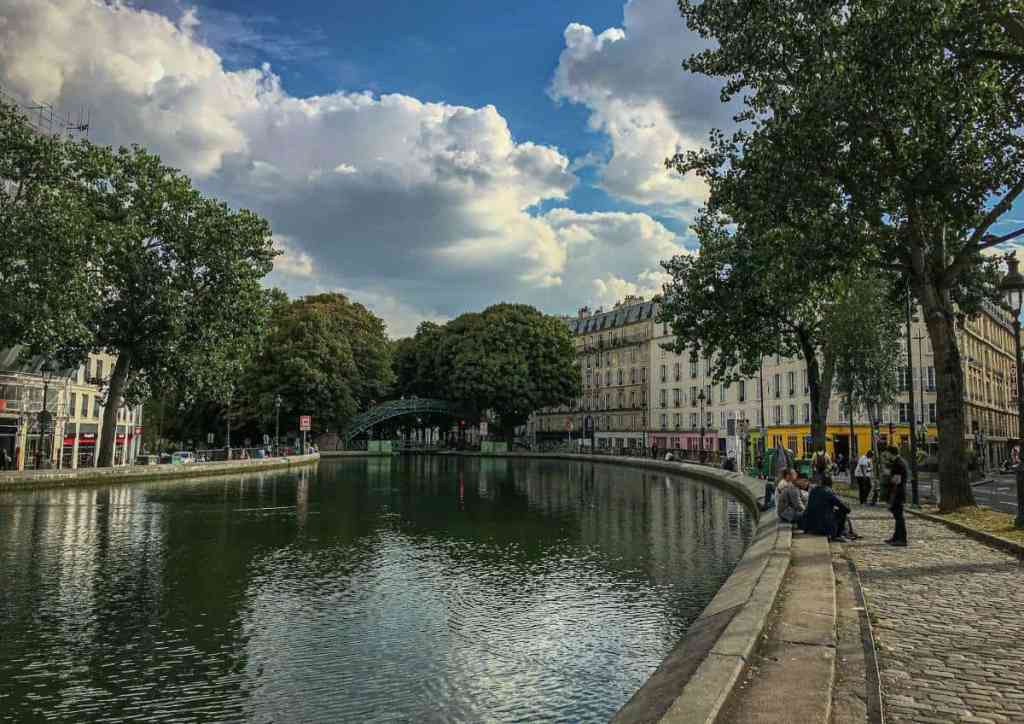
Your final evening is the perfect opportunity to revisit a favourite neighbourhood or discover somewhere new.
You might enjoy one last walk along the Seine, spend the evening in the lively cafés of Saint-Germain-des-Prés, or head to Canal Saint-Martin, where locals gather along the waterfront to relax after work.
Rather than trying to fit in another major attraction, embrace the slower pace. Order a glass of wine at a sidewalk café, linger over dinner, or simply wander through streets that catch your eye.
Some of the most memorable moments in Paris aren’t planned—they happen when you allow yourself time to explore.
Final Thoughts on this Paris 5 Day Itinerary
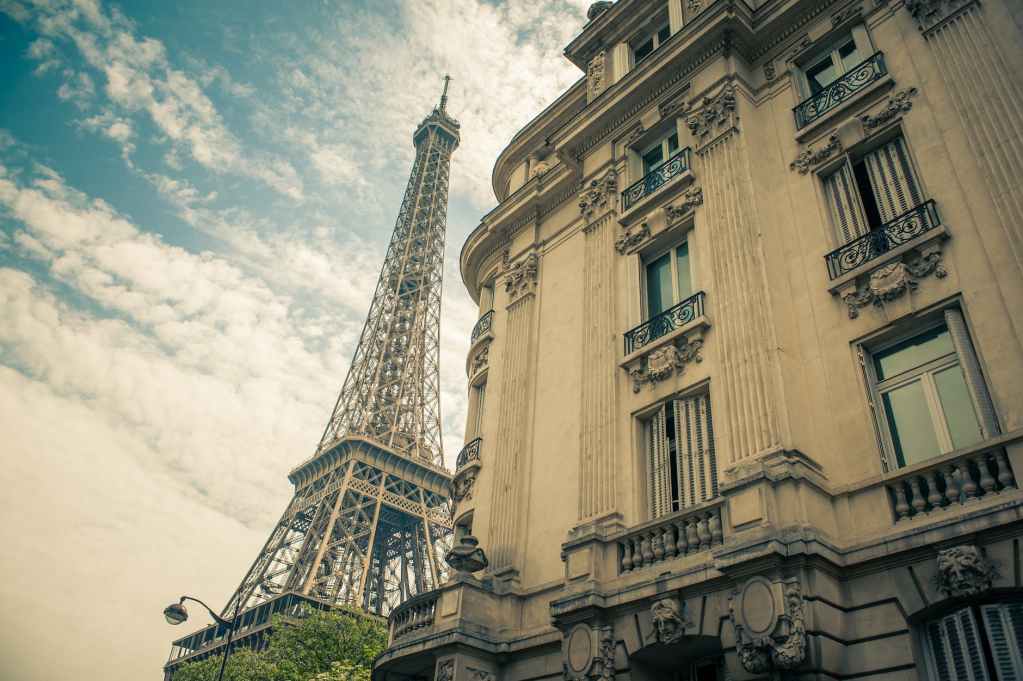
A well-planned Paris 5 day itinerary gives you enough time to experience the city’s iconic landmarks while discovering the charming neighbourhoods, cafés, gardens, and hidden corners that make Paris so unforgettable.
Rather than rushing from one attraction to the next, you’ll enjoy a balanced itinerary that combines world-famous sights with authentic local experiences.
Planning your days in advance also helps you make the most of your time. Reserve tickets for popular attractions like the Eiffel Tower, the Louvre, and the Palace of Versailles before your trip to avoid long lines and make your sightseeing as seamless as possible.
Grouping attractions by neighbourhood means you’ll spend less time commuting and more time soaking up the atmosphere.
Most importantly, leave room for the unexpected. Some of the best memories in Paris come from wandering along a quiet cobblestone street, discovering a hidden courtyard, stumbling upon a neighbourhood market, or lingering over coffee at a sidewalk café.
While this Paris 5 day itinerary provides the perfect framework, don’t be afraid to slow down and let the City of Light surprise you. Those unplanned moments often become the ones you’ll remember long after your trip is over.
Frequently Asked Questions (FAQs)
Paris Travel Blogs
Day Trips From Paris
Paris Bucket List
Paris 3 Day Itinerary